Pet razloga zašto kupci iz EU biraju Crnu Goru
Kupci iz EU biraju Crnu Goru iz pet jasnih razloga: obala sa zaista ograničenom ponudom, reprezentativni kompleksi koji ispunjavaju međunarodne standarde, pravni okvir bez ograničenja za vlasništvo stranaca, mediteranska klima uz laku povezanost sa evropskim prijestonicama i podrška globalne mreže za nekretnine uz lokalno, lično vođenje. Za kupca iz Njemačke, Švajcarske, Poljske, Slovačke ili Skandinavije koji upoređuje mogućnosti duž Jadrana, upravo ovih pet činilaca pretvara lijepu uspomenu sa odmora u ozbiljnu, dugoročnu investicionu odluku.
Riječ Nika Lakovića
Ja sam Niko Laković, osnivač kompanije Luxury Homes LLC i lokalni partner iza agencije Montenegro Sotheby’s Realty, i radim zajedno sa Hunterom Milborneom, iskusnim stručnjakom iz branše sa više od 100.000 prodatih jedinica ukupne vrijednosti preko 25 milijardi dolara, koga u Kanadi zovu „Dean of Condos”, a koji je dio Gulf Sotheby’s Realty. Za 15 godina rada na crnogorskoj obali gledao sam kako se mijenja profil naših kupaca. Nekada je interesovanje uglavnom dolazilo iz susjednih balkanskih zemalja. Danas sve veći dio upita koje primamo u agenciji Montenegro Sotheby’s Realty stiže iz Njemačke, Švajcarske, Poljske, Slovačke, Ujedinjenog Kraljevstva i Skandinavije. Pitanja koja ovi kupci postavljaju su dosljedna, kao i razlozi zbog kojih se na kraju odluče. Ovaj članak prolazi kroz tih pet razloga, uz iste činjenice i brojke koje dijelimo direktno sa klijentima.
Zašto se strani kupci upravo sada okreću Crnoj Gori?
Crna Gora je kompaktno tržište sa jasno definisanim osnovama: ograničenom ponudom na obali, rastućom međunarodnom potražnjom i malim brojem velikih kompleksa koji su znatno podigli standard stambenih i ugostiteljskih nekretnina. Upravo na te osnove reaguju kupci iz EU. Oni ne jure trend, već odgovaraju na ograničenu ponudu, bolju infrastrukturu i pravni okvir koji strane kupce tretira jednako kao domaće.
1. Crnogorska obala je zaista ograničena, i upravo ta činjenica štiti vrijednost
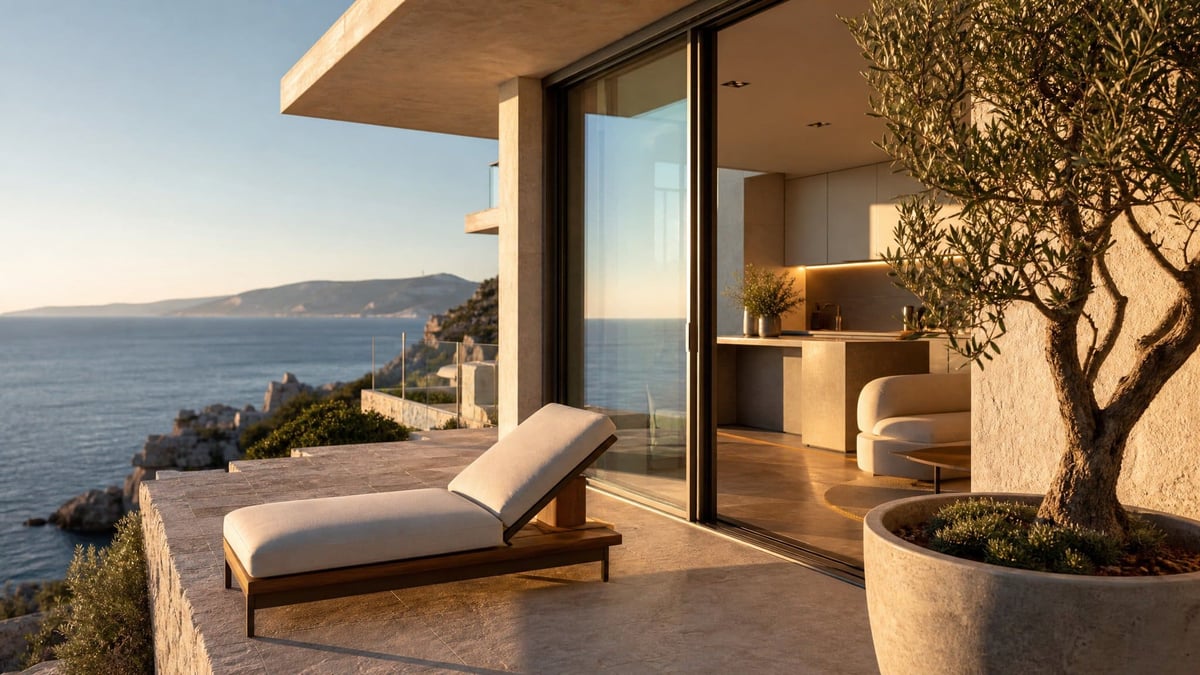
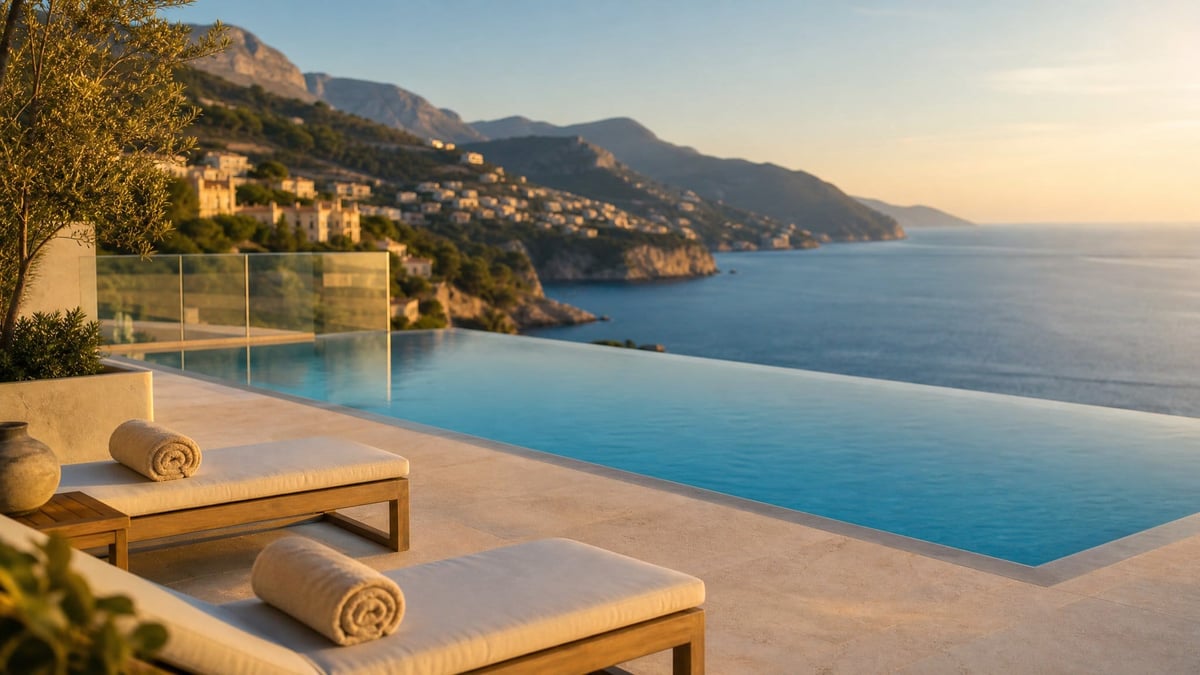
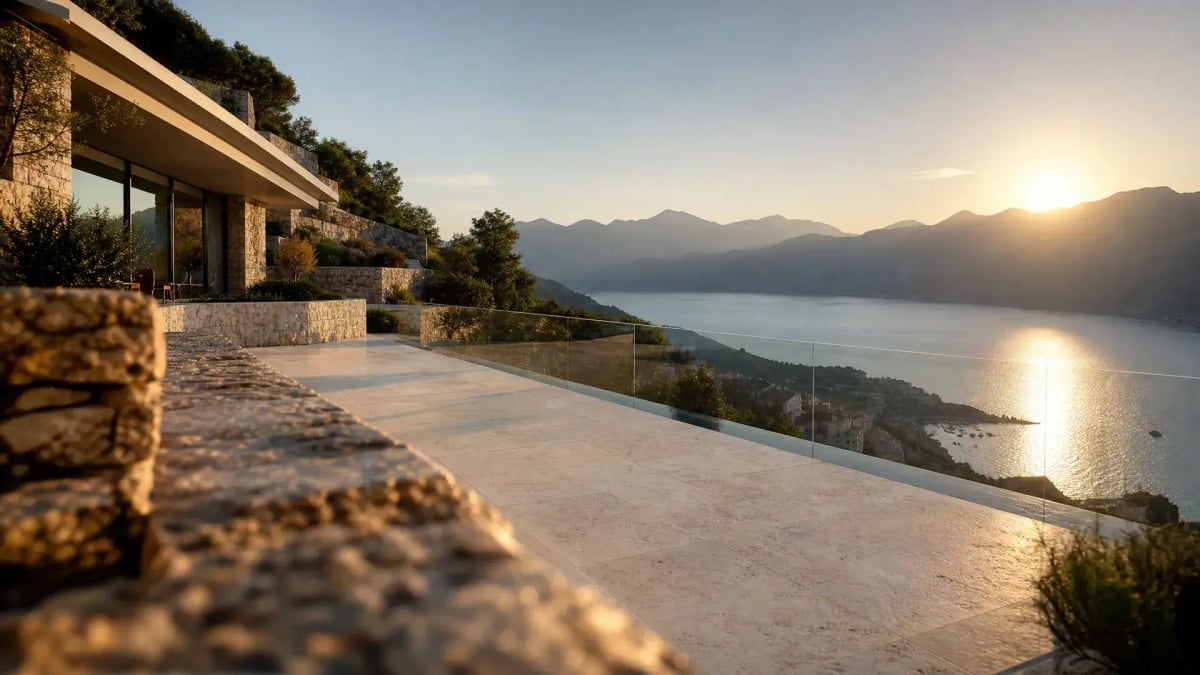
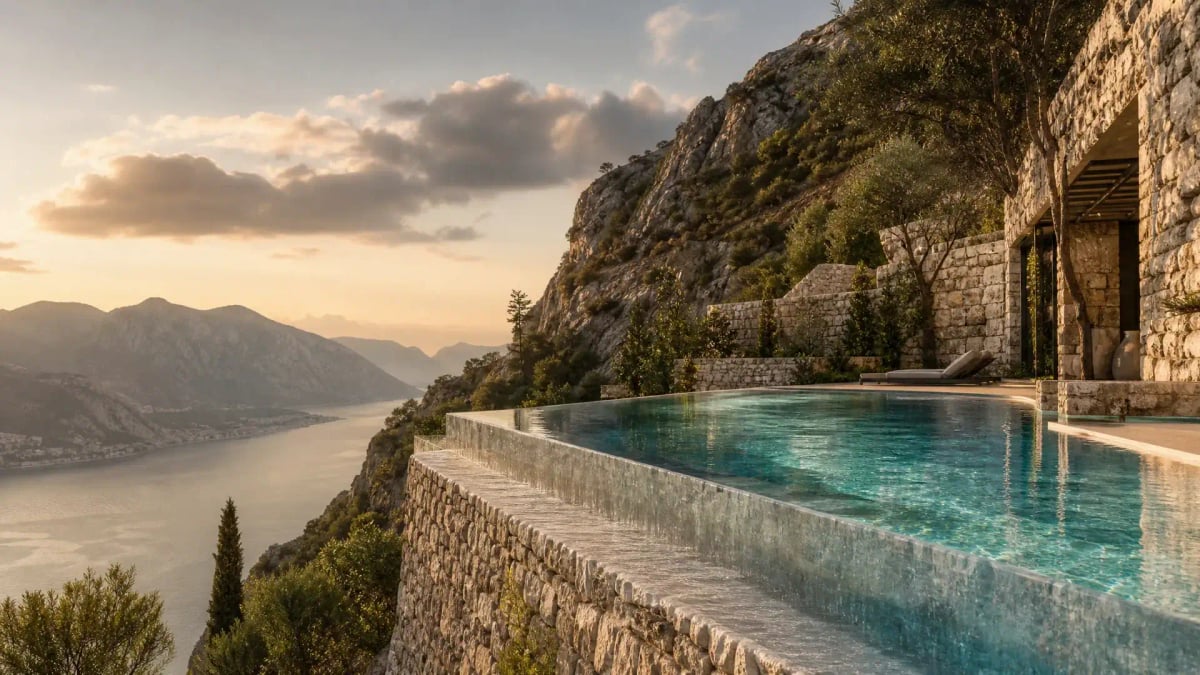
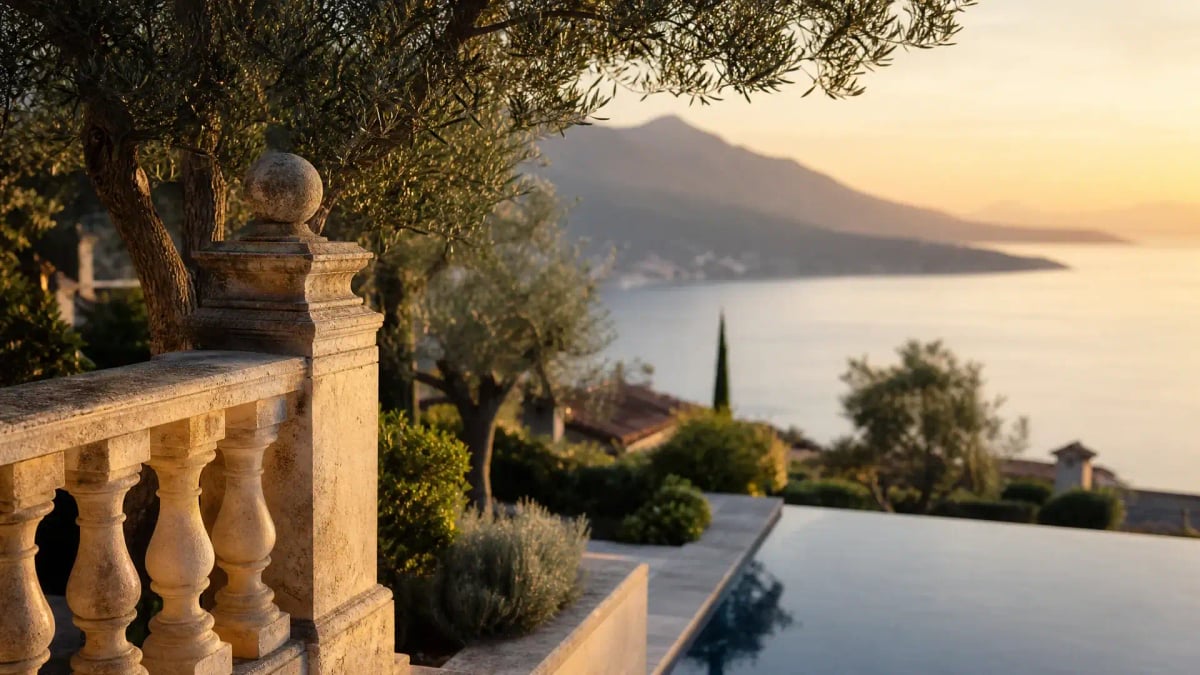
Crnogorska obala je geografski ograničena, dok se potražnja i dalje usmjerava na ustaljene i nove premijum lokacije. Takav spoj stvara tržište sa ograničenom ponudom u najboljim primorskim zonama, stalnim interesovanjem za dobro pozicionirane stambene nekretnine i jasnom razlikom između premijum i ostalih lokacija. Nekretnine u ustaljenim primorskim destinacijama istorijski su pokazivale veću otpornost i dugoročno očuvanje vrijednosti.
Kupcu koji dolazi sa većeg stambenog tržišta u EU ova oskudica je lako razumljiva. Između planina i Jadranskog mora ima samo ograničeno mnogo obale, a broj lokacija sa direktnim izlazom na more, blizinom marine ili pogledom na zaštićeni zaliv ne raste. Kada me klijenti iz Njemačke ili Švajcarske pitaju zašto bi razmotrili Crnu Goru umjesto nekog većeg, zasićenijeg mediteranskog tržišta, razgovor počinje upravo ovdje.
Ukratko: ponudu ograničava i dugoročnu vrijednost podržava nepromjenljiva geografija crnogorske obale, a ne marketing.
2. Porto Montenegro, Luštica Bay i Portonovi postavljaju novi standard
Mali broj planski osmišljenih kompleksa imao je ključnu ulogu u međunarodnom pozicioniranju Crne Gore. Porto Montenegro, Luštica Bay i Portonovi postavili su nova mjerila kvaliteta, infrastrukture i dugoročne održivosti. Ovi kompleksi uveli su međunarodno priznate standarde gradnje i dizajna, profesionalno upravljanje destinacijom i nekretninama, integrisane koncepte života koji spajaju marine, ugostiteljstvo, trgovinu i wellness, kao i veću transparentnost i povjerenje za strane kupce.
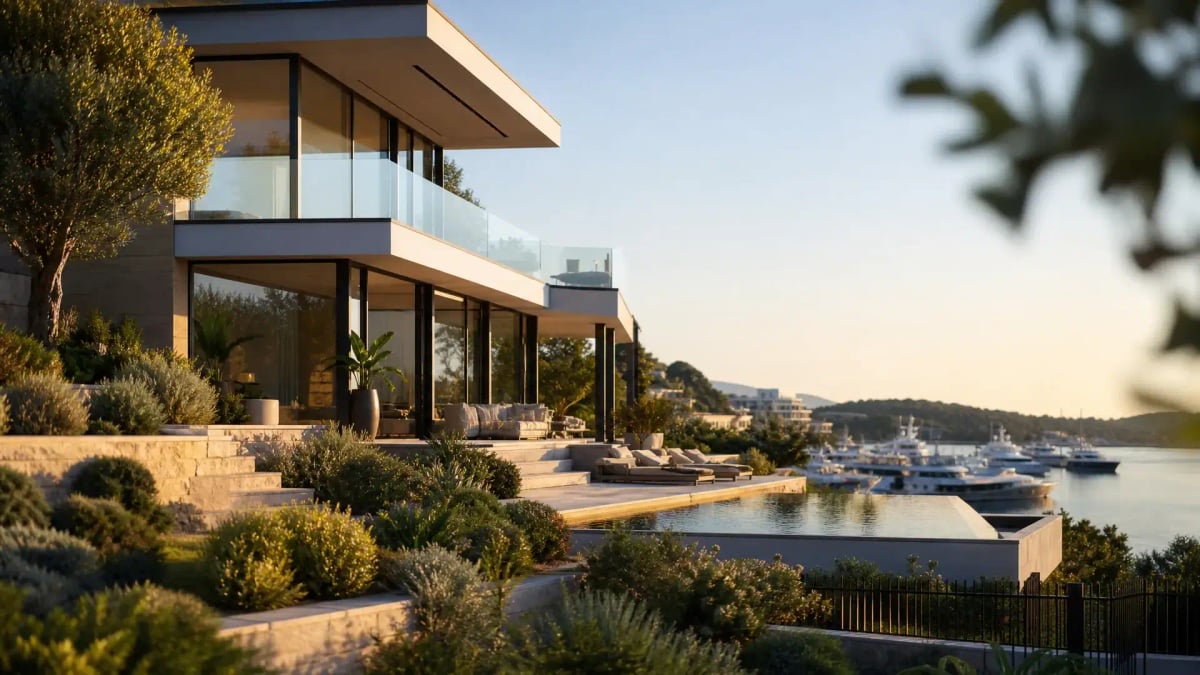
Porto Montenegro, gdje se nalazi naša kancelarija u zgradi Regent Pool Club Baia, pretvorio je Tivat u središte luksuznog života, sa dizajnerskim buticima, gurmanskim restoranima i zajednicom vlasnika jahti i investitora iz cijelog svijeta. Luštica Bay ima drugačiji pristup: domove uklapa u prirodni pejzaž i nudi golf, wellness i ugostiteljstvo svjetske klase, sa snažnim naglaskom na održivost. Portonovi donosi sličan visok standard mješovite namjene na spoljnu obalu Bokokotorskog zaliva.
Zahvaljujući svemu ovome, Crna Gora je postala sve dostupnija kupcima iz Evrope, Ujedinjenog Kraljevstva, sa Bliskog istoka i iz Sjeverne Amerike. Kada klijentu iz Poljske ili Skandinavije u jednom danu pokažem sva tri kompleksa, obrazac je uvijek isti: dolaze očekujući manje, slabije razvijeno tržište od onoga koje zapravo zateknu.
Ukratko: zahvaljujući ovim trima planski osmišljenim kompleksima, Crna Gora se danas poredi sa ustaljenim mediteranskim destinacijama, umjesto da bude otpisana kao tržište u nastajanju.
3. Strani kupci nemaju ograničenja u pogledu vlasništva
Obično je ovo prvo pravno pitanje koje mi postavi svaki kupac iz EU, a odgovor je jednostavan. Crna Gora ne ograničava vlasništvo stranaca nad stambenim nekretninama, uz standardnu pravnu provjeru. I širi okvir je relativno jednostavan: porez na promet nepokretnosti obračunava se po progresivnoj skali, uglavnom od 3% do 6%, u zavisnosti od vrijednosti nepokretnosti. Godišnji porez na nepokretnosti plaća se po niskoj stopi, na osnovu lokacije, površine i procijenjene vrijednosti. Ne postoji porez na nasljeđe niti porez na imovinu u vezi sa vlasništvom nad nepokretnošću. Crna Gora ima konkurentan i progresivan poreski sistem sa stopama uglavnom od 9% do 15% za dobit pravnih lica i dohodak fizičkih lica, a opšta stopa PDV-a iznosi 21%. Država primjenjuje i sistem jedinstvene stope poreza na dohodak fizičkih lica, što može biti važno za kupce koji razmatraju preseljenje ili dugoročno strukturiranje.
Učešće Crne Gore u SEPA sistemu dodatno pojednostavljuje plaćanja u eurima i prekogranične transfere, što je direktno važno kupcima iz EU koji prebacuju sredstva sa računa u njemačkoj, poljskoj ili skandinavskoj banci. Vlasništvo nad nepokretnošću u Crnoj Gori može podržati i zahtjev za dozvolu boravka, u skladu sa važećim propisima, što se često pominje u razgovorima sa kupcima koji razmišljaju o djelimičnom ili kasnijem trajnom preseljenju.
Ukratko: Crna Gora strane kupce tretira jednako kao domaće, uz transparentnu poresku strukturu i bez ograničenja vlasništva koja bi trebalo zaobilaziti.
4. Klima i povezanost odgovaraju evropskom načinu života
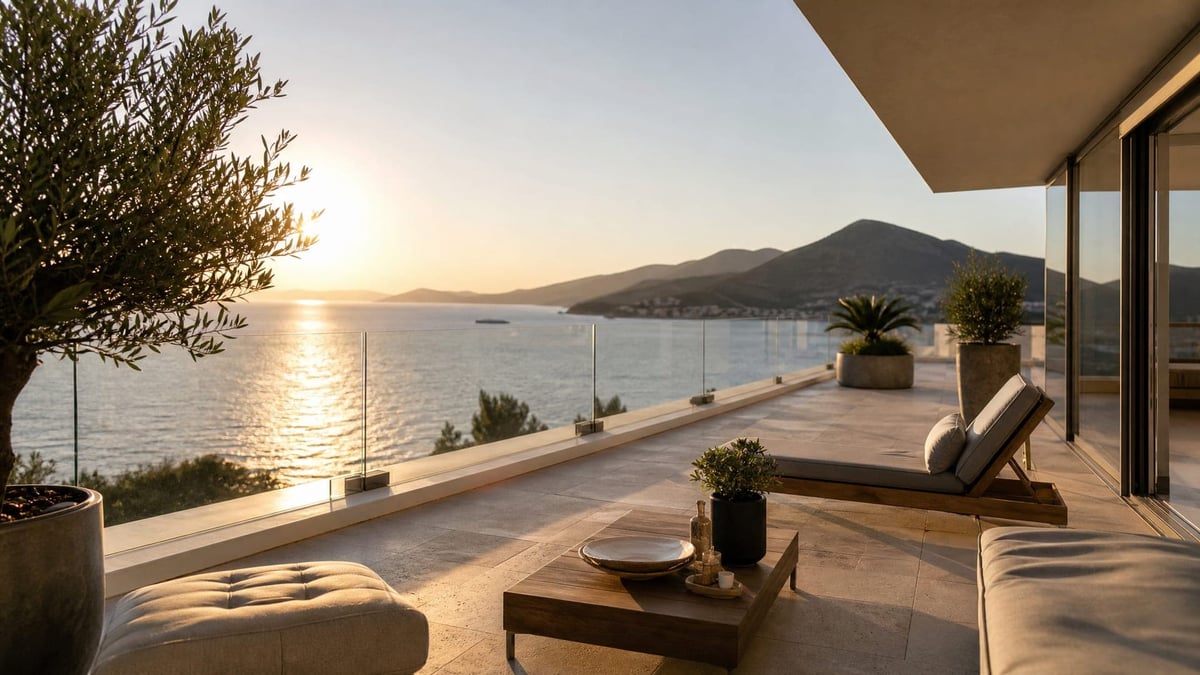
Crna Gora na obali ima mediteransku klimu, sa dugim ljetima i blagim zimama, pa se stambene nekretnine mogu koristiti tokom cijele godine. Zemlju opslužuju dva međunarodna aerodroma, Tivat i Podgorica, sa sezonskim i cjelogodišnjim letovima prema velikim evropskim gradovima, a broj letova znatno raste tokom ljetnje sezone, u skladu sa vrhuncem potražnje na primorju.
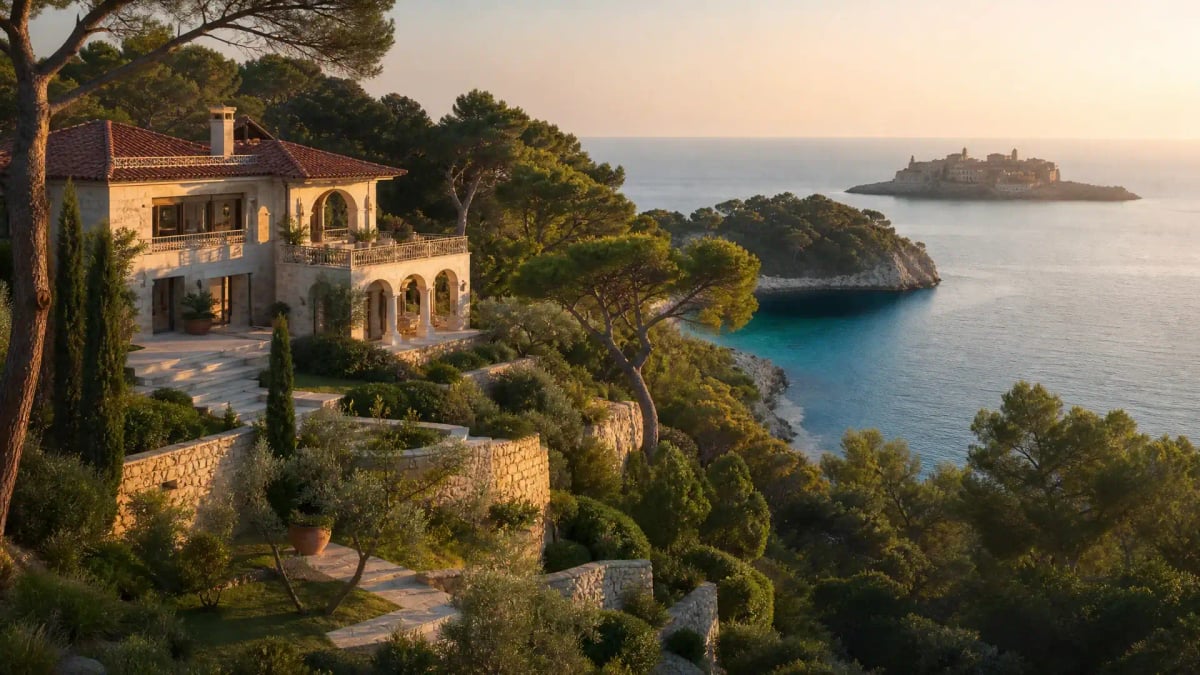
Osim obale, Crna Gora nudi i izraženu zimsku sezonu, sa uhodanim planinskim centrima i skijalištima na relativno kratkoj udaljenosti vožnje, što doprinosi turizmu tokom cijele godine i široj stabilnosti potražnje. Za kupca koji želi pravi drugi dom, a ne nekretninu za odmor jednom godišnje, ova razlika je značajna. Vila blizu Budve ili rezidencija sa pogledom na Bokokotorski zaliv realno se mogu koristiti tokom većeg dijela godine, a ne samo u julu i avgustu.
Crna Gora je i članica NATO-a i zemlja kandidat u procesu pristupanja EU, sa stabilnim makroekonomskim okruženjem i jasno definisanim dugoročnim putem integracije. Za kupce koji razmišljaju u decenijama, a ne u sezonama, ovaj pravac je jednako važan kao i klima.
Ukratko: dva međunarodna aerodroma, duga mediteranska sezona i obližnji skijaški region čine Crnu Goru zaista privlačnom za evropske kupce tokom cijele godine.
5. Globalna mreža uz lokalno, lično vođenje
Montenegro Sotheby’s Realty je zvanično crnogorsko predstavništvo Sotheby’s International Realty. Zahvaljujući ovoj direktnoj vezi sa aukcijskom kućom Sotheby’s i mrežom Sotheby’s International Realty, naši klijenti dobijaju pristup nenadmašnoj globalnoj mreži: više od 26.000 prodajnih saradnika u 85 zemalja i prisustvo u 1.100 kancelarija širom svijeta. Za kupca iz EU ova mreža znači da su njegova pretraga, a kasnije i njegov oglas ako odluči da proda, povezani sa međunarodnom publikom, a ne samo sa lokalnom.
Ono što taj globalni domet ne zamjenjuje jeste lokalno znanje. Moj tim i ja donosimo 15 godina iskustva na lokalnom i regionalnom tržištu Crne Gore, sa njenim ključnim investitorima i graditeljima. Pružamo poznavanje tržišta, strukturisano vođenje i pristup pažljivo odabranim nekretninama koje ispunjavaju međunarodne standarde, obezbjeđujući jasnoću tokom cijelog postupka kupovine i nakon njega. Tu spada pomoć pri razgledanju nekretnina i pregovorima, a za kupce koji žele da ostvaruju prihod od izdavanja kada nekretninu ne koriste lično, i podrška u strategiji izdavanja i kontakti sa lokalnim službama za upravljanje nekretninama.
Više o ovom radu možete vidjeti direktno na našim kanalima Instagram, Facebook i YouTube, gdje redovno predstavljamo nekretnine u Porto Montenegru, Luštica Bayu, Portonovom i Bokokotorskom zalivu.
Ukratko: globalna mreža Sotheby’s donosi međunarodnu vidljivost, dok se naš lokalni tim na terenu u Tivtu bavi detaljima koji zaista dovode do zaključenja posla.
Šta globalni hotelski brendovi govore o pravcu razvoja Crne Gore?
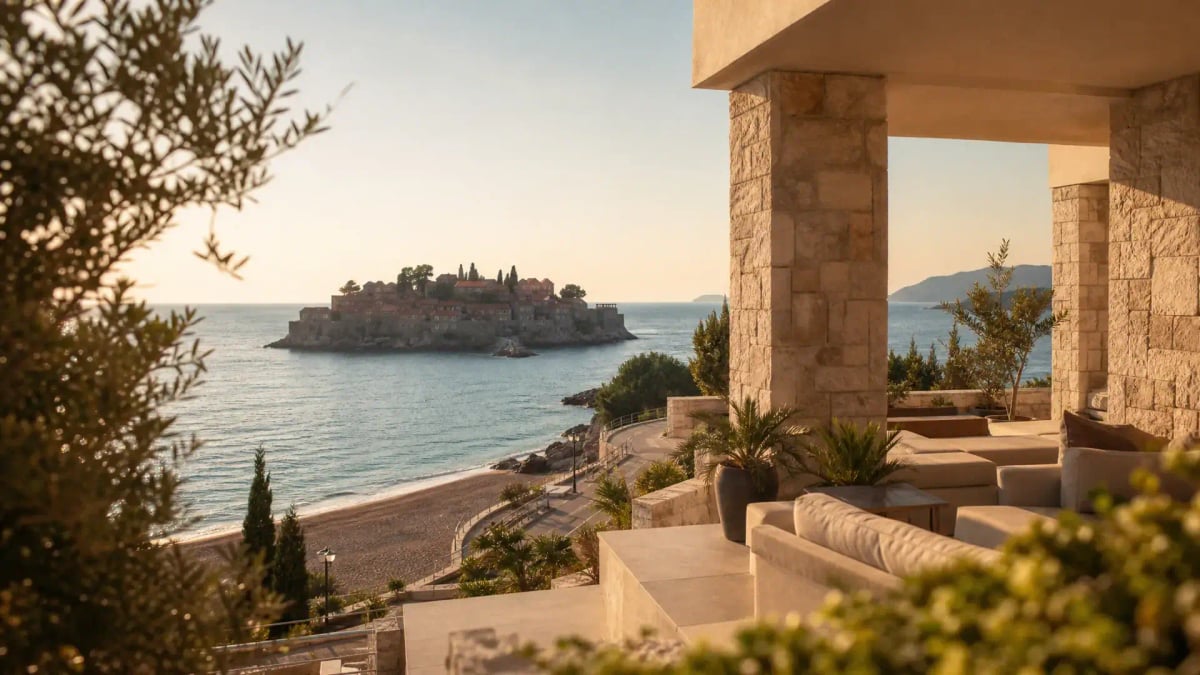
Prisustvo vodećih međunarodnih hotelskih operatera učvršćuje položaj Crne Gore kao luksuzne destinacije u usponu. Među ustaljenim brendovima koji već posluju u zemlji su Aman na Svetom Stefanu, One&Only Portonovi, Regent Porto Montenegro, SIRO u Boka Place, The Chedi Luštica Bay, Crowne Plaza, Mövenpick, Swissôtel u Resortu Kolašin, Hyatt Regency i Iberostar Hotels & Resorts. Najavljeni dolazak dodatnih globalnih hotelskih brendova, uz nove projekte mješovite namjene, trebalo bi da podrži dalji rast, poboljša vidljivost destinacije i dodatno proširi premijum stambeni segment.
Kada kupci iz EU vide da su imena poput Aman, One&Only i Regent već prisutna u Crnoj Gori, mijenja se način na koji čitaju tržište. Ovi operateri ne dolaze na destinaciju bez sopstvene temeljne provjere, a njihovo prisustvo obično umiruje kupce koji Crnu Goru upoređuju sa ustaljenijim djelovima Mediterana.
Gdje kupci iz EU najpažljivije gledaju?
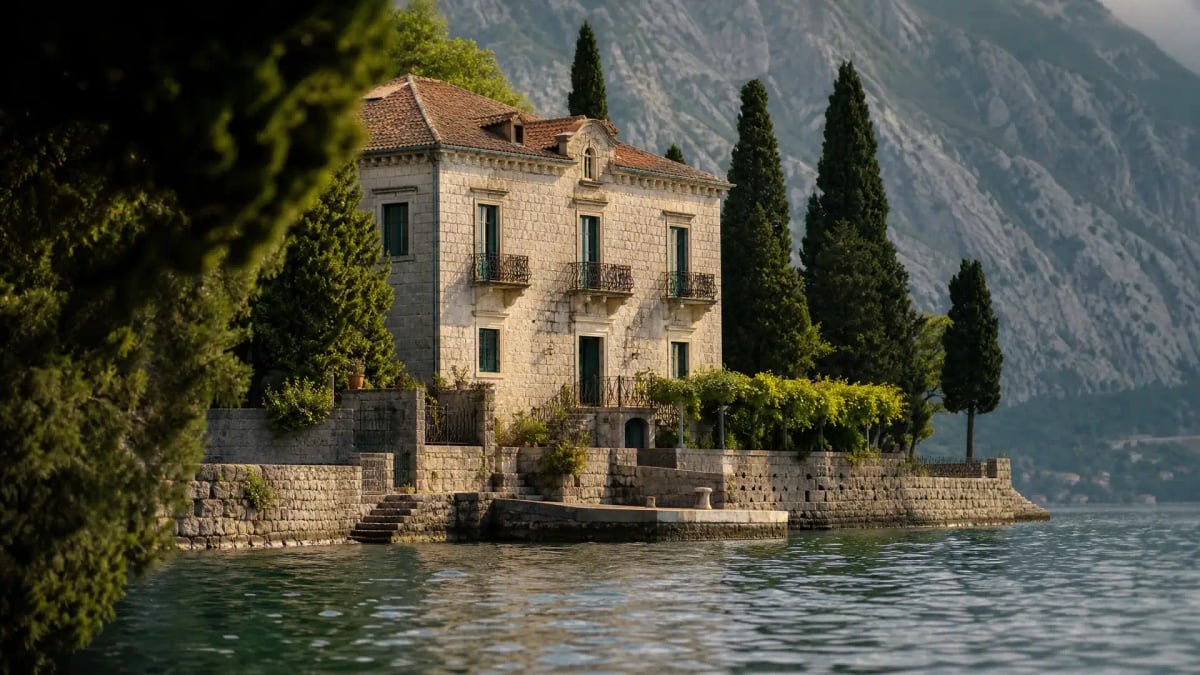
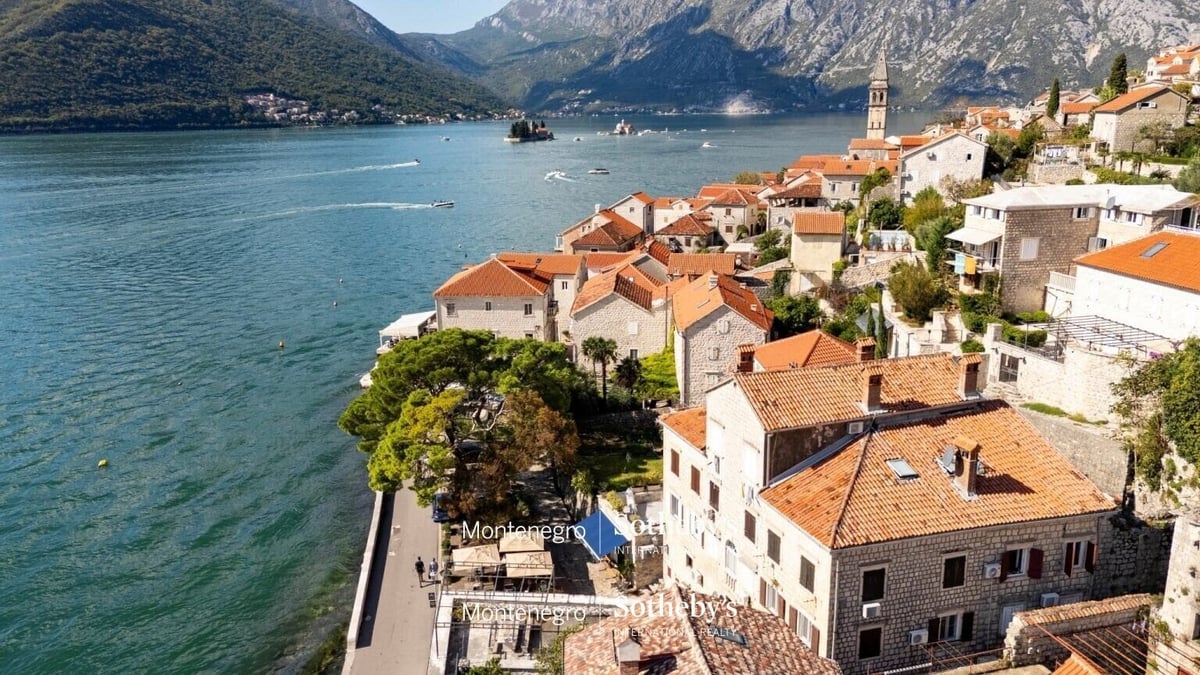
U praksi se interesovanje kupaca iz EU usredsređuje na nekoliko područja. Porto Montenegro u Tivtu privlači kupce koji žele pristup marini, kosmopolitski društveni život i savremen život u stanu. Luštica Bay odgovara kupcima kojima su prioritet golf, wellness i povezanija rizort zajednica okrenuta prirodi. Portonovi privlači kupce koji traže noviji kompleks mješovite namjene na spoljnom dijelu Bokokotorskog zaliva. Sam Bokokotorski zaliv, uključujući istorijske gradove poput Kotora i Perasta, privlači kupce koji traže obnovljene kamene nekretnine kulturnog i arhitektonskog karaktera. Budva ostaje omiljena među kupcima koji žele živahniji primorski grad sa plažama i starim gradskim jezgrom.
Za kupce koji posebno žele direktan izlaz na more, polazna tačka su obično naši oglasi nekretnina na obali i širi izbor vila, a cjelokupna aktuelna ponuda uvijek je dostupna na našoj stranici nekretnine na prodaju u Crnoj Gori.
Ključni zaključci
- Crnogorska obala je fizički ograničena, što podržava dugoročnu vrijednost na najboljim lokacijama.
- Porto Montenegro, Luštica Bay i Portonovi podigli su tržište na međunarodne standarde gradnje, dizajna i upravljanja.
- Ne postoje ograničenja za vlasništvo stranaca nad stambenim nekretninama, a poreski okvir, porez na promet od približno 3% do 6%, nizak godišnji porez na nepokretnosti, bez poreza na nasljeđe ili imovinu, relativno je jednostavan.
- Dva međunarodna aerodroma i mediteranska klima omogućavaju stvarno korišćenje tokom cijele godine, a obližnji skijaški region dodatno produžava sezonu.
- Globalna mreža Sotheby’s International Realty sa više od 26.000 saradnika u 85 zemalja udružena je sa 15 godina lokalnog iskustva našeg crnogorskog tima na terenu.
Često postavljana pitanja
- Mogu li kao stranac kupiti nekretninu u Crnoj Gori?
Da. Crna Gora ne ograničava vlasništvo stranaca nad stambenim nekretninama, uz standardnu pravnu provjeru. Isto važi za kupce iz EU, Ujedinjenog Kraljevstva, sa Bliskog istoka i iz Sjeverne Amerike. - Koliko košta kuća u Crnoj Gori?
Cijene se znatno razlikuju u zavisnosti od lokacije, vrste nekretnine i kompleksa: obnovljena kamena kuća u Starom gradu Kotoru ima sasvim drugačiju cijenu od stana uz marinu u Porto Montenegru ili vile u Luštica Bayu. Umjesto navođenja opšte cifre, preporučujemo da pregledate aktuelne oglase na našoj stranici nekretnine na prodaju u Crnoj Gori ili da se direktno obratite našem timu za savjet vezan za područje koje razmatrate. - Mogu li iz SAD-a otići u penziju u Crnu Goru?
Vlasništvo nad nepokretnošću u Crnoj Gori može podržati zahtjev za dozvolu boravka, u skladu sa važećim propisima, što je važno za kupce koji razmatraju preseljenje ili duži boravak. Budući da se uslovi mogu mijenjati i zavise od ličnih okolnosti, preporučujemo da svoju konkretnu situaciju razmotrite sa našim timom, kako bismo vas uputili na prave sljedeće korake. - Da li je život u Crnoj Gori skup?
Crna Gora primjenjuje sistem jedinstvene stope poreza na dohodak fizičkih lica i konkurentnu, progresivnu poresku strukturu sa stopama uglavnom od 9% do 15% za dobit pravnih lica i dohodak fizičkih lica, uz opštu stopu PDV-a od 21%. Uz nizak godišnji porez na nepokretnosti i bez poreza na nasljeđe ili imovinu u vezi sa nepokretnostima, mnogi kupci smatraju da su ukupni troškovi vlasništva i boravka relativno prihvatljivi u poređenju sa drugim evropskim tržištima, iako uvijek preporučujemo da svoje lične okolnosti razmotrite sa kvalifikovanim savjetnikom. - Da li je Bokokotorski zaliv dobra lokacija za ulaganje?
Bokokotorski zaliv je privlačan i za život i za ulaganje. Velika potražnja za luksuznim nekretninama, ograničena ponuda najboljih nekretnina na obali i rast turizma u regionu doprinose snažnom potencijalu izdavanja i dugoročnoj vrijednosti. Aktuelne oglase možete pogledati na našoj stranici Bokokotorski zaliv.
O autoru
Niko Laković je osnivač kompanije Luxury Homes LLC i lokalni partner agencije Montenegro Sotheby’s Realty, sa 15 godina iskustva na lokalnom i regionalnom tržištu nekretnina Crne Gore. Radi u partnerstvu sa Hunterom Milborneom, koji je dio Gulf Sotheby’s Realty. Više o Niku i timu saznajte na stranici o nama agencije Montenegro Sotheby’s Realty, ili nam se obratite direktno na info@sothebysrealty.me ili +382 67 310 006.
Povezani članci
Ako razmatrate nekretnine na obali na prodaju u Crnoj Gori, prvo morate razumjeti