




Buying off-plan in Montenegro rewards investors who understand where the Adriatic market sits in its development cycle. You secure luxury inventory at pre-construction pricing and shape the finishes yourself. But that opportunity only holds if you verify developer solvency and grasp legal frameworks that differ from those in Western Europe. Success comes down to telling the difference between a speculative render and a project backed by real permits, real financial stability, and contracts that actually protect your capital while the building goes up.
Why Discerning Buyers Choose Off-Plan Property in Montenegro
Buying new build apartments or villas before completion isn’t only about a lower price. It’s about access to better inventory and timing your entry to catch the growth curve. Completed resale properties offer certainty, but they often lack the specifications, energy efficiency, and integrated amenities that define contemporary luxury living on this coast.
Price Advantage and Customization Potential
Pre-construction discounts in emerging Adriatic markets historically run 10% to 20% below projected completion values, and that spread compensates you for delivery risk and the capital tied up during the build. It also creates immediate equity at handover, provided the developer priced conservatively against future market conditions. Factor in transaction costs and fees before you calculate the true net cost of buying.
Customization is the second benefit finished stock simply can’t match.
Buy early in the sales campaign and developers will usually let you adjust floor plans, materials, and smart home integrations, changes that become expensive or structurally impossible once the building is up. That flexibility matters most for buyers who plan to live in the property themselves, since it means the residence fits how you actually live rather than a generic market template.
Capital Appreciation in Emerging Adriatic Markets
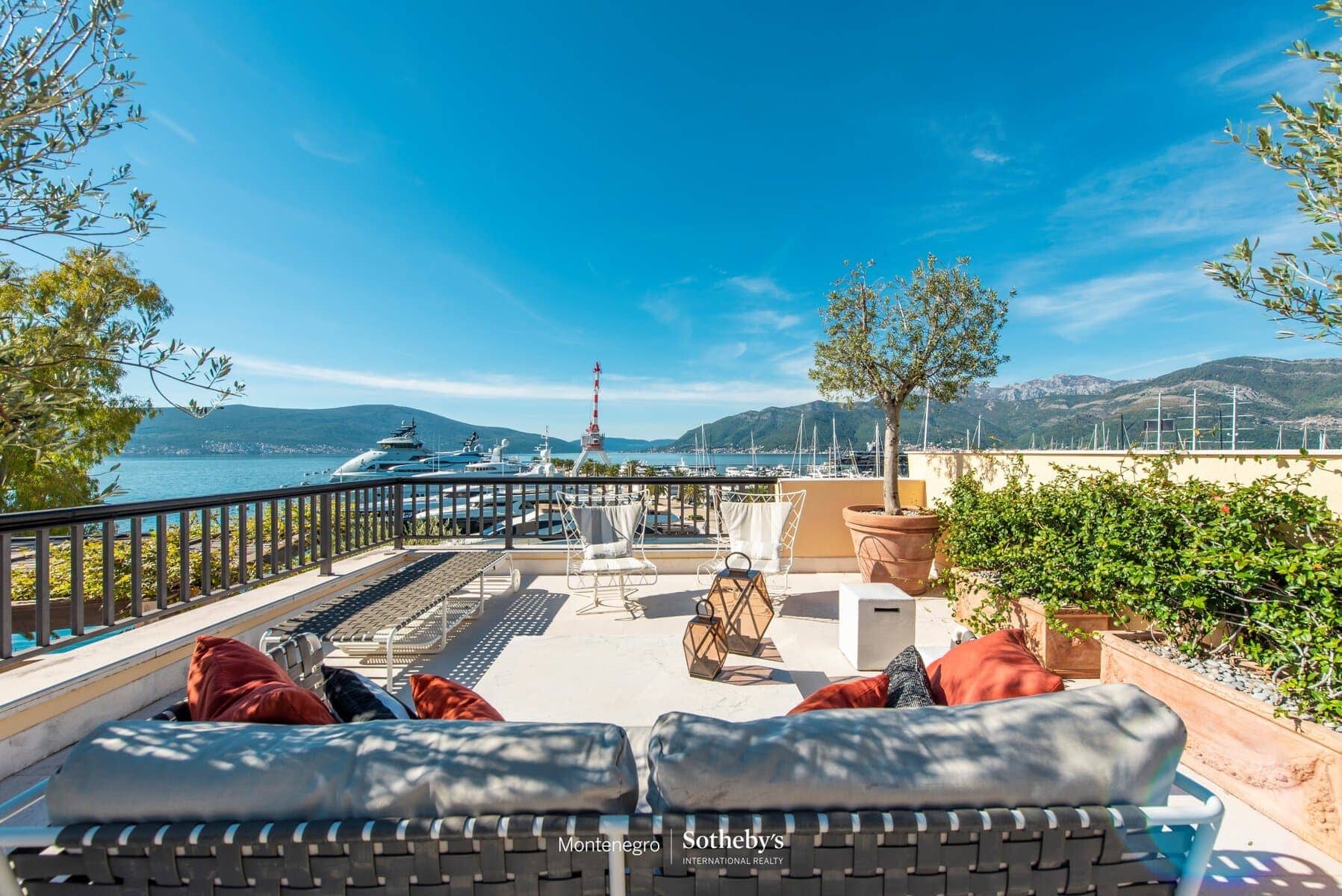
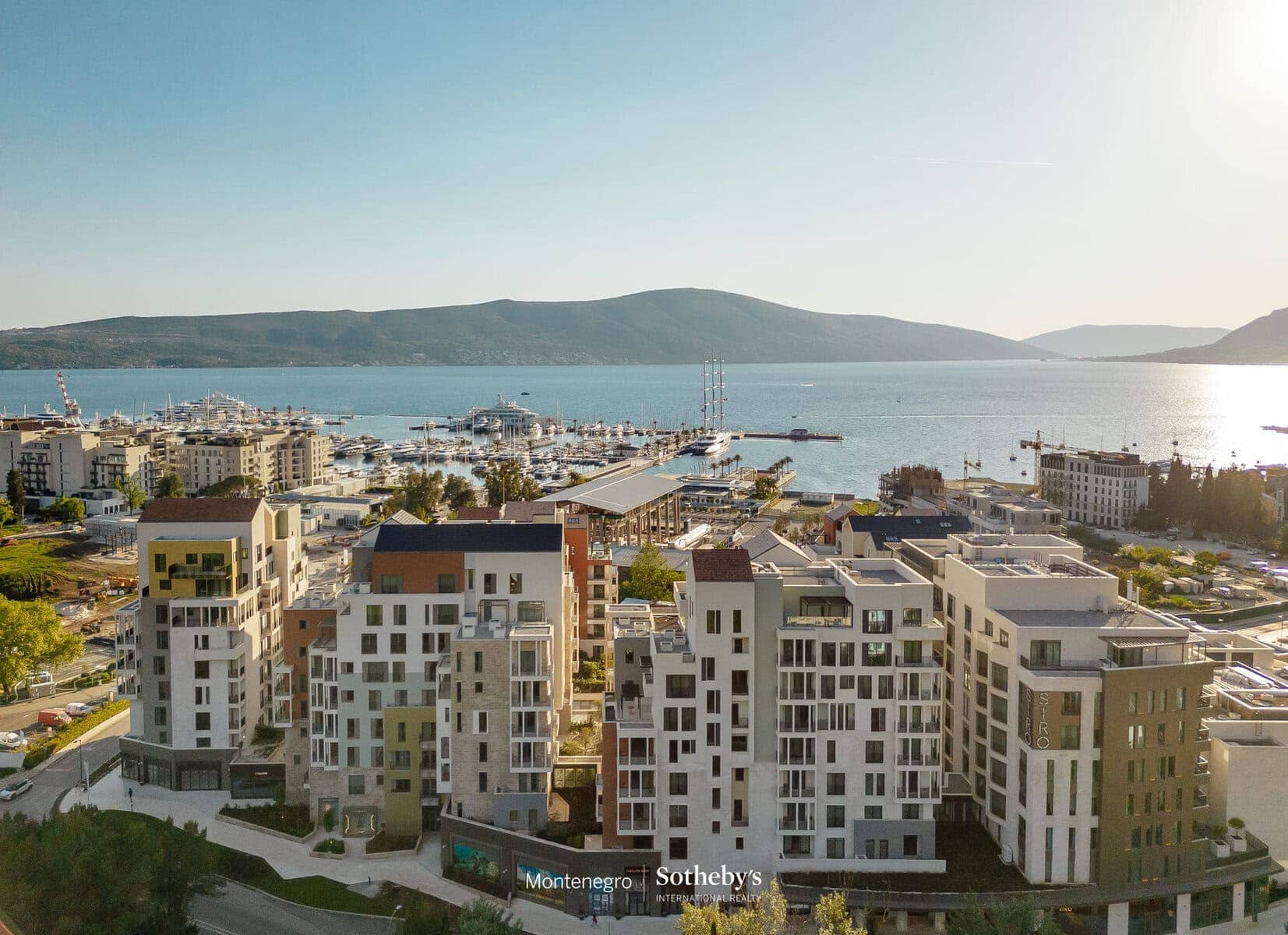
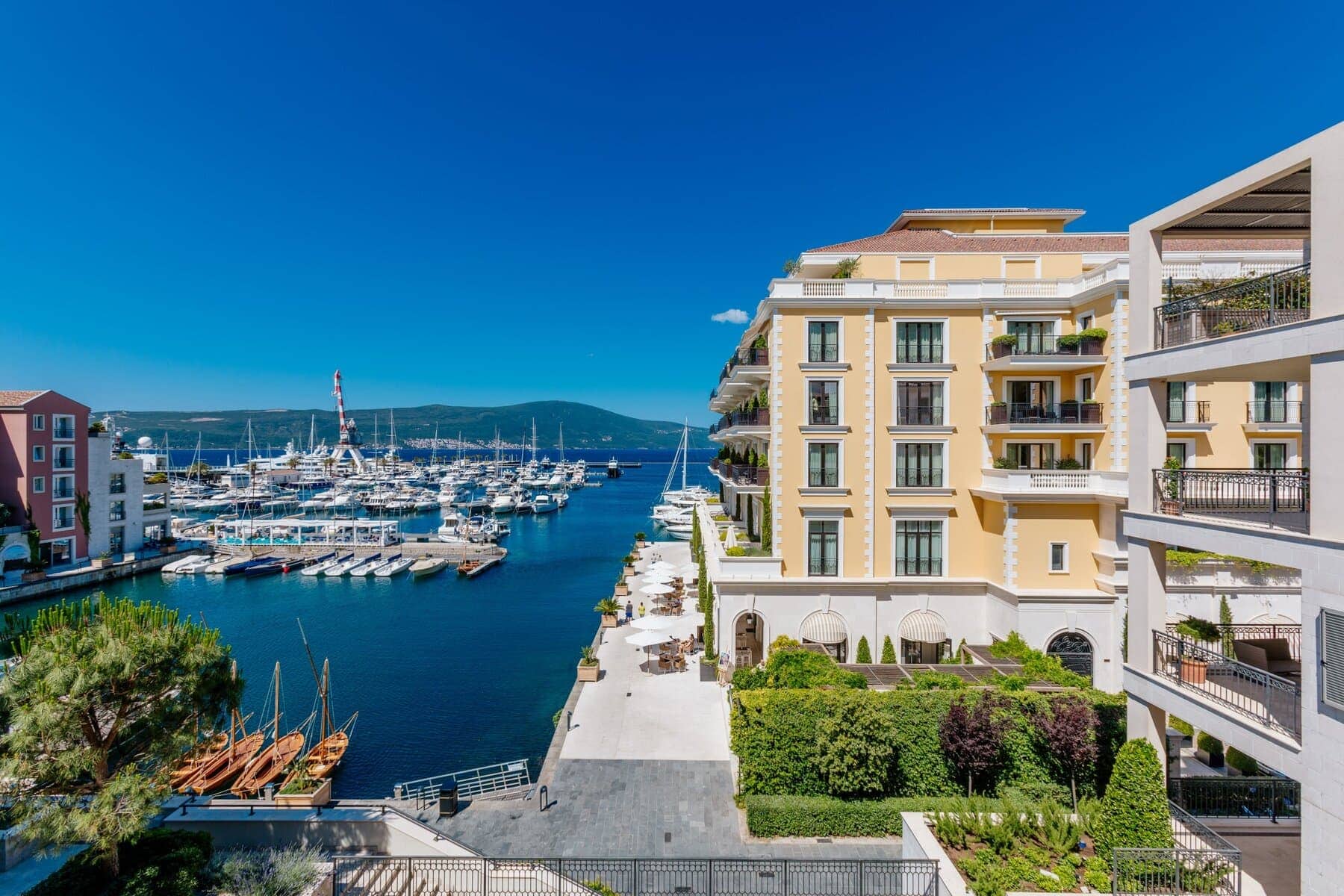
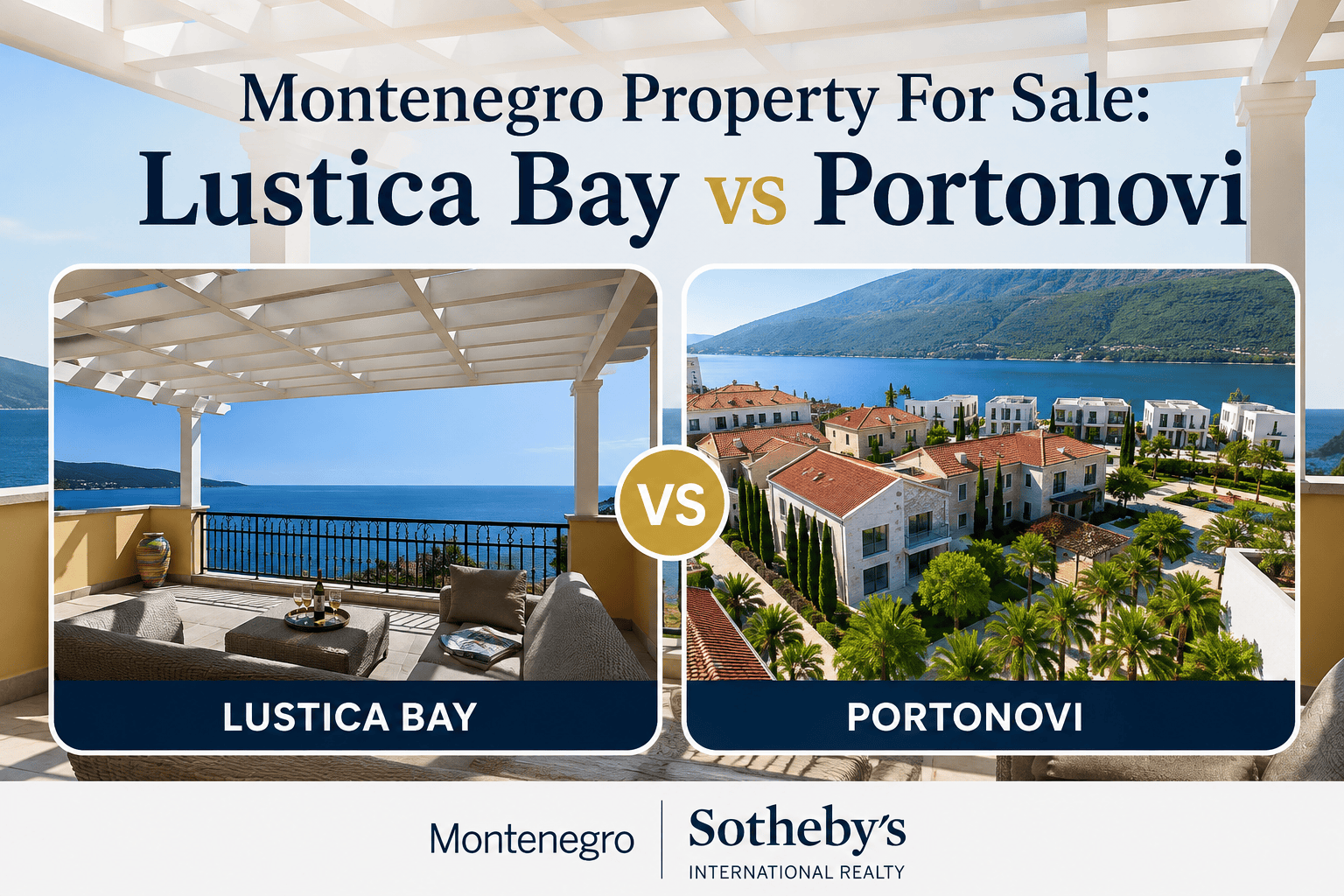
Porto Montenegro and Luštica Bay show what a master-planned off-plan community can deliver: long-term capital growth alongside operational rental income. These flagship developments proved Montenegrin coastal real estate could sustain premium pricing when backed by international management standards and real infrastructure investment. Newer projects are now trying to follow the same template.
Judge appreciation potential by infrastructure delivery schedules, not marketing projections.
Where highway access, marina expansion, or a hotel brand opening line up with your project’s completion date, value tends to rise faster than in locations that depend on residential supply alone. The strongest off-plan investments happen where buyer demand accelerates just as physical delivery removes the remaining uncertainty. That repricing moment rewards the people who committed capital during the riskier pre-construction window.
Vetting Developer Reputation in Montenegro Real Estate
Developer reputation swings wildly here, from internationally backed consortiums to local firms with thin track records. Independent verification matters before any funds move. Sotheby’s International Realty Montenegro maintains direct relationships with vetted developers and provides independent verification of project status and legal standing, which filters out projects that exist mainly as marketing concepts rather than real construction undertakings.
Track Record and Financial Stability Indicators
Ask for audited financial statements covering at least three years, and have an independent accountant familiar with Montenegrin corporate law check them rather than accepting a summary from the sales team. You need to confirm the developer can complete your phase without leaning entirely on presales revenue. Projects funded mostly by buyer deposits carry far higher insolvency risk when the market slows or construction stalls.
Past delivery timelines tell you more about a developer’s competence than any brochure will.
Visit completed developments in person and talk to existing owners or property managers: actual handover dates versus contractual promises, finish quality against the show unit, how responsive the developer was to defects after sale. A developer who ran late but stayed in contact and honored warranties is a different risk than one who hit every deadline with inferior materials, or vanished after the final payment cleared.
Verifying Permits and Construction Compliance
Confirm the main building permit, the građevinska dozvola, exists specifically for your unit type and phase before you sign a reservation agreement. Preliminary permits and conceptual approvals don’t authorize construction. Cross-reference the permit number against municipal planning department records: is it still valid, does it cover the exact plot boundaries shown in the marketing materials, has it been modified or suspended over a zoning dispute or environmental violation the sales agent didn’t mention?
Land ownership needs its own verification, separate from the permit check.
Have a local attorney run title searches confirming the developer owns the land outright, or holds registered long-term lease rights sufficient for foreign ownership registration. Some projects sit on contested or encumbered plots that create title transfer problems years later. International buyers should insist on seeing the timeline for the upotrebna dozvola (use permit) in writing, since occupancy can’t legally begin without it no matter how finished the building looks. Delayed use permits have historically caused more investor losses than construction failures themselves.
Understanding Payment Schedules for New Build Apartments
Payment structures for pre-construction property on the Adriatic should link every disbursement to a verified construction milestone, not a calendar date, so your capital exposure tracks real progress on site. Calendar-based schedules suit developer cash flow, but they leave you exposed if work stalls. Milestone-tied payments give you a natural point to pause funding until an independent inspector confirms the stage is genuinely done.
Milestone-Based Installment Structures
Standard tranches typically run 10-20% at reservation, 30-40% at foundation or structural frame completion, 20-30% at enclosure and rough-in, and the balance at handover with use permit issuance. Negotiate the right to appoint your own independent surveyor to certify each milestone before you release payment. Developer self-certification strips staged payments of their protective function and turns them into calendar installments wearing a progress-linked disguise.
Avoid any contract that asks for more than 50% of the total price before the building is weatherproof.
Front-loading concentrates your risk in the earliest phases, exactly when insolvency probability is highest and your recovery options are weakest, particularly if the developer is using your funds to service debt on a prior project rather than advancing yours. Reputable developers in the luxury segment know sophisticated international buyers expect a balanced payment profile, and they’ll accommodate reasonable adjustments to protect both sides through the build.
Escrow Accounts and Buyer Protection Mechanisms
Bank guarantees or escrow arrangements are the only reliable protection against developer insolvency, yet plenty of pre-construction contracts still leave them out despite how much they matter for a cross-border purchase. Insist on documentation showing your payments go into a segregated account controlled by a third-party bank or notary, not directly into the developer’s operating account, where commingled funds become unrecoverable general assets the moment bankruptcy proceedings start.
Check that the guarantee issuer carries sufficient credit rating and Montenegrin regulatory authorization to honor claims from foreign buyers without excessive procedural friction. Some developers offer a parent company guarantee instead of a bank instrument. That looks like protection on paper but often proves unenforceable across jurisdictions when the guarantor holds no local assets or operates under a different legal system than Montenegro’s.
Legal Safeguards When Buying Under Construction Property
Buying under construction brings contractual complexities that a standard purchase agreement for completed real estate never has to address, and that calls for legal review focused specifically on how risk gets allocated before delivery. Generic templates tend to favor developers, leaving international buyers exposed to specification downgrades, open-ended delays, and vague handover conditions that wouldn’t survive scrutiny in more mature luxury markets.
Contractual Clauses for Delays and Specifications
Penalty clauses for late delivery should specify a daily or weekly compensation rate as a percentage of the purchase price, not vague talk of “reasonable damages” that courts interpret inconsistently. The contract should define force majeure narrowly and exclude foreseeable risks, permitting delays, labor shortages, material cost increases, that a competent developer should be able to anticipate and manage within its own timeline and budget.
Finish schedules deserve the same precision, or you risk a bait-and-switch on materials during construction.
Attach detailed specifications: exact brands, model numbers, material grades, installation standards for every visible surface and mechanical system, with language prohibiting substitutions except with your written consent and an equivalent-or-better match. Without that granularity, developers keep the discretion to cut costs with inferior alternatives that technically clear the building code but fall well short of the luxury positioning shown in the show unit and the renderings.
Title Transfer and Occupancy Permit Timing
Signing a purchase agreement creates contractual rights, but it doesn’t confer legal ownership. Title only transfers once the cadastre registers it, and that follows use permit issuance and final inspection approval. Many buyers assume signing equals owning; in reality, you remain an unsecured creditor with contractual claims until every administrative condition is met and registration is complete.
The contract should specify a maximum window between physical completion and title transfer, with remedies that trigger if bureaucratic delays run long, provided the delay traces to the developer’s own documentation failures rather than a government processing backlog. Selecting a qualified local agent experienced in pre-construction transactions helps you navigate these administrative dependencies, and means someone is actively monitoring compliance rather than waiting on developer updates that may never come.
Investment Returns for Off-Plan Villa Projects
Off-plan villas target buyers after higher yield potential than apartments typically offer, though returns depend on location, operator quality, and honest projection modeling rather than an optimistic developer forecast. Current investment return benchmarks vary by submarket and property type, so check any projected figures against independently compiled data from comparable operating properties rather than taking a developer’s pro forma at face value.
Rental Yield Projections vs Completed Stock
Realistic gross yields for professionally managed luxury villas in prime coastal locations typically land between 4% and 6% annually once stabilized, depending on seasonality, amenity level, and management fee structure. Compare those projections against real operating statements from similar completed properties in the same micro-location, adjusting for bedroom count, pool availability, and proximity to the beach or a marina, all of which drive rate premiums and occupancy through the season.
Net yields after management fees, maintenance reserves, utilities, insurance, and property taxes often compress to 3-4%, even for a well-positioned asset.
Build your vacancy assumptions around Montenegro’s real seasonal pattern rather than a year-round occupancy projection that ignores the concentrated summer window and a quieter shoulder season. Villas inside integrated resort communities with an established hospitality operator tend to perform more consistently than standalone villas relying on independent rental platforms, because professional distribution and brand recognition cut customer acquisition costs and improve booking conversion.
Exit Strategies Before Project Completion
Assignment rights let you sell your purchase contract to another buyer before completion, which can capture appreciation without waiting for title transfer or taking on operational responsibilities. Negotiate assignment provisions during initial contracting, since developers sometimes restrict or prohibit resales during construction to protect price discipline and control who buys into their community.
Liquidity in the pre-completion phase depends entirely on market sentiment and remaining inventory when you decide to exit. The best assignment opportunities show up when developer pricing has climbed well above your original contract price and unsold inventory is thinning, which draws secondary buyers unwilling to pay full primary-market rates but eager to lock in a position before the discount disappears for good.
Prime Locations for Pre-Construction Property on the Adriatic
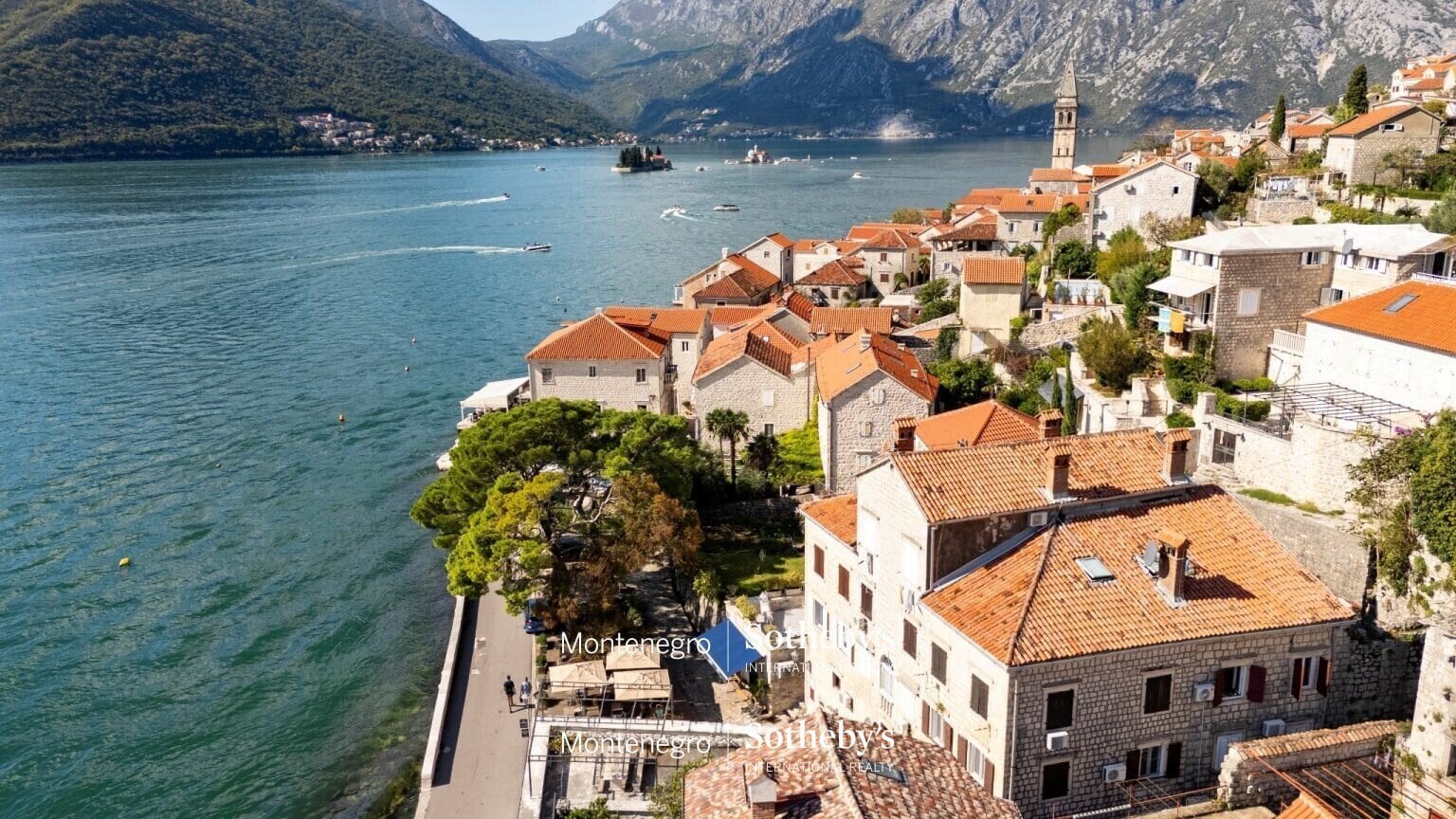
Tivat, the Budva Riviera, and Luštica Bay concentrate most of the luxury pre-construction activity right now, thanks to established infrastructure, easy international access, and proven demand from high-net-worth buyers who want an integrated resort lifestyle. Each corridor has its own value proposition. Tivat commands premium pricing anchored by Porto Montenegro’s marina and dining scene. Luštica Bay offers newer master-planned inventory with golf and beach club amenities. Budva Riviera gives you broader price diversity closer to the old town and its nightlife.
The Tivat luxury villa market keeps drawing institutional capital and ultra-high-net-worth buyers who value proximity to superyacht berthing and Michelin-standard restaurants over absolute privacy or a larger plot. Weigh each location against how you actually intend to use it. A property built for an owner-occupier can underperform commercially, and a pure rental product can disappoint as a personal residence.
Securing Trusted Guidance for Your Purchase
Navigating a pre-construction purchase safely takes representation that pairs global luxury market standards with granular knowledge of Montenegrin development practices, legal frameworks, and developer reputations built over years of transactions. Independent verification of project viability, contract fairness, and financial safeguards protects your interests in ways a developer-affiliated agent simply cannot, however capable that agent may be.
Book a private property viewing tour to walk active construction sites, meet developer principals directly, and assess locations firsthand with guidance built around your own investment criteria and risk tolerance.