


Montenegro has quietly become one of the most compelling rental income markets on the Adriatic. Entry prices remain meaningfully below Croatia’s Dalmatian coast and are a fraction of comparable property on the Côte d’Azur, yet the coastline, the clientele, and the summer demand curve are increasingly in the same conversation. For investors running the numbers in 2026, the question is no longer whether Montenegro delivers rental income — it’s how to structure ownership to maximise it.
Why Montenegro Is Attracting Rental Income Investors
Tourism Growth and the Adriatic Advantage
Montenegro has recorded consistent year-on-year growth in international tourist arrivals, with demand concentrated heavily along the coastal strip between Herceg Novi and Ulcinj. That geographic compression works in property investors’ favour: high visitor numbers funnel into a relatively small number of desirable locations, keeping occupancy rates strong and nightly rates competitive during peak months.
The EU accession process adds a longer-term tailwind. As Montenegro advances toward membership, investor confidence grows, institutional interest increases, and the infrastructure underpinning tourism — airports, marinas, road connections — keeps improving. Tivat Airport now connects to a wide range of European cities on the summer schedule; Podgorica handles year-round international traffic. The accessibility story for visitors is genuinely strong.
Compared to Croatia or Greece, Montenegro remains undervalued in price-per-square-metre terms. That gap is narrowing, which means buyers entering in 2026 are positioned ahead of the next leg of price appreciation while still capturing attractive rental yields in the near term.
Favourable Ownership and Tax Environment
Foreign nationals can purchase freehold property in Montenegro with relatively few restrictions. The ownership process requires local legal expertise but is well-established. Rental income is subject to personal income tax at a flat rate that is comparatively modest by European standards. There is no wealth tax on real estate holdings. For non-resident investors structuring ownership through a legal entity, additional planning options exist — a qualified local lawyer and tax adviser will identify the most efficient approach for each buyer’s situation.
The practical takeaway: Montenegro’s fiscal environment does not penalise rental income investors the way some Western European jurisdictions do, which means more of the gross yield survives to net return.
What Rental Yields Actually Look Like in Montenegro
Short-Term vs. Long-Term Rental Returns
Short-term holiday lets consistently outperform long-term tenancies in Montenegro’s prime coastal markets, provided the property is well-positioned, well-presented, and actively managed. The summer demand peak is intense — the Bay of Kotor and Budva Riviera draw visitors from across Europe, the Gulf states, and increasingly East Asia, many of whom will pay premium rates for quality accommodation with sea views or waterfront access.
A three-bedroom waterfront villa in the Bay of Kotor, professionally managed and well-photographed on short-term rental platforms, can command premium nightly rates during the June–August window that substantially outperform what the same property would generate under a standard annual tenancy. The mathematics favour short-term letting for properties with strong location attributes, as long as the owner accepts the management intensity that comes with it.
Long-term rentals make more sense for centrally located apartments in Budva or Tivat where year-round demand exists — from expats, marina workers, and digital nomads — and where the owner prefers predictable monthly income over the higher ceiling but seasonal volatility of holiday letting.
Yield by Location: Bay of Kotor, Budva Riviera, and Beyond
Location is the single most important yield variable in Montenegro. The micro-market you choose determines your nightly rate ceiling, your shoulder-season occupancy, and your annual gross yield.
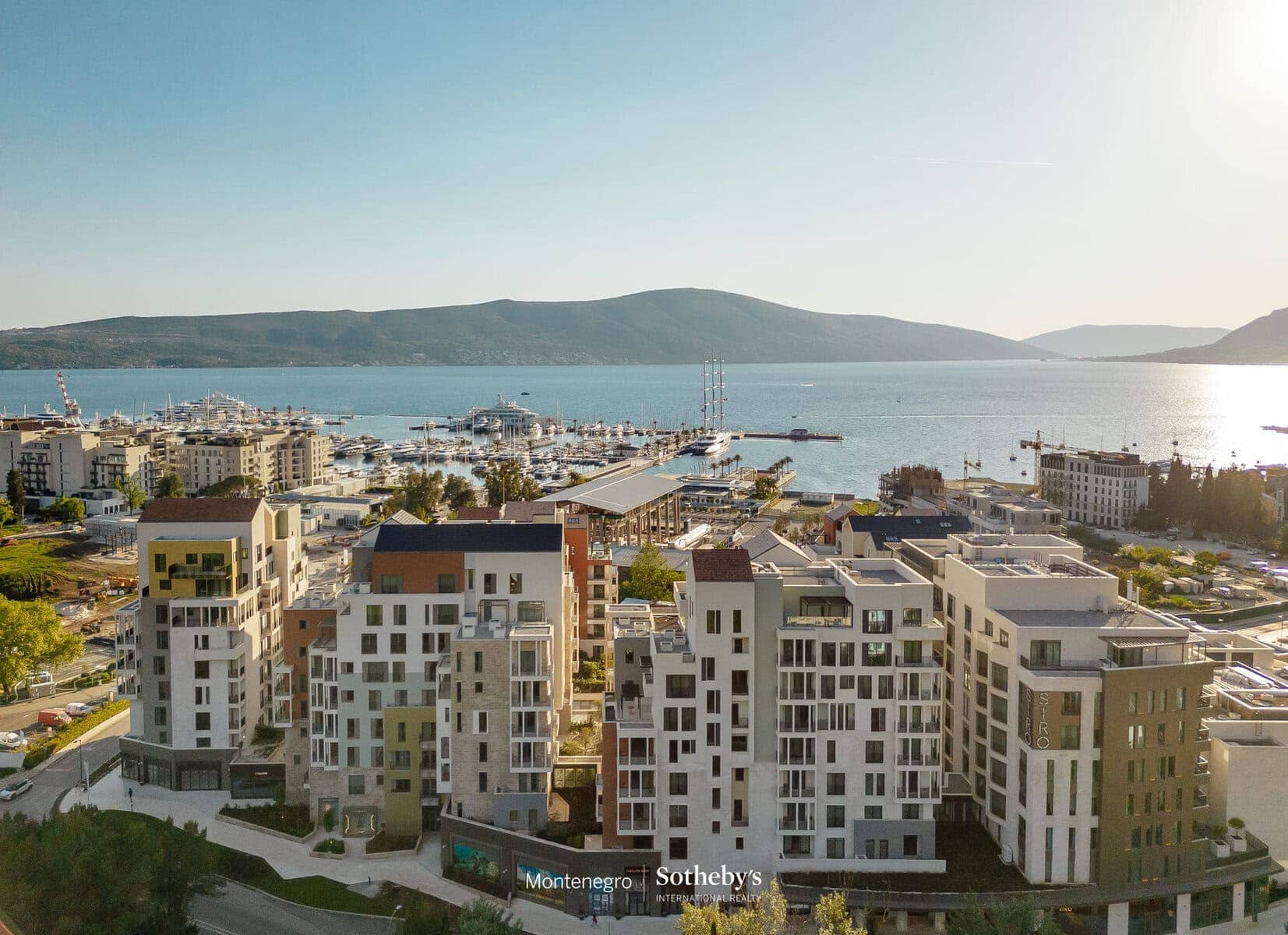
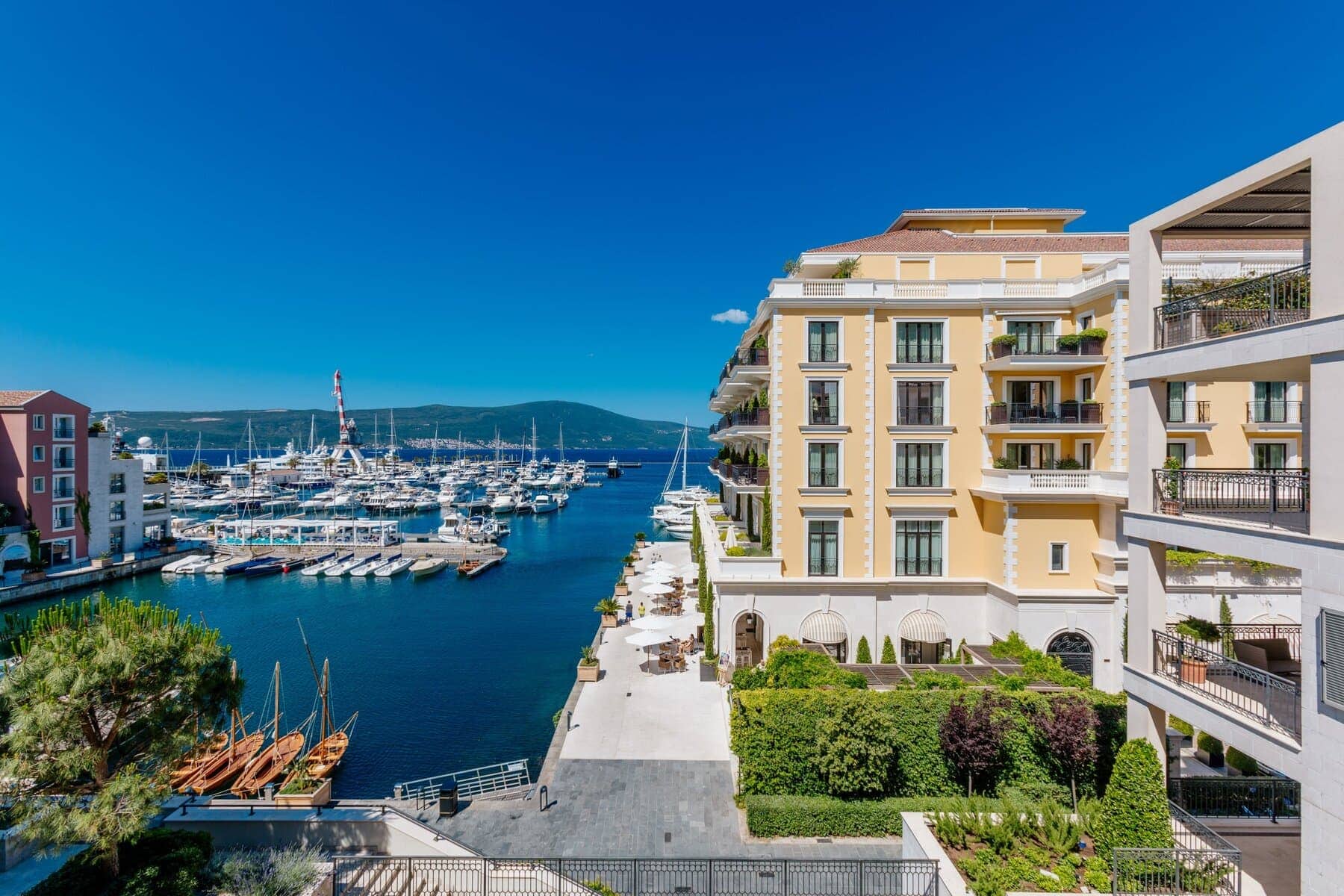
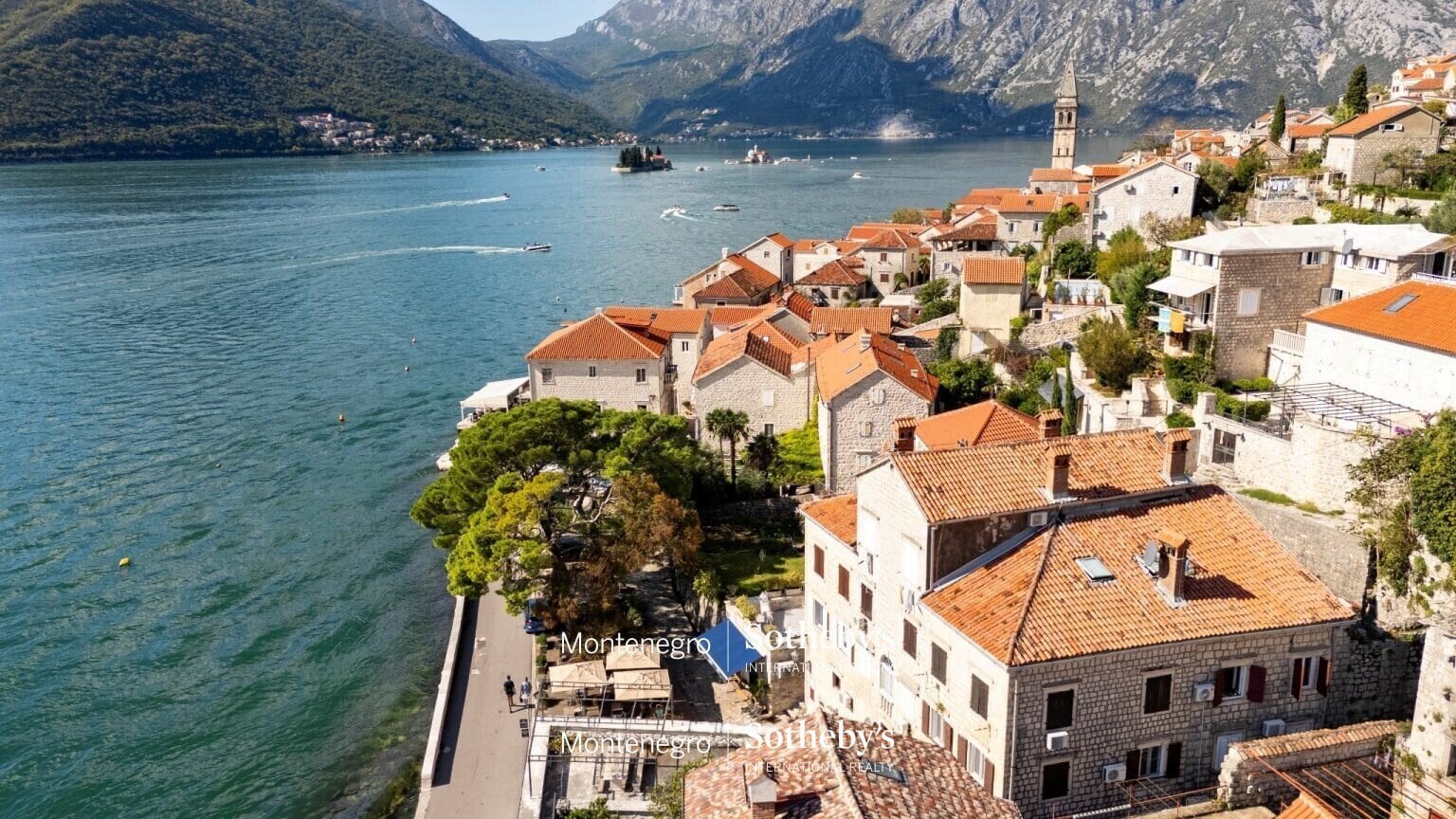
Bay of Kotor (Kotor, Tivat, Herceg Novi): The northern coastal corridor is Montenegro’s premium address. Tivat’s Porto Montenegro marina has elevated the entire zone, drawing a superyacht-owning clientele that generates demand for luxury short-term rentals at rates well above the national average. Kotor’s UNESCO-listed old town creates a distinct cultural draw that extends the viable letting season beyond pure sun-seekers. Herceg Novi, at the bay’s entrance, offers a more accessible price point with strong summer demand and growing year-round appeal. Gross yields for quality short-let properties in the Bay of Kotor trend toward the higher end of the Montenegrin range, reflecting both nightly rate premiums and consistent peak occupancy.
Budva Riviera: Budva is Montenegro’s most active tourist resort and its most liquid rental market. High visitor volumes mean occupancy is rarely a problem in summer, but the market is more competitive and more price-sensitive than the Bay of Kotor’s upper tier. Studios and one-bedroom apartments near the beach can generate strong returns through sheer occupancy volume; larger villas with pools command rates comparable to Kotor but face more competition from a deeper supply of holiday rentals.
Beyond the main hubs: Lustica Peninsula is emerging as a development-driven opportunity, with the Lustica Bay resort project introducing branded residences that come with built-in rental programmes. Ulcinj in the south offers the lowest entry prices on the coast and has the longest sandy beaches in Montenegro, but rental infrastructure is less developed and international marketing reach is more limited at this stage.
Seasonal Patterns and How to Maximise Occupancy
Peak Season, Shoulder Season, and the Off-Season Reality
Montenegro’s rental year divides into three distinct phases, and understanding each one is essential to building a realistic income projection.
Peak season (late June–August) is when the coast runs at full capacity. Nightly rates can be two to three times the annual average, and well-managed properties in prime locations achieve close to full occupancy across the eight-to-ten-week window. This is where the bulk of annual rental revenue is generated, and pricing strategy here directly determines whether a property reaches its income potential.
Shoulder season (May and October, with September particularly strong) is increasingly valuable. September retains warm water temperatures, lower crowds, and strong European demand from families whose school holidays have ended — viable at rates meaningfully above the off-season floor. May is improving as early-season demand grows. Investors who adopt a flexible dual-season pricing model — peak rates through August, discounted but competitive rates in May and September — typically achieve significantly higher annual occupancy than those who list at a flat rate year-round.
Off-season (November–April) is quiet on the coast. Tivat and Kotor retain some year-round visitor traffic from cruise tourism and weekend city breaks, but occupancy in purely holiday-let properties drops sharply. Investors should plan their financial model around eight to ten chargeable months rather than twelve, and either close the property in winter or transition to monthly stays for remote workers and long-stay guests at reduced nightly equivalents.
The True Cost of Running a Rental Property
Management fees: Professional property management in Montenegro typically costs 15–25% of gross rental revenue for full-service operators who handle guest communication, check-in, cleaning, and maintenance coordination. For investors not resident in Montenegro — which describes most international buyers — professional management is not optional; it’s a requirement for consistent guest experience and reliable income.
Platform costs: Listing on Airbnb, Booking.com, and equivalent platforms carries commission costs, generally in the 15–20% range depending on the platform and listing configuration. Some management companies bundle platform fees into their overall management percentage; others charge them separately. Clarify this structure before signing any management agreement.
Maintenance and upkeep: A well-maintained coastal property requires regular investment in painting, soft furnishings, appliances, and outdoor spaces. Budgeting 1–2% of property value annually for maintenance is a conservative but realistic baseline. Saltwater environments accelerate wear on exterior finishes and fixtures.
Utilities and fixed costs: During guest occupancy, utility costs (electricity, water, internet) are typically absorbed by the rental income or charged to guests via a cleaning and utilities fee. Owners carry fixed utility costs through the off-season.
Local registration and tax: Short-term rental operators are required to register guests with the local tourism authority, and rental income is subject to personal income tax. A local accountant familiar with non-resident property ownership is a worthwhile annual cost.
Choosing the Right Property for Rental Income
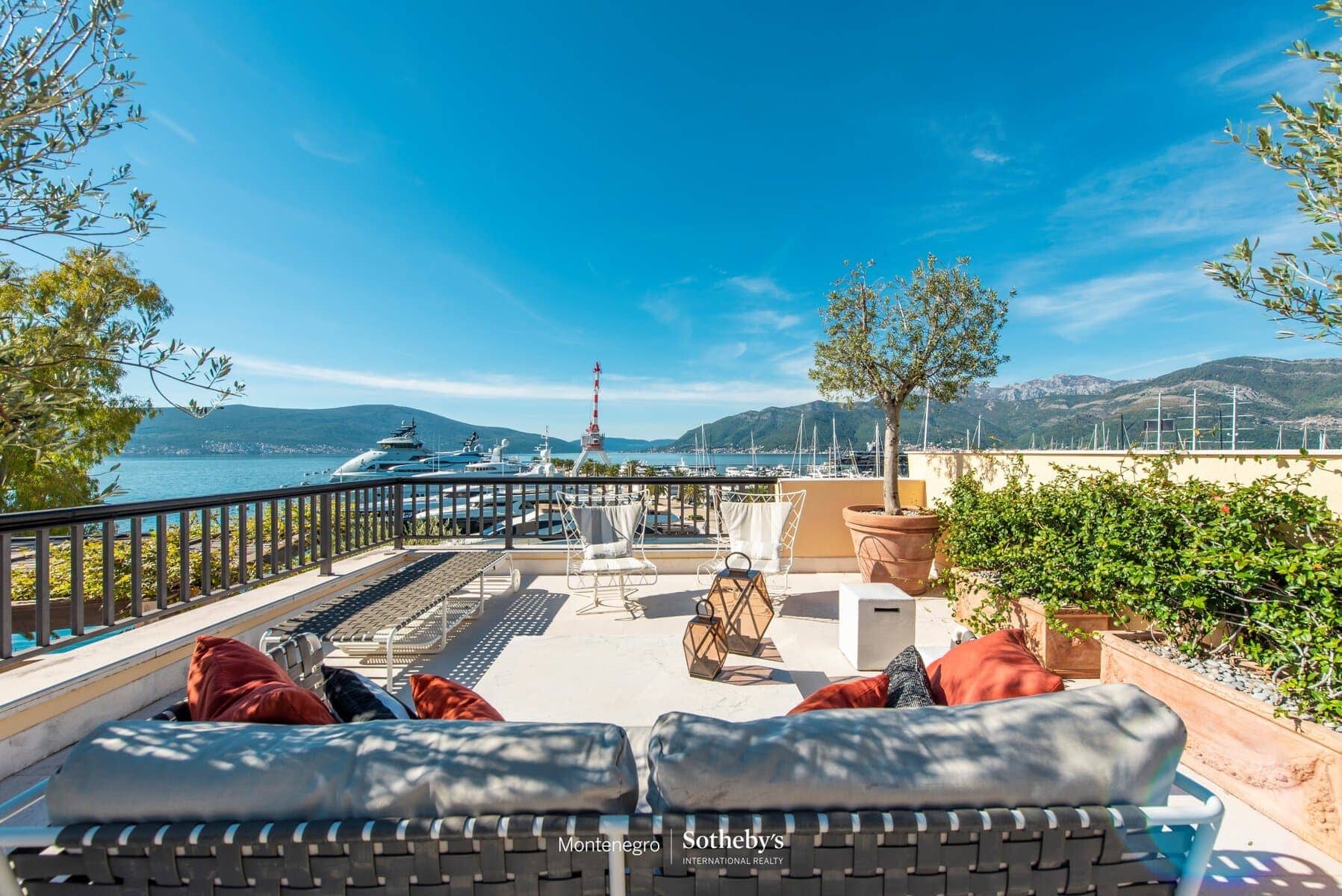
Proximity to water is the most reliable proxy for rental performance in Montenegro. Properties within walking distance of a beach, or with direct sea views, command nightly rate premiums that compound significantly over a full season. A property five minutes’ walk from the waterfront is not the same product as one that sits on it.
Beyond location, the features that consistently drive rental returns are a private pool or terrace, air conditioning (non-negotiable for summer comfort), a well-equipped kitchen, reliable high-speed internet, and a bedroom count that allows the property to accommodate groups or families without compromise. Three- and four-bedroom properties with multiple bathrooms tend to generate stronger gross revenue than equivalent-value studios or one-bedroom units, because they attract longer stays and higher-value bookings.
Photography, listing quality, and responsive management are operational factors that dramatically separate high-performing rentals from average ones. Properties with professional imagery and prompt guest communication consistently outperform poorly presented competitors in the same building.
Montenegro Sotheby’s International Realty’s portfolio spans investment-grade coastal properties across Kotor, Tivat, Budva, and Herceg Novi — curated for buyers who require both lifestyle quality and measurable rental income potential. Each property is assessed not only on residential appeal but on its income credentials: location grade, rental infrastructure, and the realistic yield range a professional management programme can deliver.
Getting Started with Montenegro Sotheby’s International Realty
Selecting the right property for rental income is a decision with a long financial tail — the difference between a well-chosen asset and a poorly chosen one compounds over years of ownership. Montenegro Sotheby’s International Realty works with international investors at every stage of that decision: identifying properties aligned with specific yield targets, connecting buyers with trusted management partners, and providing frank guidance on seasonal income modelling before a purchase commitment is made.
If you are evaluating Montenegro as an investment destination in 2026, the starting point is a personalised rental yield assessment tailored to your target location, budget, and income expectations. Contact the Montenegro Sotheby’s International Realty team to request your assessment and receive a curated shortlist of investment-grade properties currently available across the Montenegrin coast.