


Montenegro has spent the past decade building a reputation as one of Europe’s most compelling coastal destinations. Now that reputation is turning into serious commercial interest. Investors who once looked only at villas and apartments are asking a different question: how do you buy hotel property in Montenegro, and what does owning a hospitality asset actually look like here?
This guide answers that question directly. It covers where to buy, what to expect to pay, how the legal process works for foreign buyers, and what kind of returns a well-run boutique hotel or guesthouse can realistically generate along the Adriatic.
Why Montenegro’s Hospitality Market Is Drawing Global Investors in 2026
Montenegro’s coastline punches well above its size. A short stretch of Adriatic shoreline holds a UNESCO World Heritage bay, a yacht-set marina town, and a nightlife capital, all within an hour’s drive of each other. That density of appeal is rare. It’s exactly why hospitality investors are paying attention.
The country’s tourism economy has matured quickly. What began as a summer-season, budget-driven market has shifted toward longer stays, higher-spending visitors, and a growing appetite for boutique, design-led accommodation over large impersonal resorts. That shift favors owners of smaller, characterful properties rather than operators of high-volume beach hotels.
Tourism Growth and the Case for Montenegro Hospitality Property Investment
Tourist arrivals and overnight stays in Montenegro’s coastal municipalities have climbed steadily in recent years. The Bay of Kotor and Budva Riviera consistently rank among the country’s top-performing destinations by occupancy. Cruise traffic through Kotor, superyacht activity in Tivat, and a lengthening shoulder season have all added stability to what was once a purely July-August market.
For investors, this matters because it changes the underlying case for Montenegro tourism property investment. A longer season and a more affluent visitor base support better pricing power, not just higher volume. That’s the foundation boutique hotel investment in Montenegro is being built on.
Where to Buy: Bay of Kotor, Budva Riviera, and Tivat Compared
Not all Montenegrin coastline behaves the same way commercially. Each region has its own buyer profile, asset type, and pricing logic. Choosing between them is often the first real decision an investor makes.
Hotel for Sale Bay of Kotor: Heritage and Scarcity Value
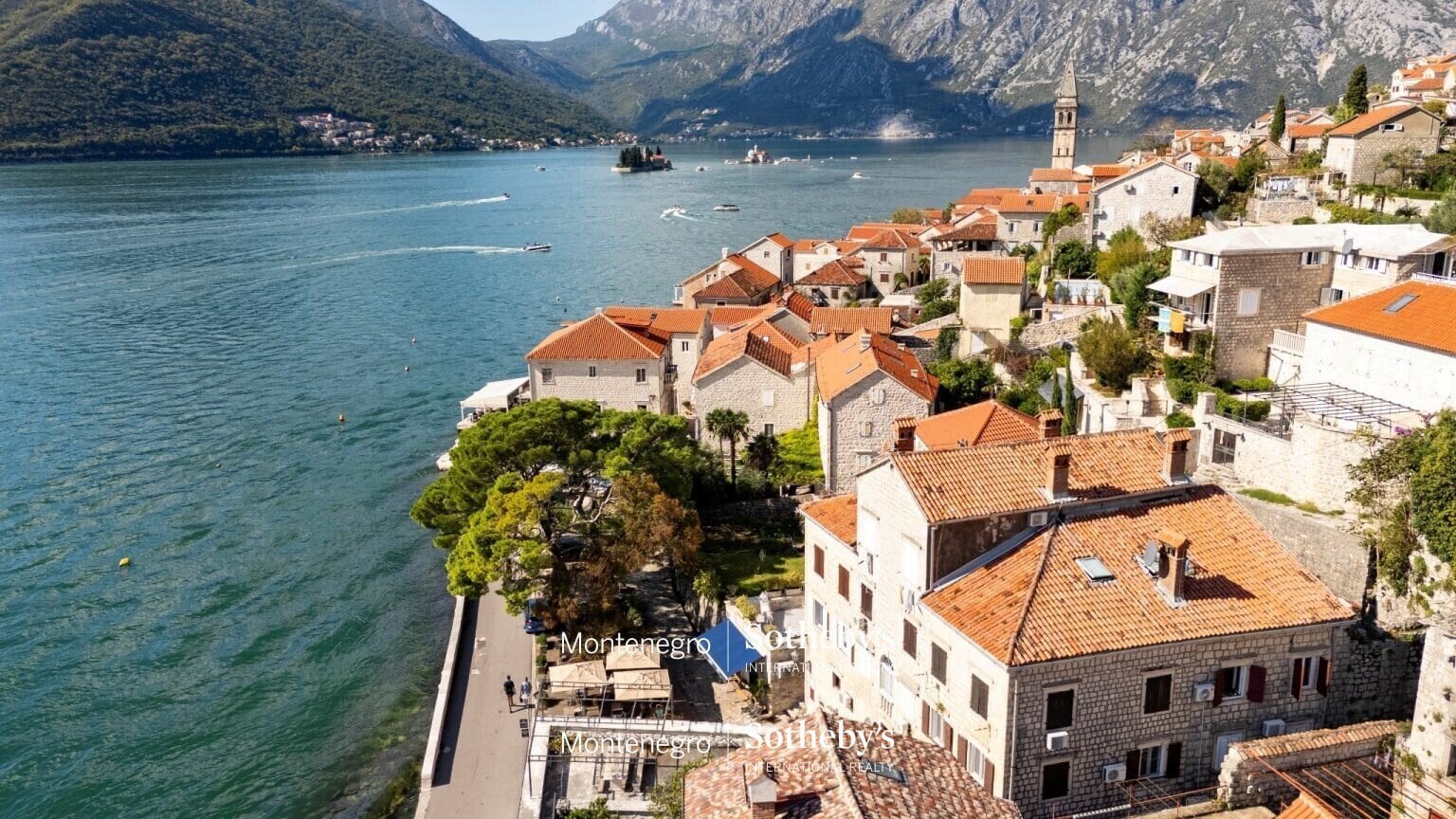
The Bay of Kotor is Montenegro’s heritage crown jewel, and that status cuts both ways for hospitality buyers. Stone townhouses and former merchant residences inside the Old Town’s protected walls can become intimate guesthouses or small boutique hotels. But the same UNESCO status that gives them their allure also limits supply.
That scarcity is the point. Montenegro will issue few, if any, new hotel licenses inside the walled town, so existing stone properties carry a premium tied directly to the scarcity value driving Kotor Old Town investment. Buyers here are typically drawn to heritage character and prestige more than room count.
Hotel Property Tivat and Budva Investment: Marina Lifestyle and Nightlife Appeal
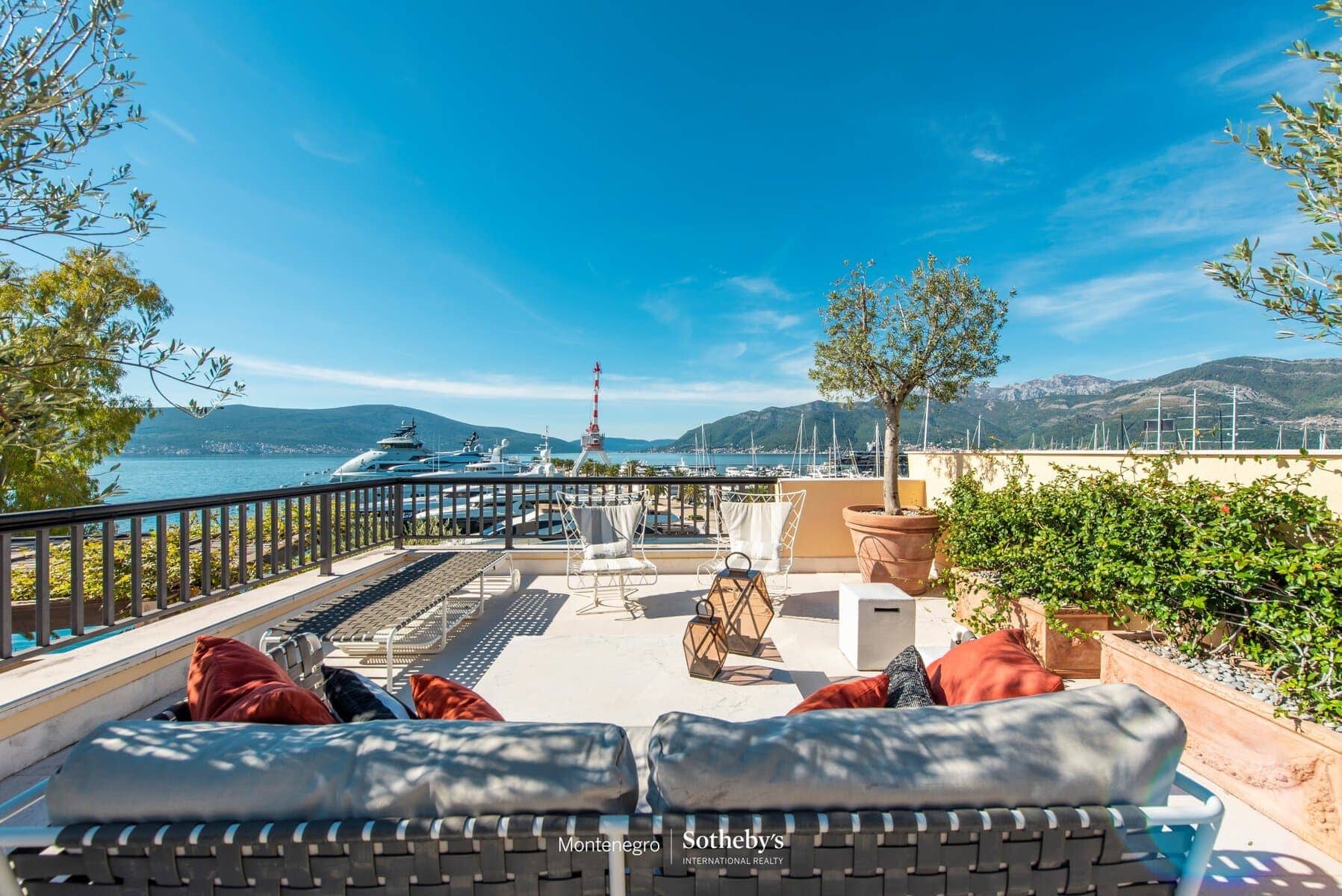
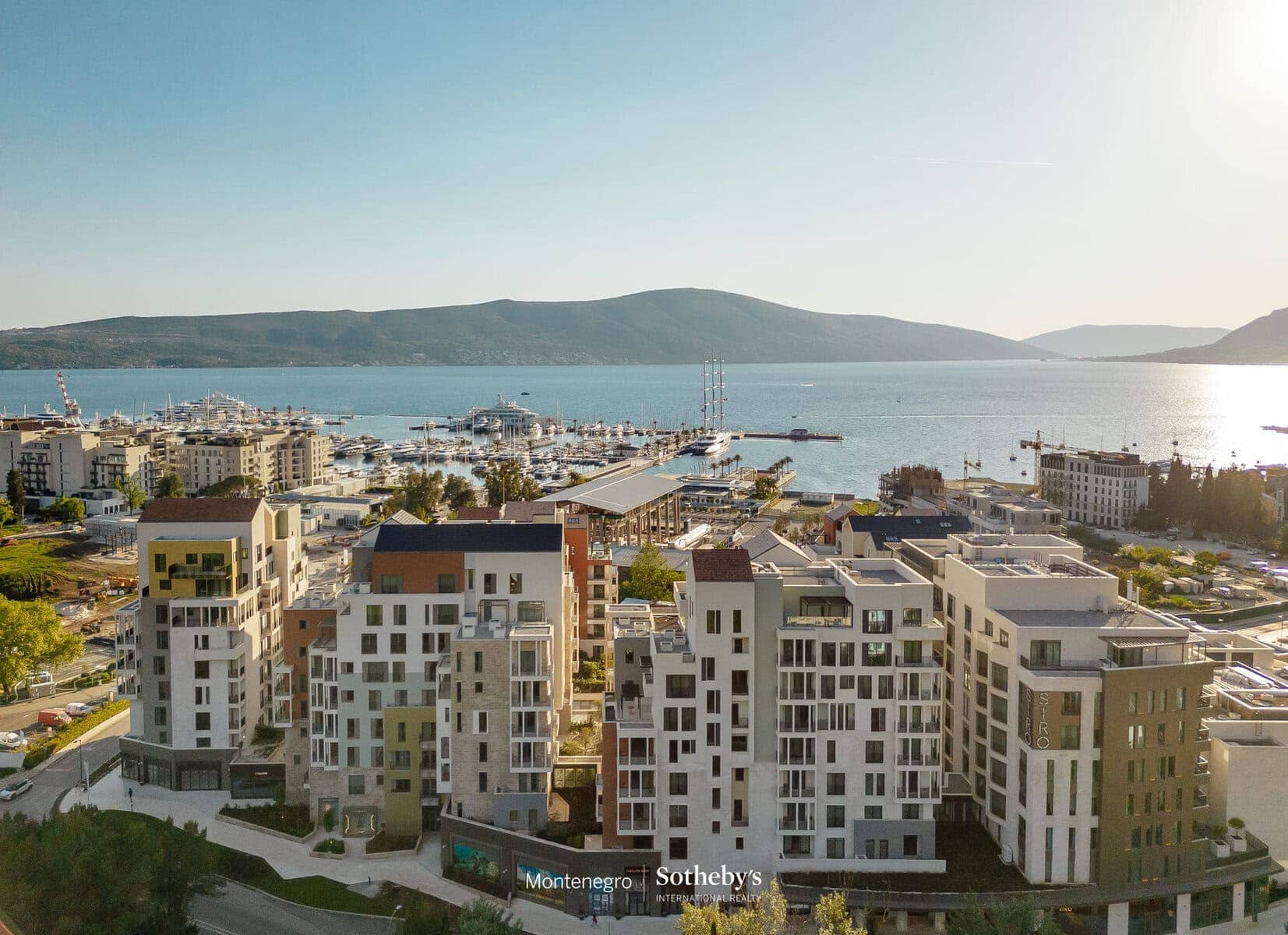
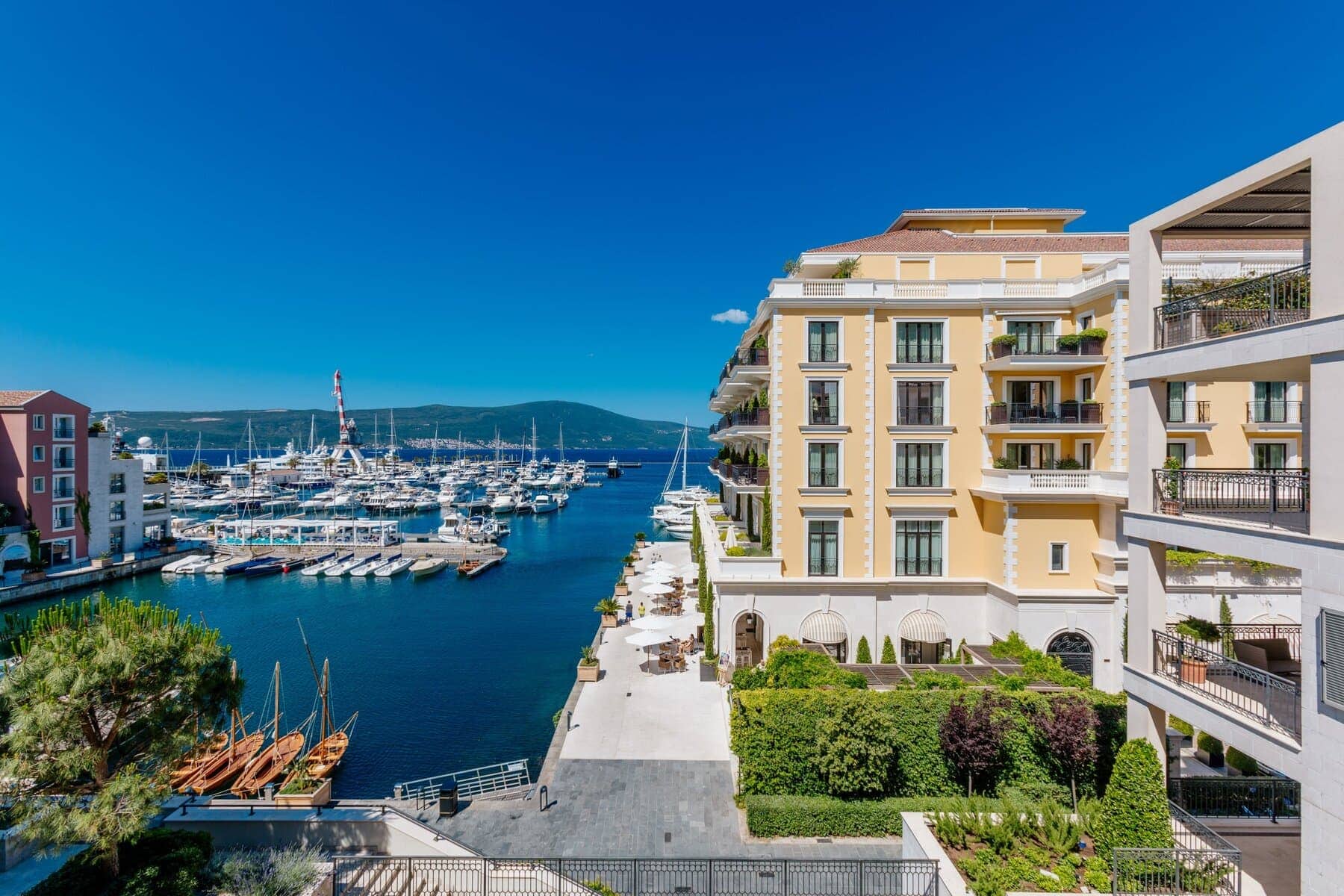
Tivat has built its identity around Porto Montenegro and the broader marina economy, attracting a yacht-owning, design-conscious clientele. Hotel property in Tivat tends to skew toward smaller, design-forward properties that complement that lifestyle rather than compete with it. Tivat Marina’s broader investment appeal extends naturally into hospitality assets nearby.
Budva offers a different proposition entirely. It’s Montenegro’s most visited resort town, with a livelier nightlife scene and far more overnight visitors. Hotel property investment in Budva tends to involve larger room counts and higher occupancy targets. That makes it a strong fit for buyers who prioritize throughput and brand-style operations over intimacy.
Price Tiers: From Boutique Guesthouses to Full-Service Hotels
Hospitality property in Montenegro spans a wide price spectrum, and understanding the tiers matters before you approach the market. What you get at each level differs enormously, not just in size but in the operating model required to run it.
Buy Guesthouse Montenegro at the Entry Tier
At the entry level, buyers looking to buy a guesthouse in Montenegro are typically acquiring a small stone building with somewhere between four and ten rooms. These are often family-run properties in coastal old towns or hillside villages. They require restoration but offer strong character and a lower entry cost.
This tier suits owner-operators more than passive investors. Margins depend heavily on personal involvement, local reputation, and repeat guests rather than scale.
Boutique Hotel Investment Montenegro at the Mid and Upper Tiers
The mid tier covers purpose-built or converted properties with roughly ten to twenty-five rooms, usually with a restaurant, pool, or spa component. A restored stone guesthouse in the Kotor Old Town UNESCO zone and a purpose-built twenty-room boutique hotel in Budva are two very different entry points and operating models within the same country, even though both fall under the broad umbrella of boutique hospitality.
At the upper tier, full-service hotels with professional management structures and larger footprints come into play. These properties cost significantly more to acquire but offer more predictable operations, since they can support dedicated management teams rather than relying on owner presence. Buyers ready to move beyond browsing can explore current luxury hotel listings in Montenegro to see how these tiers translate into actual inventory.
The Purchase Process for Foreign Buyers Acquiring Hospitality Assets
Montenegro has one of the more open commercial property regimes in the region, but acquiring a hotel involves more steps than a residential purchase. It pays to understand the sequence before making an offer.
Commercial Real Estate Montenegro Foreign Buyers: Legal and Ownership Steps
Foreign buyers can generally own commercial real estate in Montenegro on largely the same terms as domestic buyers. That’s a significant advantage compared with many neighboring markets. Most hospitality acquisitions run through a locally registered company rather than direct personal ownership, since this simplifies tax treatment, licensing, and eventual resale.
The typical path runs through title verification, due diligence on zoning and construction permits, company formation if needed, and a notarized purchase agreement. Buyers should also factor in ongoing obligations, including how property tax applies to foreign owners, which affects long-term holding costs.
Many hotel buyers also explore residency options tied to property ownership, since a hospitality acquisition often comes alongside a broader relocation or lifestyle decision.
Regulatory and Licensing Considerations for Hotel Operations
Owning the building is only half the equation. Operating it as a hotel or guesthouse requires a separate categorization process through Montenegro’s tourism authorities, which classifies the property by star rating and room standard.
This categorization determines what you can advertise and charge. It involves inspections covering fire safety, sanitation, and accessibility. Buyers converting a residential or heritage building into hospitality use should budget time and cost for this licensing step, since it can shape the renovation scope before a single guest ever checks in.
Montenegro Hotel Investment Returns and What Drives Them
Returns on hospitality property in Montenegro don’t move in a straight line the way a long-term rental apartment’s income might. They depend on a mix of seasonality, positioning, and how actively the owner manages the business.
Boutique hospitality assets in gateway Adriatic locations tend to command stronger seasonal yields than standard long-term rental apartments, though they also carry higher operating complexity and licensing requirements. A well-positioned boutique hotel can generate in a five- or six-month peak season what a residential rental would take a full year to match. But it also carries staffing, marketing, and maintenance costs that a passive apartment owner never encounters.
Projected Rental and Operational Yields for Boutique Hospitality Assets
Yield drivers for hotel property fall into a few consistent categories: occupancy rate, average daily rate, seasonal length, and management quality. A property under professional management with a clear brand identity typically outperforms a similar asset run informally, even at the same location and room count.
It helps to put this in context against the residential side of the market. Investors can compare against Bay of Kotor residential investment returns to see how hospitality yields stack up against apartment and villa rental income. In general, hotel assets offer higher upside but require far more active involvement, while residential property offers steadier, lower-touch returns. Buying a hotel is fundamentally a different commitment than buying a villa or apartment. It’s an operating business built on top of real estate, not a rental unit that manages itself.
The Sotheby’s Advantage: Curated Access to Luxury Hospitality Assets
Hospitality assets rarely appear on public listing portals. The owners of a well-run boutique hotel or a heritage guesthouse in a protected zone tend to sell quietly, through trusted relationships rather than open marketing campaigns.
Montenegro Sotheby’s International Realty maintains a curated, often off-market portfolio of boutique hotels and hospitality assets across the Bay of Kotor, Budva Riviera, and Tivat, sourced through direct owner relationships rather than public listing portals. That access matters enormously in a market this size, where the best opportunities often change hands before anyone formally advertises them.
Off-Market Listings and Lifestyle Appeal of Owning an Adriatic Hotel
Owning a hotel in Montenegro is rarely just a financial transaction. It’s an entry into one of Europe’s fastest-growing luxury destinations, a chance to shape how visitors experience a bay, a marina town, or a walled old city.
For buyers navigating a market this specialized, working with a high-net-worth property advisor makes the difference between a good deal and the right one. If you’re ready to explore boutique hotel investment in Montenegro, or want to discuss a curated, off-market shortlist matched to your budget and region, contact Montenegro Sotheby’s International Realty for a private consultation.