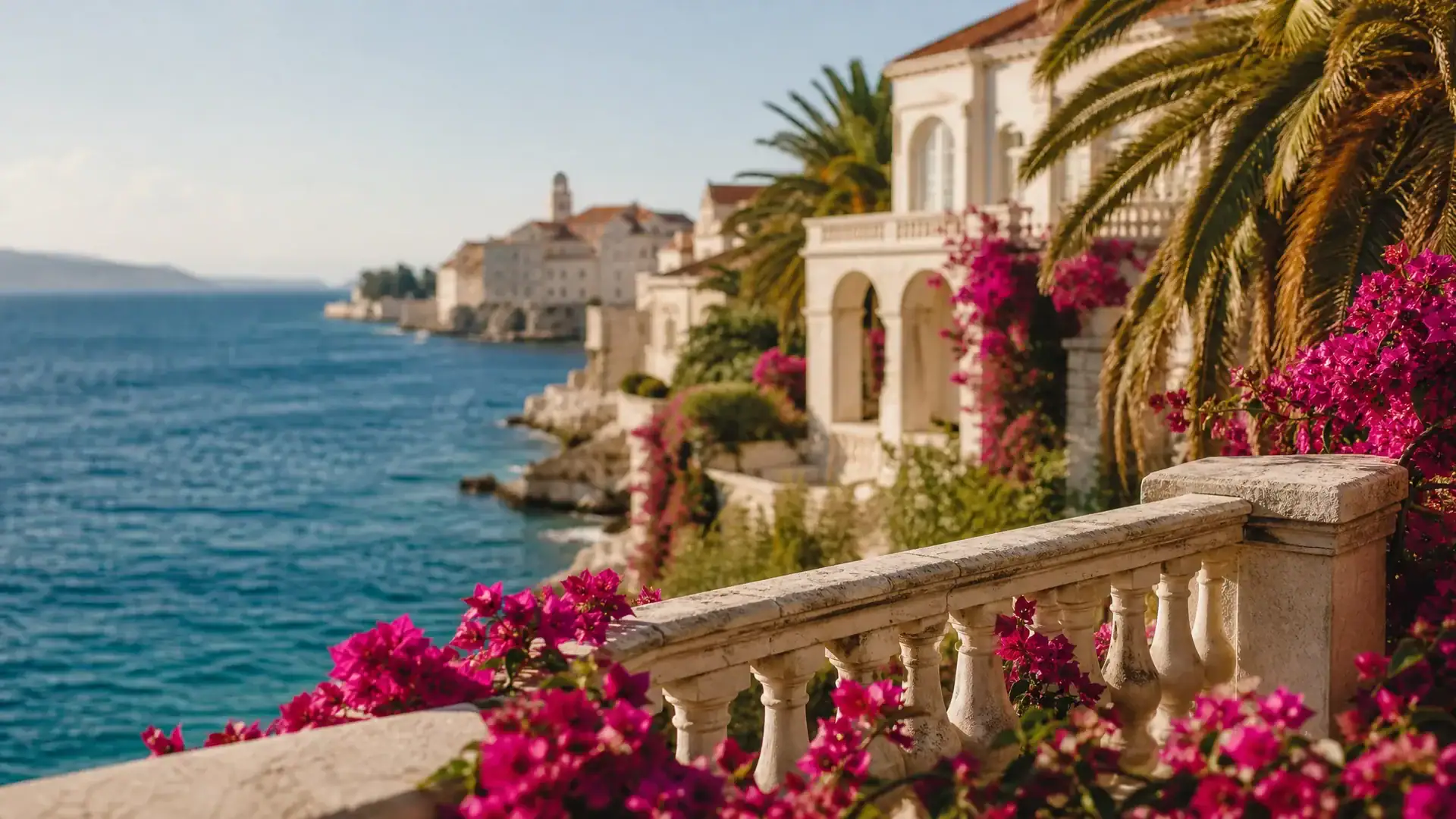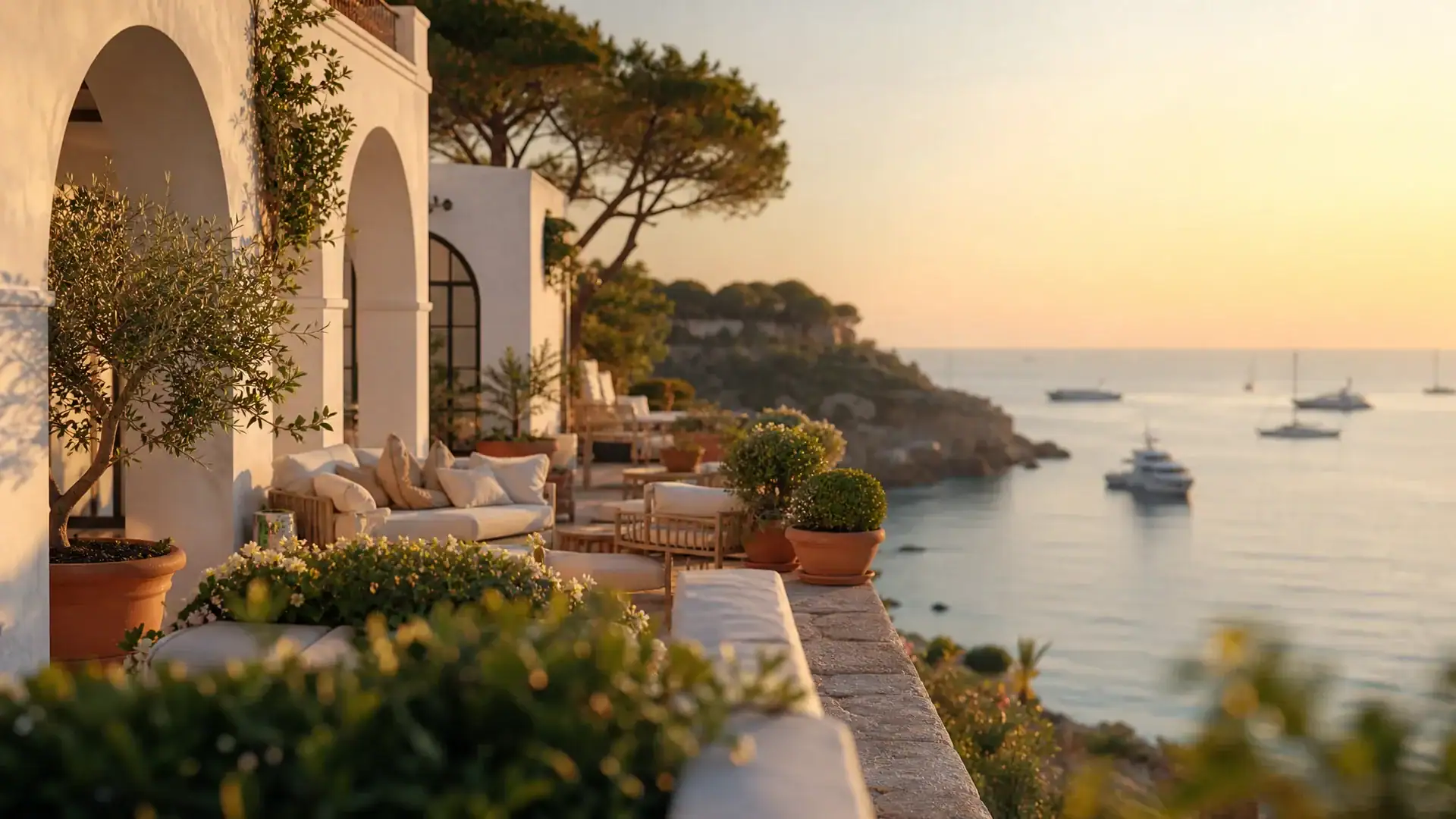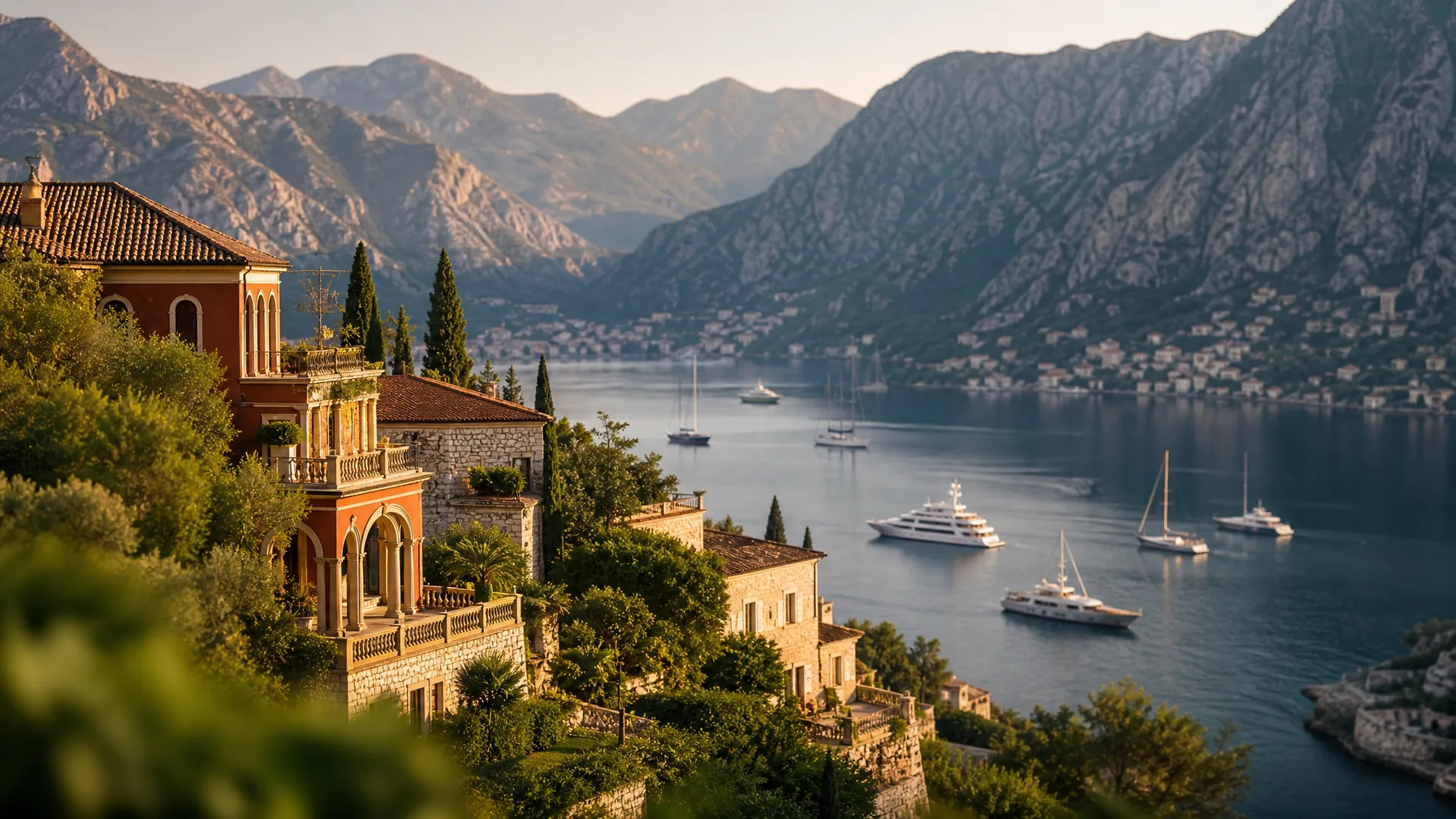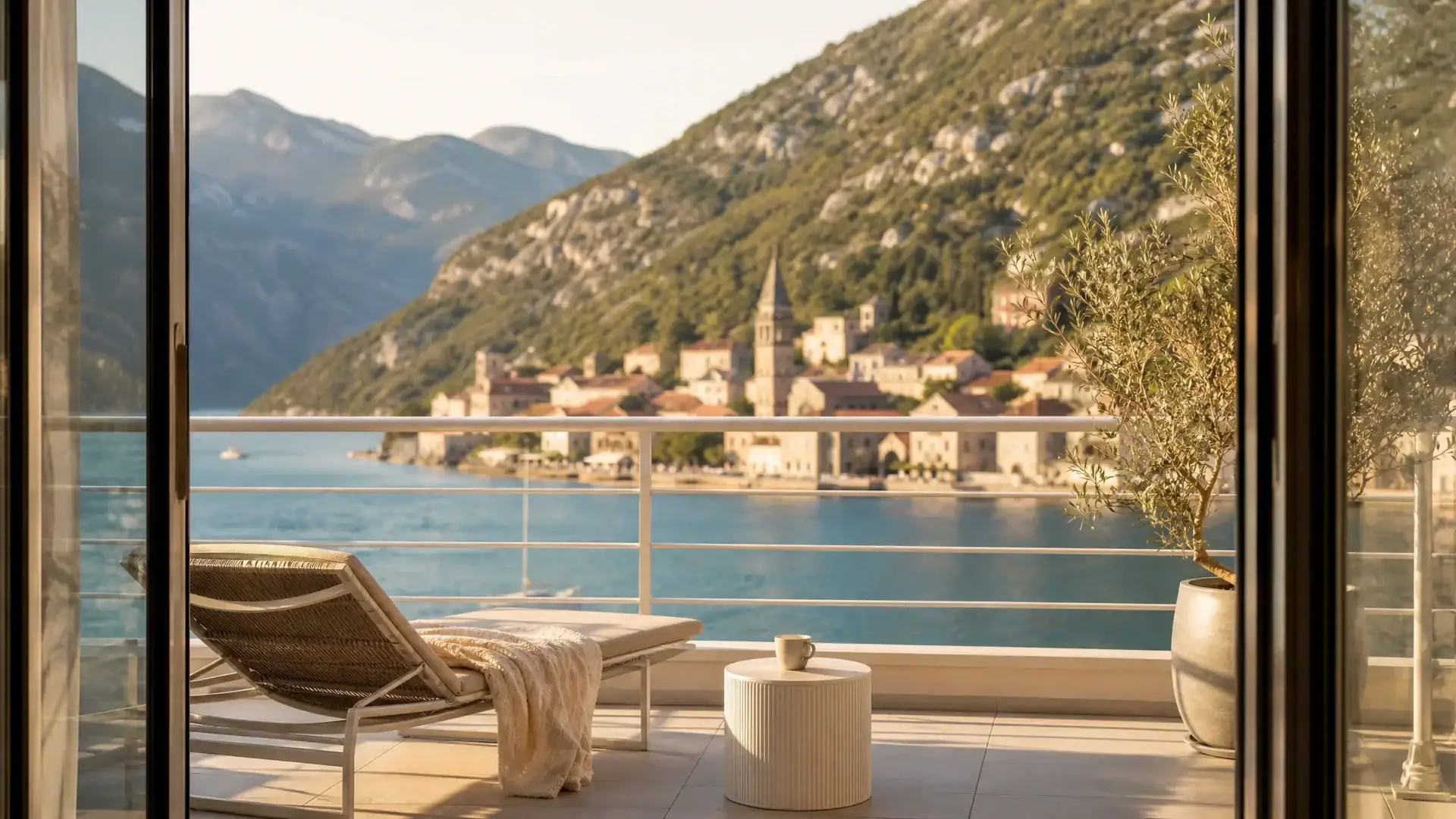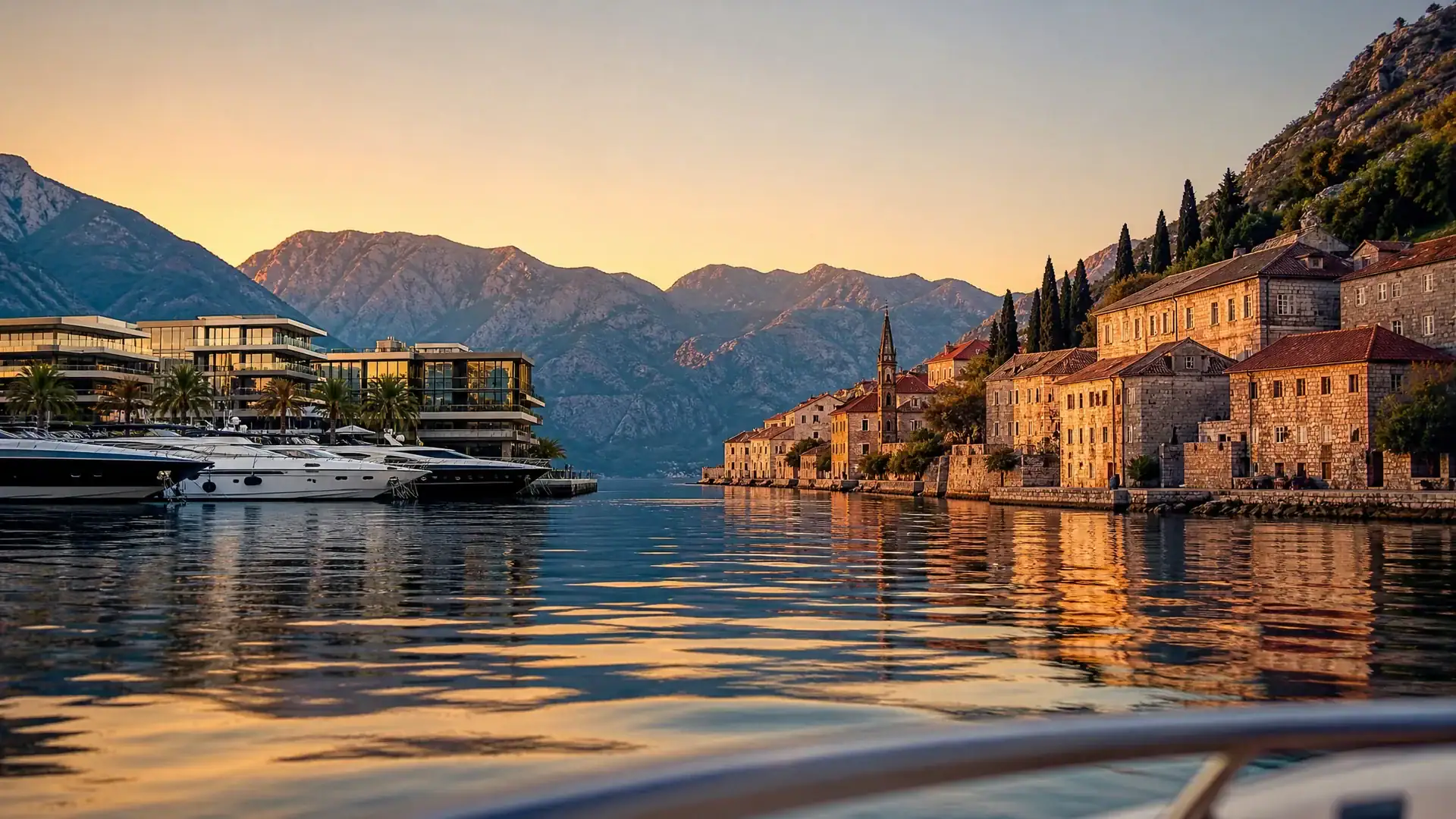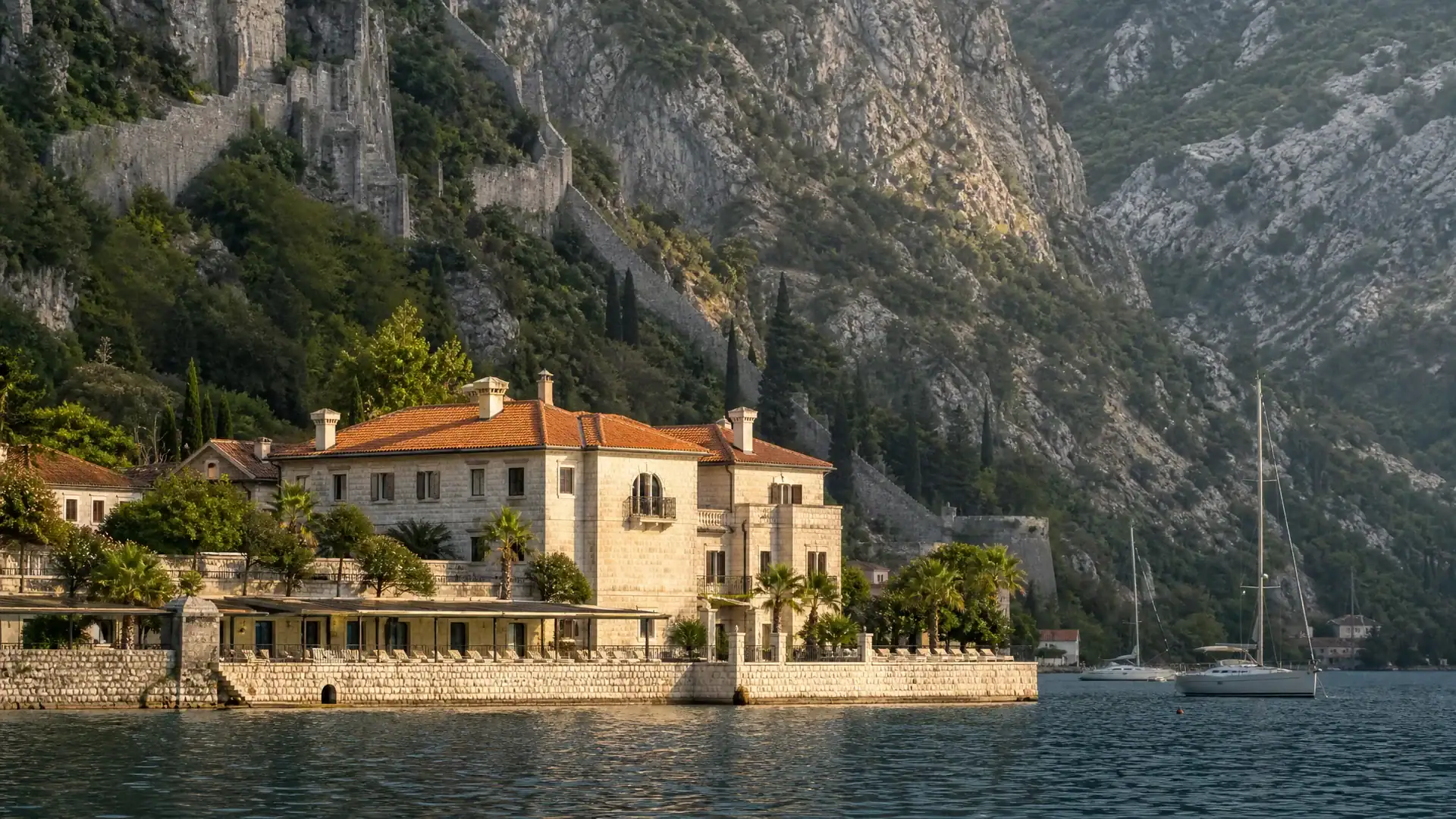





Few property categories in Southern Europe offer the combination of architectural character, scarcity, and upside that Montenegro’s historic villas do. A limestone palazzo on the Bay of Kotor, a Venetian-era townhouse in Budva’s old town, a crumbling waterfront palace in Perast, these are not interchangeable assets. They are irreplaceable, and buyers who understand that are choosing to restore them rather than walk past them. Montenegro villa renovation and restoration rewards preparation: the regulations are real, the craftspeople are scarce, and the results for getting it right are considerable.
Why Montenegro Villas Are Worth Restoring
The investment case for historic home renovation
Restored heritage properties in Montenegro’s most sought-after micro-markets command real premiums over unrenovated equivalents on the same street. Buyers and renters pay for finished quality, but they also pay for certainty. A property that has been professionally surveyed, sensitively restored, and fully compliant with heritage regulations carries none of the hidden-risk discount that an untouched ruin does. Current real estate prices in the Bay of Kotor show this gap widening as buyer sophistication increases.
The rental income case is equally strong. A fully restored stone villa, with original vaulted ceilings, period joinery, and a modern mechanical fit-out, attracts the kind of discerning guest who books longer and pays more. Maximizing rental income from a restored Montenegro property is a realistic goal, not an aspiration, when the restoration is executed to the right standard.
The investment logic is straightforward: buy the discount, eliminate the risk through skilled restoration, and capture the premium on exit or through yield.
Where restoration demand is highest in 2026
Three corridors concentrate the most active restoration interest right now. The Bay of Kotor, particularly Kotor, Perast, Dobrota, and Prčanj, holds the densest stock of Venetian-era stone architecture and the strongest buyer demand. Perast waterfront villas in the Bay of Kotor include some of the most architecturally significant restoration candidates anywhere on the Adriatic. Budva’s old town offers smaller, more urban opportunities. The Lustica Peninsula and Tivat hinterland attract buyers seeking coastal stone farmhouses outside the strictest protected zones.
Adaptive reuse is gaining traction in 2026. Converting a heritage villa into a boutique hotel has become one of the more compelling investment plays along the Bay of Kotor, combining heritage compliance with Montenegro’s growing luxury hospitality demand.
Navigating Heritage Preservation Regulations in Montenegro
Protected zones and UNESCO adjacency rules
The Bay of Kotor has held UNESCO World Heritage status since 1979, meaning any structural intervention on properties within the protected buffer zone must pass review by Montenegro’s Institute for the Protection of Cultural Monuments (Zavod za zaštitu spomenika kulture) and, in some cases, UNESCO’s advisory bodies. This is not a procedural formality. It is a substantive review that shapes every design decision.
Montenegro’s cultural heritage law, Zakon o kulturnoj baštini, establishes a tiered protection system. Category I designations apply to state-protected monuments of the highest significance; these face the most restrictive intervention rules, requiring specialist conservation architects and pre-approved materials. Lower-tier protections still impose meaningful constraints but allow more flexibility in internal reconfigurations. Knowing which category applies to a specific property, before you make an offer, is essential.
Perast’s 17th- and 18th-century stone palaces, many bearing the carved crests of Venetian-era merchant families, illustrate the Category I challenge well. Lime-mortar repointing, period-accurate window reinstatement, and original roof-tile replacement are not optional enhancements here, they are regulatory requirements under conservation oversight.
Permit pathways and typical approval timelines
The permit pathway for a protected property runs through the municipal urban planning authority and the Institute for Cultural Monuments, with the UNESCO buffer zone adding a further layer. A straightforward cosmetic intervention on a lower-tier property might clear in a few months. A full structural restoration on a Category I monument within the Bay of Kotor buffer zone takes considerably longer, heritage permit review alone routinely adds six months or more to a project before a single stone is touched.
Engaging a conservation architect before purchase is the single most effective way to understand what permitting will require. They can read the cadastral records, identify the protection category, and draft a scope of works the Institute will find approvable. Surprises at permit stage are expensive.
Sourcing Local Contractors and Heritage Craftspeople
What to look for in a Montenegro renovation contractor
Not every licensed contractor in Montenegro is equipped for heritage work. The skills required for luxury villas along Montenegro’s Adriatic coast differ sharply from those needed for a Category I stone palazzo. For heritage restoration, look specifically for contractors with documented experience on protected buildings, references from the Institute for Cultural Monuments or similar bodies, and direct relationships with the craftspeople who do the specialist trades.
Those trades are what matter most: lime-mortar stonemasons, traditional terracotta-tile roofers, and period joiners who can replicate 18th-century window profiles. The pool of truly qualified craftspeople in Montenegro is limited. Demand in 2026 is strong, and booking lead times for the best teams run to many months. Early engagement is a project risk variable, not a courtesy.
Traditional materials and where to source them
Heritage regulations in Montenegro’s protected zones typically mandate materials that match the original in composition, texture, and visual character. Lime mortar rather than Portland cement is the rule for stonework, cement is too rigid, traps moisture, and damages historic masonry. Local Adriatic limestone, sourced from quarries in the region, is preferred for repairs and infill. Traditional terracotta roof tiles are available from regional suppliers, though matching aged colour and profile requires sourcing from specialists who stock reclaimed material.
Timber elements, doors, shutters, window frames, must typically match period profiles. A good conservation joiner will work from historical drawings or surviving fragments, sometimes commissioning custom milling to replicate original sections. Sourcing takes time; building materials procurement into the project schedule from the outset prevents delays later.
Understanding Villa Restoration Costs in Montenegro
Villa restoration costs in Montenegro vary enormously by scope. The most useful way to calibrate expectations is by thinking in tiers rather than per-square-metre averages.
A cosmetic refresh, replastering interiors, refreshing joinery, updating kitchens and bathrooms while leaving structure and envelope untouched, is the lightest category. It carries the lowest cost and the shortest timeline, and it may not require heritage permits at all if the works are entirely internal and the building is not a Category I monument.
A full structural restoration involves reopening floors and walls, addressing foundations, replacing or repairing the roof structure, and bringing the building into full regulatory compliance with period-accurate materials throughout. This is where cost drivers compound: heritage-compliant materials carry a premium over standard construction equivalents; specialist labour is scarce and priced accordingly; coastal and island sites add logistical cost for materials delivery; and the permit timeline lengthens the financing period before works can begin.
Adaptive reuse, converting a derelict villa into a boutique guesthouse, for example, adds a further layer of regulatory complexity, as the change of use triggers both heritage and planning approvals. The upside is a commercially viable asset; the cost and timeline reflect that ambition.
The risk that consistently surprises owners is concealed structural damage inside thick Adriatic stone walls. Conservation architects working in Montenegro’s protected zones consistently note that a standard survey rarely captures the full picture without invasive investigation. Hollow cores, failed rubble infill, and moisture ingress hidden behind surface render are common findings once walls are opened. A contingency allowance, held in reserve, not spent by default, is not optional on any heritage project. It is the difference between a project that finishes on budget and one that does not finish at all.
Renovation Timeline Planning: From Survey to Handover
Key phases and realistic milestones
A well-managed Montenegro villa restoration follows a clear sequence. The structural survey comes first, and for heritage properties, this means engaging both a structural engineer and a conservation architect simultaneously, not sequentially. Their findings shape the scope of works that goes into the permit application.
The heritage permit application follows. Once submitted, the timeline is largely outside the owner’s control: the Institute for Cultural Monuments sets its own review schedule, and the UNESCO buffer zone review adds another layer. Planning for a minimum of six months at permit stage is prudent; twelve is not unusual for complex Category I projects.
Contractor procurement should begin in parallel with permitting, not after. Given booking lead times for qualified heritage teams, waiting until permits are in hand before approaching contractors risks a further six-month delay. A conditional engagement, subject to permit approval, is standard practice for experienced project managers.
Phased construction then runs in sequences dictated by structural logic: structural consolidation first, then envelope (roof, windows, external stonework), then internal fit-out. Final inspection by the Institute for Cultural Monuments closes the heritage permit and enables the certificate of completion.
Common delays and how to mitigate them
The most predictable delays in Montenegro villa restoration fall into four categories: permit review extensions, concealed structural findings, materials procurement (especially reclaimed tiles and specialist timber), and contractor availability gaps between phases.
Seasonal scheduling adds a further constraint. Adriatic winters bring rainfall and high humidity that interrupt exterior stonework and roofing; most experienced contractors plan to complete envelope works before November and resume in spring. A project that misses the autumn window may wait until April.
Mitigation is straightforward in principle: begin the survey and permit application earlier than feels necessary, engage contractors before permits are confirmed, and hold genuine contingency in both budget and timeline. The owners who manage Montenegro restoration projects successfully treat the process as a long-horizon investment, not a twelve-month construction contract.
How Montenegro Sotheby’s International Realty Supports Your Project
Coordinating a heritage villa restoration in Montenegro from abroad involves more moving parts than most buyers anticipate: legal due diligence on protection status, conservation architect selection, permit navigation, contractor vetting, materials procurement, and site supervision, all conducted across language and regulatory boundaries.
Montenegro Sotheby’s International Realty works with a curated network of heritage-certified contractors, structural engineers, and legal advisors, enabling clients to move from acquisition to restoration planning without sourcing every specialist independently. That network is the product of sustained relationships, not a referral list, the difference matters when you need a lime-mortar mason in April and the best ones are already booked.
Our role spans the full arc of the project. We can guide you through the Montenegro property purchase process for foreign buyers before a stone is lifted, introduce you to the right conservation architect during due diligence, and remain a consistent point of contact through to handover, including positioning the finished property for sale or rental when the time comes.
If you are considering acquiring a restorable heritage property in Montenegro, or you already own one and need a trusted starting point for the restoration journey, we invite you to contact us for a complimentary consultation. One conversation with a team that knows these regulations, these contractors, and this market will save considerably more time than it takes.