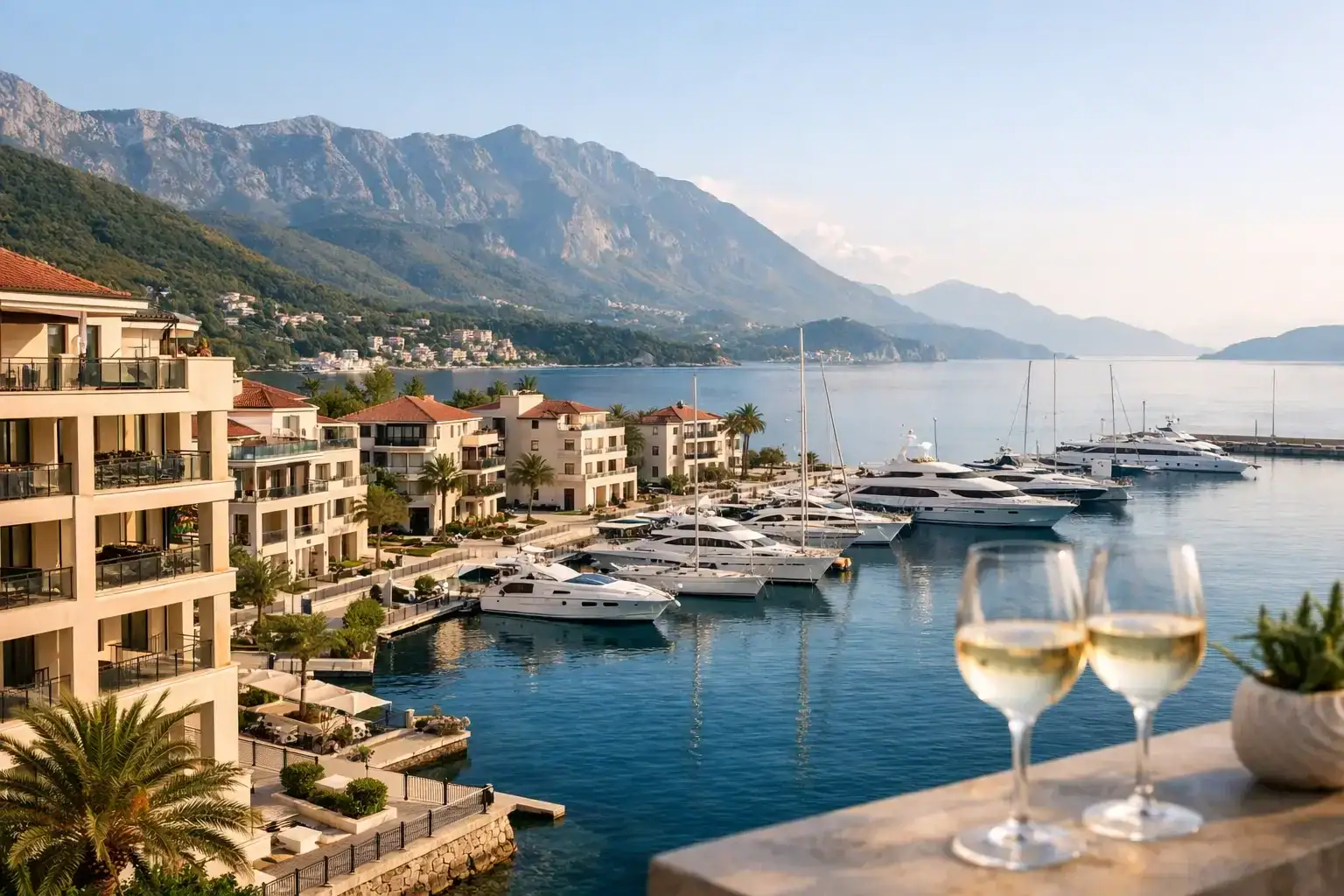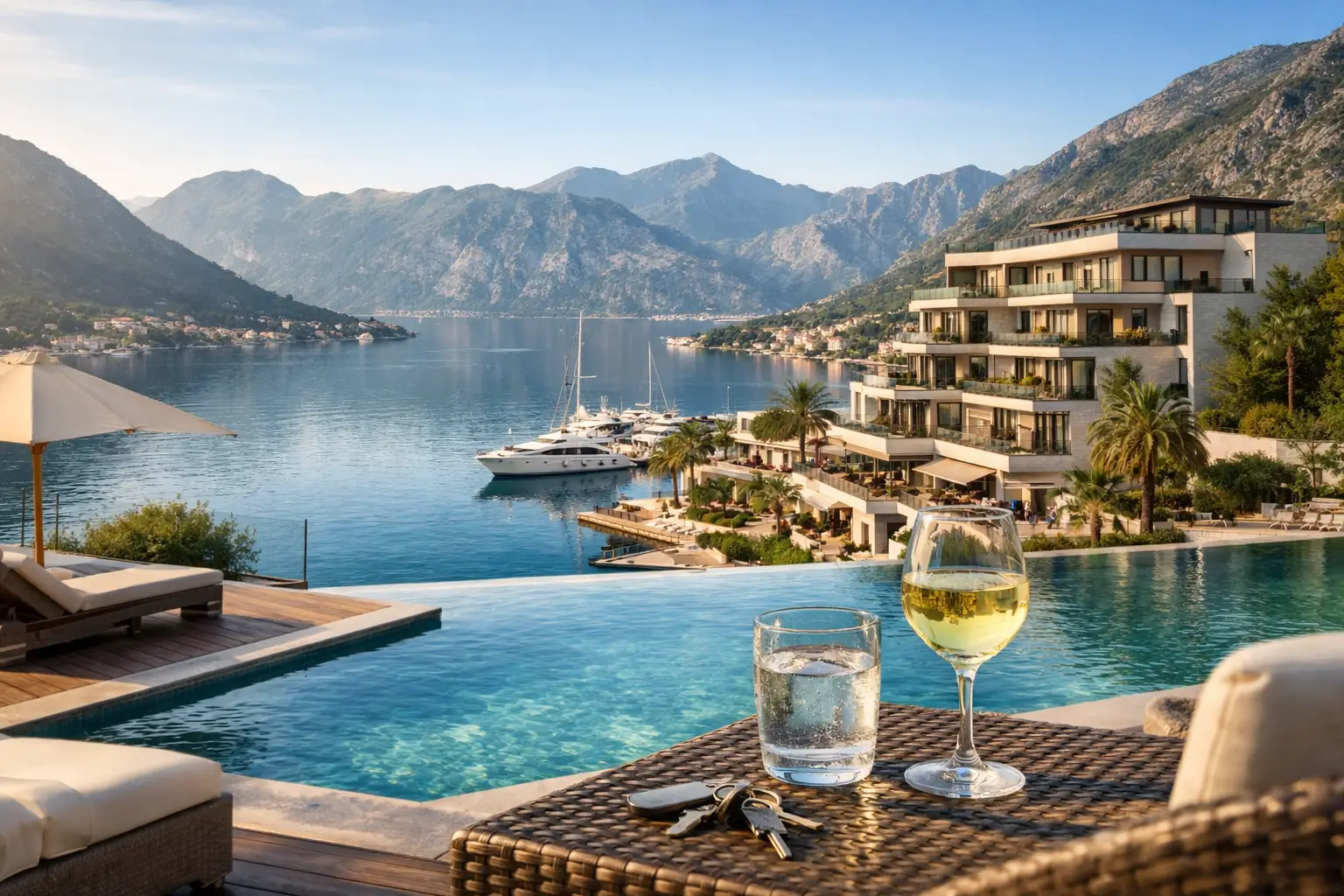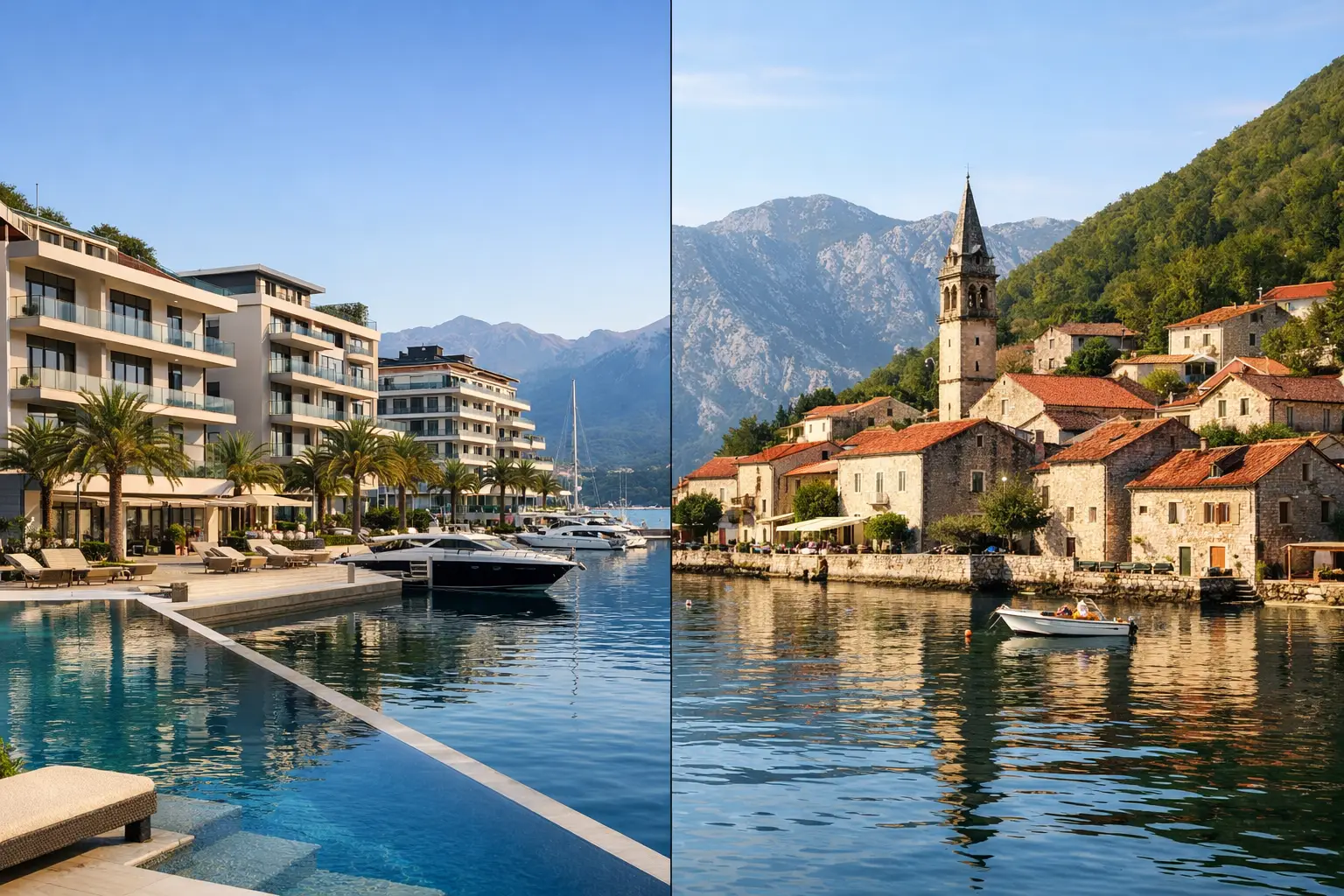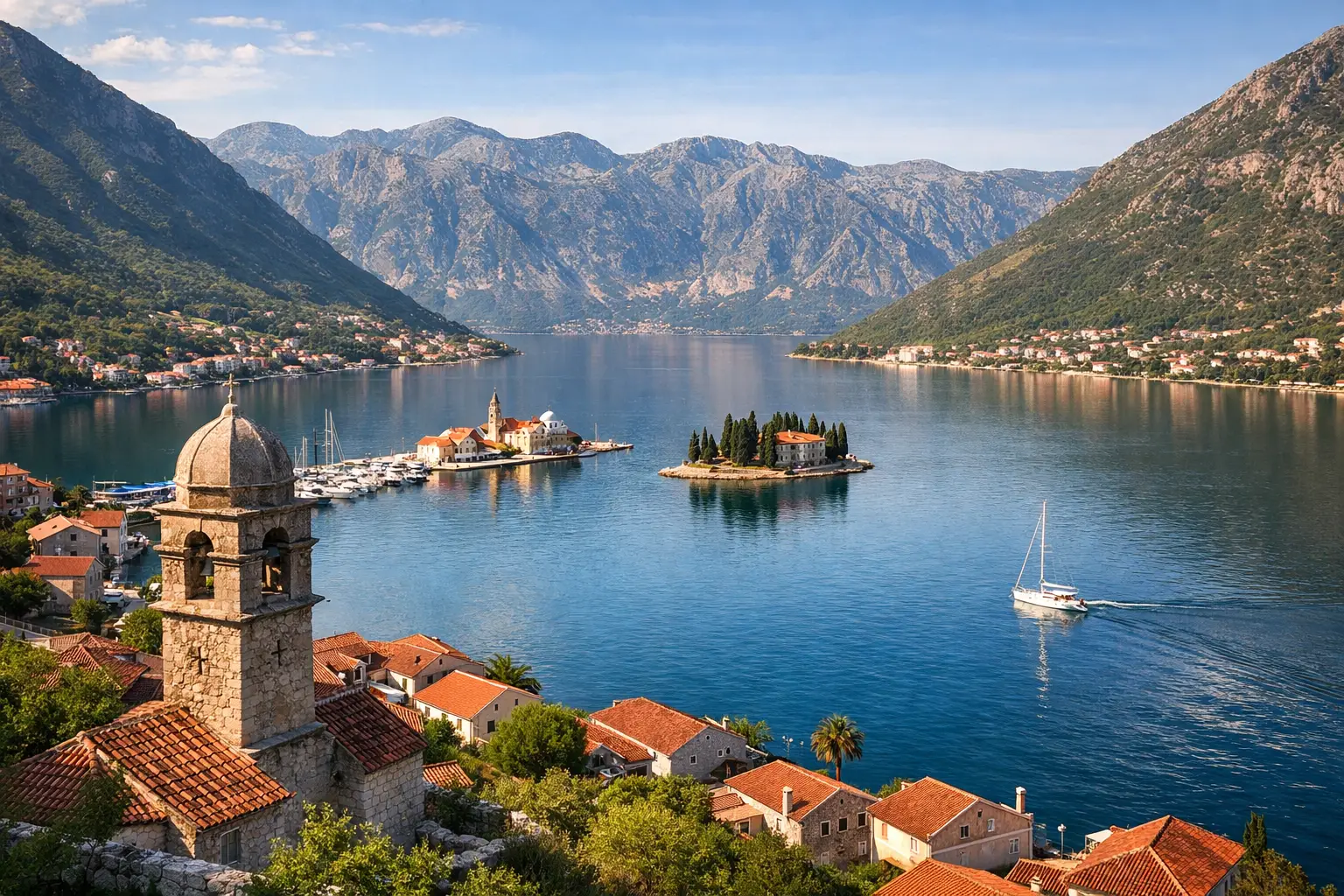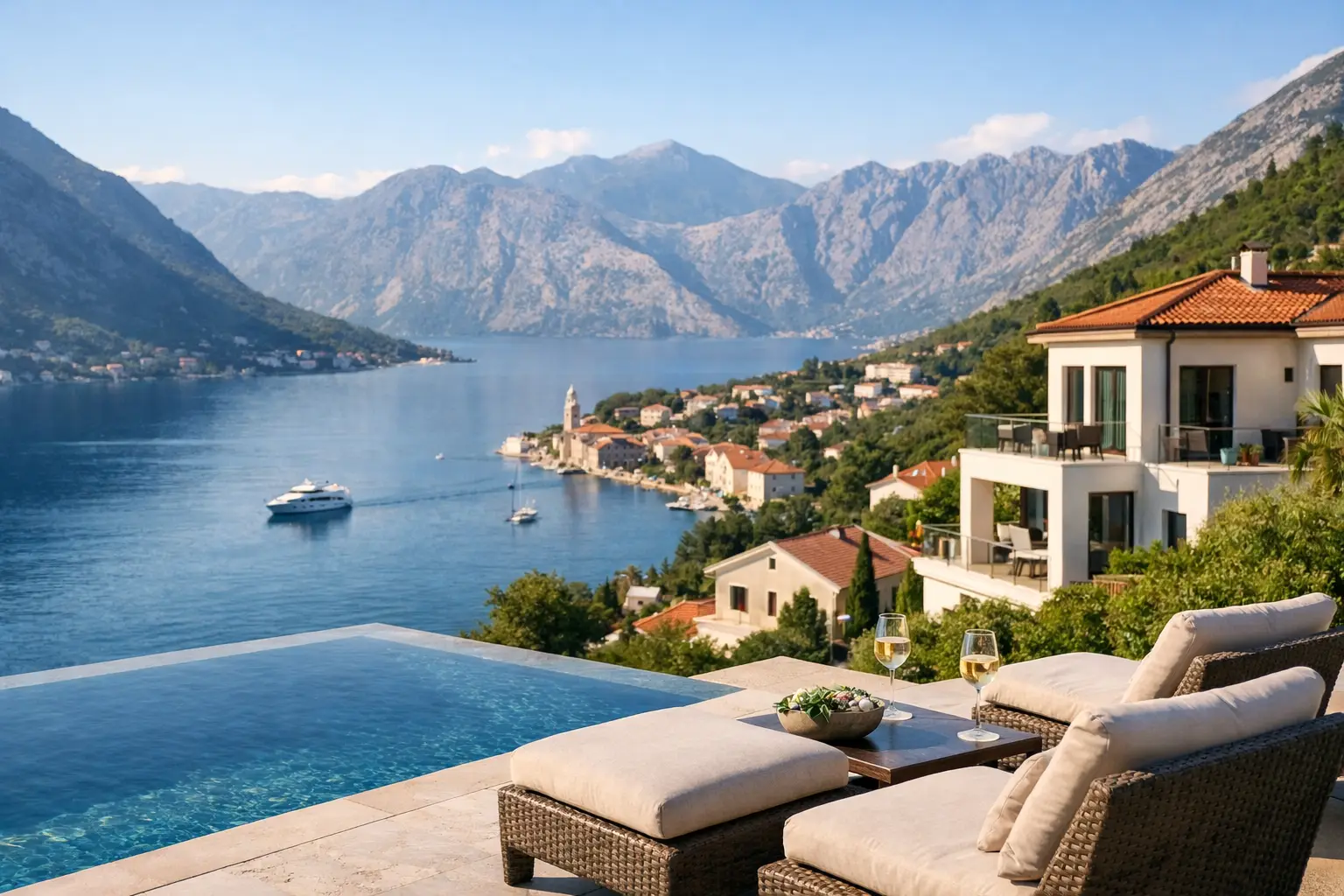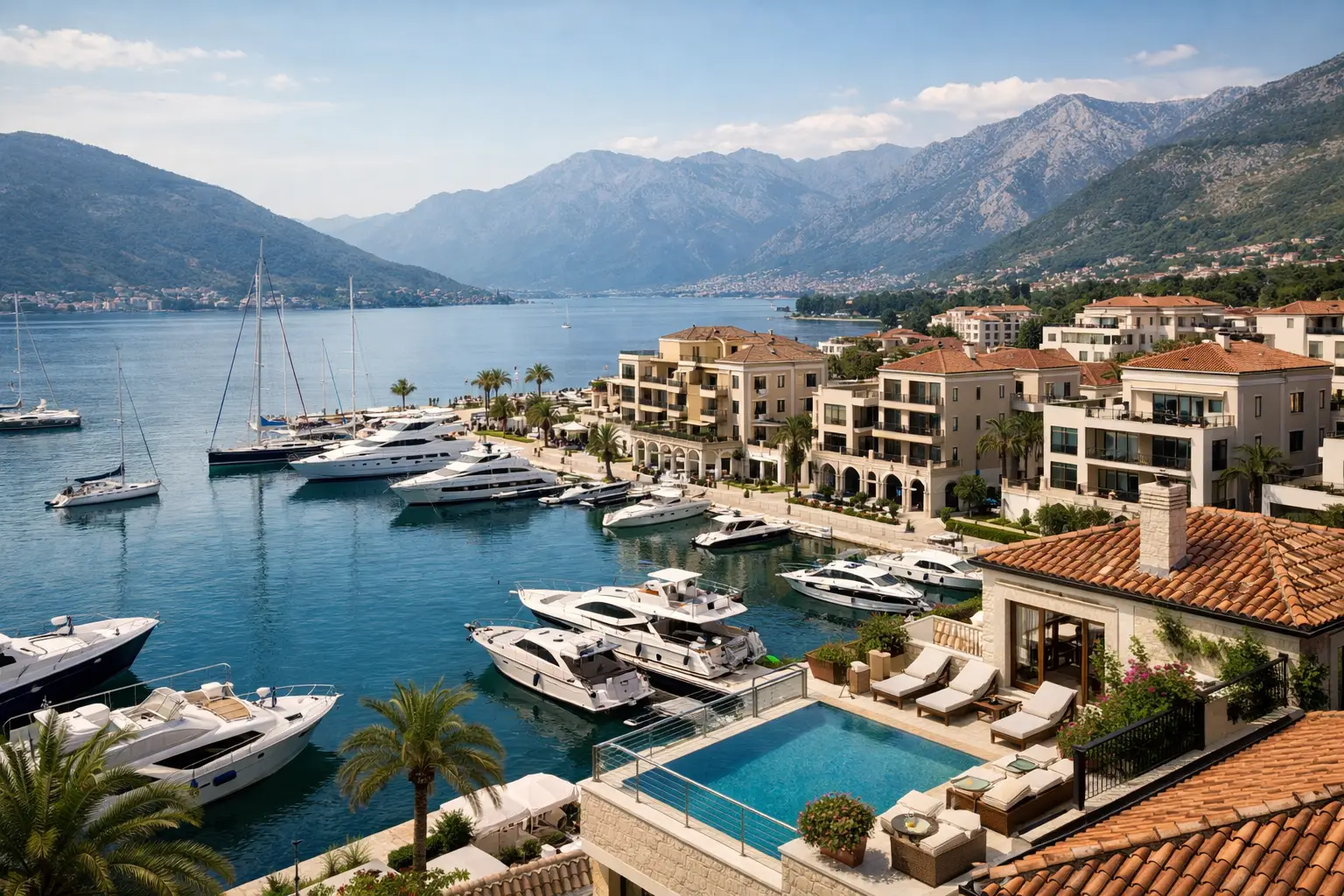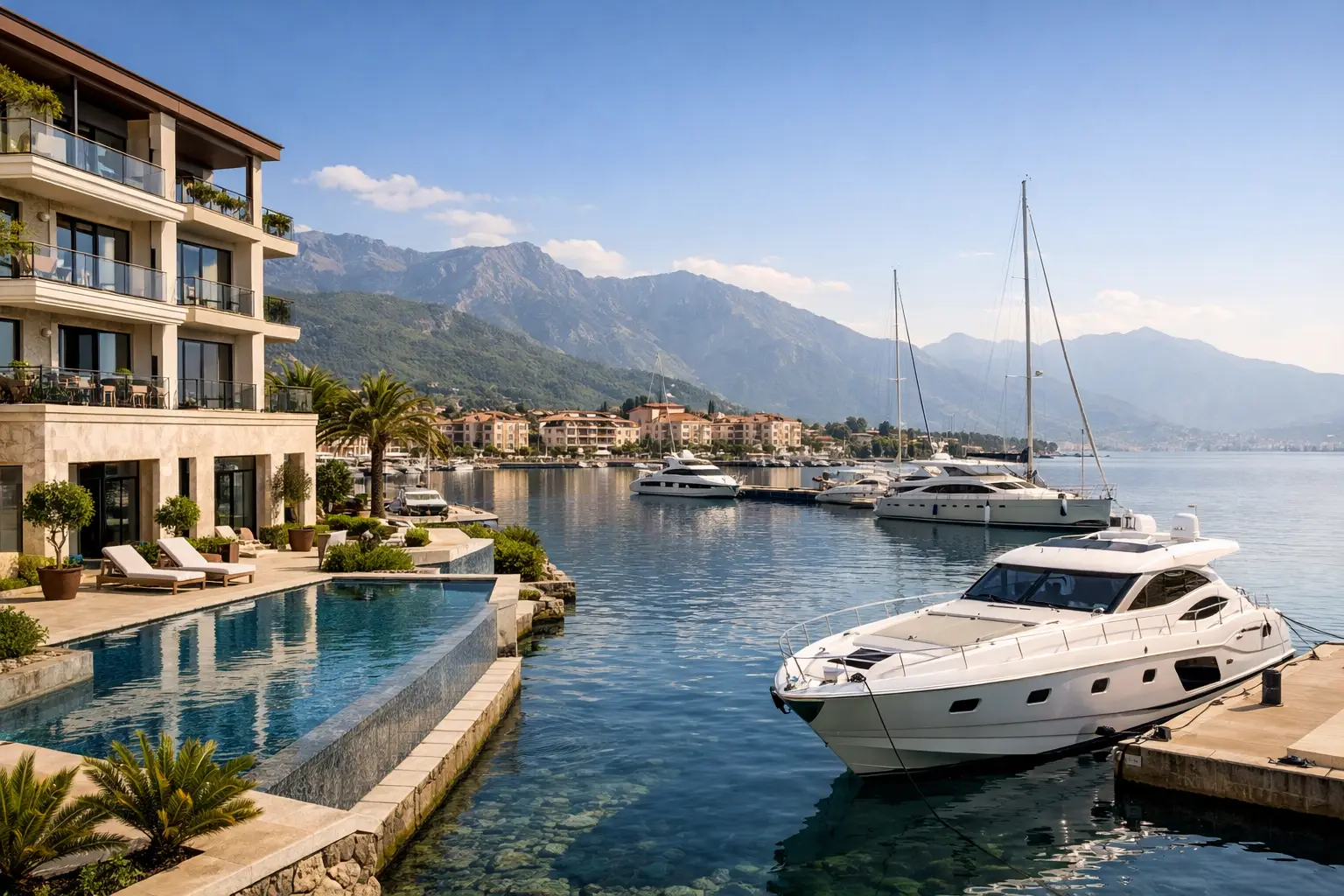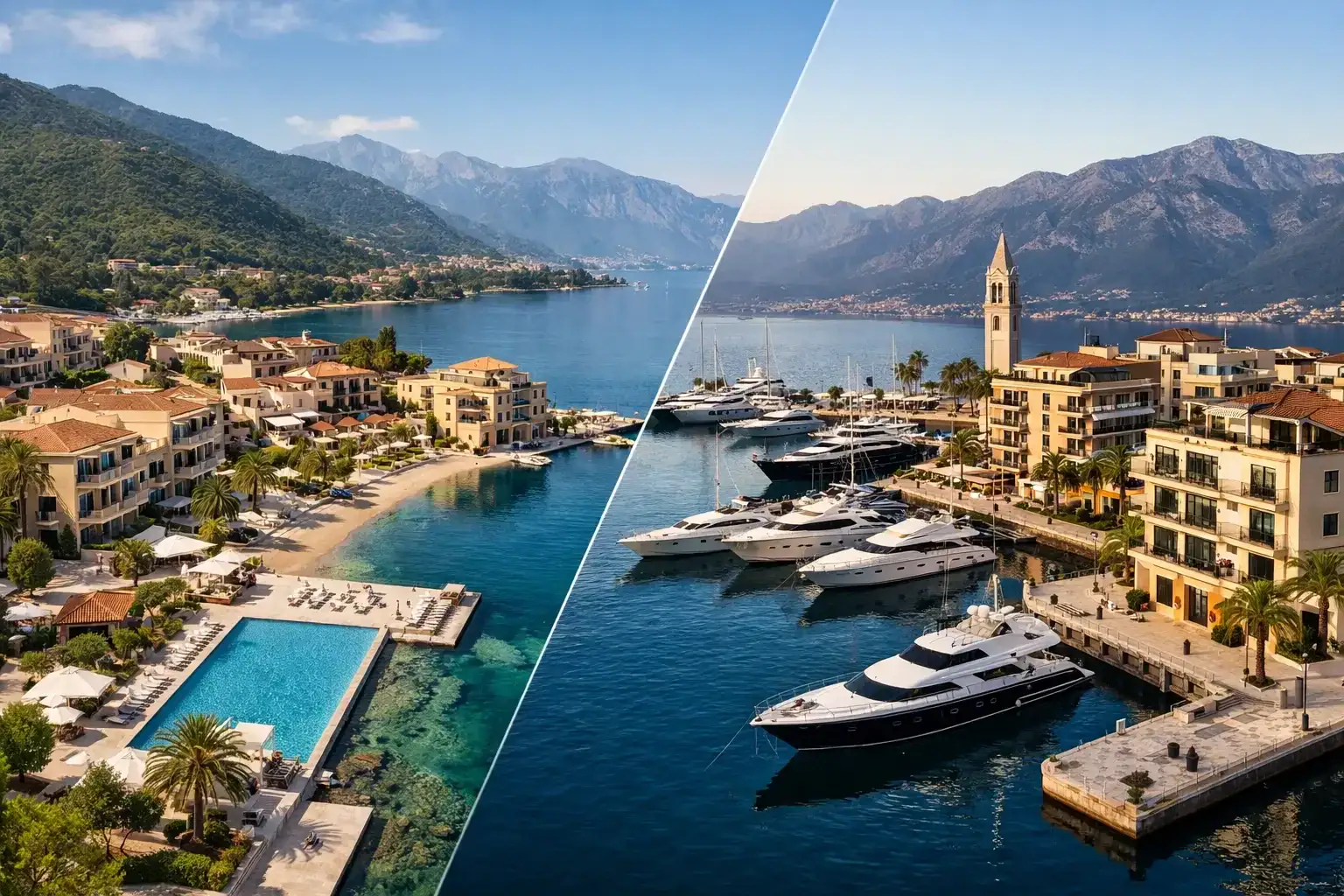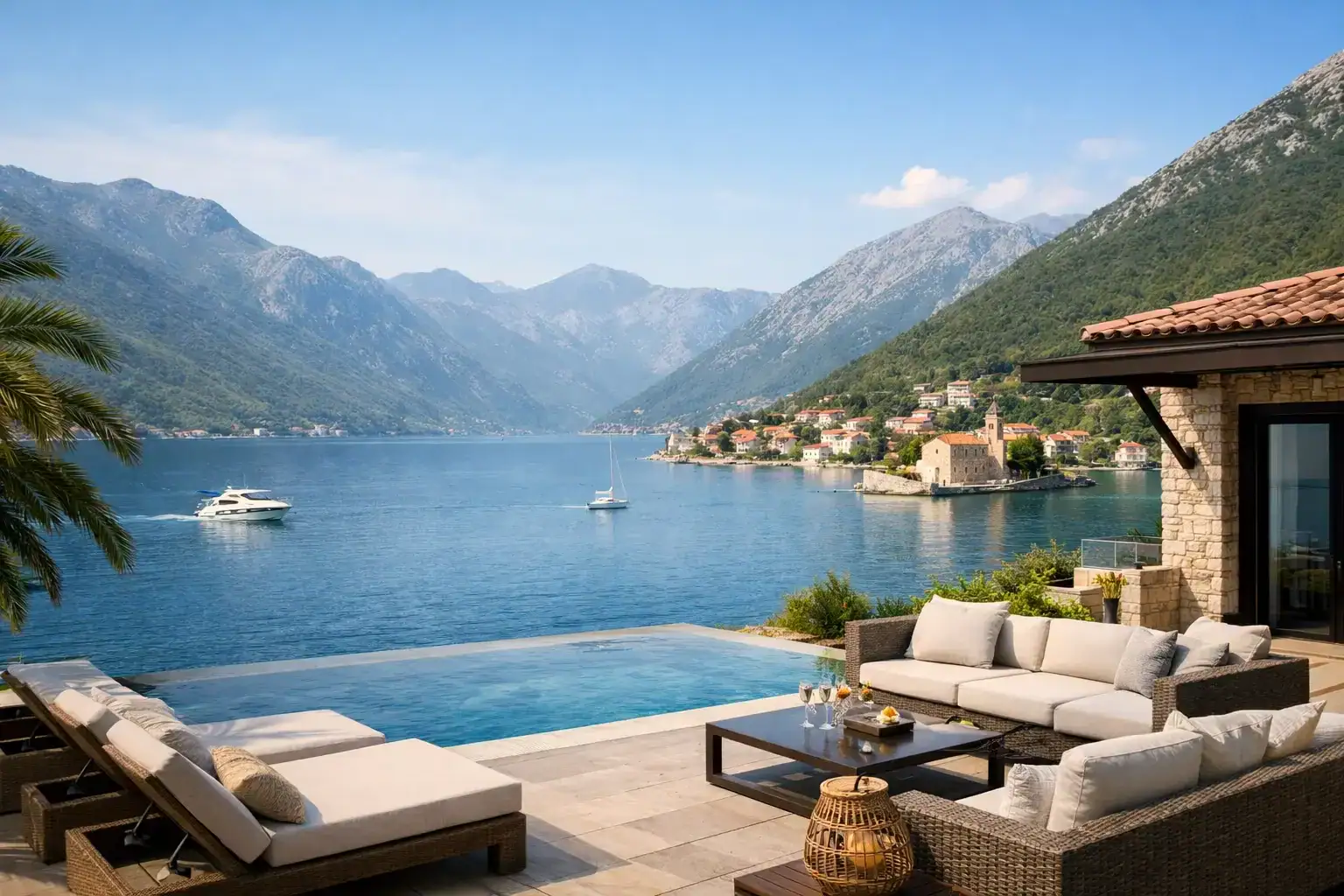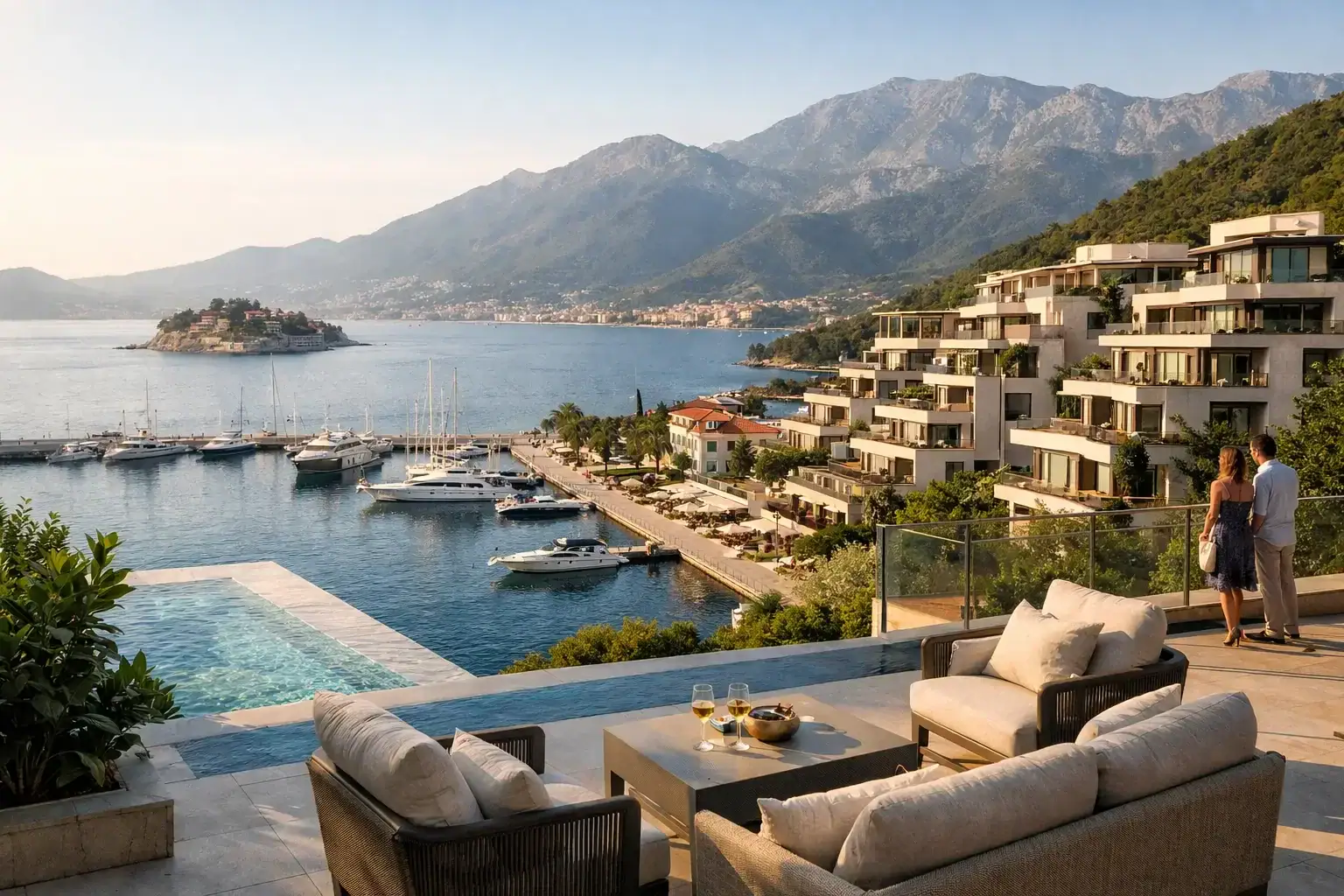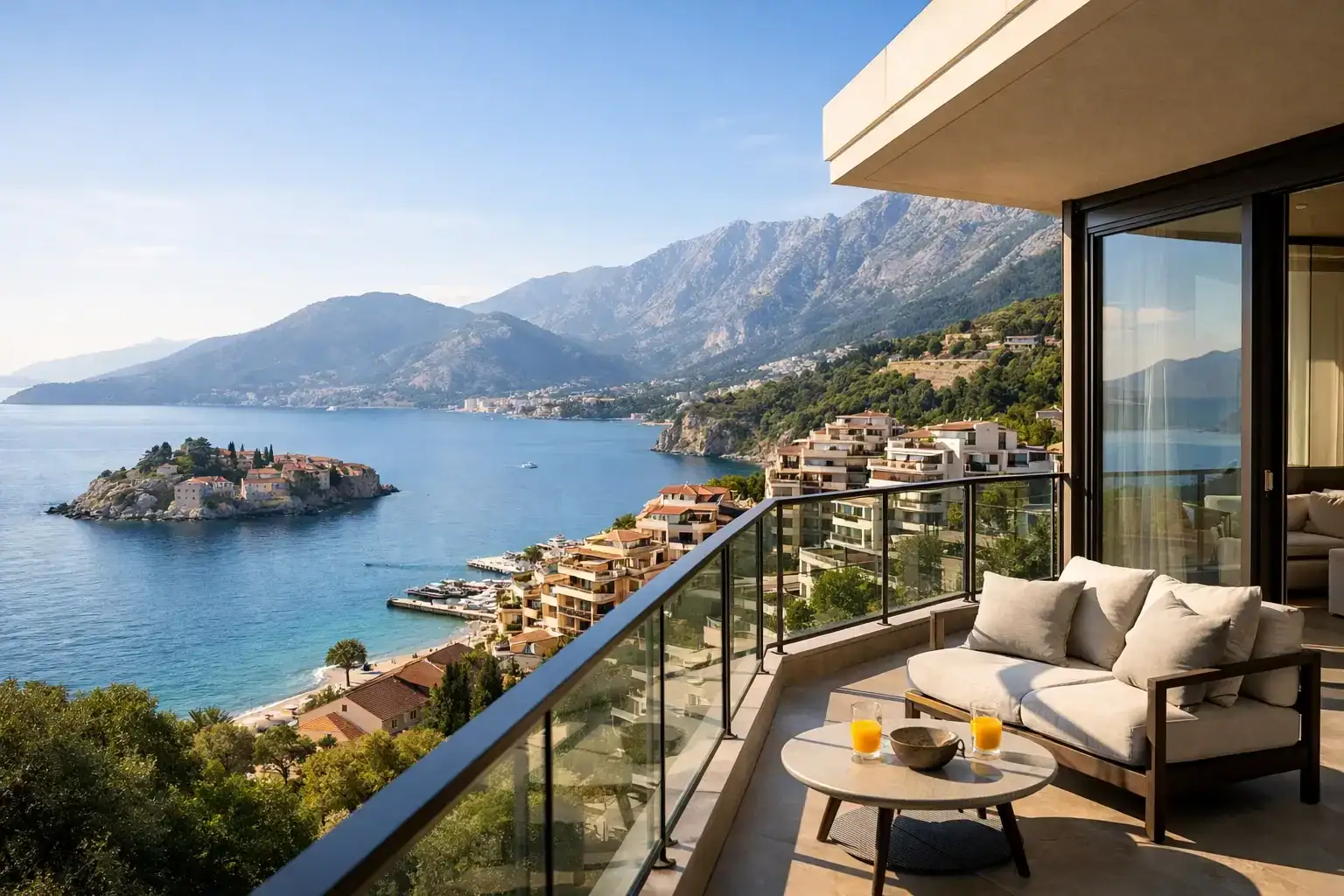





A waterfront apartment in a branded marina residence, a stone villa above the Bay of Kotor, or a contemporary home on the Budva Riviera can be emotionally compelling from the first viewing. But a cross border property purchase Montenegro requires more than taste. For international buyers, the real advantage comes from understanding how title, ownership structure, location, and transaction process work together before an offer is made.
Montenegro continues to attract globally minded buyers for good reason. It offers a rare mix of Adriatic coastline, established luxury enclaves, relative accessibility, and a market that still feels earlier in its growth cycle than many Mediterranean peers. That creates opportunity, but it also means buyers should approach the purchase with a disciplined framework rather than a holiday mindset.
What makes a cross border property purchase in Montenegro different
Buying abroad is not simply a domestic purchase with a passport attached. The complexity usually sits in the details – how a property is registered, whether the asset is held personally or through a company, what restrictions may apply to certain property types, and how local administrative practice affects timing.
In Montenegro, foreign buyers can acquire many types of residential real estate, but not every opportunity should be assessed in the same way. An apartment in a professionally managed development is a different proposition from a detached house with surrounding land. A fully completed waterfront residence with clean documentation presents one risk profile. A redevelopment project or parcel intended for future construction presents another.
That distinction matters because sophisticated buyers are rarely purchasing only for one reason. They may want personal use, family flexibility, rental performance, asset preservation, and long-term appreciation in a single acquisition. The right structure depends on which of those priorities leads.
Start with the asset, not just the view
The first mistake many foreign buyers make is choosing purely by aesthetics. In a luxury market, presentation is persuasive. The stronger question is whether the specific asset fits your intended use and your tolerance for complexity.
Apartments in prime coastal developments tend to be the most straightforward entry point for international purchasers. Documentation is often more standardized, ongoing management is more predictable, and the ownership proposition is easier to evaluate. For a buyer seeking a lock-and-leave second home with marina access, hospitality services, and a clear rental story, this can be the most efficient path.
Villas and houses can offer greater privacy, architectural distinction, and land value, but they demand sharper due diligence. Boundaries, access rights, permits, utility connections, and any modifications made over time should all be reviewed carefully. The same is true for older stone properties, where charm may be exceptional but legal and technical review becomes even more important.
Land acquisitions and development-led purchases can be attractive for investors, yet they sit in a separate category altogether. Here, planning parameters, zoning status, road access, infrastructure readiness, and future exit strategy matter as much as location. A beautiful plot is not automatically a viable investment.
Ownership, title, and due diligence
For any cross border property purchase in Montenegro, due diligence is where value is protected. High-net-worth buyers are often comfortable moving quickly, but speed should never replace verification.
Title review is central. The objective is to confirm that the seller has the legal right to transfer the property, that the asset is correctly registered, and that there are no burdens, disputes, or inconsistencies affecting ownership. This includes checking the exact legal description of the property, any encumbrances, and whether what exists physically matches what exists in the official record.
Permitting also deserves close attention. In newer projects, buyers typically want clarity around construction approvals, usage permits, and completion status. In resale property, particular care should be taken if extensions, terraces, pools, or outbuildings have been added. A residence can look complete and polished while still requiring legal confirmation that all works were properly authorized.
This is one area where experienced local legal counsel and a well-connected brokerage team are not optional luxuries. They are part of the risk management process. The right advisory structure helps identify issues early, when they are still manageable, rather than late in the transaction when leverage is reduced.
The role of purchase structure
One of the more strategic parts of a cross-border acquisition is deciding how to hold the asset. Some buyers purchase in their personal name. Others explore company ownership, especially when privacy, estate planning, business use, or broader portfolio structuring are factors.
There is no universal answer here. The best structure depends on citizenship, tax residency, succession priorities, intended use, and whether the property is primarily a lifestyle asset or part of an investment strategy. What works well for a family buying a summer apartment may be different from what suits an investor acquiring a higher-value villa with rental intent.
This is also where international buyers should resist importing assumptions from their home country. Legal logic that is common in London, New York, Dubai, or Istanbul does not always translate neatly into a Montenegrin transaction. Local advice, coordinated with the buyer’s tax and legal advisors in their home jurisdiction, is the prudent route.
Location strategy matters more than many buyers expect
Not all prestige addresses serve the same objective. Montenegro offers several distinct luxury submarkets, and each tends to attract a different buyer profile.
Marina-centered developments appeal to buyers who value service, security, walkability, and yachting infrastructure. They often perform well for those who want convenience, managed amenities, and an internationally legible product. This can be particularly attractive for buyers entering the market for the first time.
Kotor Körfezi tends to draw purchasers who prioritize scenery, heritage character, and a slower, more atmospheric lifestyle. It is deeply appealing, but access, seasonality, and property configuration can vary considerably from one micro-location to another.
The Budva Riviera offers energy, beach access, and a more active hospitality environment. For some, that supports stronger rental logic. For others, it may feel too dynamic for private retreat use. Luštica Körfezi and similar master-planned destinations often sit somewhere in between, combining lifestyle curation with longer-term placemaking.
The point is simple: buy the location that matches your life, not the one that merely photographs best.
Timing, negotiations, and closing expectations
Cross-border buyers often ask whether transactions move quickly. The honest answer is that it depends on the asset. A well-documented apartment in a professionally managed luxury development may progress relatively efficiently. A standalone villa with layered ownership history or unresolved paperwork may not.
Negotiation style also differs by seller and property type. Some premium homes are priced with little room for movement because scarcity supports the valuation. Others, especially where a seller seeks speed or where due diligence reveals areas requiring follow-up, may allow for more nuanced negotiation around price, payment schedule, or completion terms.
At closing, buyers should expect a formal process with contractual documentation, identity verification, and registration steps. Funds transfer mechanics, deposit terms, and completion timing should all be discussed in advance so there are no surprises. This is especially important when multiple advisors, currencies, or jurisdictions are involved.
Common mistakes affluent buyers still make
The most expensive errors are usually not dramatic. They are quiet assumptions. Assuming a sea view is protected. Assuming all waterfront is equal. Assuming a renovated older home has perfect paperwork because the finish quality is high. Assuming a rental story exists simply because the property is in a desirable area.
Another common mistake is underestimating micro-location. In luxury real estate, a five-minute difference in access, orientation, marina proximity, privacy, or elevation can materially affect both enjoyment and resale performance. The most successful buyers look beyond the headline destination and assess the exact position of the asset within it.
A third is treating legal and technical diligence as an end-stage exercise. By the time a buyer is emotionally committed, rational negotiation becomes harder. The better approach is to front-load the review and let enthusiasm follow clarity.
Why guided buying tends to outperform independent searching
For international clients, cross-border purchasing is rarely just about finding listings. It is about filtering for quality, documentation, fit, and timing. A curated approach often saves more than time. It reduces noise, highlights genuine opportunities, and helps buyers compare unlike assets more intelligently.
That is especially valuable in a market where the best properties may differ not only in style and price point, but in legal readiness, ownership structure, and long-term positioning. A trusted advisor can frame those differences clearly and help buyers focus on what will matter two years after closing, not just on the day of the viewing.
For clients considering a luxury acquisition, Sotheby’s International Realty Montenegro often works best when engaged early, before a shortlist becomes fixed. That allows the search to be shaped around objectives rather than adjusted after compromises appear.
The right purchase should feel exciting, but also calm. When the property, paperwork, structure, and location all align, confidence replaces urgency – and that is usually when the best decisions get made.