



For investors tracking the Adriatic coast, buying villa Montenegro investment returns has moved from a niche conversation to a mainstream wealth allocation question. The combination of euro-denominated stability, a coastline that rivals Croatia and Greece, and a price-per-square-metre that still sits meaningfully below both makes Montenegro one of the most compelling villa markets in Southern Europe right now. In 2026, with EU accession negotiations advancing and international buyer demand at a visible high, the fundamentals deserve a close look.
Why Montenegro Villas Are Attracting Global Investment Capital in 2026
Montenegro’s appeal is structural, not cyclical. The country uses the euro, its coastal supply is physically constrained, and its tourism base is increasingly high-net-worth. Currency stability, scarcity, and quality demand, these three conditions underpin long-term value in any property market.
EU accession momentum is the headline catalyst. As negotiations advance, advisors across the Adriatic consistently note that Montenegro’s villa prices still represent a meaningful discount to comparable waterfront product in Croatia and Greece, and that the accession timeline is the single biggest structural driver for narrowing that gap. Buyers who enter before formal EU entry capture the most asymmetric upside.
Montenegro’s tourism arrivals have grown steadily year on year, with the country regularly recording record overnight stays. That sustained demand directly supports short-term villa rental occupancy along the Budva Riviera and Bay of Kotor, anchoring the rental income side of the adriatic villa investment returns 2026 equation. Limited coastal land for new development means supply cannot easily respond to rising demand, a dynamic that reliably supports capital values over time.
Villa Appreciation Rates: What Price Growth Looks Like Across Montenegro
Understanding montenegro villa appreciation rates requires looking at each sub-market separately. The drivers of value growth differ meaningfully between Kotor, Budva, and Tivat, and so do the risk-return profiles.
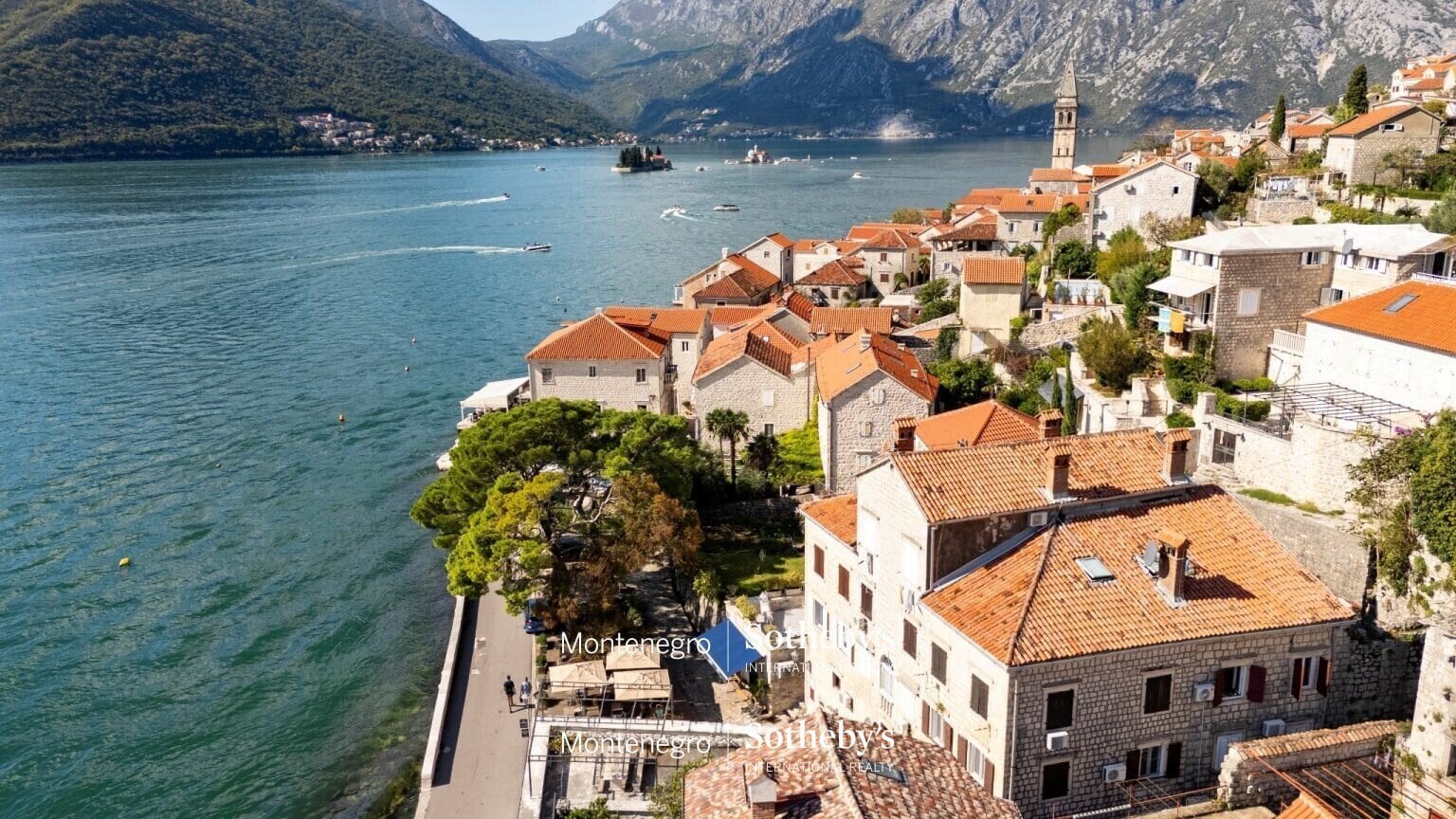
Bay of Kotor: Heritage Scarcity Driving Consistent Capital Growth
Kotor’s UNESCO World Heritage designation is not merely a tourism asset, it is a hard planning constraint. New construction within and immediately adjacent to the protected area is tightly restricted, which means the stock of genuine waterfront villas in villages like Perast, Dobrota, and Ljuta does not meaningfully grow. When demand rises, prices respond because supply cannot.
This scarcity dynamic makes buy villa Kotor ROI investment a story primarily about capital appreciation rather than high rental volume. Values here are anchored by fundamentals, not speculation, and the restoration premium on a well-converted stone villa can be substantial. Buyers should expect slower transaction velocity than Budva but greater price resilience during softer market periods.
Budva Riviera: High Liquidity and Strong Resale Activity
Budva is Montenegro’s most established resort market. Higher transaction volumes create a more liquid environment, which benefits both entry and exit strategies. Villa price growth Montenegro has been consistently positive along the Budva Riviera, driven by a wide buyer pool, regional, Western European, and Middle Eastern, and a tourism infrastructure that keeps occupancy rates competitive.
The trade-off: Budva properties are more abundant than Kotor, so appreciation is volume-driven rather than scarcity-driven. The upside is a more active resale market and, for yield-focused investors, a longer-established short-term rental ecosystem.
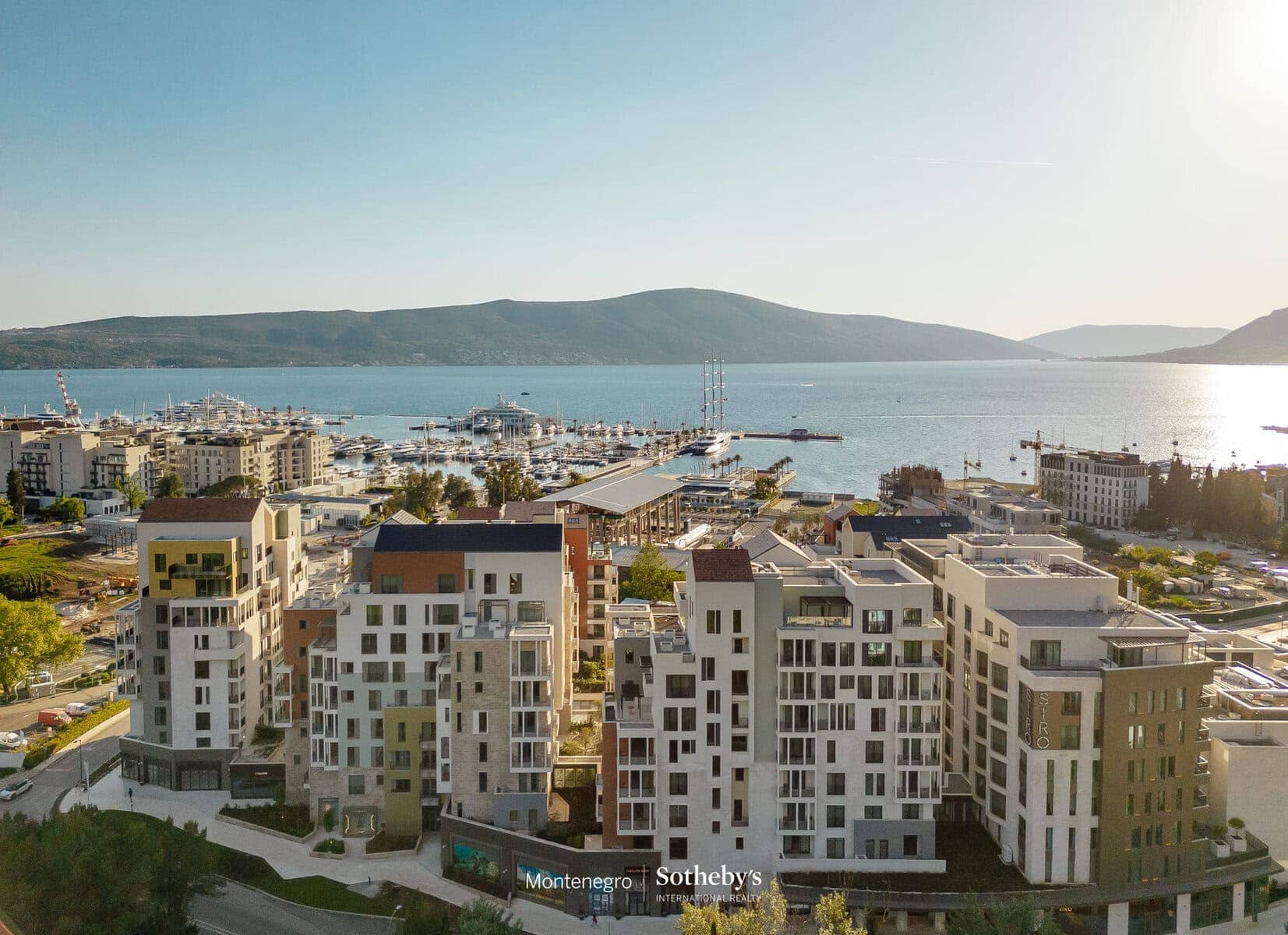
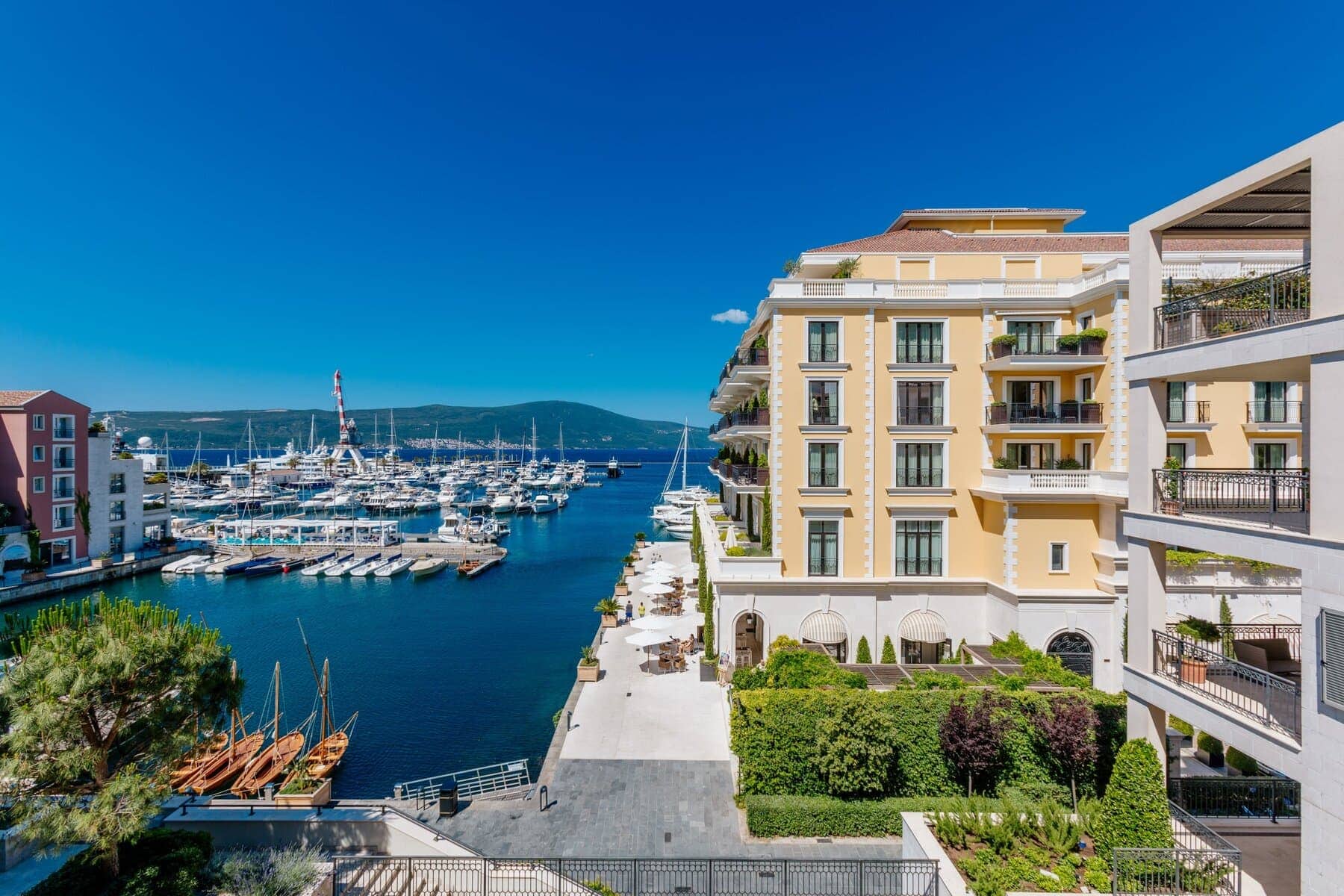
Tivat & Porto Montenegro: The Superyacht Premium
Porto Montenegro has repositioned Tivat entirely. The marina’s capacity for superyachts, its branded residences, and five-star hotel infrastructure have pushed Tivat’s per-square-metre villa values to levels previously seen only in Dubrovnik or the Côte d’Azur. This is the newest and fastest-moving luxury enclave in the country.
For investors, Tivat represents the highest entry price points in Montenegro alongside the strongest alignment with ultra-prime global comparables. As the branded residence pipeline expands, the area continues to attract HNW buyers for whom the marina lifestyle is itself the product.
Villa Rental Yield in Montenegro: Annual Benchmarks by Region
Villa rental yield Montenegro annual performance varies by location, property type, and management approach, but the market sits broadly in line with comparable Southern European resort destinations.
Gross Yield vs. Net Yield: How to Read the Numbers
Gross yield, annual rental income divided by purchase price, is the headline figure most sellers and portals quote. Net yield is what actually lands in your account after management fees, utilities, cleaning, seasonal maintenance, insurance, and property tax. The gap between the two is real and meaningful.
Budva coastal villas typically generate stronger gross yields than Kotor Bay properties, because higher occupancy rates and a longer-established tourism infrastructure produce more consistent booking volume. Kotor Bay properties command higher nightly rates, particularly in Perast and Dobrota, but the peak booking window is narrower, which compresses annualised occupancy. Montenegro villa cap rates, calculated on a net basis, reflect this distinction clearly. A well-managed Budva villa running at high summer occupancy will outperform on net income; a Kotor property’s return case rests more heavily on appreciation.
Short-Stay Premium: When Peak-Season Nightly Rates Change the Equation
The short-stay model, professionally managed, platform-listed, dynamic pricing, materially shifts the yield calculation for villas that are unoccupied by the owner for most of the year. Peak-season nightly rates on the Budva Riviera and Bay of Kotor are among the highest in the Adriatic for comparable property sizes. Compressing the majority of annual income into a three-to-four-month summer window is manageable when nightly rates are strong enough.
Investors considering this path should model occupancy conservatively and account for platform fees, professional property management (typically 20–30% of rental income), and the cyclical maintenance that intensive summer use demands.
Rental Income vs. Resale: Choosing Your Exit Strategy
Two clear ROI paths exist for Montenegro villa buyers, and the best choice depends on your holding horizon and how much of the year you intend to occupy the property.
Hold and rent is the strategy for buyers who want ongoing cash flow from a property they visit occasionally. It works best in Budva, where rental demand is high, the booking ecosystem is mature, and occupancy can be professionally managed without the owner’s involvement. A well-positioned Budva villa generates meaningful summer income while building equity in a rising market, the dual return that makes budva villa investment performance attractive to globally mobile buyers.
Buy, renovate, and resell is the higher-conviction play in heritage markets. Kotor Bay stone properties and Old Town adjacents are the clearest opportunity here: unrenovated assets trade at a discount, and a quality restoration, sympathetic to the architecture, executed to international standards, commands a significant premium at resale. Luxury villa resale value Montenegro is most pronounced in the heritage segment, where the scarcity of finished, move-in-ready product is itself a pricing lever.
For buyers interested in private villa rental in Montenegro as an income strategy, the operational detail matters as much as the location decision.
Currency, Tax, and Ownership Costs: The Full ROI Picture
Montenegro’s euro adoption removes FX risk entirely for European buyers and gives GCC and dollar-based investors a stable, predictable baseline for return calculations. This is a structural advantage over non-euro Balkan markets.
Key ownership costs for foreign buyers:
- Mülk transfer vergisi is set at 3% of the purchase price, paid at acquisition.
- Yıllık emlak vergisi is low by EU standards, calculated on assessed value and typically modest even for coastal villas.
- Capital gains: individual sellers who have held property for a qualifying period may not be subject to capital gains tax in many cases, but tax treatment depends on individual circumstances, residency status, and applicable treaties. Buyers should obtain independent tax advice before transacting.
Running costs for a managed villa in Budva differ from those for a comparable Kotor property. Budva properties tend to generate higher utility spend and platform costs due to higher rental activity, while Kotor heritage properties may carry higher maintenance obligations. For a full breakdown of acquisition and holding costs, the dedicated Montenegro property tax guide covers the detail.
Market Timing and Buyer Sentiment: Is 2026 the Right Year to Buy?
The case for 2026 is straightforward. EU accession negotiations are advancing on a timeline that most regional advisors consider credible within this decade. Infrastructure investment, road, air, and marina, is accelerating. International buyer inquiries, particularly from the Middle East and Western Europe, have trended clearly upward through the first half of 2026.
The pre-accession window is the period of maximum structural opportunity. Once EU membership is formalised, Montenegro’s price gap with Croatia and Greece will narrow. Buyers who enter now capture both the appreciation driven by that convergence and the rental income generated while holding. Adriatic villa investment returns 2026 are compelling precisely because the market is in transition, established enough to underwrite with confidence, early enough that the growth premium hasn’t been fully priced in.
Montenegro Sotheby’s International Realty’s portfolio spans villas from entry-level coastal properties to multi-million-euro estates across Kotor, Budva, and Tivat, giving the advisory team a direct, transaction-based view of where buyer demand and price movement are most active. That market intelligence, grounded in live deal flow rather than aggregated indices, is what makes the investment conversation genuinely useful.
If buying villa Montenegro investment returns is the right conversation for your capital allocation in 2026, speak with a Montenegro Sotheby’s International Realty advisor. The consultation is a window into current listings, real yield data, and a personalised strategy built around your holding horizon, not a sales call, but an informed briefing from advisors who transact in this market every week.