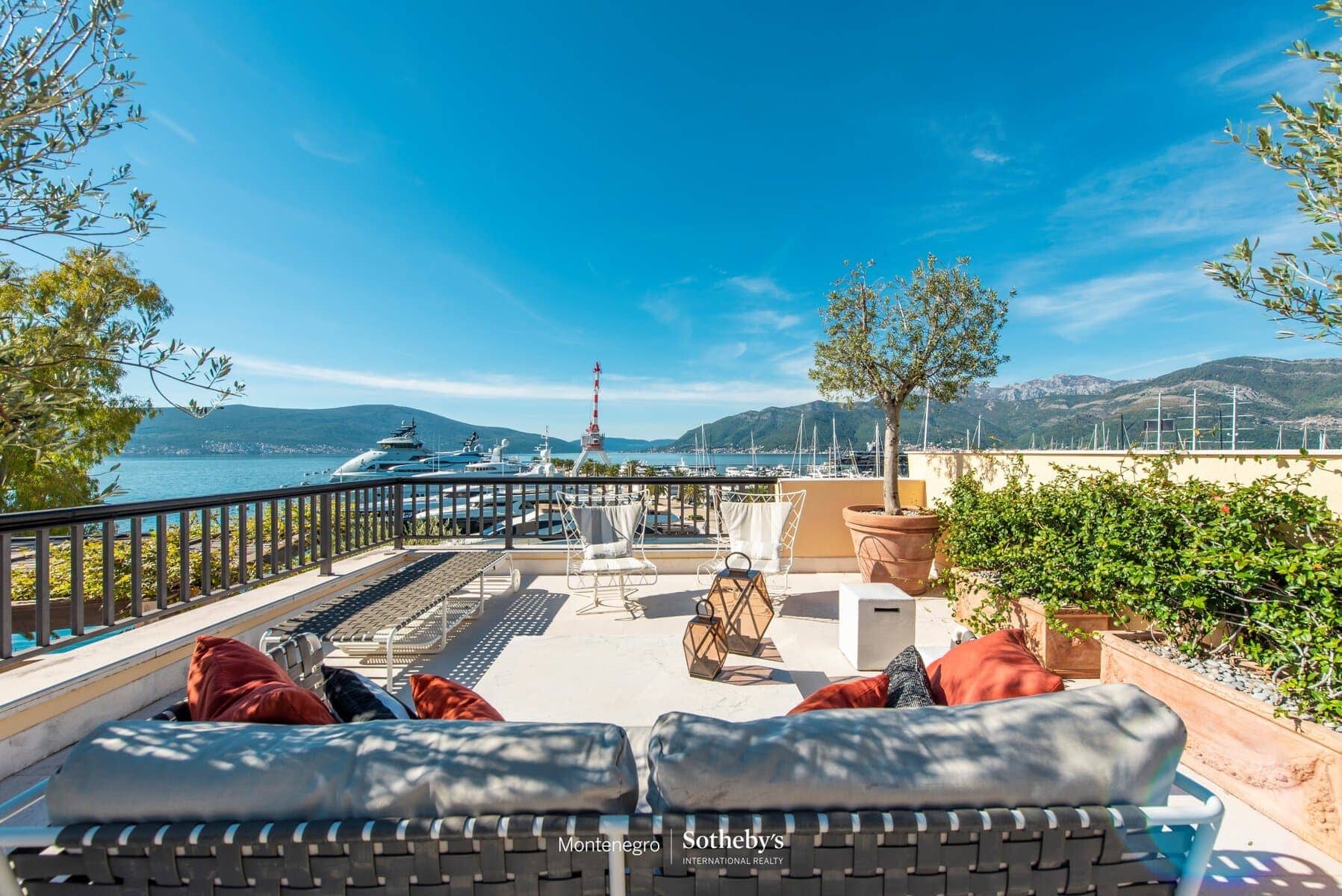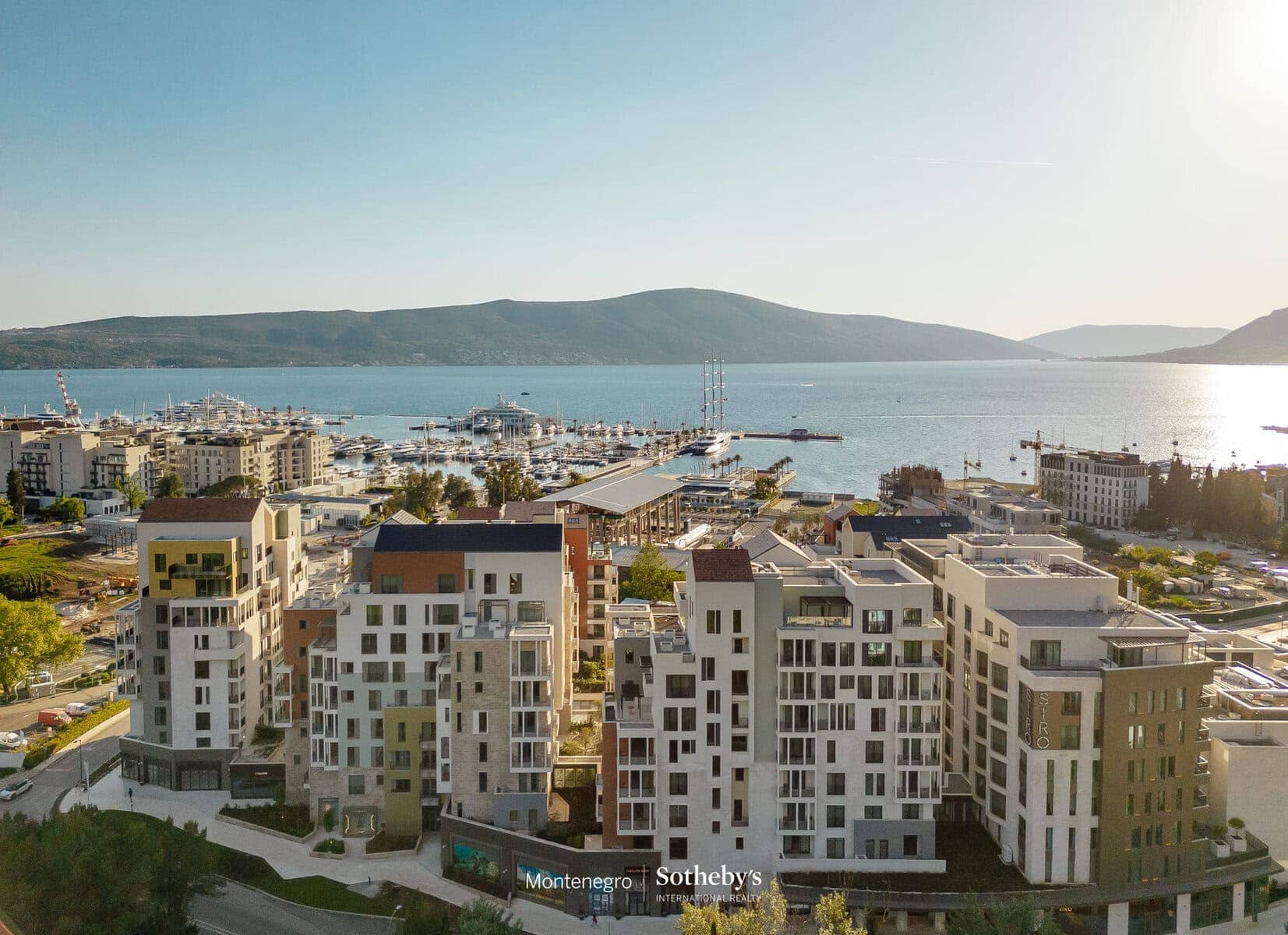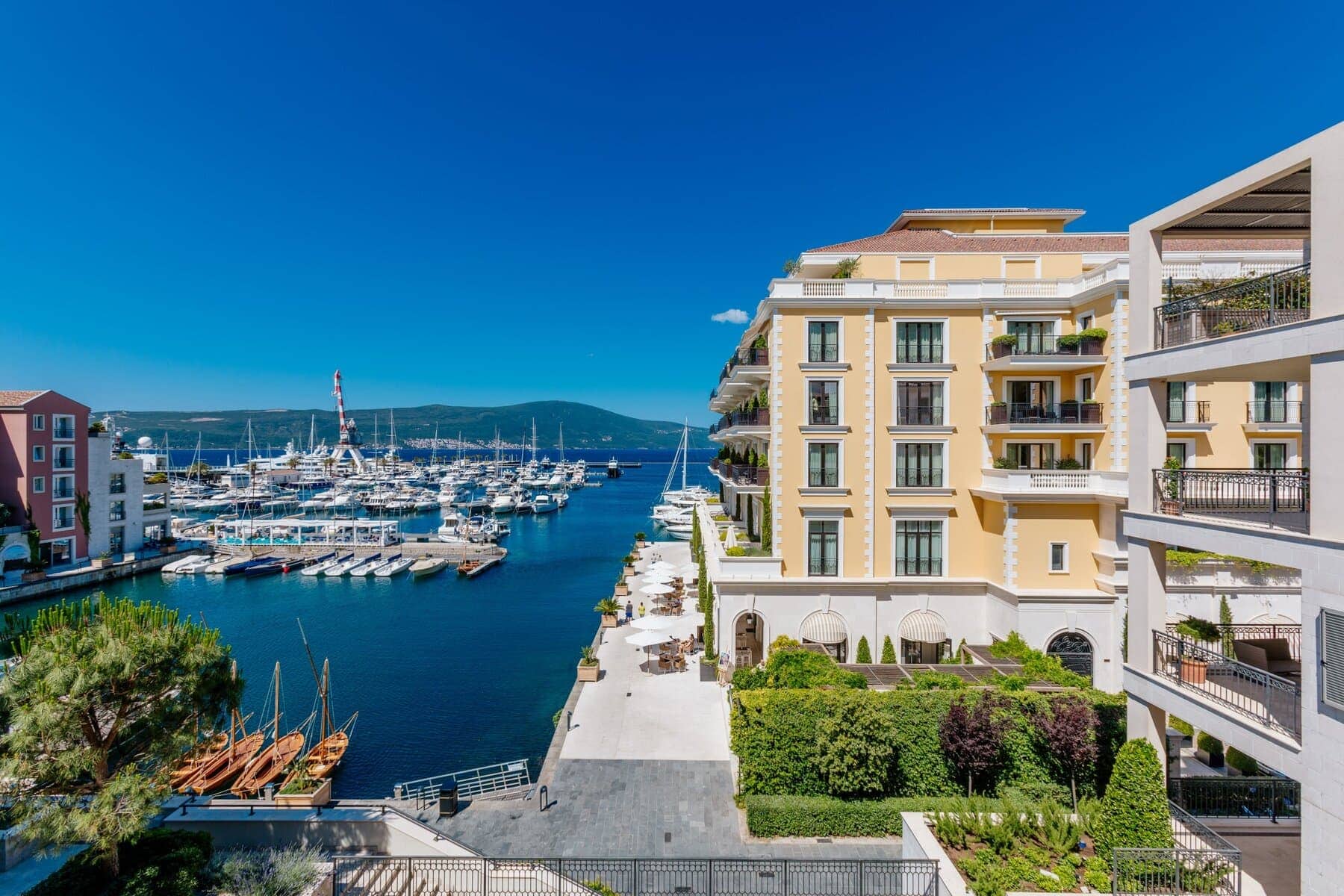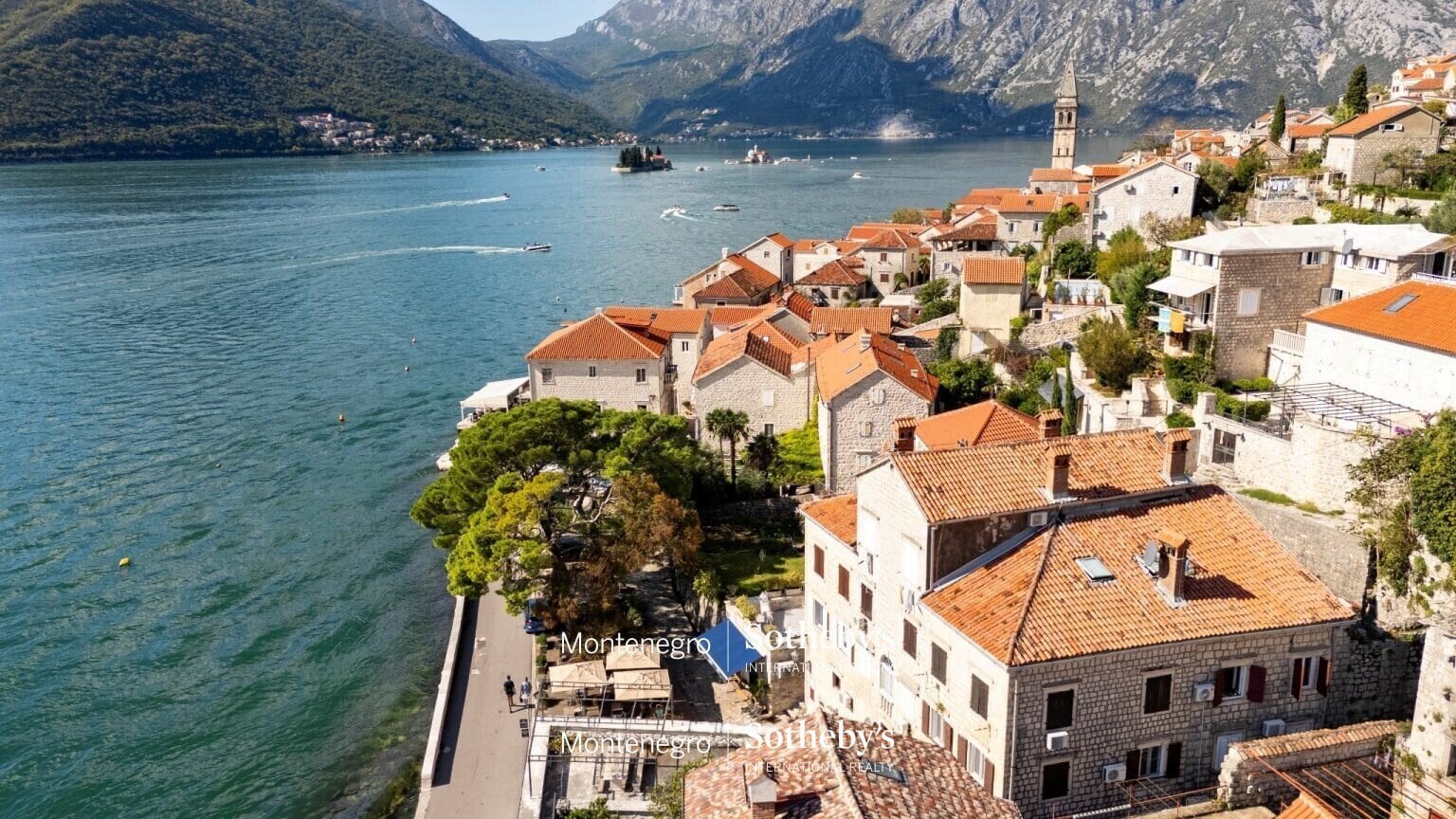


Few property markets in Europe combine structural scarcity, cultural prestige, and yield potential the way the bay of kotor property investment returns story does in 2026. UNESCO-protected coastline, accelerating international buyer demand, and Montenegro’s low-tax fiscal environment are drawing serious capital from investors who have already saturated Dubrovnik, the Côte d’Azur, and the Greek islands. This guide gives you the benchmarks, comparisons, and cash-flow framework to evaluate the opportunity with precision.
Why the Bay of Kotor Commands Premium Investment Returns
Supply Constraints and UNESCO-Protected Scarcity
The Bay of Kotor is not simply scenic, it is structurally constrained. UNESCO World Heritage designation across Kotor’s Old Town and the surrounding medieval fortifications caps new development in the most desirable zones. Montenegro’s coastal planning law further restricts waterfront construction heights and densities. The result: the inventory of prime waterfront apartments and historic stone villas is finite and shrinks with every conversion.
This scarcity dynamic is the foundation of Kotor Old Town property investment fundamentals. When supply cannot respond to rising demand, prices move in one direction over the long run. Investors who understand this look at Kotor Bay not as a speculative trade but as a capital-preservation asset with income attached.
Rising International Demand in 2026
Buyer profiles at the Bay have shifted markedly. Northern and Western European buyers remain active, but the 2026 inquiry pipeline includes a growing cohort from the Gulf states, the UK, and Scandinavia, many drawn by Montenegro’s EU accession trajectory and its visa-friendly residency framework. Tivat Airport now connects the Bay to an expanding range of European cities on direct routes, compressing the weekend-break calculus for high-net-worth leisure buyers and shortening the consideration cycle for rental guests.
That demand depth sustains occupancy rates across a longer season than most Adriatic alternatives, and occupancy is the primary lever on bay of kotor property investment returns.
Kotor Bay Rental Yield Benchmarks: What Investors Are Achieving in 2026
Gross vs. Net Yield: Understanding the Cash Flow Gap
Gross yields on Bay of Kotor investment properties in 2026 range broadly by asset class and location. Waterfront apartments in Kotor Old Town and along the wider Boka Bay shoreline typically achieve gross yields of 6–9% when managed actively on short-term platforms. Historic stone villas with private pools and direct water access sit toward the upper end, or above it, during peak season, though lower occupancy in shoulder months pulls the annualised figure back toward 7–8% gross.
The gap between gross and net yield deserves close attention. Deductions typically include:
- Property management fees: 20–30% of gross rental revenue for a full-service operator
- Platform and booking commissions: 10–15% of revenue if using Airbnb, Booking.com, or similar
- Utility and maintenance reserves: roughly 1–2% of property value annually
- Local tourism tax and registration costs: modest but real
After these deductions, realistic net yields for well-managed properties sit in the 4–6% range, with top-performing assets, those with direct water frontage, professional management, and flexible short-term licensing, touching the higher end. For realistic villa rental yields across Montenegro in 2026, the same gross-to-net compression applies, though villas benefit from fewer platform fees when booked directly through established networks.
Luxury Rental Income and Seasonal Rate Modeling
Peak-season average daily rates (ADRs) in the Bay of Kotor’s luxury segment are firmly premium. A well-positioned waterfront villa in July and August can command nightly rates that reflect its scarcity. The key insight for kotor bay rental yield 2026 modeling is that a short high-season window at premium rates contributes disproportionately to annual income: roughly eight to ten weeks of peak occupancy at elevated ADRs can account for 50–60% of a property’s full-year gross revenue.
Across the portfolio we manage, the assets that consistently outperform yield benchmarks share three characteristics: direct water frontage or UNESCO-protected Old Town addresses, professional property management, and flexible short-term licensing that allows peak-season pricing to respond to market demand.
Adriatic Rental Property Income Comparison: Kotor Bay vs. Budva, Tivat, and Perast
Buy-to-Let Kotor Bay Returns vs. Budva Beachfront
Budva is Montenegro’s highest-volume tourist destination and offers genuine short-term occupancy depth. Budva beachfront property investment generates competitive gross yields, broadly comparable to Kotor Bay at 6–8% gross, but the competitive landscape is materially different. Budva has absorbed significant new apartment supply in recent years, so rental operators compete on price as well as quality. Occupancy is strong but concentrated in July and August, with limited shoulder-season demand from heritage or cultural visitors.
A waterfront apartment in Kotor Old Town draws dual-season demand, summer leisure visitors and year-round heritage tourism, giving it a longer effective rental window than comparable Budva units that depend almost entirely on July–August footfall. That extended season translates directly into better annualised net yields for Kotor Bay buy-to-let returns on a like-for-like basis. For a deeper Adriatic luxury real estate market comparison for 2026, the supply-demand dynamics across the region are examined in granular detail.
Porto Montenegro (Tivat) and Perast: Niche Yield Profiles
Porto Montenegro in Tivat presents a distinct yield profile. Porto Montenegro luxury apartments in Tivat attract superyacht owners and crew who stay for weeks rather than days, producing higher average booking values and lower turnover costs, a yield model that rewards quality of tenant over volume of bookings. Gross yields here are typically more moderate (4–6%), but lower management intensity and reduced wear-and-tear costs support competitive net returns. The capital appreciation case for Porto Montenegro is also strong, given the marina’s ongoing phase development.
Perast stands apart entirely. Perast waterfront villas and their ultra-premium yield profile operate on scarcity logic taken to its extreme: a handful of historic stone palazzi on the waterfront, essentially no new supply possible, and a traveler profile that treats the village as a bucket-list destination. A single well-managed Perast property can command nightly rates that rival boutique hotel pricing during peak season, compressing the available rental window but elevating per-night income significantly. For the right investor, the illiquidity premium is worth it.
Montenegro Property Appreciation Rates and the 2026–2027 Capital Growth Forecast
Capital appreciation is now a co-equal part of the Bay of Kotor investment thesis, not just a background assumption. Several structural factors are converging in 2026 to support Montenegro property appreciation rates into 2027.
EU accession momentum is the most significant. Montenegro is the candidate country furthest advanced in EU negotiations, and each chapter closure brings renewed institutional confidence from European buyers and lenders alike. Accession would bring improved financing access, clearer property rights enforcement, and deeper liquidity in the resale market, all of which compress risk premiums and support price growth.
Infrastructure investment is also material. The Bar-Boljare motorway extension, ongoing Tivat Airport capacity expansion, and marina infrastructure upgrades at Porto Montenegro improve connectivity and reduce the friction of ownership for non-resident buyers. Better connectivity expands the addressable rental market and supports a waterfront property ROI Montenegro investors can model with confidence.
Land supply finality is the third pillar. UNESCO protections, coastal zone restrictions, and the physical topography of the Bay, steep karst mountains meeting the water, mean that premium waterfront development land is genuinely exhausted. Unlike markets where new supply threatens incumbent asset values, Kotor Bay’s scarcity is structural and permanent.
For 2027, the directional case for capital growth is supported by all three fundamentals strengthening simultaneously. The precise pace of appreciation will depend on EU negotiation timelines and broader macro conditions, but the structural floor beneath bay of kotor property investment returns is firm.
Kotor Investment Property Cash Flow Analysis: Modeling a Real Scenario
A concrete example grounds the numbers. Consider a waterfront apartment on the Boka Bay shoreline, 80–100 sqm, two bedrooms, direct sea view, managed professionally on a short-term rental basis.
Illustrative entry price: €450,000–€550,000 for a premium waterfront position.
Gross rental income model:
- Peak season (June–August): 10 weeks at 85% occupancy, ADR €350–€450/night → roughly €21,000–€26,000
- Shoulder season (May, September–October): 8 weeks at 60% occupancy, ADR €200–€280/night → roughly €7,000–€10,000
- Off-season balance: limited bookings, primarily heritage and winter visitors → €2,000–€4,000
- Estimated gross annual rental income: €30,000–€40,000
Operating cost deductions:
- Management fees (25% of gross): €7,500–€10,000
- Platform commissions (12%): €3,600–€4,800
- Maintenance, utilities, reserves: €4,000–€6,000
- Tourism tax and admin: €500–€1,000
- Total operating costs: ~€15,500–€21,800
Indicative net annual income: €14,000–€22,000, representing a net yield of roughly 3.5–5.5% on a €450,000–€550,000 purchase price.
The kotor seasonal rental strategy lever is powerful here: moving from a passive, low-occupancy approach to active professional management with dynamic pricing typically closes 1.5–2 percentage points of the gross-to-net gap through better occupancy and peak-rate capture. For full context on the purchase process, see the guide to buying a waterfront apartment in Kotor Bay.
Tax-Efficient Ownership and Structures for Bay of Kotor Investors
Montenegro’s fiscal environment is a genuine competitive advantage for international investors. The flat personal income tax rate of 9% (on income up to a defined threshold, with 15% above it) means rental income is taxed at a materially lower effective rate than equivalent income from comparable Adriatic properties in Croatia or Greece, improving net yield comparisons meaningfully.
Property transfer tax on purchase is 3% of the assessed transaction value, straightforward and predictable. There is no annual wealth tax on real property.
Ownership structure matters. Individual ownership is simple and cost-effective for a single property, with rental income declared and taxed under personal income rules. For investors holding multiple properties or generating higher rental volumes, a Montenegrin LLC (d.o.o.) structure allows rental income to be taxed at the corporate rate of 9%, with deductible business expenses reducing the taxable base further. VAT registration thresholds and registration requirements should be reviewed with a licensed local advisor before committing to a structure.
Purchasing property in Montenegro can also support a temporary residence permit application, a practical benefit for investors who travel to the region regularly. For the full fiscal picture, the tax implications for foreign property owners in Montenegro guide covers the detail that international buyers need before structuring their purchase.
Always engage a licensed Montenegrin tax advisor and a qualified notary to structure ownership correctly from the outset, the savings are most available at the point of purchase, not after.
Bay of Kotor property investment returns in 2026 are supported by a combination of rental yield, structural capital appreciation, and fiscal efficiency that few comparable Mediterranean markets can match simultaneously. If you would like a personalised investment analysis modeled against specific assets in our current portfolio, the advisors at Montenegro Sotheby’s International Realty are available for a private, no-obligation conversation. This is not a form submission; it is a curated advisory engagement. Contact us directly to begin.