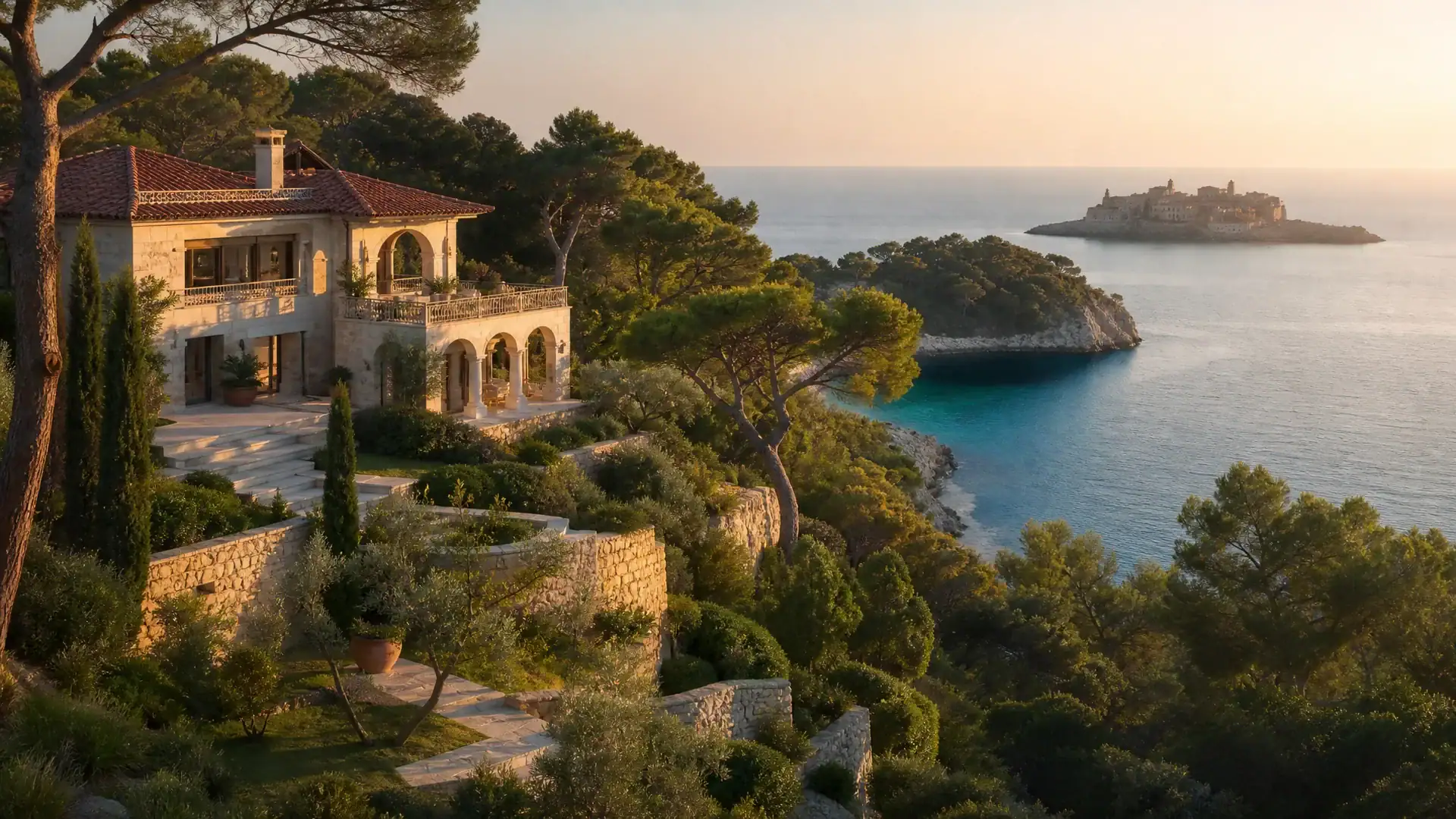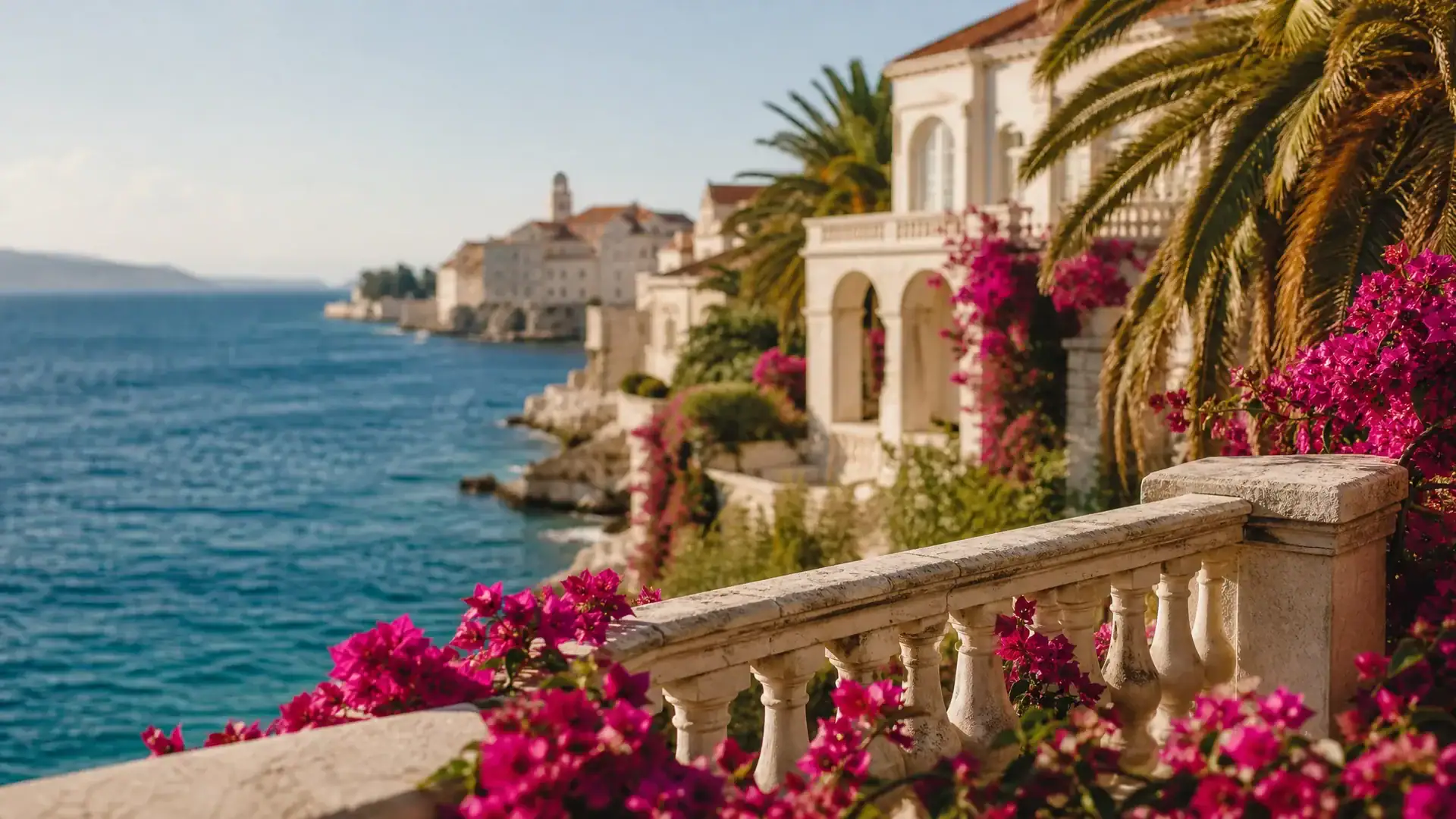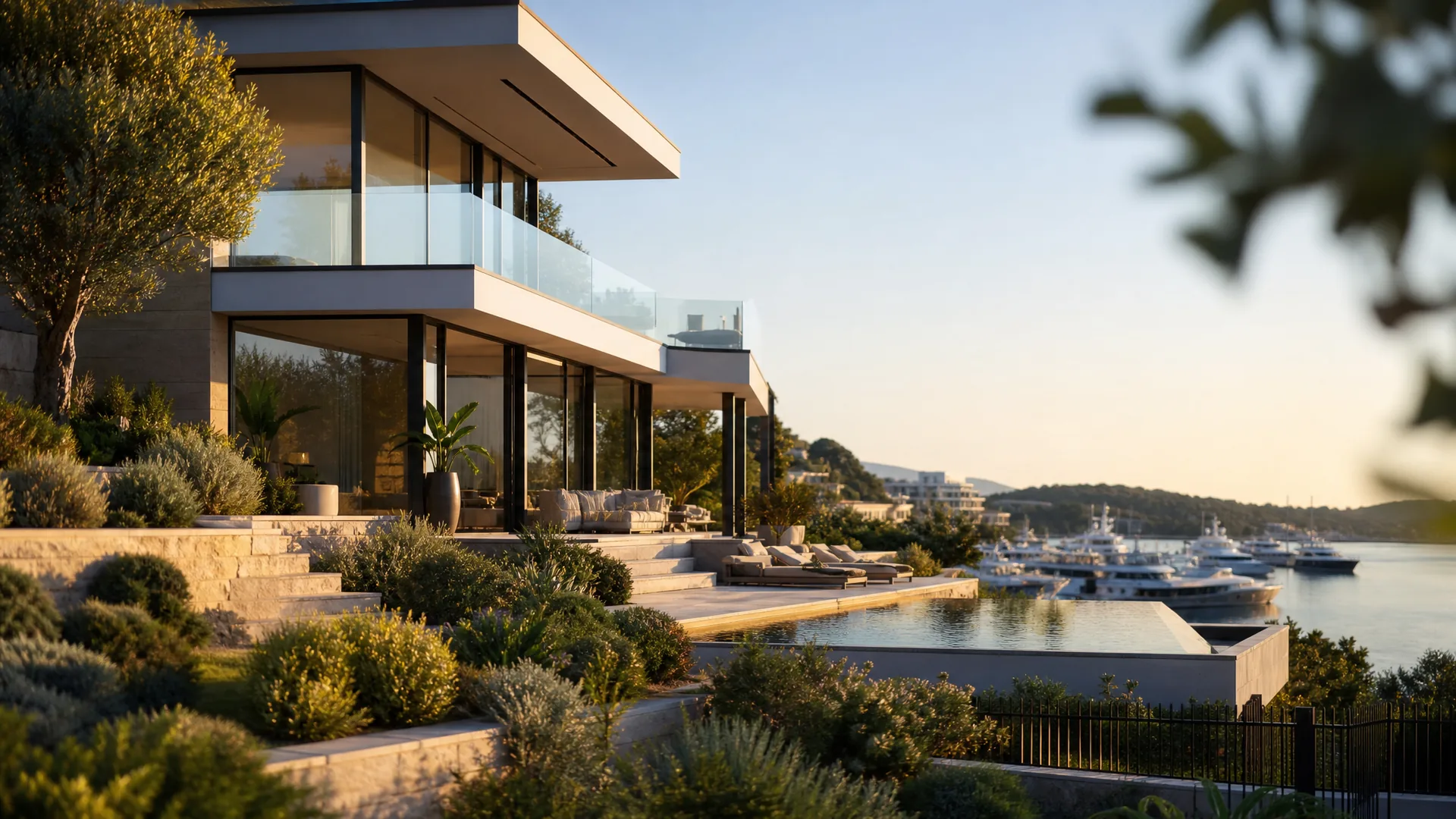




A decade ago, many international buyers first looked at Montenegro as a well-positioned alternative on the Adriatic. Today, the conversation is different. Montenegro luxury market trends are no longer defined by discovery alone, but by maturing demand, tighter prime inventory, and a clearer split between ordinary coastal stock and truly exceptional assets.
For buyers and investors at the top end of the market, that distinction matters. The properties drawing the strongest interest now are not simply well-located. They offer waterfront access, privacy, strong design, professional management, and a setting that supports both lifestyle use and long-term value. In practical terms, the market is becoming more selective, and that favors quality.
What is shaping Montenegro luxury market trends
The most important shift is that buyer demand has become more informed. International purchasers are comparing Montenegro not only with neighboring markets, but with established second-home destinations across the Mediterranean. That raises expectations. Buyers want marina access, hotel-level services, reliable property management, and architecture that feels current rather than generic.
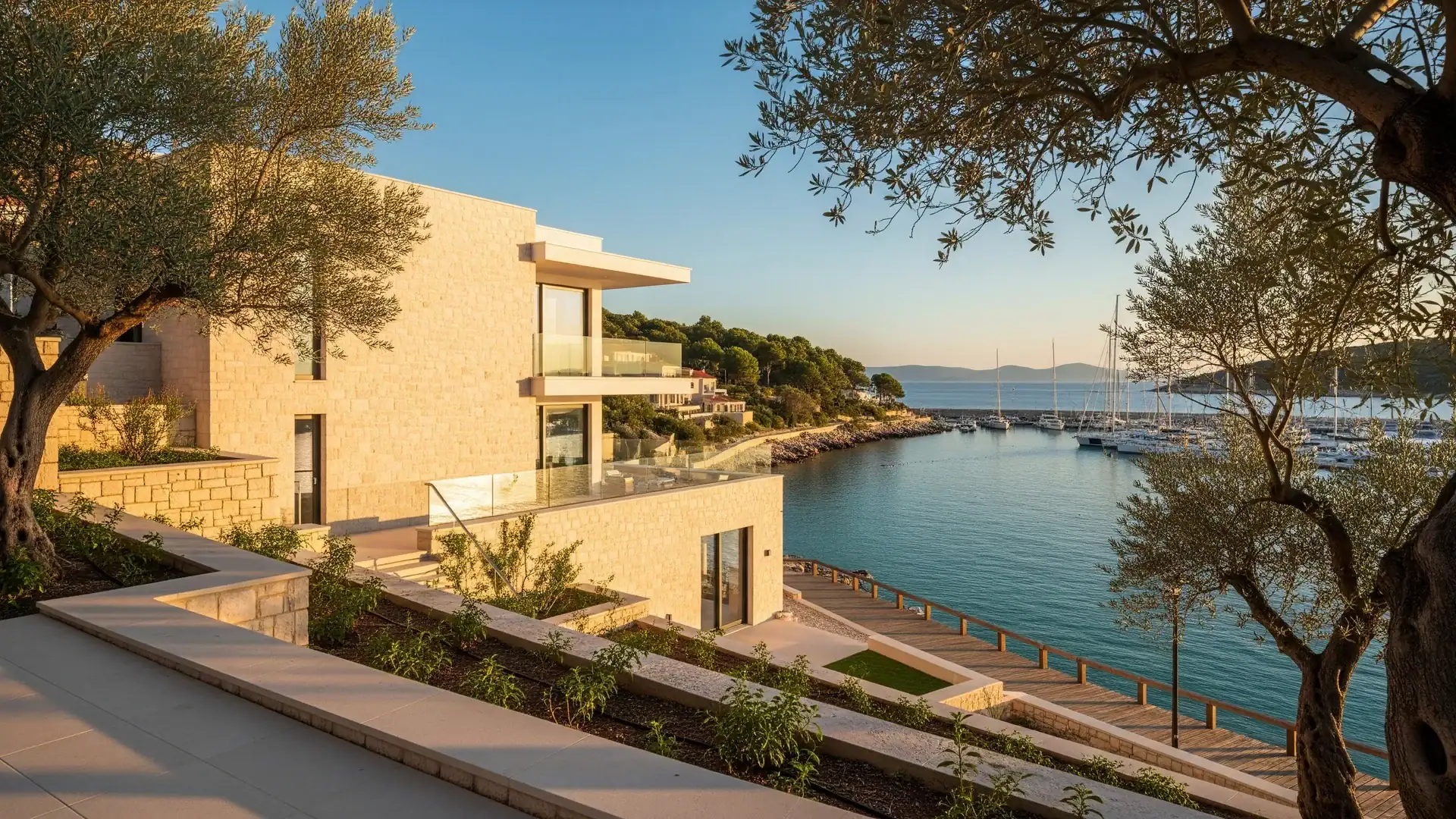
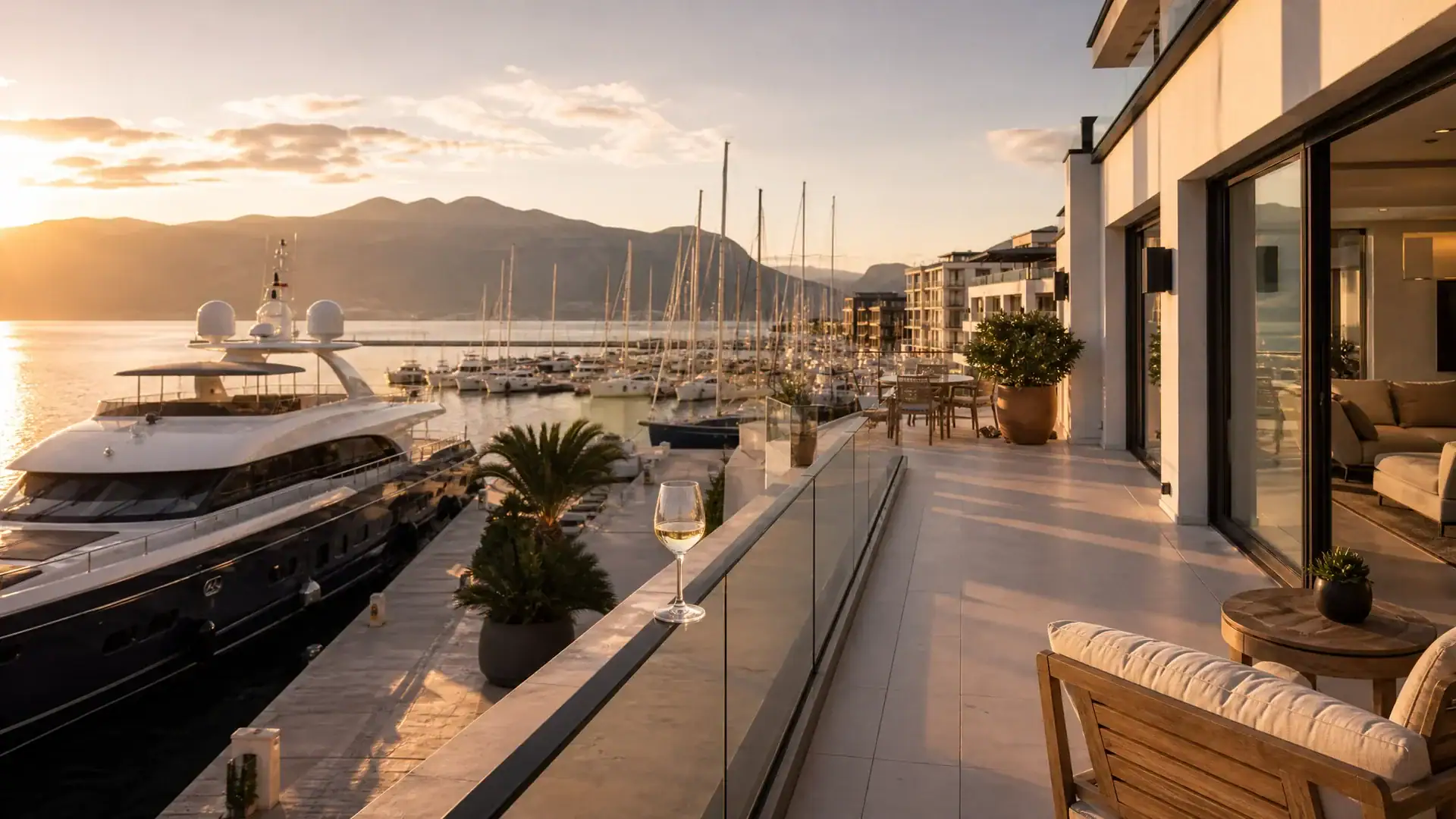
This is one reason master-planned coastal developments continue to command attention. Locations such as Porto Montenegro, Luštica Bay, and Portonovi remain central to the upper tier of the market because they answer several needs at once. They combine lifestyle, infrastructure, brand positioning, and liquidity in a way that standalone homes often cannot.
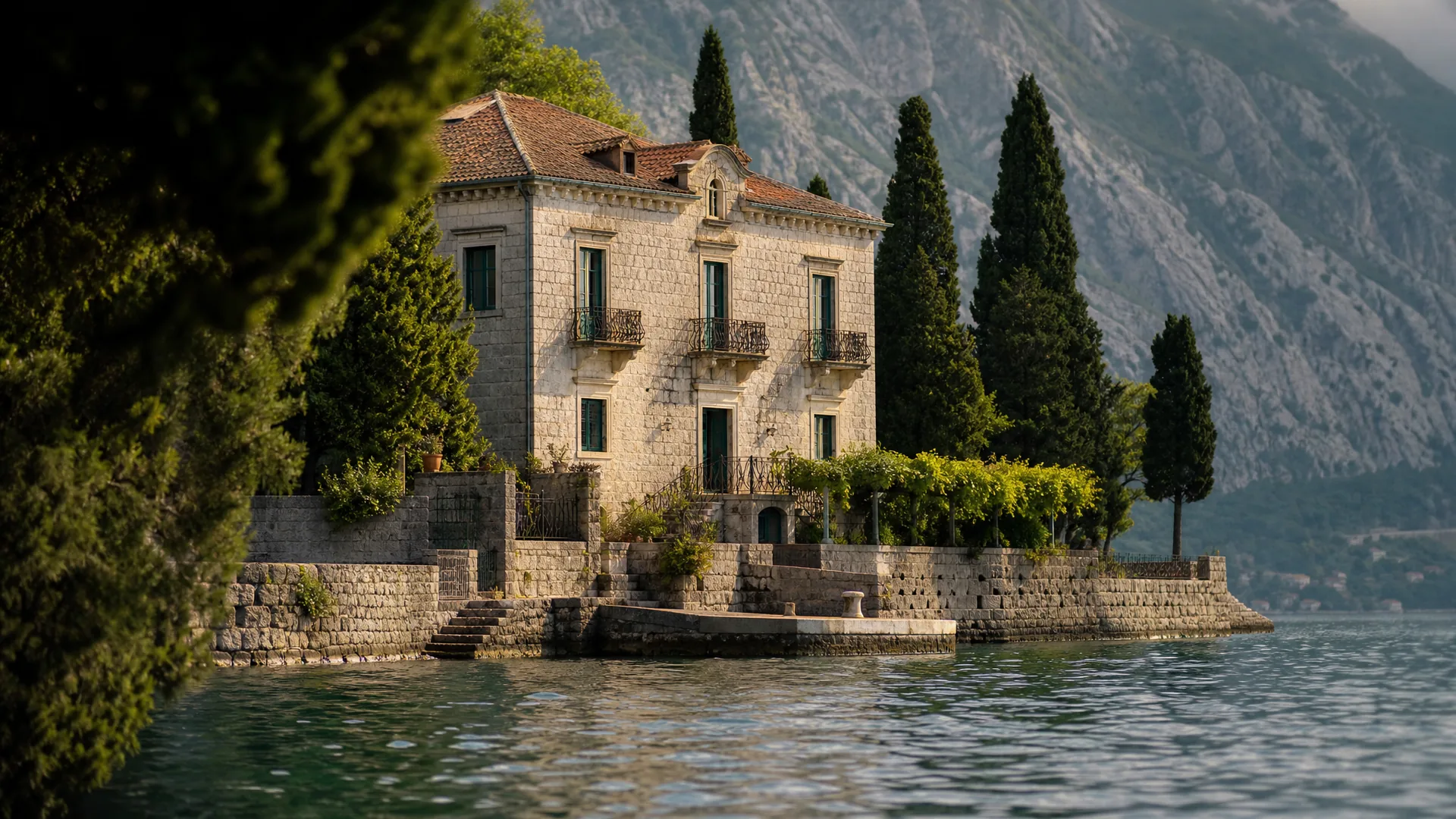
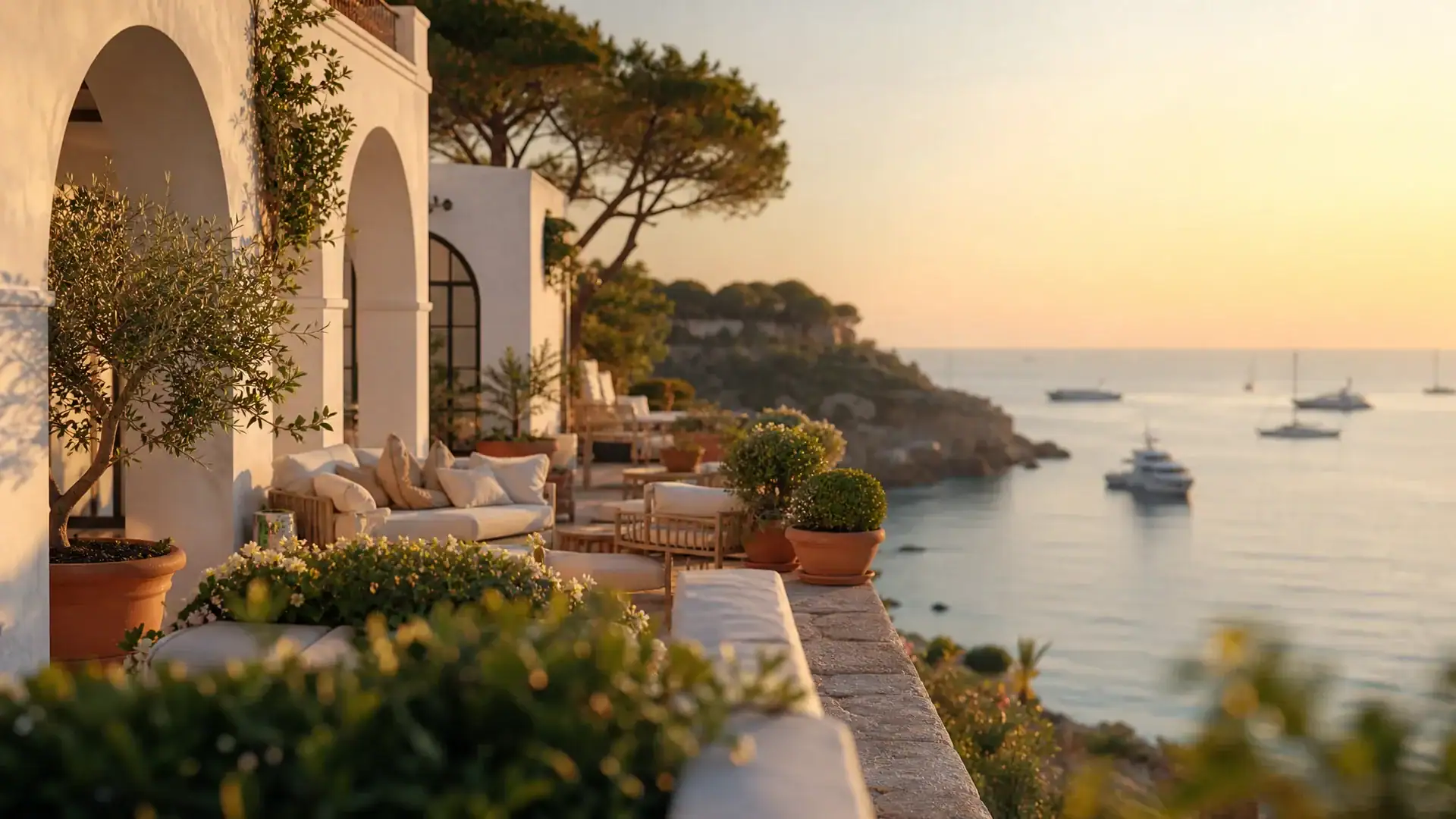
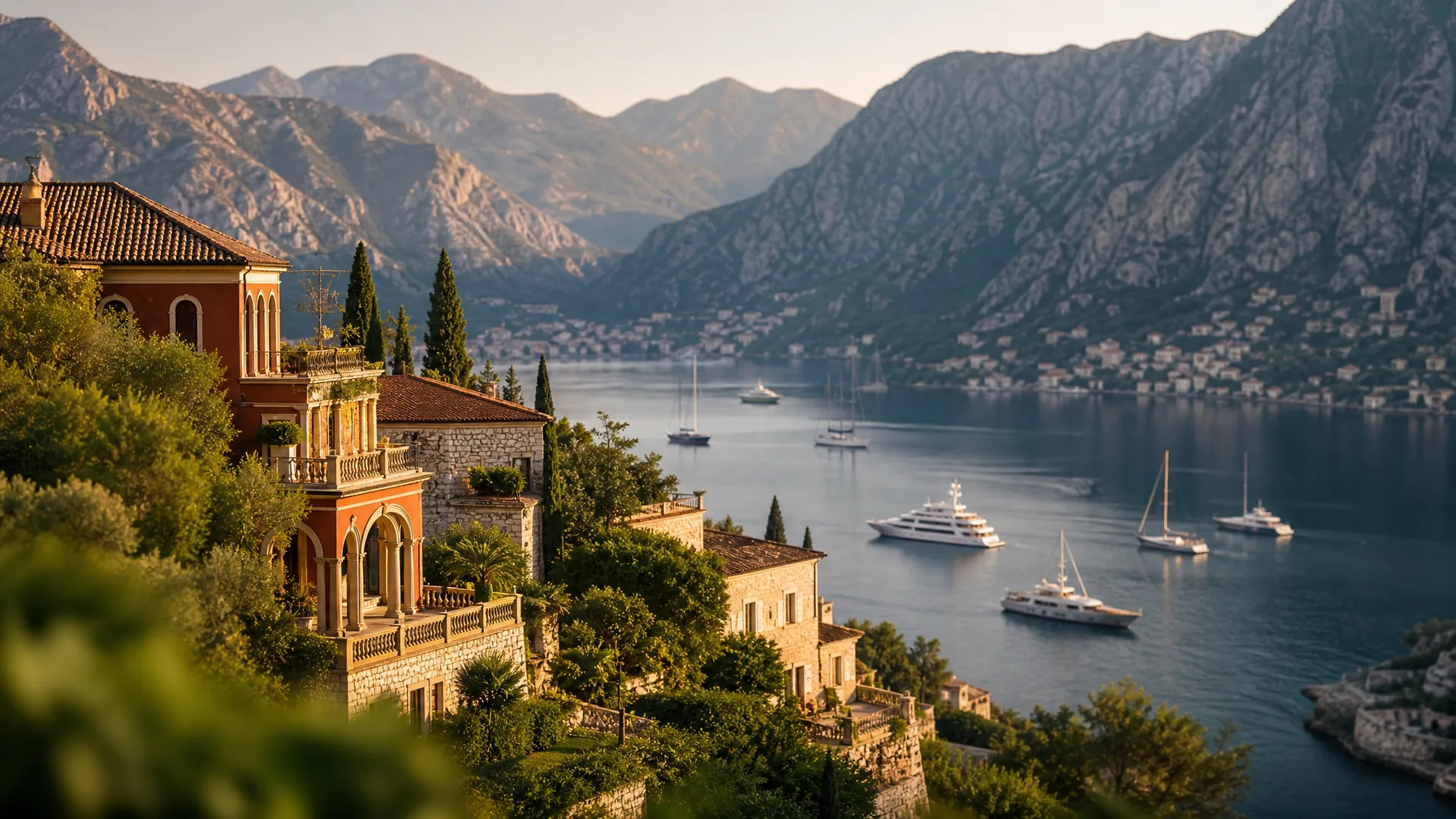
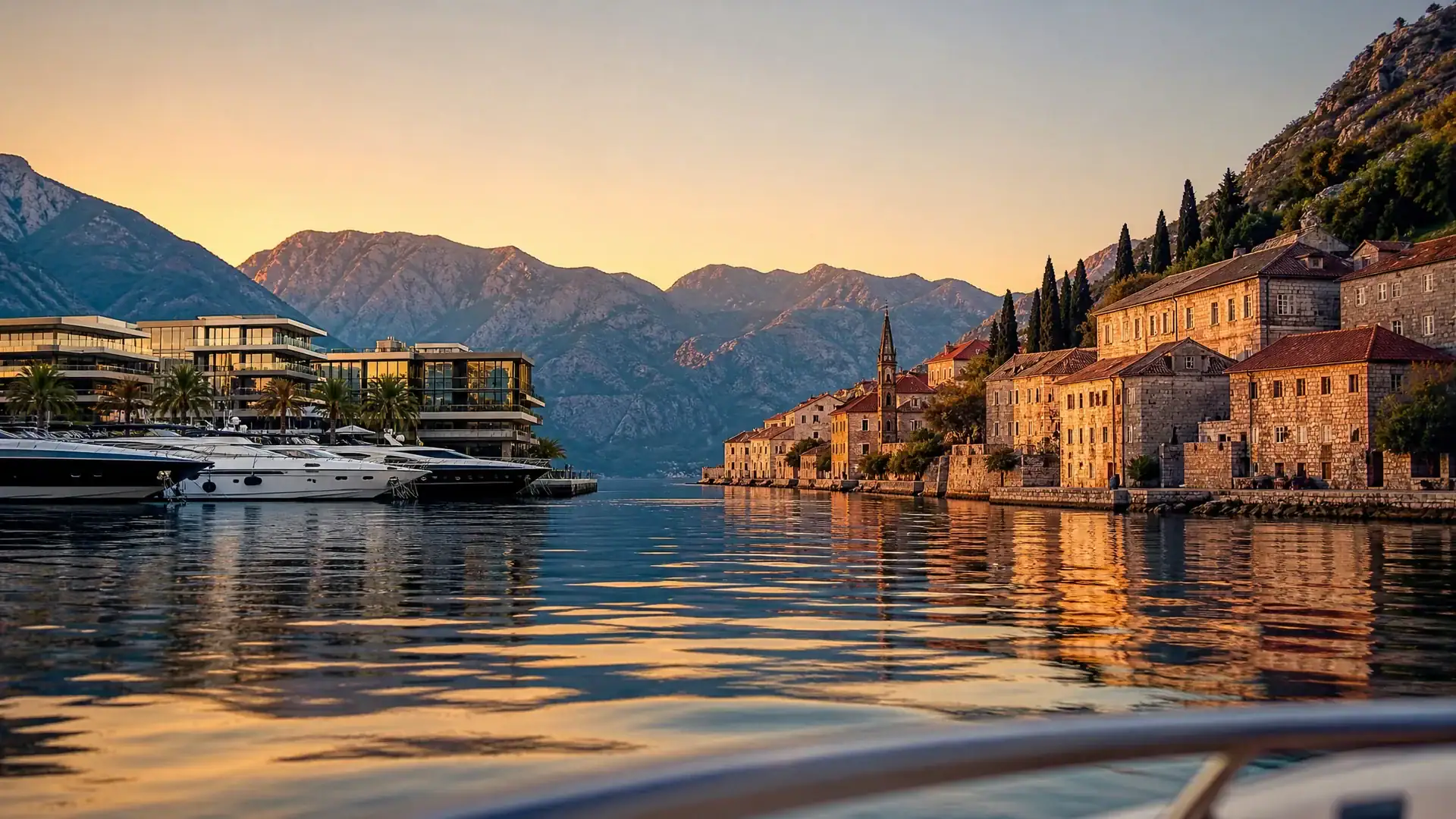
That does not mean independent villas or heritage properties have lost relevance. Quite the opposite. In the Bay of Kotor and selected parts of the Budva Riviera, exceptional individual homes still attract serious buyers, especially when they offer direct water access, privacy, or architectural distinction. The gap is simply widening between the best assets and the rest.
Prime waterfront remains the clearest value driver
Across most luxury markets, scarcity supports pricing. In Montenegro, waterfront scarcity is even more pronounced because the supply of genuinely prime coastal real estate is limited by geography, planning constraints, and buyer preference.
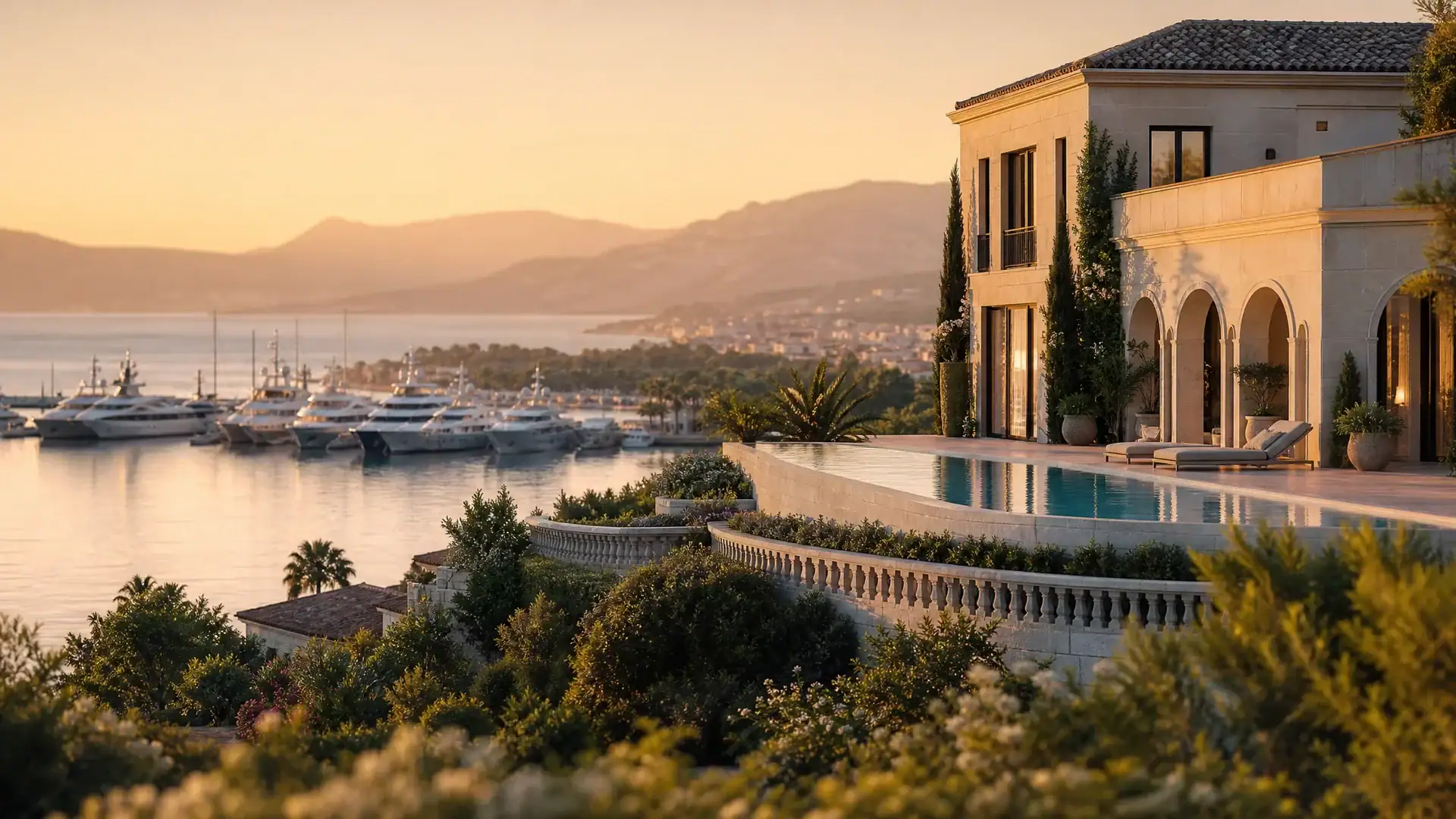
This keeps demand focused on a relatively narrow band of inventory. Front-line apartments in established marina communities, modern villas with unobstructed sea views, and residences with direct access to the shore continue to outperform secondary product. Buyers are paying attention not only to square footage, but to orientation, privacy, berth access, service standards, and whether the immediate surroundings enhance or dilute exclusivity.
The practical implication is straightforward. Not all sea-view property should be treated as equal, and price per square foot can be misleading without context. A residence within a professionally managed luxury enclave may command a premium over a larger independent property if the ownership experience is stronger and the resale audience is broader.
Branded and serviced residences are gaining ground
One of the more notable Montenegro luxury market trends is the growing appeal of residences tied to hospitality, marina, or branded lifestyle environments. Affluent buyers increasingly value convenience alongside prestige. They want lock-and-leave ownership, rental management options, concierge services, wellness facilities, and a standard of upkeep that remains consistent throughout the year.
This is especially relevant for internationally mobile families and investors who may use a property seasonally. A beautiful home is only one part of the decision. Ease of ownership has become part of the asset itself.
Branded and serviced residences also tend to perform well with buyers who are new to the market. They reduce uncertainty. For someone purchasing from abroad, that matters as much as design or view lines. The trade-off, of course, is that these properties often carry higher entry pricing and service costs. Yet for many buyers, the operational simplicity and stronger tenant appeal justify that premium.
The buyer profile is broadening, but selectivity is increasing
Demand in Montenegro’s luxury segment remains international, with continued interest from Europe, the Middle East, Turkey, the US, and other global wealth centers. What has changed is the level of diligence behind the inquiry.
Buyers are asking sharper questions about title clarity, construction quality, management standards, future supply nearby, and realistic rental performance. They are less likely to buy on atmosphere alone. This is a healthy development for the market because it rewards transparency and quality execution.
There is also a broader mix of motivations than in previous years. Some clients are acquiring a second home for summer use with occasional charter-style rental income. Others are seeking a long-term lifestyle base with marina access and international connectivity. Some are purely investment-led, targeting assets that can hold value in a relatively undersupplied prime segment.
These groups overlap, but not completely. A family prioritizing walkability, beach access, and services may choose differently from an investor focused on scarcity and exit appeal. That is why broad market statements can be misleading. In luxury real estate, the right asset depends on the buyer’s time horizon and intended use.
Design, privacy, and turnkey quality now carry more weight
A visible trend in the upper end of the market is the premium placed on homes that feel ready from day one. Buyers at this level are often not looking for lengthy renovation projects, uncertain delivery timelines, or interiors that need complete repositioning.
Turnkey quality has become a genuine pricing factor. That includes natural materials, strong indoor-outdoor flow, energy-efficient systems, contemporary kitchens and baths, integrated security, and layouts that support both entertaining and quiet family use. Larger terraces, private pools, wellness spaces, and dedicated guest accommodations remain in demand, but only when executed to a high standard.
Privacy has also become more valuable. In practice, this favors low-density enclaves, residences with protected sight lines, and homes where access can be controlled without sacrificing convenience. Buyers are increasingly willing to pay for discretion when it is paired with a prime setting.
Regional differences matter more than ever
Montenegro is small, but its luxury submarkets behave differently. Porto Montenegro continues to appeal strongly to buyers who prioritize yachting culture, international visibility, and polished marina living. Luštica Bay attracts those who value a more integrated coastal lifestyle with resort infrastructure and long-term placemaking. Portonovi stands out for buyers seeking branded hospitality, contemporary residences, and access to the entrance of the Bay.
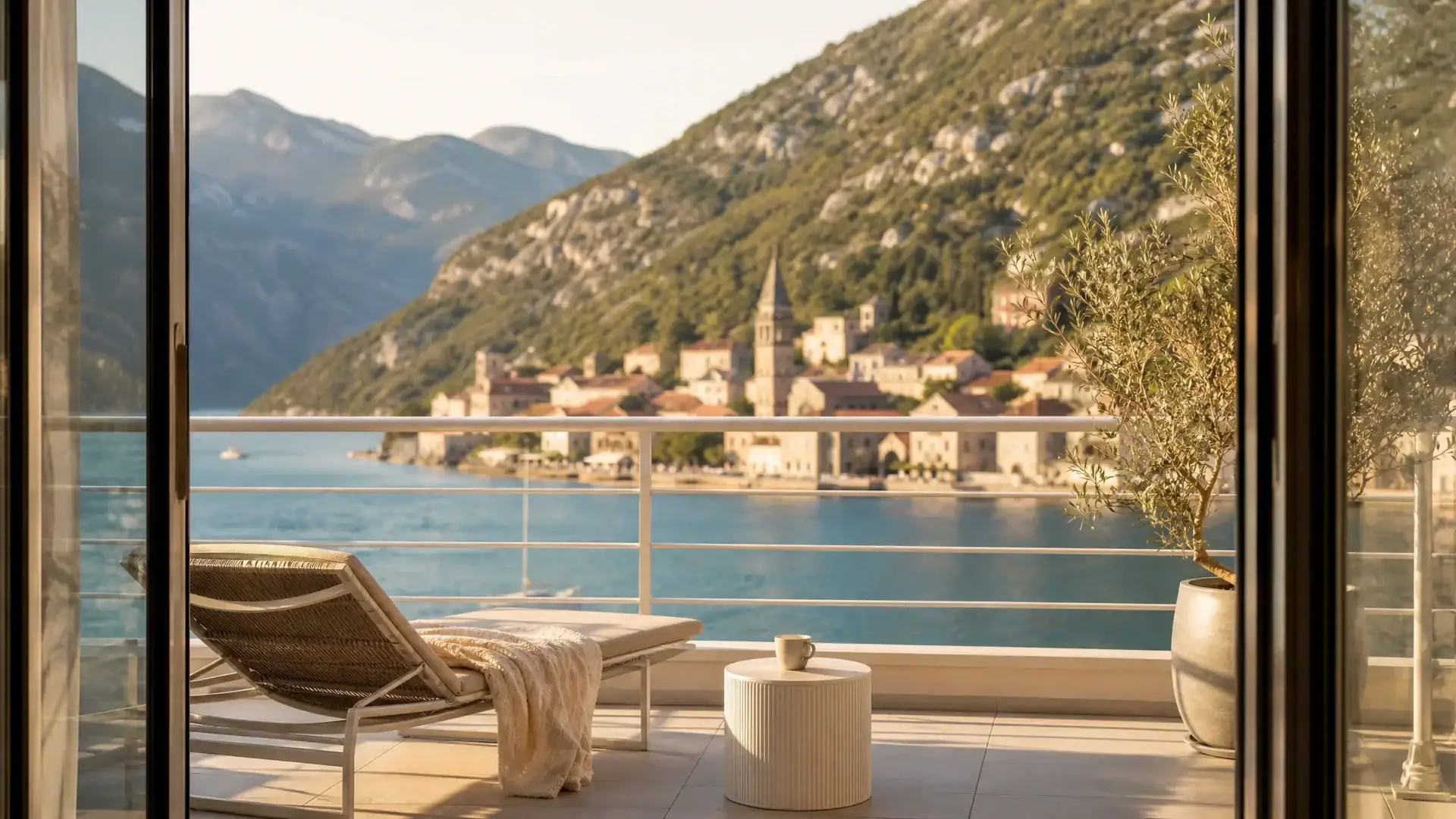
The Bokokotorski zaliv remains highly desirable for its scenery, historic character, and limited waterfront opportunities, though buyers must be especially attentive to access, parking, and property-specific constraints. The Budva Riviera, by contrast, offers a broader range of luxury stock and stronger seasonal energy, which can be a plus or a drawback depending on the buyer’s priorities.
This is why local guidance matters. Two properties may appear comparable online yet differ meaningfully in long-term value because of micro-location, planning exposure, or the quality of surrounding development.
Investment outlook: strong fundamentals, but not every asset will rise equally
For investors, the strongest case for Montenegro’s luxury segment remains a combination of relative value, limited prime supply, and continued international interest in the Adriatic coast. Compared with more mature Mediterranean markets, there is still room for upside in the right locations.
Still, this is not a market where every luxury-labelled property should be expected to appreciate at the same pace. The spread between best-in-class and average stock is likely to continue widening. Assets with enduring waterfront positioning, marina adjacency, strong management, and international buyer appeal are better placed to preserve and grow value.
Rental potential also depends heavily on product type and location. A serviced apartment in a recognized coastal destination may perform very differently from an independent villa that requires hands-on management. Gross yield figures can sound attractive in theory, but net performance is shaped by occupancy, operating costs, seasonality, and the owner’s use calendar.
For that reason, the most successful purchases tend to begin with a clear question: is the priority personal enjoyment, income, future resale, or a combination of all three? Once that is defined, the right shortlist becomes much easier to build.
What sophisticated buyers should watch next
The next phase of the market is likely to reward discipline. Buyers should watch how new supply enters prime areas, how service-led residential concepts continue to evolve, and whether infrastructure improvements further support year-round use. They should also pay close attention to the resilience of top-tier waterfront inventory, which remains the benchmark segment.
At the same time, opportunities still exist before full saturation in certain pockets of the coast, especially where quality development is limited and buyer standards are rising faster than supply. Working with an advisor who understands both local nuance and international buyer expectations can make the difference between acquiring a pleasant property and securing a genuinely strategic one. That is where a firm such as Sotheby’s International Realty Montenegro can provide meaningful value.
The most interesting luxury markets are rarely the loudest. They are the ones where quality becomes more visible each year, and where careful buyers can still position themselves ahead of the curve.