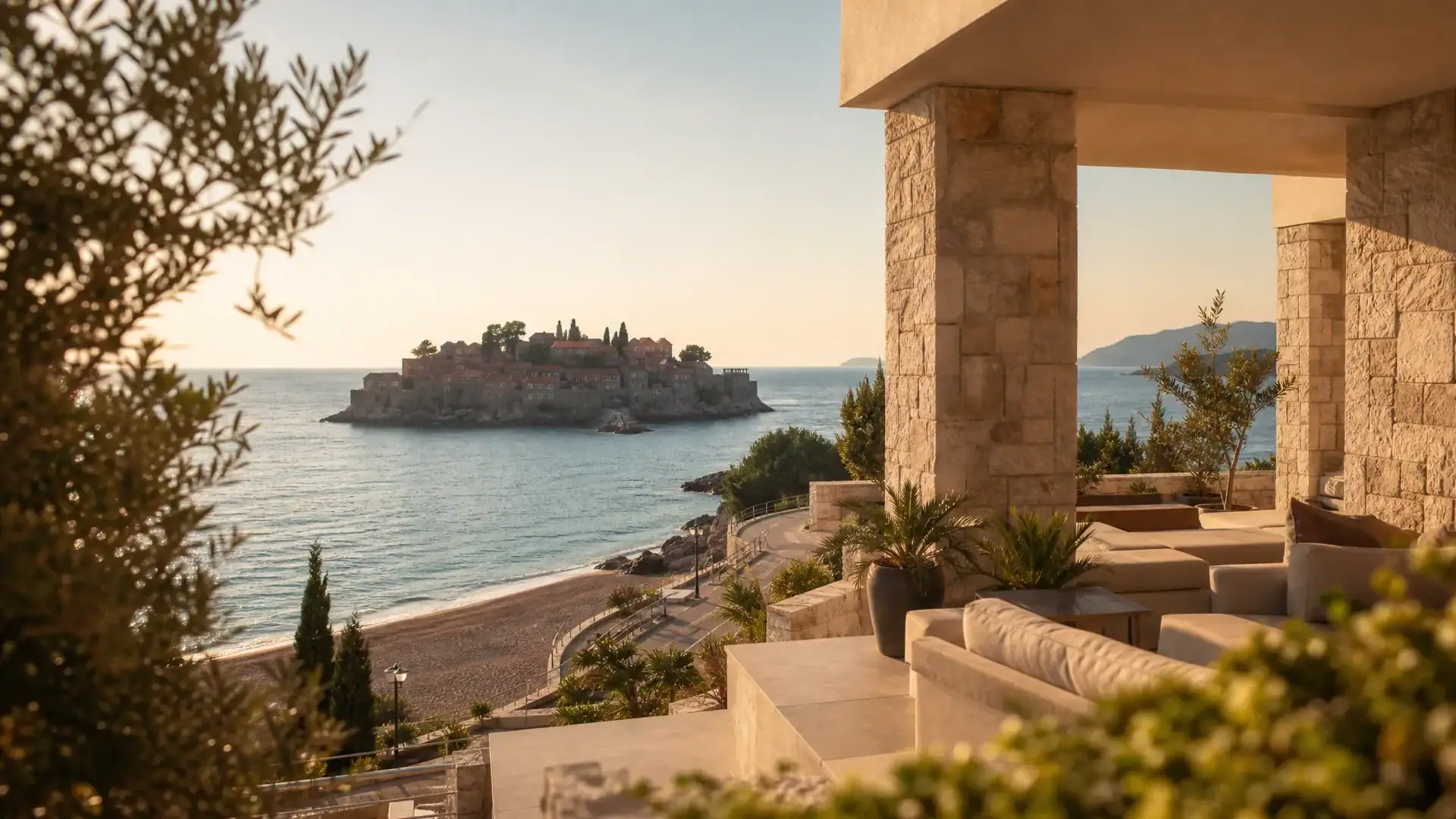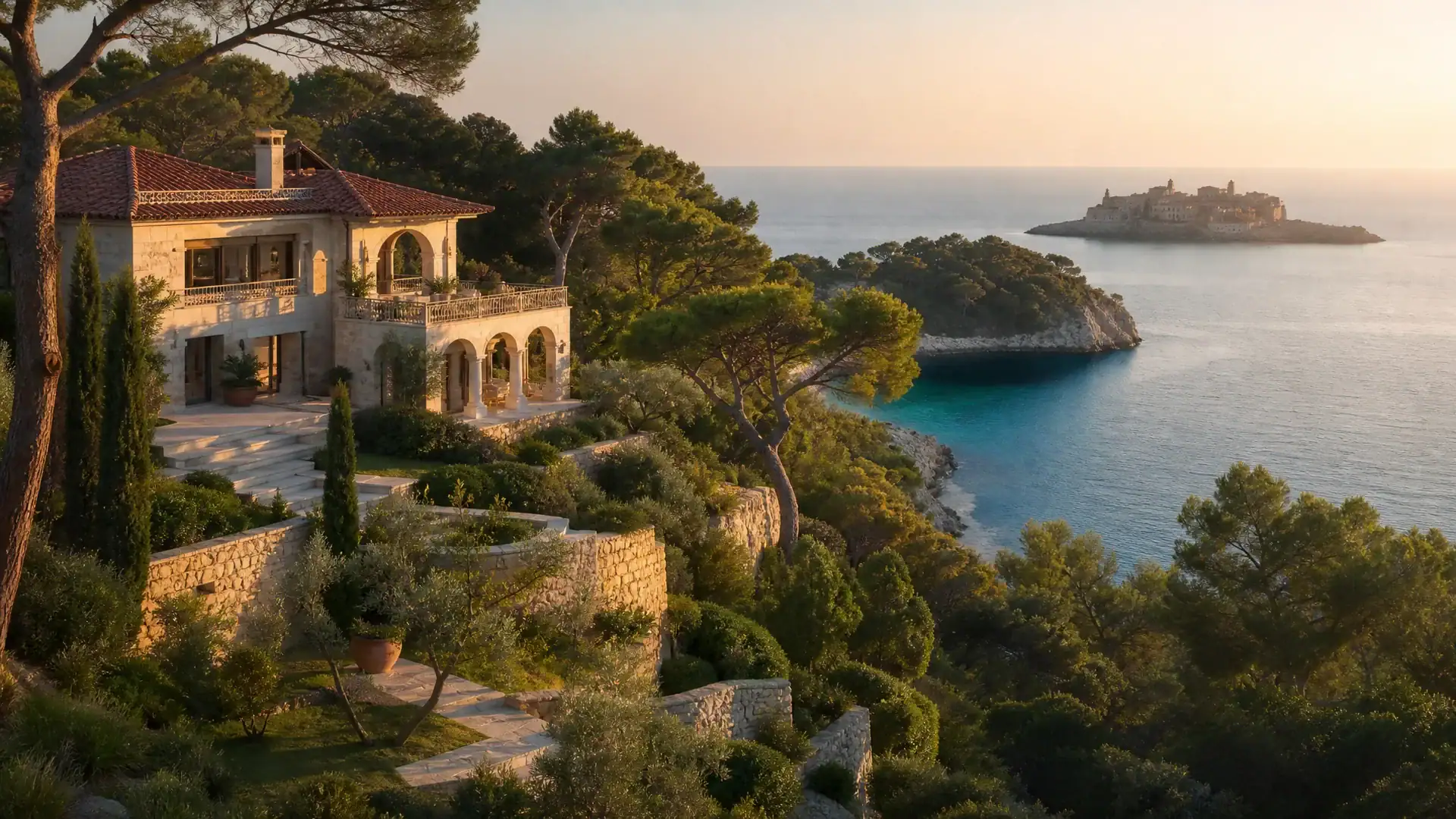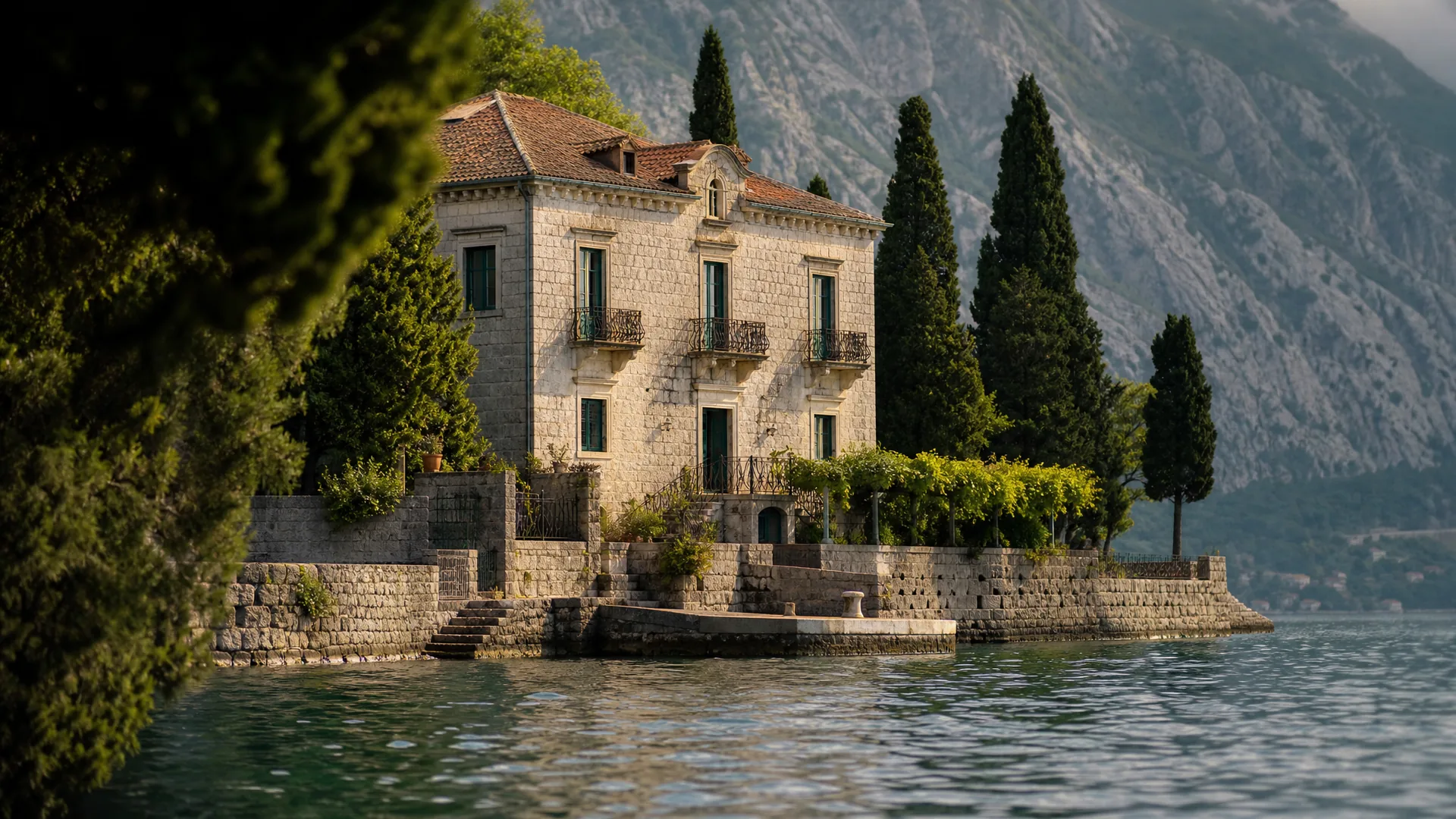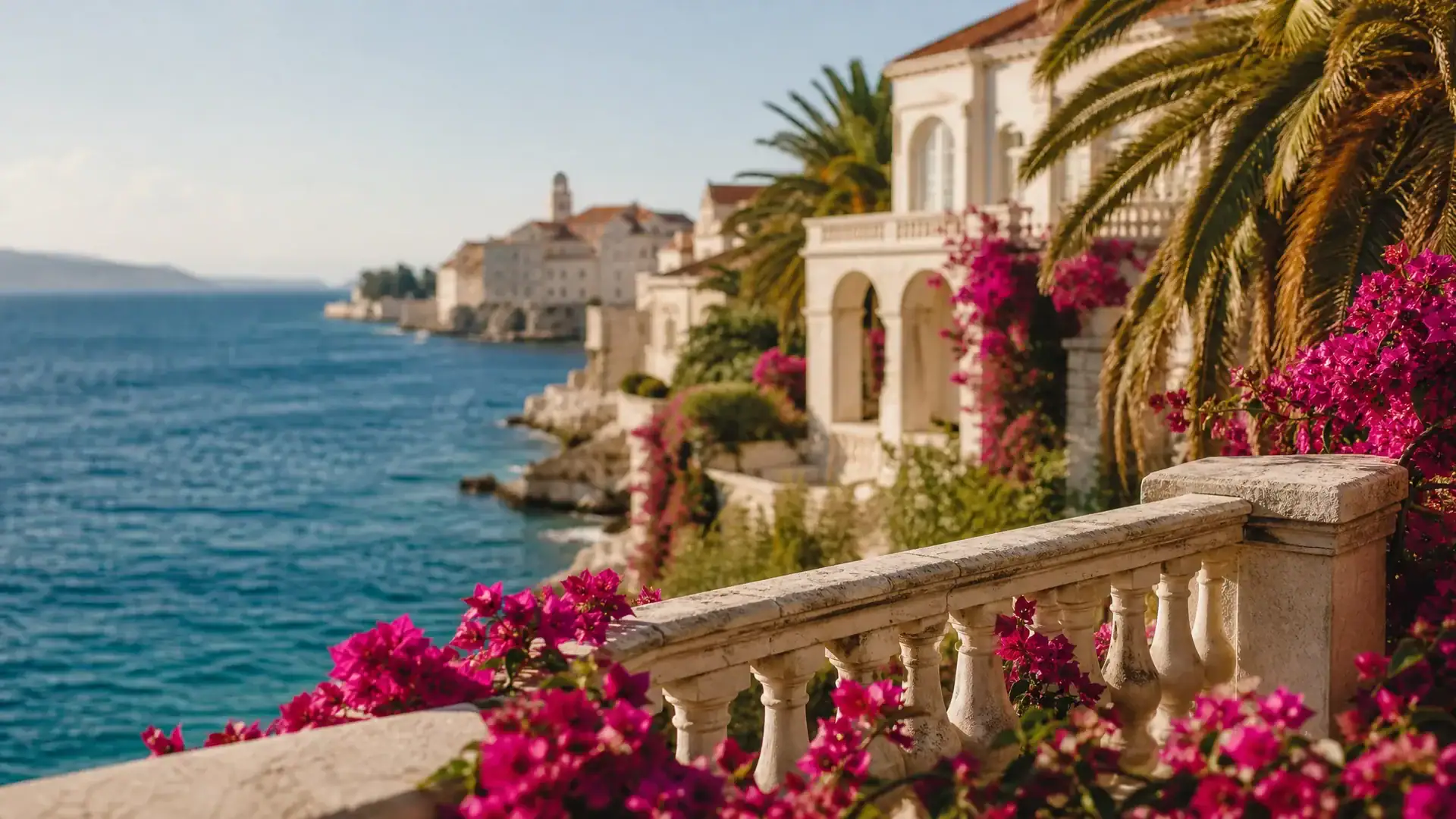




For international buyers seeking a foothold in Europe, understanding how to obtain residency through Montenegro real estate represents one of the most compelling, and least crowded, opportunities available in 2026. Montenegro sits at a rare intersection: an EU candidate country with a transparent legal framework, a flat tax regime, and a direct pathway from property ownership to residency. Where other European programs have closed, raised their thresholds, or restricted qualifying assets, Montenegro’s property-linked route remains open and accessible.
Why Montenegro Real Estate Is a Strategic Residency Gateway
Montenegro’s residency-through-ownership framework is grounded in national law and administered consistently, a meaningful distinction in a region where rules can shift quickly. Foreign nationals enjoy the same property rights as citizens in most asset classes, and the cadastral (title registration) system provides a clear documentary chain that directly supports a residency application.
The contrast with competing European programs is striking. Portugal amended its Golden Visa to exclude residential property in Lisbon and Porto, pushing investors toward alternatives, a shift that directed real deal flow toward Adriatic markets including Montenegro. Greece raised its Golden Visa property minimum to €800,000 in prime Attica, Thessaloniki, Mykonos, and Santorini zones in 2024. Spain’s parliament voted to abolish its Golden Visa property route entirely in 2025, citing housing affordability concerns.
Against that backdrop, Montenegro’s property-linked European residency pathway stands out for its relative simplicity and its lower barrier to entry. The residency investment requirement is not pegged to a single high threshold, a point explored in detail below.
How Buying Property in Montenegro Enables Residency
The core legal mechanism is straightforward. Montenegro’s Law on Foreigners entitles foreign nationals who own registered real estate in the country to apply for a temporary residence permit on the basis of that ownership. No additional investment fund, government contribution, or job creation is required.
Temporary Residence Permit Based on Property Ownership
The temporary residence permit is issued for one year and is renewable annually. The qualifying condition is continuous ownership, the property must remain registered in the applicant’s name throughout the permit period. This makes the buy-property-get-residency route one of the cleaner visa-by-ownership structures in the region: there is no minimum stay requirement attached to the temporary permit itself, giving international buyers genuine flexibility.
The link between Montenegro visa and property ownership is direct. Once the title is registered at the cadastre in the buyer’s name, that document becomes the primary instrument for the residency application, alongside a valid passport, proof of sufficient funds, and proof of health insurance coverage.
The Path from Temporary to Long-Term Residence
The progression from temporary to permanent status follows a clear timeline. After five continuous years of holding a valid temporary residence permit, an applicant becomes eligible to apply for a long-term residence permit, effectively permanent residency in Montenegro. Each annual renewal must be maintained without interruption; gaps in the permit chain reset the clock.
The long-term residence permit route rewards consistency. Buyers who register a qualifying property, maintain ownership, and renew annually are on a defined, predictable path to long-term status. Property purchase residency eligibility in Montenegro is a codified legal right, not a vague aspiration.
Montenegro Golden Visa and Investment Minimums: What Qualifies
Property Types and Value Thresholds
One point needs clarifying upfront. Montenegro’s formal Citizenship by Investment programme, which offered a fast-track passport in exchange for a qualifying investment and a government contribution, accepted its final applications in 2022. That program is closed. What remains in 2026 is the property-based temporary and long-term residency route described above.
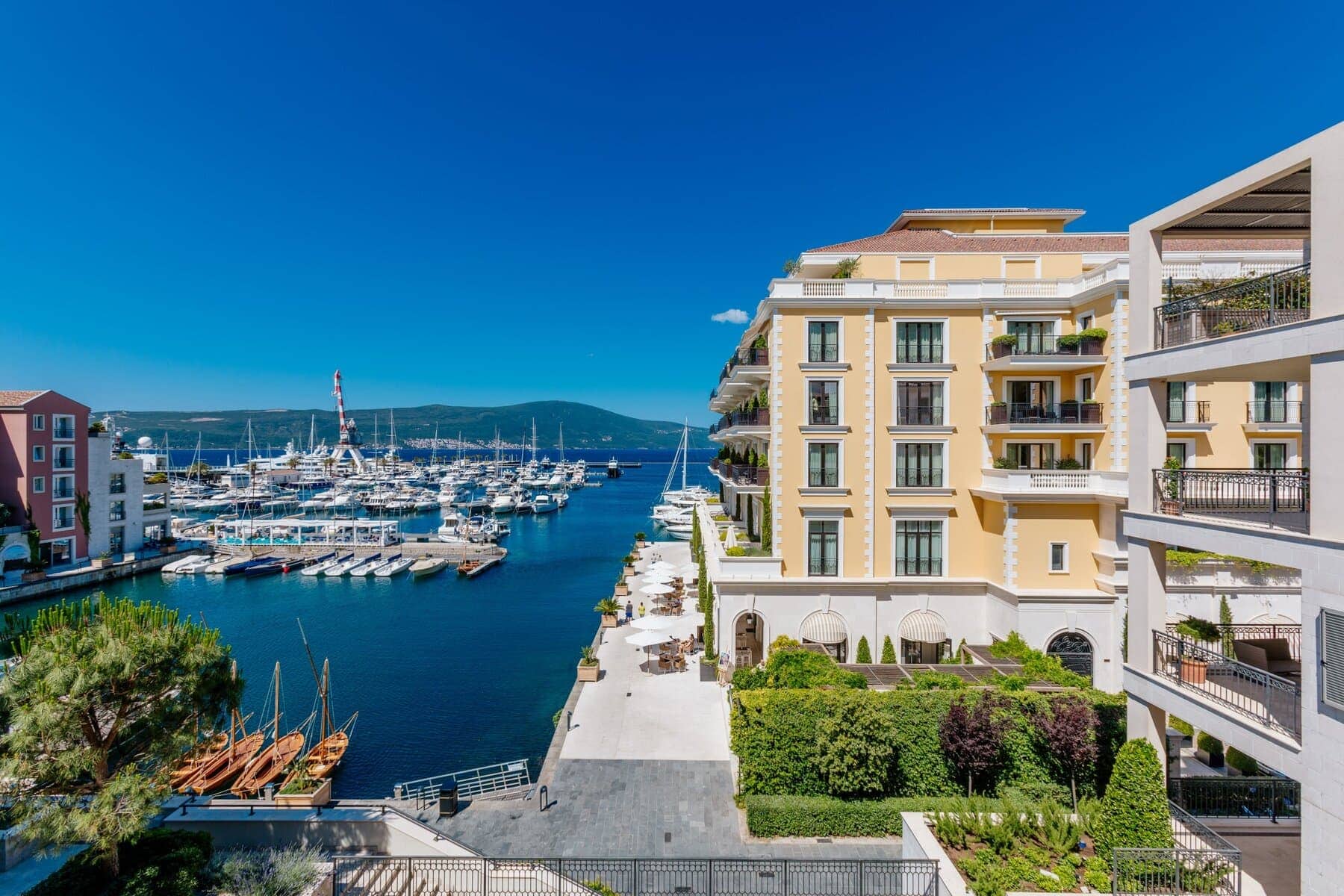
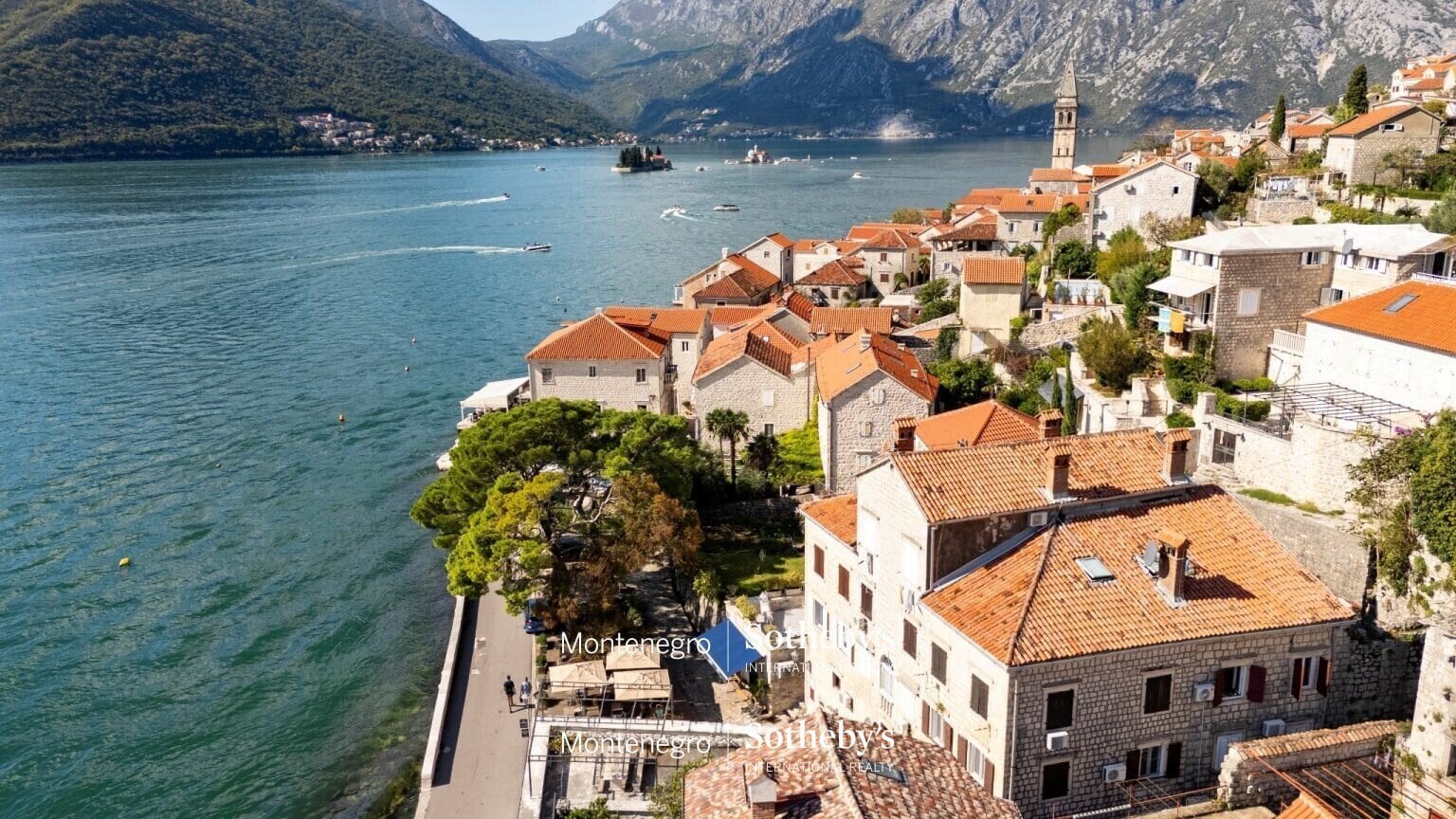
For the standard residency permit, there is no single published euro minimum. Any registered real estate, residential, commercial, or tourist-zone development, can support an application, provided it is legally registered in the applicant’s name. In practice, the asset class that presents the fewest complications for high-net-worth buyers is the luxury residential tier: prime apartments and villas along the Bay of Kotor, the Budva Riviera, and emerging development zones in the north.
These properties typically transact well above any level that would concern a residency adjudicator, and their title structures tend to be cleaner. For buyers in this segment, residency requirements are met almost as a by-product of a sound property acquisition.
Montenegro Golden Visa Real Estate Considerations
The term “Montenegro golden visa real estate” circulates widely in international property search, though Montenegro does not currently operate a formal Golden Visa scheme. What it offers is functionally analogous: a property-linked residency pathway that is straightforward, repeatable, and rooted in property law rather than a discretionary government program.
Buyers in designated tourism development zones have historically benefited from additional investment incentives, reduced VAT on new builds, for example, which can make these projects doubly attractive. The residency investment threshold in this context is shaped by market pricing and development-zone classification rather than a fixed government minimum.
Step-by-Step: From Property Purchase to Residence Permit
Due Diligence, Legal Representation, and Title Registration
Engage a qualified Montenegrin lawyer before signing anything, legal representation is essential, not optional. Conduct full title due diligence at the cadastre to confirm there are no encumbrances, liens, or ownership disputes on the property. Sign a preliminary sale agreement (predugovor) and pay the agreed deposit. Complete the main purchase contract before a notary. Pay property transfer tax, currently 3% of the assessed value for resale properties (new builds are typically subject to VAT instead). Register the title at the relevant municipal cadastre office, this step is the hinge on which everything else turns.
Montenegro Sotheby’s International Realty advises international buyers that properties registered in the buyer’s name at the Montenegrin cadastre form the documentary foundation of a successful temporary residence application, a step we guide clients through as part of our end-to-end purchase support.
Submitting Your Residency Application
Once title is confirmed, submit the temporary residence application at the police administration unit (Uprava policije) with jurisdiction over the property’s municipality. Required documents typically include the registered title deed or ownership certificate, a valid passport, proof of sufficient financial means, and valid health insurance coverage. Processing is generally measured in weeks rather than months in straightforward cases. Upon approval, the permit is issued for one year and the annual renewal cycle begins.
This is the practical answer to obtaining residency through Montenegro real estate: cadastre registration and the police administration application are the two operative steps, and both are accessible to foreign nationals without special exemptions.
Montenegro vs. Other European Residency-by-Real-Estate Programs
The competitive picture has shifted decisively in Montenegro’s favor over the past two years. Portugal’s restriction of residential Golden Visa eligibility away from major urban centers removed the most popular entry point for many buyers. Greece’s €800,000 minimum in its prime zones has placed that market firmly in ultra-high-net-worth territory. Spain’s complete abolition of its property Golden Visa in 2025 eliminated an entire program that had attracted billions in investment over its decade-long existence.
Montenegro has not followed any of these restrictive trajectories. The property-linked residency route remains open, the legal framework is stable, and prices in Montenegro’s prime coastal markets, while rising, remain significantly below comparable assets in Lisbon, Athens, or Barcelona. For buyers pursuing European residency through real estate who have been priced out or locked out of other programs, Montenegro is a credible, well-structured alternative.
Lifestyle, Tax, and Long-Term Benefits of Montenegro Residency
The practical case for Montenegro residency is reinforced by a fiscal proposition that is genuinely competitive in European terms.
Montenegro operates a flat personal income tax rate of 9% (rising to 15% on income above a higher threshold) and a corporate tax rate of 9%, among the lowest in the broader European region. For internationally mobile buyers managing cross-border income or holding company structures, these rates matter.
The lifestyle proposition is equally tangible. The Bay of Kotor, a UNESCO World Heritage Site, offers a setting that rivals the most celebrated coastlines in the Mediterranean. The Budva Riviera delivers a more resort-driven atmosphere. Inland, the national parks of Durmitor and Biogradska Gora provide a counterpoint that few Adriatic destinations can match. A growing international community, a year-round mild coastal climate, and improving infrastructure support both primary and secondary residence use.
Montenegro’s EU candidate status carries long-term strategic weight. Accession remains a process rather than a guarantee, but properties and residency positions acquired now stand to benefit from the regulatory convergence and asset appreciation that EU membership historically delivers to accession-track markets. For buyers thinking in decade-long horizons, that trajectory is part of the investment thesis.
The accessible residency mechanism, the competitive tax environment, the Adriatic setting, and the EU candidacy upside together make a case that is both practically grounded and genuinely compelling.