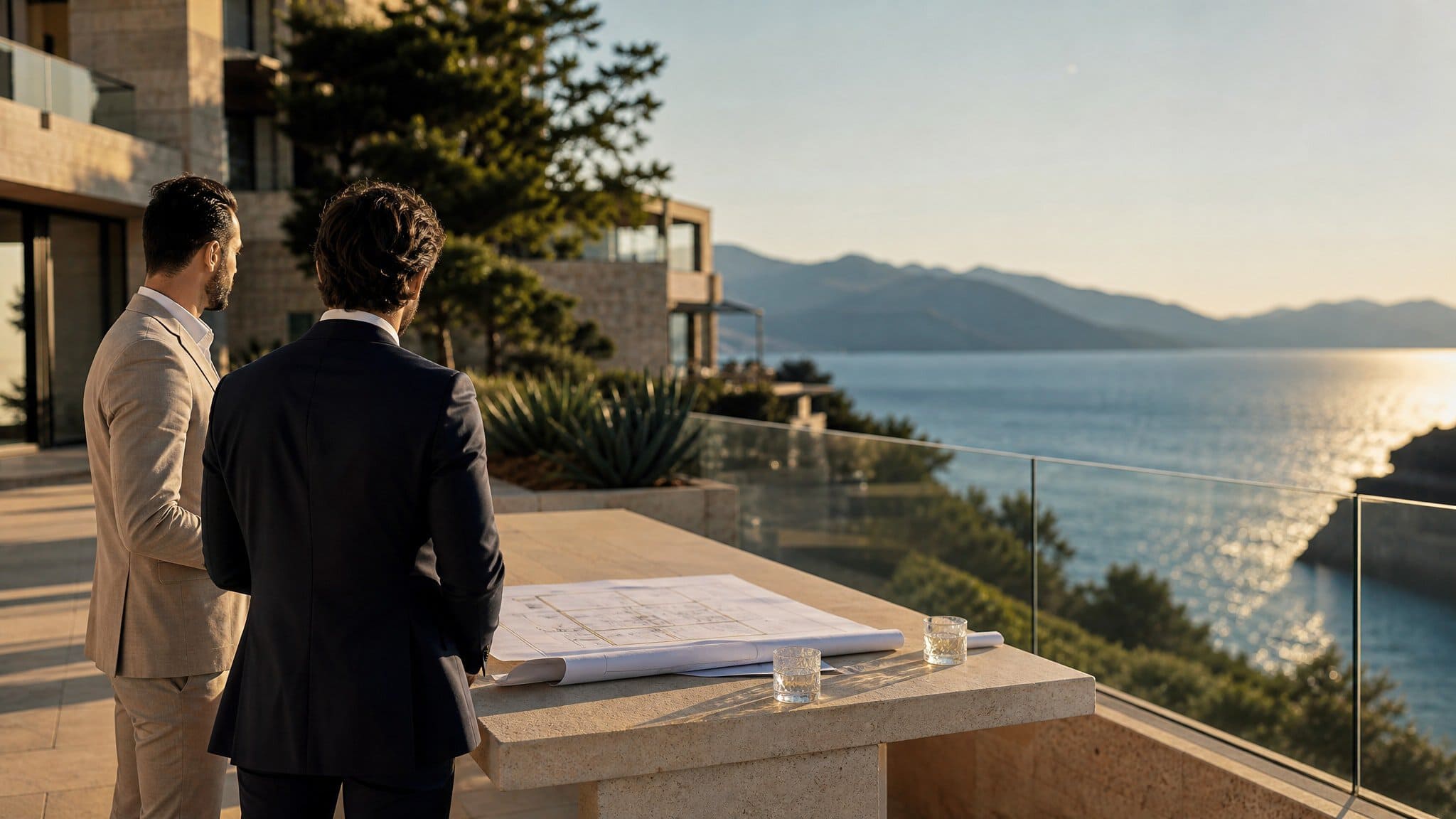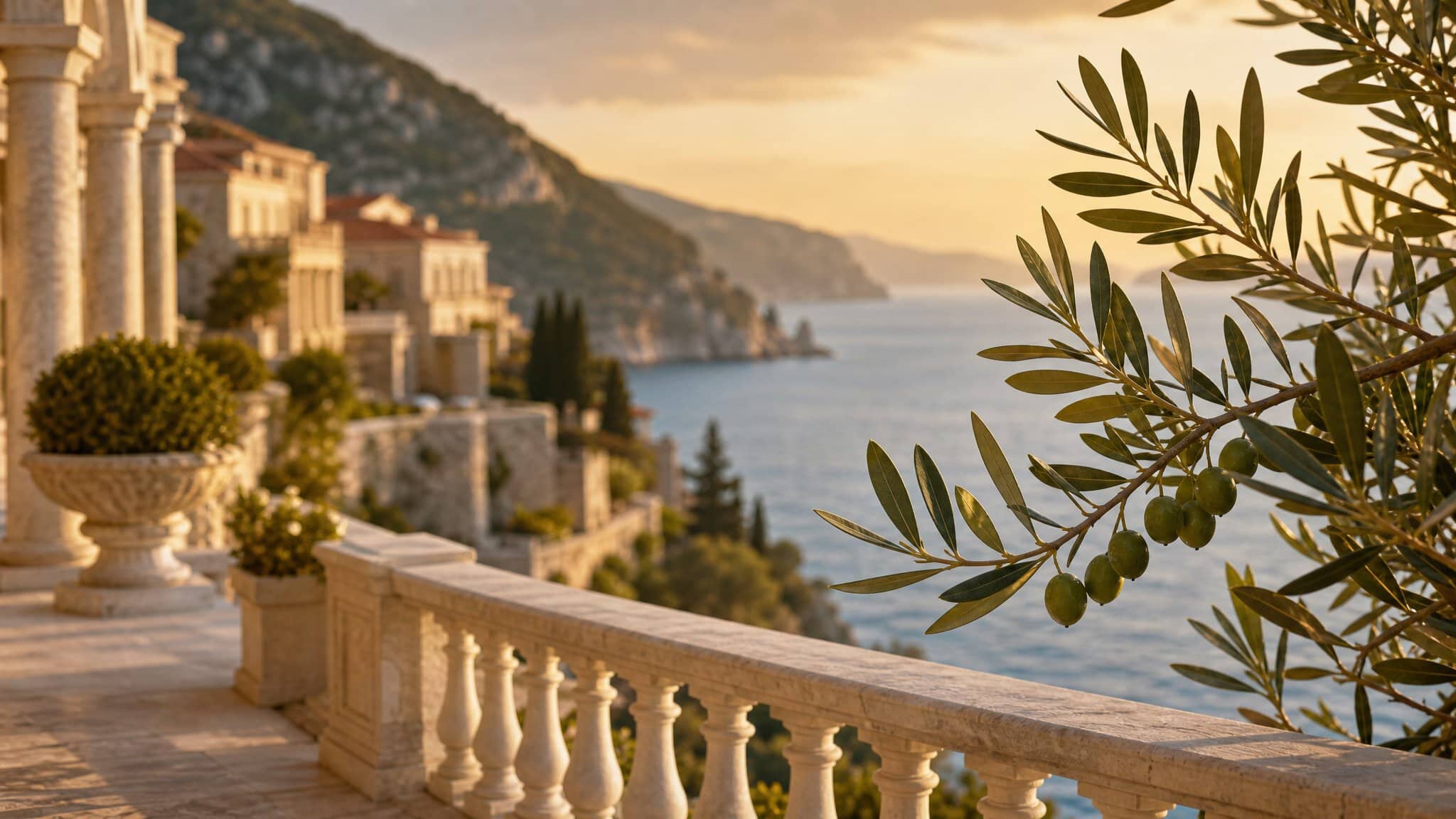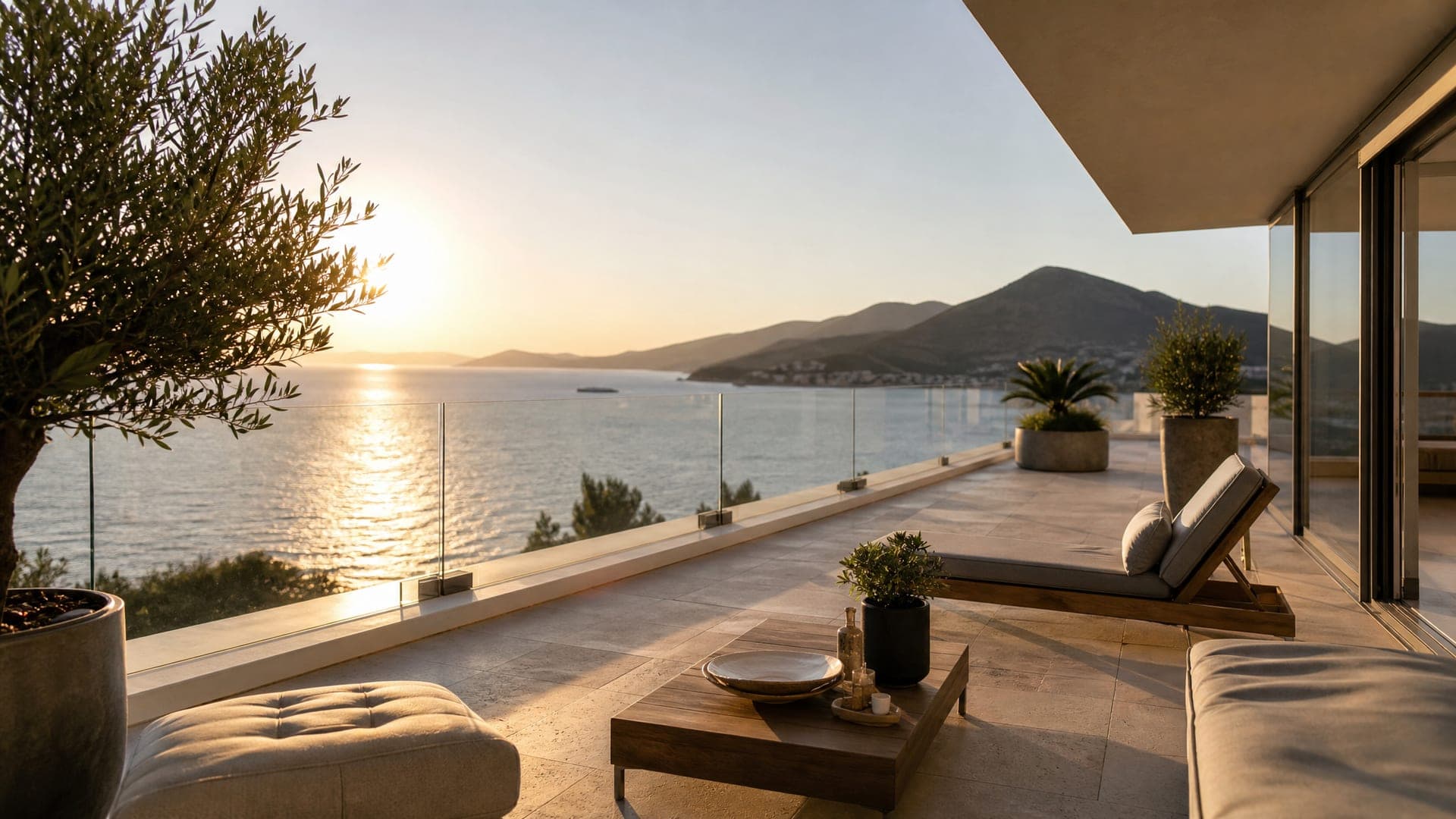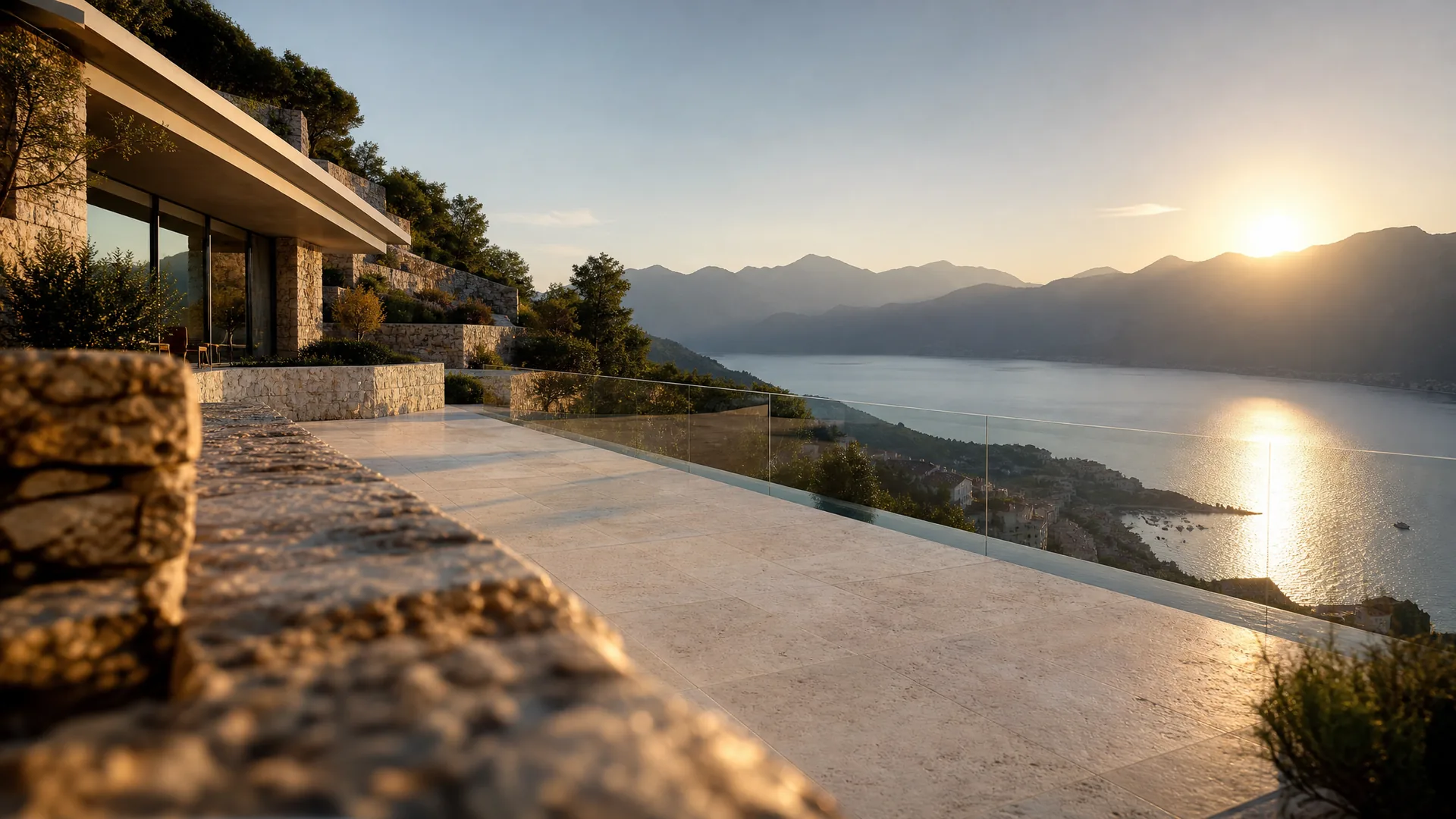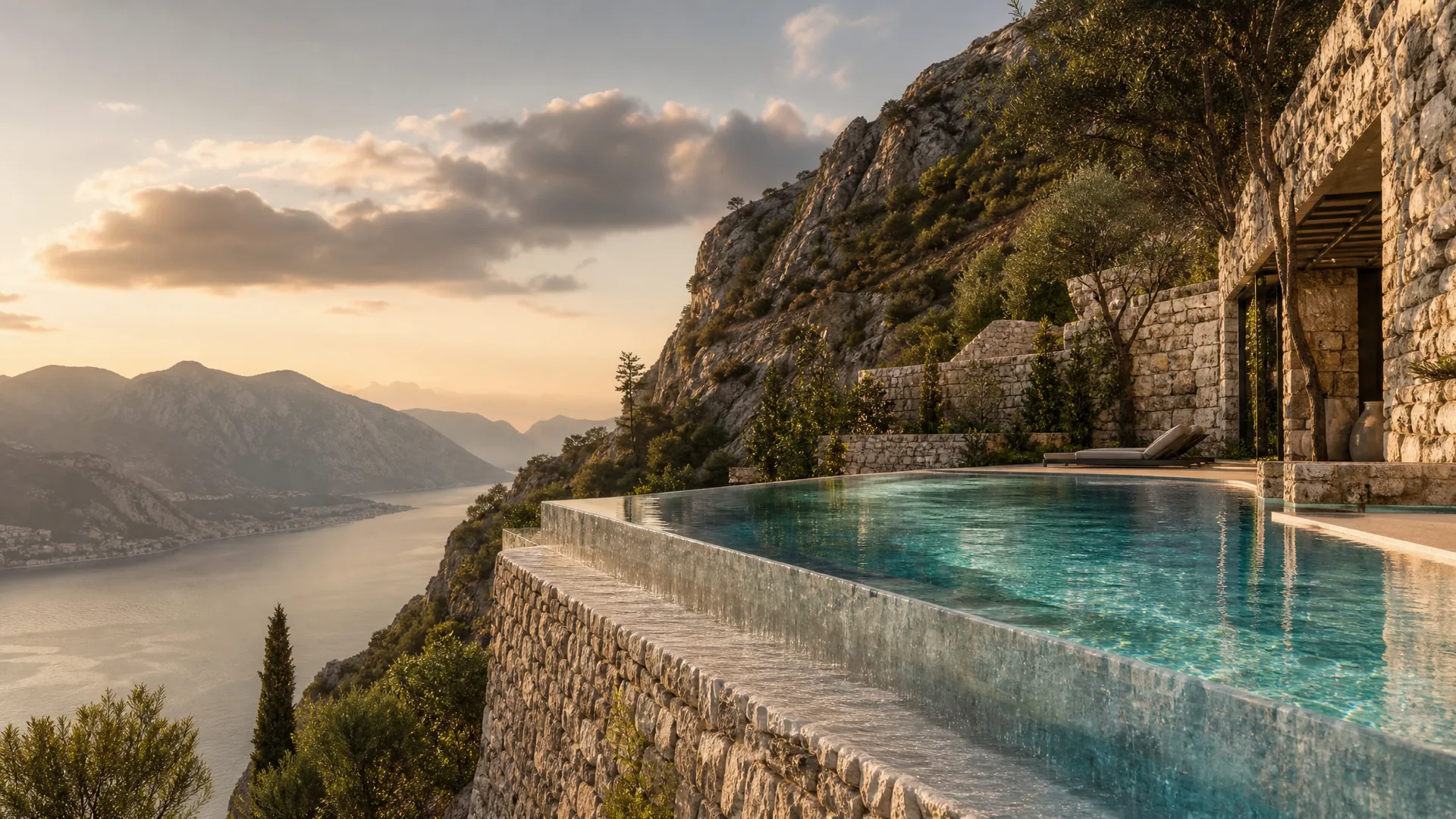

A quiet but decisive shift is underway in global luxury real estate. Middle East investor interest in Montenegro property has moved from a niche curiosity to a strategic conviction, and the reasons are structural, not speculative. Montenegro offers something rare in 2026: a euro-denominated economy, a Western legal framework, NATO-backed security, and a coastline that rivals the French Riviera, all at valuations that still make financial sense. For Gulf family offices and high-net-worth individuals diversifying beyond the GCC, this small Adriatic nation is earning a serious place in the conversation. Explore Montenegros Luxusimmobilienmarkt im Jahr 2026 to understand why this moment feels different.
Montenegro’s Strategic Appeal for Gulf Investors
A Safe Haven on the Adriatic
Montenegro’s position on the map is deceptively powerful. Bordered by Croatia, Bosnia, Serbia, Kosovo, and Albania, it sits at a crossroads, yet it operates firmly within Western institutional frameworks. NATO membership since 2017 removed the geopolitical ambiguity that once surrounded the Western Balkans. The legal system draws on European civil law traditions, property titles are internationally recognised, and foreign ownership rights are well-established.
For Gulf investors who have watched geopolitical volatility reshape asset values across Europe and the Middle East, this stability is not a background detail. It is the headline. Montenegro is a genuine safe-haven destination: small enough to feel exclusive, integrated enough to feel secure.
The lifestyle credential reinforces the case. The Bay of Kotor is frequently compared to Norway’s fjords and Croatia’s Dalmatian coast. Beaches along the Budva Riviera draw a cosmopolitan summer crowd. And the country’s infrastructure, roads, marinas, international airports at Podgorica and Tivat, has improved markedly over the past decade.
Currency Stability and Euro-Denominated Assets
Montenegro adopted the euro unilaterally and uses it as its official currency, without being an EU member. That decision has profound implications for international investors.
For Gulf buyers whose wealth is primarily held in dirham- or riyal-pegged instruments, acquiring a euro-denominated asset provides a clean hedge against US dollar exposure and emerging-market currency volatility. There is no local currency to monitor, no exchange-rate fluctuation to model, and no central bank risk to price in. The asset is priced in euros, rents in euros, and transacts in euros.
This removes a layer of complexity that undermines investment confidence in many alternative markets. When an investor in Dubai or Riyadh underwrites a Montenegro property, the currency arithmetic is straightforward.
The EU Pathway: What Gulf Buyers Need to Know
NATO Membership and the Road to EU Accession
Montenegro has held EU candidate status since 2010, longer than any of its Western Balkans neighbours. It opened accession chapters progressively and, by 2026, remains the most advanced candidate in the region. Full accession is a realistic near-term scenario. Many analysts point to 2027 as a credible horizon for significant progress, though formal membership timelines remain subject to EU institutional decisions.
NATO membership since June 2017 already placed Montenegro inside the Western security architecture. EU accession would complete that integration, bringing Montenegro under the full weight of European single-market rules, property protections, and legal harmonisation.
For sovereign-wealth-adjacent buyers and Gulf family offices, audiences that weight jurisdictional risk carefully, this trajectory matters. Buying now means acquiring at pre-accession valuations while the institutional risk premium is still being priced in. That is a structural opportunity.
Residency Rights Through Property Ownership
Foreign nationals, including Gulf citizens, can purchase property in Montenegro with relatively few restrictions. Ownership of qualifying real estate supports an application for temporary residency, which can be renewed and, over time, lead to longer-term status.
This is not a formal golden visa scheme in the mould of Portugal or the UAE’s investor visa. Montenegro’s framework is more straightforward and less bureaucratic. Property ownership establishes a legal tie to the country and, combined with time spent in residence, creates a credible pathway to residency rights. For buyers seeking a European base, a second passport strategy, or a legally recognised foothold in a NATO and near-EU jurisdiction, the option has clear value.
Professional legal counsel is essential, and Sotheby’s Montenegro can connect buyers with trusted advisors.
Tax Treatment That Works for International Investors
Montenegro levies a flat 9% personal and corporate income tax rate, one of the lowest statutory rates anywhere in Europe. For high-net-worth investors accustomed to the 40–45% marginal rates common in Western European markets, this is a structural advantage, not a marginal one.
Property transfer tax is modest. Rental income is taxed at competitive rates that preserve the economics of short-term holiday lets and longer-term tenancies alike. There is no wealth tax. The VAT system follows European norms for new-build properties but does not create the punitive layers that compress net yields in markets like France or Italy.
Taken together, the tax framework means the gross-to-net yield conversion in Montenegro is considerably more favourable than in comparable Mediterranean destinations. Montenegro is not a tax haven, it is a fully compliant, OECD-engaged jurisdiction, but it is a low-tax environment by European standards, and that difference compounds meaningfully over a multi-year hold.
Every investor’s circumstances differ. Independent tax counsel familiar with both Montenegrin law and the relevant GCC jurisdiction is always recommended before structuring a purchase.
Middle East Investor Property Picks: Where to Buy in Montenegro
Bay of Kotor: UNESCO Prestige and Capital Preservation
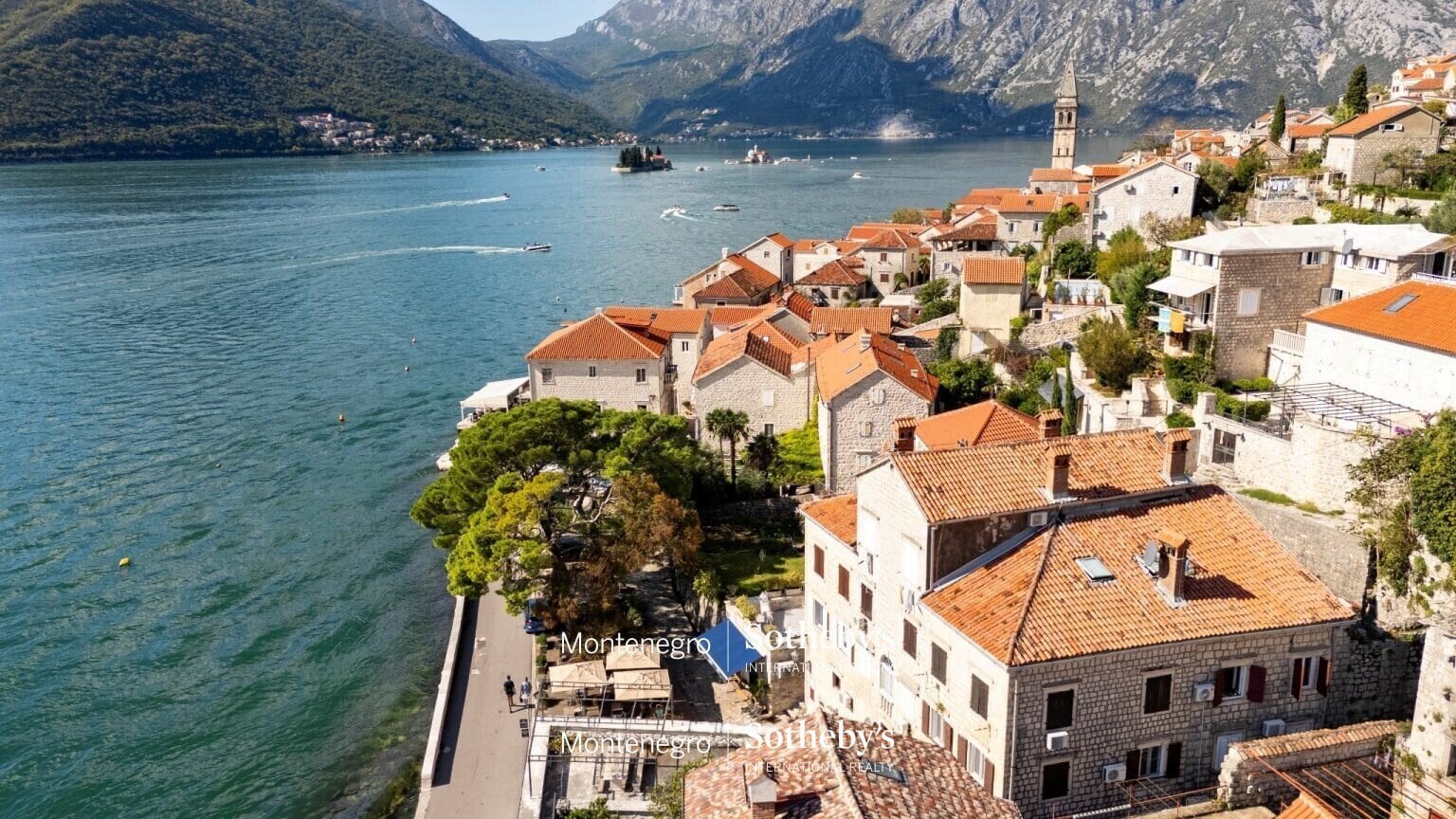
The Bay of Kotor holds UNESCO World Heritage status, placing it alongside a small global cohort of protected landscapes whose scarcity underpins value. Villages like Perast, Dobrota, and Kotor Old Town offer stone villas and historic palaces where supply is inherently constrained, no new development can alter the skyline.
This is the Montenegro address for capital preservation investors. The comparison set, Saint-Tropez, Dubrovnik, the Amalfi Coast, tells you everything about the buyer profile this market attracts. Review current Bay of Kotor real estate prices for a clear picture of entry points across the tiers. For heritage-grade waterfront estates, Perast waterfront villas represent the apex of the preservation-focused investment case.
Budva Riviera: Yield-Driven Beachfront Investment
Budva is Montenegro’s most active tourism market, a stretch of sandy beaches and a medieval old town that draws several hundred thousand visitors each summer. For investors whose primary metric is rental yield, this is the right geography.
Short-term holiday lets in Budva’s beachfront corridor generate strong summer occupancy, particularly as regional air connectivity has improved. The Budva beachfront investment guide walks through the yield dynamics in detail. Price-per-square-metre here remains below comparable beachfront inventory in Croatia or Greece, which means yield spreads hold up even after factoring in management costs.
This is the segment for Gulf investors who want an Adriatic asset working actively within their portfolio.
Porto Montenegro, Tivat: Ultra-Premium Marina Living
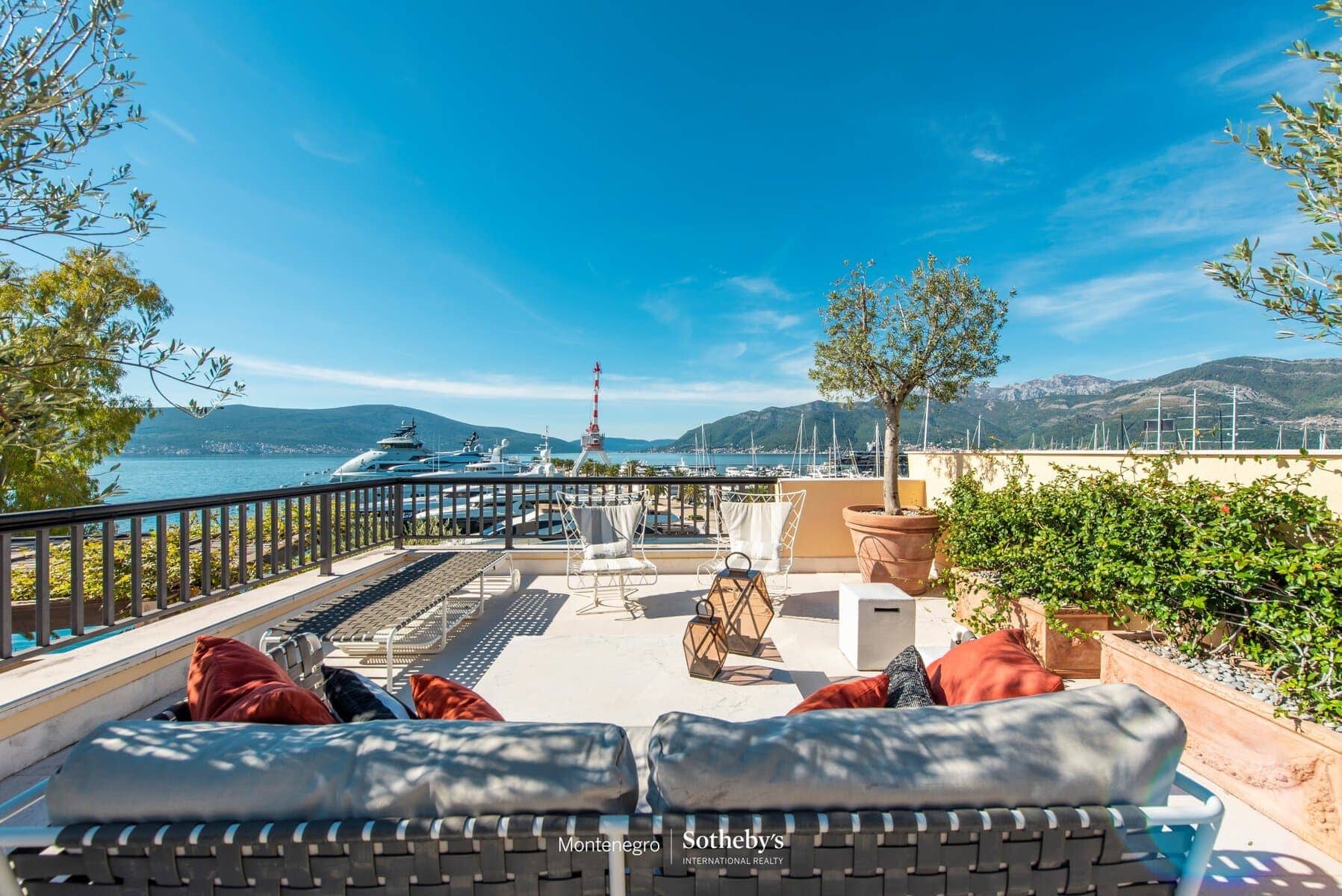
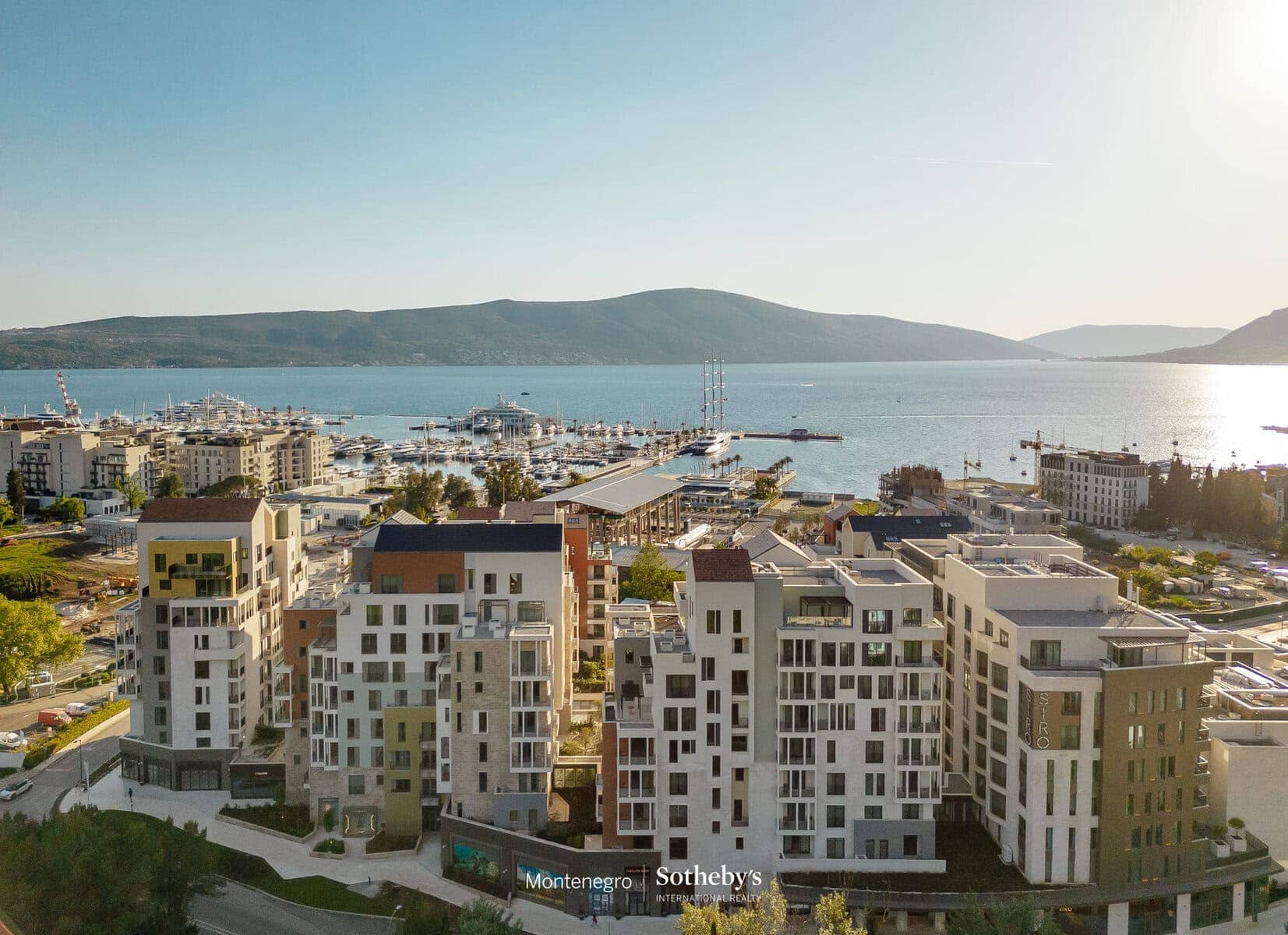
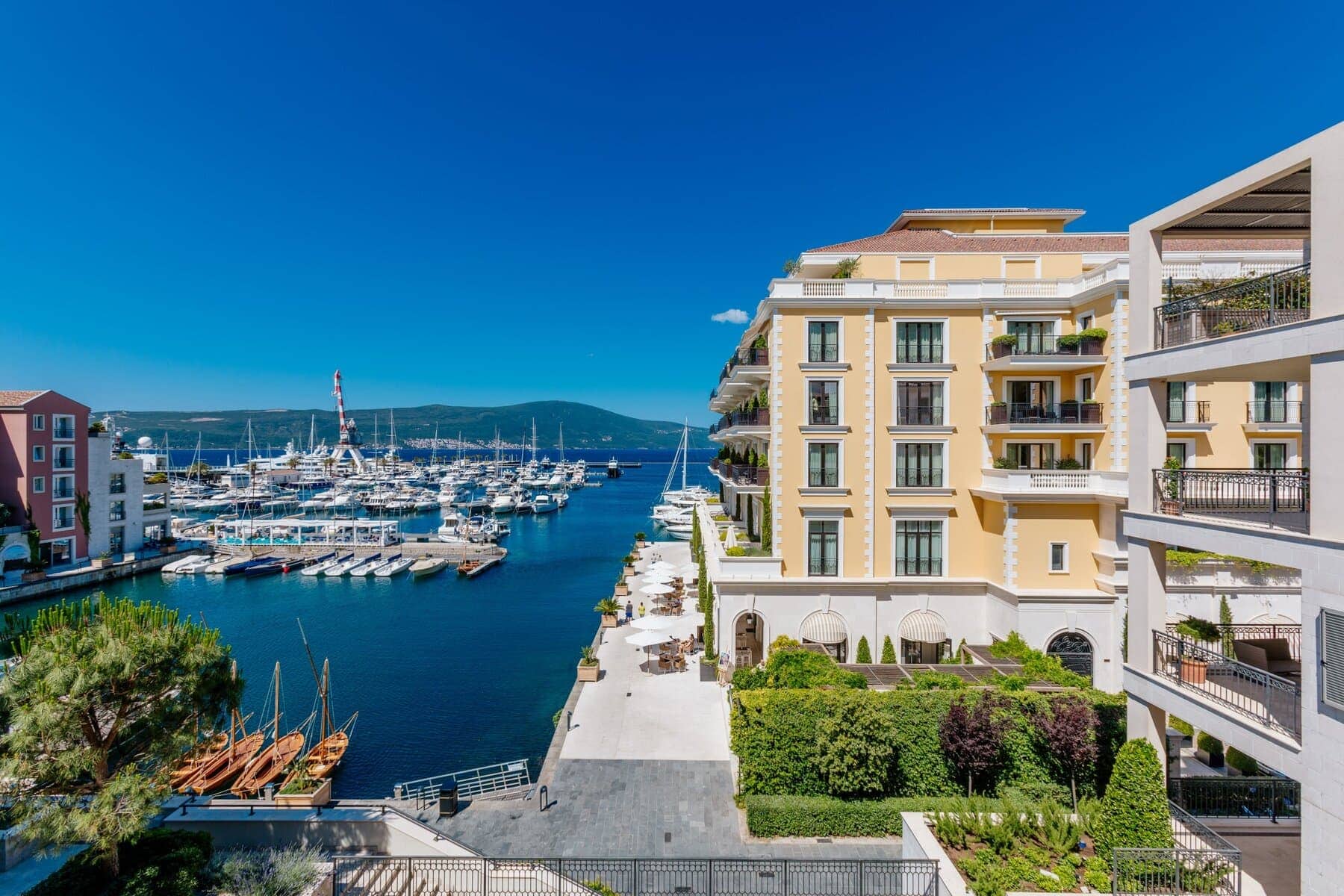
Porto Montenegro is the reference point for ultra-luxury in Montenegro, and it carries direct Gulf-capital credentials. The superyacht marina development, originally backed by Canadian billionaire Peter Munk, was subsequently acquired by IHC (International Holding Company, Abu Dhabi), making it one of the clearest examples of Middle East capital already anchored in Montenegro’s luxury sector.
The marina accommodates superyachts, the branded residences meet international five-star standards, and the tenant mix, Regent hotel, premium retail, private dining, creates an ecosystem that resonates with Gulf buyers who value brand recognition alongside investment fundamentals. Luxury apartments at Porto Montenegro represent the market’s upper tier: properties where lifestyle value and investment value are not in tension.
Portfolio Diversification: Adding an Adriatic Asset to a Global Portfolio
Gulf investors who already hold GCC real estate, listed equities, and gold are increasingly looking for low-correlation alternatives. Montenegro property fits that brief.
Adriatic real estate moves on different cycles from Gulf residential markets. It is not correlated to oil price shifts in the way Dubai or Abu Dhabi secondary markets can be. It is not correlated to equity volatility. And it offers something neither equities nor gold can, a physical asset that generates rental income while also functioning as a second residence or family retreat.
The broader flow of Middle East capital into European property has historically concentrated in London, Paris, and Switzerland. Montenegro offers a compelling argument for diversifying within that European allocation: lower entry costs, stronger yield potential, a more favourable tax environment, and an accession-driven capital growth narrative that established Western European markets cannot replicate.
For investors focused on maximising rental income in Montenegro, the combination of short summer yields and longer winter tenancy options creates a more resilient income profile than single-season resort markets.
The lifestyle optionality matters too. A property that can be used by the family in July and August, managed by a professional operator for the rest of the year, and sold in a liquid market if circumstances change, that is a genuinely useful asset, not a financial abstraction.
Working With Sotheby’s International Realty Montenegro
Montenegro Sotheby’s International Realty brings two things together that Gulf investors need: the global credibility of the Sotheby’s brand and genuine on-the-ground expertise in one of Europe’s most compelling emerging luxury markets.
The portfolio spans the property purchase process for foreign buyers through to curated listings from €100,000 entry-level apartments to multi-million-euro waterfront estates, covering the Bay of Kotor, the Budva Riviera, and Porto Montenegro across every luxury price tier. The team understands the specific considerations that Gulf buyers bring: structuring for international ownership, coordinating with UAE and GCC-based advisors, handling the Montenegrin legal and notarial process, and managing the logistics of acquiring from a distance.
The Sotheby’s global network means that a client introduced through a Dubai or Riyadh contact arrives with context already established. The Montenegro team handles everything from initial property matching to due diligence, legal referrals, and post-purchase management introductions.
If Montenegro’s combination of euro stability, low taxation, NATO security, EU accession trajectory, and Adriatic lifestyle has earned a place on your investment shortlist, the right next step is a private conversation. Contact Montenegro Sotheby’s International Realty to arrange a consultation, and let us match your capital and your ambitions to the right property on the Adriatic.