Wohnung in Montenegro kaufen: Tipps für Erstkäufer
Für internationale Käufer, die Montenegros Adriaküste entdecken, ist der Reiz sofort spürbar: kristallklare Buchten, ein günstiges steuerliches Umfeld und Immobilienpreise, die im Vergleich zu ähnlichen europäischen Märkten nach wie vor gut abschneiden. Doch Tipps zum Wohnungskauf in Montenegro für Erstkäufer gehen selten auf die praktischen Gegebenheiten ein, die zwischen der Begeisterung für ein Inserat und dem Erhalt der Eigentumsurkunde liegen. Dieser Leitfaden schließt diese Lücke. Er führt Sie durch jede Phase des Wohnungskaufs in Montenegro – vom rechtlichen Rahmen und der Due Diligence bis zu den Nebenkosten und dem Aufenthaltsrecht – und gibt Ihnen das Wissen, um sicher vorzugehen.
Der Ablauf des Wohnungskaufs in Montenegro
Wer darf kaufen? Eigentumsrechte für Ausländer erklärt
Ausländische Staatsangehörige können in Montenegro Wohnungen und andere bebaute Wohnimmobilien frei erwerben. Für private Wohnimmobilien gibt es keine Beschränkungen aufgrund der Staatsangehörigkeit. Die wesentliche Einschränkung betrifft bestimmte Grundstückskategorien: Für landwirtschaftliche Flächen und staatliche Waldflächen gelten Erwerbsbeschränkungen für Nicht-Staatsbürger. Für die überwiegende Mehrheit internationaler Käufer, die Wohnungen an der Küste oder städtische Residenzen im Blick haben, sind diese Beschränkungen ohne Bedeutung. Montenegro ist kein EU-Mitgliedstaat, daher gelten die EU-Vorschriften zum Kapitalverkehr nicht; maßgeblich ist der nationale Rechtsrahmen, und dieser ist weitgehend liberal.
Die fünf wichtigsten Phasen eines Wohnungskaufs in Montenegro
Jede Transaktion durchläuft fünf klar abgegrenzte Phasen:
- Suche und Vorauswahl – Festlegung von Lage, Immobilientyp und Budget, anschließend Besichtigung geprüfter Angebote.
- Reservierung – eine Reservierungsvereinbarung (oder Absichtserklärung) sichert die Immobilie, in der Regel gegen eine kleine rückzahlbare Anzahlung, während die Due Diligence beginnt.
- Due Diligence – Prüfung des Eigentumstitels, Abgleich mit dem Kataster, Überprüfung der Genehmigungen und Besichtigung vor Ort.
- Vorvertrag (ugovor o kupoprodaji) – ein notariell beurkundeter Vertrag mit der üblichen Anzahlung von 10 % an den Verkäufer.
- Eigentumsübertragung – der abschließende notarielle Übertragungsvertrag (ugovor o prenosu vlasništva), die Zahlung des Restbetrags und die Eintragung im Kataster.
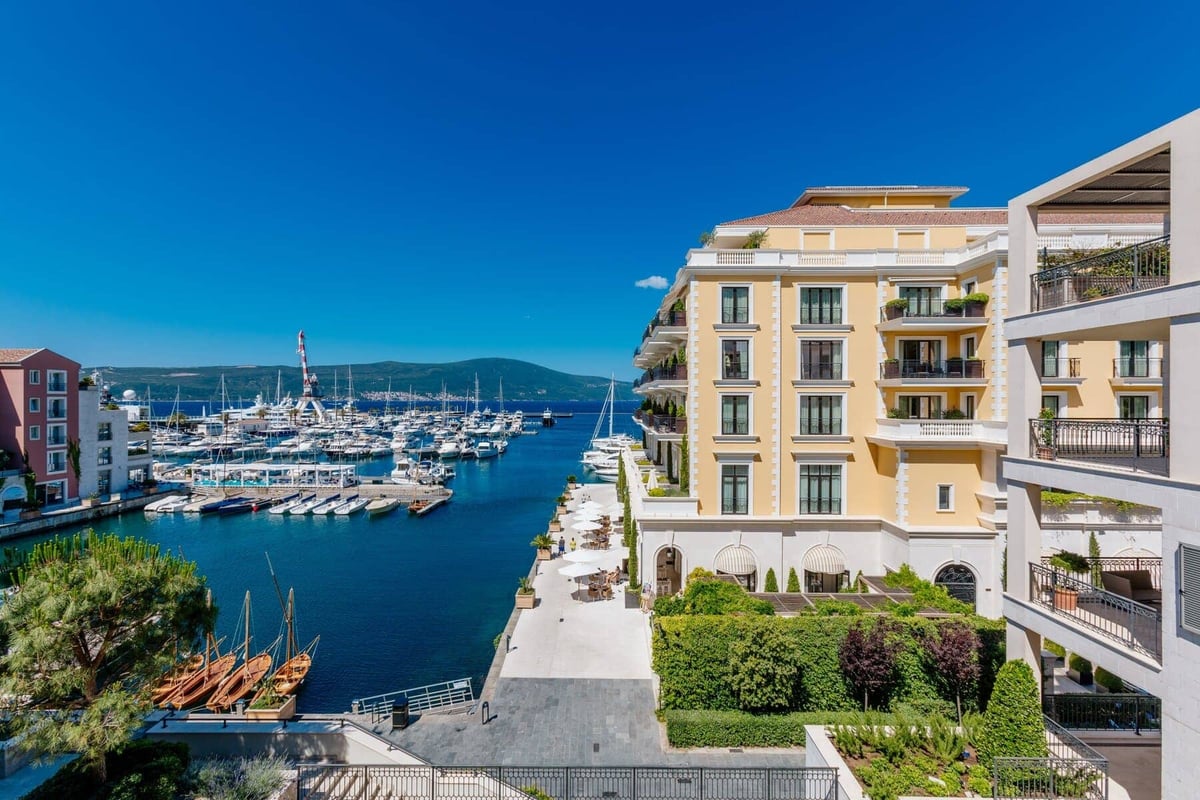
Bei reibungslosen Transaktionen mit einwandfreiem Eigentumstitel, etwa bei fertiggestellten Neubauten im Marinaviertel Porto Montenegro in Tivat, ist der Ablauf von der Vertragsunterzeichnung bis zur Eintragung des Eigentums in der Regel innerhalb von 60–90 Tagen abgeschlossen. Komplexe Transaktionen mit älterem Bestand oder strittigen Grundstücksgrenzen dauern länger. Wer diese Übersicht vor Beginn im Kopf hat, vermeidet unrealistische Erwartungen an den Zeitplan.
Rechtliche Due Diligence und der Kaufvertrag in Montenegro
Prüfung des Eigentumstitels, Belastungen und Katasterauszug
Das Immobilieneigentum in Montenegro wird im Kataster (katastar nepokretnosti) erfasst, dem Immobilienregister, das von der Immobilienverwaltung geführt wird. Jeder ernsthafte Käufer muss vor jeder Unterschrift einen amtlichen Katasterauszug einholen. Dieser Auszug bestätigt den eingetragenen Eigentümer, die rechtliche Beschreibung der Immobilie sowie alle eingetragenen Belastungen, Hypotheken, Pfandrechte, Dienstbarkeiten oder Streitigkeiten.
Montenegro Sotheby’s International Realty rät jedem Erstkäufer, vor der Unterzeichnung einer Reservierungsvereinbarung einen unabhängigen Bericht zum Eigentumstitel im Kataster in Auftrag zu geben. Allein dieser Schritt hat bei ansonsten attraktiven Angeboten nicht offengelegte Pfandrechte und nicht eingetragene Belastungen zutage gefördert – Probleme, bei denen man vor der Zahlung einer Anzahlung weit leichter vom Kauf Abstand nehmen kann als danach.
Die Küstenzone der Bucht von Kotor bringt eine weitere Ebene der Komplexität mit sich. Für Immobilien in der Nähe des UNESCO-Welterbes, das die Natur- und Kulturhistorische Region Kotor umfasst, gelten Einschränkungen bei Baugenehmigungen und Renovierungsrechten. Diese Rechte müssen vor dem Kauf – nicht danach – anhand des nationalen Planungsrechts und des örtlichen Raumplans (prostorni plan) überprüft werden.
Was Sie in einem Kaufvertrag für eine Wohnung in Montenegro erwartet
Der Vorvertrag (ugovor o kupoprodaji) ist ein verbindliches, notariell beurkundetes Dokument, das den Kaufpreis, den Zeitplan bis zum Abschluss sowie die jeweiligen Pflichten von Käufer und Verkäufer festlegt. Die übliche Anzahlung beträgt 10 % des vereinbarten Preises. Tritt der Verkäufer nach der Unterzeichnung zurück, muss er in der Regel das Doppelte der Anzahlung zurückzahlen. Tritt der Käufer ohne rechtlichen Grund zurück, verfällt die Anzahlung.
Die notarielle Beurkundung ist Pflicht. Ihr Notar (notar) überprüft die Identität beider Parteien, bestätigt den Katasterstatus und registriert das Geschäft. Die Honorare für eine unabhängige Rechtsberatung fallen gesondert an und sind jeden Euro wert: Ein örtlicher Immobilienanwalt prüft den Vertrag auf Klauseln, die bei der üblichen notariellen Beurkundung nicht auffallen, darunter Gewährleistungen, Vertragsstrafen und Abschlussbedingungen.
Wohnungsbesichtigung in Montenegro: Was Sie vor der Unterschrift prüfen sollten
Checkliste zu Bausubstanz und Baugenehmigung
Die Besichtigung vor Ort sollte vor der Unterzeichnung des Vorvertrags erfolgen, nicht danach. Gehen Sie diese Checkliste systematisch durch:
- Baugenehmigung und Nutzungsgenehmigung (upotrebna dozvola) – die Nutzungsgenehmigung bestätigt, dass das Gebäude gemäß den genehmigten Plänen errichtet wurde und rechtmäßig bewohnbar ist. Fehlt sie, ist das ein ernstes Warnsignal.
- Bauliche Substanz – Anzeichen aufsteigender Feuchtigkeit, Setzungsrisse, der Zustand des Daches bei Wohnungen im obersten Geschoss sowie der Zustand gemeinsamer tragender Bauteile.
- Versorgungsanschlüsse – bestätigter Anschluss an Wasser-, Strom- und Abwassernetz, mit Zählern, die auf das Gebäude oder den Verkäufer angemeldet sind.
- Gemeinschaftskosten – fordern Sie eine Aufstellung eventueller Rückstände bei den Instandhaltungsbeiträgen (zajednička potrošnja) an. Unbezahlte Gemeinschaftskosten können mit dem Eigentum übergehen.
- Übereinstimmung mit dem Raumplan – bestätigen Sie, dass die Grundfläche des Gebäudes der eingetragenen entspricht. Ohne Genehmigung errichtete Anbauten oder Verglasungen sind häufig und begründen eine rechtliche Haftung für den Käufer.
Prüfen Sie bei Küstenimmobilien außerdem, dass das Gebäude nicht im Meeresgut (pomorsko dobro) liegt, einem staatlichen Küstenstreifen, in dem private Eigentumsrechte eingeschränkt sind.
Hinweise zu Käufen vom Plan und Neubauten
Käufe vom Plan bieten in Montenegro attraktive Einstiegspreise, bergen jedoch ein Bauträgerrisiko. Prüfen Sie vor einer Verpflichtung die Erfolgsbilanz des Bauträgers bei früheren Fertigstellungen – Verzögerungen und Änderungen der Ausstattung sind die häufigsten Beschwerden von Käufern. Klären Sie, ob Anzahlungen der Käufer auf einem Treuhandkonto verwahrt oder direkt an den Bauträger gezahlt werden. Treuhandlösungen sind in Montenegro nicht überall üblich, verhandeln Sie diese daher ausdrücklich in den Vertrag hinein. Vergewissern Sie sich vor der Unterzeichnung, dass die Baugenehmigung (građevinska dozvola) bereits erteilt und nicht nur beantragt ist.
Währung, Finanzierung und Nebenkosten für ausländische Käufer
Finanzierung eines Wohnungskaufs in Montenegro als ausländischer Käufer
Montenegro verwendet den Euro als offizielle Währung, obwohl das Land kein EU-Mitgliedstaat ist. Damit entfällt für Käufer aus der Eurozone jegliches Wechselkursrisiko, und die Preisgestaltung wird für alle internationalen Käufer einfacher – für den Kauf selbst ist keine Währungsumrechnung erforderlich.
Bei der Finanzierung sieht es jedoch anders aus. Montenegrinische Banken bieten zwar Hypothekendarlehen für Gebietsfremde an, doch die Voraussetzungen sind streng: Kreditgeber verlangen in der Regel ein montenegrinisches Bankkonto, ein nachgewiesenes lokales oder überprüfbares ausländisches Einkommen sowie Beleihungsquoten, die nach westeuropäischen Maßstäben konservativ sind. In der Praxis finanziert die Mehrheit der internationalen Erstkäufer den Kauf aus Eigenmitteln oder nimmt im Heimatland einen Kredit gegen vorhandene Vermögenswerte auf. Käufer, die einen fremdfinanzierten Erwerb erwägen, sollten diese Gespräche mit ihrer Hausbank oder Privatbank vor Beginn der Immobiliensuche aufnehmen, nicht mitten in der Transaktion.
Zur Einordnung der für Ihre Budgetplanung relevanten Preisspannen bieten die aktuellen Preise für Luxusapartments in der Marina von Tivat und die Preisanalyse für Apartments am Wasser in Budva aktuelle Marktkennzahlen für die beiden aktivsten Küstenmärkte Montenegros.
Nebenkosten, Grunderwerbsteuer und versteckte Gebühren
Planen Sie Gesamterwerbskosten von etwa 5–7 % zusätzlich zum vereinbarten Kaufpreis ein. Die Aufschlüsselung:
- Grunderwerbsteuer – etwa 3 % des im Kataster festgestellten Werts. Dieser Wert kann vom vereinbarten Kaufpreis abweichen; die Steuerbehörde legt ihrer Berechnung den eigenen festgestellten Betrag zugrunde, der manchmal unter dem Marktpreis liegt, gelegentlich aber eine Angleichung erfordert. Überprüfen Sie den aktuellen Satz mit Ihrem Notar, bevor Sie Ihr Budget festlegen.
- Notargebühren – nach einer gestaffelten Tabelle auf Grundlage des Transaktionswerts berechnet; bei einer üblichen Wohnungstransaktion in der Regel einige hundert Euro.
- Anwaltskosten – unabhängige Rechtsberater berechnen in der Regel eine Pauschale oder einen Prozentsatz des Transaktionswerts; vereinbaren Sie Leistungsumfang und Honorar vor der Beauftragung schriftlich.
- Maklerprovision – abhängig von der Vereinbarung; klären Sie diese gleich zu Beginn mit Ihrem Makler.
- Katastergebühr – eine geringe Verwaltungsgebühr für die Eintragung der Eigentumsübertragung.
Über die genannten Posten hinaus fallen keine Stempelsteuern oder zusätzlichen kommunalen Erwerbssteuern an; planen Sie jedoch Bankgebühren ein, wenn Sie Gelder international überweisen.
Steuerliche Folgen und Aufenthaltsrecht durch den Wohnungskauf
Sobald Sie eine Wohnung in Montenegro besitzen, bestehen zwei laufende Steuerpflichten. Die jährliche Grundsteuer wird von der örtlichen Gemeinde zu Sätzen erhoben, die je nach Lage und Immobilienkategorie variieren – für Wohnungen in touristischen Küstenzonen gelten in der Regel höhere Sätze als für Wohnimmobilien im Landesinneren. Steuer auf Mieteinnahmen fällt an, wenn Sie die Immobilie vermieten; Montenegro besteuert Mieteinkünfte, und der anwendbare Satz sowie die Erklärungspflichten hängen davon ab, ob die Einkünfte im Rahmen der Einkommensteuer oder eines vereinfachten Verfahrens erklärt werden. Eine vollständige Übersicht bietet der Beitrag zu den Grundsteuerpflichten für ausländische Käufer in Montenegro mit der aktuellen Struktur der kommunalen Sätze, und die steuerlichen Aspekte von Zweitwohnsitzen für ausländische Eigentümer behandeln die Lage von Käufern, die in Montenegro nicht steuerlich ansässig sein werden.
Beim Wiederverkauf sind Veräußerungsgewinne in Montenegro steuerpflichtig. Der Gewinn wird als Differenz zwischen Verkaufspreis und Anschaffungskosten berechnet, wobei bestimmte Abzüge zulässig sind. Die Haltedauer beeinflusst die steuerliche Behandlung, daher sollten Käufer mit mittelfristigem Anlagehorizont dies in ihre Erwerbsplanung einbeziehen.
Der Vorteil beim Aufenthaltsrecht ist erheblich und wird oft unterschätzt. Der Erwerb einer beliebigen Immobilie in Montenegro berechtigt den ausländischen Eigentümer, auf Grundlage des Immobilieneigentums eine befristete Aufenthaltserlaubnis zu beantragen. Die Erlaubnis ist jährlich verlängerbar und gewährt das Recht, sich über längere Zeiträume in Montenegro aufzuhalten, örtliche Bankkonten zu eröffnen und weitere behördliche Rechte in Anspruch zu nehmen. Sie führt nicht automatisch zu einem Daueraufenthalt oder zur Staatsbürgerschaft, ist aber ein spürbarer Vorteil für Lebensqualität und Alltag. Den gesamten Ablauf beschreibt der Beitrag wie Sie durch Immobilieneigentum eine Aufenthaltserlaubnis in Montenegro erhalten einschließlich der Antragsvoraussetzungen und des Zeitrahmens.
Käufer, die die finanzielle Seite neben dem Lebensgefühl abwägen, finden hilfreichen Kontext im Beitrag über die Renditen von Immobilieninvestitionen in der Bucht von Kotor 2026.
Fehler von Erstkäufern bei Immobilien in Montenegro: So vermeiden Sie sie
Die fünf häufigsten Fallstricke und wie Sie sie jeweils umgehen:
1. Verzicht auf unabhängige Rechtsberatung. Manche Käufer verlassen sich ausschließlich auf den Notar des Verkäufers oder den vom Bauträger empfohlenen Anwalt. Die Aufgabe eines Notars ist es, das Geschäft zu beurkunden, nicht Ihre Interessen zu vertreten. Beauftragen Sie einen eigenen, unabhängigen montenegrinischen Immobilienanwalt vor der Reservierung, nicht erst, wenn Probleme auftreten.
2. Kauf nicht legalisierter Bauten. Wohnungen in Gebäuden ohne gültige Nutzungsgenehmigung oder mit ungenehmigten Anbauten gibt es überall auf dem montenegrinischen Küstenmarkt. Wer eine solche Wohnung kauft, übernimmt ein Legalisierungsverfahren, das Jahre dauern kann und keinen Erfolg garantiert. Prüfen Sie immer vor der Unterzeichnung, ob die Nutzungsgenehmigung vorliegt.
3. Unterschätzung der gesamten Erwerbskosten. Erstkäufer planen häufig nur den Kaufpreis ein und werden dann von Grunderwerbsteuer, Anwaltskosten, Notargebühren und Eintragungsgebühren überrascht. Rechnen Sie vom ersten Tag an mit 5–7 % zusätzlich zum Kaufpreis.
4. Vernachlässigung der Gemeinschaftskosten. Unbezahlte Instandhaltungsbeiträge und Versorgungsrückstände, die an einer Immobilie haften, können zur Verbindlichkeit des Käufers werden. Fordern Sie eine förmliche Kontoaufstellung über alle Gemeinschaftskosten für mindestens die letzten 12 Monate an. Machen Sie die Begleichung etwaiger Rückstände zur Bedingung für den Abschluss.
5. Falsche Einschätzung des Zeitplans. Käufer, die schnellere Märkte gewohnt sind, drängen mitunter auf einen Abschluss, bevor die Due Diligence tatsächlich beendet ist. In Montenegro werden gerade bei überstürzten Transaktionen Probleme übersehen. Planen Sie realistisch 90 Tage vom Vertrag bis zur Eintragung des Eigentums ein und sehen Sie mehr Zeit für jede Transaktion vor, bei der der Kataster- oder Genehmigungsstatus nicht sofort eindeutig ist.
Für ortsspezifische Hinweise übertragen der umfassende Käuferleitfaden für Apartments am Wasser in der Bucht von Kotor und der Beitrag über Luxusapartments in Budva für internationale Käufer diese Grundsätze auf die beiden begehrtesten Küstenabschnitte Montenegros.
Diese Phasen allein zu bewältigen ist möglich, bringt aber zusätzlichen Aufwand und Risiken in einen Prozess, der eigentlich eine lohnende Erfahrung sein sollte. Das Team von Montenegro Sotheby’s International Realty begleitet internationale Erstkäufer in jeder Phase – von der Vorauswahl von Immobilien, die Ihren rechtlichen und persönlichen Kriterien entsprechen, bis zur Koordination von Due Diligence, Rechtsberatung und Eintragung des Eigentums. Kontaktieren Sie uns für eine persönliche Käuferberatung, und lassen Sie sich von uns von der ersten Suche bis zu dem Moment begleiten, in dem Sie die Schlüssel in den Händen halten.

Verwandte Beiträge
EU-Käufer entscheiden sich aus fünf klaren Gründen für Montenegro: eine Küste mit tatsächlich
Wenn Sie sich nach Immobilien am Meer in Montenegro umsehen, sollten Sie zuerst