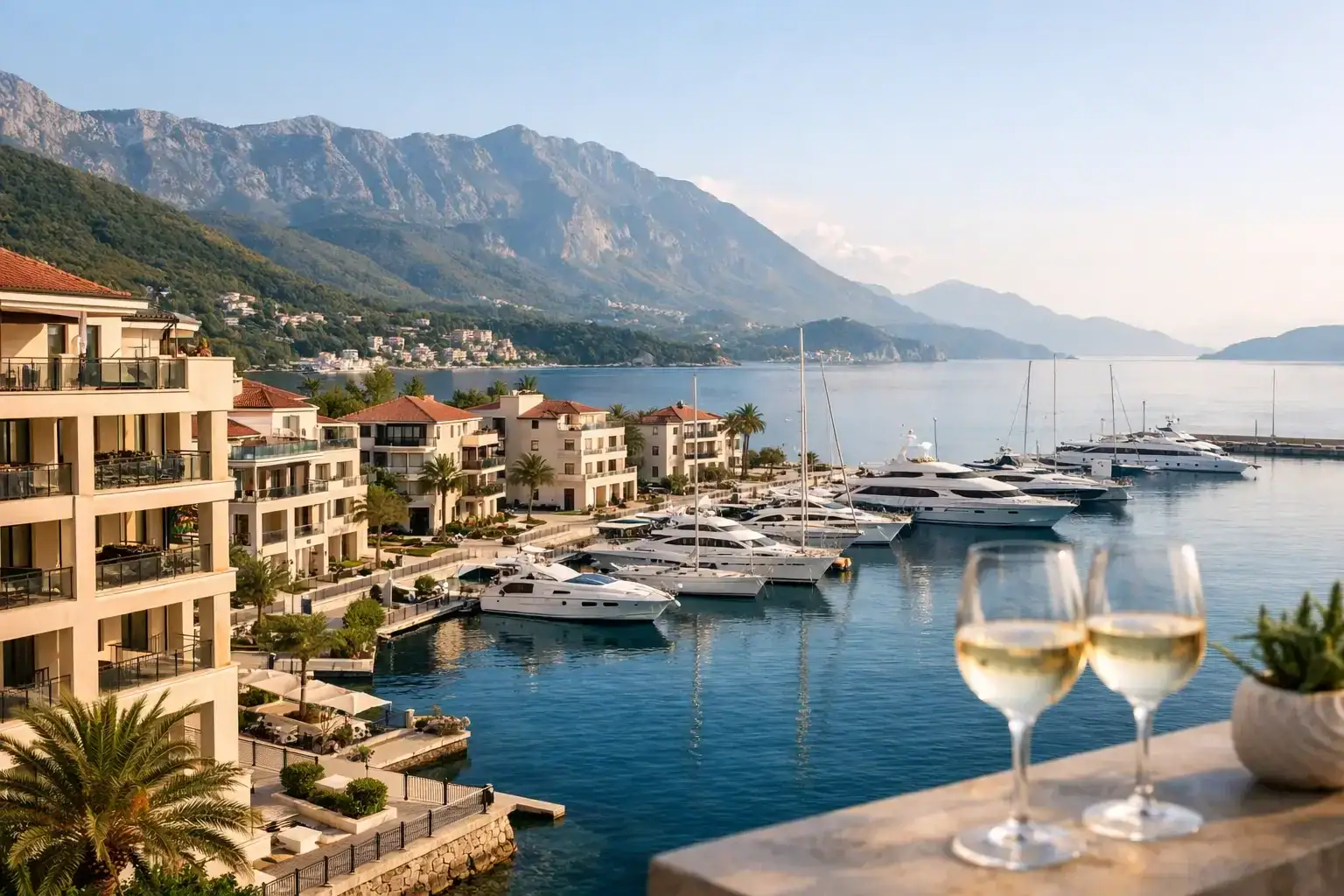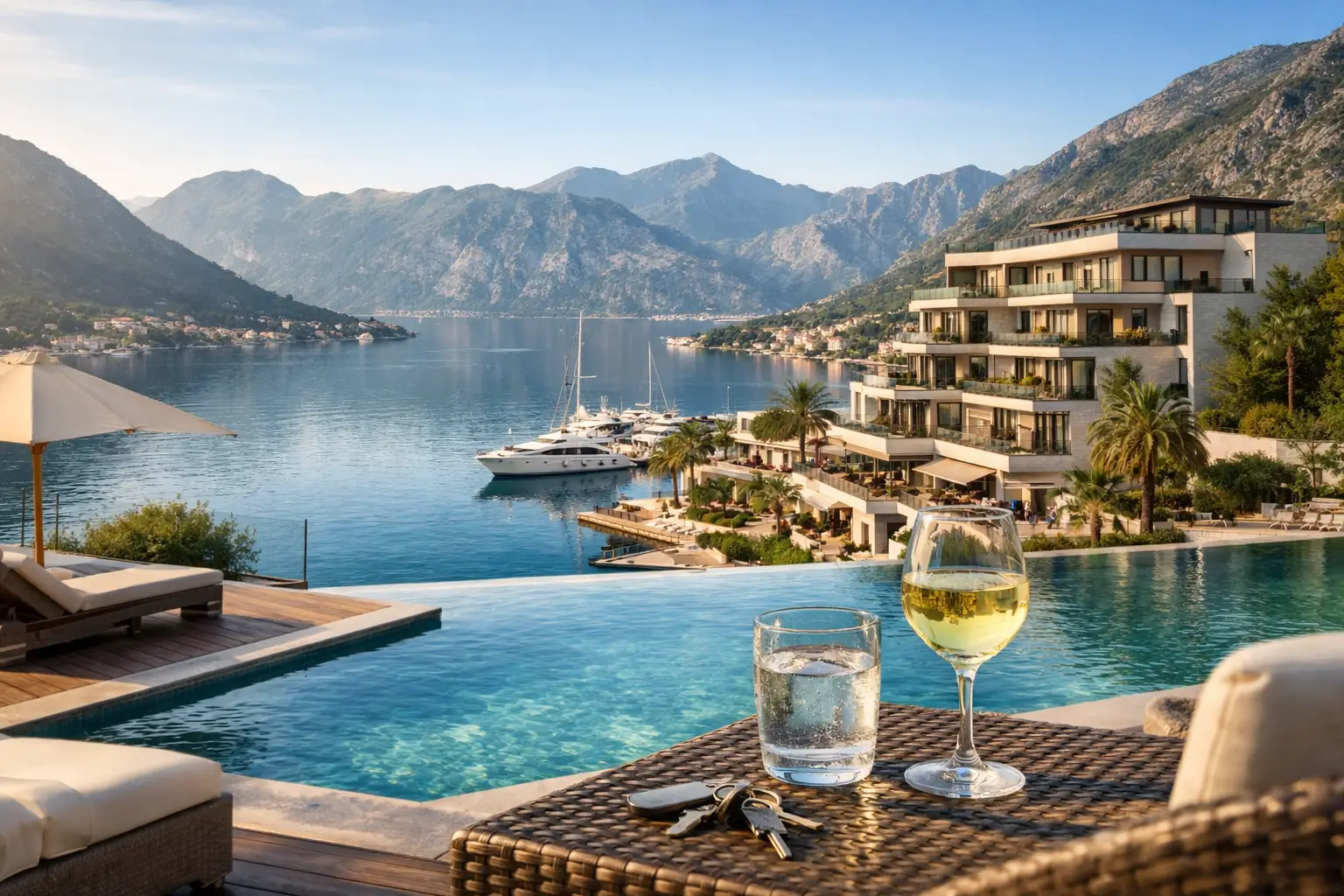





Eine Wohnung mit Meerblick in Montenegro kann auf den ersten Blick mühelos erscheinen – eine Marina darunter, eine private Terrasse darüber und eine polierte Verkaufspräsentation dazwischen. Doch der Unterschied zwischen einem schönen Kauf und einem gut durchdachten Kauf liegt oft in Details, die bei der ersten Besichtigung weniger sichtbar sind. Dieser Leitfaden zum luxuriösen Apartmentkauf in Montenegro richtet sich an Käufer, die sowohl Lifestyle-Appeal als auch disziplinierte Entscheidungsfindung wünschen.
Für viele internationale Käufer nimmt Montenegro eine seltene Position ein. Es bietet Leben am Adriaufer, ein wachsendes Luxusprofil und einen Markt, der sich im Vergleich zu gesättigteren mediterranen Destinationen noch in einem früheren Reifestadium befindet. Das schafft Möglichkeiten, bedeutet aber auch, dass Käufer jede Wohnung sorgfältig prüfen sollten. Nicht jede erstklassige Adresse erfüllt denselben Zweck, und nicht jede beeindruckende Residenz bietet denselben langfristigen Wert.
Wie man diesen Luxus-Apartment-Kaufberater Montenegro benutzt
Beginnen Sie mit der Frage hinter dem Kauf. Eine Residenz für den privaten Sommergebrauch, ein Zweitwohnsitz mit Fokus auf den Yachthafen und eine investitionsgetriebene Akquisition können alle auf unterschiedliche Immobilien hinweisen. Käufer beginnen manchmal mit Ästhetik – Fassade, Ausstattungsmerkmale, Markenassoziationen –, aber der effektivere Ansatz ist, zuerst die Rolle der Immobilie zu definieren und dann Standort, Bauqualität, rechtliche Klarheit und das Wiederverkaufsprofil durch diese Brille zu bewerten.
Dies ist besonders relevant für Montenegros luxuriösen Küstenmarkt, wo das Angebot von Markenresidenzen und Ferienwohnungen bis hin zu ruhigeren Gebäuden am Wasser und Entwicklungen an den Hängen mit Panoramablick reicht. Zwei Wohnungen zu einem ähnlichen Preis können je nach Zugang, Managementqualität, Mieterattraktivität und zukünftigem Angebot in der Umgebung sehr unterschiedlich performen.
Wählen Sie den richtigen Standort, bevor Sie die richtige Wohnung wählen
In der Luxusimmobilienbranche ist die Lage niemals eine generische Checkbox. Sie prägt den Rhythmus des Eigentums, die Tiefe der Nachfrage und die Widerstandsfähigkeit des Wertes im Laufe der Zeit.
Porto Montenegro
Porto Montenegro zieht Käufer an, die einen polierten Lebensstil in einer Marina, erstklassige Dienstleistungen und ein internationales Wohnumfeld suchen. Apartments hier sprechen häufig Yachteigner, saisonale Bewohner und Käufer an, die Wert auf fußläufige Erreichbarkeit, Einzelhandel, Gastronomie und eine professionell geführte Umgebung legen. Der Kompromiss besteht darin, dass man für ein stark etabliertes Luxus-Ökosystem bezahlt. Daher sollte sich die Wertschätzung auf die Position des Gebäudes, den Schutz der Aussicht und den genauen Charakter der Residenz konzentrieren und nicht nur auf die Adresse allein.
Luštica-Bucht
Luštica-Bucht spricht Käufer an, die eine geplantere, weniger dichte Umgebung mit Resort-Atmosphäre bevorzugen. Dies kann besonders attraktiv für Familien und diejenigen sein, die ein ruhigeres Zweitwohnsitzerlebnis mit moderner Infrastruktur suchen. Hier stellt sich die richtige Frage nicht nur, was die Wohnung heute bietet, sondern wie sich das breitere Reiseziel entwickelt und wie zukünftige Bauphasen Komfort, Atmosphäre und Preisentwicklung beeinflussen könnten.
Portonovi
Portonovi zeichnet sich durch Markenluxus, Wasserfrontlage und eine sorgfältig kuratierte Umgebung aus. Für einige Käufer bietet dies Komfort, Prestige und ein stärkeres Mietinteresse im oberen Marktsegment. Für andere mag es eher gastgewerblich als wohnlich anmuten. Keine der beiden Optionen ist per se besser – es hängt davon ab, ob Sie einen privaten Rückzugsort, eine mietbare Anlage oder einen Wohnsitz mit ganzjähriger Serviceintensität wünschen.
Bucht von Kotor und Budva Riviera
Die Bucht von Kotor zieht oft Käufer an, die von historischem Erbe, dramatischer Landschaft und einer atmosphärischeren Küstenlage angezogen werden. Die Riviera von Budva hingegen kann mehr Energie, Strandzugang und eine breitere saisonale Nachfrage bieten. Apartments in diesen Gebieten erfordern eine intensivere Objektprüfung, da Qualität und Lage von Mikrolage zu Mikrolage erheblich variieren können.
Was definiert ein wirklich erstklassiges Luxusapartment?
Ein Premiumpreis sollte durch mehr als nur Design-Oberflächen gestützt werden. Auf dem gehobenen Markt Montenegros beruht echte Qualität normalerweise auf einer Kombination aus Lage, Privatsphäre, Management und Langlebigkeit.
Der erste Faktor ist die Orientierung und die Sicherheit der Aussicht. Ein weiter Wasserblick ist wertvoll, aber ebenso wichtig ist die Einschätzung, ob dieser Blick geschützt ist oder durch nahegelegene Bebauung gefährdet werden kann. Eine Wohnung in einem niedrigeren Stockwerk kann wunderschön gestaltet sein und dennoch zukünftiger Exposition ausgesetzt sein, wenn umliegende Grundstücke bebaut werden.
Der zweite Punkt sind Baustandards. Käufer sollten über attraktive Gemeinschaftsbereiche hinausblicken und praktische Fragen zur Bauqualität, Schalldämmung, Wartungssystemen, Parkplätzen, Sicherheit und Hausverwaltung stellen. Bei Lifestyle-orientierten Entwicklungen können die Servicestandards den Genuss, die Mietrendite und die spätere Wiederverkaufskraft direkt beeinflussen.
Der dritte Punkt ist die Effizienz des Grundrisses. Luxuskäufer konzentrieren sich tendenziell auf Terrassen, Deckenhöhe und Oberflächenmaterialien, was wichtig ist, aber Zirkulation, Stauraum, Privatsphäre der Gäste und natürliches Licht sind genauso wichtig. Eine größere Wohnung ist nicht immer das bessere Gut, wenn der Grundriss beeinträchtigt ist oder der Außenbereich kein nutzbares Verhältnis aufweist.
Finanzielles Denken im oberen Marktsegment
Luxusanschaffungen sind oft emotional, aber erfahrene Käufer wissen, dass Disziplin am wichtigsten ist, wenn man sich leicht in eine Immobilie verliebt.
Der Preis pro Quadratfuß ist nur im Kontext nützlich. Eine Residenz mit besserer Frontlage, stärkerer Mietattraktivität, überlegenem Management und einer geschützteren Aussicht kann einen erheblichen Aufpreis gegenüber einer anderen Wohnung im selben Stadtteil rechtfertigen. Gleichzeitig sollten Käufer vorsichtig sein, wenn sie rein für Neuheit oder Markenbildung zahlen, wenn die zugrunde liegenden Fundamentaldaten weniger überzeugend sind.
Betriebskosten verdienen frühzeitige Aufmerksamkeit. Servicegebühren, Wartungspflichten, Parkgebühren und Managementstrukturen können sich zwischen verschiedenen Entwicklungen erheblich unterscheiden. In einigen Fällen bietet eine voll ausgestattete Residenz hervorragenden Komfort und Vermietungsbereitschaft. In anderen Fällen können höhere laufende Kosten die Effizienz verringern, wenn die Immobilie hauptsächlich als langfristige Anlage gedacht ist.
Das Vermietungspotenzial sollte ebenfalls ehrlich eingeschätzt werden. Einige Wohnungen eignen sich gut als saisonale Luxusvermietungen, insbesondere solche in Yachthafen- oder Resortanlagen mit starker Gästeinfrastruktur. Andere sind besser für den privaten Gebrauch und gelegentliche Vermietung geeignet. Ein realistischer Vermietungsausblick hängt von der Art der Einheit, den Hausregeln, der Saisonalität und der Tiefe des vergleichbaren Angebots in der Nähe ab.
Due Diligence, die sowohl den Lebensstil als auch das Kapital schützt
Ein sorgfältiger Kaufprozess sollte beruhigend und nicht umständlich wirken. Dennoch dürfen Käufer eine elegante Präsentation niemals mit abgeschlossener Sorgfalt verwechseln.
Eine rechtliche Prüfung ist unerlässlich. Eigentümerstatus, Klarheit des Titels, Baugenehmigungen, Nutzungsrechte und spezifische Entwicklungsverpflichtungen sollten von qualifizierten lokalen Anwälten gründlich geprüft werden. Dies ist besonders wichtig für internationale Käufer, die möglicherweise mit Transaktionsprozessen, Eigentümerstrukturen oder Dokumentationsnormen nicht vertraut sind.
Ebenso wichtig ist es zu verstehen, was genau im Kauf enthalten ist. Bei einigen Luxuswohnungen können Parkplätze, Lagerflächen, Einrichtungsgegenstände, Bootsliegeplätze oder der Zugang zu Annehmlichkeiten anders strukturiert sein als erwartet. Die Klärung dieser Details im Voraus vermeidet spätere Reibereien und hilft, Möglichkeiten genau zu vergleichen.
Wenn sich die Wohnung in einem Resort oder einer Markenanlage befindet, sollten Käufer die Verwaltungsbestimmungen, die Mietprogrammstuktur (falls relevant) und etwaige Beschränkungen für die Belegung oder Vermietung prüfen. Prestige kann den Wert steigern, bringt aber auch Betriebsrahmen mit sich, die mit Ihrer beabsichtigten Nutzung übereinstimmen sollten.
Mit Investorenaugen betrachten
Eine Privatbesichtigung sollte mehr beantworten als die Frage, ob sich die Wohnung attraktiv anfühlt. Sie sollte enthüllen, wie die Immobilie genutzt wird, welche Leistung sie bringt und wie sie sich im Laufe der Zeit entwickelt.
Achten Sie auf das Ankunftserlebnis, nicht nur auf die Wohnanlage selbst. Die Zufahrtsstraße, der Parkplatz, die Eingangsabfolge und die Gemeinschaftsbereiche prägen den täglichen Besitz und die Wahrnehmung der Gäste. Im Luxusimmobilienbereich kann eine schlechte Ankunft einen starken Innenraum leise untergraben.
Beobachten Sie die Entwicklung in Echtzeit. Ein Gebäude mag auf Fotos gut aussehen, aber in echt Lärmbelästigung, eingeschränkte Privatsphäre oder inkonsistente Instandhaltung offenbaren. Wenn möglich, besichtigen Sie zu verschiedenen Tageszeiten. Morgendliches Licht, die Nachmittagssonne, Verkehrsfluss und Bootsverkehr im Yachthafen können das Erlebnis spürbar verändern.
Fragen Sie direkt nach Nachbargrundstücken und zukünftigen Bauvorhaben. In einem sich noch entwickelnden Markt kann die nahegelegene Bebauung ein Gebiet aufwerten – oder den Charakter verändern, der die Wohnung ursprünglich attraktiv machte.
Warum die Vertretung bei grenzüberschreitenden Käufen wichtig ist
Internationale Käufer brauchen selten mehr Informationen. Sie brauchen gefilterte, verlässliche Orientierung. Dort macht eine starke Vertretung einen bedeutsamen Unterschied.
Eine gut durchdachte Suche sollte den Markt schnell eingrenzen, unpassende Angebote aussortieren und jede Gelegenheit anhand Ihrer Prioritäten bewerten. Sie sollte auch Nuancen aufdecken, die Online-Listings nicht erfassen können, wie zum Beispiel den Unterschied zwischen einer prestigeträchtigen Adresse und einer wirklich überlegenen Wohnung innerhalb dieser Adresse.
Für viele Käufer mit hohem Nettovermögen ist Zeit der knappste Vermögenswert in der Transaktion. Die Zusammenarbeit mit einem erfahrenen Luxusmakler wie Sotheby's International Realty Montenegro kann den Prozess präziser gestalten, insbesondere wenn die Auswahl des engeren Kreises, die Interpretation des lokalen Marktes und die Koordination des Kaufs ebenso wichtig sind wie der Zugang zu Lagerbeständen.
Die erfolgreichsten Käufe in Montenegro sind selten die schnellsten oder impulsivsten. Es sind diejenigen, bei denen Immobilie, Lage und Eigentümerstruktur klar mit den übergeordneten Zielen des Käufers übereinstimmen. Wenn Sie mit Klarheit, Geduld und fundierter Beratung an die Suche herangehen, wird sich die richtige Wohnung aus den richtigen Gründen überzeugend anfühlen – nicht nur am Besichtigungstag, sondern auch in den folgenden Jahren.