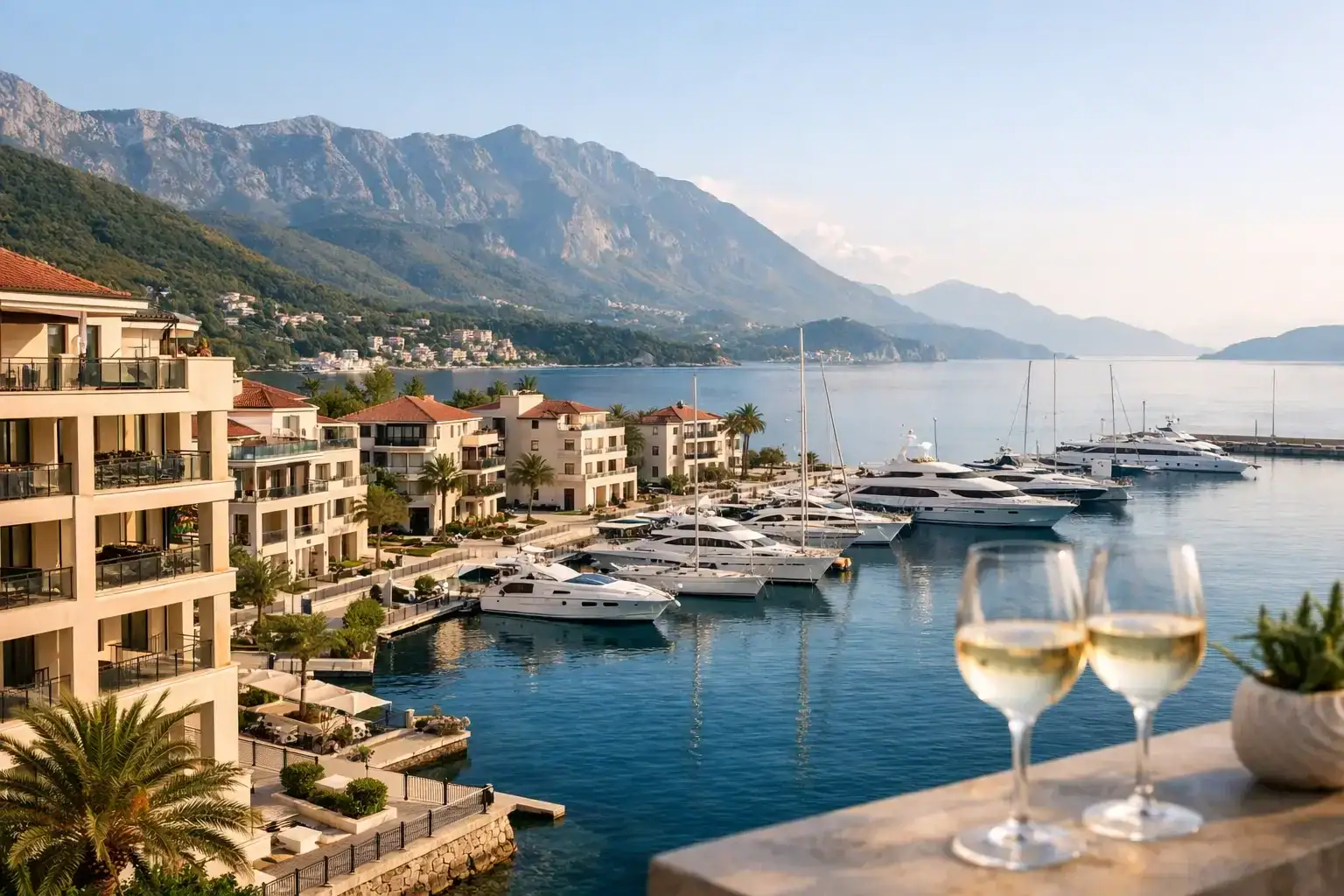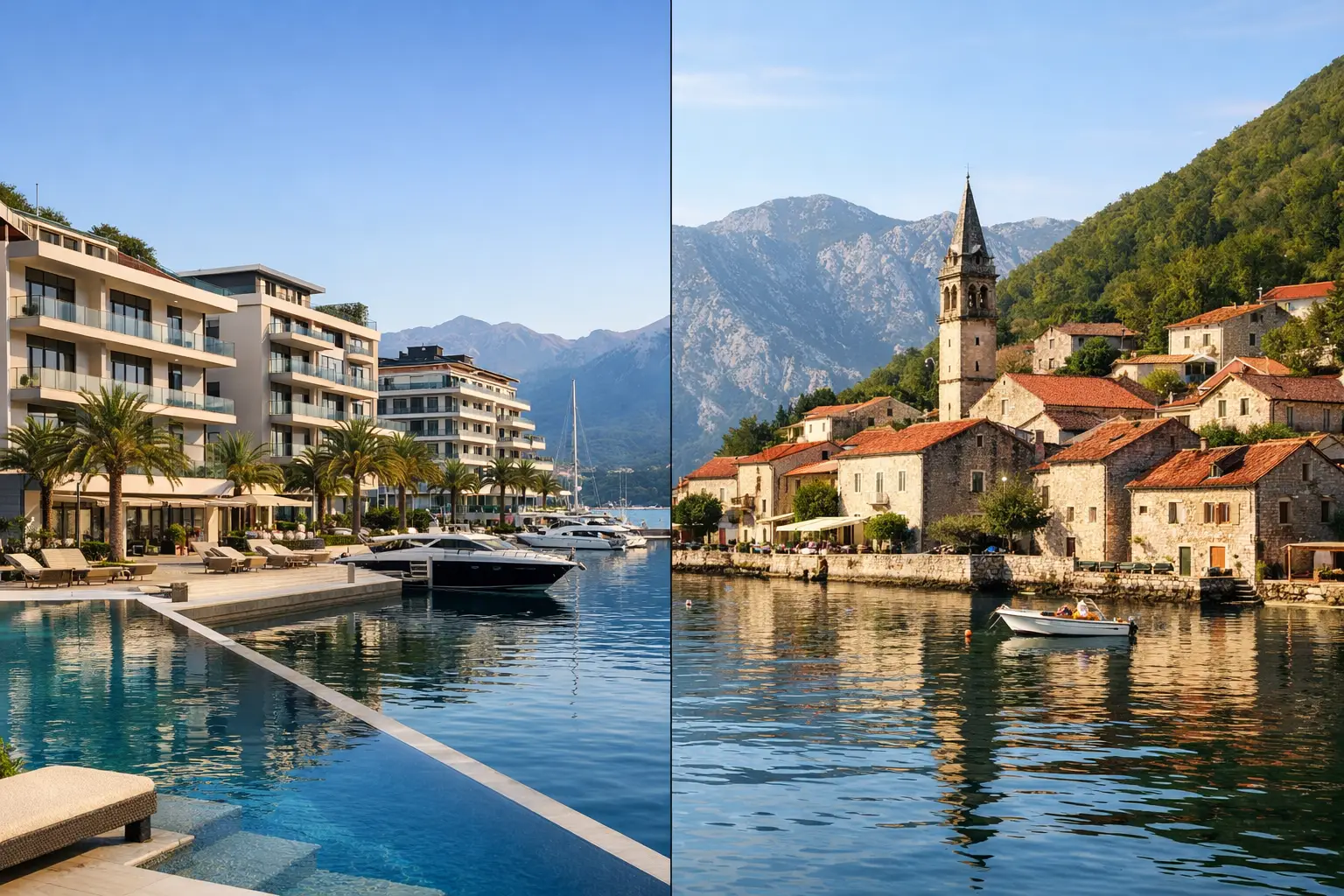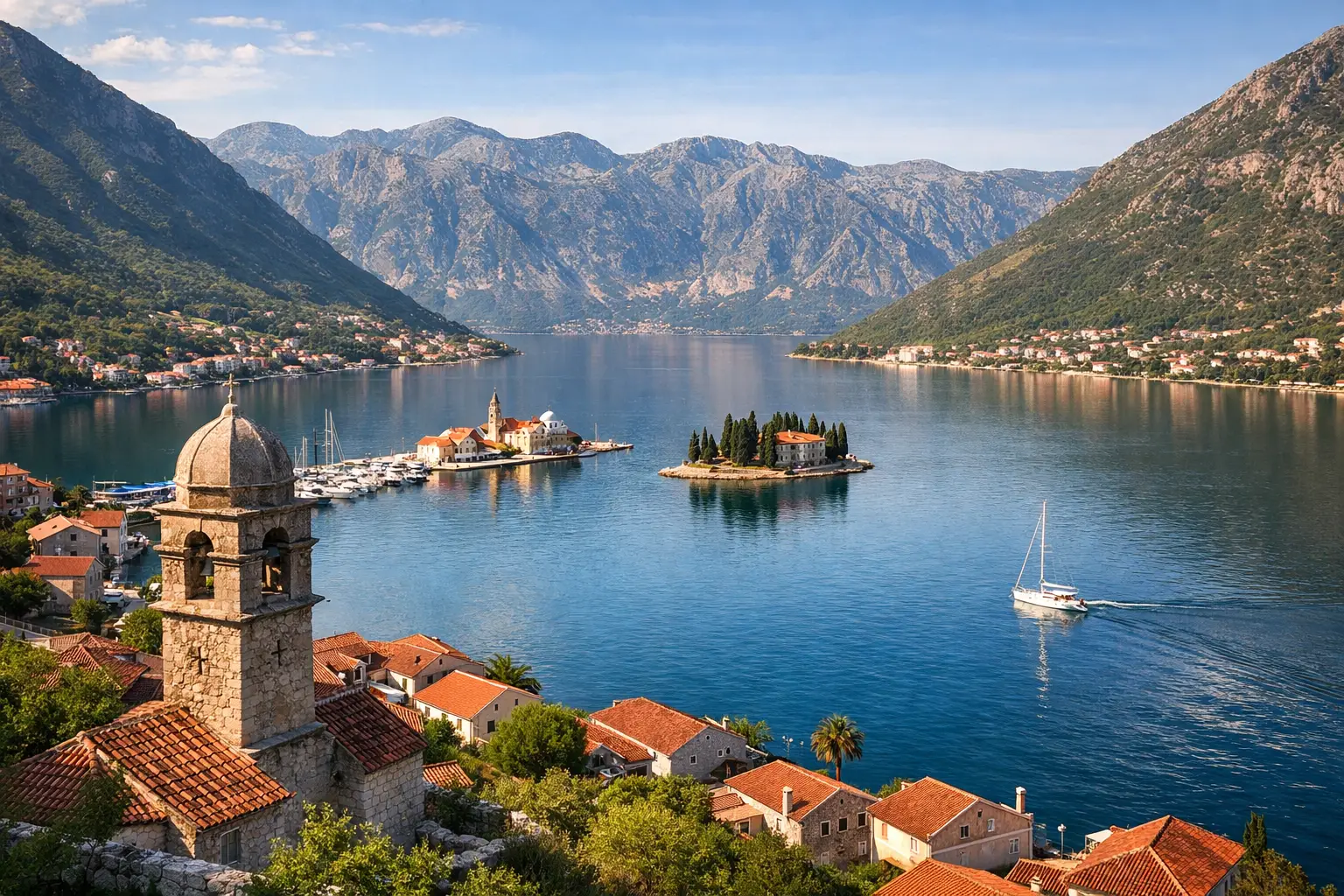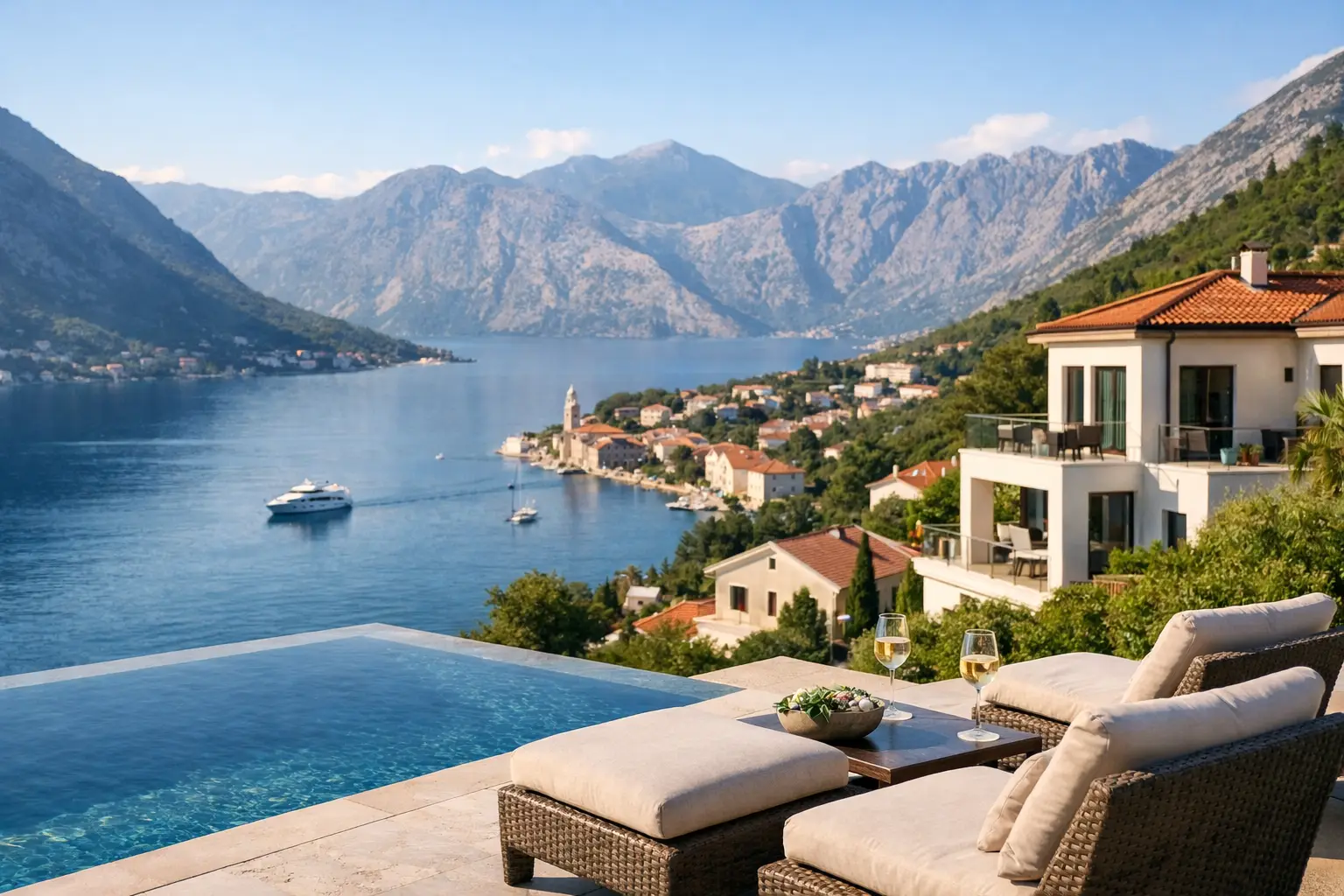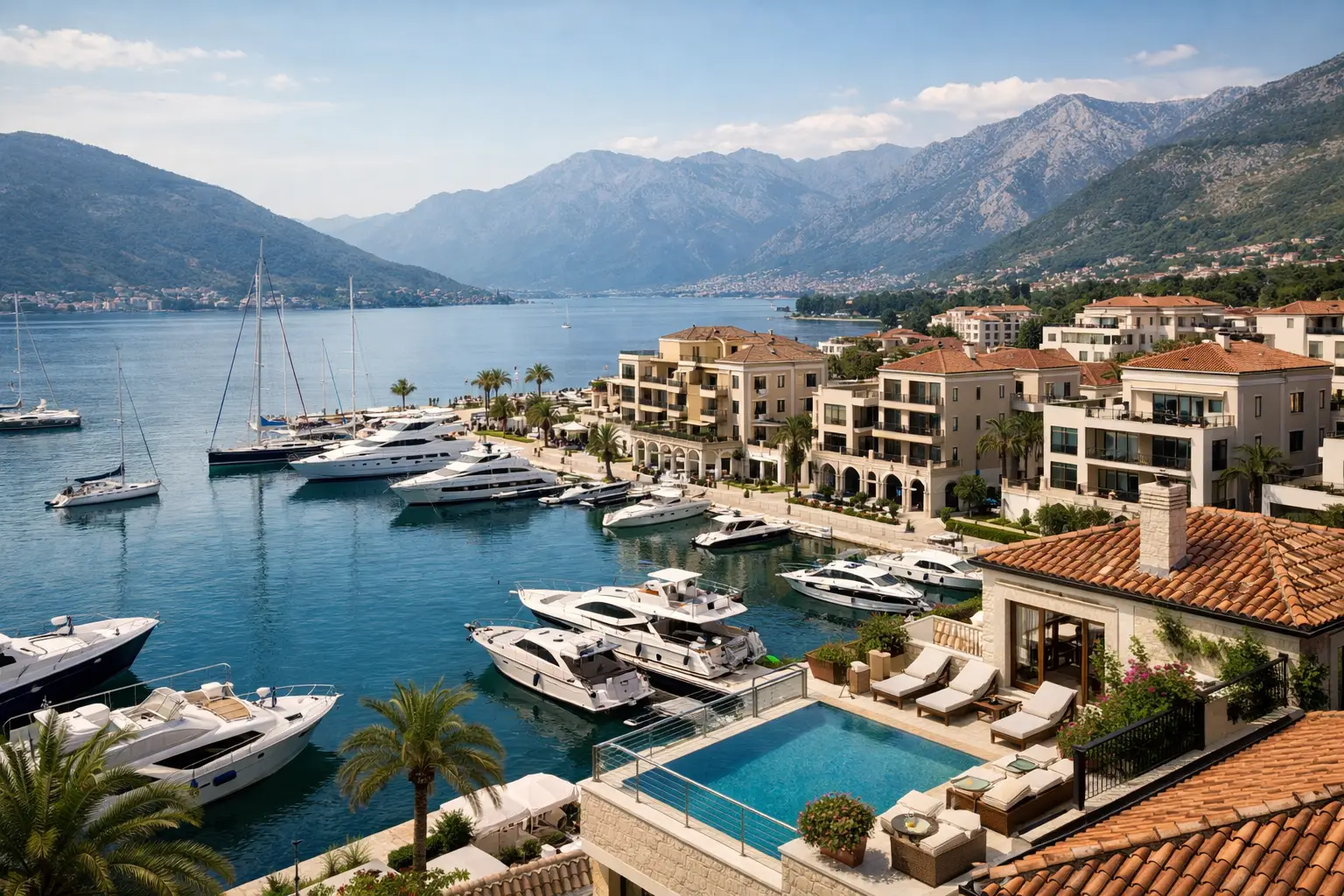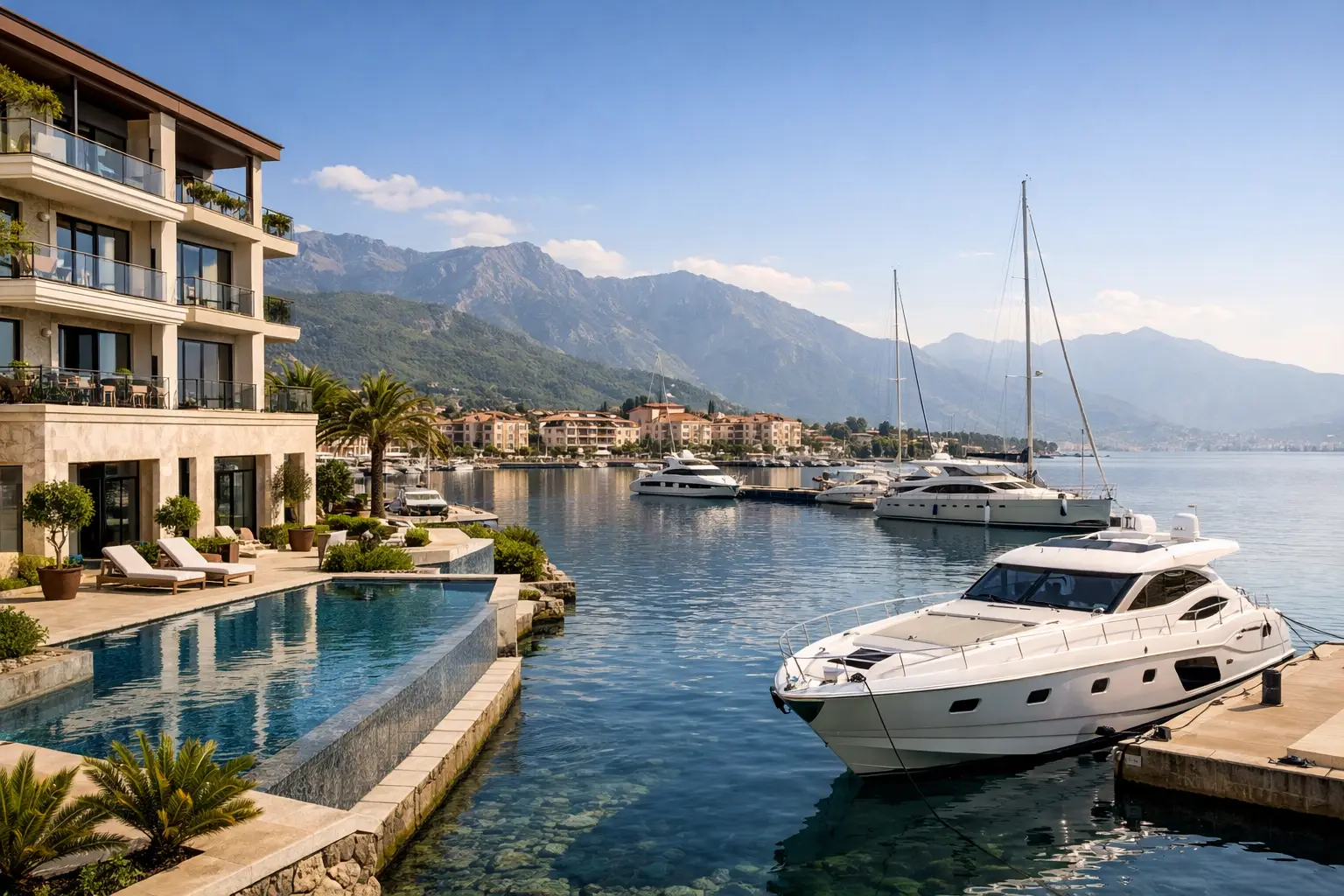





A waterfront villa in the Bay of Kotor or a branded residence in Porto Montenegro rarely becomes available at the exact moment your capital is sitting in the ideal structure. That is why understanding how to finance Montenegro luxury home purchases matters early, not after you have found the right property. In this market, timing, liquidity, banking relationships, and transaction structure often shape the deal as much as price.
For high-net-worth buyers, financing a luxury property in Montenegro is less about chasing the lowest rate and more about choosing the right capital strategy. Some buyers prefer a clean cash acquisition for speed and negotiating leverage. Others preserve liquidity through private banking facilities, asset-backed lending, or carefully structured cross-border borrowing. The best route depends on where your wealth is held, your tax residency, the property type, and how quickly you want to close.
How to finance Montenegro luxury home purchases wisely
The first distinction to make is simple: are you buying with domestic financing, international financing, or existing liquidity? In practice, many luxury buyers use one of three approaches. They either purchase fully in cash, borrow against assets held elsewhere, or secure a mortgage or lending facility through a bank willing to support a cross-border real estate purchase.
Cash remains common at the top end of the market because it reduces execution risk. Sellers of prime homes often favor buyers who can move decisively, especially for rare waterfront properties, marina residences, and new-build inventory in sought-after developments. A cash position can also strengthen negotiating power, but it comes with an obvious trade-off. Capital tied up in property is capital no longer available for business, investment, or portfolio diversification.
That is why many sophisticated buyers look beyond the simple cash-versus-mortgage question. They look at the cost of capital, the opportunity cost of liquidity, currency exposure, and whether a property is intended primarily as a lifestyle asset, an income-producing investment, or part of a longer-term relocation plan.
The most common ways affluent buyers finance
For international clients, financing often starts outside Montenegro rather than within it. Private banks frequently offer lending against liquid portfolios, investment accounts, or broader wealth positions. This can be attractive because underwriting may be based more on your overall balance sheet and relationship history than on the local property alone. It also allows you to complete a purchase without waiting for a local mortgage process that may be more document-heavy or narrower in scope.
A second route is a mortgage or real estate loan arranged through a regional or local bank. Availability depends on the borrower profile, nationality, source of funds, income verification, and the nature of the property. Banks are generally more comfortable with clearly titled, completed properties in established locations than with complex land acquisitions or highly bespoke development scenarios. Financing terms can vary significantly, so assumptions based on your home market are rarely reliable here.
A third option is bridging or short-term finance. This can suit buyers who want to secure a property immediately while reorganizing liquidity, selling another asset, or refinancing later through a different structure. It is effective when timing is critical, though the cost of short-term capital is usually higher and should be weighed carefully.
What lenders and advisors will want to see
If you are evaluating how to finance Montenegro luxury home acquisitions efficiently, document readiness is a major advantage. Whether you work with a private bank or a local lender, expect close review of identity documents, proof of funds, source of wealth, tax residency, income or asset statements, and the ownership structure of the purchasing entity if one is involved.
On the property side, the bank or advisor will typically assess title clarity, planning and permitting where relevant, valuation support, and the marketability of the asset. This is especially important in luxury markets where no two homes are truly identical. A contemporary villa in Luštica Bay, a sea-facing apartment in Portonovi, and a heritage-style residence in the Bay of Kotor may all sit at similar price points while presenting very different underwriting profiles.
For that reason, financing should never be separated from due diligence. A property that is easy to love architecturally may not be equally simple to finance. Buyers who engage legal and advisory support early tend to avoid delays that can compromise negotiations later.
Property type affects your financing options
Completed apartments and branded residences in internationally recognized developments are often the most straightforward to finance because they offer transparency, established comparables, and strong resale appeal. Standalone villas can also finance well, provided title, access, and documentation are clear.
Land, renovation projects, and partially completed properties are more nuanced. Some lenders view them as higher risk, which may mean lower loan-to-value ratios, stricter terms, or no financing at all. If your goal is design freedom or development upside, that may still be worthwhile, but it should be part of the calculation from the start.
Currency and residency questions matter
Many buyers earn in one currency, hold wealth in another, and purchase in euros. That creates a practical issue: financing may appear attractive until exchange rate shifts change the true cost of ownership. If your liabilities and income are mismatched by currency, ask whether hedging or a different borrowing base would make more sense.
Residency status also matters. Some banks are more receptive to clients from certain jurisdictions or with existing regional ties. Others may require a larger equity contribution from non-residents. This is not unusual in cross-border real estate, but it reinforces why pre-qualification should happen before you make an offer, not after.
Costs beyond the purchase price
Luxury buyers rarely underestimate the property itself. They more often underestimate the total capital needed around the purchase. Depending on the transaction, you may need to account for transfer tax or VAT treatment, legal fees, notary and registration expenses, banking costs, valuation fees, and any setup costs if an ownership structure is being used.
Then come the practical ownership expenses. In prime developments, service charges, marina access, maintenance, security, and property management can be meaningful annual line items. For a second home or investment property, these costs may be entirely acceptable, but they should still be modeled before financing is finalized. A low leverage strategy paired with underestimated carrying costs can be less efficient than a slightly higher leverage strategy designed around real annual ownership outlay.
How to choose the right financing strategy
There is no universal best answer to how to finance Montenegro luxury home purchases because the right structure depends on what you want the property to do for you. If it is a personal retreat and legacy asset, simplicity and speed may outweigh leverage. If it is part of a broader investment thesis, preserving liquidity may matter more. If relocation is part of the picture, banking and ownership decisions should align with your wider residency, estate, and tax planning.
This is where experienced local guidance becomes valuable. The strongest purchase strategies usually combine market insight with practical coordination across agent, lawyer, banker, and advisor. A buyer may arrive focused on rate alone and leave realizing that timing, documentation, and asset structure are the real drivers of a successful deal.
In premium destinations such as Porto Montenegro, Luštica Bay, Portonovi, and select waterfront areas along the Budva Riviera and Bay of Kotor, desirable properties can move quickly when pricing and presentation align. Buyers who already understand their financing route are in a far stronger position to act with confidence.
A smarter timeline for financing a luxury home
The ideal time to start financing discussions is before your property search becomes highly specific. Early conversations help define budget realistically, identify any jurisdictional limitations, and surface documentation requirements before they become urgent. They also allow you to compare structures calmly rather than making decisions under the pressure of a live negotiation.
Once you identify a target property, the process becomes more precise. Valuation, legal review, reservation terms, deposit timing, and lender conditions all need to fit together. Delays in one area can affect the entire transaction. That is particularly relevant in the luxury segment, where sellers expect well-prepared counterparties and where distinctive homes do not always wait for financing to catch up.
Sotheby’s International Realty Montenegro often sees that the smoothest acquisitions come from buyers who treat financing as part of acquisition strategy, not a separate banking exercise. It is a subtle distinction, but an important one.
A well-bought luxury home should feel considered from every angle, including how it was funded. The right financing structure does more than help you complete a purchase. It protects flexibility, supports long-term ownership, and lets the property play the role you intended from the beginning.