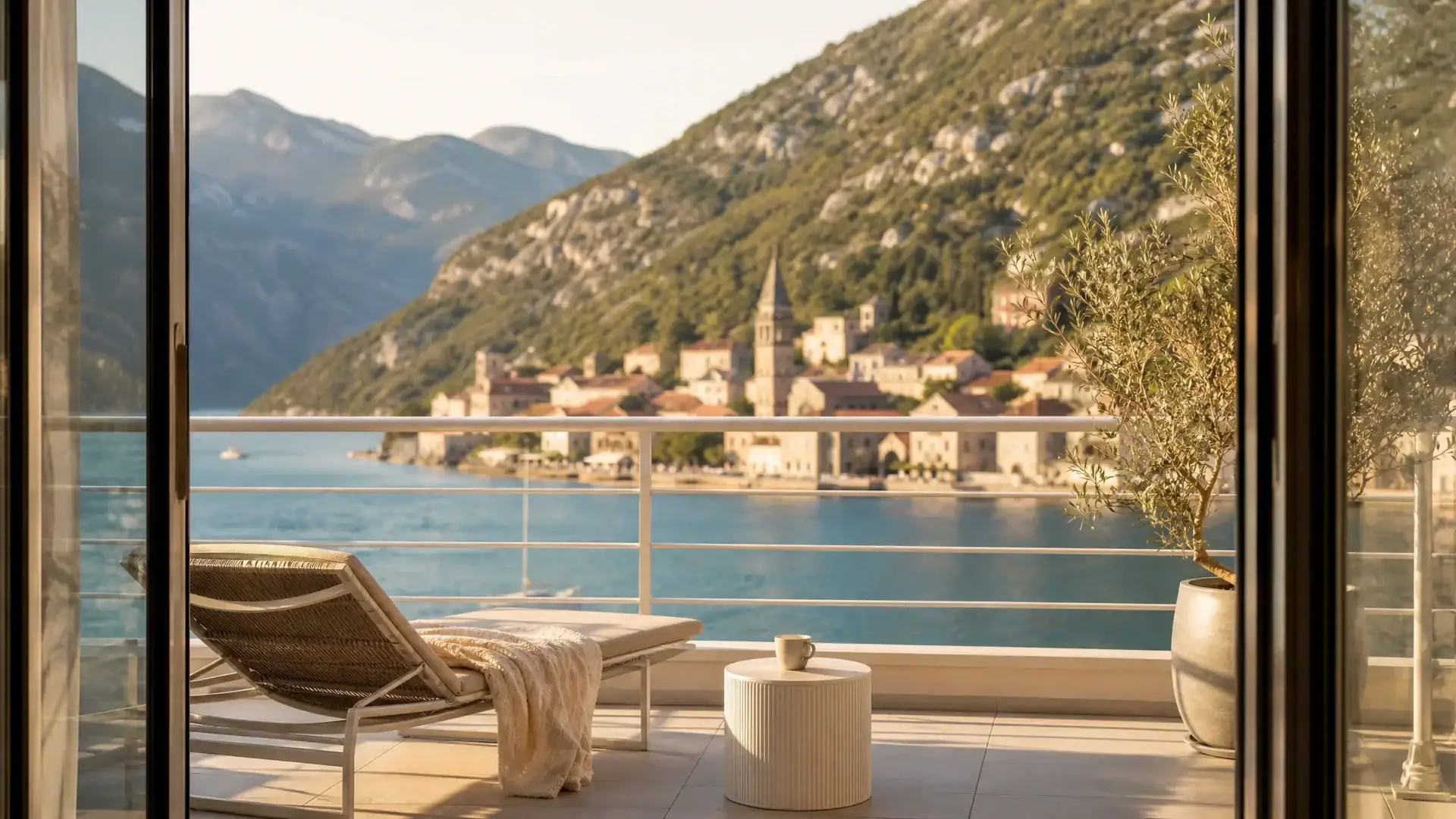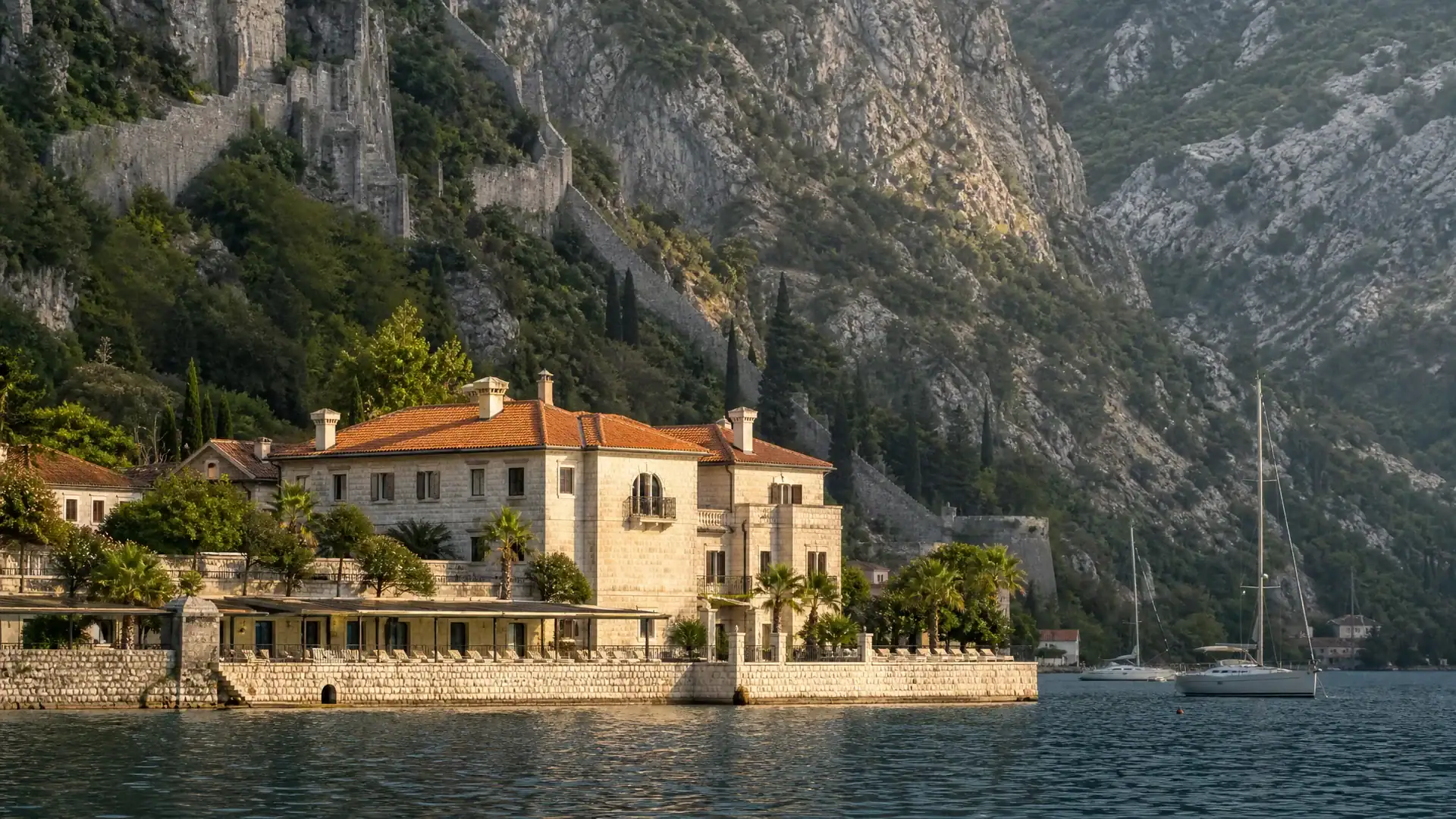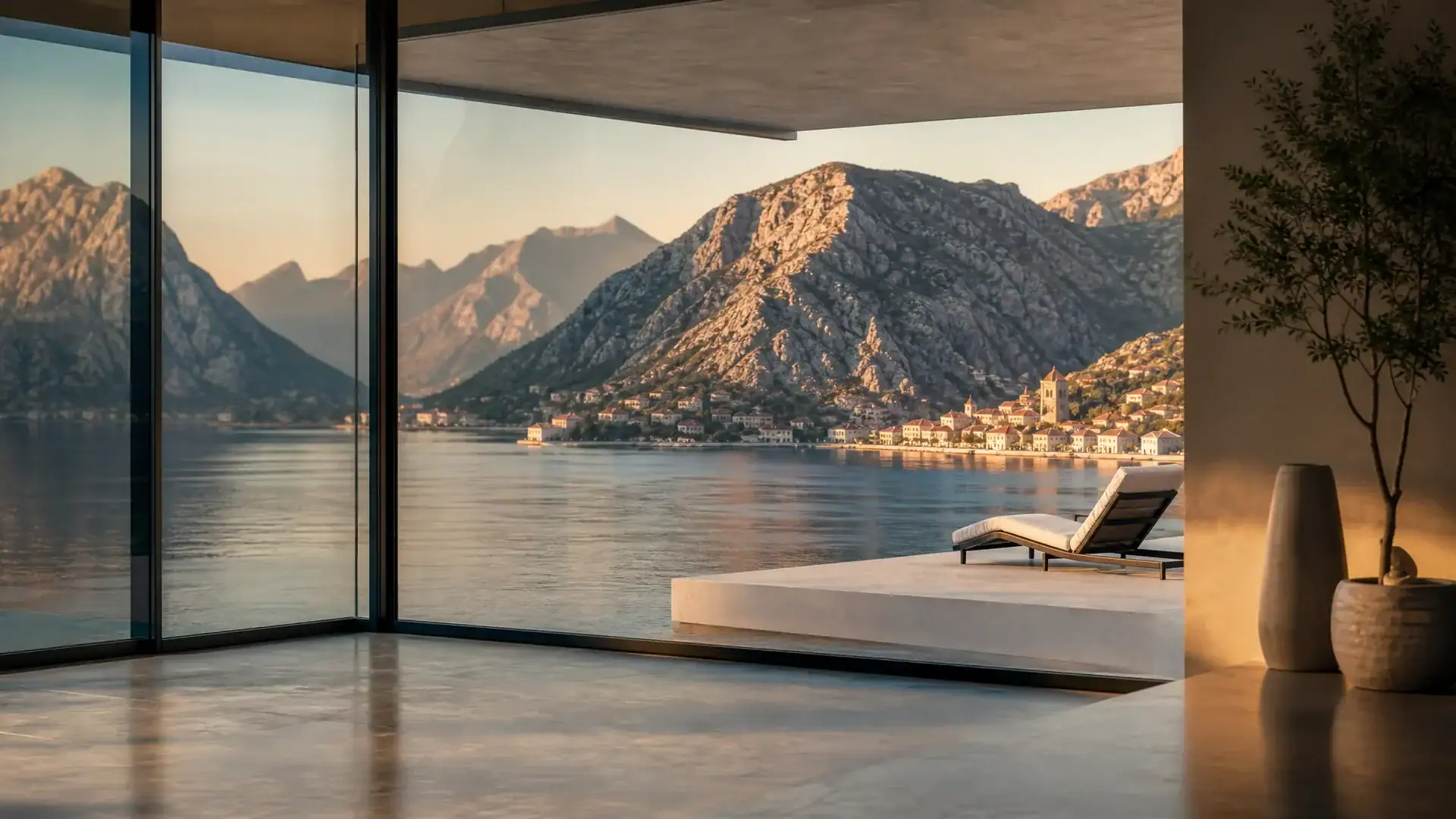





Eine Wohnung mit Meerblick und Zugang zum Yachthafen kann sowohl als Neubau als auch als gebrauchte Wohnung, die schon ein paar Saisons auf dem Buckel hat, gleichermaßen überzeugend sein. Deshalb geht es bei der Frage Neubau versus Wiederverkauf in Montenegro selten darum, welche Option abstrakt besser ist. Es geht darum, welche Option besser zu Ihrem Zeitplan, Ihren Lebensstilprioritäten, Ihrer Risikobereitschaft und Ihrer langfristigen Strategie passt.
Für viele internationale Käufer liegt der Reiz Montenegros auf der Hand – ein schnell wachsender Luxusmarkt, eine außergewöhnliche Küstenlinie und ein relativ begrenztes Angebot an erstklassigen Objekten direkt am Wasser und in Marina-Nähe. Die differenziertere Entscheidung fällt später, wenn ein Käufer zwischen dem polierten Finish und der Bequemlichkeit einer neu gebauten Residenz und dem Charakter, der Unmittelbarkeit und dem oft strategischen Vorteil eines Wiederverkaufsobjekts wählen muss.
Neuentwicklungen versus Wiederverkauf Montenegro: Der wirkliche Unterschied
Im gehobenen Markt ist dies nicht einfach eine Wahl zwischen alt und neu. Es ist eine Wahl zwischen zwei unterschiedlichen Besitzervarianten.
Eine neue Entwicklung bietet in der Regel ein zeitgemäßes Design, eine moderne Infrastruktur, markenrechtlich geschützte oder nach Masterplan entwickelte Annehmlichkeiten und geringe kurzfristige Wartungskosten. In Destinationen wie Porto Montenegro, Luštica Bay, und Portonovi, Neubau-Bestände können auch eine kontrolliertere Umgebung bieten – Sicherheit, Concierge-Dienste, Marina-Zugang, Wellness-Einrichtungen, verwaltete Mietoptionen und ein einheitlicher ästhetischer Standard.
Eine Bestandsimmobilie bietet im Gegensatz dazu oft sofortige Sicherheit. Sie sehen die exakte Einheit, die exakte Aussicht, das exakte Licht, die exakte Umgebung und die exakte Pflegequalität. In etablierten Enklaven rund um die Bucht von Kotor oder die Riviera von Budva können gebrauchte Häuser auch Zugang zu Standorten bieten, an denen nur noch sehr wenig neues Angebot geschaffen werden kann.
Für wohlhabende Käufer hat diese Unterscheidung Bedeutung. Knappheit kann genauso wertvoll sein wie Neuheit.
Warum viele Käufer Neubauten bevorzugen
Das stärkste Argument für eine Neubebauung ist die Einfachheit. Käufer, die ein schlüsselfertiges Zweitwohnsitz mit minimalen betrieblichen Reibungsverlusten wünschen, fühlen sich oft zu neueren Wohnungen hingezogen, da diese von Anfang an ein einfacheres Besitzprofil bieten.
Grundrisse spiegeln die aktuellen Erwartungen der Käufer wider – offene Wohnbereiche, größere Terrassen, integrierte Parkplätze, Aufzüge, energieeffiziente Systeme und Smart-Home-Funktionen. Bei Premium-Projekten ist auch die Verarbeitungsqualität konsistenter und die Annehmlichkeiten sind auf ein internationales Publikum zugeschnitten, das an einen Service auf Resort-Niveau gewöhnt ist.
Es gibt auch eine Investitionsmöglichkeit. Ein früher Einstieg in ein renommiertes Projekt kann manchmal zu Preissteigerungen führen, während der Bau fortschreitet, das Ziel reift und die umliegende Infrastruktur verbessert wird. Dies kann besonders für Käufer attraktiv sein, die bereit sind, außerhalb des Plans oder während einer frühen Verkaufsphase zu kaufen.
Das heißt jedoch nicht, dass Neuentwicklungen automatisch die bessere Investition sind. Premiumpreise sind oft von Anfang an eingepreist, insbesondere bei hochkarätigen Uferprojekten. Der Käufer zahlt nicht nur für die Residenz, sondern für das gesamte Ökosystem – Markenpositionierung, Dienstleistungen, Architektur und die zukünftige Marktwahrnehmung.
Die Kompromisse beim Neukauf
Der Komfort eines Neubaus birgt eigene Überlegungen. Wenn eine Immobilie noch nicht fertiggestellt ist, übernimmt der Käufer Entwicklungsrisiken, Lieferfristen und die Möglichkeit, dass die endgültige Atmosphäre der Nachbarschaft erst im Laufe der Zeit vollständig zum Tragen kommt.
Auch in abgeschlossenen Projekten kann es eine Übergangsphase geben. Einzelhandelskomponenten können noch eröffnet werden, die Landschaftsgestaltung kann sich noch entwickeln, und der soziale Rhythmus der Gemeinschaft ist möglicherweise noch nicht vollständig etabliert. Für einige Käufer ist dies Teil des Vorteils. Für andere, insbesondere für diejenigen, die sofortigen Charme und eine etablierte Umgebung wünschen, kann es sich zu früh anfühlen.
Da ist auch die Frage der Individualität. Neue Entwicklungen bieten oft Eleganz und Beständigkeit, aber einige Käufer finden sie weniger ausgeprägt als eine ältere Villa am Wasser oder eine gut positionierte, wiederverkaufte Wohnung mit etablierter Herkunft.
Wo Wiederverkauf einen klaren Vorteil bieten kann
Bestandsimmobilien sprechen Käufer an, die Klarheit, Schnelligkeit und etwas weniger Standardisiertes wünschen. Praktisch gesehen ermöglicht ein fertiggestelltes Bestandsgebäude eine viel konkretere Wertbeurteilung. Man verlässt sich nicht auf Pläne oder Renderings. Man kauft, was bereits existiert.
Das ist in märkten, in denen die Aussicht wichtig ist, von Bedeutung. Eine Seebrise, die auf dem Papier großzügig erscheint, kann sich persönlich ganz anders anfühlen, wenn benachbarte Gebäude, die Straßenführung und die Topographie berücksichtigt werden. Beim Wiederverkauf sind diese Variablen bereits sichtbar.
Der Wiederverkauf kann auch einen stärkeren Standorthebel bieten. An einigen der begehrtesten Küstenlagen Montenegros wurden die besten Grundstücke schon vor Jahren gesichert. Infolgedessen kann älterer Bestand näher am Wasser, in traditionelleren Umgebungen oder in Mikrolagen liegen, die durch neuere Planungen nicht ohne Weiteres nachgebildet werden können.
Für Käufer, die Wert auf Authentizität legen, kann dies entscheidend sein. Eine Steinvilla in einer historischen Bucht oder eine seit langem im Besitz befindliche Wohnung in bester Uferlage können ein Gefühl für den Ort vermitteln, das eine neue, wenn auch noch so polierte Residenz nicht zu imitieren versucht.
Die Kompromisse beim Kauf von Gebrauchtwaren
Die Haupterwägungsfaktor beim Wiederverkauf ist die Variabilität. Zwei Immobilien im selben Gebäude können sich hinsichtlich Zustand, Renovierungsqualität, rechtlicher Bereitschaft und zukünftigem Wartungsbedarf erheblich unterscheiden. Ein Wiederverkaufskauf erfordert oft eine sorgfältigere Due Diligence, insbesondere in Bezug auf den Titel, Genehmigungen, die Hausverwaltung und die Renovierungshistorie.
Es können auch versteckte Kosten anfallen. Ein attraktiver Angebotspreis kann schnell weniger überzeugend wirken, wenn die Immobilie modernisiert, die Systeme aufgerüstet, Arbeiten an der Fassade oder Umgestaltung des Innenraums erforderlich sind, um den aktuellen Luxuserwartungen zu entsprechen.
Für Investoren kann der Weiterverkauf besonders fallbezogen sein. Einige Einheiten sind sofort vermietbar und gut für die saisonale Nachfrage positioniert. Andere benötigen möglicherweise eine erhebliche Neupositionierung, bevor sie auf dem Niveau performen, das Käufer im Premium-Segment erwarten.
Lebensstilentscheidung versus Anlageentscheidung
In vielen Fällen hängt die richtige Antwort davon ab, was Sie mit der Immobilie machen möchten.
Wenn die Immobilie hauptsächlich als Lifestyle-Produkt gedacht ist – eine pflegeleichte Küstenresidenz für saisonale Nutzung, Familienaufenthalte und gelegentliche Mieteinnahmen – könnte eine Neuentwicklung besser zu diesem Ziel passen. Das Serviceumfeld, die Hausverwaltung und ein modernes Ausstattungspaket können Reibungsverluste reduzieren und den Besitz aus dem Ausland angenehmer gestalten.
Wenn die Immobilie als Nachlassvermögen oder als Ausdruck eines ganz bestimmten Lebensstils gedacht ist, kann der Weiterverkauf einen höheren emotionalen Wert bieten. Käufer, denen Privatsphäre, architektonische Individualität oder der Besitz einer etablierten Uferlage wichtig sind, nehmen die zusätzliche Komplexität oft in Kauf, da das Endergebnis persönlicher und schwerer zu reproduzieren ist.
Wenn die Priorität auf Kapitalzuwachs liegt, hängt es vom Einstiegspunkt und der Qualität des Vermögenswerts ab. Neubauten können von der Projektentwicklung und dem Wachstum der Destination profitieren. Wiederverkaufsimmobilien können besser abschneiden, wenn sie unter dem Wiederbeschaffungswert erworben, an wirklich begehrten Standorten platziert oder intelligent aufgewertet werden.
Neubauten im Vergleich zu Wiederverkäufen in Montenegro für Mietpotenzial
Auch bei der Mietrendite sollten Käufer pauschale Annahmen vermeiden.
Neubauten vermieten sich oft gut, da Gäste und Kurzzeitmieter auf frische Innenausstattung, markenbezogene Umgebungen und Annehmlichkeiten wie Pools, Strandclubs, Fitnesscenter und Concierge-Services ansprechen. Sie lassen sich auch gut fotografieren, was in einem stark visuellen Buchungsmarkt wichtig ist.
Wiederverkaufsobjekte können stark konkurrieren, wenn sie etwas Einzigartiges bieten – eine bessere Front-Lage, eine großzügigere Terrasse, Nähe zur Altstadt, privaten Bootsanlegerzugang oder ein Villenformat, das sich vom Apartmentangebot abhebt. Im Luxussegment kann Einzigartigkeit genauso viel Preismacht haben wie Neuheit.
Auch die operative Seite spielt eine Rolle. Einige Entwicklungen sind auf die Mietverwaltung ausgelegt, was den Besitz für Kunden im Ausland vereinfacht. Eine gebrauchte Immobilie mag eine stärkere Wertsteigerung bieten, erfordert aber für deren Erzielung möglicherweise eine aktivere Überwachung, lokale Koordination oder Renovierungsplanung.
Wie anspruchsvolle Käufer normalerweise entscheiden
Die stärksten Käufer beginnen nicht mit einer festen Präferenz für neu oder gebraucht. Sie beginnen mit einem Briefing.
Ein klares Briefing deckt normalerweise fünf Punkte ab: wie oft die Immobilie genutzt wird, ob Mieteinnahmen wichtig sind, wie schnell eine Belegung benötigt wird, welcher operative Aufwand akzeptabel ist und welche Art von Standort für den Käufer den höchsten Wert hat.
Sobald diese Prioritäten klar sind, wird der Weg einfacher. Ein Käufer, der eine schlüsselfertige Marina-Wohnung mit vorhersehbarer Verwaltung sucht, ist möglicherweise am besten mit einem Neubau bedient. Ein Käufer, der eine seltenere Uferadresse mit langfristigem Knappheitswert sucht, findet möglicherweise die bessere Gelegenheit im Wiederverkaufsbestand.
Hier wird lokale Expertise besonders wertvoll. Der richtige Vergleich liegt nicht zwischen Kategorien im Allgemeinen, sondern zwischen spezifischen Vermögenswerten. Eine hochwertige neue Wohnung sollte mit den besten Wiederverkaufsalternativen in derselben Lifestyle-Kategorie verglichen werden, nicht mit dem gesamten Markt. Dort zeigt sich oft der wirkliche Wert.
Sotheby's International Realty Montenegro sieht regelmäßig, wie Käufer die richtige Entscheidung treffen, sobald der Vergleich praktisch statt theoretisch wird – nicht neu gegen alt, sondern Service gegen Privatsphäre, Bequemlichkeit gegen Knappheit, Aufwärtspotenzial beim frühen Einstieg gegen sofortige Sicherheit.
Eine gut gewählte Immobilie kann in beiden Kategorien erfolgreich sein. Die nützlichere Frage ist einfacher: Wenn Sie ankommen oder wenn Sie sich entscheiden zu verkaufen, welche Art von Vermögenswert wird sich am ehesten unersetzlich anfühlen?