Montenegro Hotel Investment Opportunities
A 40-key waterfront hotel in the Bay of Kotor is not competing with a 40-key city hotel in a mature European capital. It is competing for a different kind of traveler – one who values marina access, privacy, design, and the sense of arriving early to a market still gaining international depth. That is what makes Montenegro hotel investment opportunities especially compelling for investors who understand the premium attached to scarce locations.
For buyers looking beyond conventional residential acquisitions, the hotel segment offers a rare combination of lifestyle alignment and commercial upside. Montenegro has spent the last decade moving from an under-the-radar Adriatic destination to a recognized luxury leisure market, and that shift matters. It has brought branded developments, upgraded marina infrastructure, higher-spending visitors, and stronger global visibility to a relatively small coastline where prime hospitality stock remains limited.
Why Montenegro hotel investment opportunities stand out
Scale is part of the appeal. Montenegro is not a mass-market destination with endless development land along the coast. The supply of truly distinguished hotel assets – waterfront, marina-adjacent, heritage, or positioned in established luxury enclaves – is naturally constrained. For investors, limited supply can support pricing power when the asset is well located and properly operated.
Demand quality also deserves attention. This is not simply a volume story built on peak-summer occupancy alone. The strongest hospitality opportunities tend to attract a more affluent guest profile, particularly in destinations tied to yachting, branded residential communities, or internationally known coastal settings. That can translate into stronger average daily rates and more resilient long-term positioning, even if seasonality still needs to be managed carefully.
There is also a market-timing argument. Montenegro remains earlier in its hospitality maturity curve than many Mediterranean comparables. In practical terms, that means investors may still find assets or development opportunities with room for repositioning, branding improvements, or operational upgrades. In saturated destinations, much of that value has already been priced in.
The hotel segments worth watching
Not every hotel investment thesis in Montenegro is the same. The market is more nuanced than simply buying “coastal hospitality.” In most cases, the opportunity sits within one of several distinct categories.
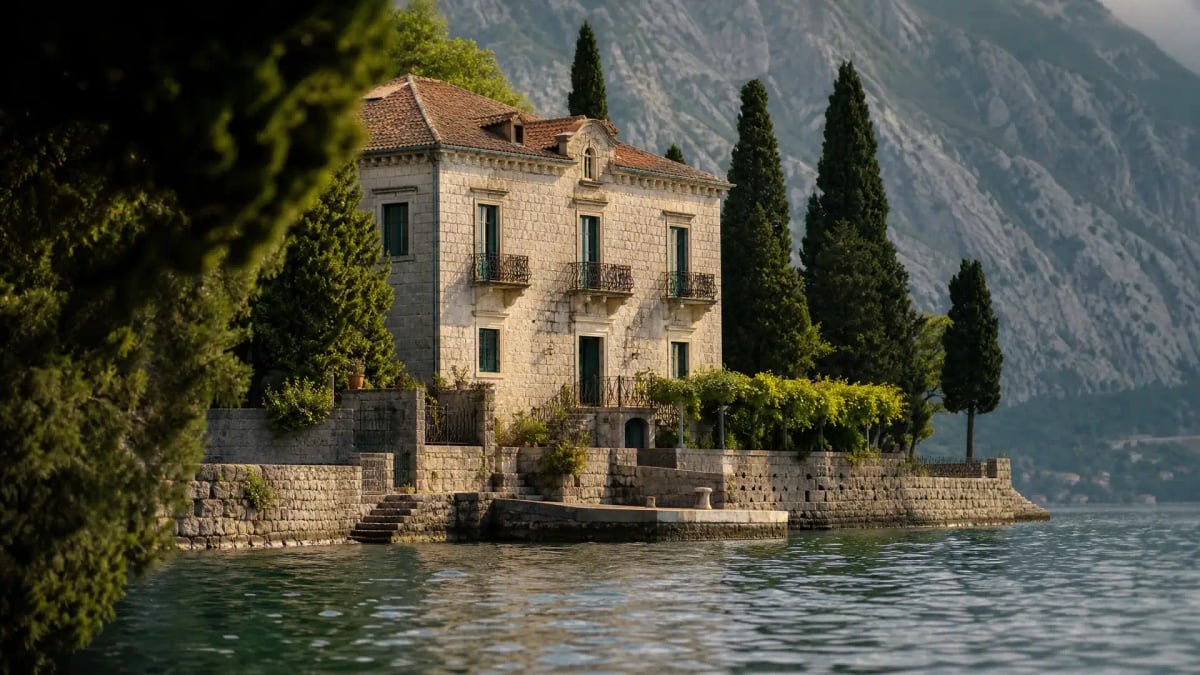
Luxury boutique hotels are often the most attractive for buyers seeking character and scarcity. These properties can perform particularly well in heritage settings or intimate waterfront locations where design, service, and setting justify premium rates. The trade-off is that smaller room counts can create operational sensitivity. A boutique hotel needs thoughtful positioning, disciplined cost control, and a clear guest proposition.
Marina-linked and resort-adjacent hotels offer a different profile. In areas associated with luxury berthing, branded residences, or integrated lifestyle developments, the hotel benefits from broader destination infrastructure. Restaurants, retail, beach clubs, and concierge-driven guest services can extend visitor spend and strengthen occupancy patterns. These assets may carry higher entry pricing, but they often appeal to investors who prioritize established prestige and lower market education risk.
Then there are repositioning opportunities – older hotels or hospitality properties in strong locations that no longer meet current luxury expectations. For experienced investors, this can be where value is created. A dated asset with the right footprint may respond well to renovation, brand alignment, or a shift in category. Yet this is also where discipline matters most. Construction budgets, permitting realities, and operator strategy must be tested rigorously before any acquisition moves forward.
Where location makes the biggest difference
In hospitality, geography is never just about scenery. It shapes guest mix, pricing power, season length, and exit appeal.
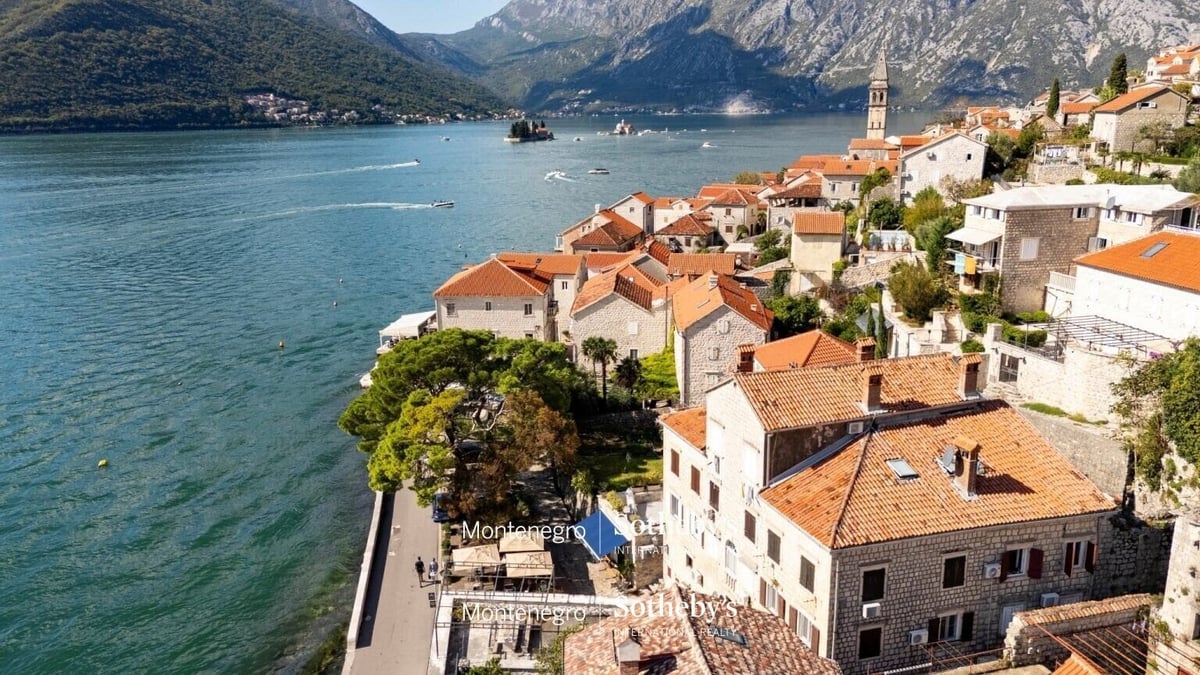
The Bay of Kotor remains one of the most compelling areas for premium hotel investment because it combines visual distinction with international recognition. Properties here often benefit from a strong emotional draw – dramatic waterfront settings, UNESCO-linked heritage context, and a sense of exclusivity that appeals to high-value travelers. The constraint, naturally, is that truly prime opportunities are limited and pricing can reflect that scarcity.
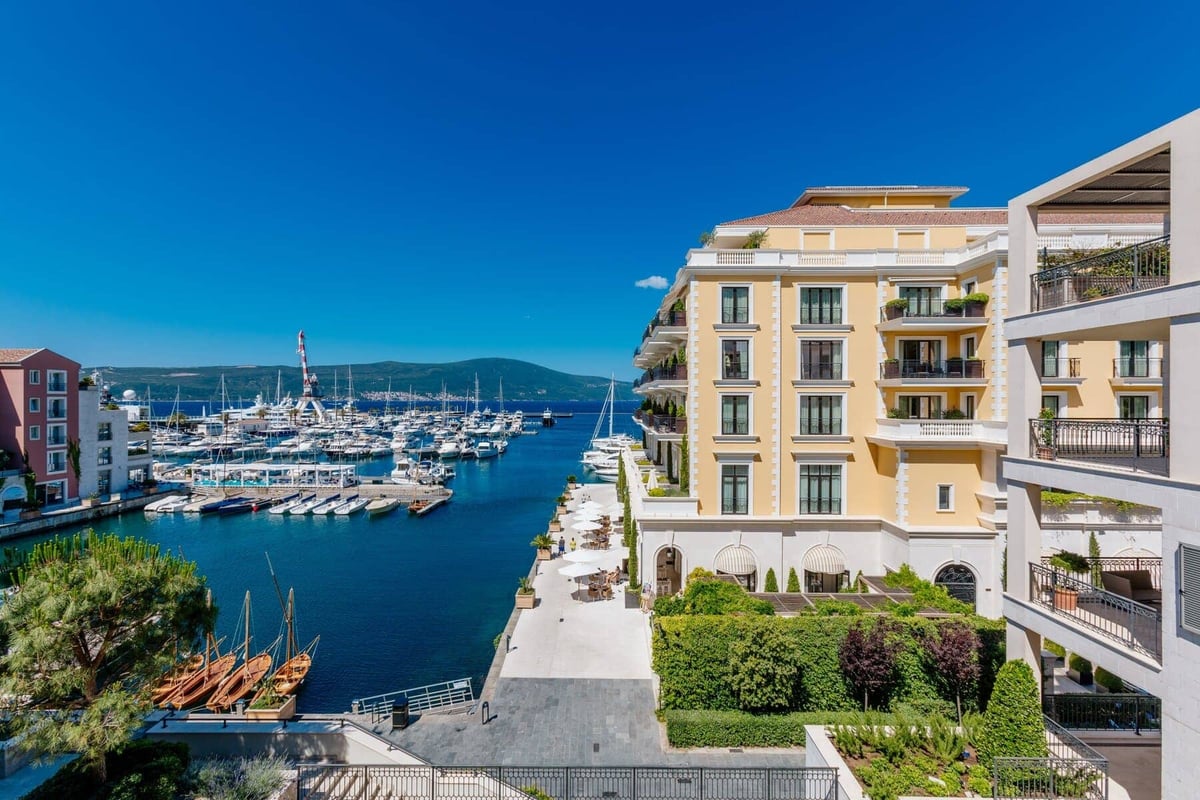
Tivat and Porto Montenegro tend to appeal to investors who want a more contemporary luxury ecosystem. The marina, international profile, and polished infrastructure create a strong base for hospitality tied to yachting and affluent leisure travel. This can be attractive from a positioning standpoint, particularly for assets that cater to guests who expect service standards comparable to more established global resort destinations.
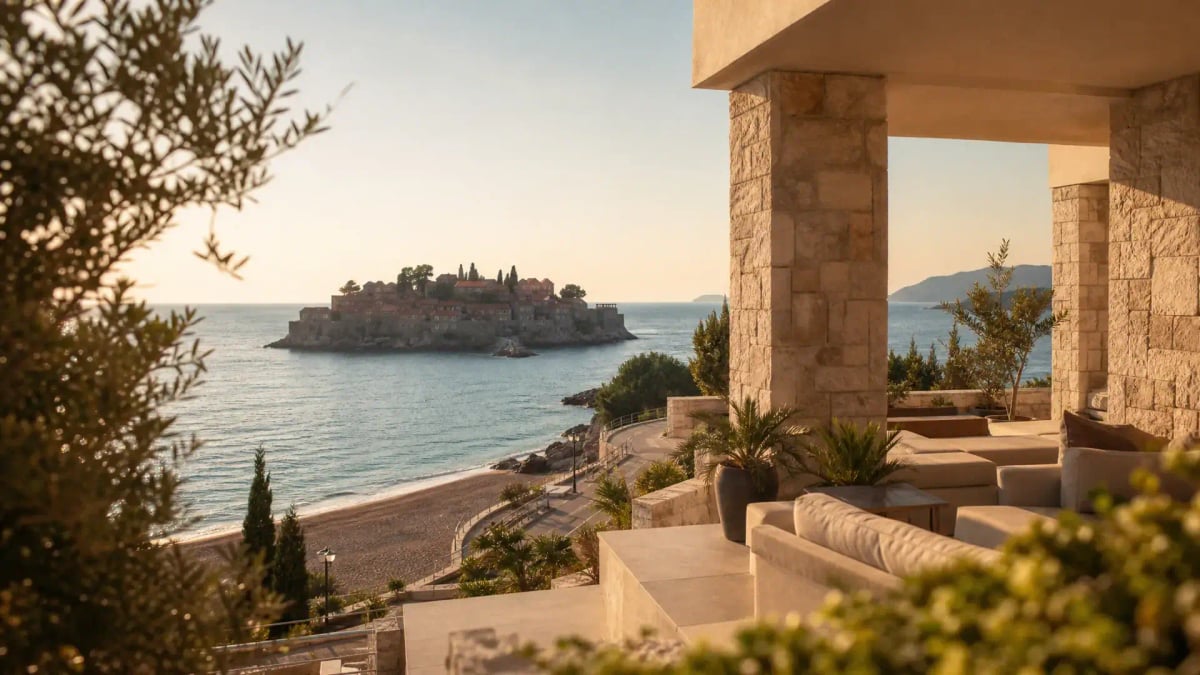
Luštica Bay and Portonovi represent another layer of interest. These master-planned environments support a high-end lifestyle narrative that is increasingly relevant in hospitality. Guests are not only booking a room. They are buying into a curated coastal experience, with architecture, amenities, and service level working together. For hotel investors, that kind of ecosystem can support brand strength, though entry into these markets requires careful attention to asset type and operational model.
The Budva Riviera offers a different equation, with broader name recognition and a more active tourism profile. In the right submarket, that can support strong seasonal trading. At the same time, investors need to differentiate between assets that fit the upper-luxury segment and those that are more exposed to volume-driven demand. The returns may look attractive on paper, but guest positioning matters.
What sophisticated investors evaluate before buying
The headline story is attractive, but hotel investment is ultimately an underwriting exercise. A beautiful location does not compensate for weak operations or the wrong concept.
First, investors should examine seasonality with realism. Montenegro’s luxury profile has strengthened, but many hospitality assets still rely heavily on the warmer months. That does not automatically weaken the case for investment. It simply means the business plan must be built around a clear shoulder-season and off-season strategy, whether through wellness, events, marina traffic, destination dining, or private buyouts.
Second, operator quality can materially affect value. A well-run independent boutique hotel can outperform expectations, but only if service, revenue management, and market positioning are precise. In other cases, a brand or experienced management structure may create more credibility and rate support. It depends on the asset, the target guest, and the investor’s own tolerance for operational involvement.
Third, buyers should separate land value from trading value. In a market with limited coastal supply, some hospitality assets are compelling partly because of their underlying real estate. Others stand out because the operating business itself has room to grow. The best opportunities often combine both, but not always. Clarity on what is really being purchased helps avoid overpaying for a story that is not reflected in actual performance.
Montenegro hotel investment opportunities and the value-add case
For many investors, the strongest angle is not simply buying a stabilized hotel and holding it. It is identifying where a property can be elevated.
A renovation may improve room mix, guest flow, and visual identity. A refined food and beverage concept may reposition the hotel within its local market. Better digital distribution, stronger partnerships, and more disciplined rate strategy can meaningfully improve performance without changing the physical footprint. In a market still evolving, these operational gains can be more achievable than in destinations where every inefficiency has already been stripped out.
That said, value-add projects are not interchangeable. Heritage buildings can carry design prestige but also technical complexity. Waterfront properties may command attention while facing tighter planning parameters. Larger repositioning projects may promise scale but require more time, capital, and local coordination. Investors who succeed here tend to balance ambition with patience.
The role of advisory and local insight
Cross-border hotel investment carries layers that go beyond financial modeling. Market access, local relationships, legal structuring, and a realistic read on submarket demand all influence the final outcome.
This is where experienced local guidance becomes especially valuable. The difference between a hotel that looks attractive in a presentation and one that performs as an asset often lies in details that are easy to miss from abroad – micro-location, future neighboring development, road access, staffing dynamics, guest seasonality by origin market, and the practical implications of upgrading an existing property. For international investors, those details matter as much as headline yield assumptions.
Firms with deep experience in Montenegro’s premium property landscape, including Sotheby’s International Realty Montenegro, can help narrow that gap by bringing curated access and market-specific perspective to the search process. For buyers at the luxury end of the market, that often leads to better decisions, not just faster ones.
The most interesting hotel opportunities are rarely the loudest. They are the assets in exceptional locations, with a clear identity, realistic room for improvement, and a market behind them that is still moving upward. For investors willing to look carefully and act selectively, Montenegro remains one of the more persuasive hospitality stories on the Adriatic.