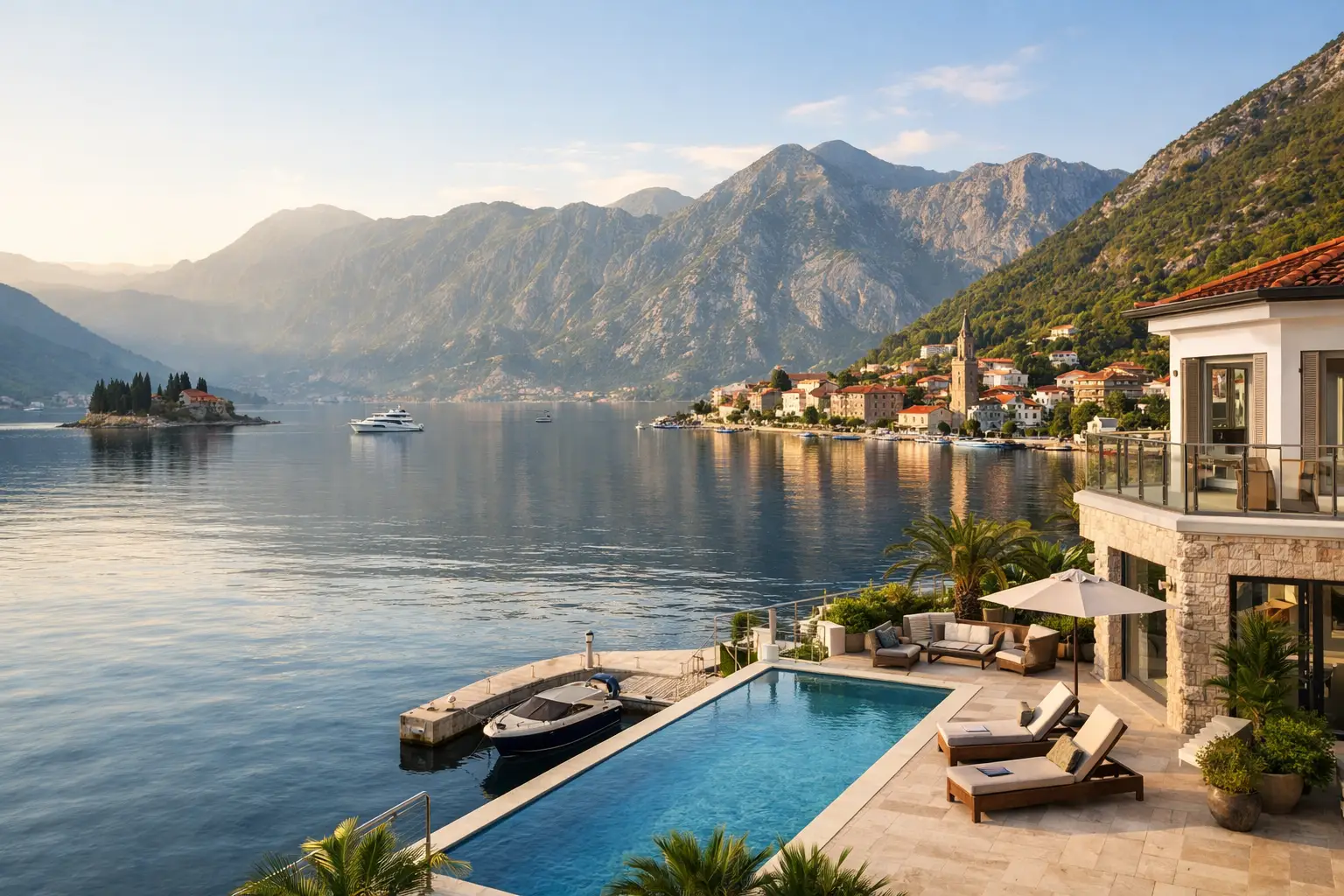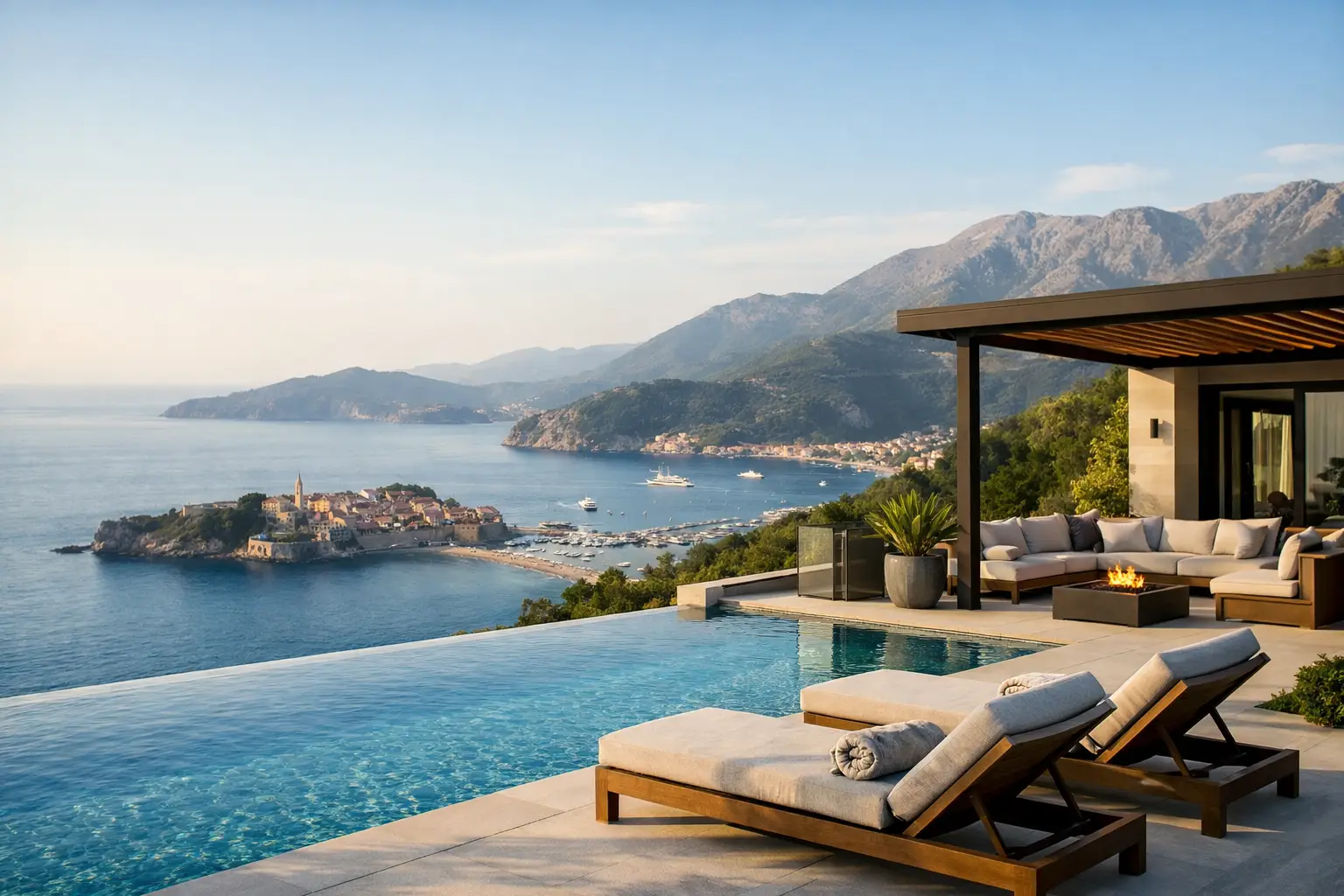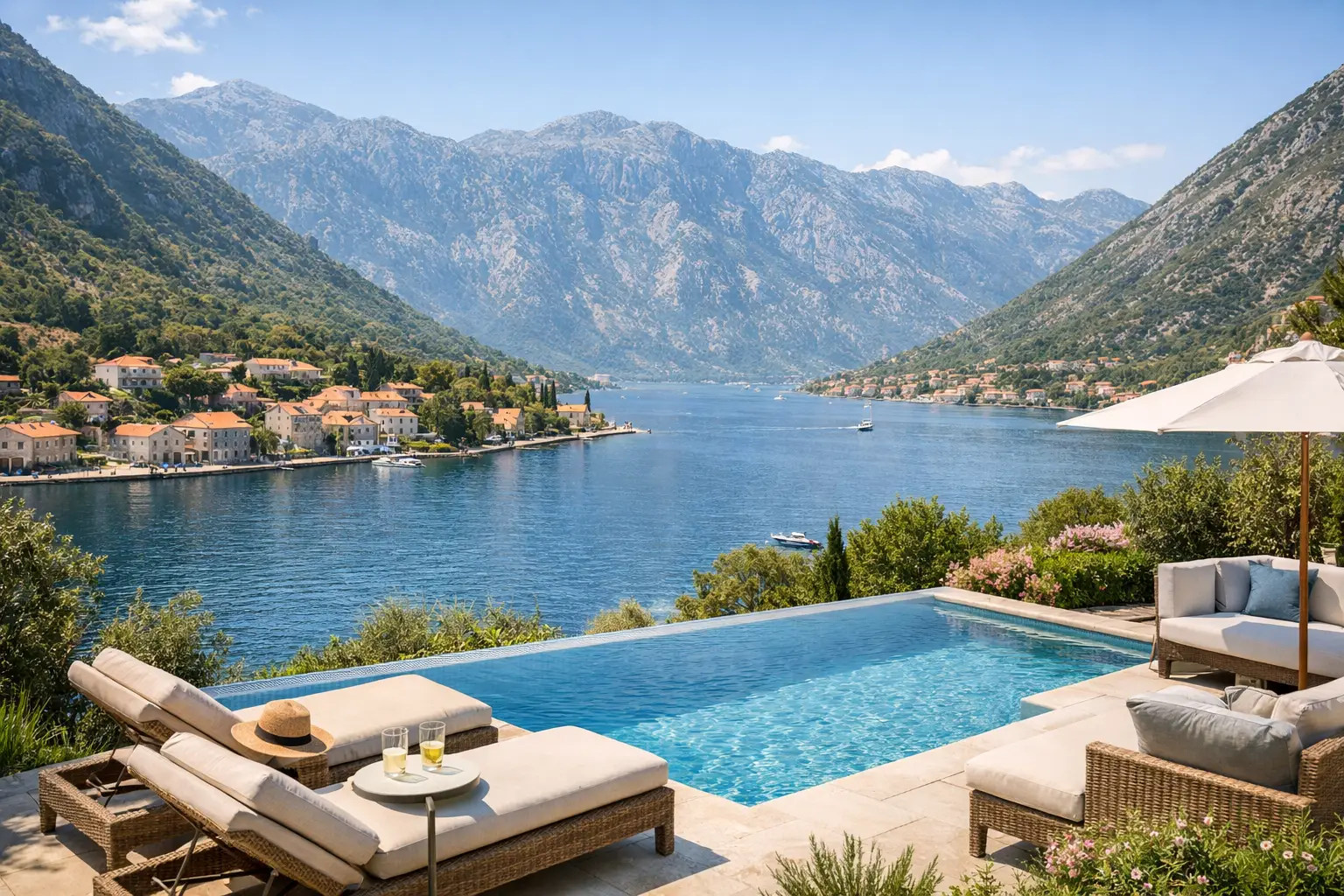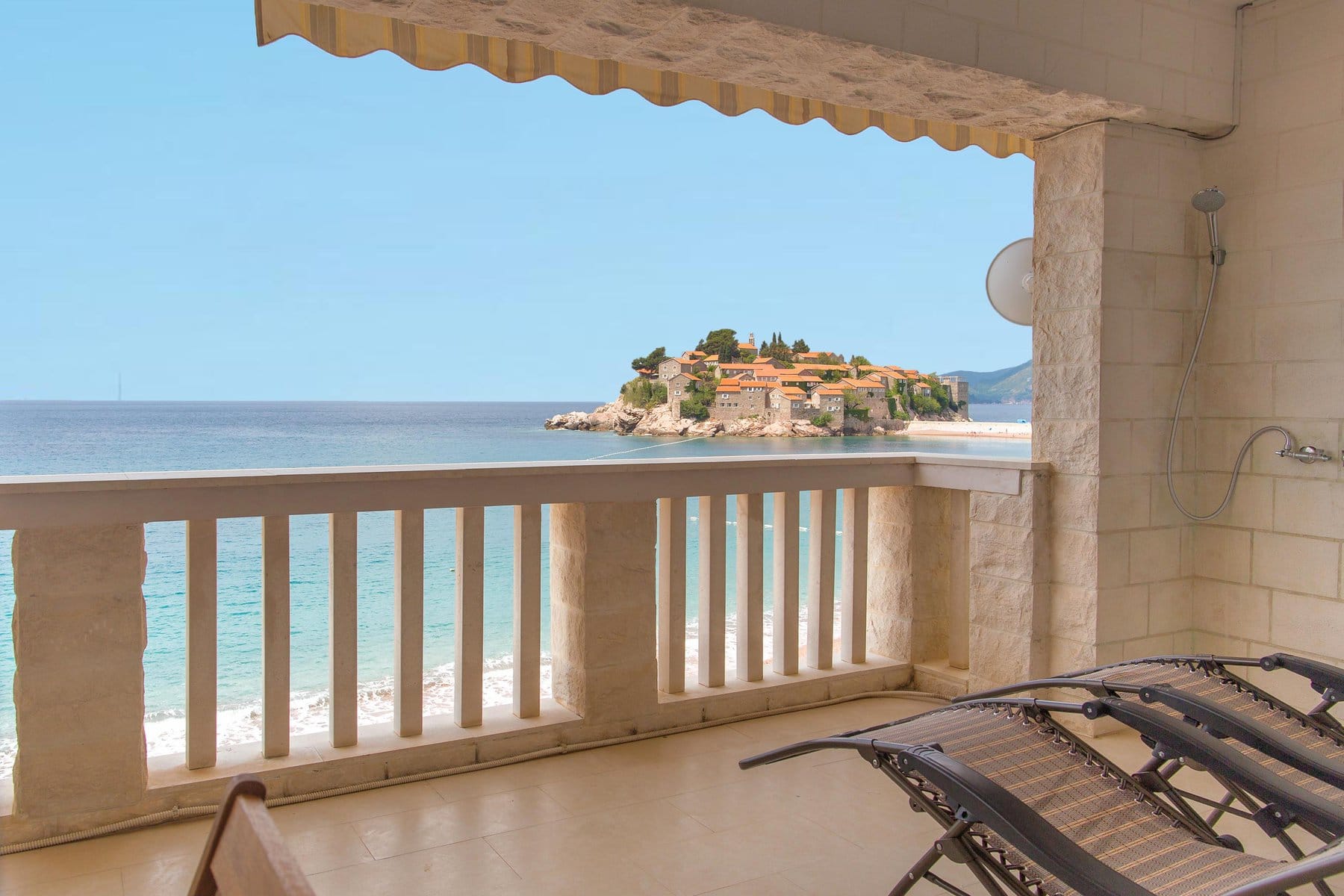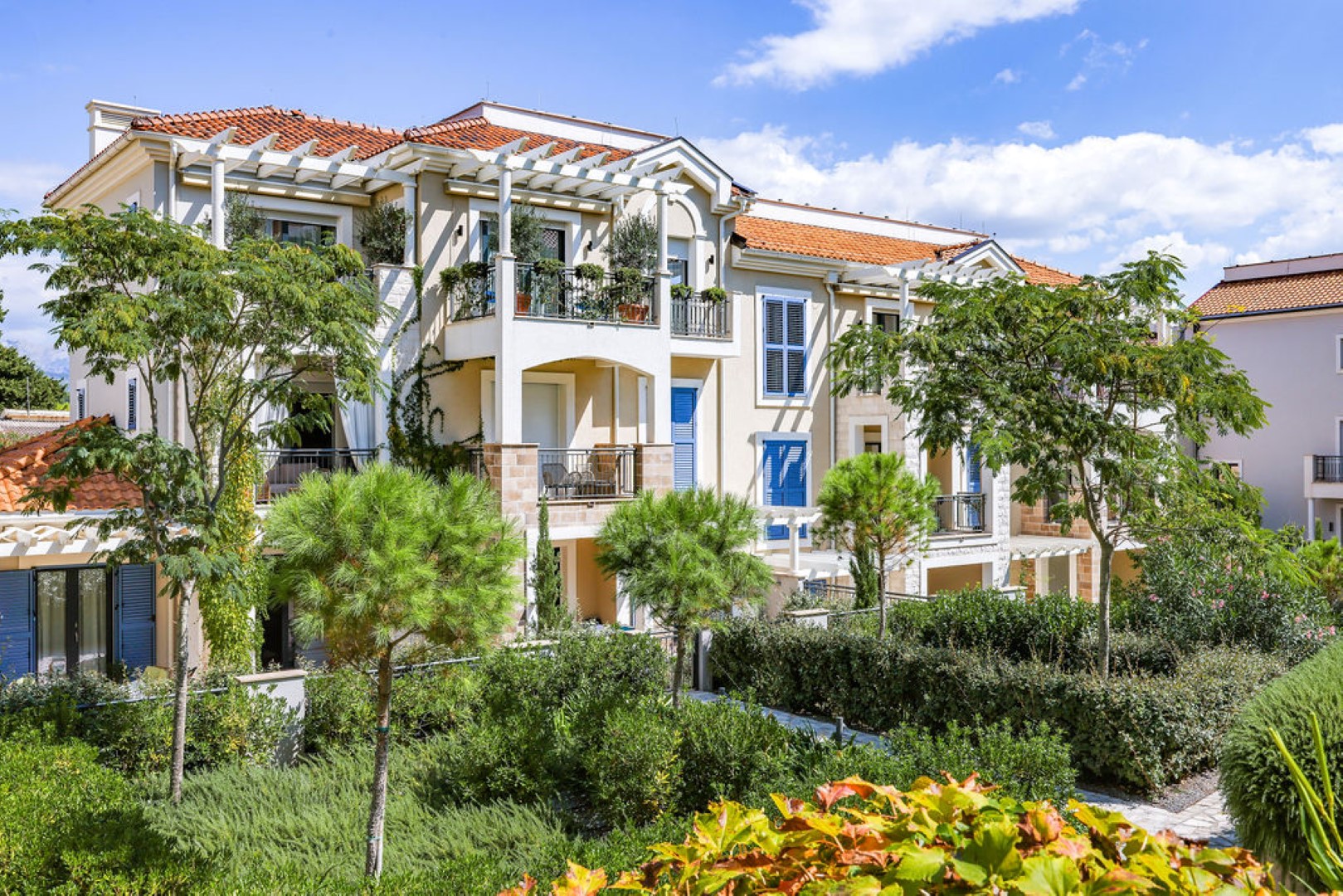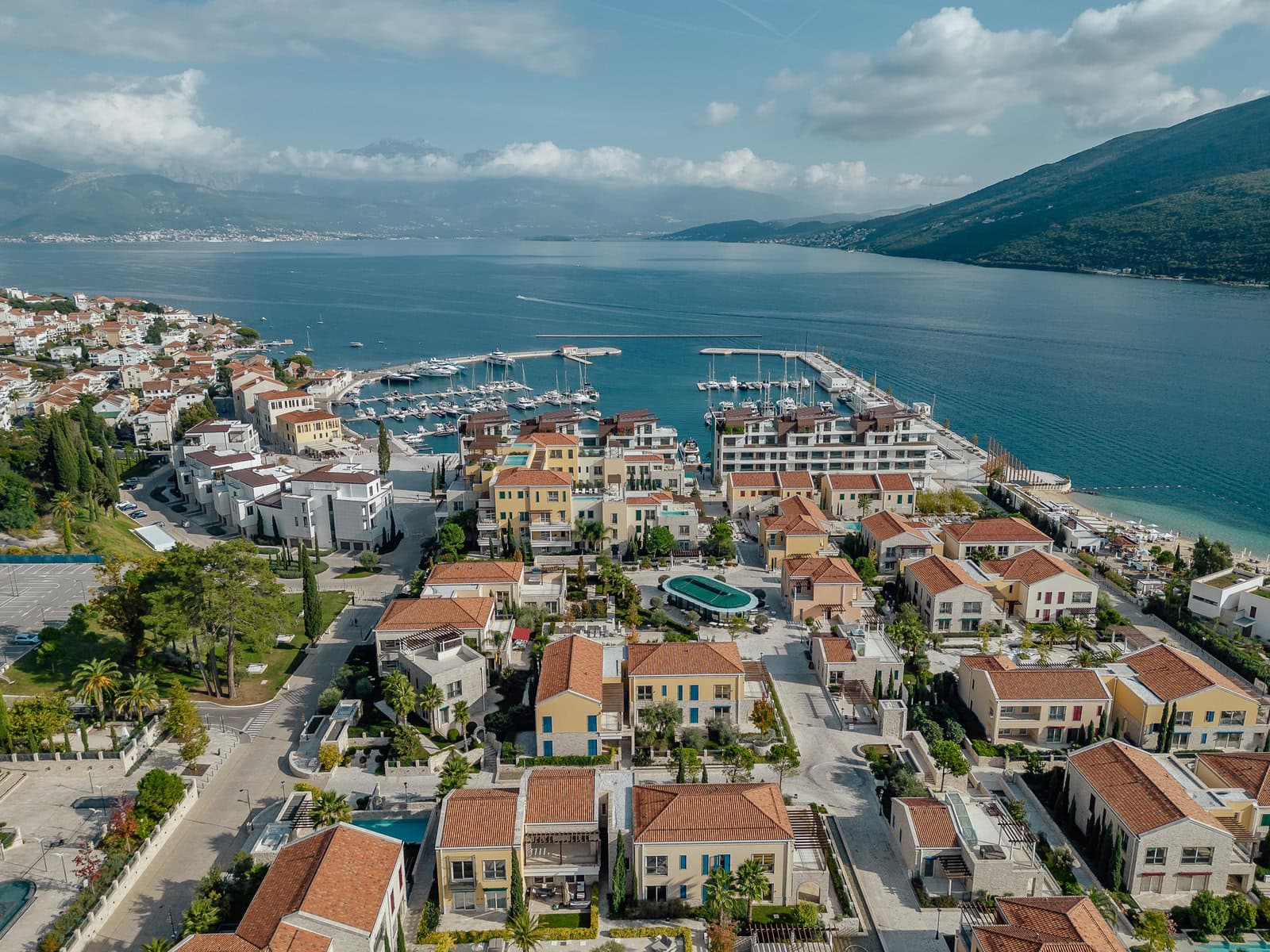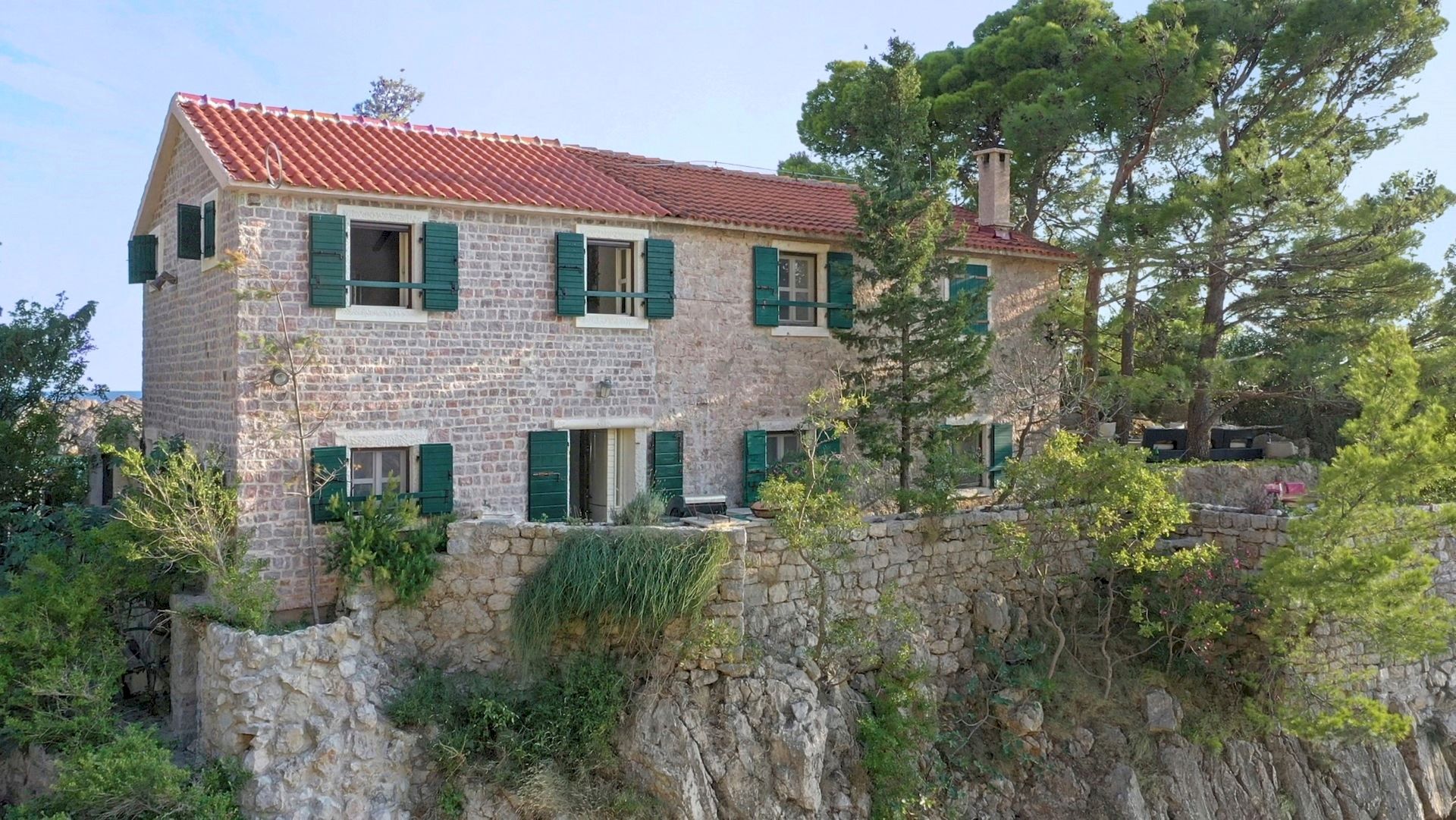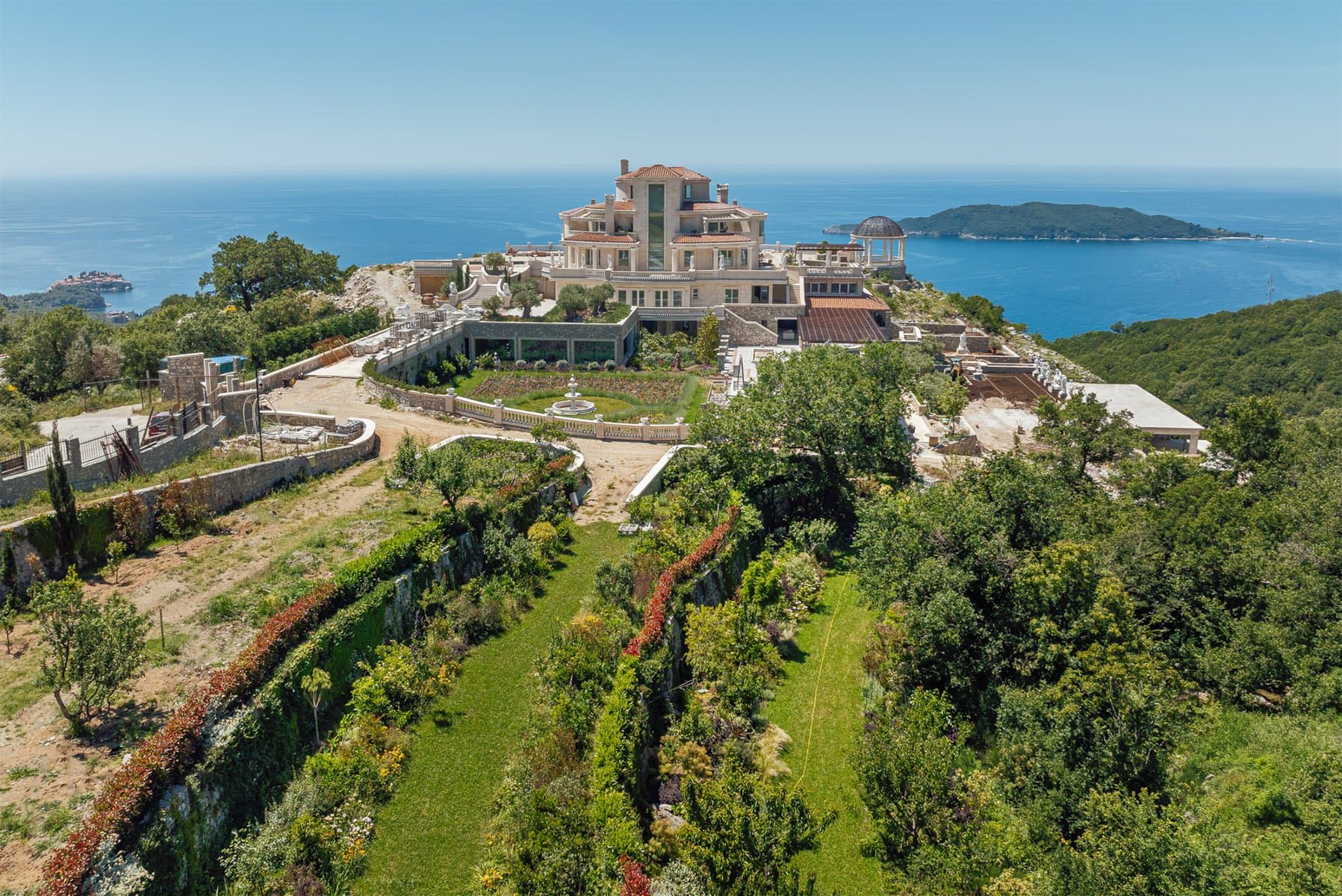




In the last decade, Montenegro has emerged as one of Europe’s fastest-rising real-estate hotspots. With its stunning Adriatic coastline, Mediterranean climate, and growing tourist appeal — combined with a favorable legal environment for foreign buyers — Montenegro offers a blend of lifestyle, potential income, and long-term value growth that is rare in the current European market. For investors, expatriates, and lifestyle seekers alike, Montenegro is fast becoming the Adriatic gem for both living and investing.
This guide — crafted with the kind of insight you’d expect from a platform such as Sotheby’s International Realty — walks you through everything you need to know about buying, investing, and living in Montenegro in 2025 and beyond.
Why Montenegro — The Appeal & Market Potential
Mediterranean Lifestyle Meets Strategic Investment
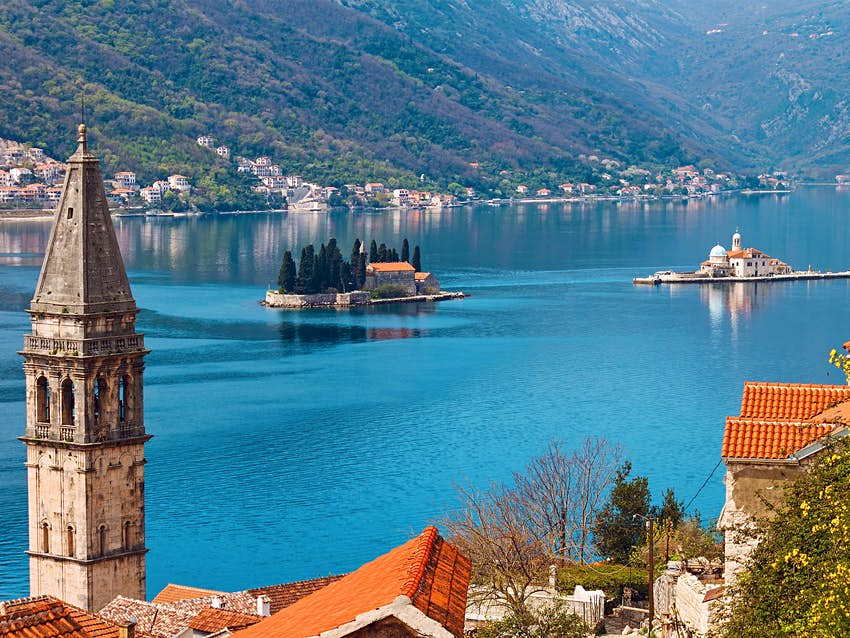
Montenegro combines sun-drenched Adriatic beaches, historic coastal towns, and mountain retreats — offering dramatic natural variety in a relatively compact country. Its coastline, dotted with bay towns, marinas, and heritage towns, acts as a magnet for tourists, yacht owners, retirees, and international buyers, creating consistent demand for both short-term holiday rentals and long-term residences.
From an investment standpoint, Montenegro offers several compelling advantages:
Favorable legal framework for foreign buyers. Foreigners can purchase residential and commercial properties with the same rights as locals.
Transparent and relatively low holding costs. Property tax ranges from 0.25 % to 1 % annually, depending on location and property value.
Euro-denominated market & economic stability. Montenegro uses the euro, offering monetary stability for investors.
Strong tourism-led demand. The rising number of tourists and the growth of yacht, marina, and resort tourism ensure consistent demand — especially along the coast.
Growth potential and rising property values. Over recent years, coastal areas have seen prices increase significantly — a trend many analysts expect to continue.
In short, investing in Montenegro is not just about owning a holiday home. It is also about tapping into a rising real-estate market, benefiting from steady rental yields, and possibly enjoying capital appreciation over time.
Who Can Buy Property in Montenegro & What Are the Legalities
Foreign Ownership in Montenegro: What’s Allowed, What’s Not
Foreign individuals and companies can buy apartments, houses, villas, and commercial real estate in Montenegro.
However, there are some restrictions: foreigners cannot buy large agricultural land, forests, certain strategic or protected lands, cultural monuments, or properties near borders.
For land purchases above a certain size (often 5,000 m²), foreign buyers may need to establish a local company to complete the acquisition.
For standard residential units — apartments, villas, second homes — foreigners enjoy the same rights as locals in terms of ownership, sale, and rental.
Purchase Process, Costs & Taxes
If you’re considering buying real estate in Montenegro, here’s a breakdown of typical costs and procedural steps:
Step / Cost
Real estate agents generally charge 3–5 % commission (often paid by the seller).
Legal & Notary Fees
Expect ~1–1.5 % for attorney representation, plus notary/registration fees.
Transfer Tax / VAT
For resale properties: 3–6 % transfer tax; for new builds: VAT ~21 % (usually included if buying from developer).
Annual Property Tax
Between 0.25 % and 1.0 % of registered value — possibly more for premium properties.
Utilities & Maintenance
For a typical apartment, monthly utilities may range from €50 to €150; maintenance and shared-facility fees apply for complexes.
Important Note: While the attraction of cheap coastal property once existed, today Montenegro’s most desirable coastal zones — especially coastlines, marinas, and luxury resorts — command prices similar to many Mediterranean peers, so the “value bargain” tends to be in less central or inland areas.
Montenegro Residency & Immigration: What Property Can Get You
Owning property in Montenegro offers more than just ownership — it can also open residency pathways. A foreign buyer with property ownership may be eligible for a residence permit, though this is not an automatic entitlement.
However:
The former “citizenship-by-investment” scheme (popular with some investors) officially ended in December 2022.
Therefore, purchasing property no longer guarantees citizenship. But long-term residency remains an attractive benefit for those wishing to live, retire, or work in Montenegro.
Where to Buy a Property in Montenegro — Montenegro Regions & Investment Hotspots

Not all real estate markets in Montenegro are equal. What you’re after — high yield, capital appreciation, lifestyle, tranquility — should guide where you invest. Below is a breakdown of best-bet areas in 2025.
Coastal Luxury & Marina Living
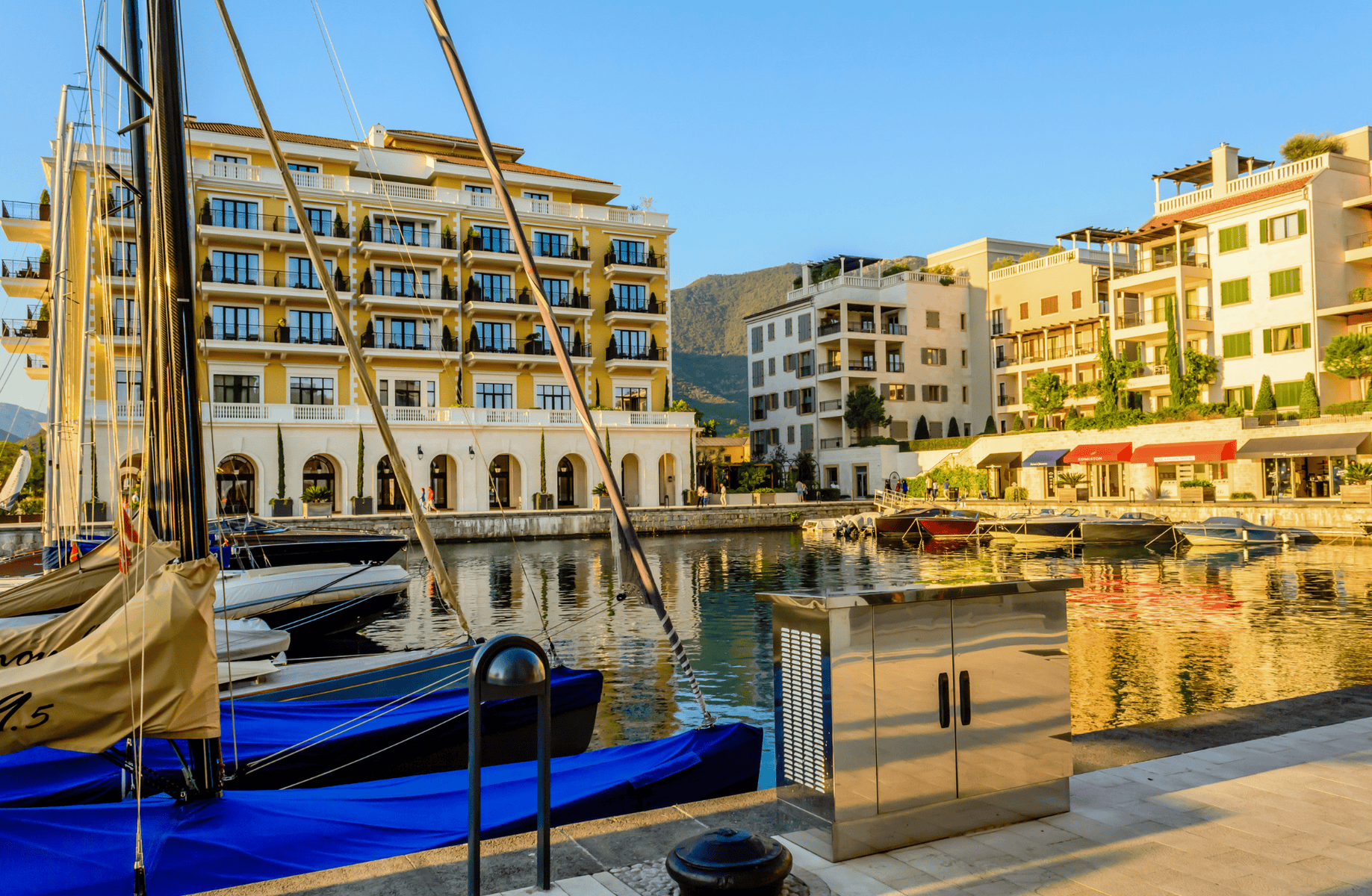
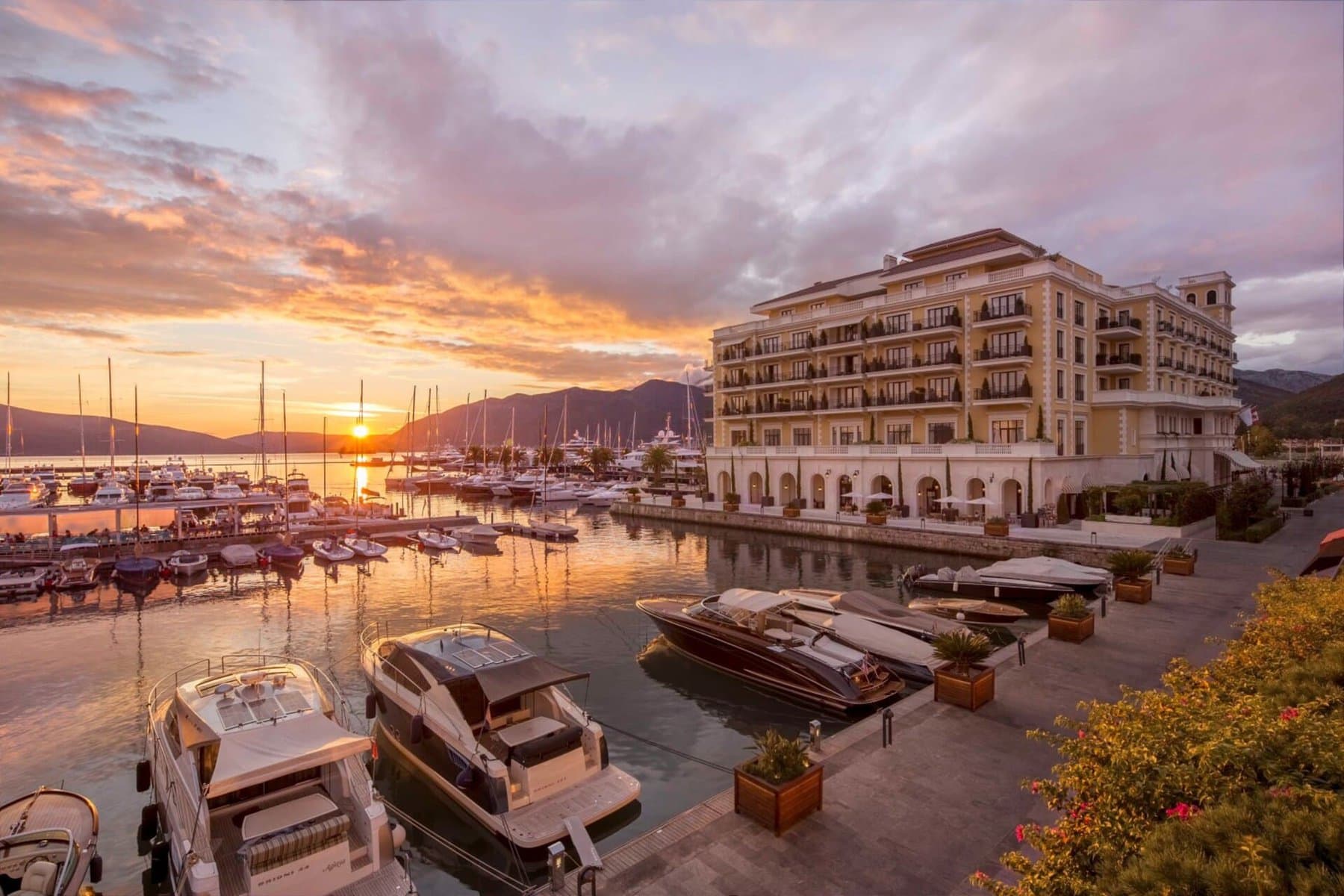
Porto Montenegro & Tivat
One of the most sought-after luxury developments in Montenegro, targeting yacht owners, high-net-worth individuals, and luxury seekers.
Average price range for high-end apartments and waterfront villas: €4,000 – €7,500/m².
According to recent 2025 market data, luxury properties in Tivat have topped as high as €14,000/m² in specific developments.
Strong demand from the yacht community, summer rentals, and buyers seeking prestige.
Best for: High-net-worth buyers, yacht owners, luxury rentals, long-term capital appreciation.
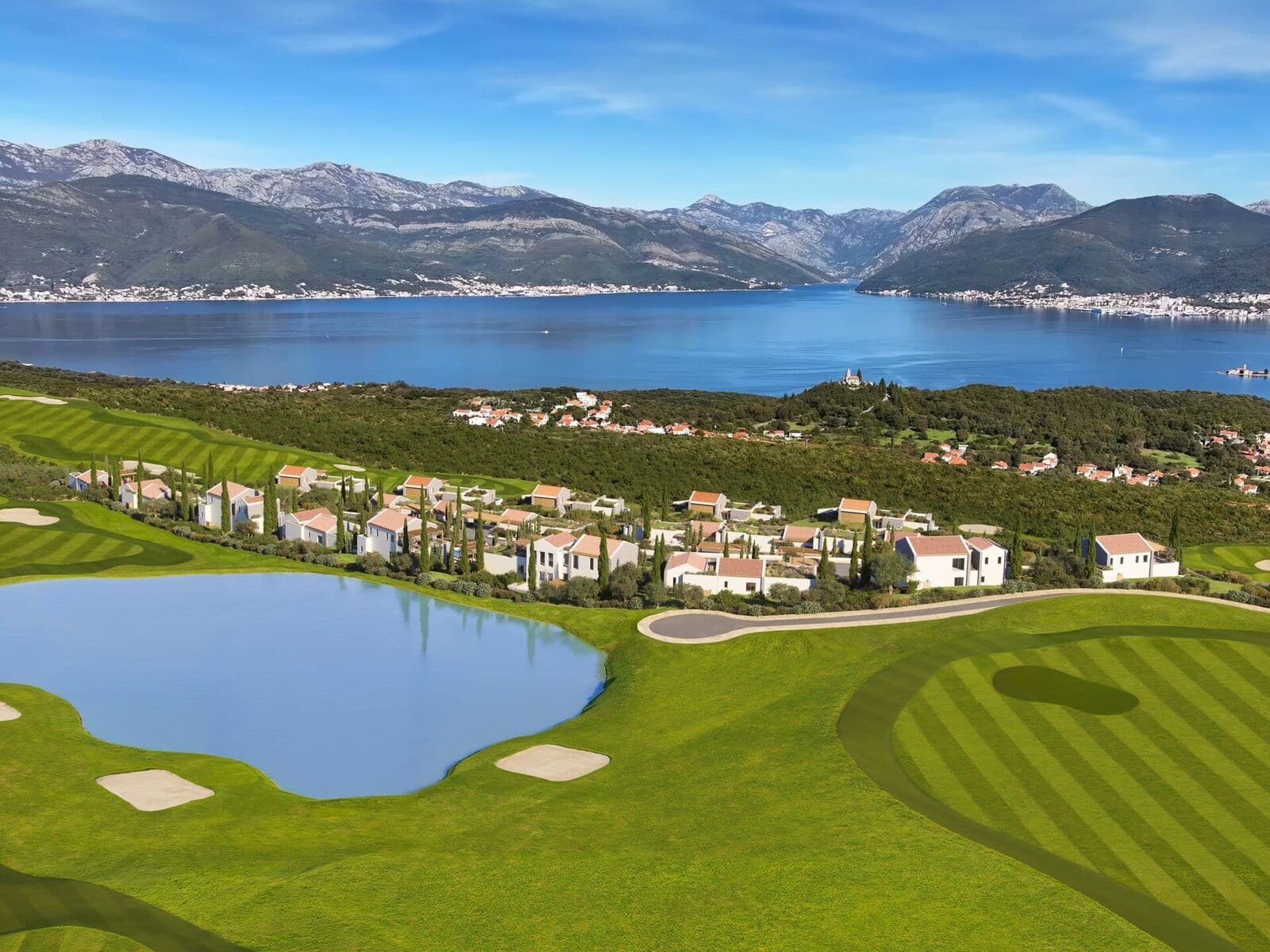
Luštica Bay (Luštica / Boka Peninsula)
A modern coastal development combining luxury amenities (marina, beach clubs, golf course) with eco-conscious architecture — appealing to investors seeking resort-style homes.
Property options range from apartments to villas. Prices here are typically more moderate compared to Porto Montenegro but remain premium — often in the €3,000–€6,000/m² range depending on sea view and proximity.
Best for: Investors seeking resort-style living, rental income from tourists, and long-term value growth.
Tourist-Favorable Rivieras & Historic Coastal Towns
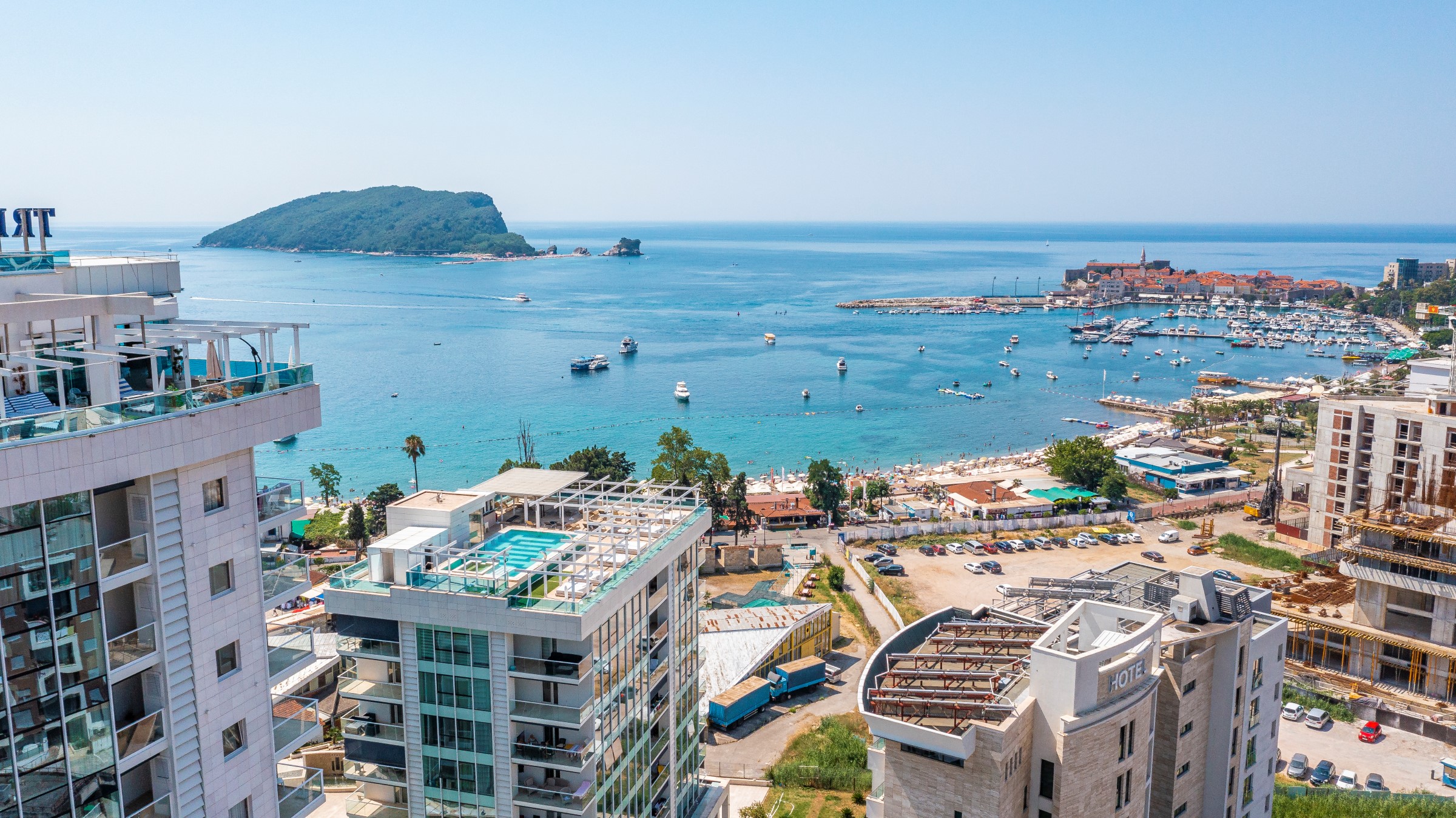
Budva Riviera (Budva, Bečići, Sveti Stefan, Petrovac…)
The Budva Riviera remains Montenegro’s most vivid center of tourism, nightlife, and beaches — a constant draw for tourists and seasonal renters.
Typical price range: €3,500 – €6,000/m² for new or well-situated seafront apartments and villas.
Strong rental demand during summer, making it ideal for short-term vacation rentals; potential for reasonable yields and capital growth.
Best for: Holiday homes, summer rentals, investors looking for rental yield from tourism.
Kotor & Herceg Novi (Bay of Kotor Historic Region)
Kotor’s old town (UNESCO heritage) and the wider bay region blend cultural-heritage appeal with stunning natural beauty — a perennial draw for heritage lovers, long-term renters, retirees, and buyers seeking scenic living.
Prices for quality coastal properties (waterfront apartments, heritage-style homes, or villas) typically range from €2,800 to €5,000/m², depending on view, proximity to sea, and condition.
For investors seeking a mix of cultural living and rental potential, this area offers a balanced, often more affordable alternative to ultra-luxury zones.
Best for: Heritage and culture lovers, long-term living, retirees, moderate-to-high yield rental properties.
Affordable Coastal & Inland Alternatives in Montenegro — Value & Long-Term Potential
Small Coastal Towns in Montenegro
Coastal towns like Bar remain more affordable than superstar marinas or luxury developments. According to older but still indicative data, some newer buildings in Bar offered prices between €1,600 – €2,500/m², with resales even lower.
For investors with modest budgets, coastline access, or a desire for simpler coastal living without the premium price tag, such towns may offer solid long-term value.
Inland Cities & Mountainous Regions (e.g., Podgorica, Kolašin, mountain resorts)
For those less interested in beach life but seeking affordability, inland regions and mountain towns present a compelling alternative. Prices there tend to be more stable and significantly lower than coastal ones.
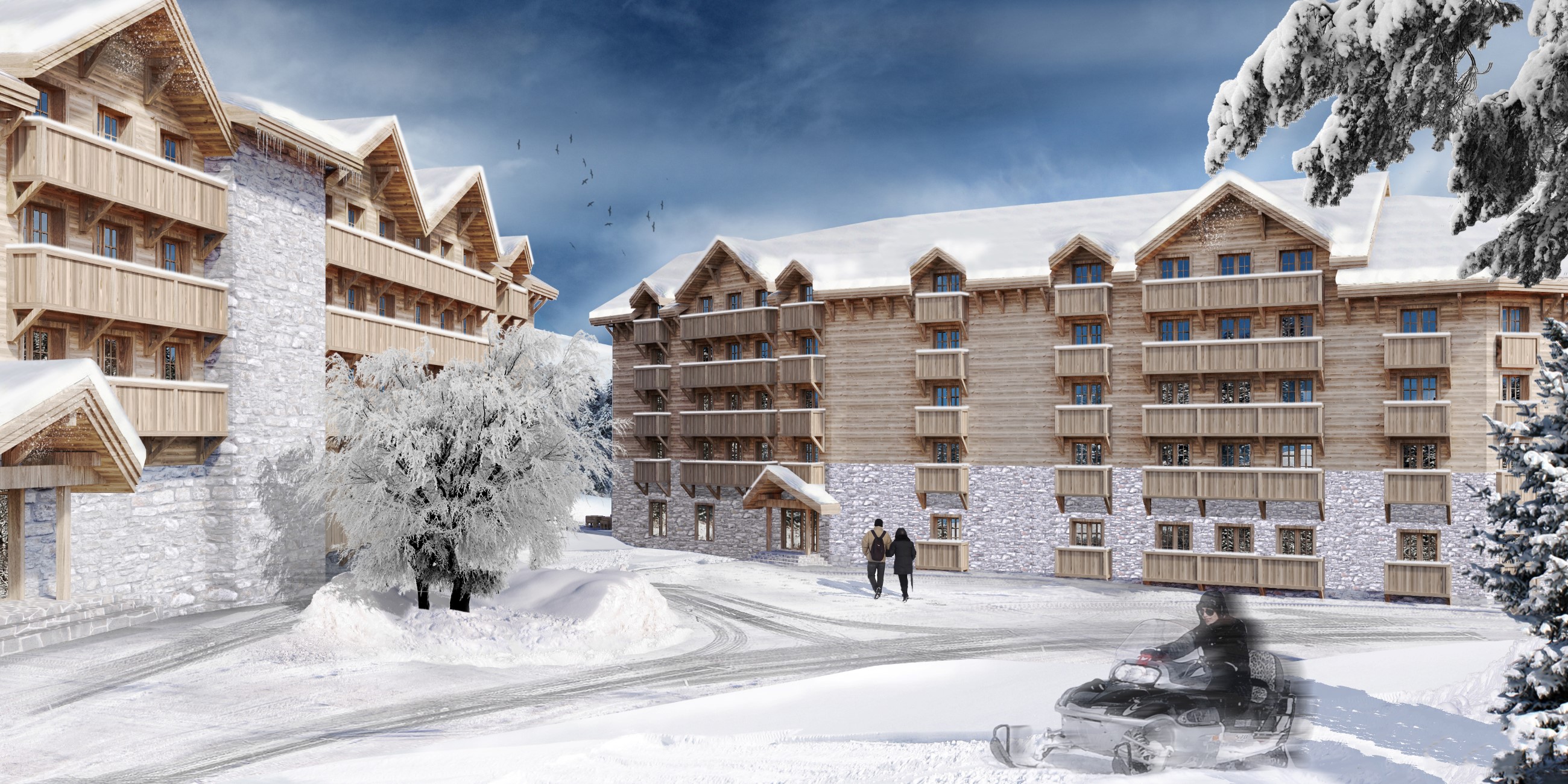
Mountain-region real estate (chalets, apartments near ski resorts, countryside houses) is increasingly popular for buyers valuing nature, tranquility, and four-season tourism potential.
Best for: Buyers with a modest budget, seekers of nature & quiet, long-term growth in non-tourist areas, or seasonal/rural rental income.
What Investors Should Expect in Montenegro: Returns, Yields, and Market Performance
Strong Capital Appreciation
Recent data shows that property prices along the coast — especially in premium areas — have been rising steadily. Analysts forecast a 5–7 % annual price growth over the next few years for many coastal and high-demand zones.
For example:
Year-on-year increases of 7–10 % have been observed for coastal villas and mountain homes.
Average coastal apartments and villas have appreciated by 5–8 % annually in recent years.
In hot spots, pre-construction “off-plan” units are frequently sold before completion, a sign of high investor confidence.
Given limited coastal supply and growing demand, especially international, the potential for medium- to long-term capital gains remains strong.
Rental Yield & Seasonal / Year-Round Income Potential
One of Montenegro’s most compelling draws for investors is the rental yield — especially in coastal and tourist-heavy areas:
Coastal rental yields nationally range between 4.4 % and 7.1 %.
Summer-season short-term rentals (e.g., holiday apartments, villas) can deliver especially high returns — thanks to booming tourism and high demand for vacation stays.
Apartments and homes in cities or less touristy areas (e.g., inland, mountain towns, or secondary coastal towns) may yield more modest but stable income — appealing for long-term rental strategies.
Thus, investing in Montenegro real estate can be a hybrid strategy: capital appreciation over time, combined with rental income — either seasonal or long-term.
Practical Considerations & Risk Factors When Buying a property in Montenegro
Due Diligence & Legal Advice — Don’t Skip It
While Montenegro welcomes foreign buyers, it also enforces certain restrictions and regulations:
Some property types (agricultural land, large land plots, forests, protected zones) require extra steps — foreigners may need to establish a local company to purchase.
For coastal and high-end properties, demand is high — but so is competition. Properties can be sold quickly, sometimes even off-plan, before completion.
It’s important to use reputable real-estate agents and legal representation: costs (agents, notary, lawyer fees, taxes) can add up — 3–7 % on top of the purchase price.
Maintenance, Operating Costs & Taxation
Owning and maintaining a property involves more than just the purchase price:
Annual property tax ranges 0.25–1 % depending on value and location.
Utilities, maintenance fees (especially for apartments in a complex), insurance, and possibly property management — if you’re renting out — need to be factored in.
Rental income and capital gains (on sale) are subject to taxation: typical rental income is taxed, and capital gains may apply depending on duration of ownership and residency status.
Realistically, gross yields (4.4–7.1 %) need to be adjusted for costs and seasons — especially in coastal/tourist zones where occupancy may fluctuate.
Market Risks & Overheating
Rapid price increases can lead to overheating in some coastal hotspots. That means: buying at the peak could risk future slowdowns or lower rental yields if demand softens.
Seasonal demand: For coastal holiday-oriented properties, income may depend heavily on summer, which introduces fluctuations outside of high season.
Regulatory changes: While ownership laws are favorable now, changes in taxation, land-use regulation, or environmental/historical-site restrictions may affect future returns.
Thus — while the outlook is positive, investors should treat Montenegro real estate as a medium- to long-term commitment, with considerations for diversification, maintenance, and risk management.
Living in Montenegro — Lifestyle, Residency, and Real Estate as Home
Investing in Montenegro isn’t only about returns — for many, it’s about quality of life. Whether you’re buying for holidays, retirement, or long-term residence, here’s what you should know.
Attractive Lifestyle and Environment
Mediterranean climate, scenic coastline, marinas, historical towns, and a relaxed pace of life draw many foreigners, retirees, and digital nomads.
Coastal towns (Kotor, Budva, Herceg Novi, Tivat) combine scenic beauty with tourist amenities, international communities, and leisure infrastructure (yachting, beach clubs, restaurants, history).
Inland and mountain areas offer tranquil living, connection to nature, outdoor activities, and affordability — ideal for those seeking a slower pace or seasonal retreat.
Residency & Use of Property
Buying a property can open the door to residency — many foreigners purchase as second homes or retirement spots.
Owning property doesn’t automatically grant citizenship (the previous citizenship-by-investment program ended in 2022) — but long-term residence, especially with continuous habitation, remains feasible.
Many investors choose properties both as a lifestyle home and as rental investments — switching between personal use and rental as needed.
Practical Living Costs
Compared to many Western European or Mediterranean destinations, Montenegro tends to offer relative value: property maintenance, utilities, and everyday costs are generally moderate, though luxury coastal living will naturally raise the cost of living. As always, this depends strongly on location, property type, and lifestyle expectations.
Strategy Guide — How to Invest Smart in Montenegro
If you’re considering real estate in Montenegro, here are different strategies depending on your goals:
Luxury/Mega-wealth Strategy — Marinas, Yachts & Prestige
Target prime marinas (Porto Montenegro, Luštica Bay) or luxury coastal developments.
Ideal for high-net-worth individuals, yacht owners, or global nomads looking for high-end Mediterranean living.
Expect high purchase prices, but also high potential for capital appreciation, premium rental yields, and lifestyle quality.
Holiday-Rental / Short-Term Rental Strategy
Focus on coastal resorts, vacation hotspots, or coastal town apartments.
During peak tourist season, short-term rentals (holiday villas, apartments) can produce strong cash flows.
This strategy works best if you are ready to manage rentals (or employ a property manager), handle seasonality, and maintain flexibility of use.
Long-Term Rental / Buy-to-Live Strategy
Consider inland cities, mountain towns, or more affordable coastal towns for long-term rentals or full-time living.
Lower entry cost, more stable yields, less dependency on tourism cycles.
Great for retirees, expatriates, families or remote workers seeking a stable home base.
Mixed Investment — Diversify Across Regions & Property Types
Combine a coastal property (for vacation/rental) with a more affordable inland or mountain property (for long-term rental or future use).
Diversifies risk: seasonal demand/market cycles and property maintenance.
Provides lifestyle options and flexible income streams.
What to Do Next — Due Diligence Checklist
Before you commit to buying property in Montenegro, make sure you:
Engage a local real estate lawyer or legal advisor to check land status, legal restrictions, and properly handle contracts,
Use reputable real estate agents with verified listings — especially if buying off-plan or in new developments,
Run full cost calculations — purchase price + taxes + legal fees + maintenance + utilities + property management (if renting),
Consider seasonal and market risks — especially for coastal / villa-based investments dependent on tourism,
Plan for a flexible exit or rental strategy — whether long-term rental, holiday rental, or resale — and adapt to market changes.
Montenegro — A Real-Estate Gem, with Eyes Wide Open
Montenegro offers a rare combination: Mediterranean coastal beauty, rising real-estate demand, favorable legal frameworks for foreigners, and growing investor interest. For many, it represents not just an investment — but a lifestyle: holidays by the sea, quiet mountain retreats, or a full-time home in a country balancing tradition and modernity.
However, as with any investment, success depends on due diligence, realistic expectations, and a clear strategy. The most rewarding investments will likely come from those who treat Montenegro not as a quick-flip opportunity, but as a long-term play — whether for capital appreciation, rental income, personal living, or a hybrid of all three.
If you’re looking for curated listings, personalized advice, or luxury real-estate opportunities, we at Sotheby’s International Realty — especially via our Montenegro arm — are ready to help you navigate this exciting, dynamic, and still-emerging market.
Contact us today or visit us in our office in Montenegro.