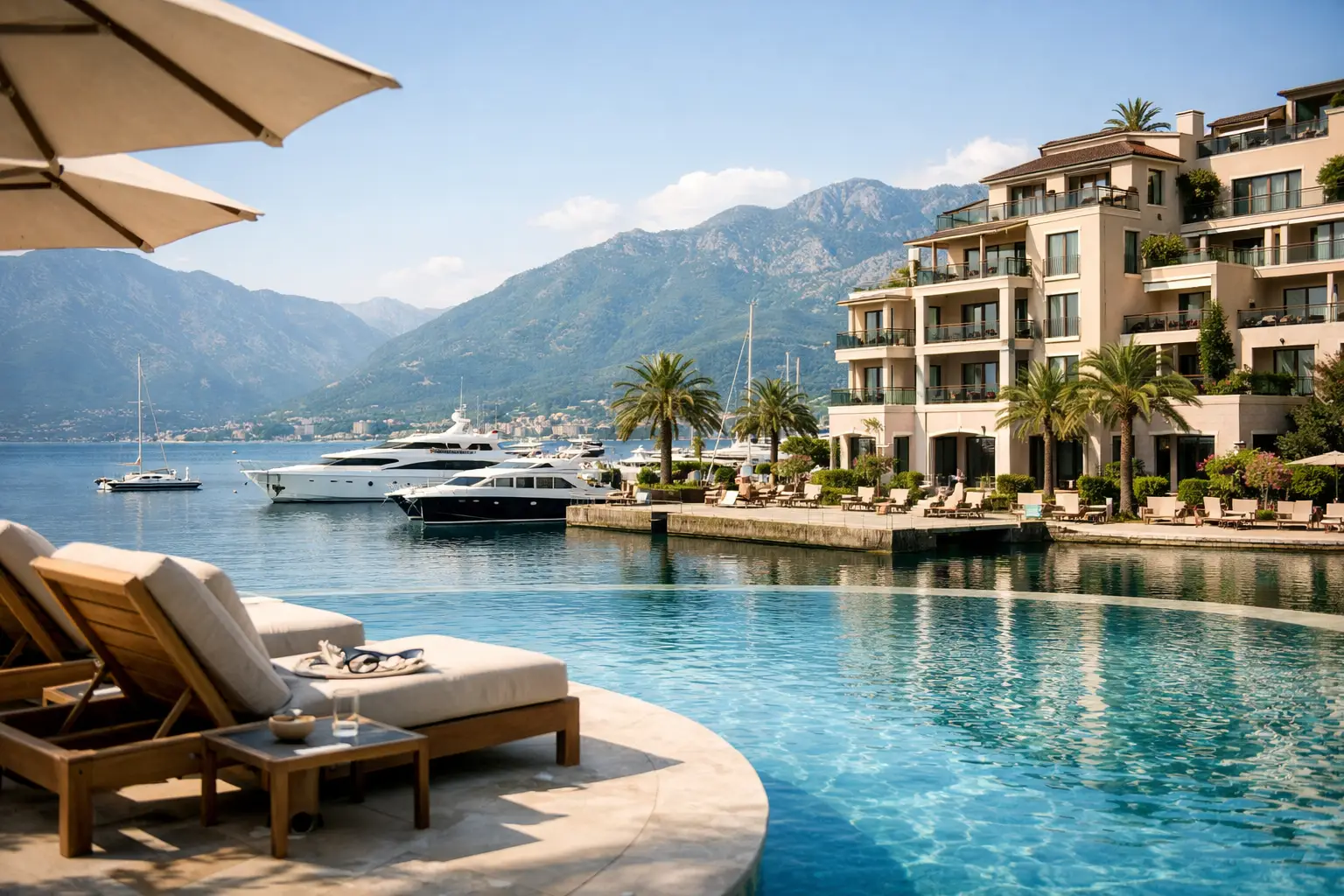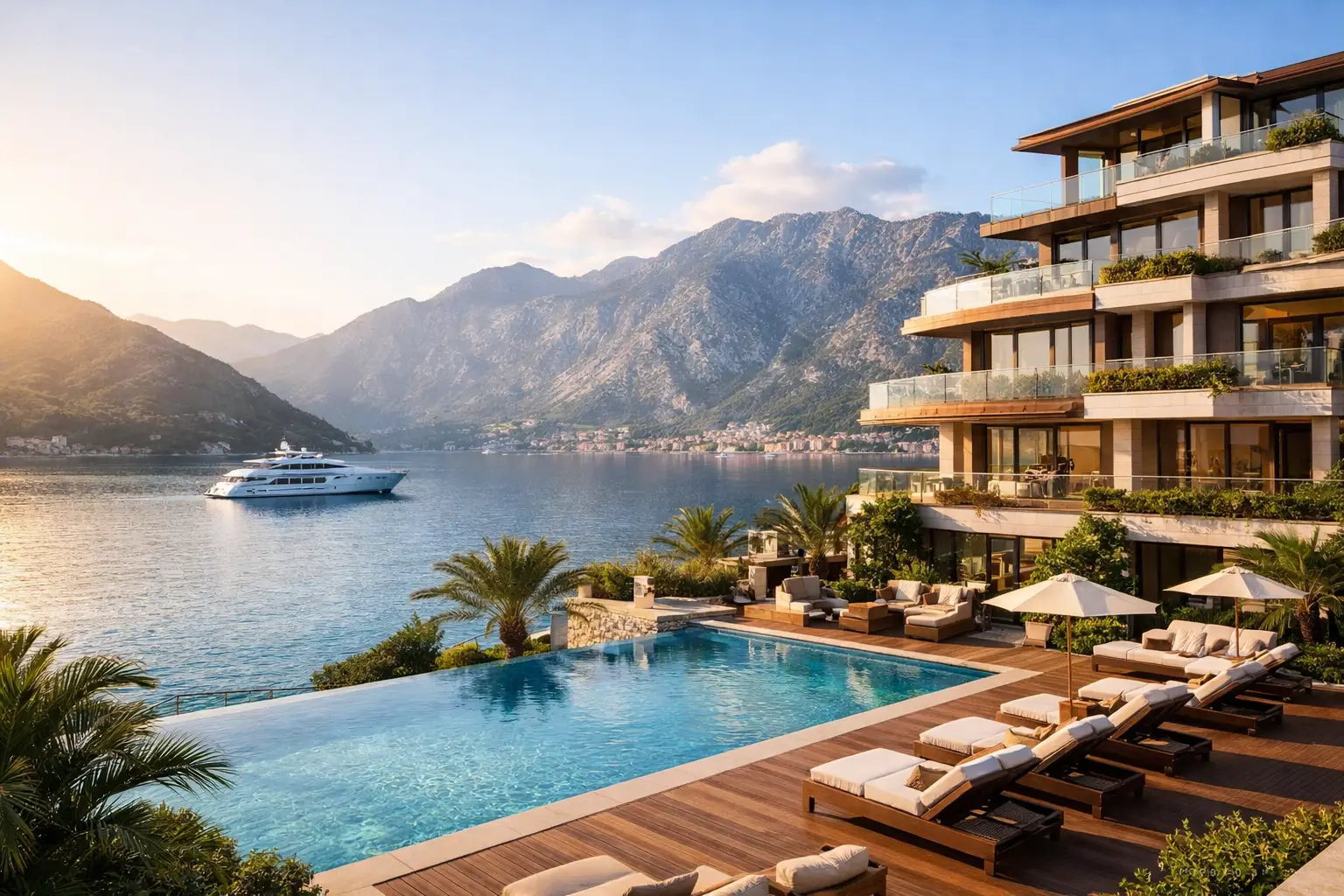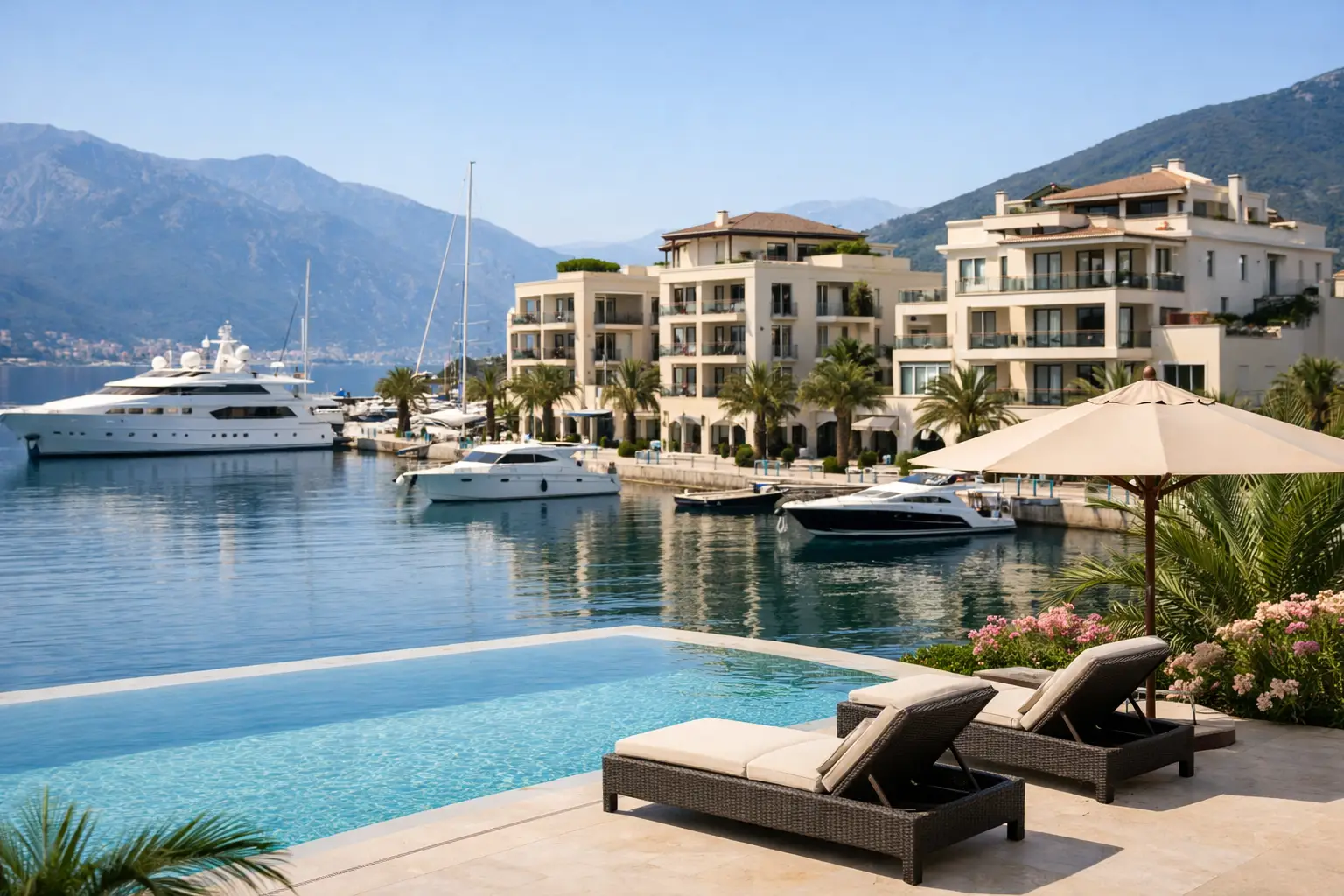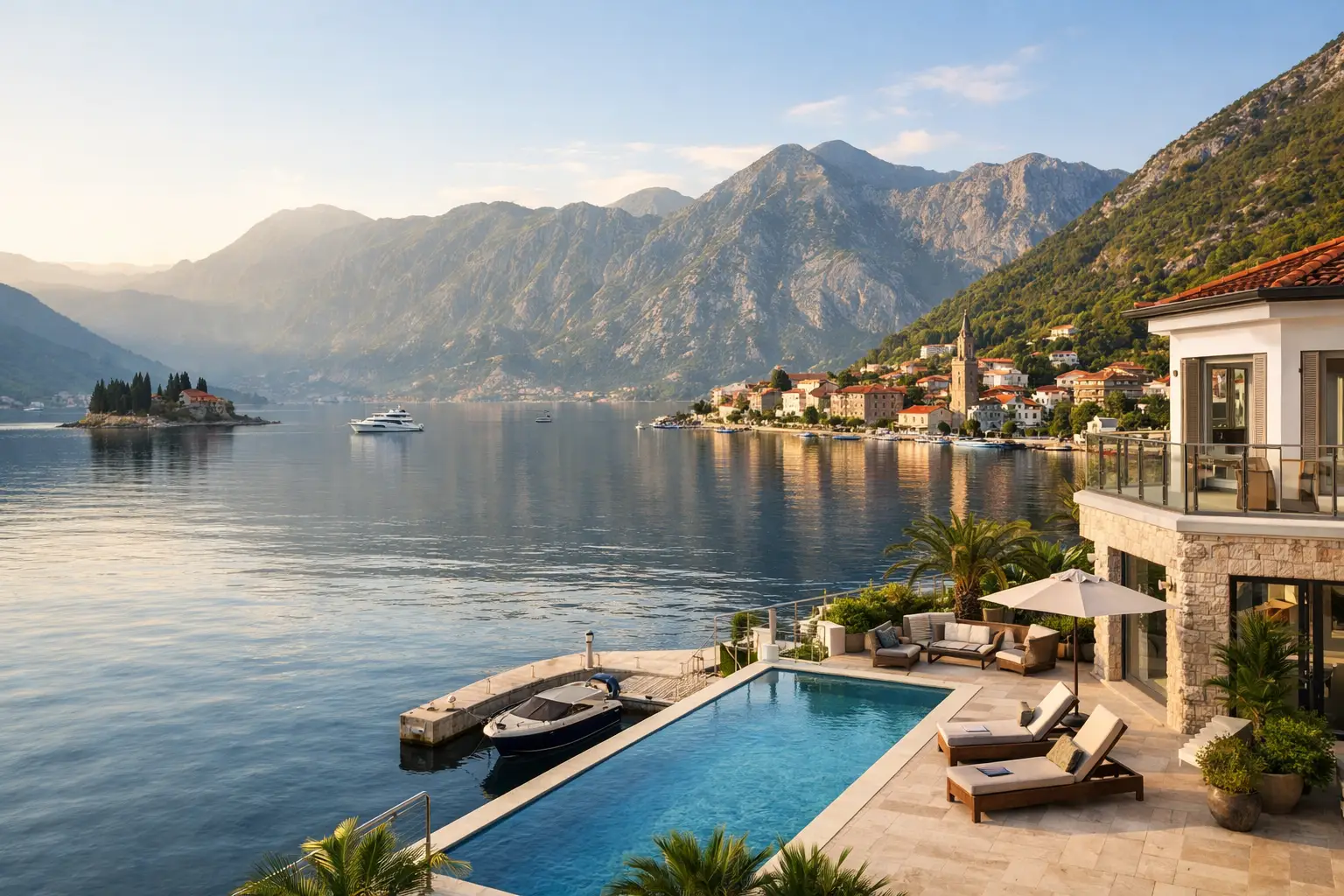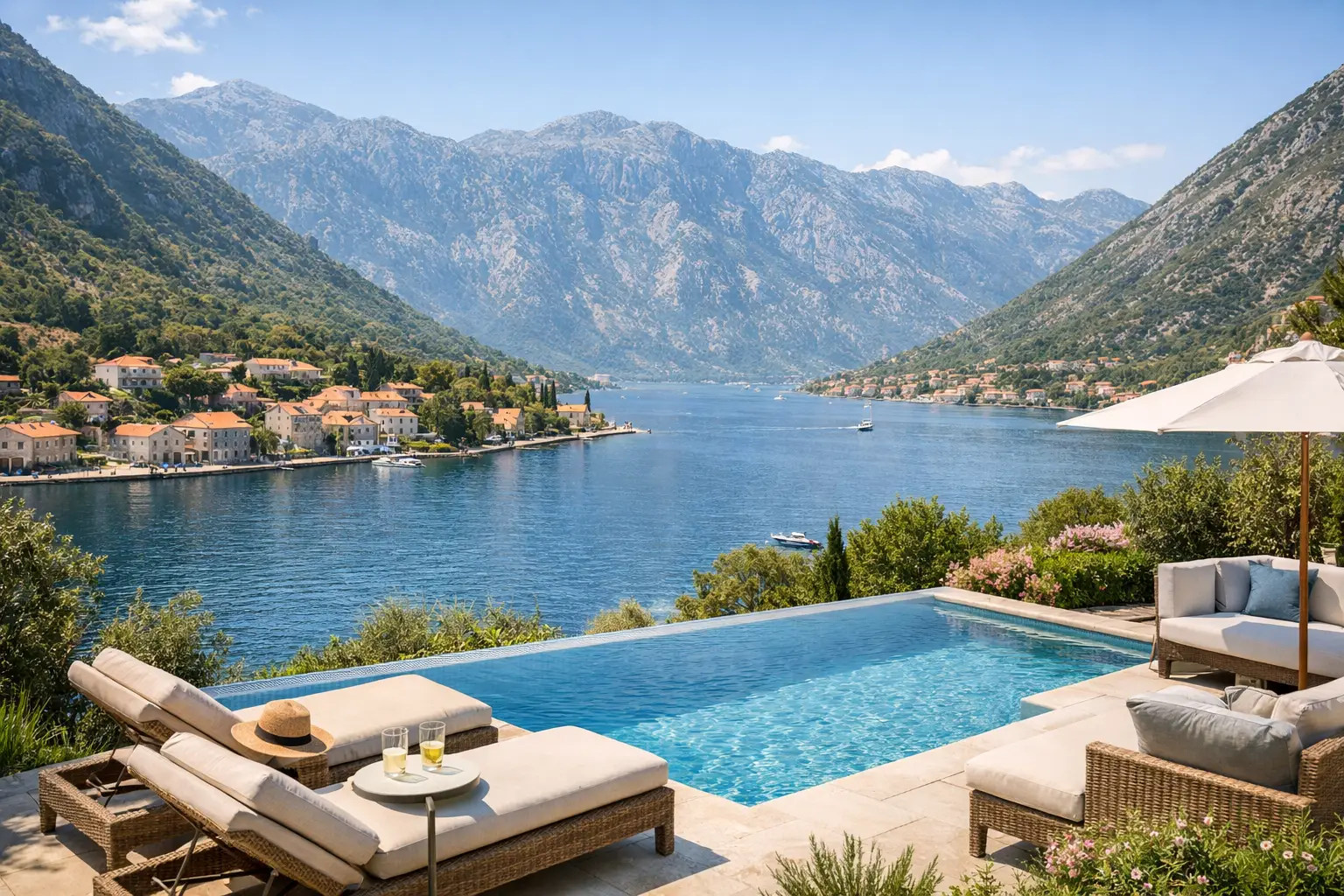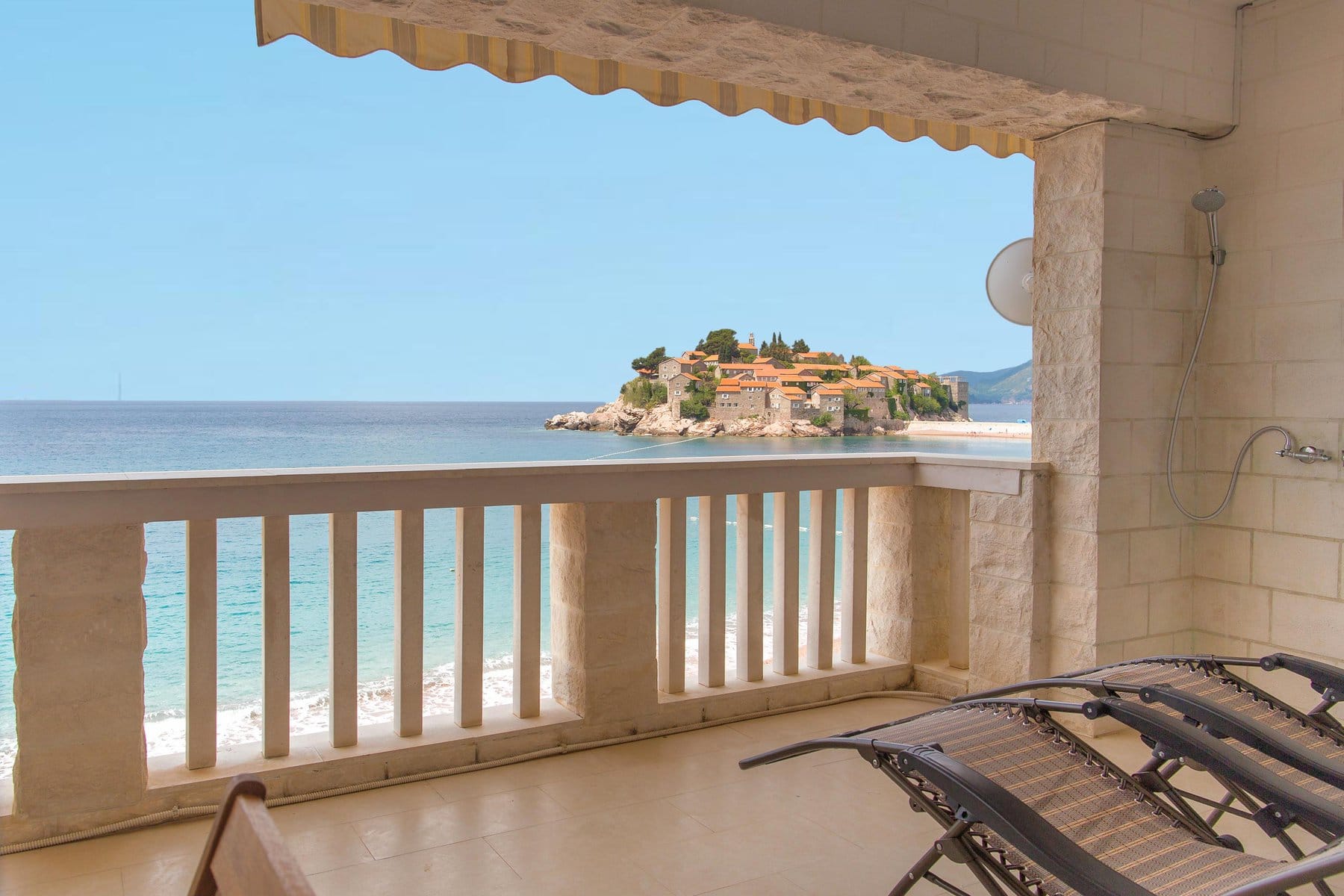





A waterfront apartment in Porto Montenegro, a hillside villa above the Bay of Kotor, or a branded residence in Luštica Körfezi can look straightforward on paper – until the question becomes legal rather than aspirational. Can foreigners buy property in Montenegro? In most cases, yes. International buyers can purchase many types of real estate here, including apartments, houses, and commercial property, but there are important distinctions around land, due diligence, ownership structure, and transaction process.
For serious buyers, the opportunity is real. So is the need for precision.
Can foreigners buy property in Montenegro without residency?
Yes. Foreign citizens generally do not need residency or citizenship to buy property in Montenegro. That is one of the reasons the market has drawn interest from globally mobile families, second-home buyers, and investors looking for a Mediterranean destination that still offers relative value compared with more established luxury markets.
That said, buying rights are not identical across every asset class. A foreign buyer can typically acquire an apartment or a house with the land necessary for its ordinary use, but larger plots of undeveloped land, agricultural land, and property with special restrictions may require a closer legal review or a different acquisition structure. This is where assumptions can become expensive.
For a luxury buyer, the distinction matters because many of Montenegro’s most attractive opportunities sit within mixed-use developments, waterfront settings, or hillside parcels where title configuration, access rights, planning status, and land designation deserve careful attention.
What types of property can foreigners buy?
In practical terms, foreign buyers most commonly purchase apartments, villas, townhouses, and select commercial assets. These tend to be the cleanest categories from a legal and transactional standpoint, particularly within established developments and prime coastal destinations.
Apartments are usually the most straightforward option. Ownership is direct, title is generally easier to verify, and maintenance and amenity management are often well organized in newer luxury developments.
Houses and villas are also available to foreign buyers, though the legal review is usually more detailed because the purchase often involves both the structure and the underlying land. The critical issue is not simply whether a buyer can purchase the asset, but whether the land parcel is properly registered, legally built on, and aligned with current planning documentation.
Commercial property can also be acquired, especially when the asset is already formalized and fully documented. For investors, this may include hospitality-related units, retail space, or mixed-use opportunities, depending on the project.
Where buyers need to be more careful
The phrase “foreigners can buy property” is broadly true, but it should not be treated as universal. Agricultural land, forests, and certain large undeveloped parcels can present restrictions for non-Montenegrin individuals. In those cases, buyers sometimes consider a Montenegrin company structure, but whether that is appropriate depends on the asset, the intended use, tax planning, and legal advice.
This is not merely a technical issue. A beautiful sea-view parcel may be less attractive if zoning is uncertain, infrastructure access is unresolved, or urban planning conditions are not what the buyer expects. In higher-value transactions, the right question is rarely “Can I buy it?” It is “Can I buy it cleanly, hold it efficiently, and use it as intended?”
The buying process for foreign purchasers
The purchase process in Montenegro is relatively familiar to international buyers, but it is still a civil-law transaction that should be handled with local legal support.
Once a property is selected, the parties usually agree on basic commercial terms and move toward a preliminary contract or reservation arrangement, depending on the deal structure. At that point, the buyer’s lawyer should begin full due diligence. This includes confirming title ownership, checking for encumbrances, reviewing permits, verifying the property’s registration in the cadastral records, and confirming whether there are any legal, planning, or construction irregularities.
If the findings are satisfactory, the sale and purchase agreement is signed before a notary. Payment mechanics vary by transaction, especially when dealing with new development, resale property, or corporate ownership, but funds are typically transferred by bank payment rather than cash. The transfer of title is then registered with the cadastral authority.
For overseas buyers, the process is usually manageable with the right team in place. What matters most is not speed for its own sake, but clarity at every stage.
Due diligence matters more than the headline rule
Montenegro remains a compelling market because it offers a rare combination of coastline, marina infrastructure, lifestyle appeal, and room for further growth. But it is still a market where asset quality can vary sharply, even within the same region.
Two villas may appear similar in finish and setting, yet one may have pristine documentation while the other may involve permit questions, boundary inconsistencies, or unresolved access. In the luxury segment, these details affect not just legal security but also future resale value and financeability.
This is especially relevant in sought-after areas such as the Bay of Kotor, Budva Riviera, Porto Montenegro, Portonovi, and Luštica Bay. Prime locations attract sophisticated buyers, but they also require sophisticated acquisition discipline. A well-advised purchase protects both lifestyle enjoyment and long-term asset performance.
Taxes, fees, and ownership costs
Foreign buyers should also understand the cost structure beyond the purchase price. Montenegro typically applies property transfer tax on resale transactions, while VAT may apply to certain new-build purchases, depending on the seller and the asset type. Notary fees, legal fees, registration costs, and agency fees may also form part of the transaction.
Annual property tax is generally moderate by international standards, but it varies according to municipality, property type, and assessed value. For buyers intending to rent the property, whether seasonally or long term, tax treatment should be reviewed in advance.
This is one of those areas where broad summaries are useful, but not enough. The tax position can shift based on whether you are buying personally or through a company, whether the property is new or resale, and whether your objective is private use, rental income, or future development.
Should you buy personally or through a company?
It depends on the asset and the strategy. Many foreign buyers purchase in their personal name, especially when acquiring a turnkey apartment or villa for lifestyle use. That route is often simpler and entirely suitable.
A company structure may be considered when acquiring land with restrictions, purchasing for development, or holding property as part of a wider investment plan. It can offer flexibility, but it also introduces administrative obligations, accounting considerations, and a different tax analysis. A structure that looks efficient at acquisition may be less appealing when it comes time to operate, transfer, or sell.
The right answer is usually strategic rather than generic.
Why international buyers remain interested
The legal ability to buy is only one part of the story. The deeper reason foreign capital continues to look at Montenegro is that the market occupies a distinctive position: Adriatic waterfront access, yacht-focused destinations, improving infrastructure, and a luxury profile that still feels earlier in its growth cycle than many comparable coastal markets.
For lifestyle buyers, that means access to exceptional settings and a more private rhythm of ownership. For investors, it means the possibility of entering established micro-markets and emerging enclaves before they reach full maturity. For both groups, select inventory remains finite, especially along the waterfront.
That is why careful selection matters as much as legal eligibility. The best purchases tend to combine title clarity, strong location fundamentals, architectural quality, and enduring buyer appeal.
Working with the right advisors
Cross-border real estate should feel well managed, not improvised. A trusted local lawyer is essential, and so is working with a brokerage that understands not only where the prime inventory is, but how different assets behave in practice – from ownership documentation to buyer demand to long-term positioning.
For international clients considering the market, Sotheby’s International Realty Montenegro offers a curated view of high-end opportunities along with guidance grounded in local transaction experience. That combination can be particularly valuable when comparing branded residences, waterfront villas, marina-facing apartments, and land-backed assets that require deeper review.
The most successful purchases here are rarely impulsive. They are informed, deliberate, and aligned with a buyer’s broader lifestyle or investment goals.
If Montenegro is on your shortlist, the answer is encouraging: yes, foreigners can buy property in Montenegro. The smarter question is which property, under what structure, and with what level of protection. Once those pieces are in place, buying here can be not only possible, but exceptionally rewarding.