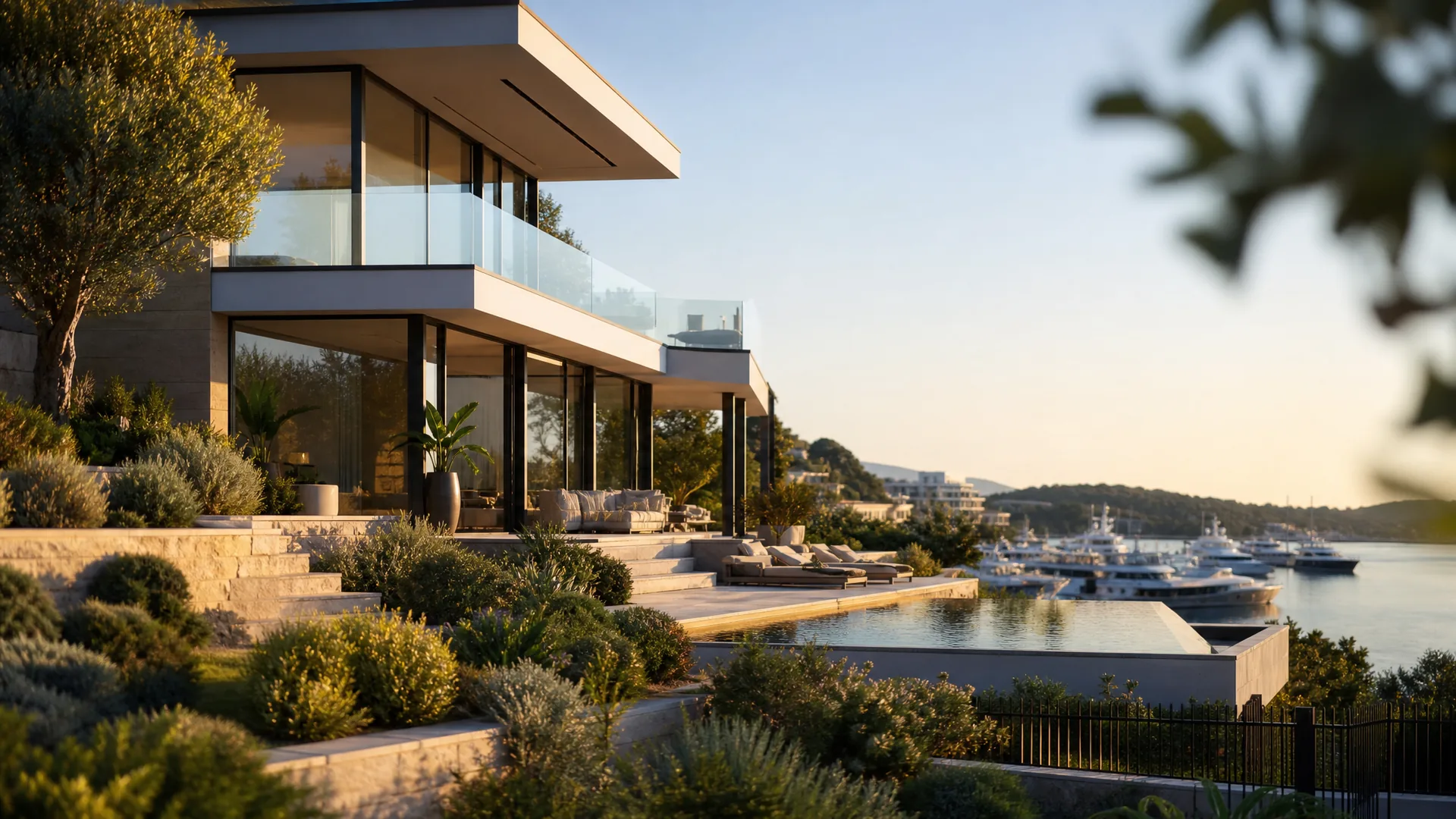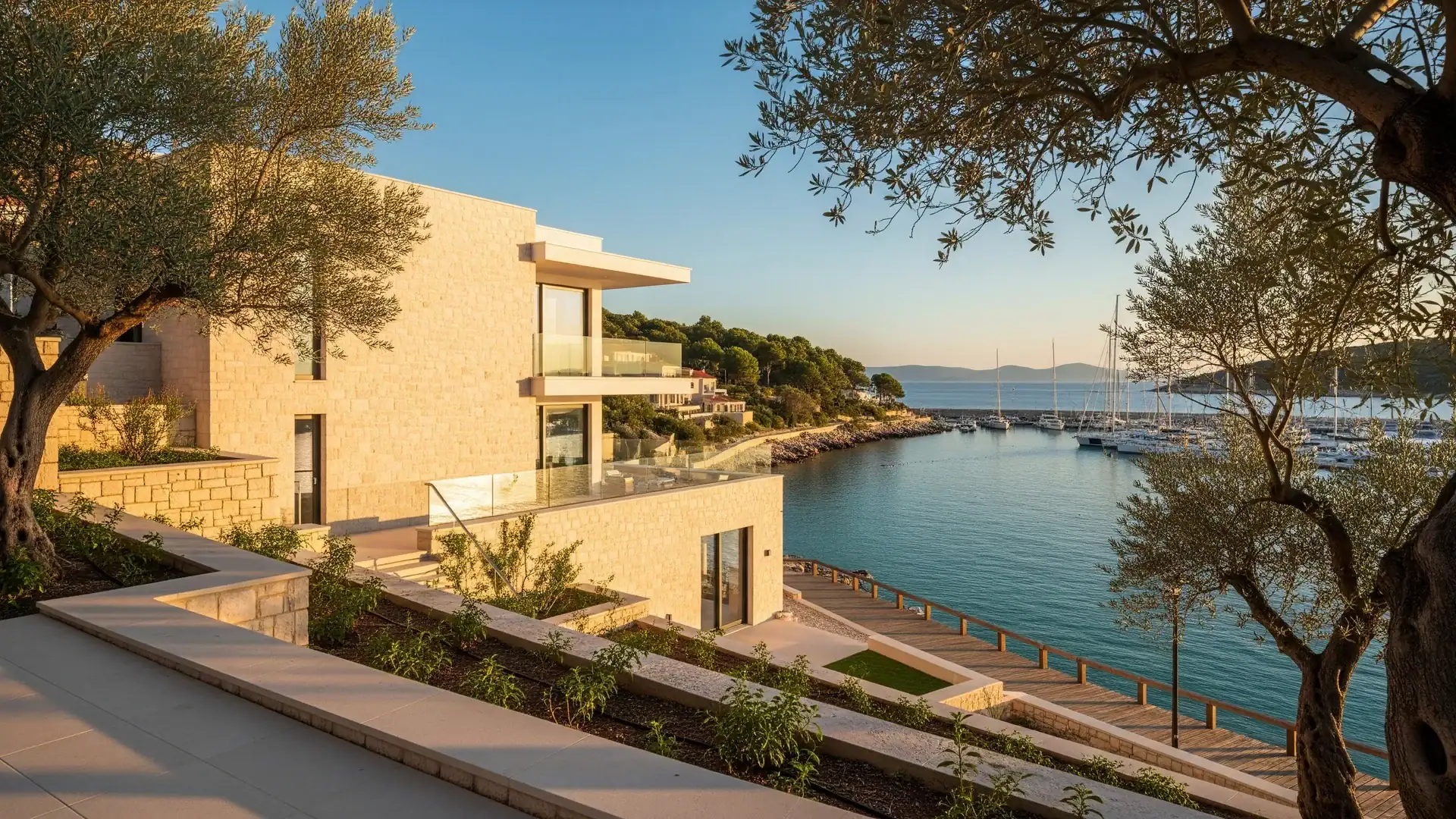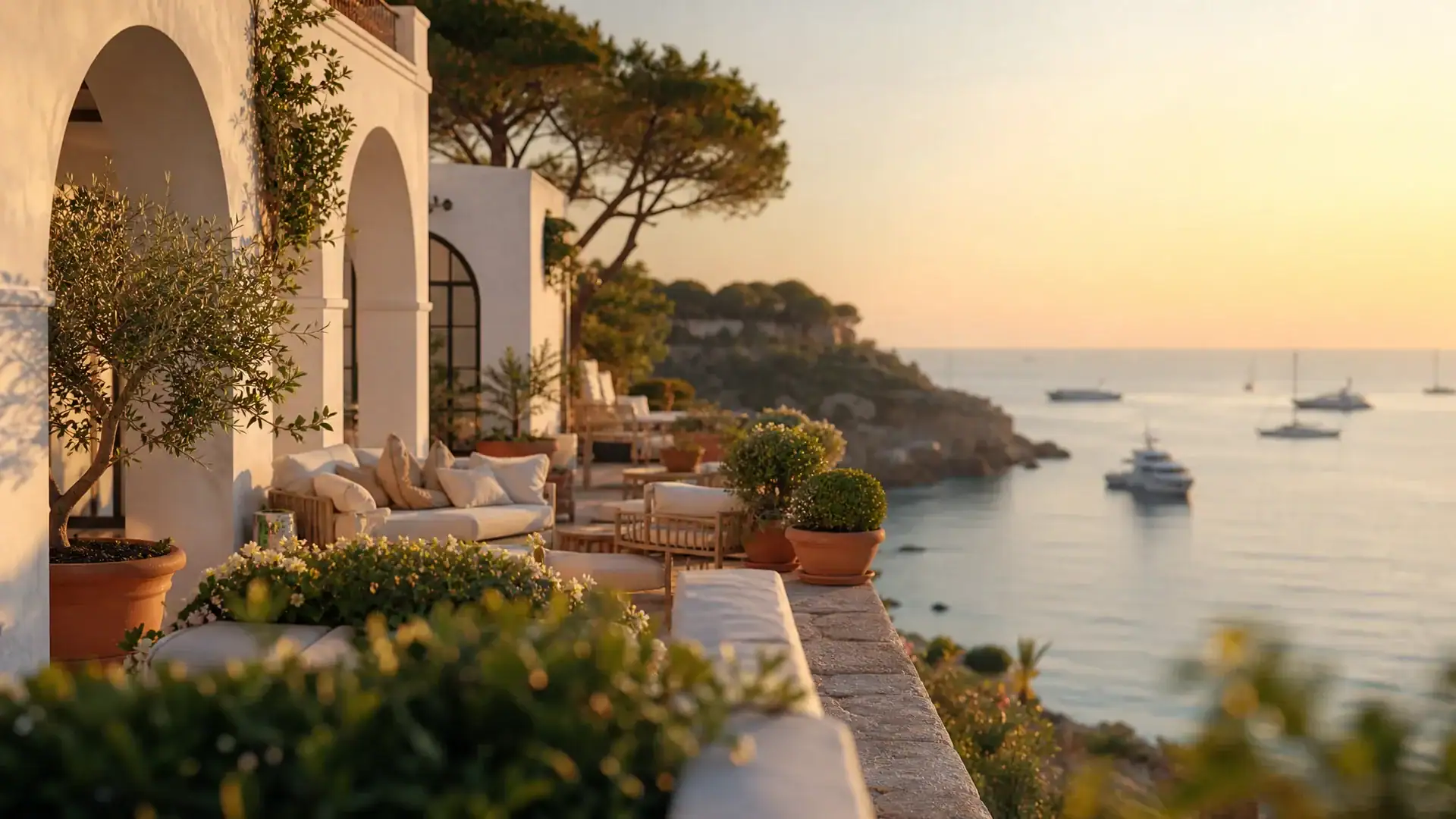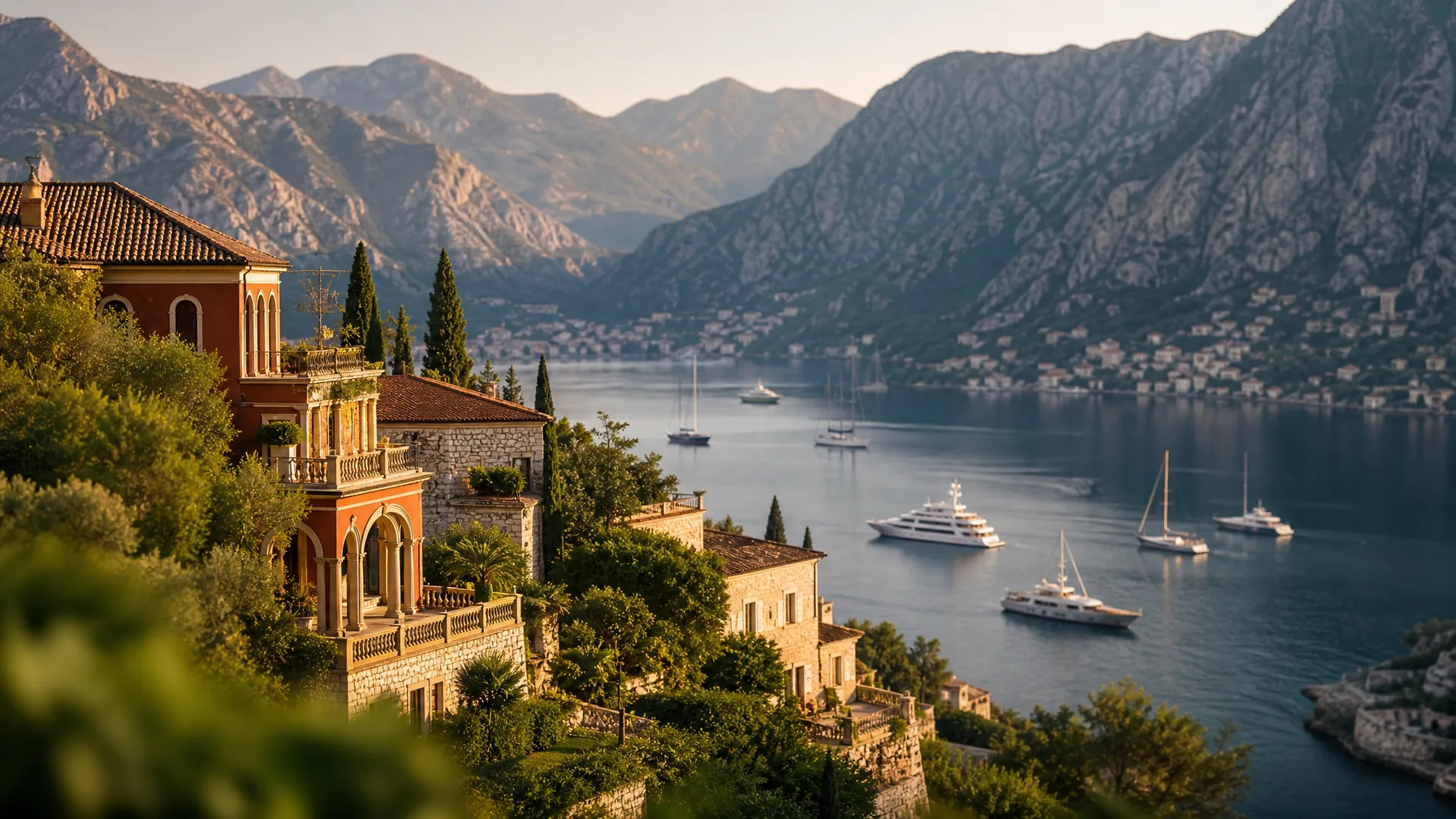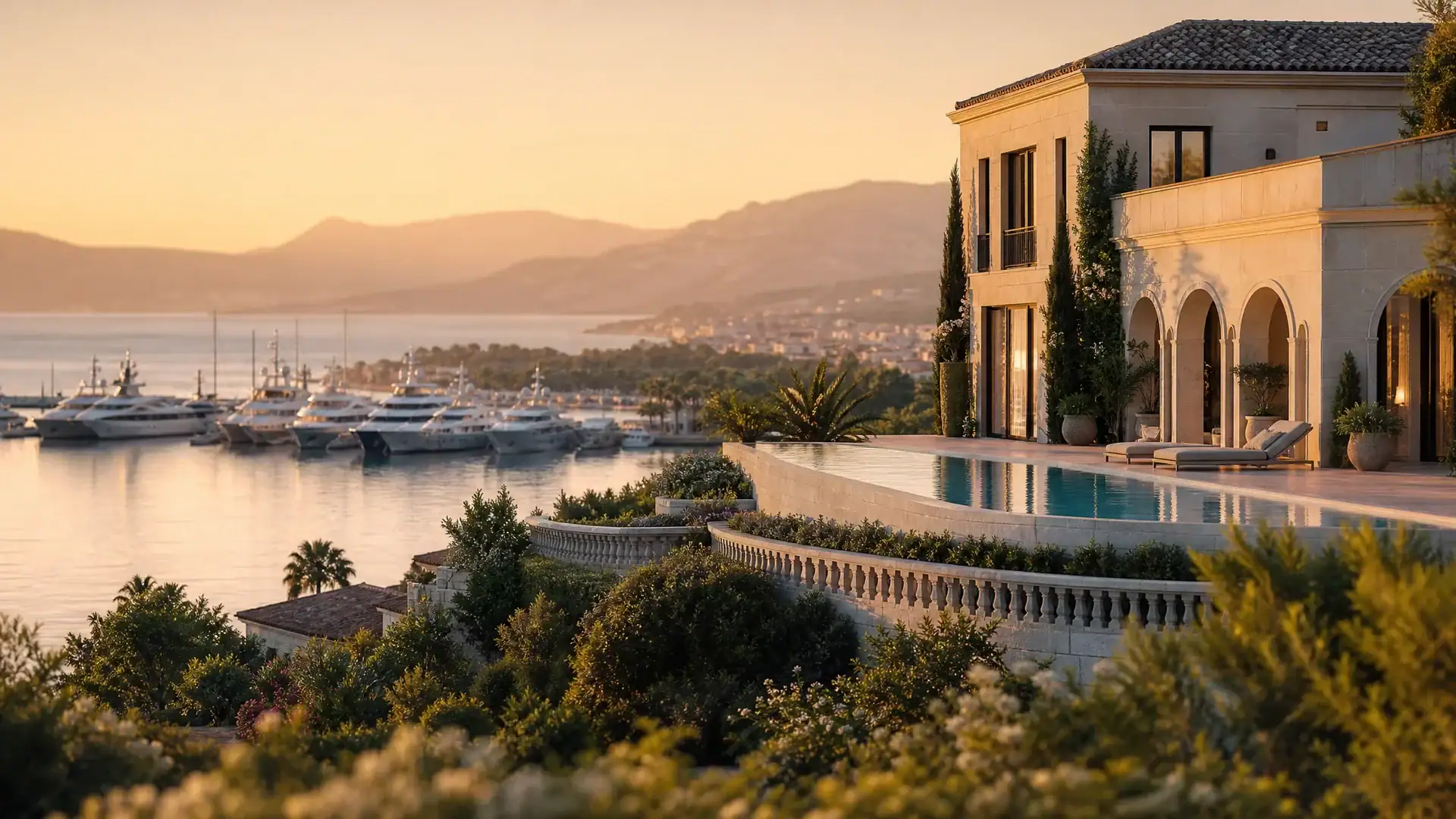

The Adriatic has long attracted wealthy buyers seeking sun, sea, and European heritage. But the luxury real estate market comparison adriatic picture in 2026 looks very different from a decade ago. Four distinct markets, Montenegro, Croatia, Greece, and Albania, now compete for the same international capital, each offering a different balance of price, legal clarity, yield potential, and long-term upside. Understanding those differences is the difference between a portfolio-defining acquisition and an expensive miscalculation.
Why International Buyers Are Rethinking the Adriatic Property Map
The Adriatic is no longer a monolithic market. Croatia and Greece are established, EU-anchored destinations with deep tourism infrastructure and recognisable brand appeal. Montenegro and Albania are emerging markets, each at a different stage of maturity. What has shifted in 2026 is the quality of the gap between them.
Established markets offer certainty, transparent resale liquidity, well-worn legal frameworks, and strong rental demand. But that certainty is priced in. Buyers entering Dubrovnik or Mykonos today are acquiring at peak valuations in markets where the headline growth story is largely written.
Montenegro and Albania represent a different proposition: earlier-cycle opportunities where infrastructure investment, tourism growth, and a professionalising legal environment are still translating into price appreciation. The critical question is which emerging market has crossed the threshold from speculative to investable, and that is precisely where this comparison begins. For a detailed overview of 2026'da Karadağ Lüks Emlak Piyasası, the picture rewards careful study.
Montenegro vs. Croatia: Value, Ownership, and Market Maturity
Entry Prices and Price-Per-Square-Metre Dynamics
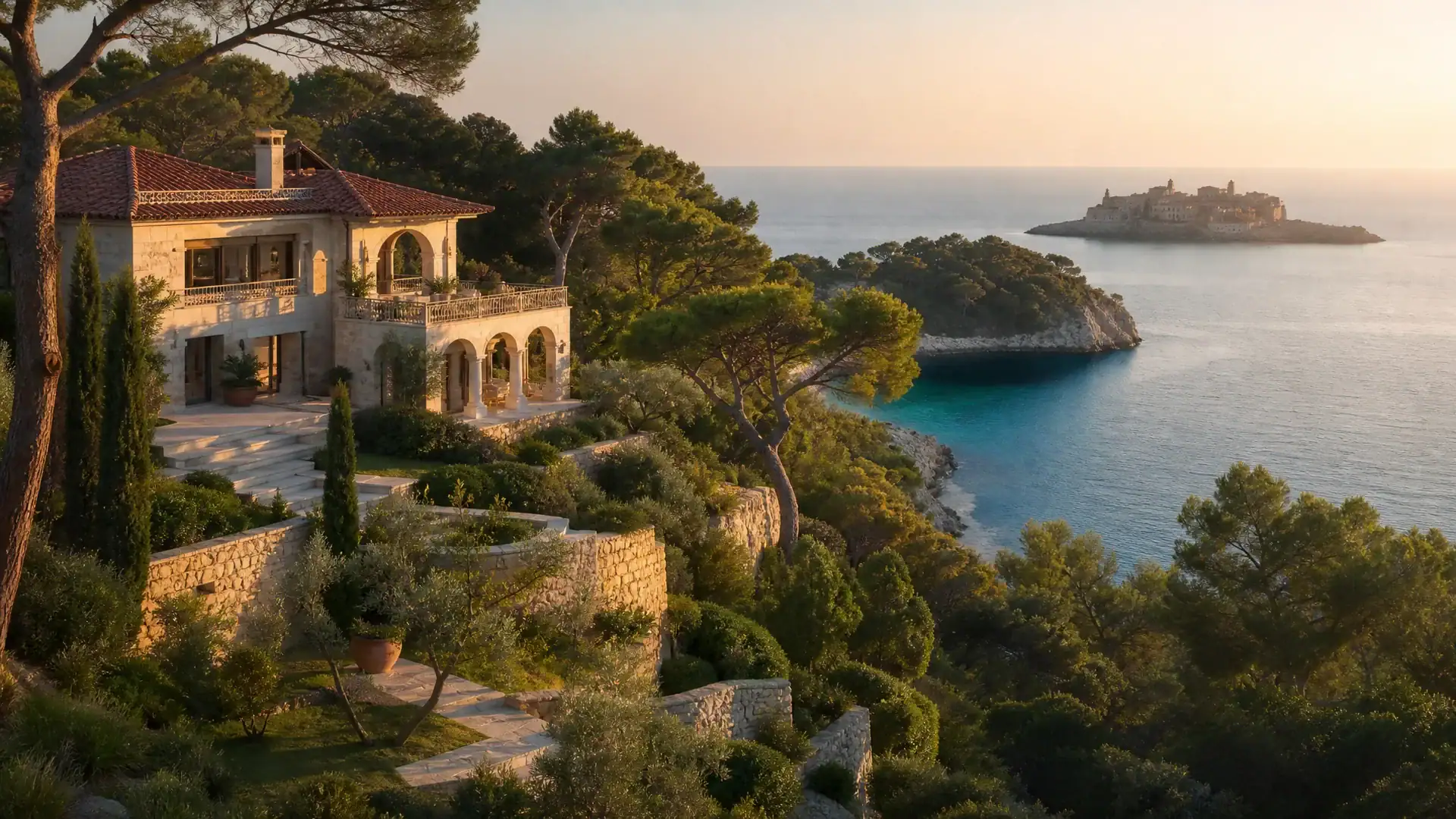
Croatia’s premium coastal markets, Dubrovnik, Hvar, and the Makarska Riviera, command some of the highest per-square-metre prices on the Adriatic outside Monaco. Waterfront and near-waterfront luxury homes in Dubrovnik regularly trade above €6,000–€8,000 per square metre, with trophy properties exceeding that range. EU membership and a decade of sustained tourism growth have driven that premium.
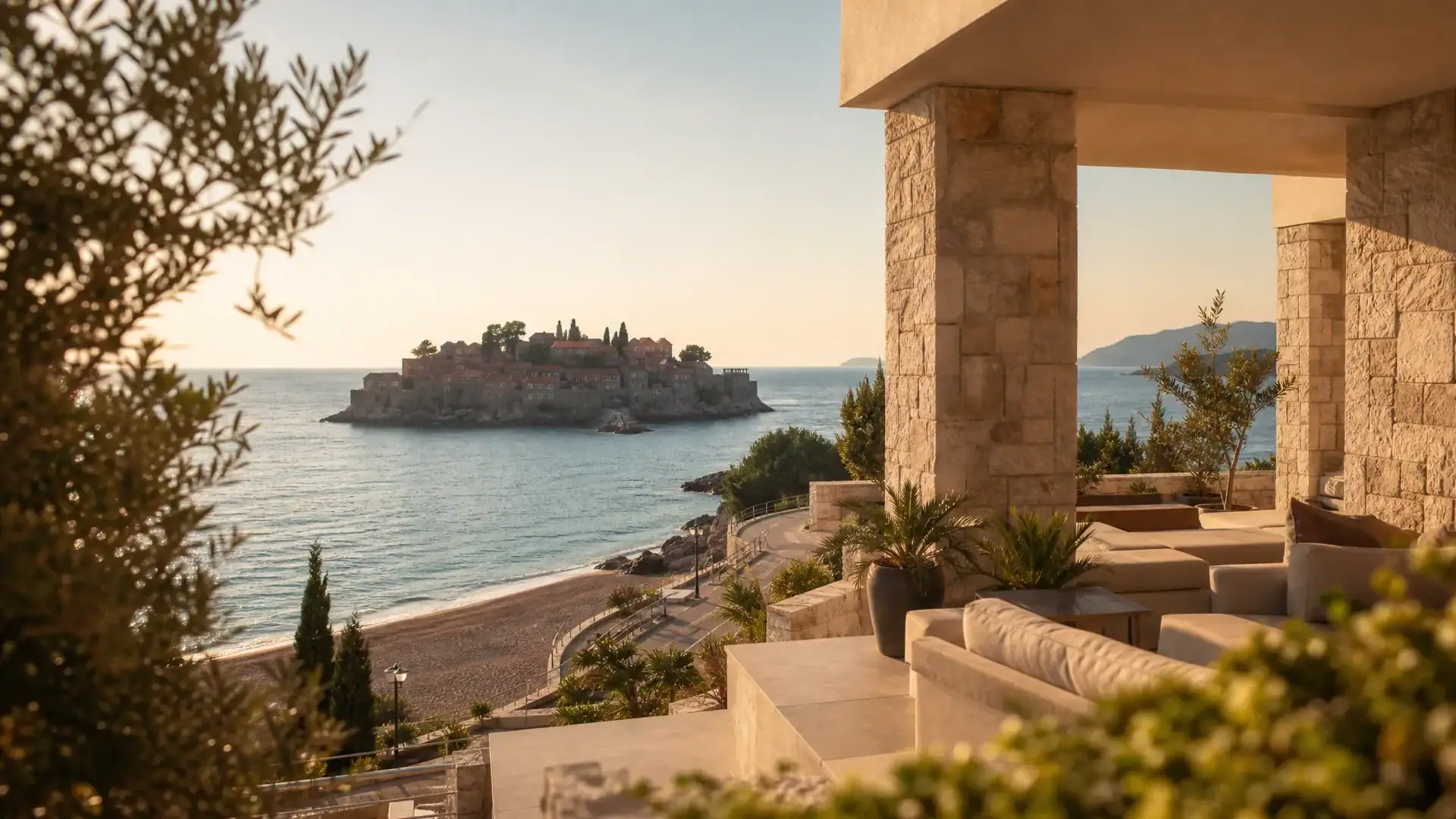
Montenegro’s Bay of Kotor and Budva deliver comparable waterfront quality, UNESCO-listed scenery, clear Adriatic water, yacht-friendly marinas, at meaningfully lower entry points. Luxury waterfront villas and apartments in Tivat and Kotor trade at a significant discount to equivalent Croatian addresses. The current Bay of Kotor price benchmarks show the gap remains wide enough to matter for capital allocation decisions. For buyers optimising for value per square metre of genuine waterfront luxury, Montenegro is the more efficient market in 2026.
Foreign Ownership Rules and Transaction Simplicity
Croatia’s EU membership introduces a regulatory layer that non-EU buyers, particularly those from the Gulf, the US, and Asia, must navigate carefully. Reciprocity agreements, residency considerations, and EU property acquisition rules can extend due diligence timelines and require specialist legal coordination.
Montenegro operates differently. Foreign nationals acquire freehold title on the same legal basis as Montenegrin citizens, no reciprocity hurdles, no category restrictions on residential or commercial property. The property purchase process for foreign buyers in Montenegro is straightforward: agree terms, conduct due diligence, sign a notarised purchase agreement, pay the transfer tax, and register title. Transaction timelines are typically shorter than in Croatia, and the legal costs are predictable. For an international buyer managing a multi-market portfolio, that simplicity has real value.
Montenegro vs. Greece: Lifestyle Parity at a Fraction of the Entry Cost
Island Premium vs. Adriatic Waterfront
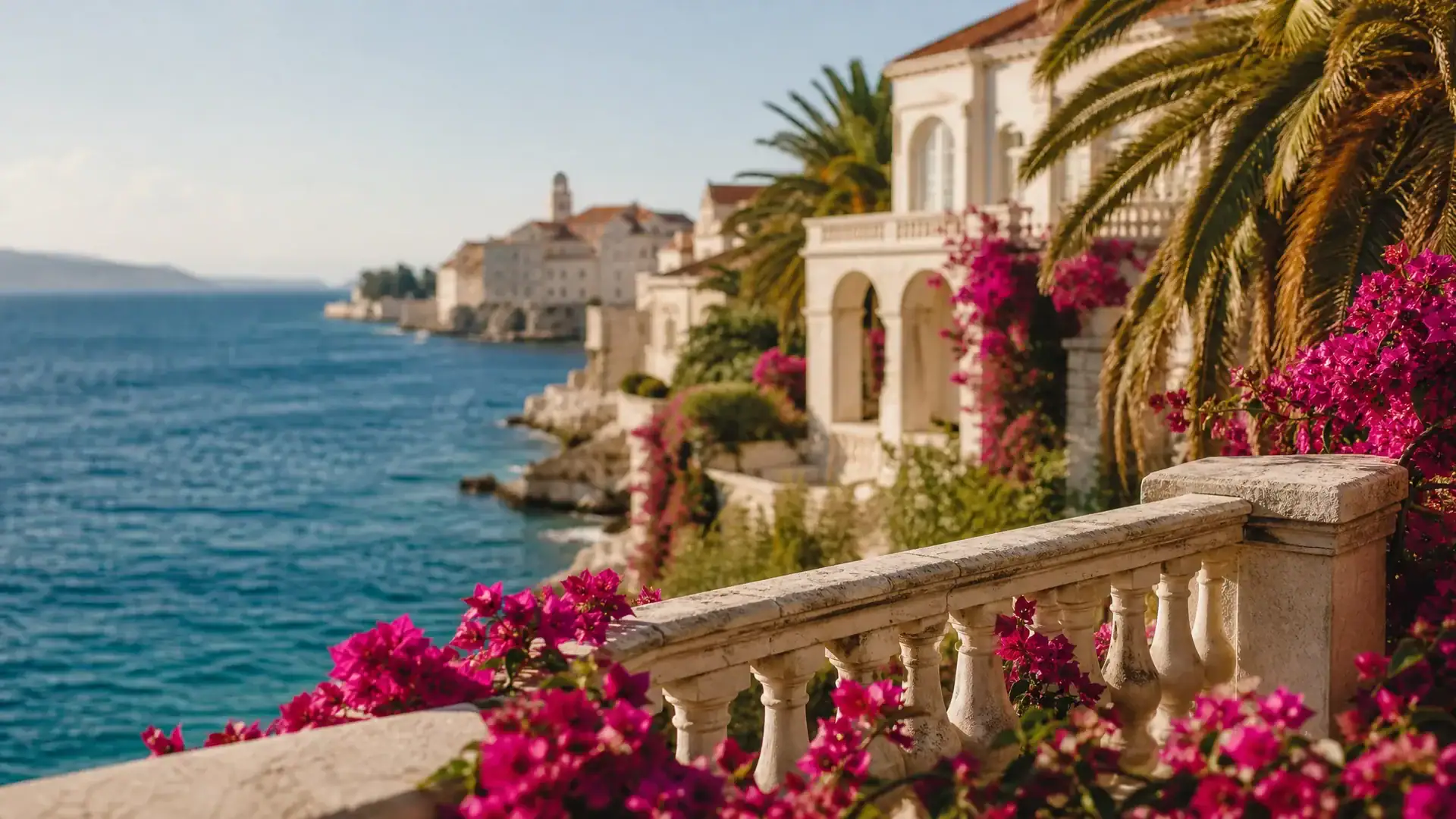
Greek island properties, Mykonos, Santorini, Corfu, carry a substantial island premium built on decades of aspirational positioning and a deep international buyer pool. Luxury villas on Mykonos routinely exceed €10,000–€15,000 per square metre. The lifestyle proposition is genuine: Aegean sailing, world-class gastronomy, and UNESCO-calibre heritage. But the entry ticket is steep, and the total cost of ownership adds another layer.
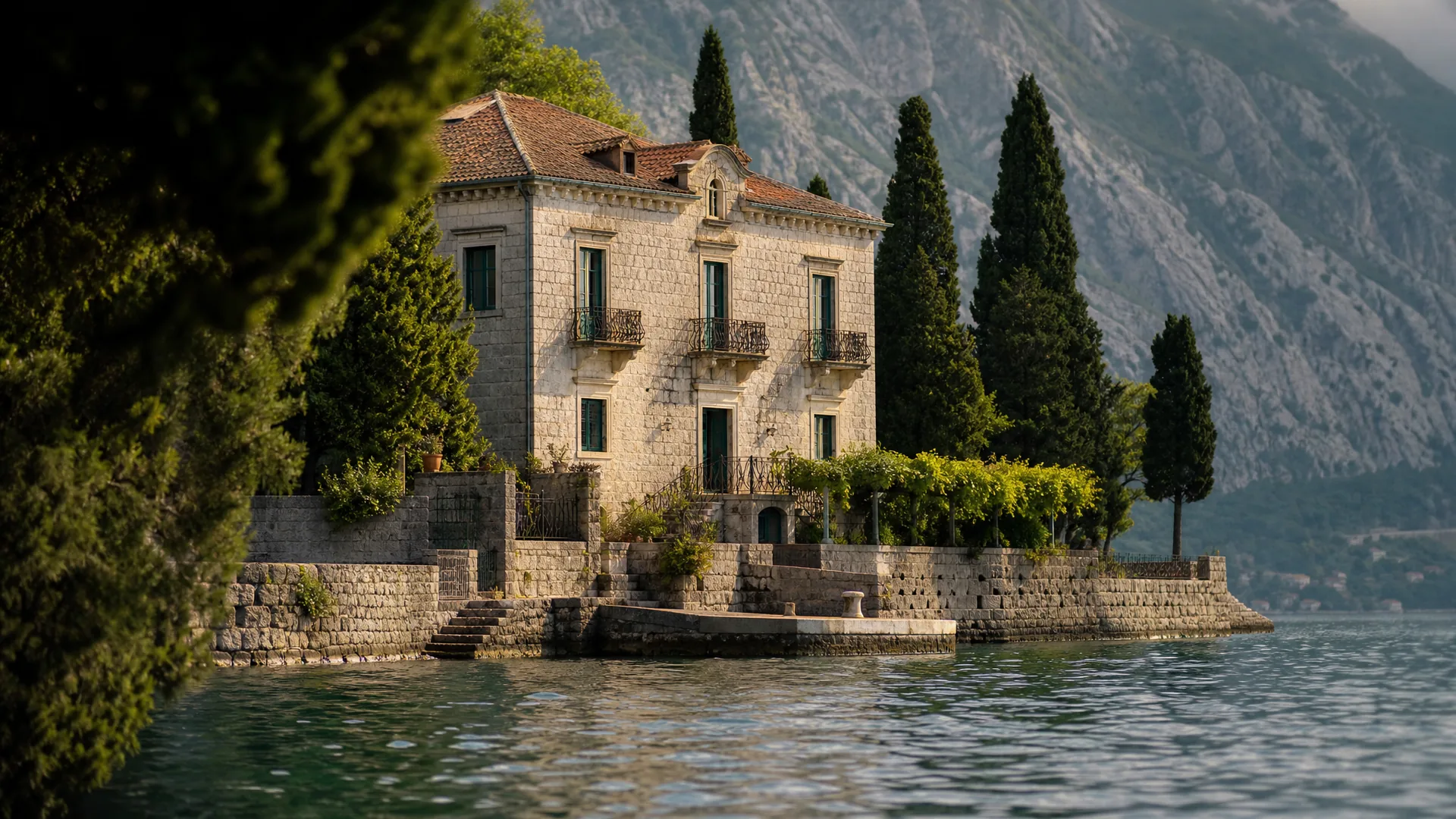
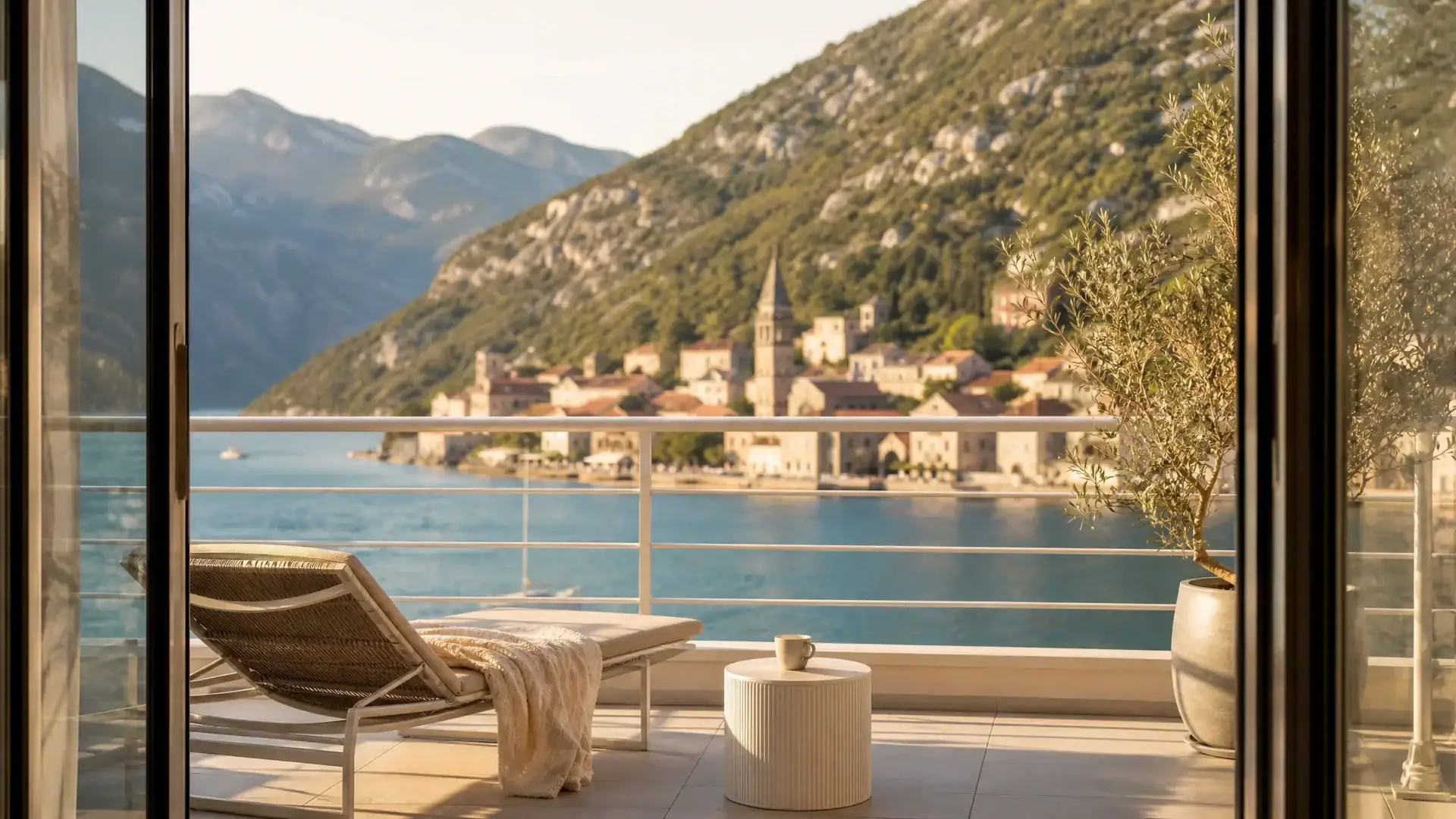
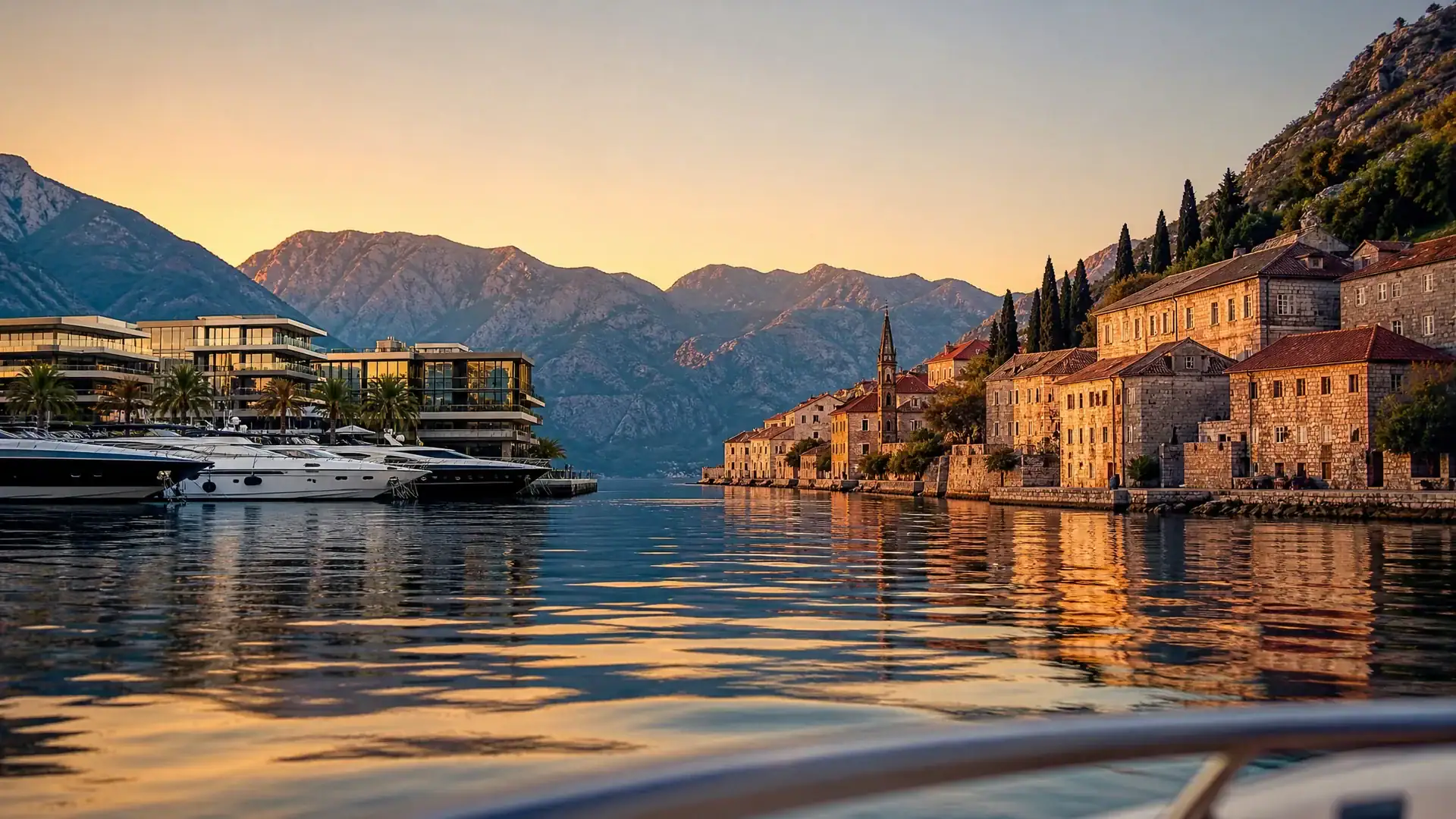
Perast waterfront villas in the Bay of Kotor offer a genuinely comparable lifestyle, Venetian-era stone architecture, protected fjord waters ideal for sailing, Michelin-recognised cuisine, and one of Europe’s most photographed UNESCO landscapes, at a fraction of the Greek island entry cost. That parity is not a marketing claim; it reflects what buyers who have owned in both markets consistently report.
Tax Environment and Holding Costs
Greece’s ENFIA property tax applies annually to all real estate owners, calculated against assessed values that have risen alongside market prices. Combined with income tax on rental revenue and the associated administrative burden, holding costs in Greece can meaningfully erode net yield.
Montenegro’s tax environment is among the most competitive in Europe. The property transfer tax is a flat 3% of the purchase price, with no additional stamp duties. Annual property holding taxes are low relative to asset values. Rental income is taxed, but at rates that remain attractive compared to Greek or Croatian equivalents. For a buyer stress-testing a ten-year hold, the total-cost-of-ownership comparison between a Montenegrin waterfront property and a Greek island equivalent is compelling.
Albania: The Frontier Market, Opportunity and Risk in Context
Albania occupies the lowest price tier on the Adriatic, and that price signal is accurate. Entry-level luxury in Sarandë or along the Albanian Riviera is available at per-square-metre figures that would be impossible in any comparable Croatian or Greek location. For speculative capital comfortable with illiquidity, that is the appeal.
The risks, however, are material. Legal title transparency in Albania remains uneven, historic land registration issues continue to surface in due diligence. Infrastructure outside the main tourism corridors is still developing. Most significantly, resale liquidity is thin: the international buyer pool is narrow, and exiting a position at a price that reflects the initial investment thesis can be difficult. Rental management and property services are present but nascent.
Montenegro occupies a demonstrably different position. It is more affordable than Croatia and Greece, but it has crossed thresholds that Albania has not: a functioning notarial system with reliable title registration, a growing international buyer pool that provides genuine resale liquidity, and branded luxury developments, Porto Montenegro, Lustica Bay, that set verifiable market benchmarks. The risk-adjusted case for Montenegro over Albania is not marginal; it is structural.
Investment Returns Comparison: Yield, Capital Growth, and Resale Liquidity
Short-Term Rental Yield Across the Four Markets
Short-term rental performance on the Adriatic is driven by tourism arrivals, average occupancy seasons, and achievable nightly rates. Montenegro’s tourism sector posted consecutive years of record international arrivals heading into 2026, directly expanding the pool of prospective short-term tenants and pushing occupancy rates higher in Budva and Kotor Bay.
Budva generates gross short-term rental yields competitive with equivalent properties on the Croatian Riviera, and the operating cost base is lower, improving net returns. For buyers focused on income as well as capital growth, the Budva beachfront investment guide provides a granular view of achievable occupancy and rate assumptions. Greece’s island markets generate strong peak-season rates but shorter seasons and higher holding costs. Albania generates lower nightly rates and lower occupancy, reflecting a less mature inbound tourism market. On a risk-adjusted net yield basis, Montenegro leads the emerging market field and is competitive with its established neighbours. Strategies for Karadağ gayrimenkullerinden elde edilen kira gelirini en üst düzeye çıkarma can sharpen those returns further.
Capital Appreciation Trajectory in Montenegro
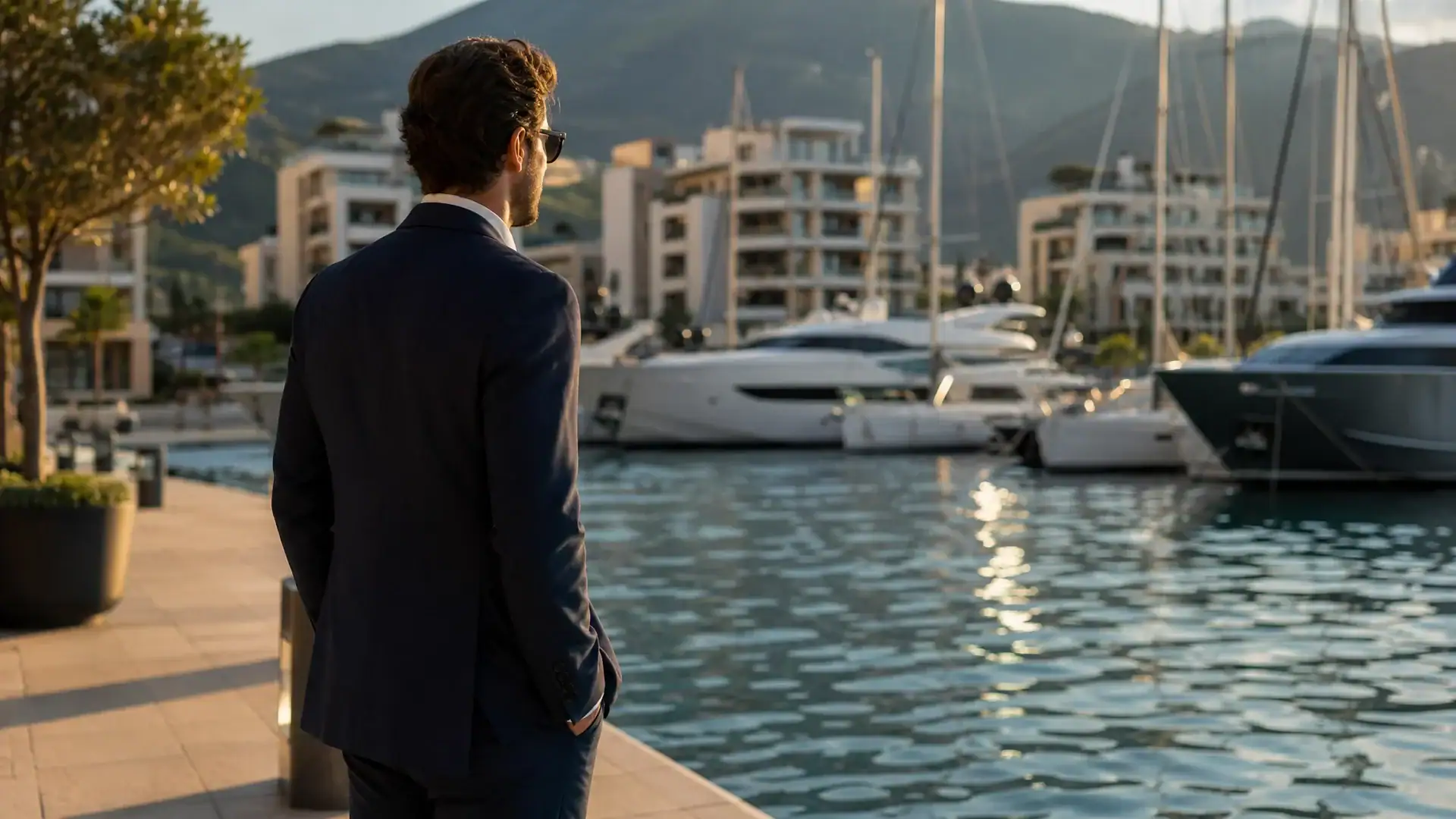
The capital appreciation story in Montenegro rests on concrete infrastructure, not aspiration. Porto Montenegro in Tivat has attracted superyacht owners and ultra-high-net-worth buyers from across Europe and the Gulf, establishing a luxury benchmark in a market that a decade ago had no comparable marina-village development. Porto Montenegro luxury apartments in Tivat now trade at prices that validate the long-term case early buyers made.
Lustica Bay has drawn international investors seeking branded residences, a product category that barely existed in the country before 2020. Branded residences historically appreciate faster than unbranded equivalents in emerging markets because they give international buyers familiar quality assurance and improve resale liquidity.
Croatia’s established markets offer more predictable but lower incremental growth, the appreciation runway shortens when entry prices already reflect maturity. Greek island properties can generate strong returns in peak cycles but are sensitive to macro shocks and political risk. Albania’s appreciation potential is real but contingent on legal and infrastructure improvements that remain in progress. Montenegro’s trajectory is the clearest among the emerging market pair.
Why Sotheby’s Montenegro Offers a Distinct Advantage in This Market
Navigating a luxury real estate market comparison across the Adriatic requires more than data, it requires relationships, local knowledge, and institutional credibility in markets where those assets are unevenly distributed.
Montenegro Sotheby’s International Realty is the only presence in this market that combines Sotheby’s International Realty’s global network, with its reach into European, Gulf, and North American buyer pools, with genuine on-the-ground expertise in Montenegro’s distinct micro-markets. That combination matters when you are benchmarking a Bay of Kotor estate against what equivalent capital buys in Dubrovnik or Mykonos, or when you need to move quickly on a Porto Montenegro opportunity before it trades off-market.
The active listing portfolio spans Bay of Kotor waterfront villas, Porto Montenegro luxury apartments, Budva beachfront homes, and Perast stone estates, a range that lets buyers conduct a genuine Adriatic property comparison at the level of individual assets rather than market abstractions. The markets that reward patient capital are those combining improving infrastructure, a growing international buyer pool, and a clear legal framework for foreign ownership. Montenegro increasingly satisfies all three. Albania has yet to fully meet any of them.
For a personalised comparison, showing exactly what your budget acquires in Montenegro versus Croatia, Greece, or Albania, contact Montenegro Sotheby’s International Realty for a curated property shortlist and a direct, market-specific advisory conversation. The best-value Mediterranean waterfront opportunity in 2026 rarely announces itself; it is found by those with the right guide.