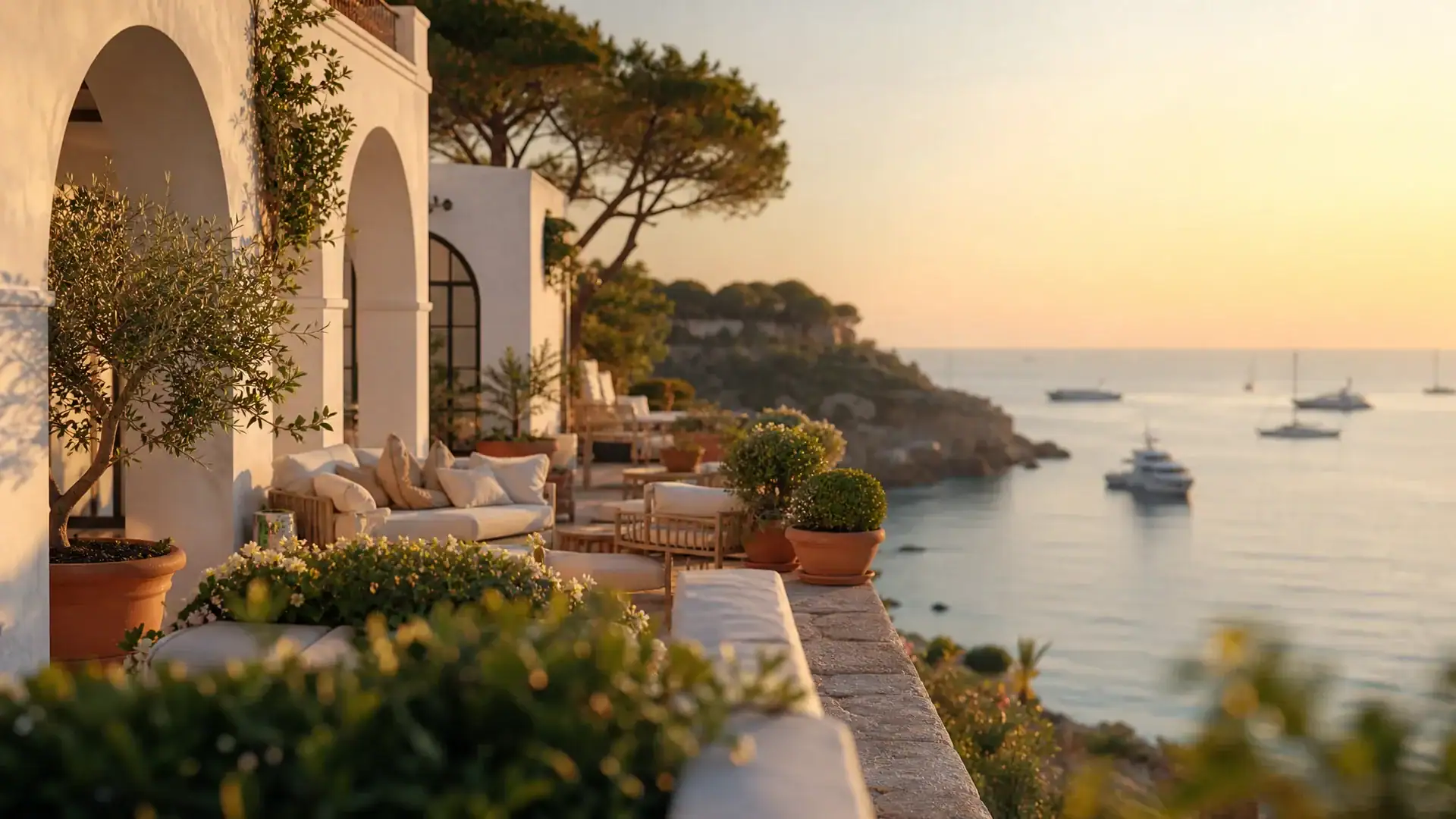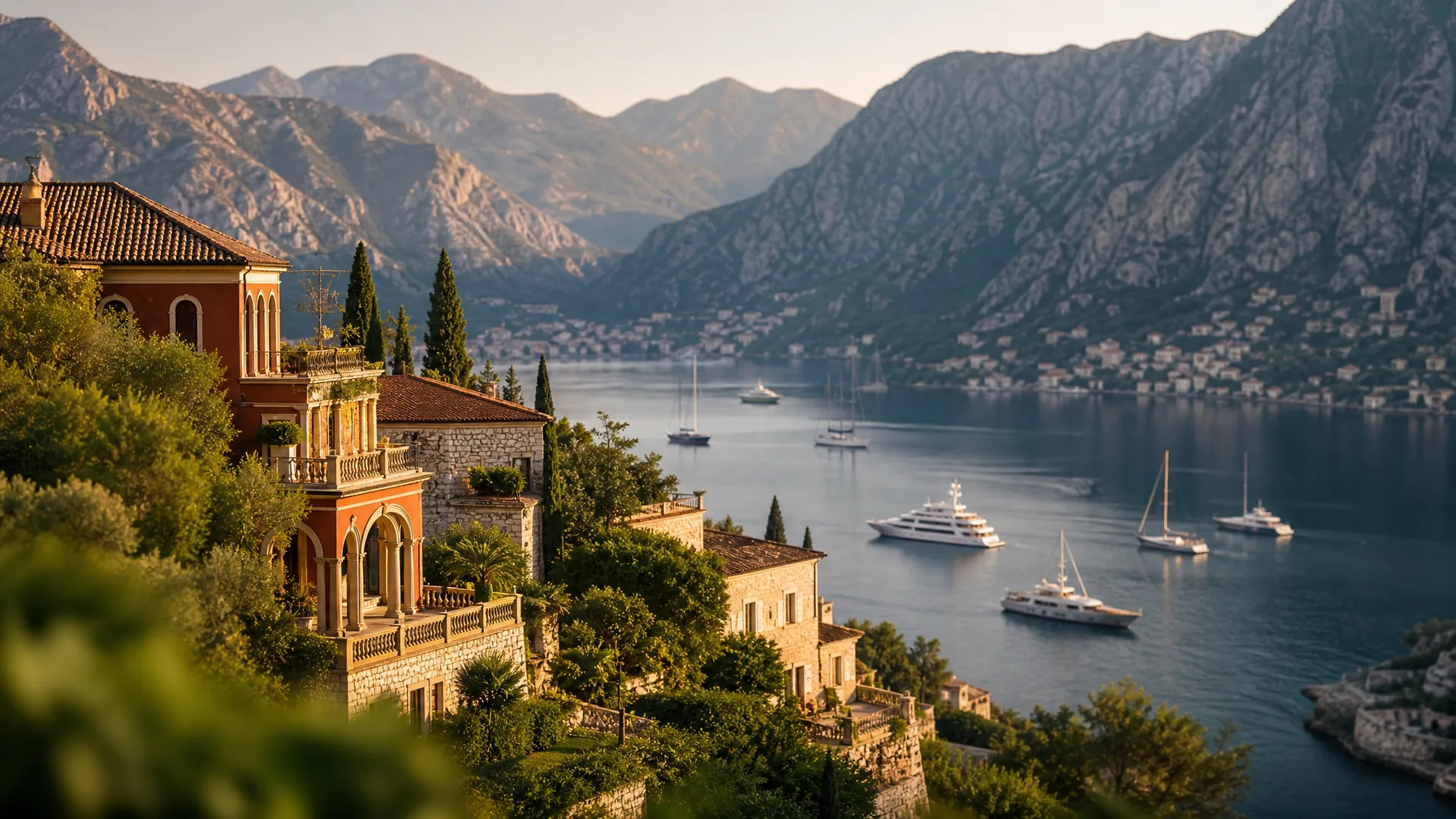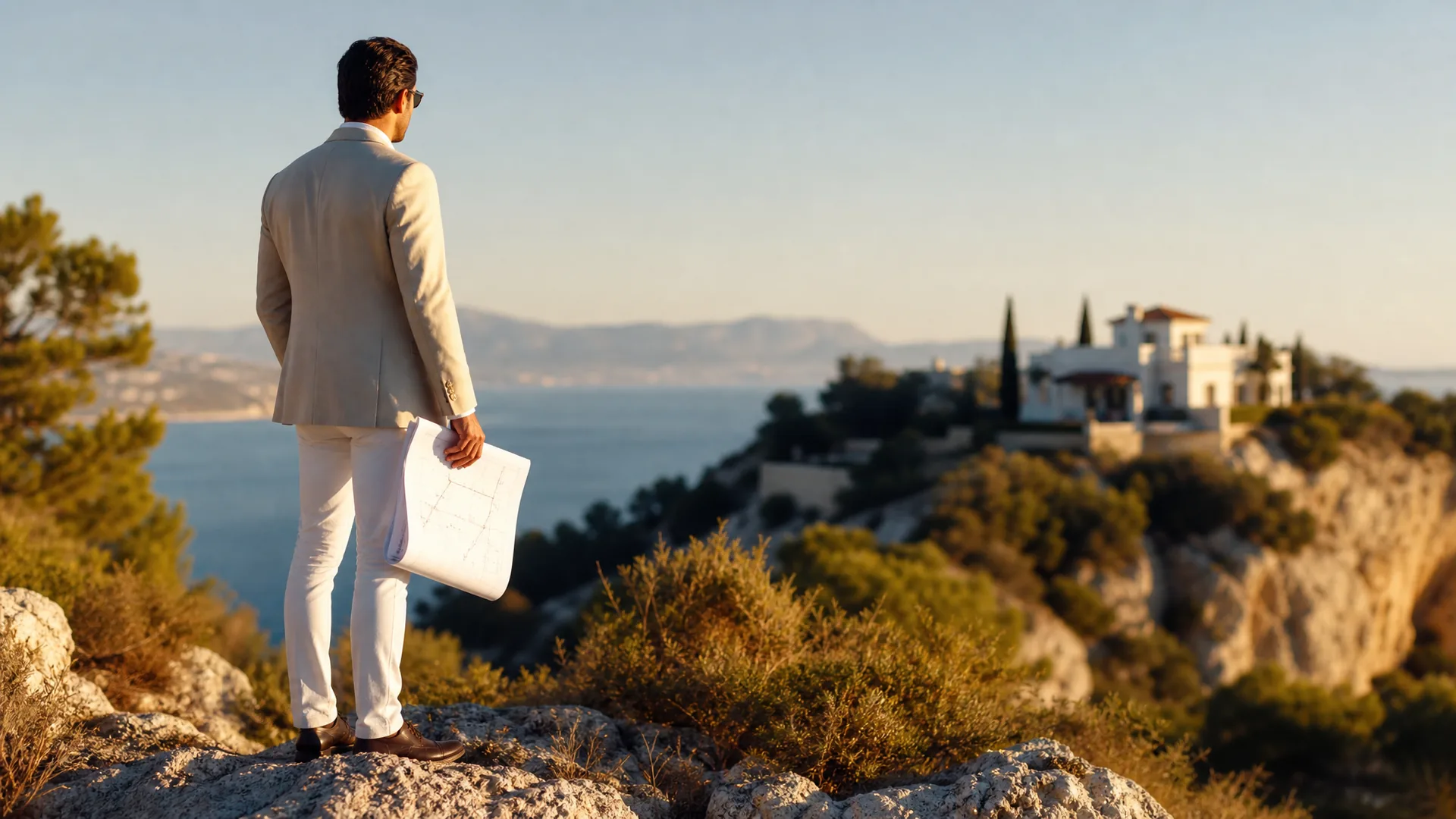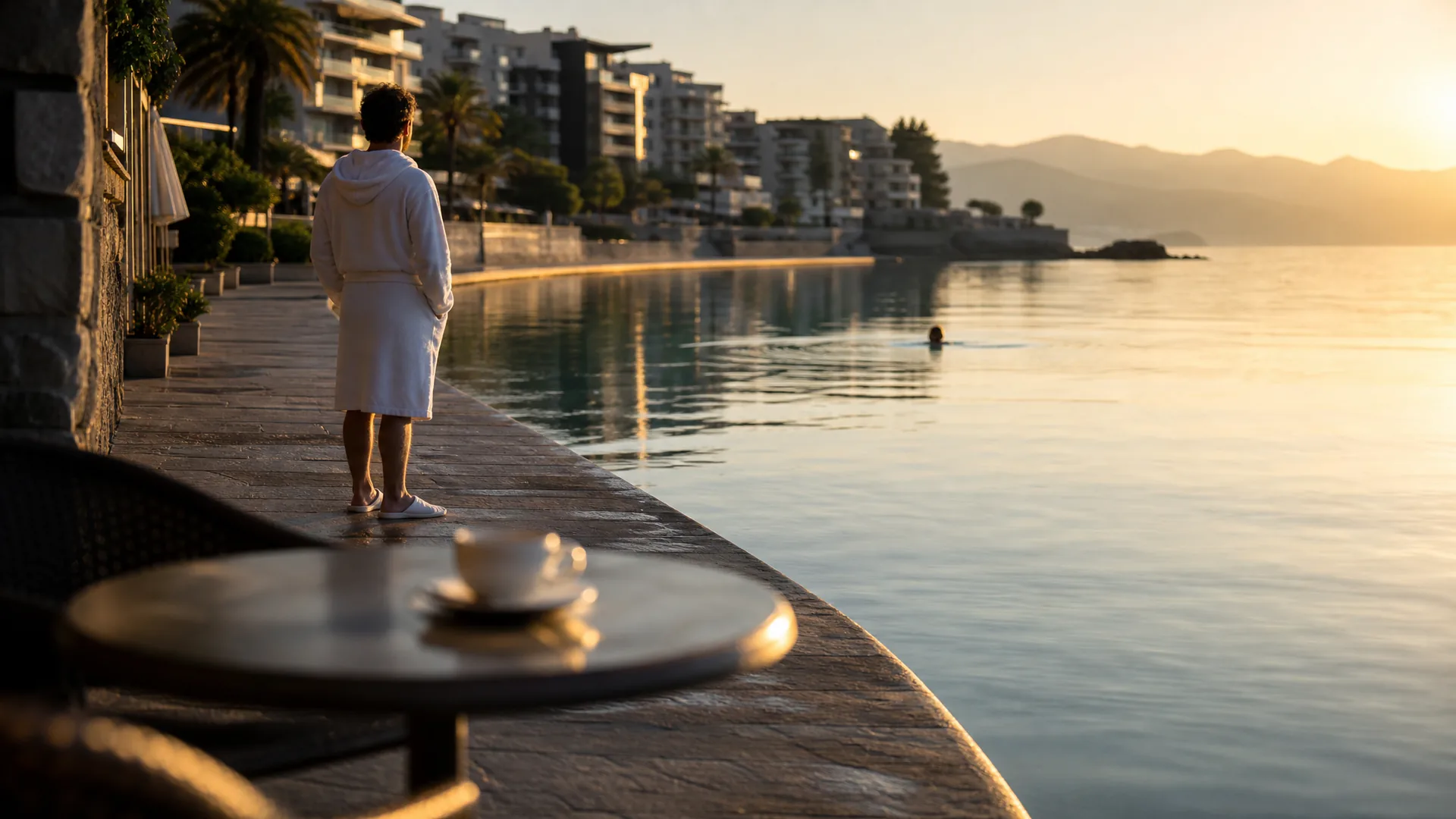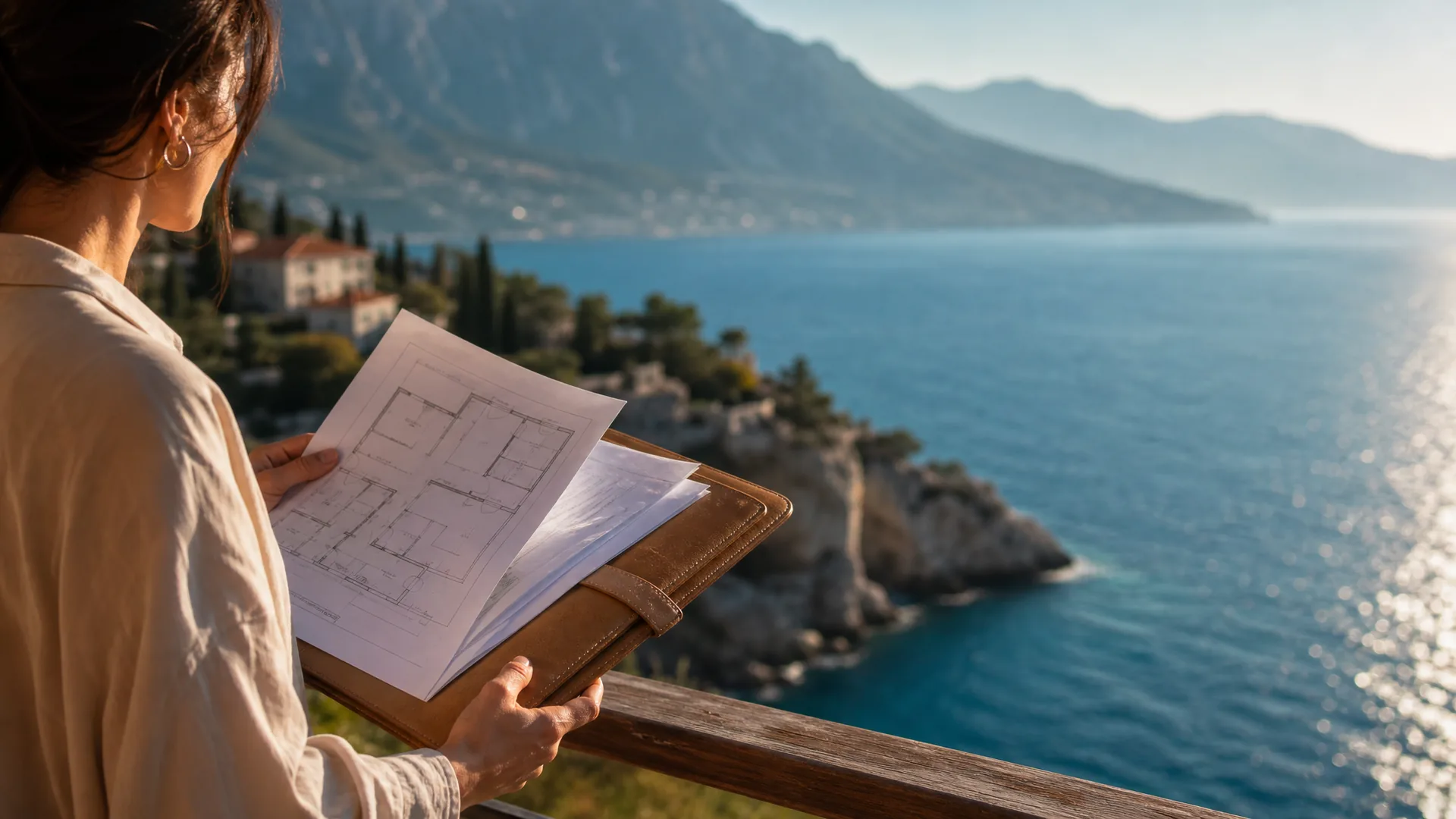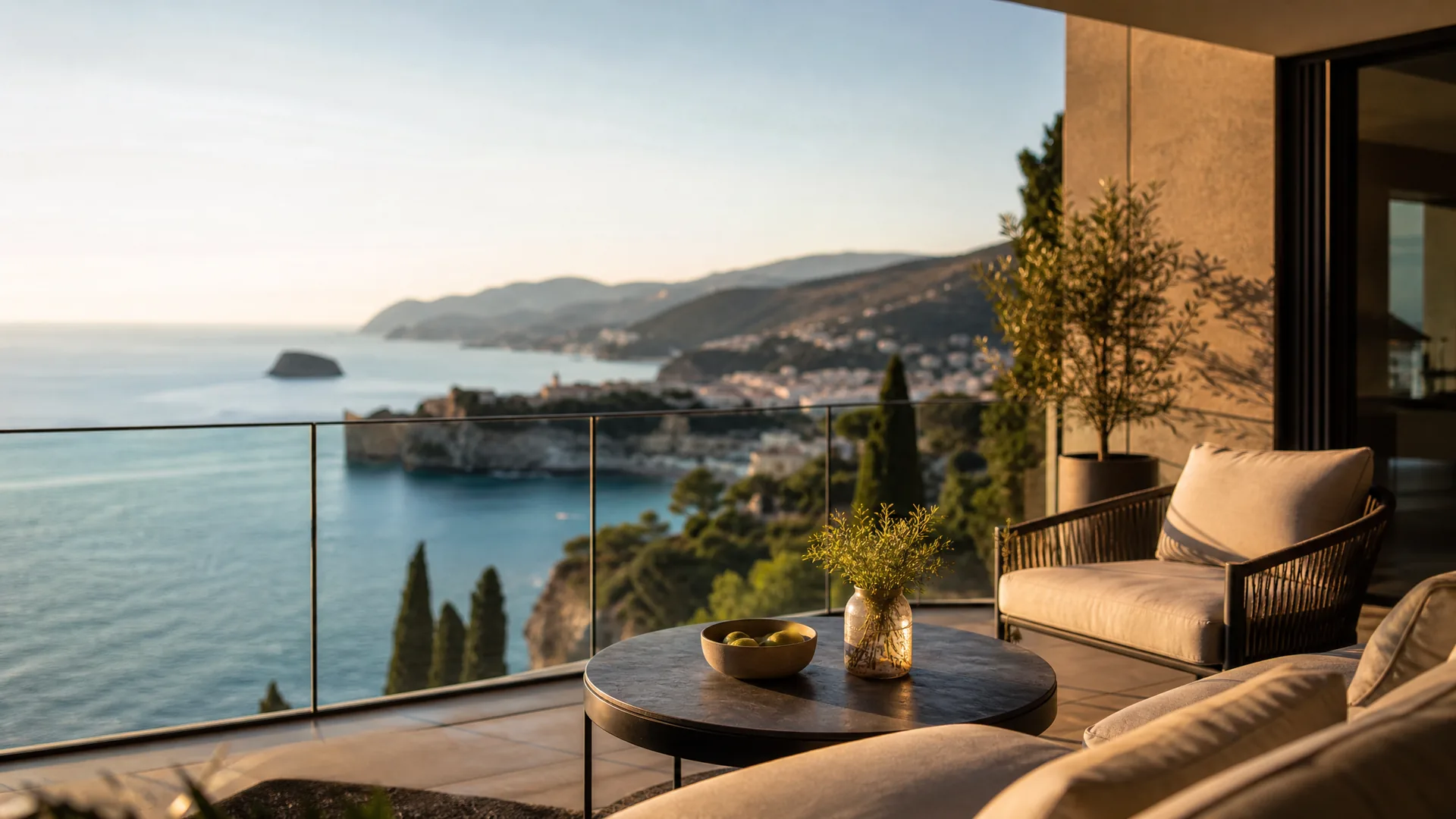



Karadağ, sessiz sedasız Avrupa'nın en ilgi çekici taşınma hikayelerinden biri haline geldi. Akdeniz ışığı, gerçek kültürel doku ve Batı Avrupa başkentlerini kıyasla savurgan hissettiren bir maliyet tabanı arayan gurbetçiler için bu küçük Adriyatik ülkesi hemen her cephede vaatlerini yerine getiriyor. Bu rehber, broşürlerin ötesine geçip Karadağ'ı evin olarak adlandırma konusunda bilinçli bir karar vermeniz için pratik gerçekleri, maliyetleri, vizeleri, sağlık hizmetlerini, okulları ve topluluk yaşamını ele almaktadır.
Montenegro'yu 2026'da Yabancıları ve Dijital Göçebeleri Çeken Nedir
Büyük Bir Yaşam Tarzı Cazibesine Sahip Küçük Bir Ülke
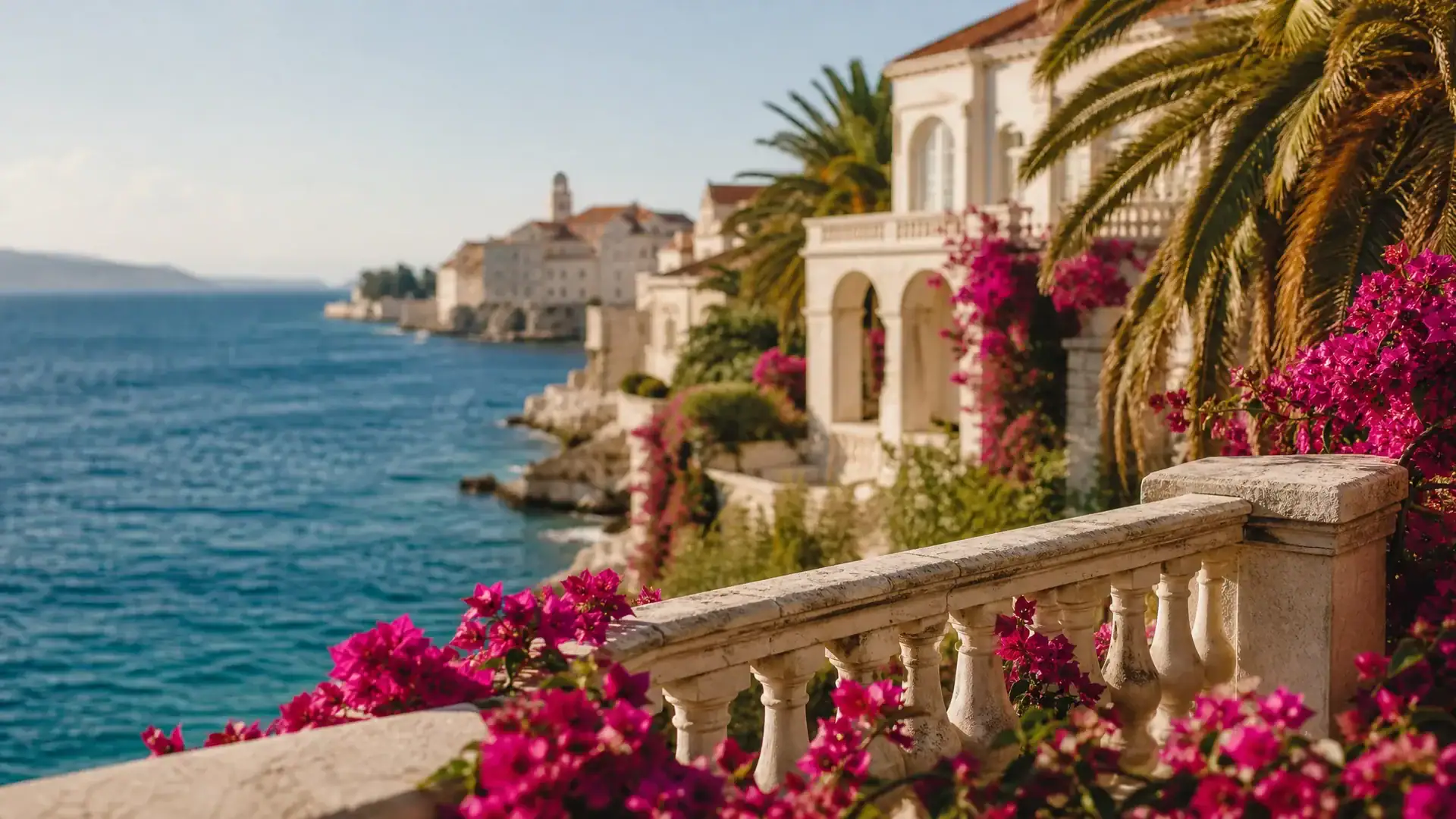
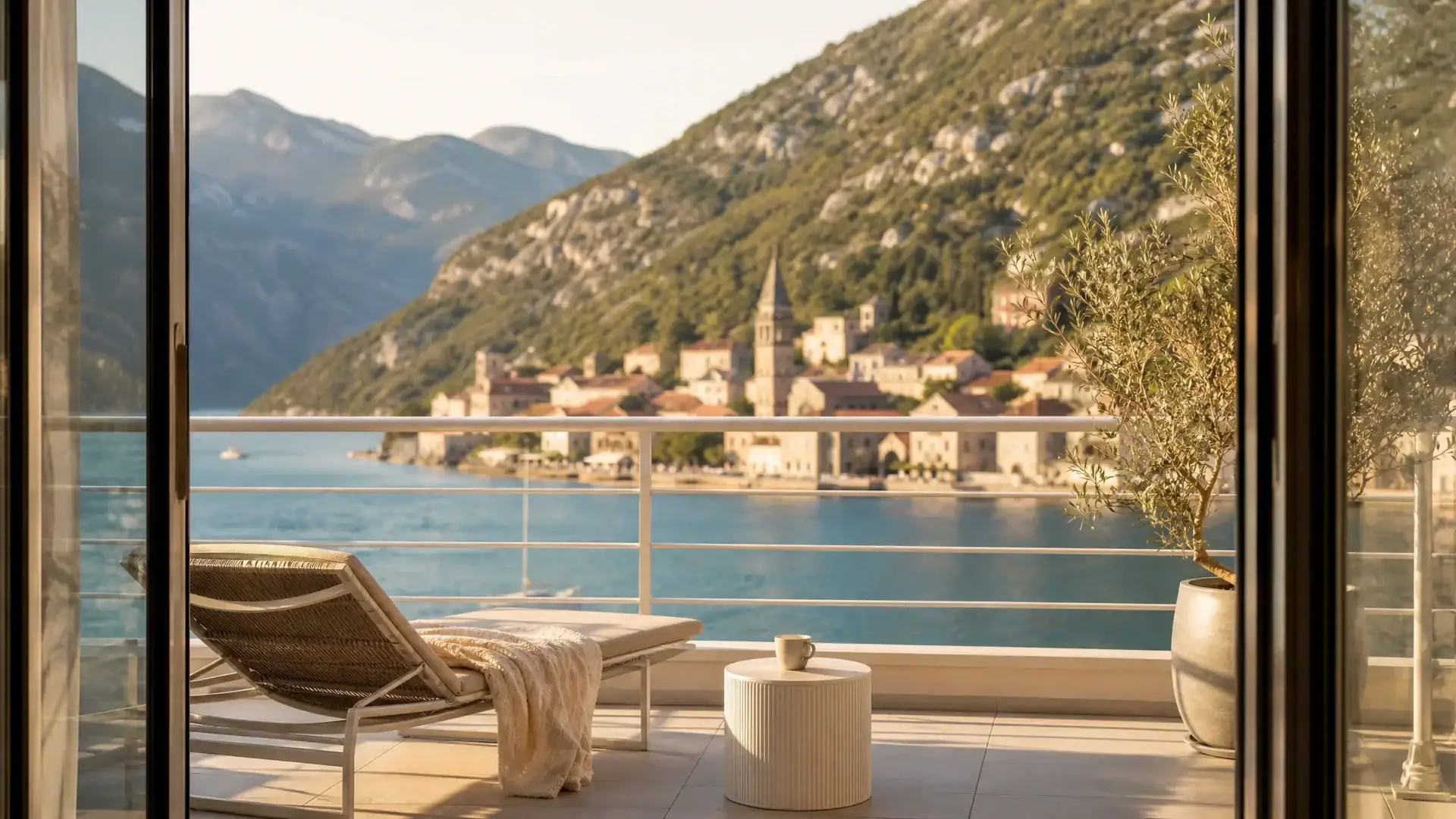
Karadağ nadir bulunan bir konuma sahip: Adriyatik kıyı şeridi, ortaçağ duvarlı kasabaları ve Avrupa'nın herhangi bir yeriyle yarışacak milli parkları sunarken otantik bir Balkan hissi veriyor. Kültürel derinlik ve doğal görsellik gibi bu kombinasyon, bu fiyat noktasında giderek daha nadir görülüyor. Geçtiğimiz on yıl içinde Batı Avrupa, Körfez ülkeleri ve daha buralardan gelen profesyonelleri, emeklileri ve aileleri kendine çeken gurbetçi topluluğu istikrarlı bir şekilde büyüdü. Birçoğu tatil beldesi umuduyla geliyor ve yaşam kalitesi için kalıyor.
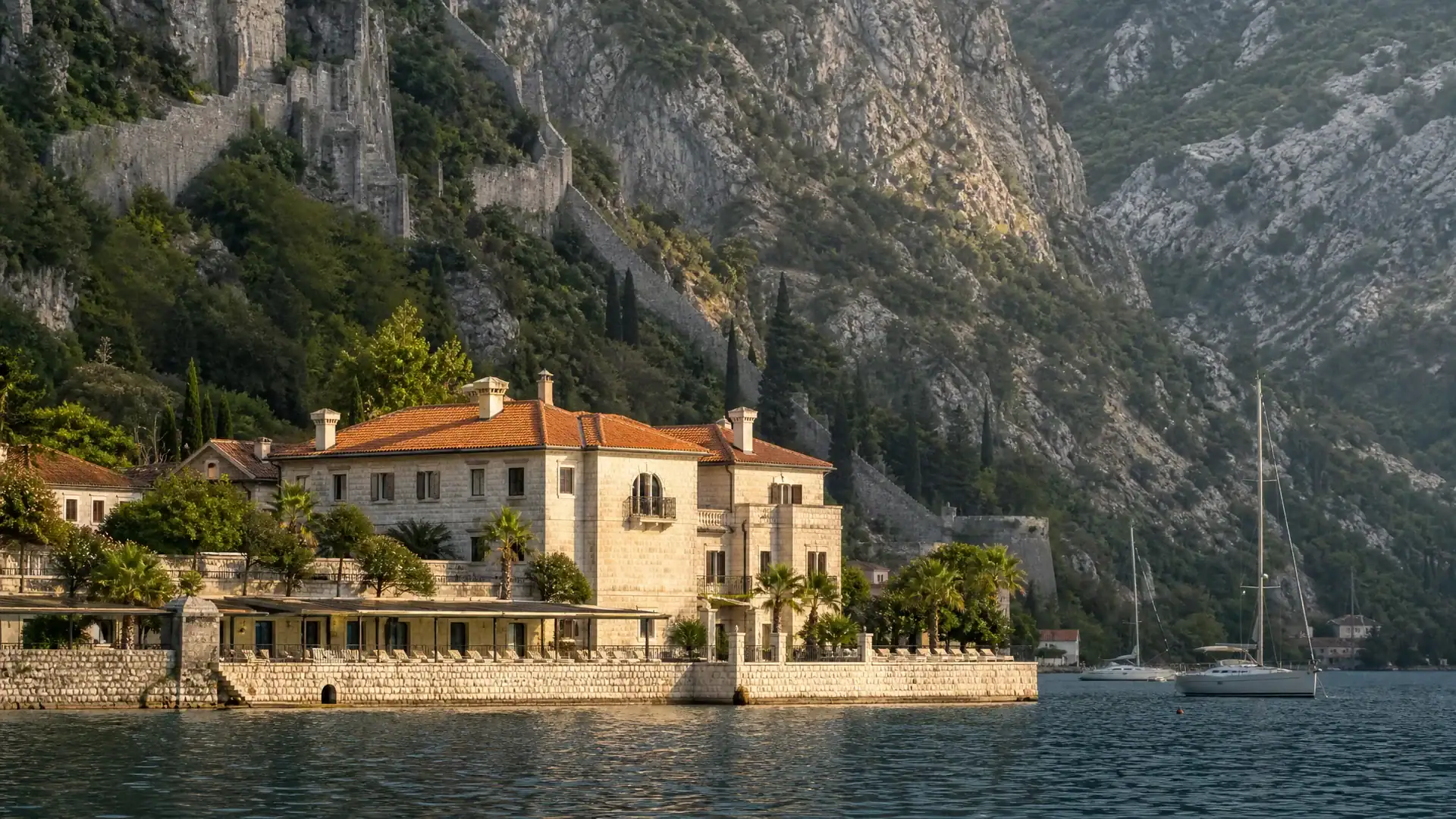
UNESCO Dünya Mirası Alanı olan Kotor Eski Şehri, Avrupa'dan gelen ve Côte d'Azur veya Algarve'nin kitlesel turizm fiyatları olmadan Adriyatik güzelliği isteyen gurbetçiler için en çok aranan adreslerden biri haline geldi. Kasabanın surları, dar kireçtaşı sokakları ve körfeze bakan kafe terasları, daha batıda eşdeğer maliyetle tekrarlanamayacak bir yaşam standardı sunuyor.
Karadağ da tutuyor AB adayı ülke statüsü, emlak hukuku, ticari tescil ve ikamet düzenlemeleri üzerinde düzenleyici uyumu hızlandırdı. Yasal ortam, on yıl öncesine göre uluslararası sakinler için daha öngörülebilir, bu da uzun vadeli bir taşınma planlayan herkes için önemli bir avantaj sağlıyor.
Dijital Göçebe Karadağ: Adriyatik'te Uzaktan Çalışma
Bağlantı, manzara ile yarışır hale geldi. Kent merkezlerinin ve turistik bölgelerin çoğunda fiber geniş bant, kıyı boyunca ise güvenilir 4G kapsama alanı mevcut. Kotor ve Tivat, uluslararası standartlara uygun ortak çalışma alanlarına sahip ve her iki kasabadaki kafe kültürü de dizüstü bilgisayar dostu çalışma alışkanlıklarını destekliyor. Başkent Podgorica, en geniş iş altyapısı seçeneklerini sunuyor: hizmetli ofisler, hızlı internet ve büyüyen bir teknoloji topluluğu. Uzaktan çalışan profesyoneller için güvenilir bağlantı, düşük maliyetler ve gerçekten teşvik edici bir ortamın birleşimi, Karadağ'ı sadece bir hedef olmaktan çıkarıp giderek daha mantıklı bir seçim haline getiriyor.
Karadağ'da Gurbetçi Yaşam Maliyeti: Paranla Gerçekten Ne Alabilirsin
Günlük Giderler ve Konut Maliyetleri
Karadağ'da yaşam maliyetleri, neredeyse her kategoride Batı Avrupa normlarının oldukça altında kalmaktadır. Yerel marketlerdeki bakkaliye ürünleri, Londra, Paris veya Amsterdam'da ödeyeceğiniz fiyatların çok çok altındadır. Sahilde yenen iyi bir yemek bile, Barselona'daki benzer bir mekanda harcayacağınız miktara nadiren yaklaşır. Faturalar makul düzeydedir ve toplu taşıma, mevcut olduğu yerlerde ucuzdur. Büyük şehirler dışında bir araba gerçekten kullanışlıdır, ancak yakıt ve sigorta maliyetleri AB ortalamalarının altında kalmaktadır.
Kiralama fiyatları konuma ve mevsime göre önemli ölçüde değişiklik göstermektedir. Kotor Eski Şehir, Budva veya Porto Montenegro’daki sahil mülkleri, özellikle yaz aylarında daha yüksek fiyatlara sahip olur. Yıl boyunca kiralamalar, yerel pazara yerleştikten sonra daha uygun fiyatlarla pazarlık edilebilir. Podgorica, mevsimsel dalgalanma olmadan en öngörülebilir kiralama fiyatlarını sunmaktadır.
Ulusal okullarında ve birinci sınıf özel sağlık hizmetlerinde maliyetler bölgesel sermaye düzeylerine doğru yükselir; bu da ev bütçesine dahil edilmesi gereken bir durumdur. Günlük yaşamın çoğu için, değer önerisi açıktır.
Karadağ'ın Diğer Avrupa'ya Taşınma Noktalarıyla Karşılaştırılması
Balkanlar içinde Karadağ'ın kıyı bölgeleri, özellikle turizm baskısı nedeniyle önemli fiyat artışları yaşayan Hırvatistan'ın Dalmaçya kıyılarından, özellikle Dubrovnik'ten daha uygun fiyatlı ancak Sırbistan ve Arnavutluk'tan daha pahalıdır. Karadağ, manzara ve uluslararası topluluğa maliyet verimliliğinin yanı sıra öncelik veren gurbetçiler için öne çıkma eğilimindedir. Sırbistan, Novi Sad ve Belgrad'da daha düşük fiyatlar sunuyor ancak Adriyatik erişimi bulunmuyor. Arnavutluk daha da ucuz, ancak altyapısı ve uluslararası hizmetleri daha az gelişmiş durumda. Karadağ, gerçek bir Adriyatik yaşamı, gelişen altyapısı ve daha yüksek maliyetli pazarlardan taşınanlara ödül veren bir maliyet tabanı ile pragmatik bir orta zemin sunuyor.
Portekiz'in Algarve'si veya güney İspanya'sına kıyasla, klasik Batı Avrupa taşınma ölçütleri olan Karadağ, daha az doygun bir gurbetçi pazarı çekiciliği ekleyerek, genel maliyeti daha düşük seviyelerde, benzer yaşam tarzı unsurları sunmaktadır.
Montenegro Vize Seçenekleri: Yasal İkamete Giden Yollar
Kısa ve Uzun Süreli Konaklama Yolları
Karadağ, genellikle 90 güne kadar olan konaklamalar için AB üye devletlerinin çoğunun, ABD, İngiltere ve diğer birçok ülkenin vatandaşlarına vizesiz giriş imkanı sunmaktadır. Daha uzun süreli konaklamalar için geçici oturma izni almanın başlıca yolları arasında bir tüzel kişilik (şirket kurma) kaydı, yerel bir tüzel kişilik ile istihdam veya aile birleşimi yer almaktadır. Her yol, yerel idari süreçlerle etkileşim ve pratikte güncel gereksinimlere aşina yerel bir hukuk profesyonelinin desteğini gerektirir.
Montenegro'nun AB aday statüsü buradaki ilgili bağlamdır. AB normlarına uyum, sürecin kendine özgü farklı prosedürleri barındırmasına rağmen, dokümantasyon çerçevesini daha tutarlı ve şeffaf hale getirmiştir. Kurallar değişmektedir, bu nedenle profesyonel hukuki danışmanlık isteğe bağlı değil, esastır.
Mülk Sahipliği Yoluyla Oturma İzni
Karadağ'da mülk sahipliği otomatik olarak oturma hakkı sağlamaz, ancak anlamlı bir destekleyici rol oynar. Karadağ oturma hakları konusunda uzmanlaşmış hukuk uygulayıcıları, sahipliğin belge sürecini önemli ölçüde basitleştirdiğini ve geçici oturma başvuruları için ülkeye yeterli bağları gösterdiğini tutarlı bir şekilde belirtiyor. Hem yaşam tarzı değişikliği hem de mülk edinmeyi planlayan alıcılar için, ikisi arasındaki ilişkinin en başından anlaşılması önemlidir. Detaylı bir inceleme yabancı bir alıcı olarak emlak satın alma sürecinde yol almak Montenegro'nun lüks emlak piyasası 2026'da ayrıntılı olarak ele alınmaktadır. Bu, hukuki danışmanlık almadan önce faydalı bir başlangıç noktasıdır. Burada.
Sağlık Hizmetleri, Okullar ve Günlük Altyapı
Karadağ'da halk sağlığı, kayıtlı sakinler için erişilebilir ve kullanım anında ücretsizdir, ancak Podgorica ve büyük sahil kasabaları dışındaki kapasite ve ekipman standartları farklılık göstermektedir. Uzun süreli kalmayı planlayan çoğu yabancı, özel sağlık sigortası yaptırır ve rutin ve uzmanlık bakımı için özel kliniklere erişir. Podgorica ve kıyıda yer alan özel tıbbi tesisler, doktor ve uzmanlık hizmetlerinde sağlam bir standart sunarken, daha karmaşık tedaviler genellikle başkentte veya gerektiğinde yurt dışında halledilmektedir.
Yabancı topluluğun büyümesiyle birlikte uluslararası okul seçenekleri de artmıştır. Podgorica, uluslararası ve iki dilli okulların en güçlü kümelenmesine sahiptir. Tivat ve Budva gibi sahil kasabaları, kısmen Porto Montenegro topluluğunun etkisiyle kendi tekliflerini geliştirmişlerdir, ancak daha geniş bir müfredat yelpazesi arayan aileler için başkent daha kapsamlı olacaktır. Bazı yabancı aileler, özellikle esnek uzaktan çalışma düzenlemelerine sahip olanlar, çocuklarını evde eğitiyor.
Şehirlerde internet altyapısı güvenilir, kırsal kesimde ise gelişiyor. Karayolu bağlantıları, sahili iç kesime bağlayan otoyol ağına yapılan yatırımlarla sürekli olarak iyileşiyor. Tivat Havalimanı yıl boyunca büyük Avrupa merkezlerine direkt uçuş imkanı sunarken, Podgorica Havalimanı da sık seyahat eden gurbetçiler için kullanışlı ek bağlantılar sağlıyor.
Kültürel Entegrasyon: Karadağ Bir Toplumunda Yaşam
Karadağca ve Sırpça baskın dillerdir ve karşılıklı olarak anlaşılabilirler; İngilizce, kıyı turistik bölgelerinde ve genç şehirli profesyoneller arasında yaygın olarak konuşulmaktadır. Sahilden uzakta, Karadağca veya Sırpça'daki temel dil becerileri bile günlük hayatı önemli ölçüde kolaylaştırmakta ve katıldığınız toplumlara yönelik gerçek bir saygı göstergesidir.
Karadağ kültürü sıcakkanlılık ve misafirperverlik merkezlidir. Misafirlere cömertçe davranılır ve yerel halkın "hayatın rahat temposu" dediği Fjaka İsim olarak her zaman olmasa da ruh olarak, daha hızlı tempolu ortamlardan taşındıktan sonra göçmenlerin en tutarlı şekilde dönüştürücü olarak tanımladığı niteliklerden biridir. Hayat insani bir tempoda akıyor: uzun öğle yemekleri, riva boyunca akşam yürüyüşleri, üreticilerin ve müşterilerin birbirlerinin isimlerini bildiği pazarlar.
Ortodoks takvimi, bayramların ve kutlamaların dini geleneğe dayanmasıyla halk yaşamının ritmini belirler. Ocak ayında Jülyen takvimine göre Noel'den kıyı boyunca uzanan köylerdeki yaz aziz günlerine kadar süren bu kutlamalar, yerel kültüre en zengin giriş noktalarından bazılarını sunar. Bu gelenekleri uzaktan izlemek yerine onlara katılan yabancılar, kaynaşmayı gerçekten ödüllendirici bulurlar.
Yemek de başka bir köprüdür. Karadağ mutfağı, Adriyatik deniz ürünlerini, Balkan ızgara etlerini ve dağ süt ürünleri geleneklerini, çoğu yeni gelenleri şaşırtacak şekillerde harmanlar. Yerel pazarlar, konoba restoranları ve köy üreticileri, ithal ikamelerden hem daha keyifli hem de daha ekonomik olan uzun süredir orada yaşayan gurbetçilerin çoğu için günlük yemeğin temelini oluşturur.
Nereye Taşınmalı: Karadağ'ın Önemli Yabancı Yaşam Alanları
Kotor Körfezi, Tarih, Topluluk ve Doğal Drama
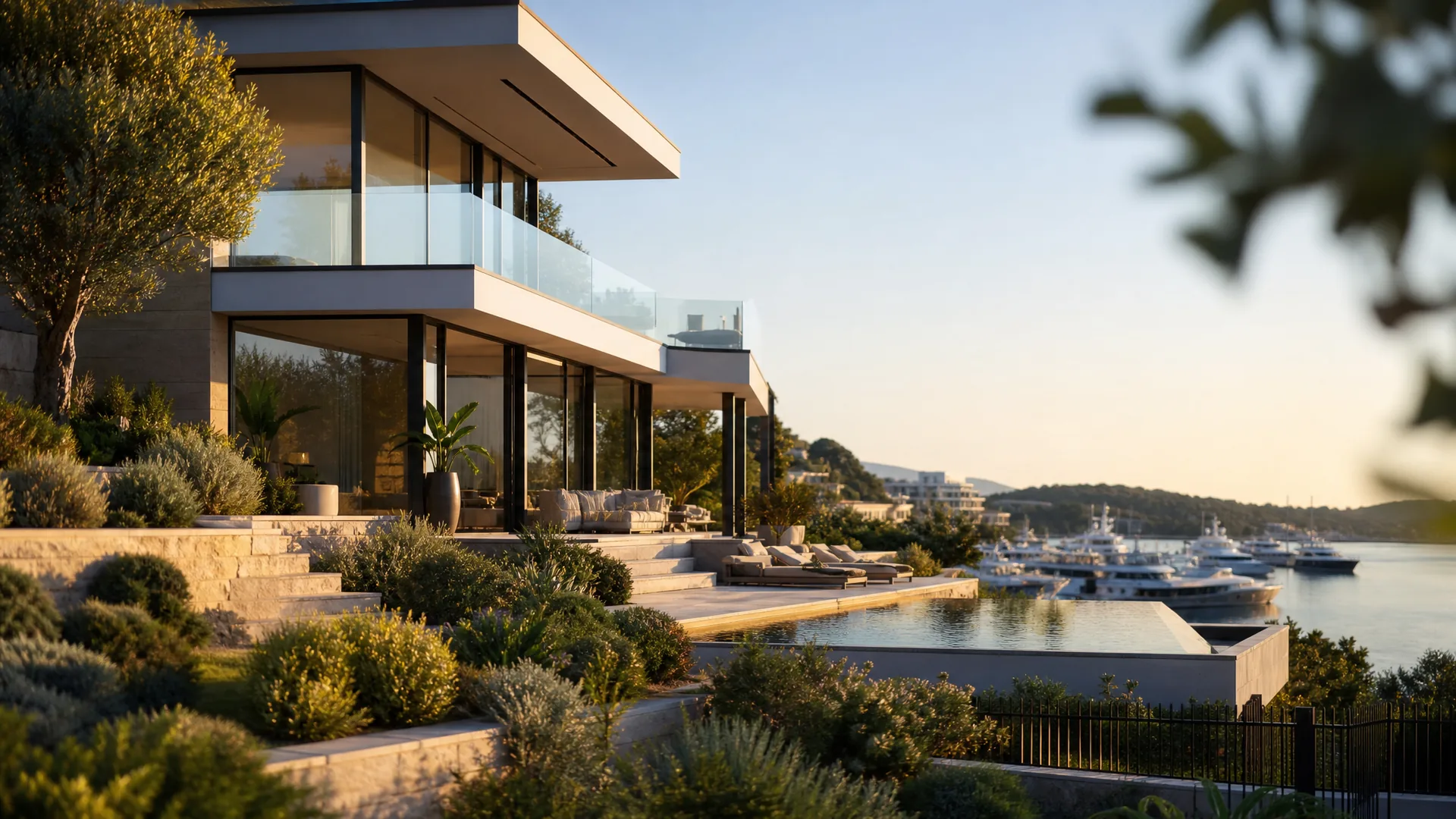
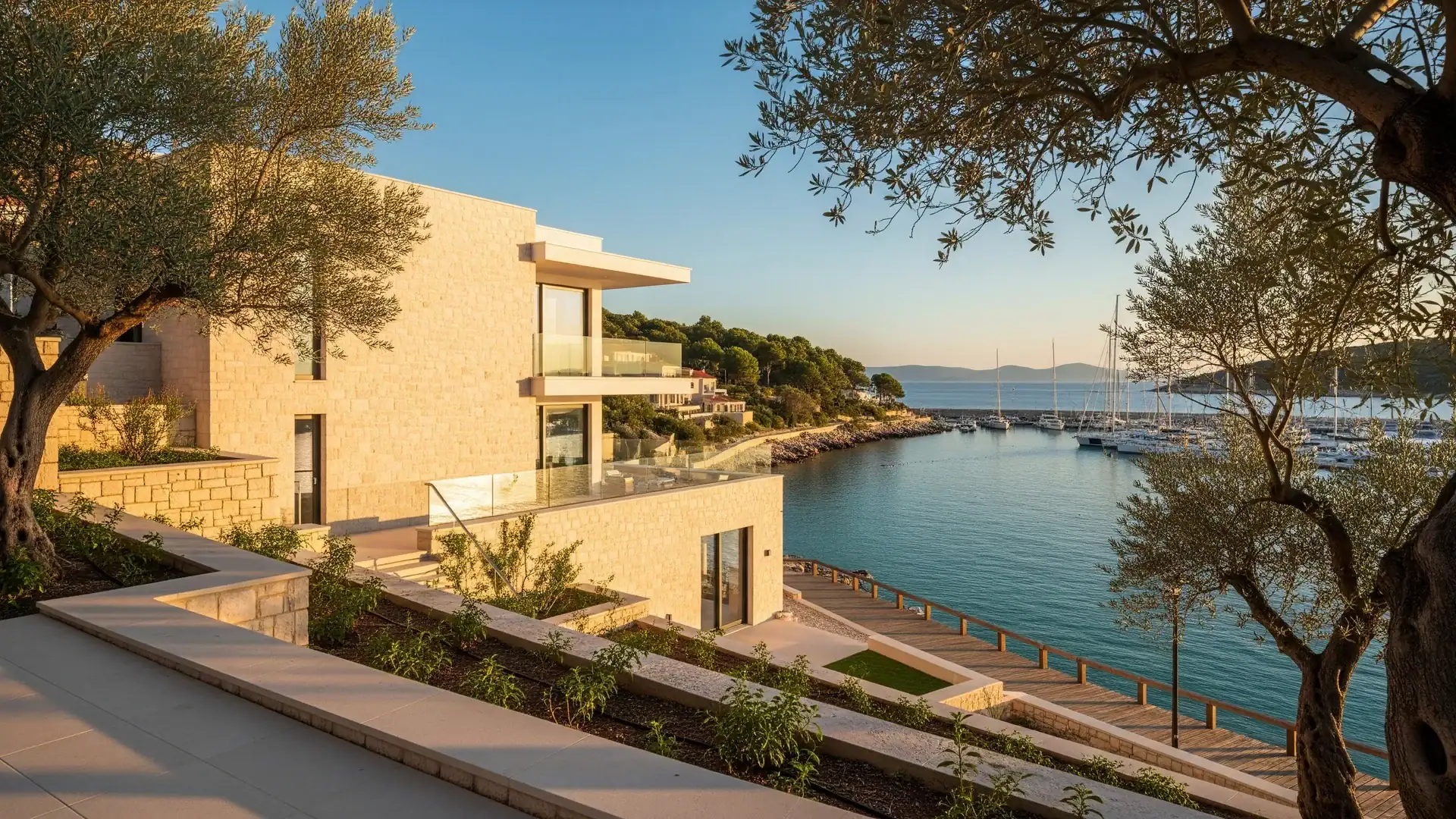
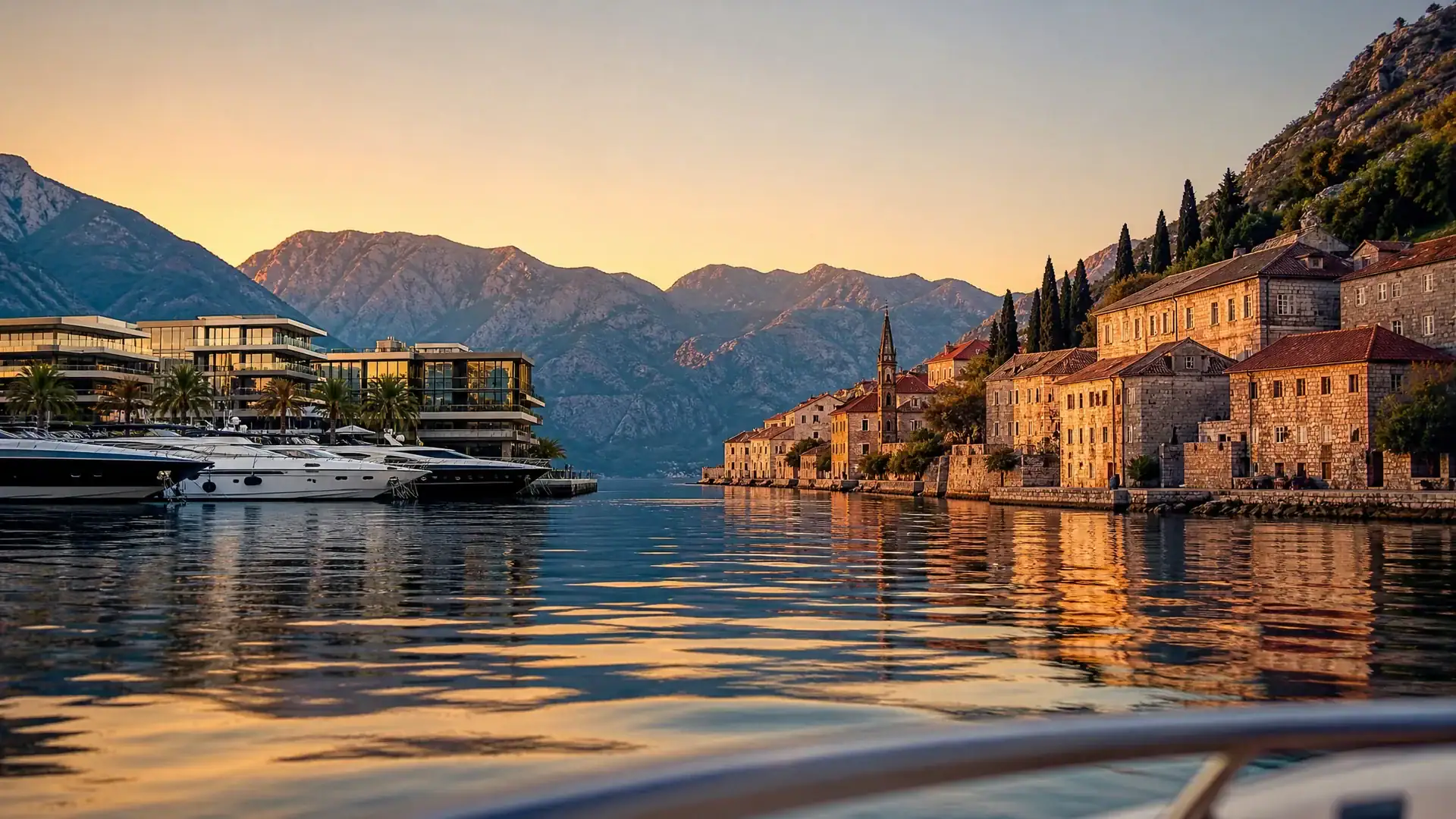
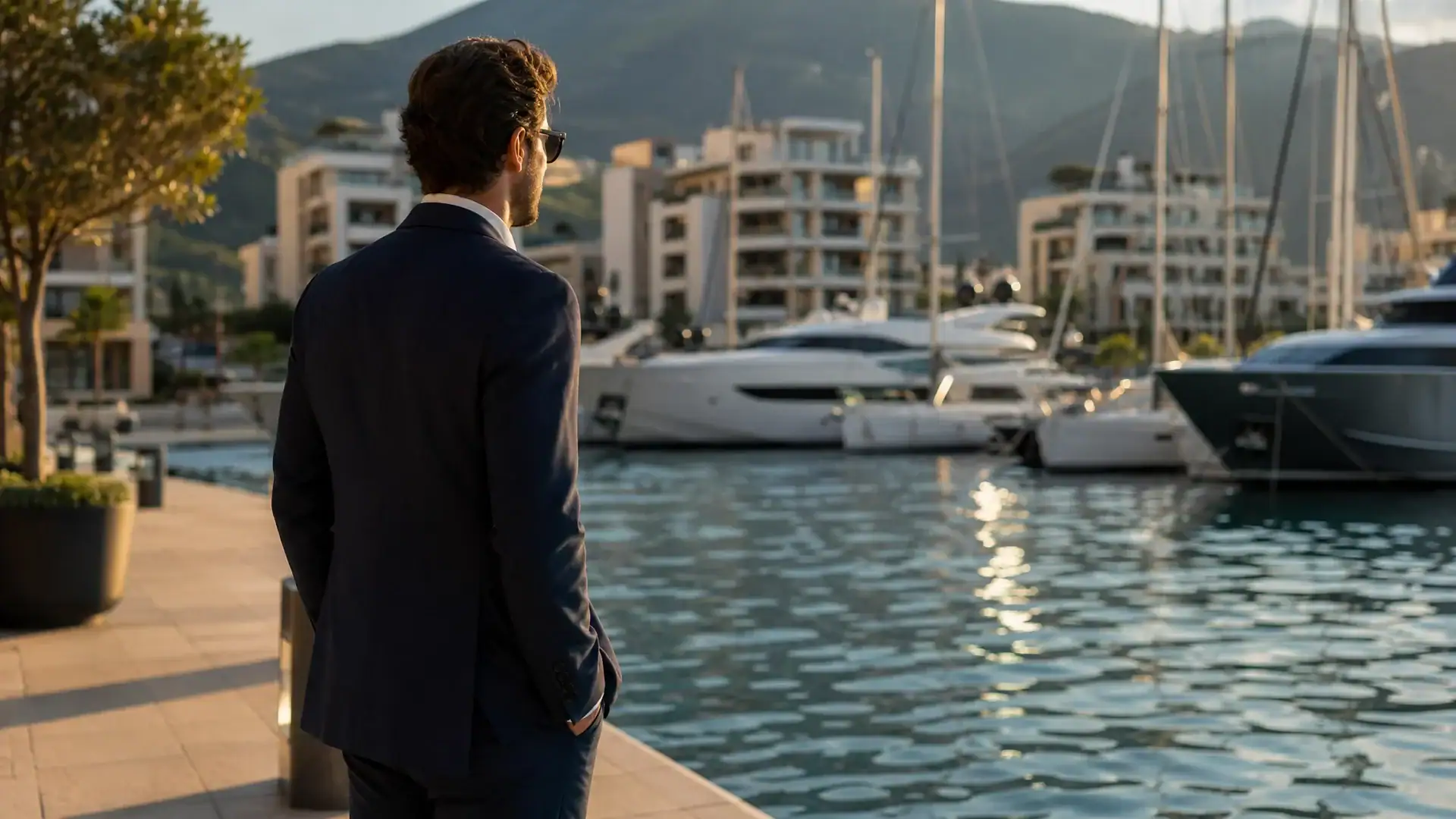
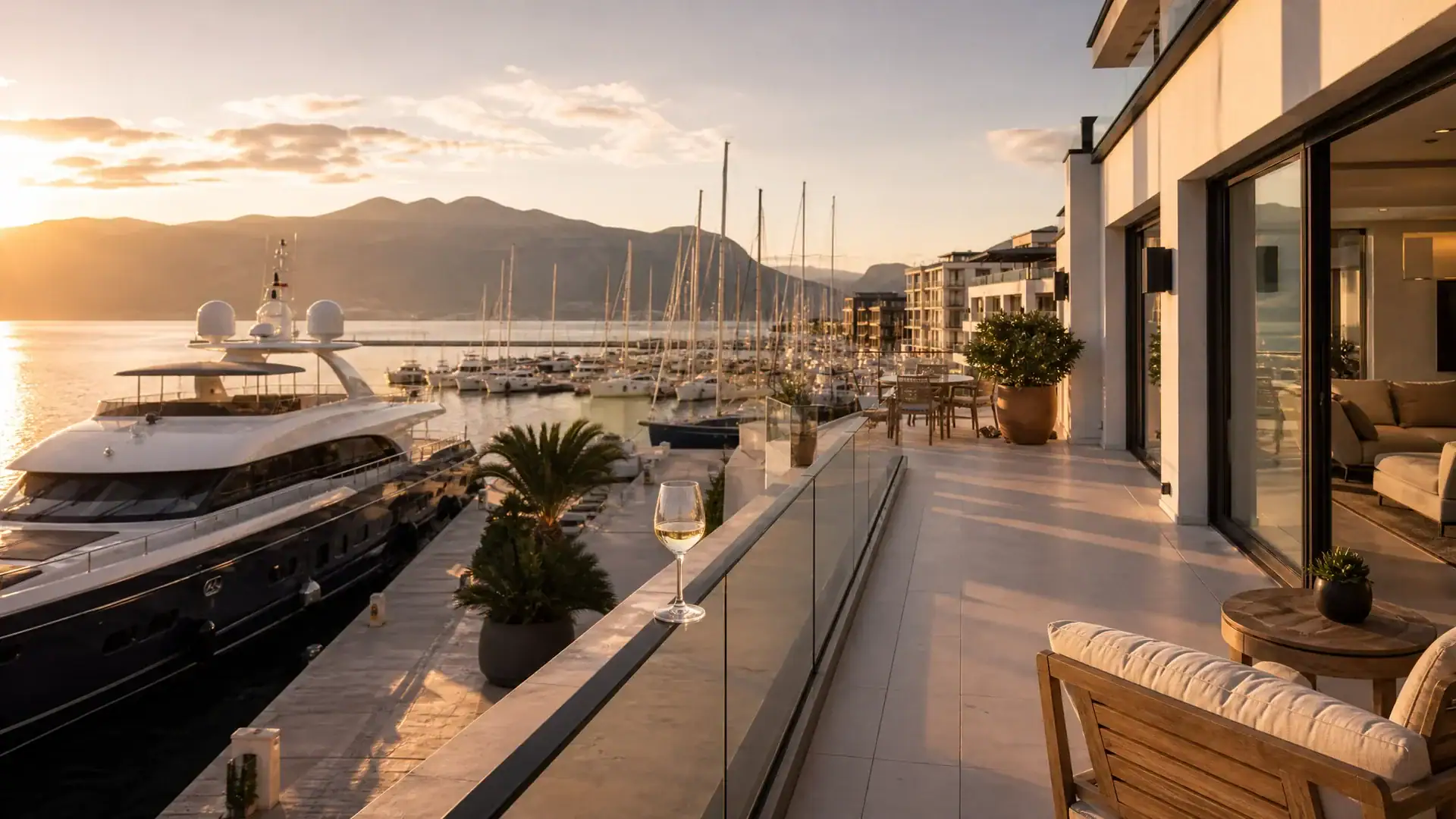
Kotor Körfezi, orta çağ mimarisi, fiyort benzeri suları ve kıyı ve dağ manzarasının birbirine dakikalar içinde olmasıyla tam Karadağ duyusal deneyimini isteyen gurbetçileri kendine çekiyor. Kotor Eski Şehir'in kendisi yoğun, yürünebilir ve atmosferiktir, sıkı bir uluslararası topluluğa sahiptir. Kotor Körfezi genelindeki güncel emlak fiyatları güçlü talebi, özellikle su manzaralı mülkler için yansıtıyor. Porto Montenegro tarafından demirleyen Tivat, farklı bir teklif sunuyor; modern marina altyapısı, uluslararası perakende mağazaları ve yıl boyunca hizmet veren bir konut topluluğu. Porto Montenegro, uluslararası standartlarda olanaklara sahip, tam hizmet veren bir marina köyüne dönüşerek, mevsimlik yat sahiplerinin yanı sıra uzun süreli göçmenleri de kendine çekiyor. Keşfeden okuyucular Porto Montenegro'da lüks apartman yaşamı gelişmiş bir konut ekosistemi bulacaktır.
Budva Rivierası, Enerji, Plajlar ve Kiralama Geliri Potansiyeli
Budva, Karadağ'ın uluslararası alanda en tanınmış tatil beldesidir ve enerjisi bunu göstermektedir. Yaz sezonu yoğundur, bu da bazı yabancıların hoşuna giderken bazılarının gitmemektedir. Yıl boyunca ikamet edenler, plaj yaşam tarzını ve kasabanın güçlü kısa süreli kiralama pazarını önemseyenlerdir., Budva'nın sahil konut piyasası bunun için önemli yatırımcı ilgisi çekmiştir. Mevsimsel seyahat eden ve mülkünün İkametgahınızda değilken kira geliri elde etmek, Budva, Adriyatik kıyısındaki en güçlü getirilerden bazılarını sunuyor.
Podgoritsa, Başkent Pratikliği
Podgorica, koyun veya rivieranın kıyı romantizminden yoksundur, ancak başkentlerin güvenilir bir şekilde sağladığı şeyi sunar: en iyi uluslararası okullar, en kapsamlı özel sağlık hizmetleri, verimli idari hizmetler ve kozmopolit bir profesyonel topluluk. Yaşam maliyeti kıyı kasabalarından daha düşüktür ve emlak fiyatları bu farkı yansıtmaktadır. Yerel olarak çalışan veya güvenilir şehir içi altyapıya yıl boyunca ihtiyaç duyan yabancılar, ilk beklentiler yeniden ayarlandıktan sonra Podgorica'yı sürekli olarak yüksek puanla değerlendirmektedirler.
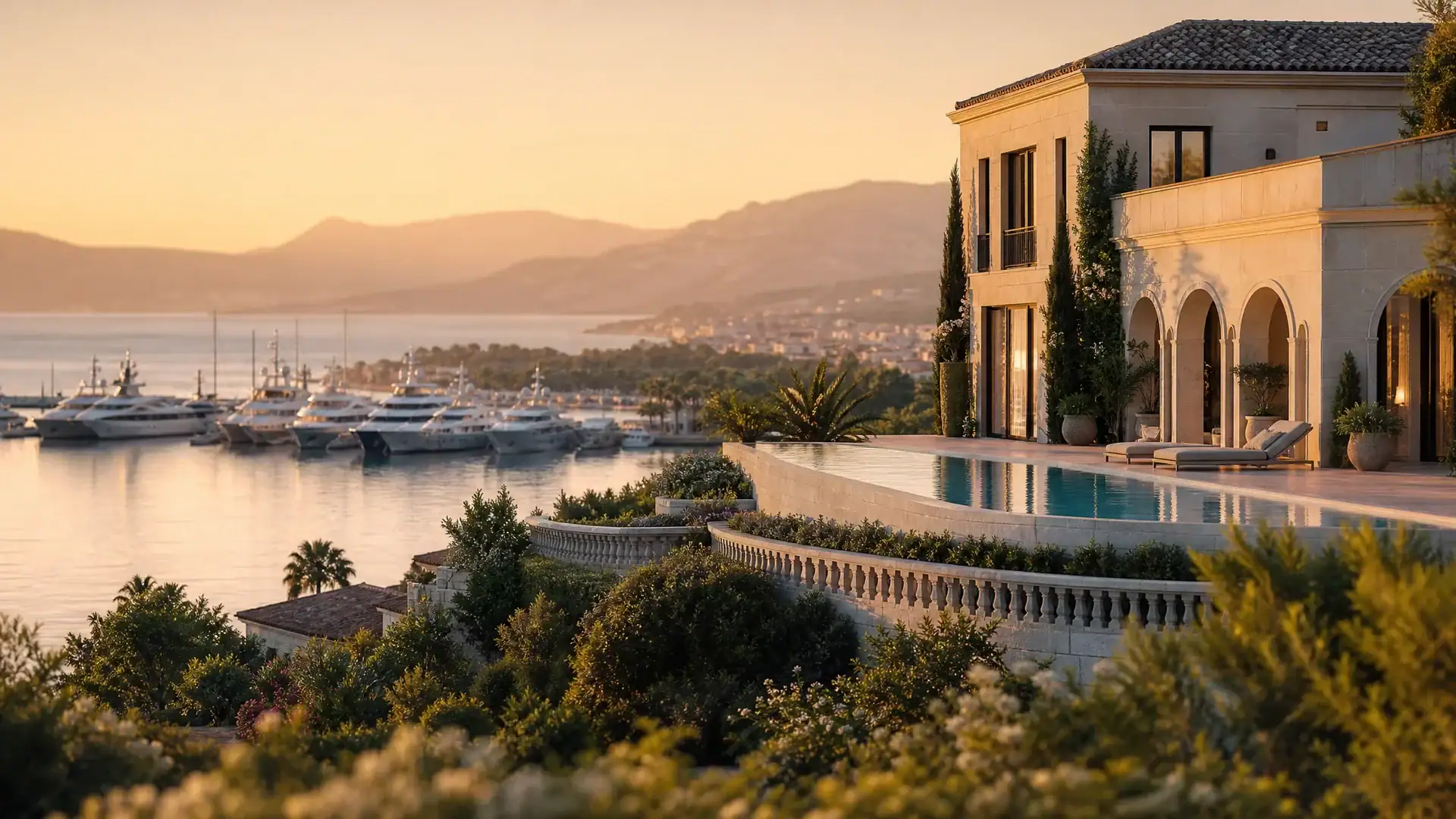
Montenegro'nun uluslararası alanda hareketli sakinlere hitap etmesi artık yeni değil, gerçekleşti. Montenegro Sotheby’s International Realty'nin işleme aldığı taleplere göre, 2026'da alıcıların artan bir kısmı, tamamen bir yatırım aracı değil, gerçek yaşam tarzı değeri taşıyan birincil veya ikincil konut arayışında olan yaşamını değiştiren aileler ve uzaktan çalışan profesyonellerden oluşuyor. Eğer bir taşınmayı düşünüyorsanız ve yaşam tarzınıza, bütçenize ve oturum hedeflerinize uygun bir lokasyon konusunda rehberlik almak istiyorsanız, ekibimiz ilk elden piyasa bilgisi ve derin yerel ilişkilerimizden yararlanarak kişiselleştirilmiş danışmanlık hizmetleri sunmaktadır. Bu konuşmaya başlamak için Montenegro Sotheby’s International Realty ile iletişime geçin.