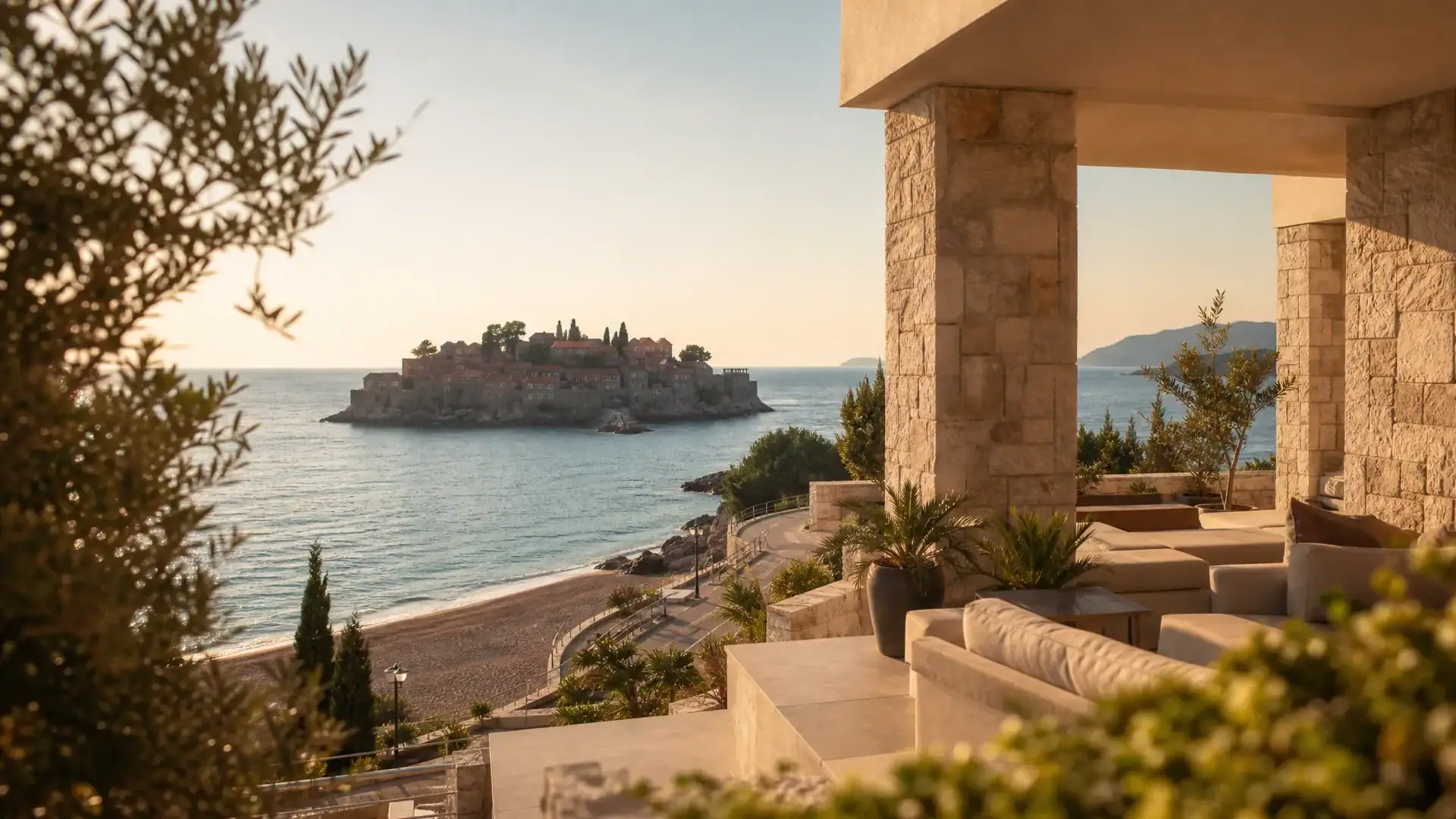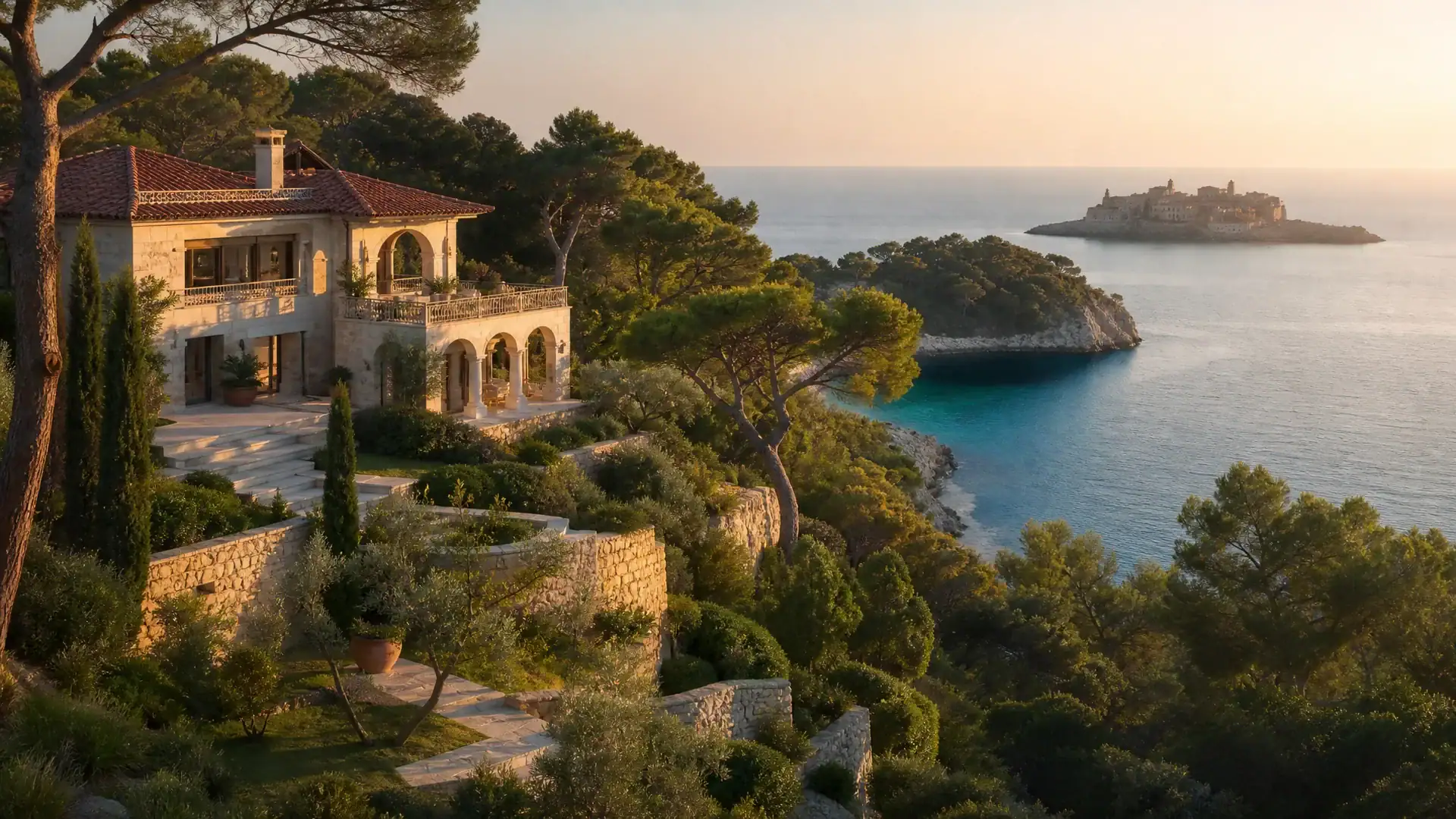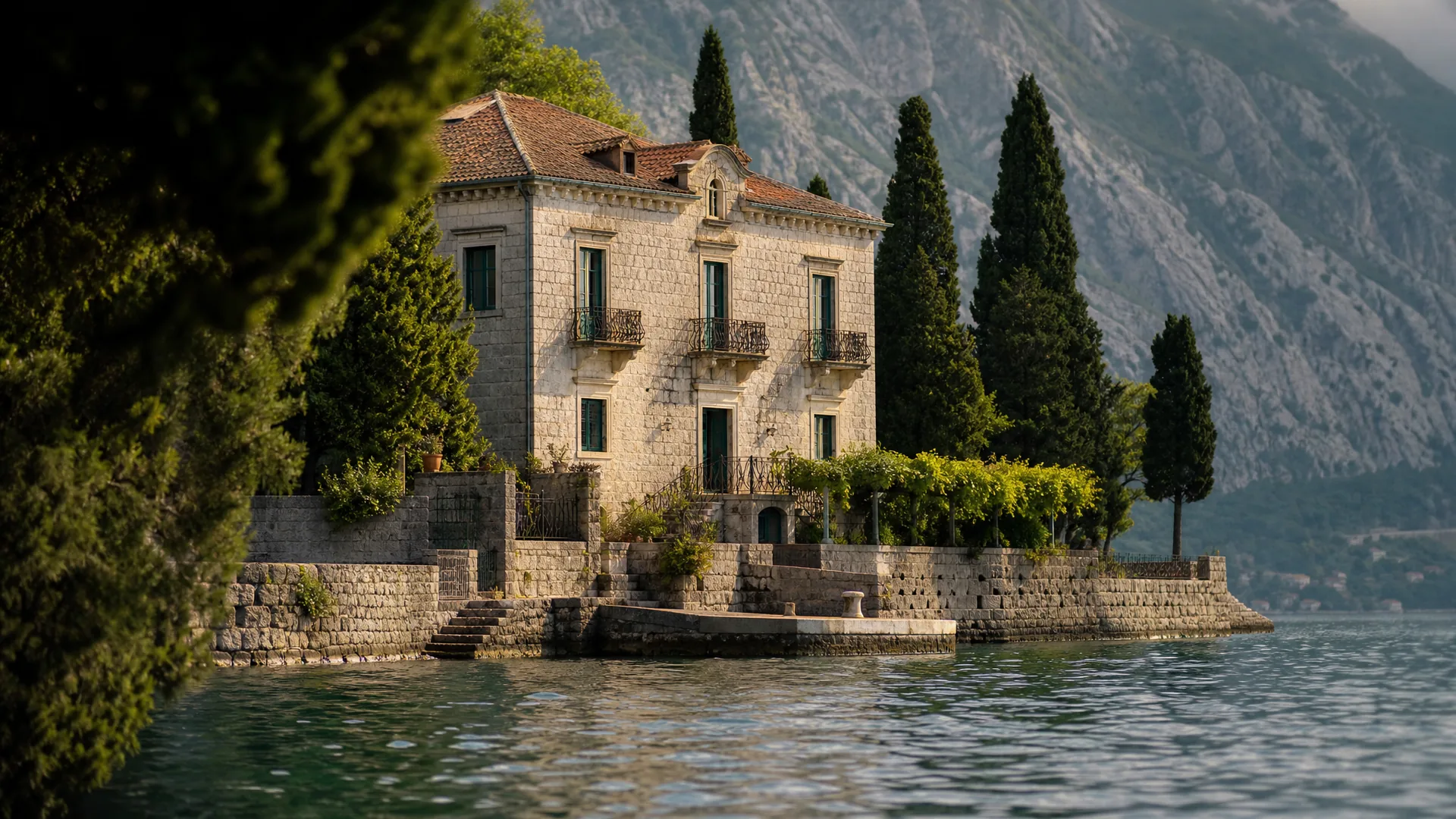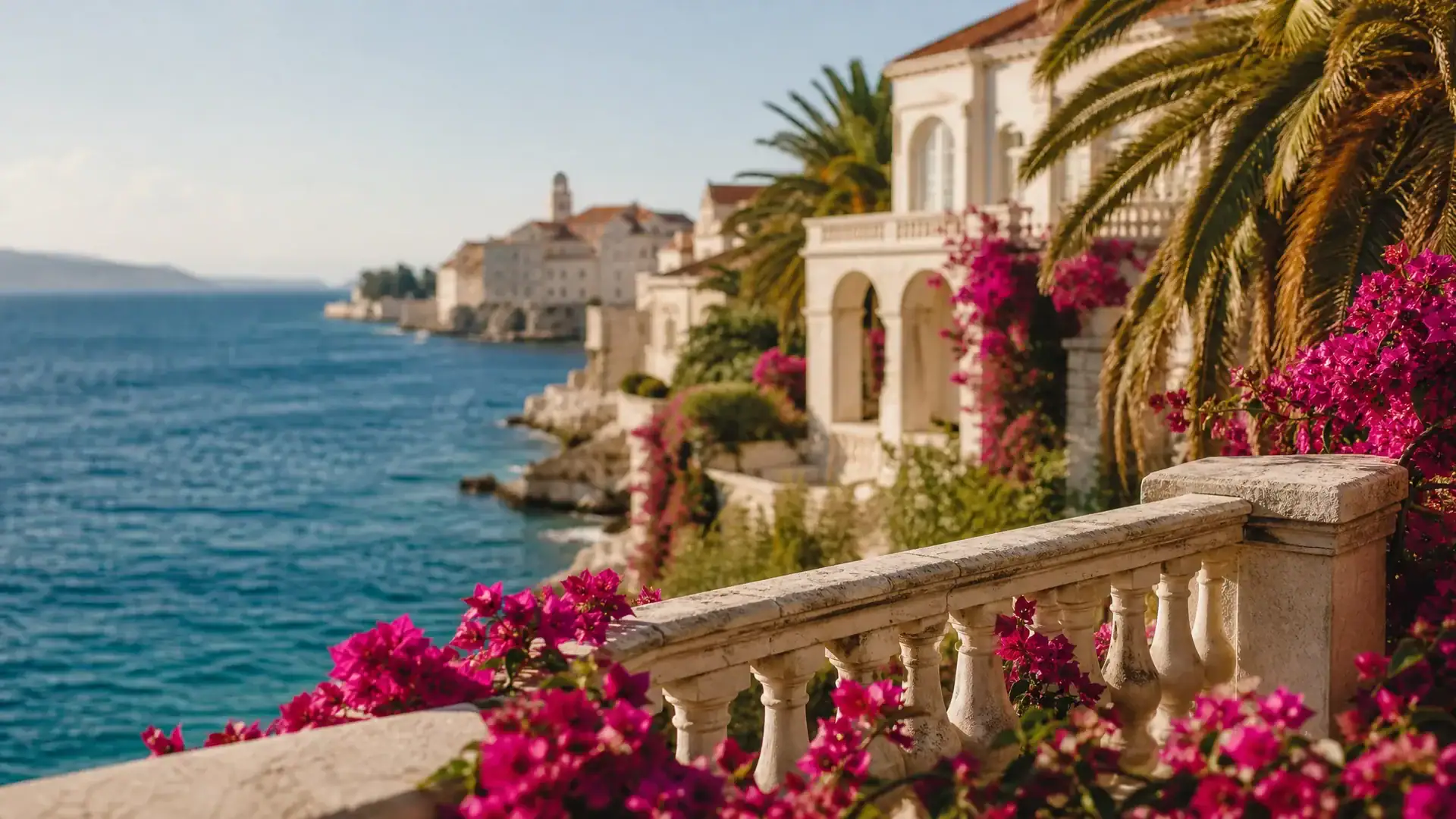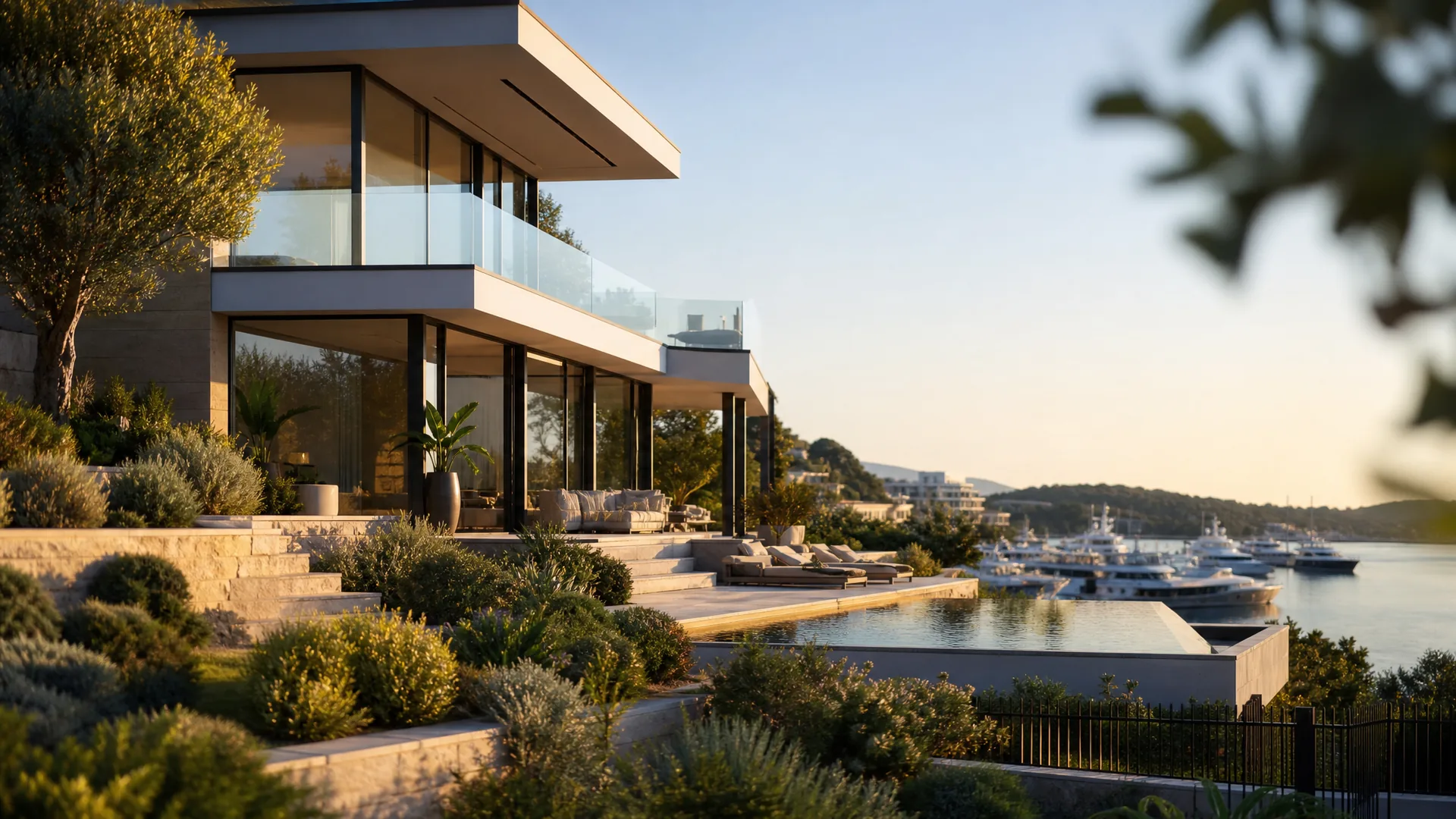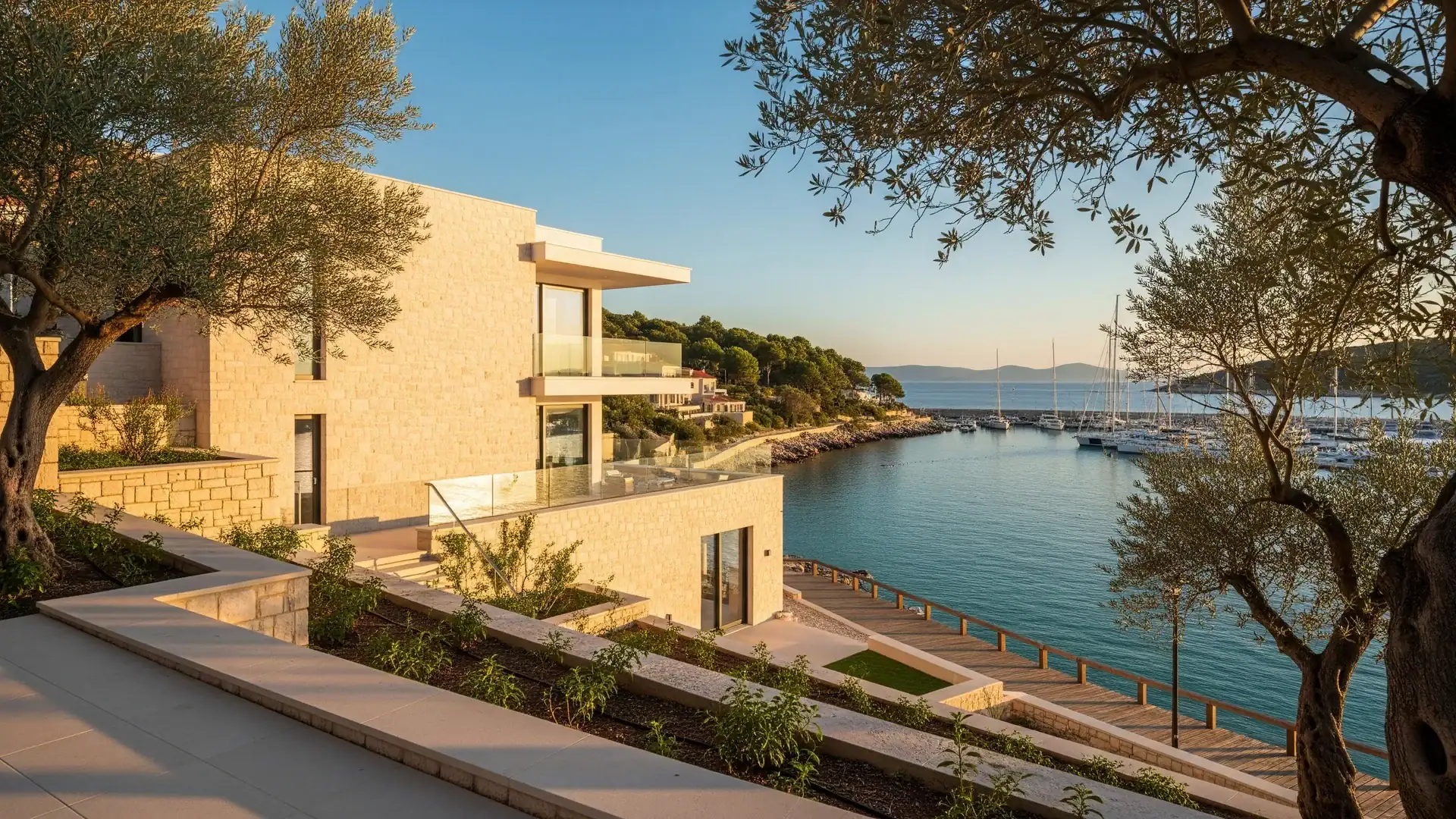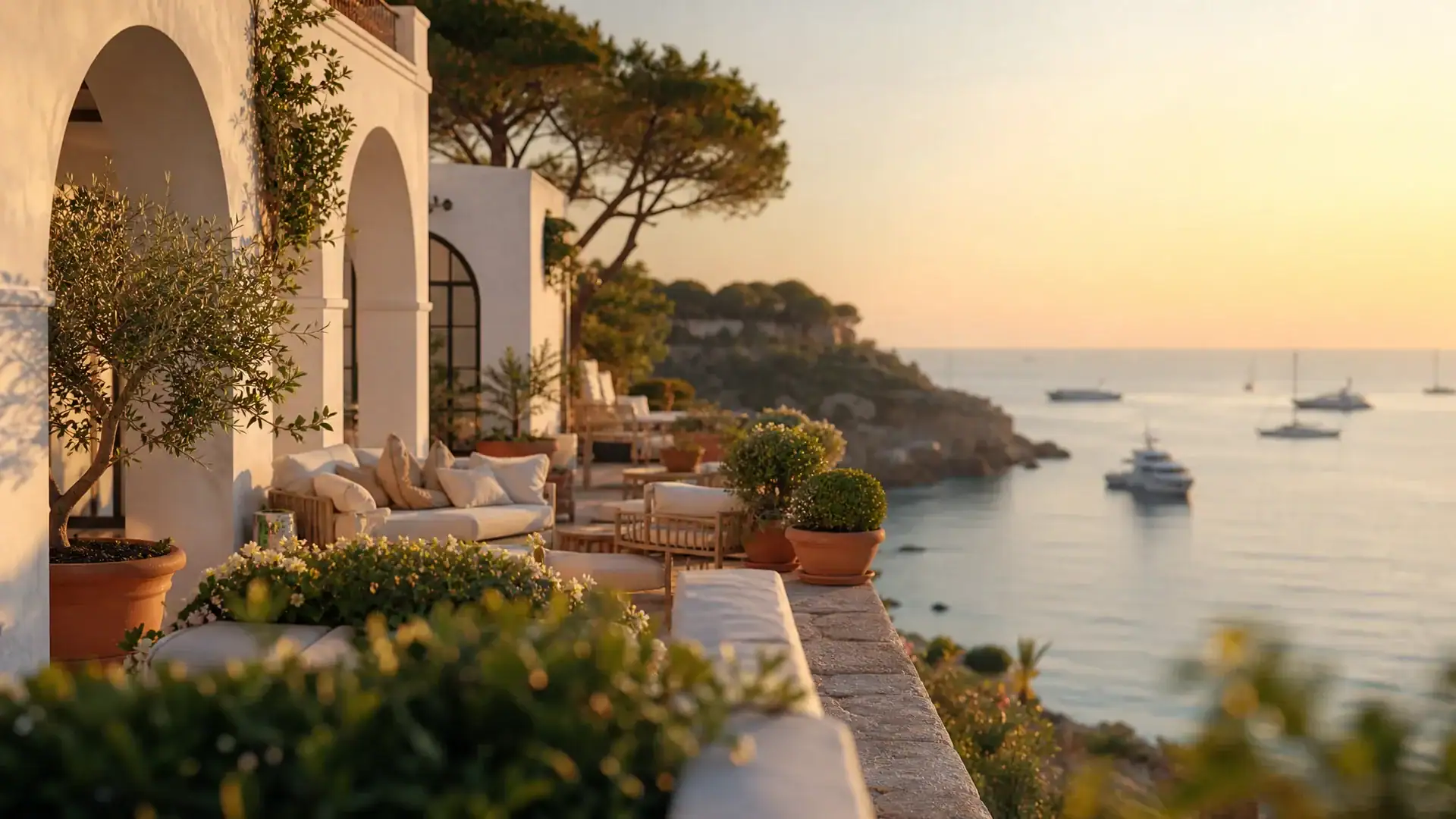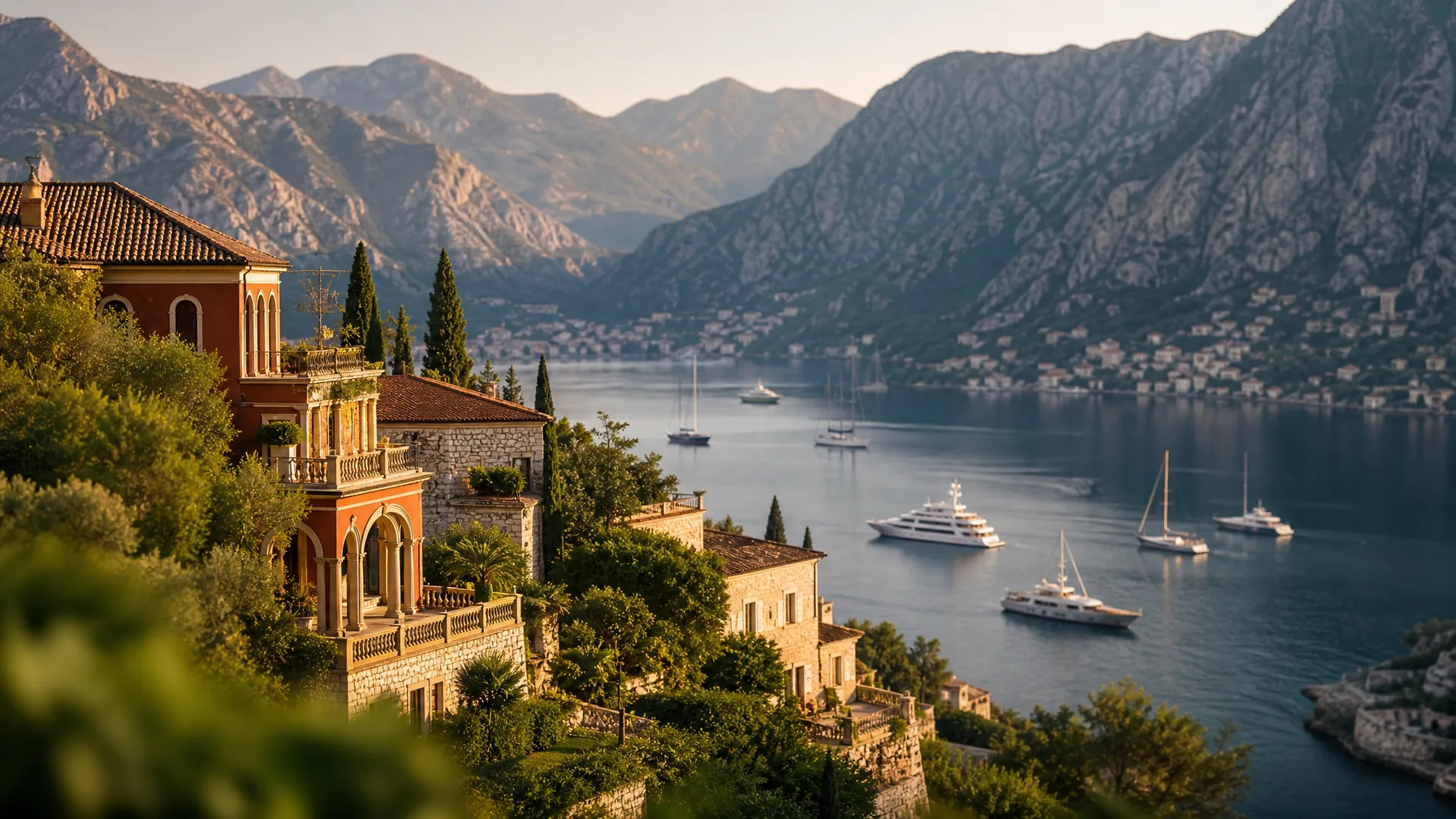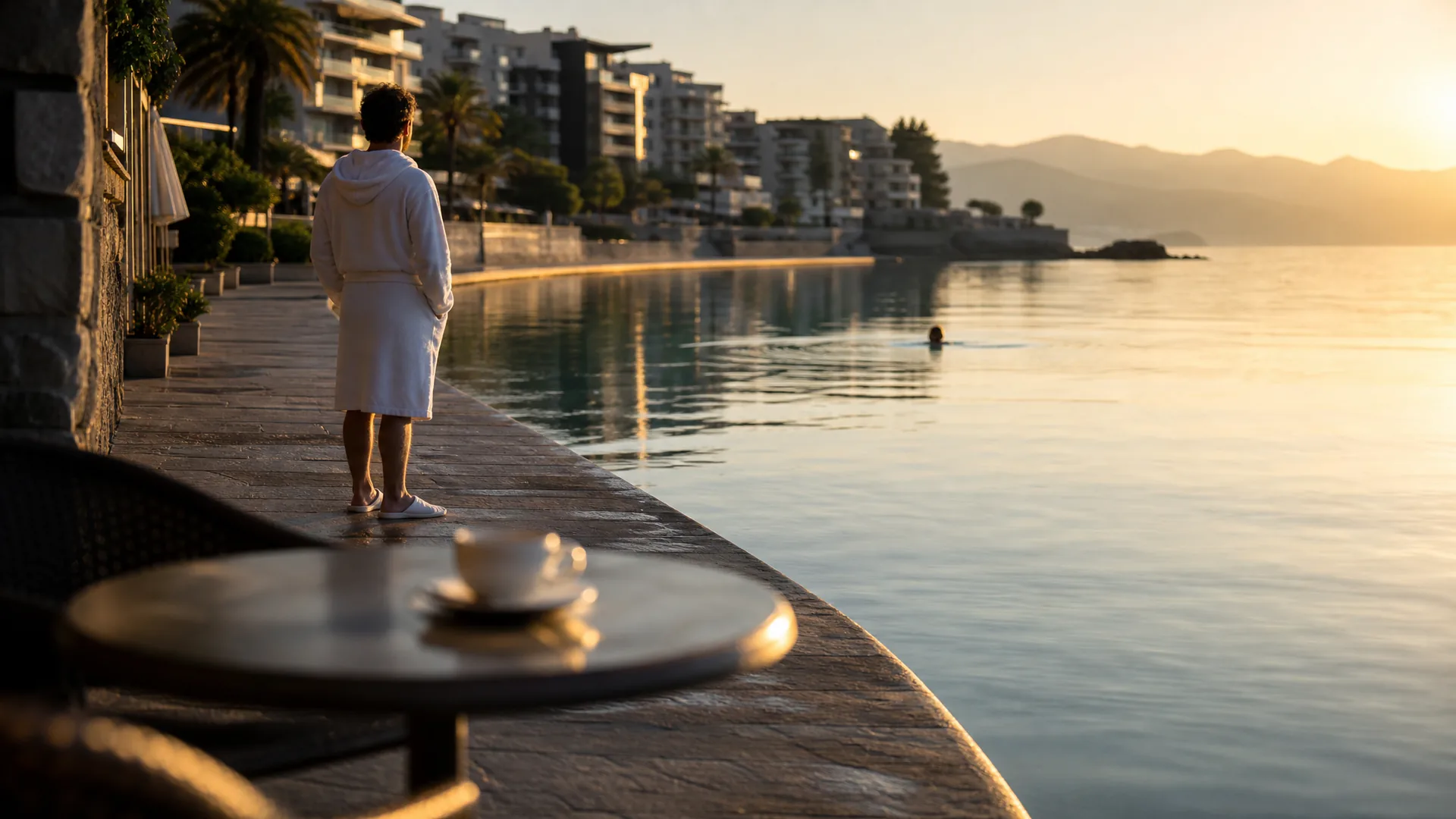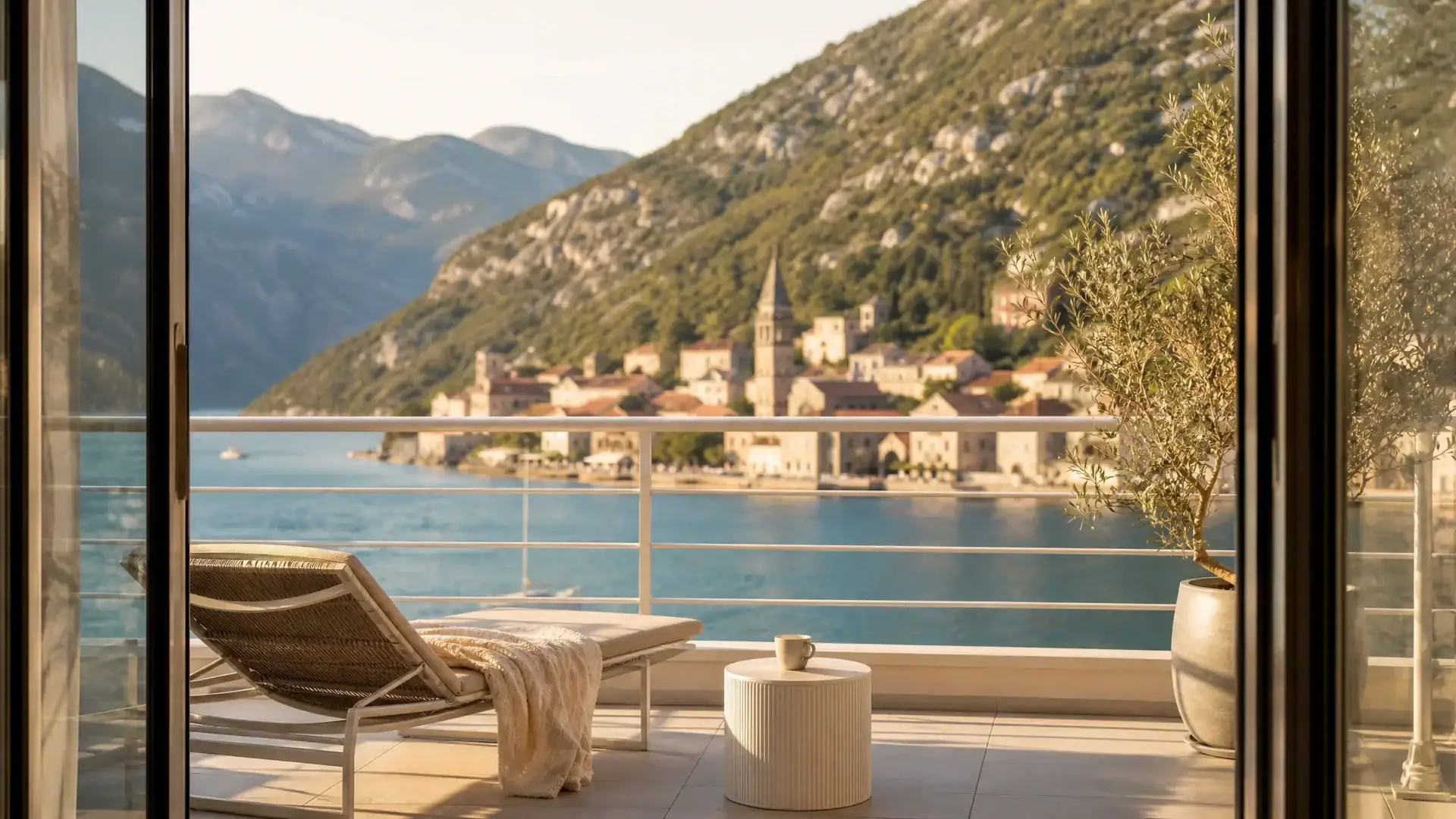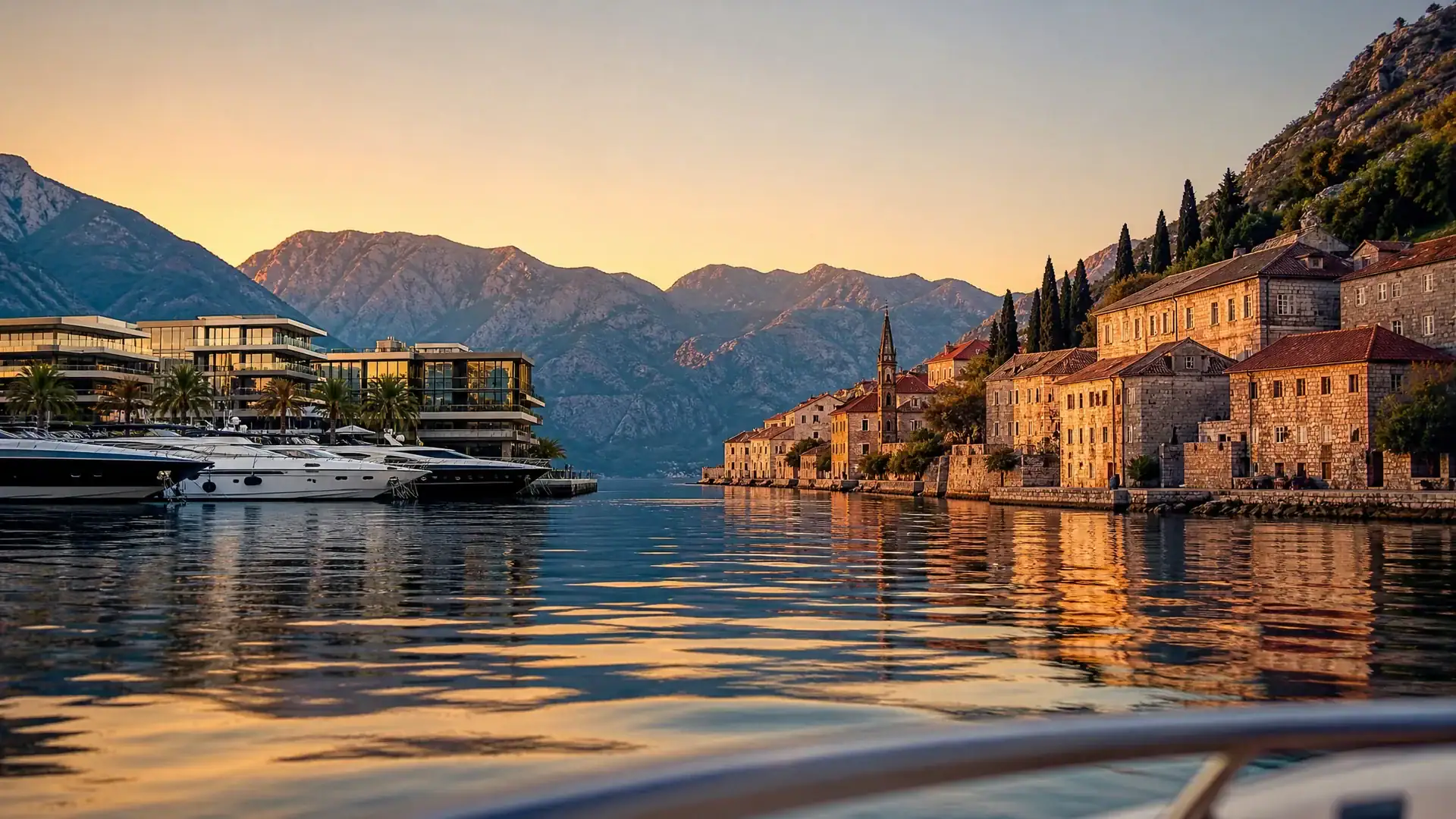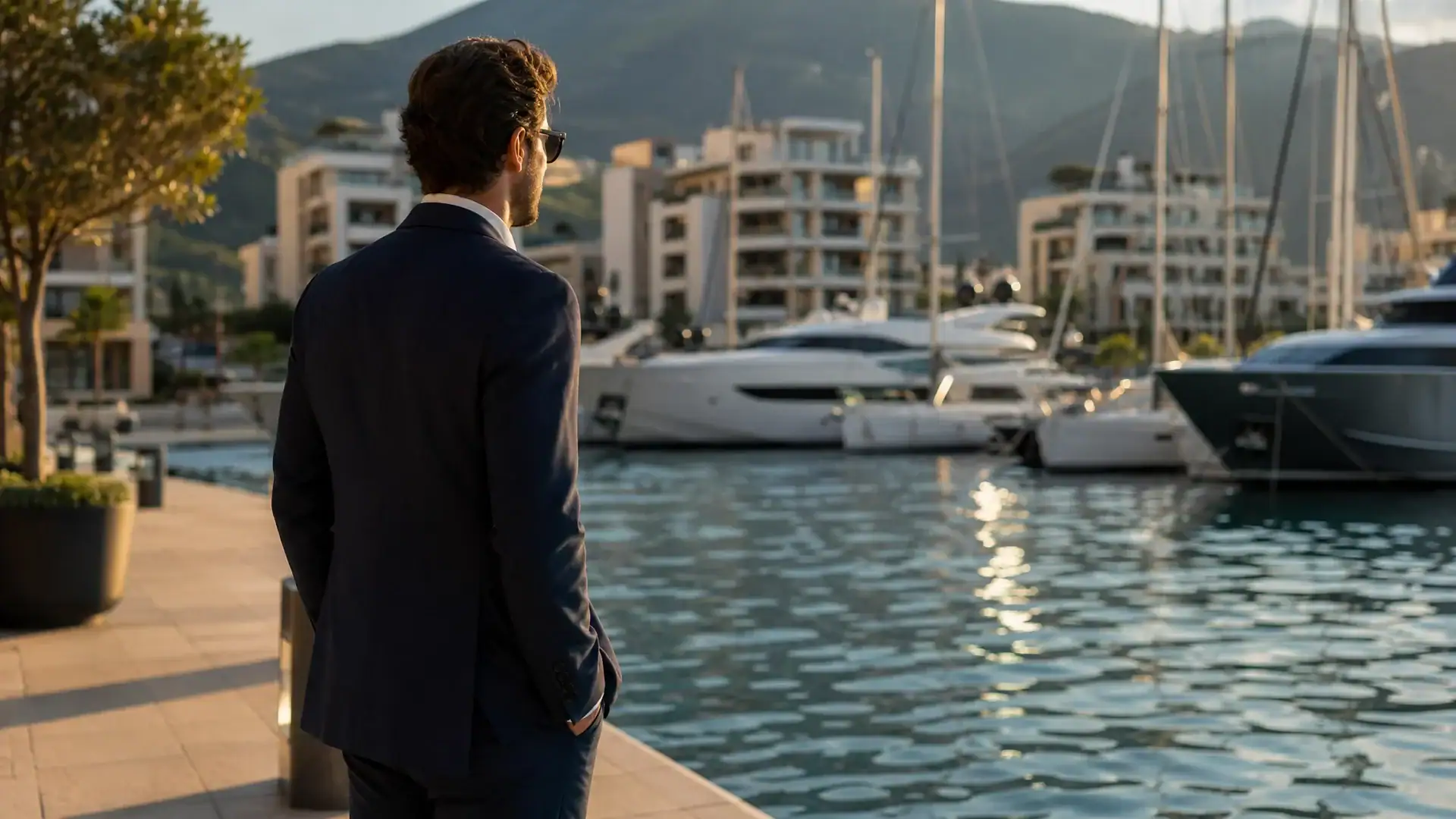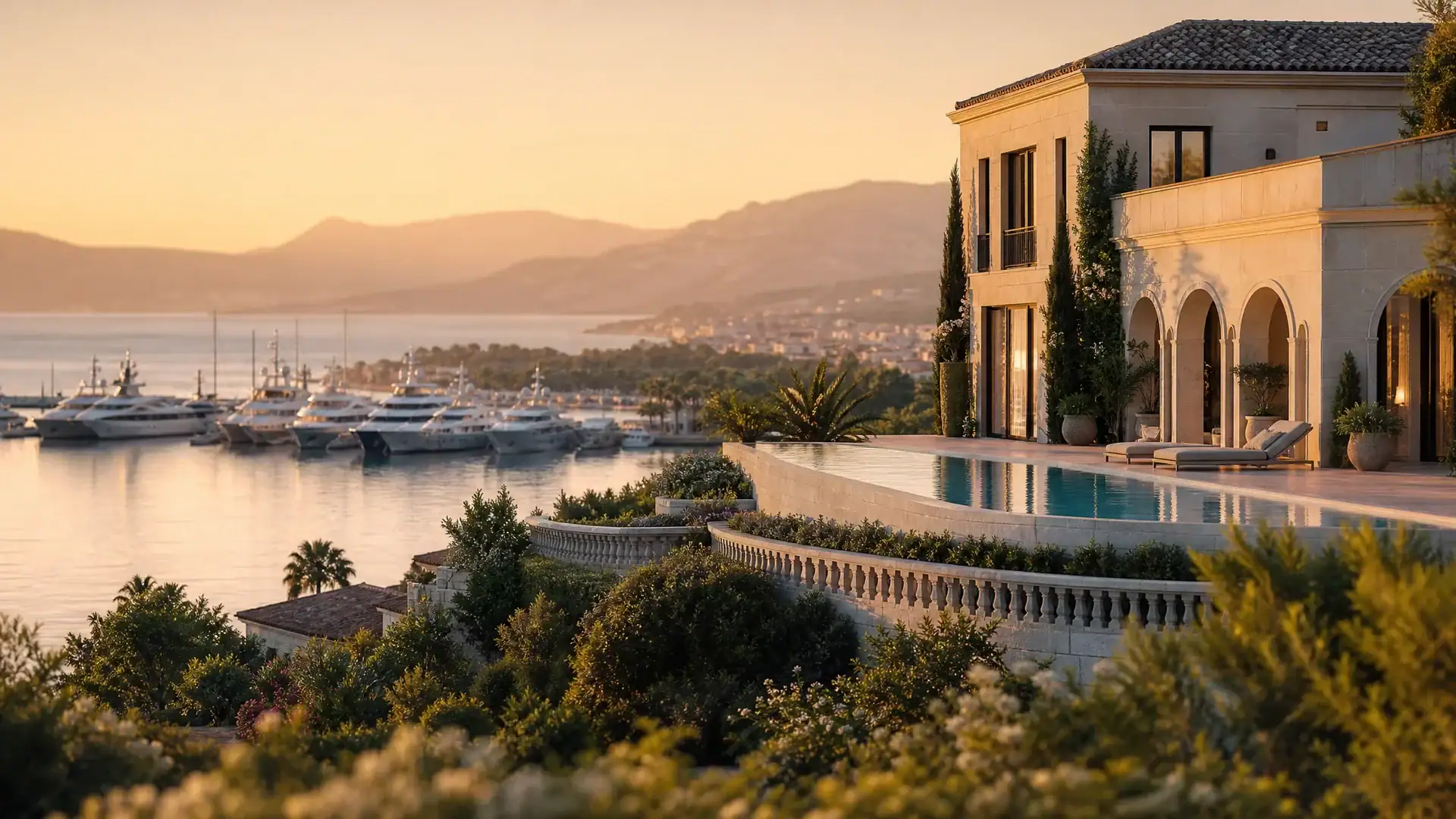





Özel iskelesi, otel tarzı hizmetleri ve yıl boyunca süren marina yaşamıyla denize sıfır bir dairenin fiyatı beş yıl önceki gibi değil. İşte birçok uluslararası alıcının artık ilk sorduğu sorunun pratik arka planı: Karadağ marina evleri değerleniyor mu?
Kısa cevap evet, doğru projelerde ve doğru kalite seviyesinde. Ancak bu, her kıyıdaki mülkün aynı hızda veya aynı nedenlerle değer kazandığı bir pazar değil. Karadağ'ın önde gelen marina topluluklarında değer artışı, sınırlı arz, uluslararası alıcı talebi, markalı veya yüksek hizmetli ortamlar ve güvenilir uzun vadeli bir ana planın bir araya geldiği yerlerde en güçlü olmuştur.
Karadağ'daki marina evleri, gözde lokasyonlarda değer kazanıyor mu?
Önde gelen marina projelerinde, Karadağ'ın gelişmekte olan Adriyatik alternatifinden yerleşik lüks destinasyon profiline kaymasıyla desteklenen değerler, son birkaç yıldır genel olarak yükseliş gösterdi. Bir zamanlar yalnızca Fransız Rivierası, İtalya'nın bazı bölgeleri, Hırvatistan veya Yunanistan'a bakan alıcılar, Karadağ'ı, özellikle marina erişimi, yeni inşaatlar ve yaşam tarzı altyapısı paketin bir parçası olduğunda, üst segmentte hala göreceli değer sunan bir pazar olarak giderek daha fazla görmekte.
Bu önemlidir çünkü marina evleri yalnızca konut varlıkları değildir. Lüks gayrimenkul, yat kültürü, misafirperverlik ve uluslararası hareketliliğin kesişim noktasında yer alırlar. Porto Montenegro, Luštica Bay veya Portonovi'deki bir konut, genellikle yalnızca denizde sahip olunan metrekare olarak değil, aynı zamanda yemek, perakende, beach club'lar, danışmanlık desteği, güvenlik, kiralama cazibesi ve yat yanaşma yeri erişimini içeren daha geniş bir ekosistemin parçası olarak değerlendirilir. Bu ekosistem olgunlaştığında, gayrimenkul değerleri de genellikle bunu takip eder.
Yine de, değerlenme doğrusal değildir. Güçlü manzaralar, yürüme mesafesi, mahremiyet ve kanıtlanmış kiralama talebi olan öncelikli yeniden satış birimleri genellikle daha iyi performans gösterir. Bu avantajlara sahip olmayan ikincil birimler yine de değer kazanabilir, ancak genellikle daha mütevazı bir şekilde.
Neler değerlenmeyi sağlıyor?
İlk faktör kıtlıktır. Gerçek marina önü envanteri coğrafya ve imar kısıtlamalarıyla sınırlıdır. Doğrudan deniz cephesi, modern donanımlar ve profesyonelce yönetilen bir marina ortamına erişimi birleştiren yalnızca belirli sayıda ev vardır. Bu topluluklar uluslararası alanda daha iyi tanındıkça, kıtlık, diğer Akdeniz pazarlarında çok daha yüksek başlangıç fiyatlarına alışkın alıcılar için daha görünür hale gelir.
İkinci itici güç ise alıcı profiline ait. Karadağ'ın marina pazarı, yerel ipotek koşullarına daha az bağımlı olan ve daha çok yaşam tarzı uyumu, uzun vadeli yükseliş potansiyeli ve varlık kalitesine odaklanan varlıklı uluslararası alıcıları çekmektedir. Bu durum, üst segmentte dayanıklılık yaratabilir. Daha geniş piyasalar yavaşlasa bile, "kupa" (prestijli) ve sınıfının en iyisi mülkler, daha uzun vadeli bir bakış açısıyla satın alındıkları için genellikle ilgi görmeye devam eder.
Üçüncüsü, yer yaratmaktır. Marina topluluklarındaki değerleme, bir projenin sadece bir inşaat projesi olarak değil, aynı zamanda bir destinasyon olarak ne kadar başarılı olduğuna yakından bağlıdır. Restoranlar, plaj erişimi, perakende seçimi, sağlık olanakları, etkinlikler, peyzaj düzenlemesi ve yıl boyunca kullanılabilirlik, zamanla bir konutun ne kadar cazip hale geldiğini etkiler. Alıcılar, tamamlanmış hisseden yerler için daha fazla ödeme yaparlar.
Son olarak, görünürlük etkisi var. Karadağ, güçlü doğal güzelliklere ve gelişen üst düzey altyapıya sahip, daha gizli bir lüks piyasası arayan küresel olarak hareket eden aileler, yat sahipleri ve yatırımcılar arasında giderek artan bir tanınırlık kazanmıştır. Görünürlük arttıkça, en köklü marina adresleri için rekabet de artar.
En güçlü ivmeyi hangi marina alanları gösterdi?
Porto Montenegro, en net referans noktalarından biri olmaya devam ediyor. Cazibesi, sadece sahil mimarisinin ötesine uzanıyor. Marina prestiji, perakende ve yeme-içme mekanları, yönetilen konutlar ve uluslararası düzeyde tanınan itibarıyla işleyen bir lüks mahalle olarak kendini kanıtlamıştır. Alıcılar konumu anında anladığı için buradaki gayrimenkuller, genel piyasaya kıyasla likiditeden faydalanma eğilimindedir.
Portonovi, özellikle tatil köyü düzeyinde hizmetler, markalı misafirperverlik etkisi ve cilalı kıyı ambiyansı değer veren alıcılardan önemli ilgi gördü. Bu segmentte çevrenin kalitesi önemlidir. Deneyimin sürekli olarak birinci sınıf hissettirildiği yerlerde, değerlerin zaman içinde desteklenmesi daha olasıdır.
Luštica Körfezi biraz farklıdır ki bu da cazibesinin bir parçasıdır. Uzun vadeli ana planlanmış karakteri, daha düşük yoğunluklu hissi ve yaşam tarzı ile tasarıma verdiği önem farklı bir değerleme profili oluşturur. Bu tür piyasalarda değer artışı, yalnızca mevcut olanaklara değil, aynı zamanda gelecekteki aşamalara olan güvene ve daha geniş vizyonun başarılı bir şekilde hayata geçirilmesine de bağlı olabilir.
Yatırımcılar için kilit nokta, her marin pazarının kendine özgü bir ritmi olmasıdır. Anında prestij ve yerleşik yeniden satış emsallerine odaklanan bir alıcı bir yöne eğilebilir. Dikkatlice planlanmış lüks bir ortamda erken aşama değer artışı ile ilgilenen bir alıcı ise başka bir yöne eğilebilir.
Karadağ'daki marinalarda bulunan evler, marina dışındaki gayrimenkullere kıyasla daha hızlı değer mi kazanıyor?
Birçok durumda, özel marina evleri standart sahil daireleri ve daha az seçkin deniz kenarı gayrimenkulleri geride bırakmıştır. Bu, her marina konutunun otomatik olarak her marina dışı varlığı yendiği anlamına gelmez. Kotor Körfezi'ndeki olağanüstü villalar veya Budva Rivierası anlamlı takdir de görebilir.
Ancak marina evleri genellikle daha nadir bir hizmet, güvenlik, tasarım tutarlılığı ve uluslararası tanınırlık kombinasyonu sundukları için primden yararlanır. Yurt dışındaki alıcılar, özellikle ikinci veya üçüncü konutunu satın alanlar için bu düzeydeki kolaylık gerçek bir değer taşır. Belirsizliği azaltır ve gelecekteki yeniden satış çekiciliğini artırır.
Profesyonelce yönetilen konutların hem yaşam tarzı alıcılarını hem de yatırımcıları çekmesinin nedenlerinden biri budur. Kilitlemesi, bırakması, keyfini çıkarması ve potansiyel olarak kiraya vermesi kolay olan bir evin, sürekli yerel gözetim gerektiren bir eve göre daha geniş bir alıcısı vardır.
Hâlâ tedbirin önemli olduğu yer
Yükselen bir piyasa seçici olma ihtiyacını ortadan kaldırmaz. Bazı alıcılar, “marina”nın tek başına güçlü sermaye büyümesini garanti ettiğini varsayarak girer. Pratikte, değer artışı, varlık sınıfı içindeki varlığa bağlıdır.
Kat planı verimliliği önemlidir. Yönlendirme, mahremiyet, manzara koruması, bina itibarı, hizmet kalitesi, park yeri ve marinanın en hareketli bölgelerine yakınlık da öyle. Aynı sitedeki iki dairenin uzun vadede anlamlı derecede farklı performansı olabilir.
Fiyatlandırma disiplini de önemlidir. Yüksek talep gören bir konumda, alıcılar bazen zayıf bir yerleşim düzenini veya taviz verilmiş bir pozisyonu kabul ederler çünkü adres güvenli hissettirir. Zamanla, piyasa genellikle en iyi konutları önce ödüllendirir. Ortalama birimler değerlenebilir, ancak alıcılar seçici hale geldiğinde genellikle daha savunmasızdırlar.
Bir de zamanlama unsuru var. Bir alıcı, bir marina topluluğunun erken bir büyüme aşamasında alım yaparsa, değer artışı potansiyeli daha güçlü olabilir, ancak uygulama riski daha yüksektir. Bir alıcı olgunlaşmış ve yerleşik bir destinasyonda alım yaparsa, risk profili daha düşük olabilir, ancak giriş fiyatlandırması piyasanın güveninin büyük kısmını zaten yansıtıyor olabilir. Bu yaklaşımlardan hiçbiri doğası gereği daha iyi değildir. Hedeflere bağlıdır.
Gelişmiş alıcıların satın almadan önce nelere bakması gerektiği
Ciddi bir alıcı, sorulan fiyatların ötesine bakmalı ve daha kullanışlı bir dizi soru sormalıdır. Gerçekten karşılaştırılabilir ne kadar stok var? Topluluk yıl boyunca mı, yoksa çoğunlukla mevsimlik mi işliyor? Geliştirme zamanla kaliteyi korudu mu? Sürdürülebilir uluslararası talep var mı, yoksa fiyatlandırma dar bir alıcı havuzu tarafından mı yönlendiriliyor? Ve mülk üç ila yedi yıl içinde yeniden satılırsa, onu öne çıkaracak olan ne olurdu?
Kiralama performansı, kiralamayı düşünmeyen alıcılar için bile ipuçları sunabilir. Premium kısa vadeli veya mevsimlik talep çeken evler genellikle daha güçlü bir görünürlükten ve daha geniş bir gelecekteki yeniden satış kitlesinden yararlanır. Bununla birlikte, kira getirisi değer artışıyla karıştırılmamalıdır. En yüksek değerli konutların bazıları öncelikle yaşam tarzı için tutulur ve gelir yerine kıtlık yoluyla değerini korur.
Hukuki açıklık, sahiplik yapısı, hizmet bedelleri ve topluluk kuralları da yakından incelenmeyi hak ediyor. Lüks gayrimenkulde, küçük operasyonel detaylar, alıcıların beklemesinden daha fazla uzun vadeli sahiplik deneyimini etkileyebilir.
Peki, Karadağ'daki marina evleri uzun vadede değer kazanıyor mu?
Lider marina projelerinde iyi konumlanmış evler için uzun vadeli değer artışı argümanı geçerliliğini koruyor. Sınırlı kıyı şeridi arzı, artan uluslararası bilinirlik ve yüksek kaliteli markalı veya ana planlı ortamların birleşimi talebi desteklemeye devam ediyor. Karadağ, Akdeniz'in daha doygun lüks pazarlarında görülen fiyat seviyelerine ulaşmadan birinci sınıf Adriyatik erişimi isteyen alıcılar için hala cazip bir konumda.
Her ne kadar böyle olsa da, artık herhangi bir satın alma işleminin işe yarayacağı bir pazar değil. Daha güçlü strateji şudur: seçici devralma: öncü konum, yerleşik kalite, gerçek yaşam tarzı faydası ve kalıcı uluslararası öneme sahip bir topluluk. Dikkat ve değeri en çok koruyacak evler bunlardır.
Şu anda giriş yapmayı düşünen alıcılar için soru yalnızca Karadağ marina evlerinin değerlenip değerlenmediği değil. Soru, önünüzdeki belirli bir mülkün piyasa daha da seçici hale geldiğinde hala çekici görünüp görünmeyeceği. İşte burada dikkatli rehberlik ve yerel piyasa bilgisi fark yaratıyor.