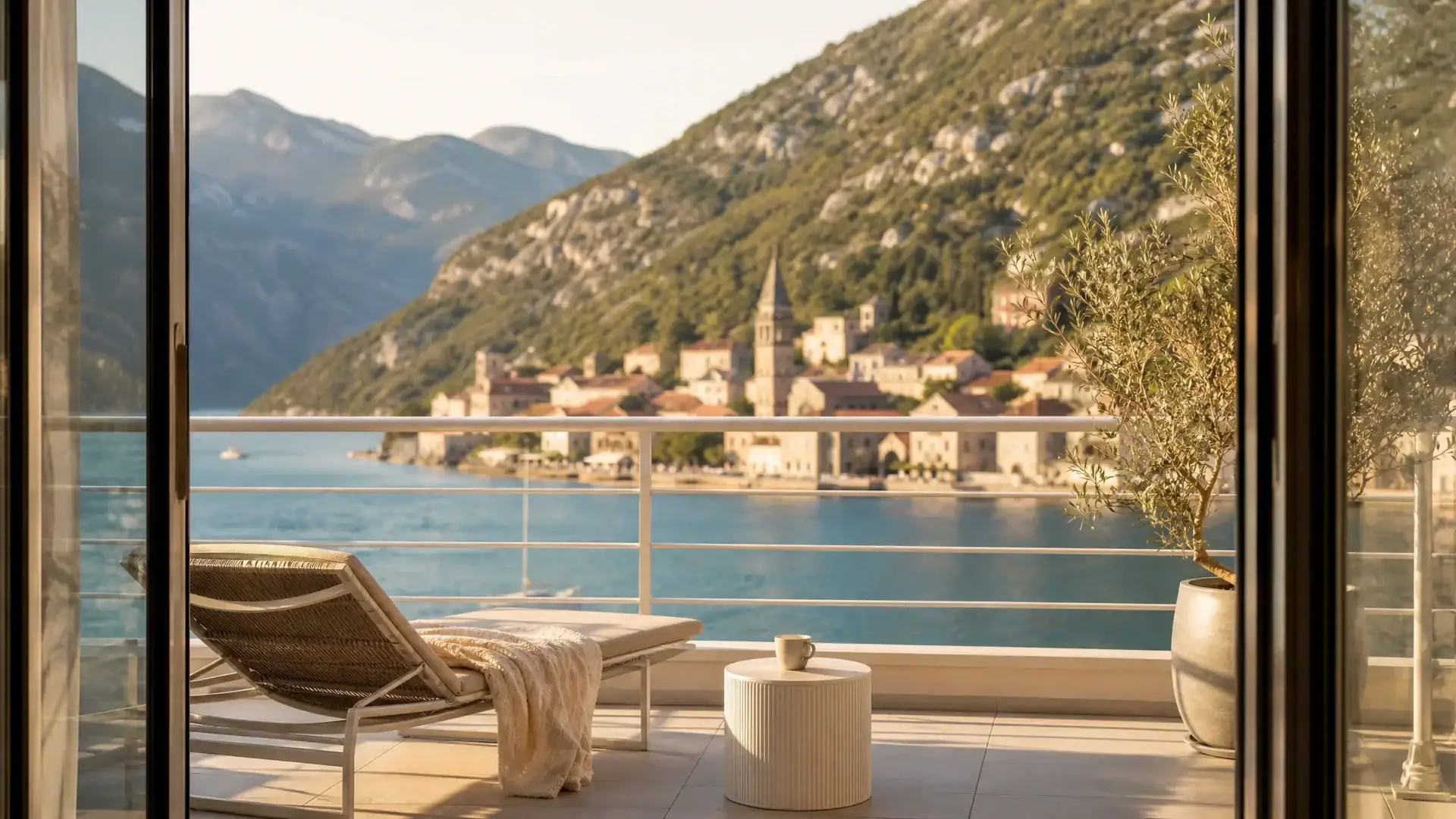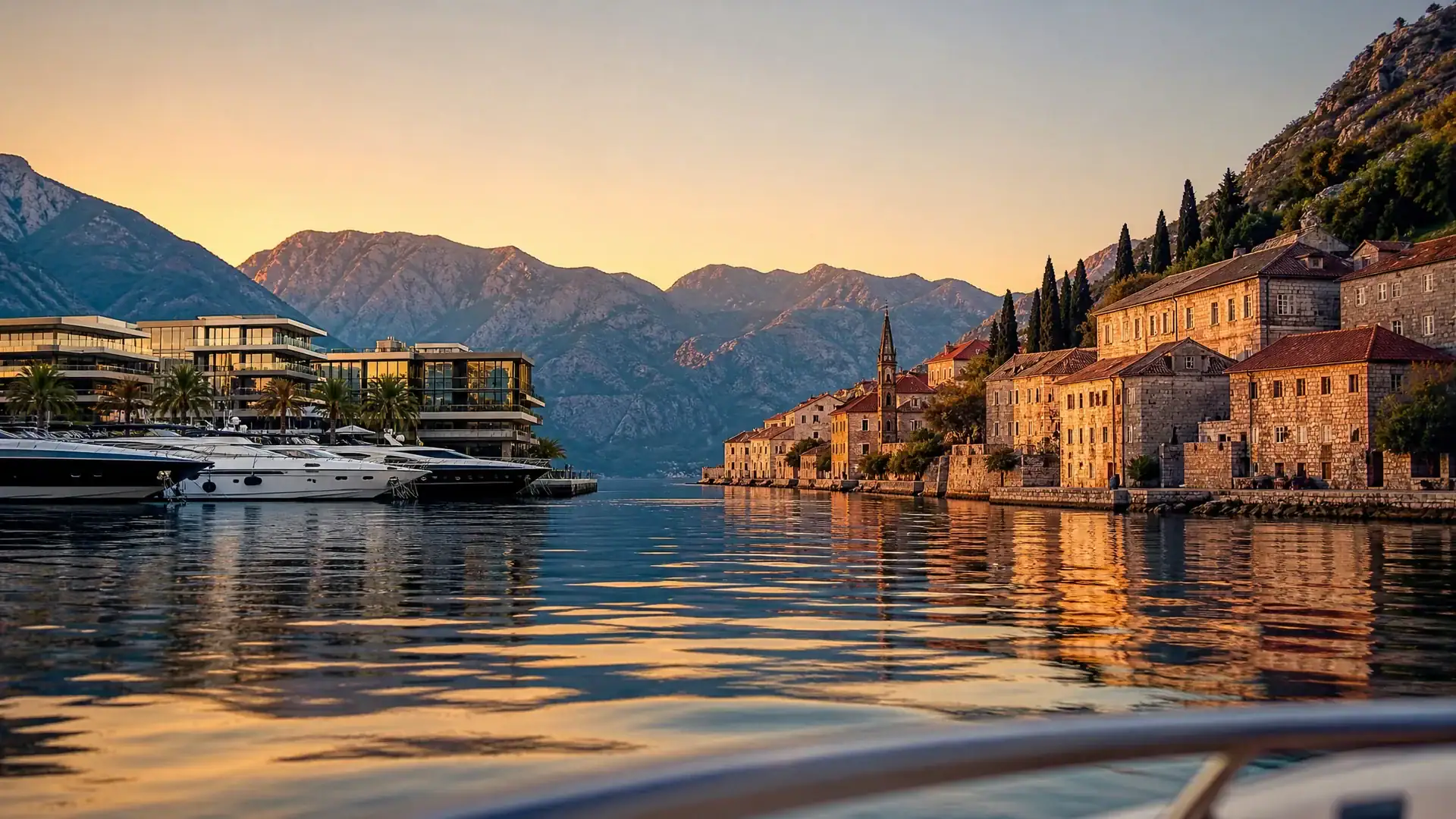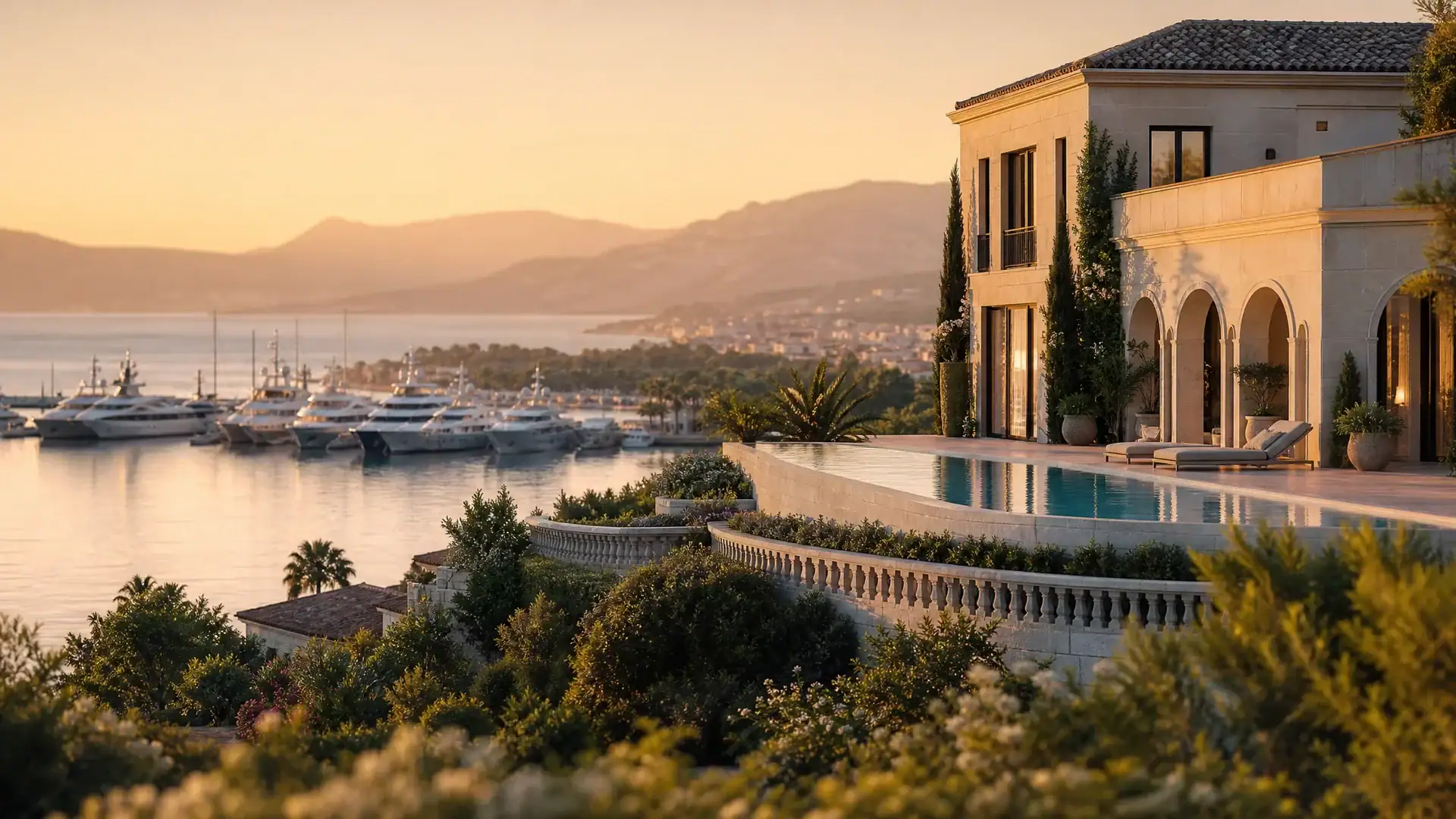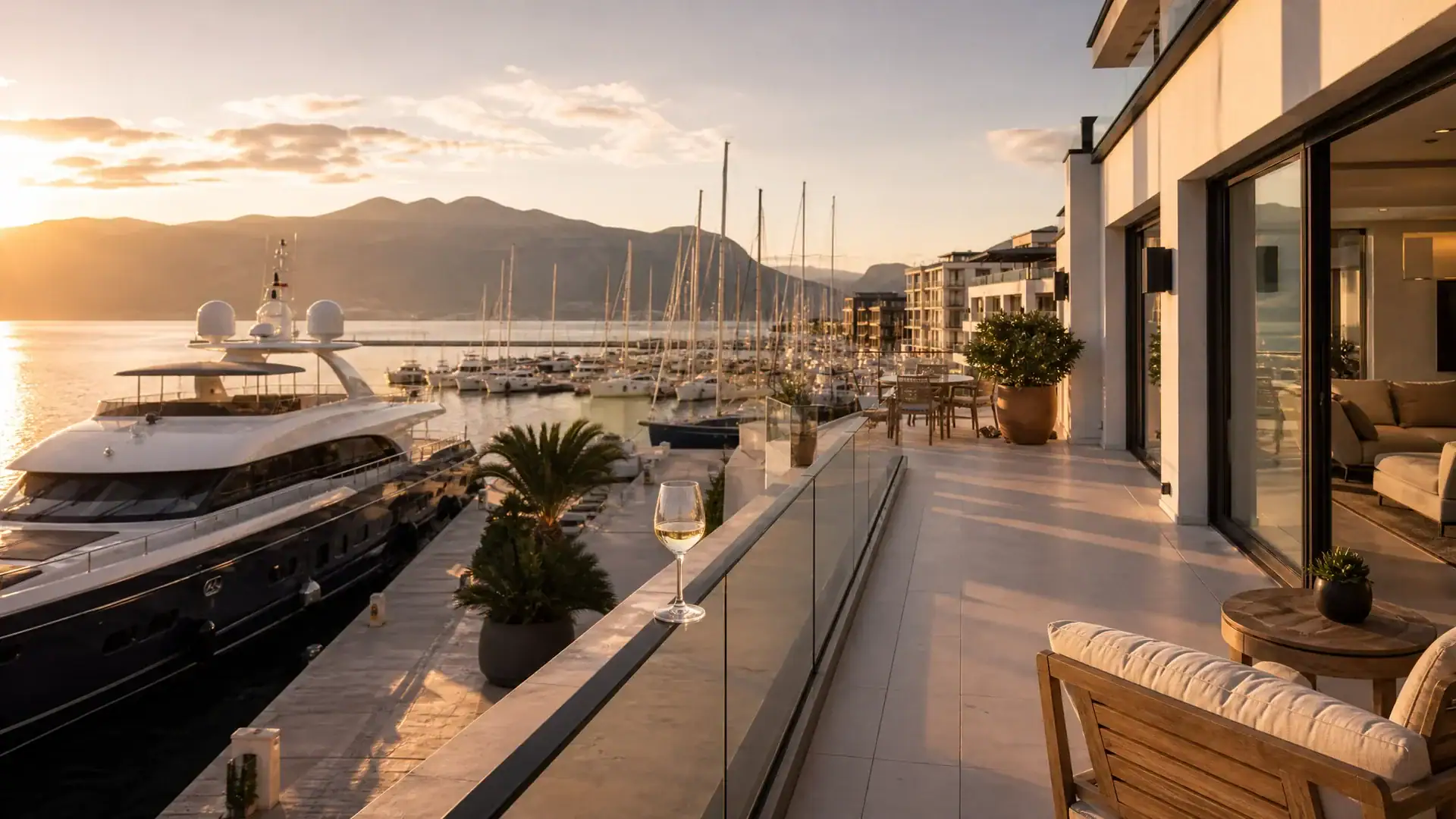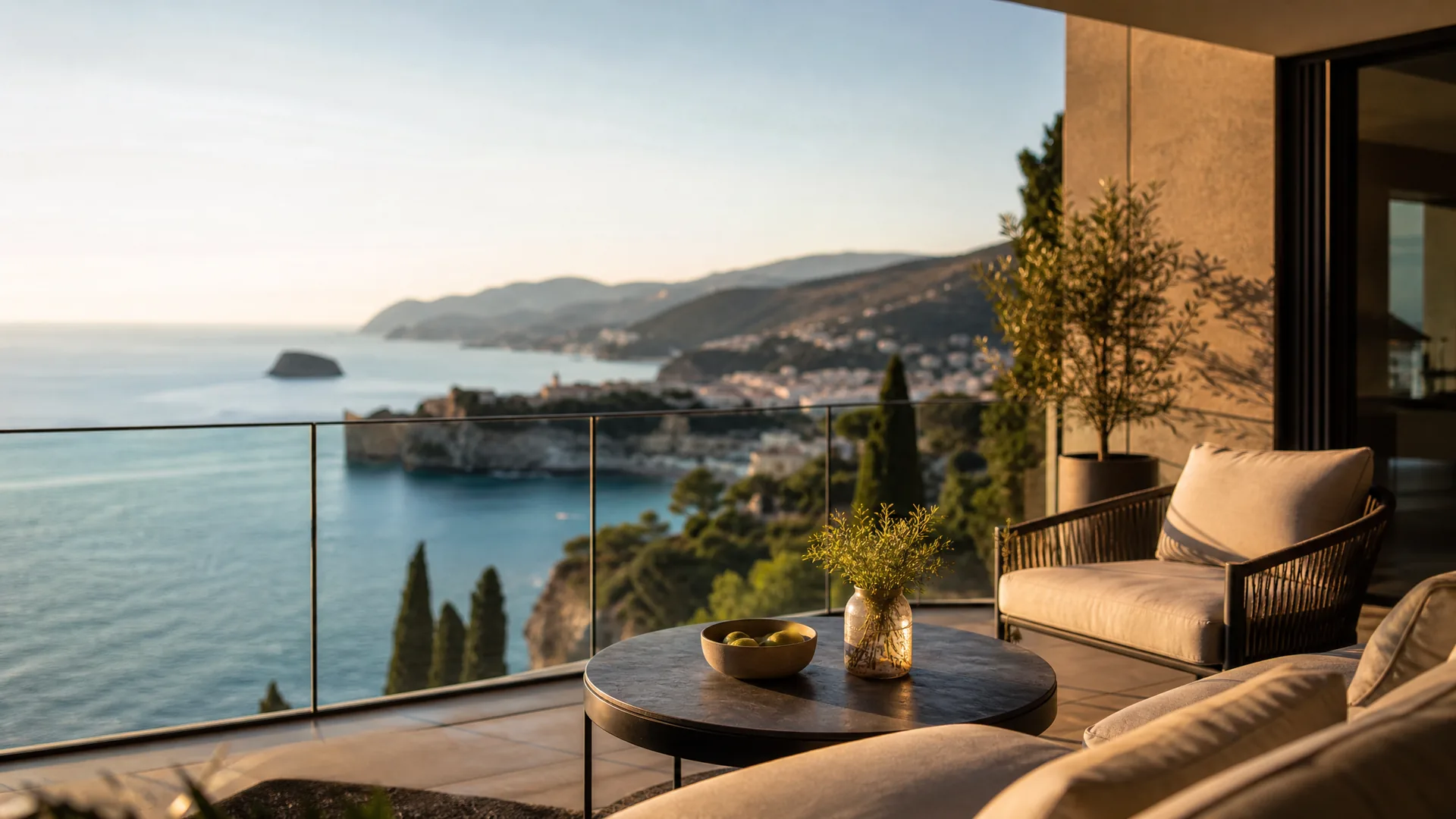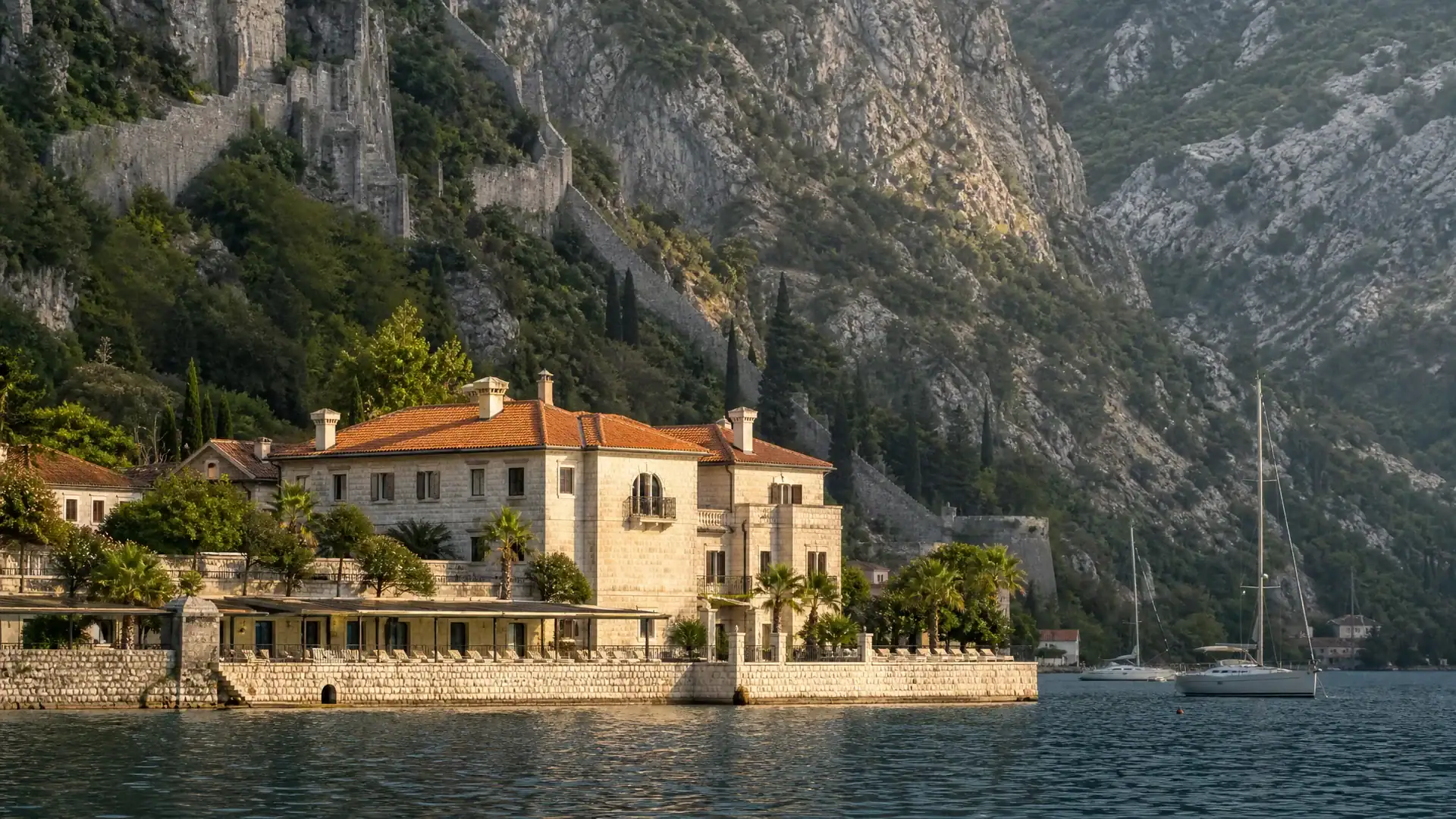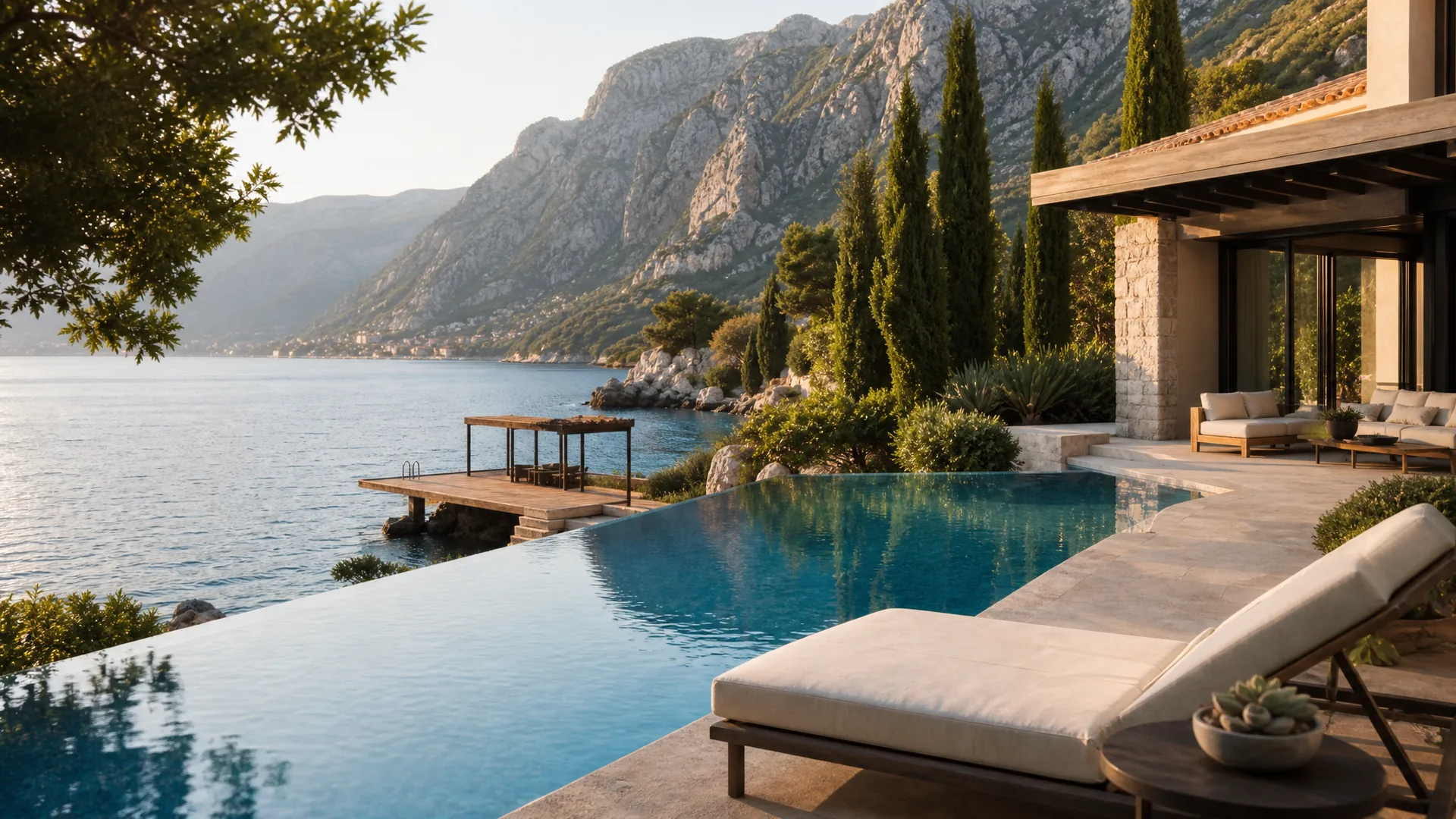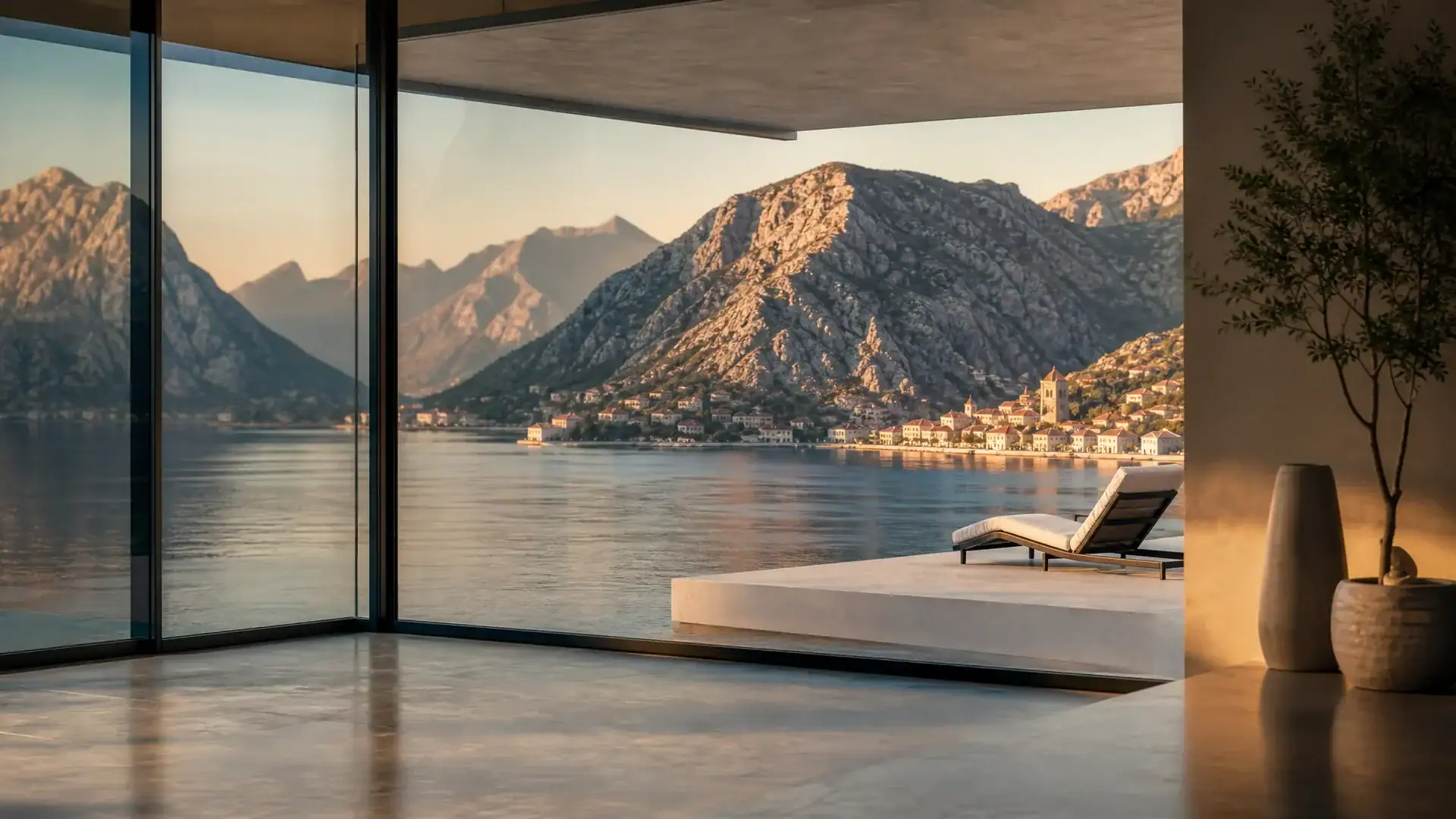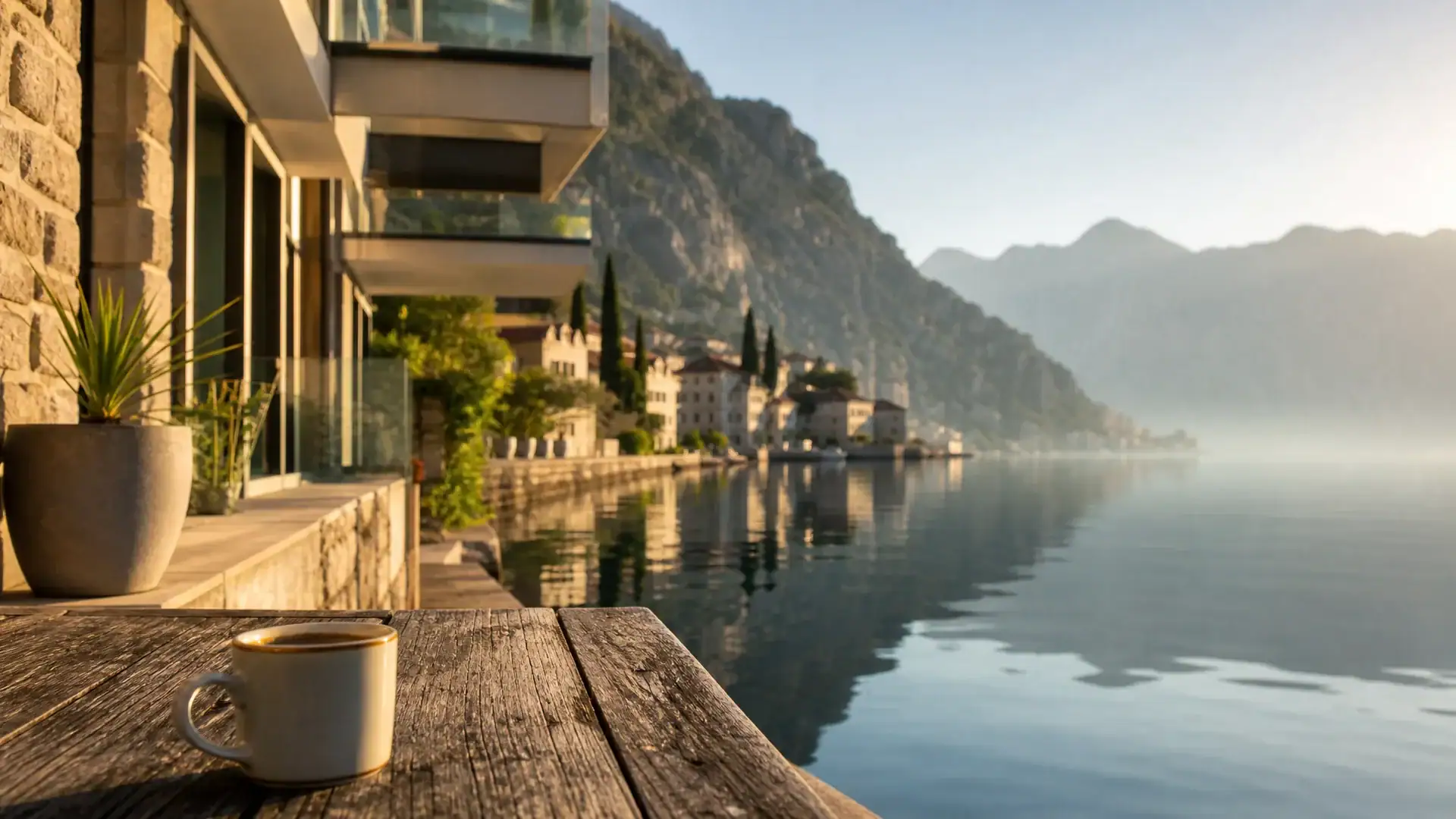




A waterfront villa in Montenegro can feel like a lifestyle decision first and a real estate transaction second. That is precisely why disciplined buying matters. If you are researching how to buy villa in Montenegro, the smartest approach is to balance emotion with structure – choosing a home that reflects your standards while confirming it also meets legal, operational, and long-term value expectations.
For international buyers, Montenegro is appealing for reasons that go beyond scenery. The coastline offers marina living, privacy, mountain-and-sea views, and a luxury market that still feels more selective than saturated. But not every villa suits every objective. A family summer residence in Luštica Bay, a branded property near Porto Montenegro, and a historic stone villa in the Bay of Kotor each come with very different ownership considerations.
How to buy villa in Montenegro with a clear strategy
The first decision is not the property. It is your purpose. Buyers who move quickly and buy well usually know whether they are prioritizing private use, seasonal rental income, future resale, or a mix of all three. That choice shapes everything from location and layout to maintenance costs and title review.
If your priority is lifestyle, your shortlist may center on view corridors, privacy, beach access, marina proximity, and turnkey condition. If your focus is investment, you will look more closely at seasonal demand, management practicality, and scarcity within the local submarket. In premium locations, the best villas often serve both aims, but one should still lead the decision.
Budget planning should also be more nuanced than the purchase price alone. In luxury transactions, buyers often underestimate fit-out upgrades, landscape care, pool maintenance, staffing, insurance, and tax exposure. A villa that appears attractively priced may require significant post-acquisition investment, while a more expensive turnkey property can be the more efficient choice.
Choose the right part of the market
Montenegro is compact, but its prime coastal zones are distinct in character.
Porto Montenegro typically attracts buyers who value yacht access, branded living, polished infrastructure, and an internationally minded community. Portonovi appeals to those looking for a resort environment with strong amenities and a refined waterfront setting. Luštica Bay often resonates with buyers who want a master-planned coastal lifestyle with contemporary architecture and a more integrated residential feel.
The Bay of Kotor offers something different – heritage, drama, and a stronger sense of place. Villas there can be exceptional, especially waterfront or restored stone homes, but due diligence may be more layered when older structures are involved. Budva Riviera, by contrast, tends to suit buyers who want energy, beach access, and strong seasonal demand, though privacy levels and density vary considerably by micro-location.
This is where local guidance becomes valuable. Two villas with similar photography and price points can perform very differently depending on access roads, urban planning status, neighboring development risk, and whether the shoreline setting is truly protected or simply marketed well.
What to check before you make an offer
Once you identify a villa, due diligence begins well before contract drafting. The first area to confirm is title. You will want a clear review of ownership, encumbrances, rights of way, registered size, land boundaries, and whether all built structures are properly recorded. This matters in every market, but especially in coastal areas where older properties may have gone through expansions or renovations over time.
Planning and permitting are equally important. A villa can be visually impeccable and still present risk if parts of the structure were added without the correct approvals. If there is a guest house, terrace extension, dock-related element, or pool addition, those components should be reviewed carefully. The question is not only whether the property can be bought, but whether it can be financed, insured, renovated, and resold without friction.
Construction quality deserves a practical inspection as well. In prestige markets, presentation can mask deferred maintenance. Coastal homes should be assessed with particular attention to humidity exposure, waterproofing, stonework, roofing, drainage, sea-facing facades, mechanical systems, and pool infrastructure. A villa that looks immaculate in summer should still perform well in winter and shoulder seasons.
Can foreigners buy a villa in Montenegro?
In many cases, yes. Foreign buyers can purchase property in Montenegro, but the structure of the acquisition depends on the asset and land classification. This is one of the reasons experienced legal counsel is essential from the beginning rather than after terms are agreed.
For most buyers, the process itself is straightforward when the property is properly documented and the transaction is guided professionally. That said, there can be nuances around land, ownership structure, and the nature of the asset being acquired. A modern villa in a resort-style development may present a different legal path than a standalone house with a substantial land parcel.
Buyers should also think about ownership structure in a broader sense. Depending on personal tax residence, succession planning, family office preferences, and intended use, purchasing in an individual name may not always be the most suitable approach. The right structure should be discussed early, before documents are prepared and funds are transferred.
The buying process in practice
Once your preferred villa is selected and the initial legal review is positive, the transaction typically moves into reservation or offer stage, followed by a sale and purchase agreement, payment scheduling, and notarization. Identification documents, proof of funds, and corporate documents if relevant are usually prepared early to keep momentum.
At this stage, clarity matters more than speed. The key commercial terms should be defined precisely: total price, included furnishings, deposit amount, completion timeline, handover date, and any conditions tied to documentation or permits. Luxury transactions often involve custom interiors, art, boat berths, or operating arrangements, and assumptions can become expensive if not written down.
After signing and completion, the transfer is registered through the appropriate channels. A reliable advisor will help coordinate this final phase so ownership records, utilities, and practical handover issues are aligned. For overseas buyers, this is often where concierge-style support becomes particularly valuable.
Taxes, fees, and ongoing ownership costs
Any serious answer to how to buy villa in Montenegro should include transaction costs, because they influence both acquisition strategy and exit planning.
The exact amount depends on whether the property is new-build or resale, the purchase structure, and the asset itself. Buyers should account for legal fees, notary-related costs, registration expenses, and applicable taxes. Ongoing ownership costs may include annual property tax, community or resort fees if the villa is within a managed development, insurance, landscaping, pool servicing, and property management if the home will not be occupied year-round.
This is where comparing like for like becomes essential. A standalone waterfront villa may offer greater privacy and fewer development rules, but also more operational responsibility. A villa within a branded or serviced setting may carry recurring fees, yet reduce management friction and support stronger rental or resale positioning.
How to buy villa in Montenegro without overpaying
Prime property is not a commodity market. Value depends on scarcity, setting, build quality, legal cleanliness, and what cannot be replicated later. True waterfront positions, protected views, direct marina access, and architecturally distinguished homes command premiums for good reason.
That said, overpaying usually happens when buyers focus too heavily on headline lifestyle appeal and too little on comparables within the same micro-market. Asking prices should be tested against recent trading patterns, competing inventory, future supply, and the practical cost of bringing the home to your preferred standard. A villa with a famous view is still subject to fundamentals.
The strongest purchases are rarely the cheapest or the most expensive. They are the ones where location, legal position, condition, and long-term desirability align. Working with a curated brokerage can help narrow that field quickly, especially in a market where the best opportunities are not always the loudest ones. Buyers exploring premium coastal inventory often begin with a tailored search through https://sothebysrealty.me to compare distinguished villas by region and buying objective.
A final thought before you proceed
The best villa purchases tend to feel calm, not rushed. When the location fits your lifestyle, the paperwork is clean, the pricing is defensible, and the asset still feels special after careful scrutiny, that is usually the right moment to move with confidence.