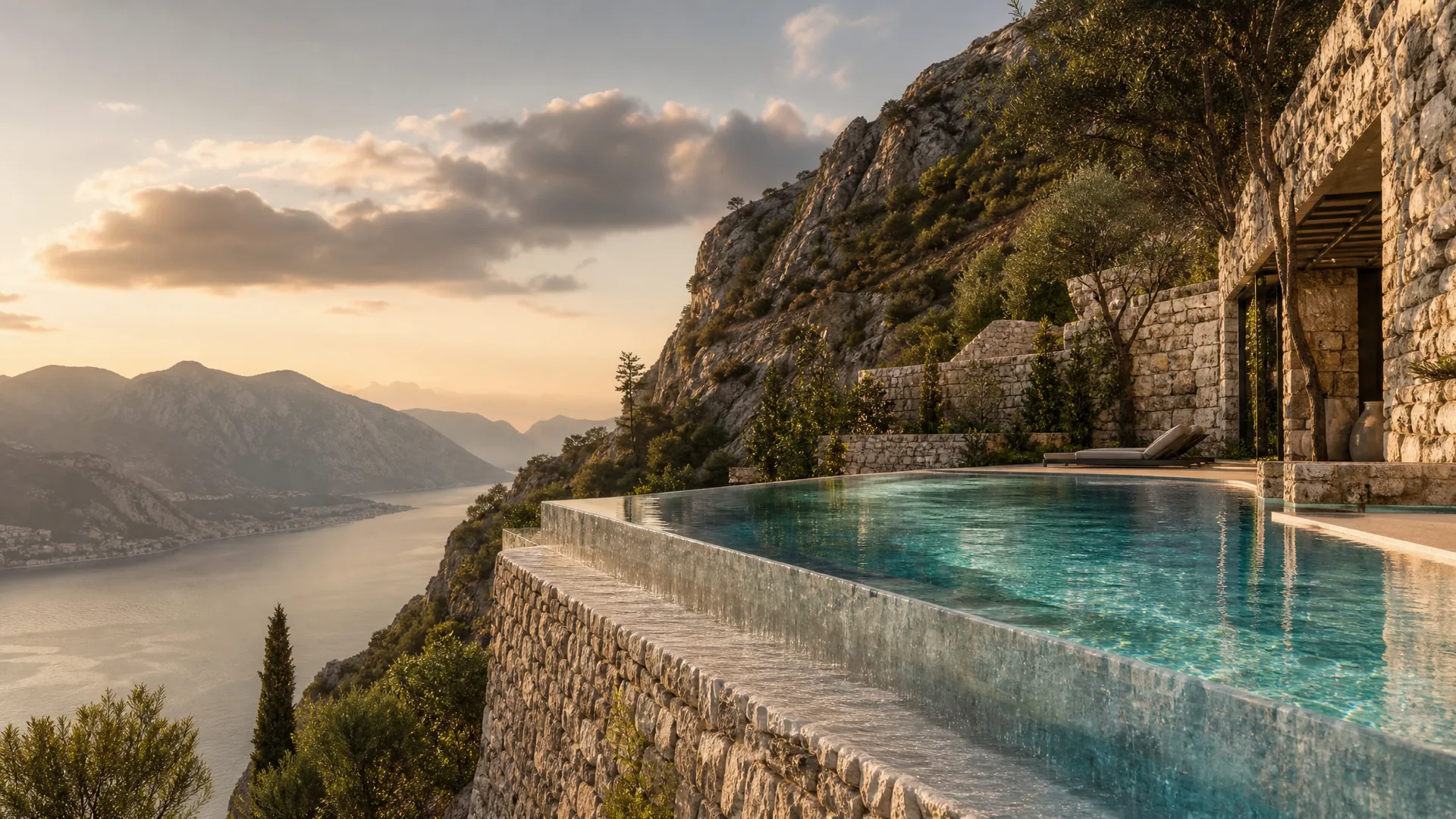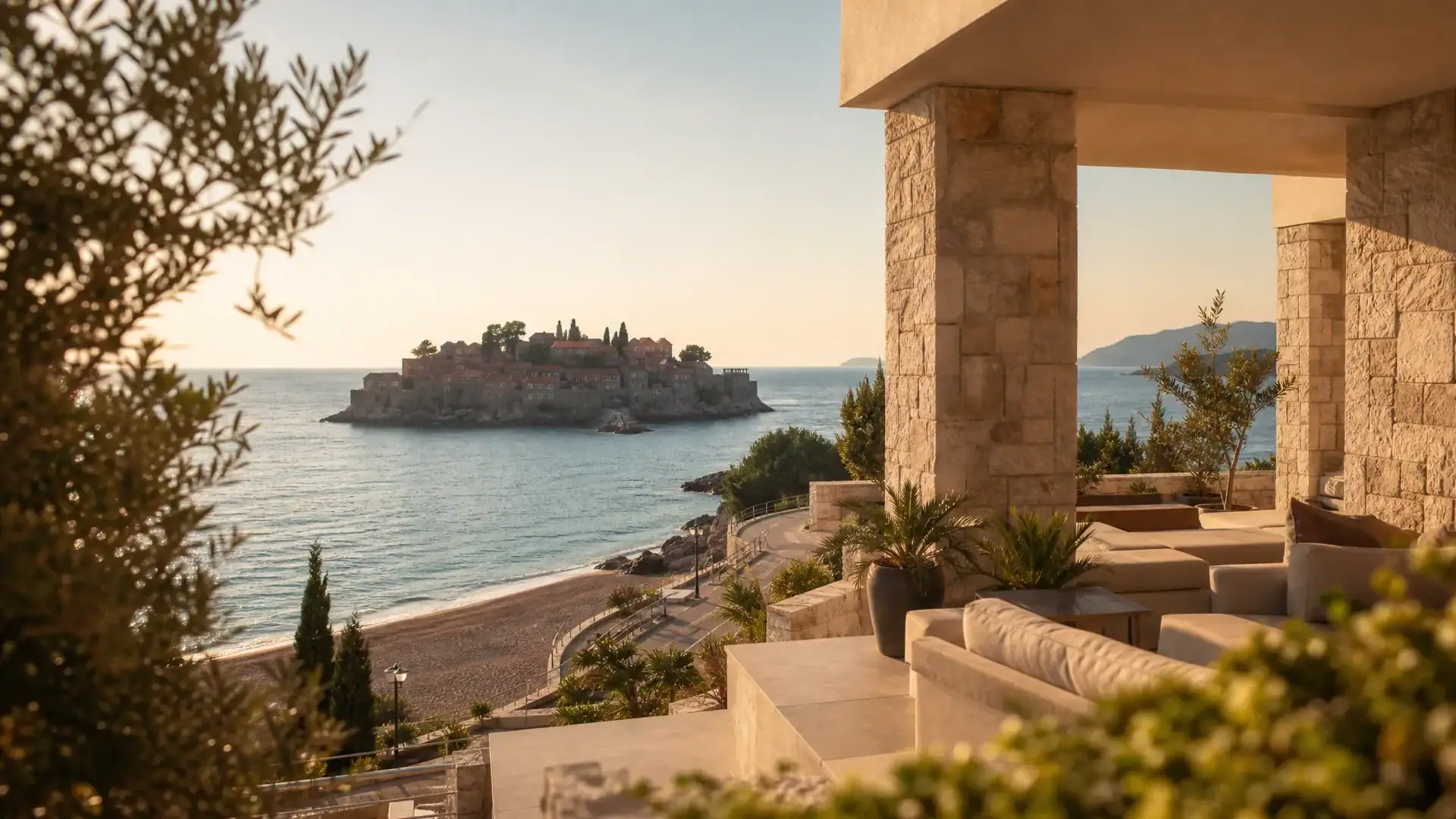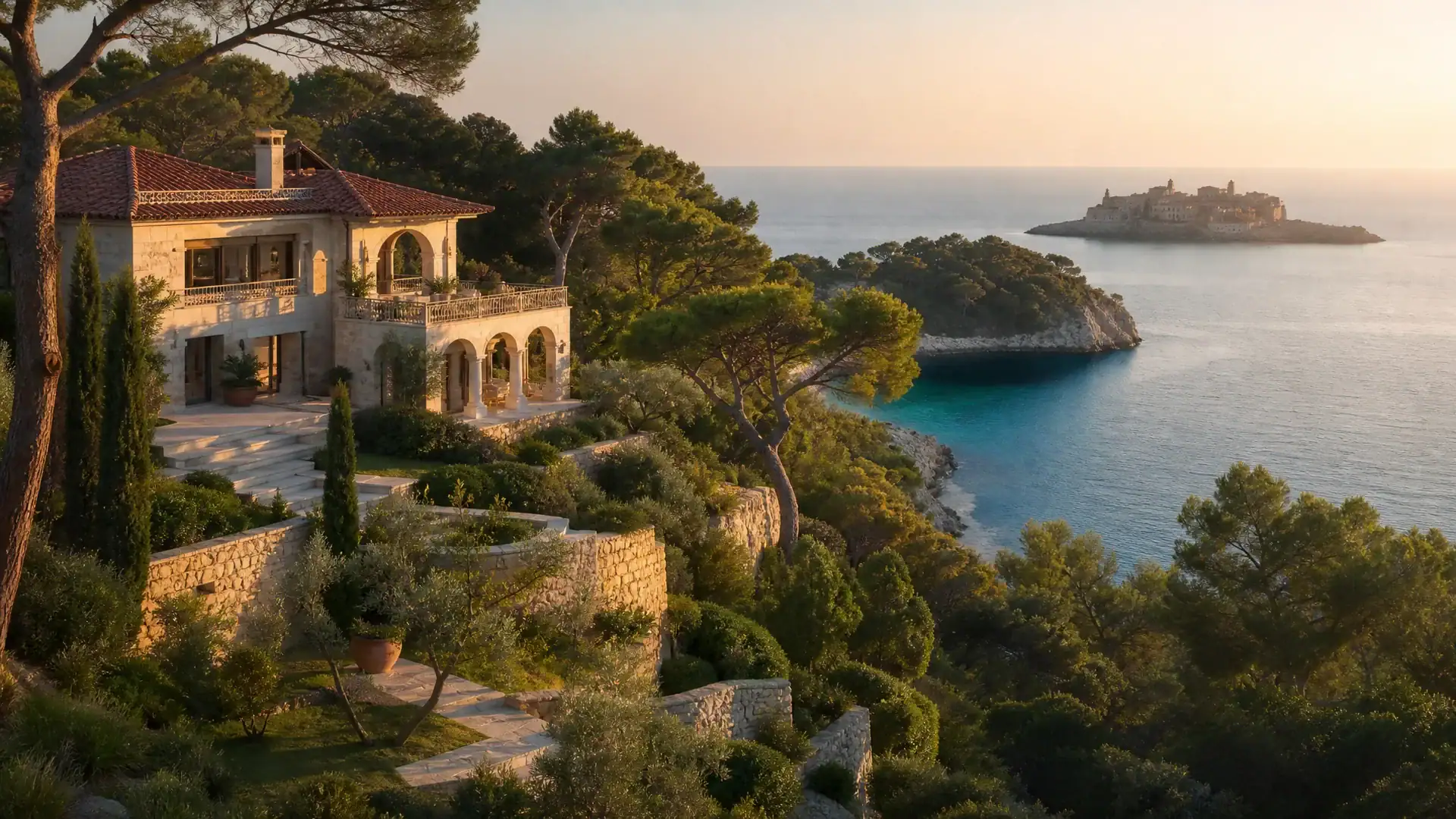





Few property markets in Europe combine genuine scarcity, UNESCO-protected heritage, and rising international demand the way Kotor Old Town does. For discerning investors, kotor old town property investment represents something fundamentally different from a standard Adriatic apartment purchase, it is an entry into a finite, irreplaceable asset class contained within medieval walls that will never expand. As Рынок элитной недвижимости Черногории в 2026 году continues to attract global capital, the Old Town stands apart: a walled city where every stone palazzo, vaulted apartment, and canal-facing residence is, by definition, one of a kind.
Why Kotor Old Town Is an Alternative Investment Class
Heritage scarcity as a value driver
The logic is simple: no new supply can ever enter this market. The walls of Kotor Old Town are fixed. There are no development plots, no construction permits for new residential units, and no mechanism by which the investable stock can meaningfully grow. Every property inside those walls is drawn from a pool that has existed, in its current form, for centuries.
This structural scarcity is what separates Kotor Old Town from every other residential market in Montenegro. A beachfront apartment in Budva can be replicated by the complex next door. A Venetian-era stone house on a cobbled lane in Kotor cannot. Scarcity defended by physical and regulatory limits is one of the strongest long-term value drivers in any asset class, and here, both apply simultaneously.
Montenegro Sotheby’s International Realty has recorded sustained enquiry growth from European and Middle Eastern buyers specifically targeting Old Town properties in 2025 and into 2026, with heritage apartments and stone houses the most requested off-market segment. That demand, meeting a supply that cannot respond in kind, creates the structural conditions for continued price appreciation.
How the UNESCO designation shapes kotor unesco property value appreciation
Kotor Old Town has been a UNESCO World Heritage Site since 1979, one of the earliest listings on the Adriatic coast. The designation imposes strict conservation controls and effectively caps the supply of investable property inside the medieval walls forever. What UNESCO adds beyond the physical walls is a globally recognised quality signal. Buyers from London, Dubai, and Singapore understand immediately what it means: authenticity, permanence, and international prestige.
Conservation law reinforces this. Every alteration to a listed structure requires heritage authority approval, which limits speculative churn and protects the architectural character that underpins value. Dubrovnik is the clearest parallel on the Adriatic: heritage designation there has sustained a durable premium over non-protected comparables across long hold periods. The same dynamic is established in Kotor, where the designation is not a constraint on value but the mechanism that defends it.
Historic Apartment Kotor Rental Income: What Investors Are Earning
Short-term luxury rentals vs. long-term tenancies
A well-positioned historic apartment in Kotor Old Town generates income through two distinct channels, and the most successful investors use both strategically. During the Adriatic high season, late May through September, the Old Town draws a high-spending international audience that actively seeks character accommodation over generic hotels. Vaulted ceilings, stone walls, and a private terrace overlooking a medieval piazza command nightly rates that outpace comparable modern apartments in the wider bay by a significant margin.
Outside peak season, the Old Town’s growing appeal to European remote workers and long-term expats creates a complementary tenancy layer. Montenegro’s relatively low cost of living, combined with Kotor’s quality of life, has expanded the pool of longer-stay renters, providing more predictable cash flow through the shoulder and winter months. For practical guidance on optimising both income streams, strategies for maximising rental income in Montenegro covers current market positioning in detail.
Boutique accommodation kotor property as a revenue model
Several Venetian-era palazzos along Trg od Oružja and the canal-facing lanes have been converted into boutique guesthouses and luxury holiday apartments, demonstrating a clear conversion-to-income pathway for incoming investors. A boutique accommodation kotor property, typically a multi-room stone palazzo operated as a licensed guesthouse, generates revenue at a fundamentally different scale than a single rental apartment. Premium positioning, considered interiors, and the inherent drama of a medieval stone building allow operators to charge rates that reflect the experience, not just the square metres.
This model demands more active management and a higher upfront investment in fit-out, but the revenue ceiling is correspondingly higher. For investors interested in the commercial side of this opportunity, boutique hotel investment in Montenegro sets out the broader hospitality investment landscape and its structural drivers.
Kotor Old Town Renovation Investment Returns: Restoring a Stone House
Understanding restoration costs and heritage regulations
Buying an unrenovated stone house or palazzo in Kotor Old Town is not a standard residential purchase. It is closer to a development project, and it requires treating it as one from the outset. The Montenegro Cultural Heritage Protection Directorate governs all works within the historic district. Approvals are required before any structural intervention, and the authority specifies authentic materials: local stone, traditional lime mortars, period-appropriate joinery. Substituting modern materials is not permitted.
This regulatory environment adds time and cost to the renovation pathway. A realistic investor accepts that the approval process has its own cadence, that skilled heritage craftspeople command appropriate rates, and that the finished result must meet conservation standards. None of this is a disadvantage, it is precisely what guarantees that every completed restoration adds to, rather than dilutes, the character of the Old Town and the value of neighbouring properties.
Renovation costs vary considerably depending on the state of the structure, the scale of the project, and the specification of finishes. Investors should budget conservatively, work with a local architect experienced in heritage submissions, and factor in the approval timeline when planning phased expenditure.
Luxury stone houses Kotor Bay: finished asset value
A well-executed restoration in Kotor Old Town does not merely return a property to habitability, it creates an asset that sits at the top of the Bay of Kotor luxury market. Finished luxury stone houses in Kotor Bay are a genuinely scarce product. Buyers at this level, typically high-net-worth individuals seeking a trophy residence or a premium rental asset, pay a significant premium for a property where the heritage work has already been done to an exacting standard.
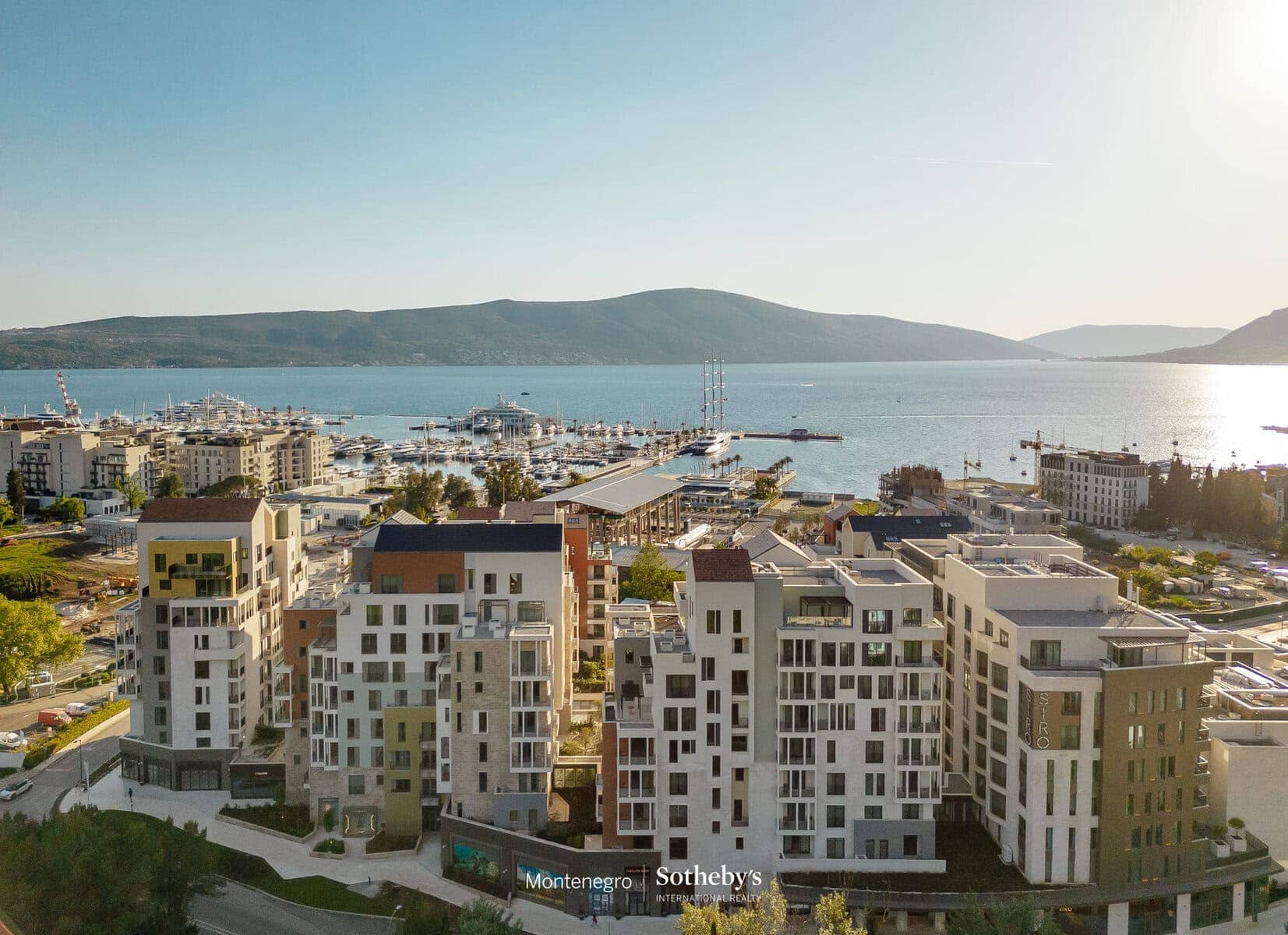
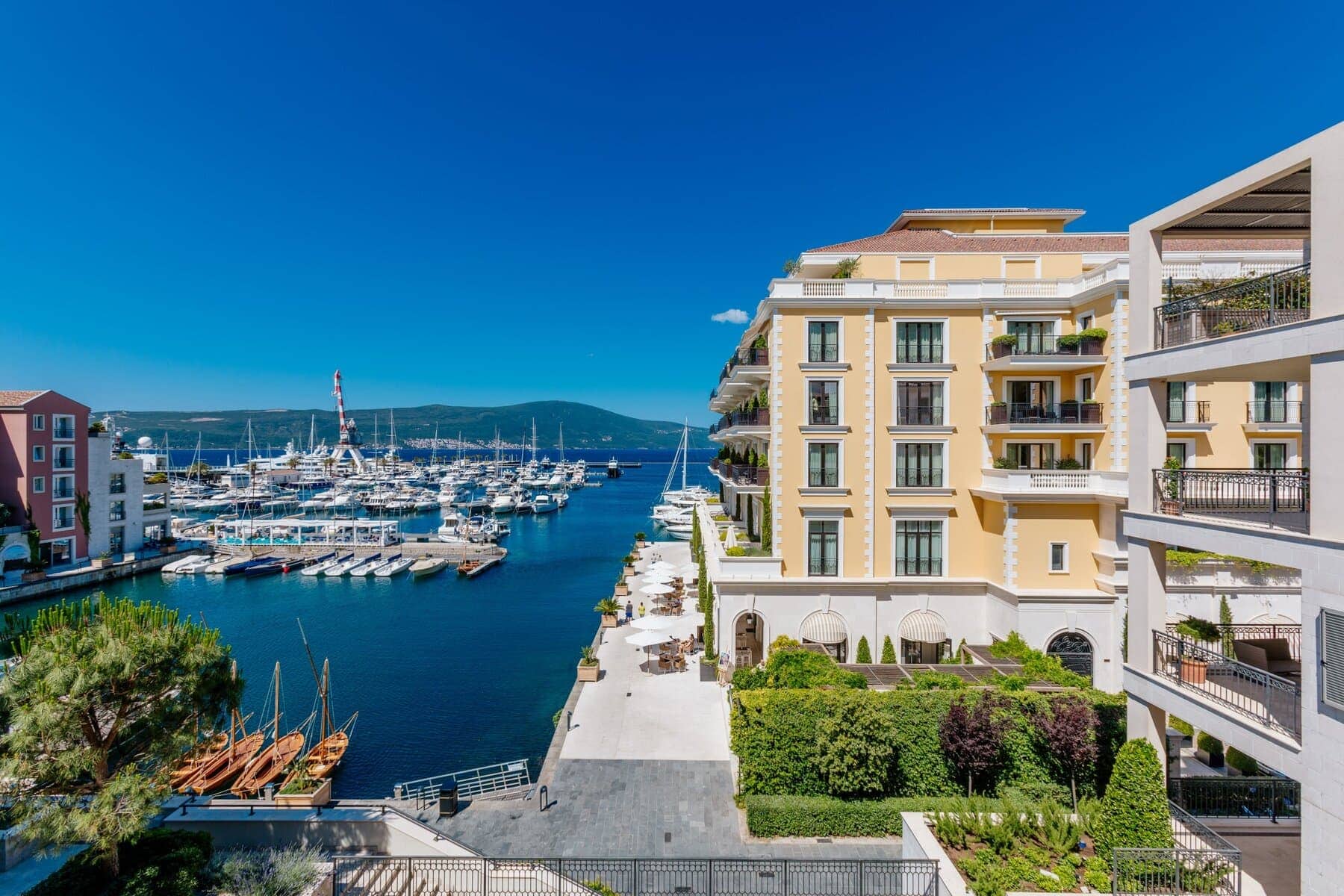
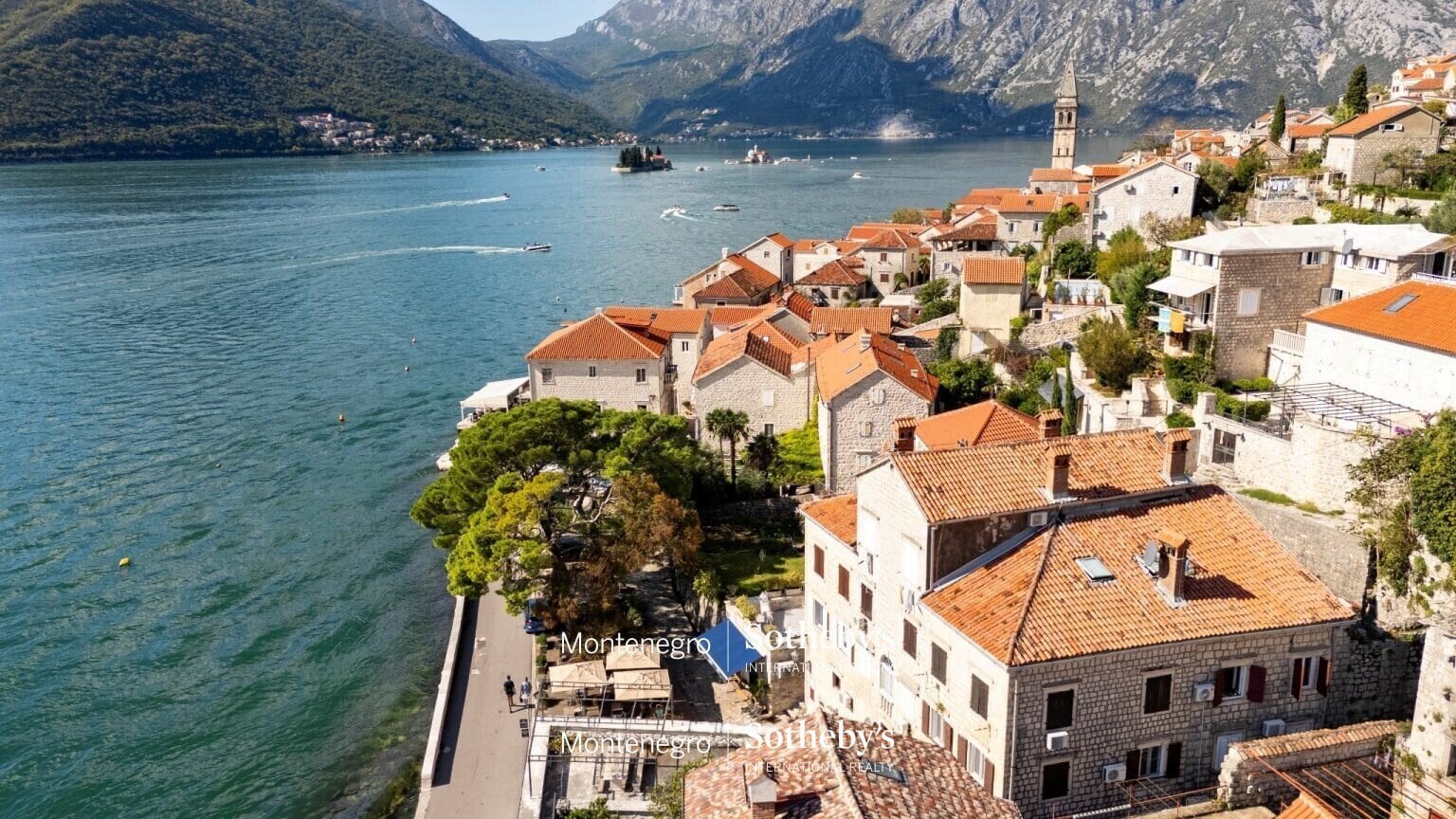
The Bay of Kotor’s broader market has attracted international hospitality brands and private villa buyers alike. Porto Montenegro in Tivat and Perast waterfront villas just along the bay both demonstrate how UNESCO-adjacent heritage zones command a consistent luxury premium over non-heritage Adriatic comparables. A completed Kotor Old Town restoration sits above all of those comparables in terms of scarcity and cultural cachet. For investors with the appetite and expertise to manage a restoration project, the uplift between acquisition cost plus renovation and finished asset value represents a compelling return pathway, quite apart from any rental yield.
The International Buyer’s Entry Point to Kotor’s Historic District
Heritage property Kotor international buyers: ownership rights and process
Montenegro offers full freehold ownership rights to foreign nationals with no restrictions tied to nationality, a legal framework that removes one of the common friction points in emerging-market property investment. International buyers purchase on the same terms as Montenegrin citizens, hold title outright, and can sell or transfer freely. For a detailed walkthrough of every procedural step, how foreign buyers can purchase property in Montenegro covers the legal process comprehensively.
In practical terms, the purchase process involves due diligence on title and any heritage encumbrances, engagement of a Montenegrin notary, and payment of transfer tax. Heritage properties carry additional due diligence requirements, specifically, confirming the scope of any existing restoration mandates and understanding what the heritage authority has or has not approved for the property. Engaging an advisor with specific Old Town experience is essential at this stage, not optional.
Property tiers in the Old Town range from smaller vaulted apartments at the entry level through to multi-storey palazzos with private courtyards at the upper end. For current price benchmarks across the Bay of Kotor, the market data provides context for how Old Town premiums compare with wider bay values.
Kotor waterfront heritage restoration opportunities
The most sought-after properties in the Old Town occupy the canal-facing lanes and the waterfront edge where the city meets the bay. Properties in these locations combine the highest rental appeal, water views, direct access to the promenade, proximity to the best restaurants and piazzas, with the greatest long-term capital value. Supply here is exceptionally tight; such properties rarely appear on the open market and are frequently transacted privately. Access to off-market stock in this segment is one of the primary advantages of working with a well-connected specialist advisory team.
Kotor Historic District Luxury Living: The Lifestyle Dividend
Investment returns matter, but the investors who pursue kotor old town property investment at the highest level are often motivated equally by what the property gives them to live. The kotor historic district luxury living experience is unlike anything else on the Adriatic.
Medieval piazzas where cats sleep in afternoon sun, Venetian loggias framing a bay that turns silver at dusk, the sound of church bells carried across limestone streets, these are the daily texture of life inside the walls. Kotor Old Town exclusive residences sit within a UNESCO-protected urban fabric that has evolved across two millennia: Illyrian foundations, Roman occupation, Byzantine churches, and five centuries of Venetian rule have all left their mark on a city that remains remarkably intact.
Waterfront dining at the harbour steps, morning coffee in the Cathedral Square, a ten-minute boat transfer to the open bay, the practical pleasures reinforce the cultural ones. For international buyers accustomed to trophy assets in established luxury markets, Kotor offers something those markets increasingly cannot: genuine authenticity at a price point that still reflects relative undiscovery. That window will not remain open indefinitely. The property investment kotor cultural heritage opportunity is most compelling for those who move before the market fully reprices.
How to Move Forward: Working with a Trusted Advisor in 2026
The most important decision in any heritage property acquisition is not the property itself, it is who guides you through the process. Kotor Old Town requires specific expertise: knowledge of which properties are genuinely available, which carry unresolved heritage obligations, which have clean title, and which are positioned to perform as rental assets or long-term holds.
Due diligence in this market goes beyond a standard conveyancing checklist. It encompasses heritage authority records, building condition surveys by specialists in traditional construction, and a clear-eyed assessment of what any required restoration will cost and deliver. A global brand with deep local presence provides both the reach to access off-market listings and the rigour to protect your position through the transaction.
Montenegro Sotheby’s International Realty works exclusively in this space, bringing the global network and standards of Sotheby’s International Realty to bear on Montenegro’s most distinctive properties. If you are considering a heritage acquisition in Kotor Old Town, we invite you to begin with a private consultation. The right property, identified and secured correctly, is an asset that performs for decades. The conversation to find it starts here.