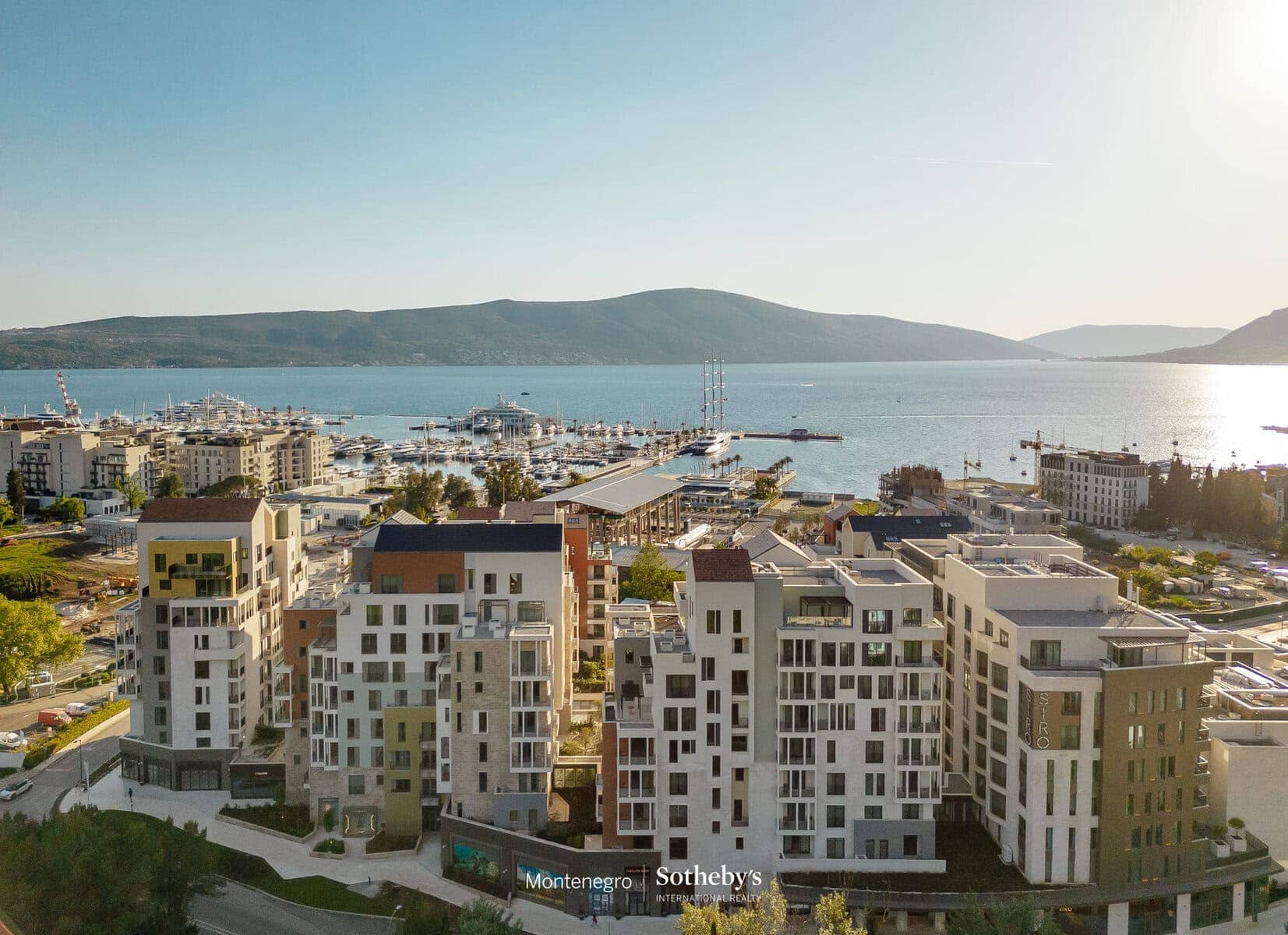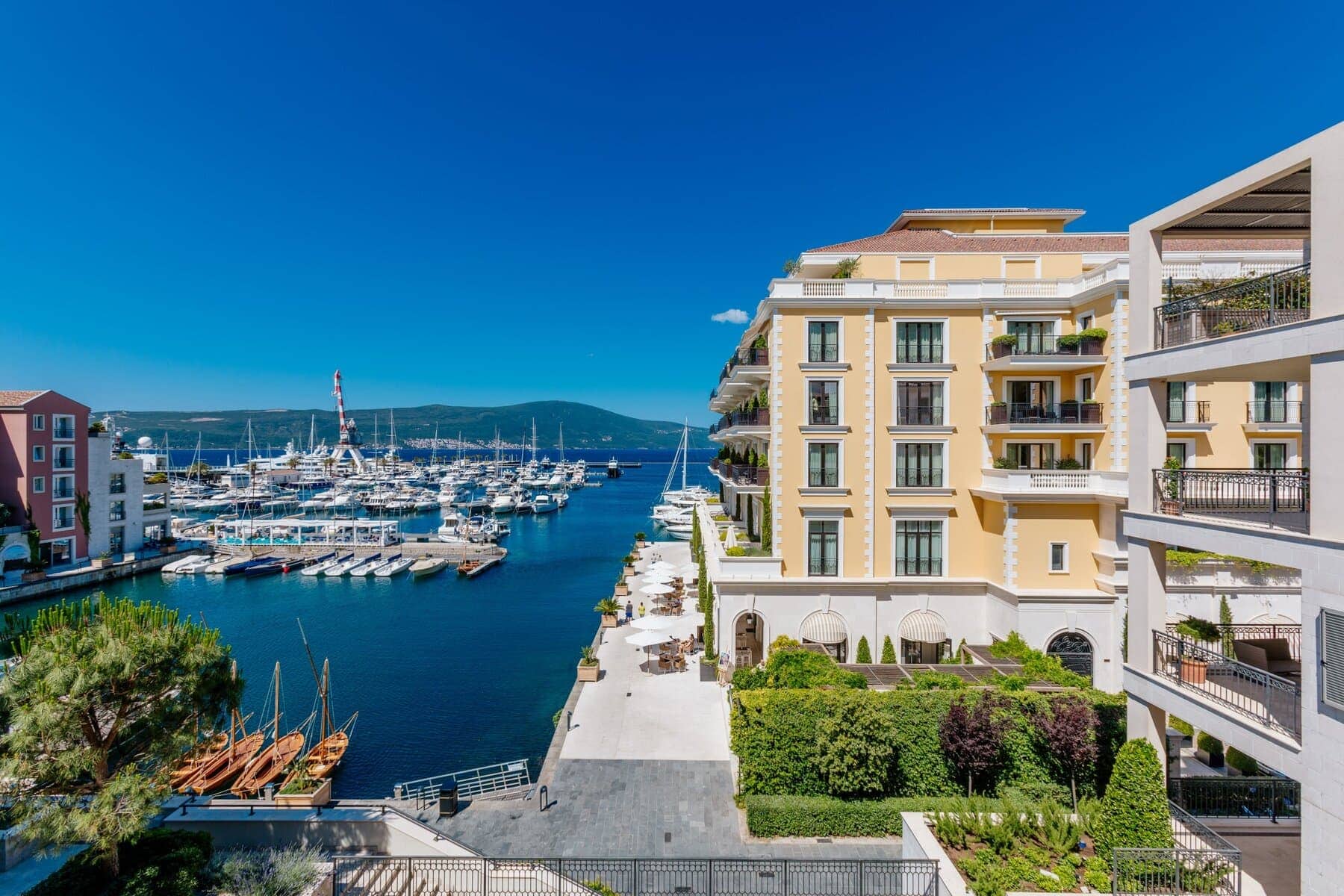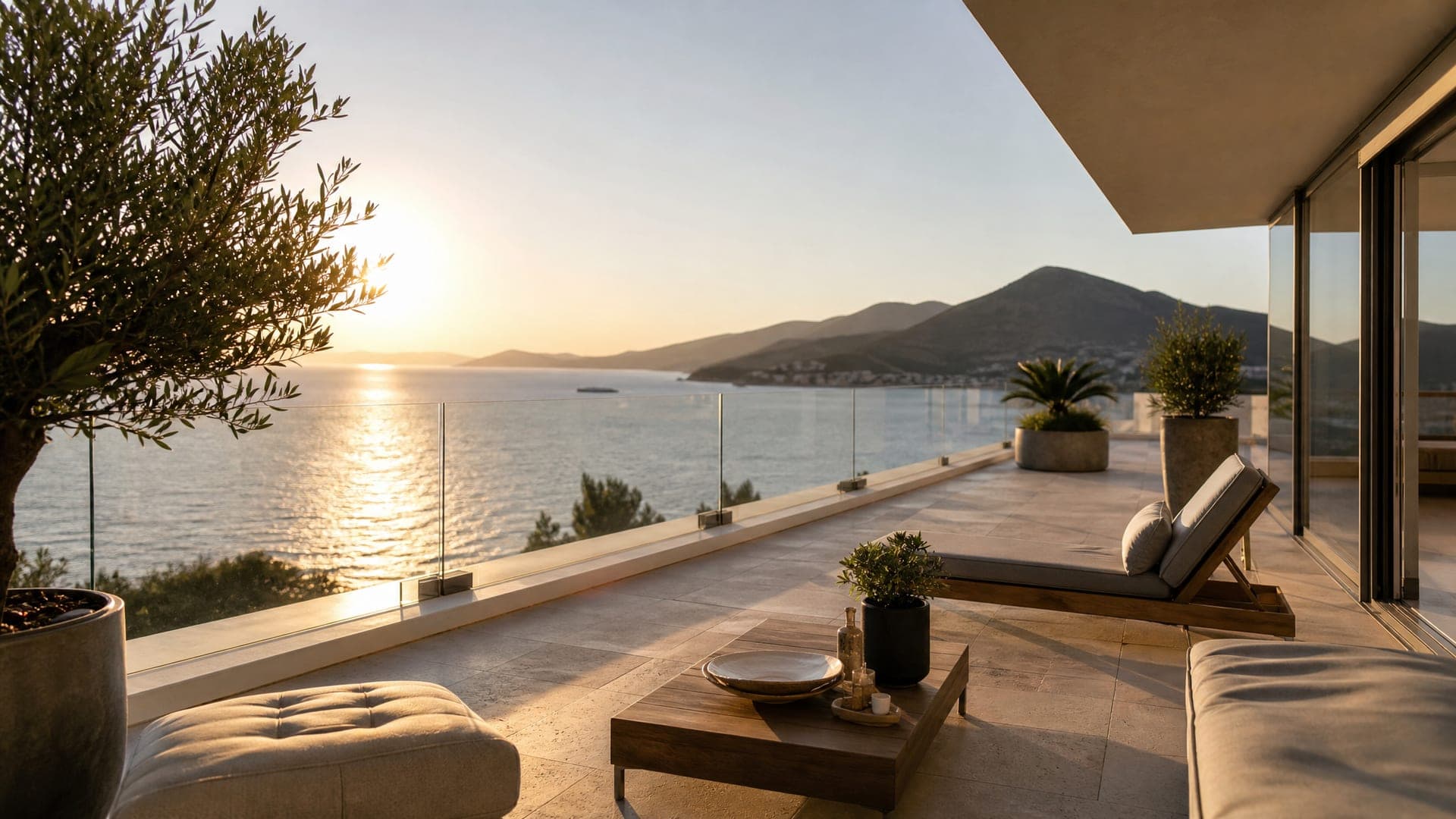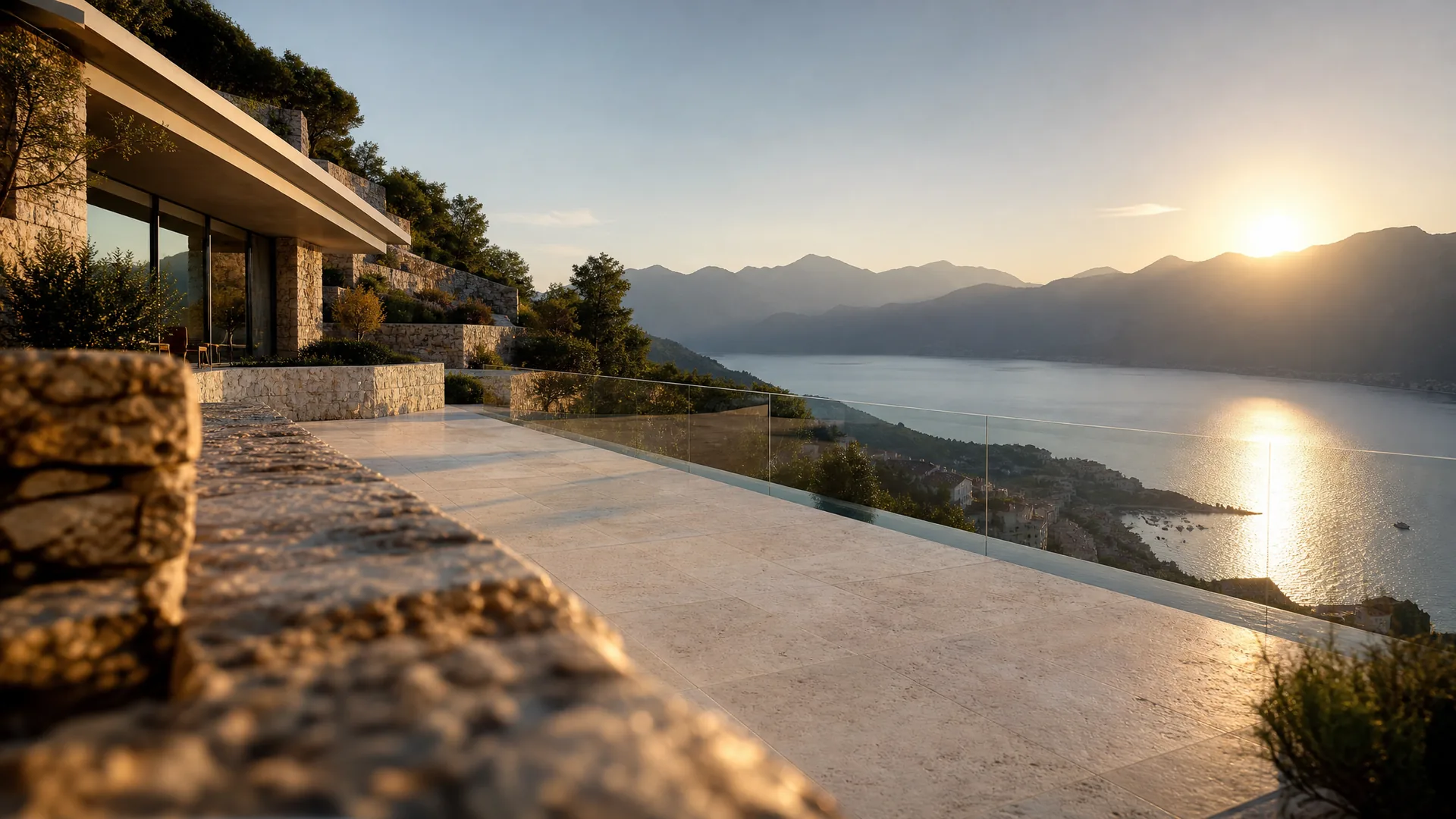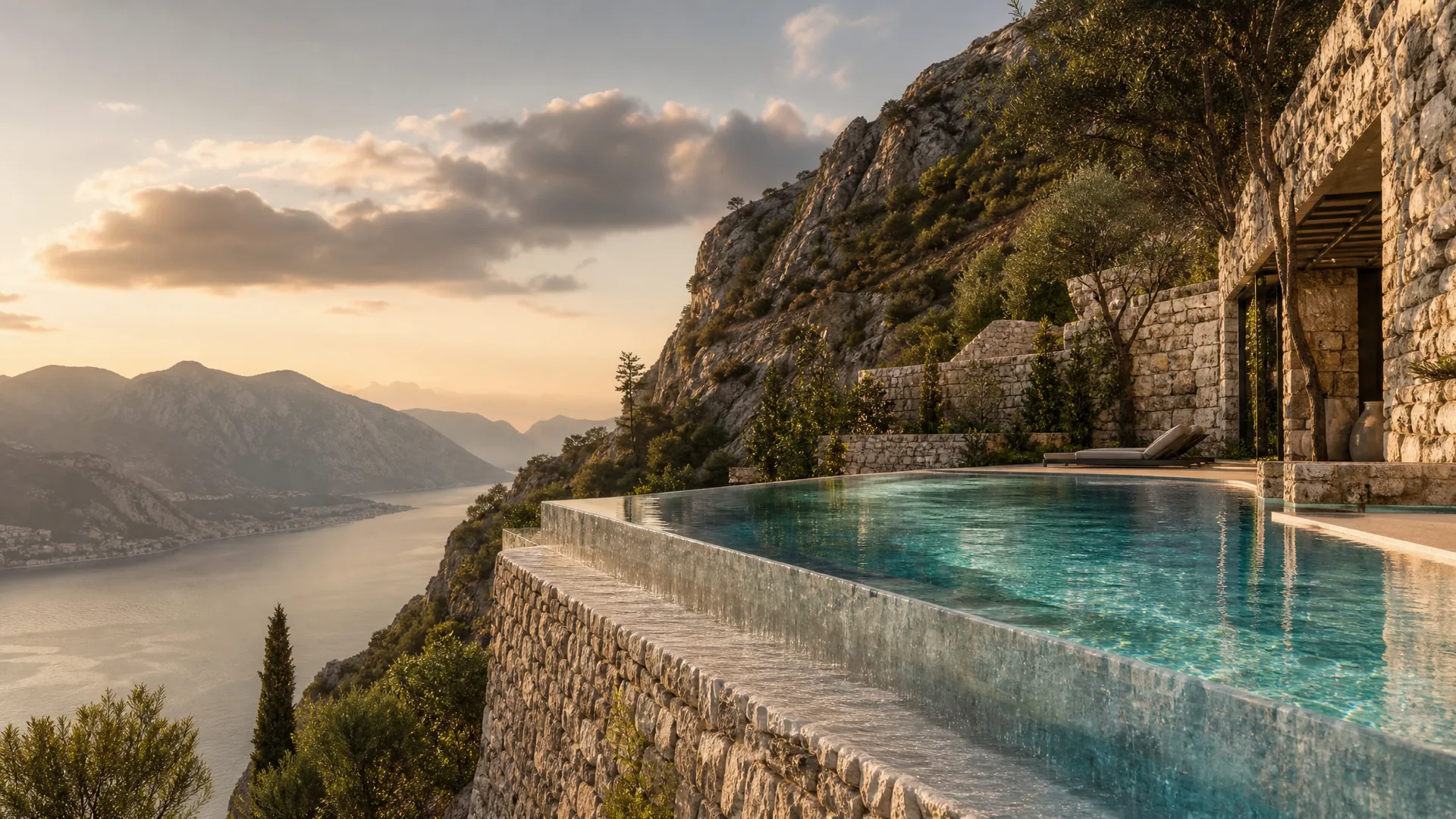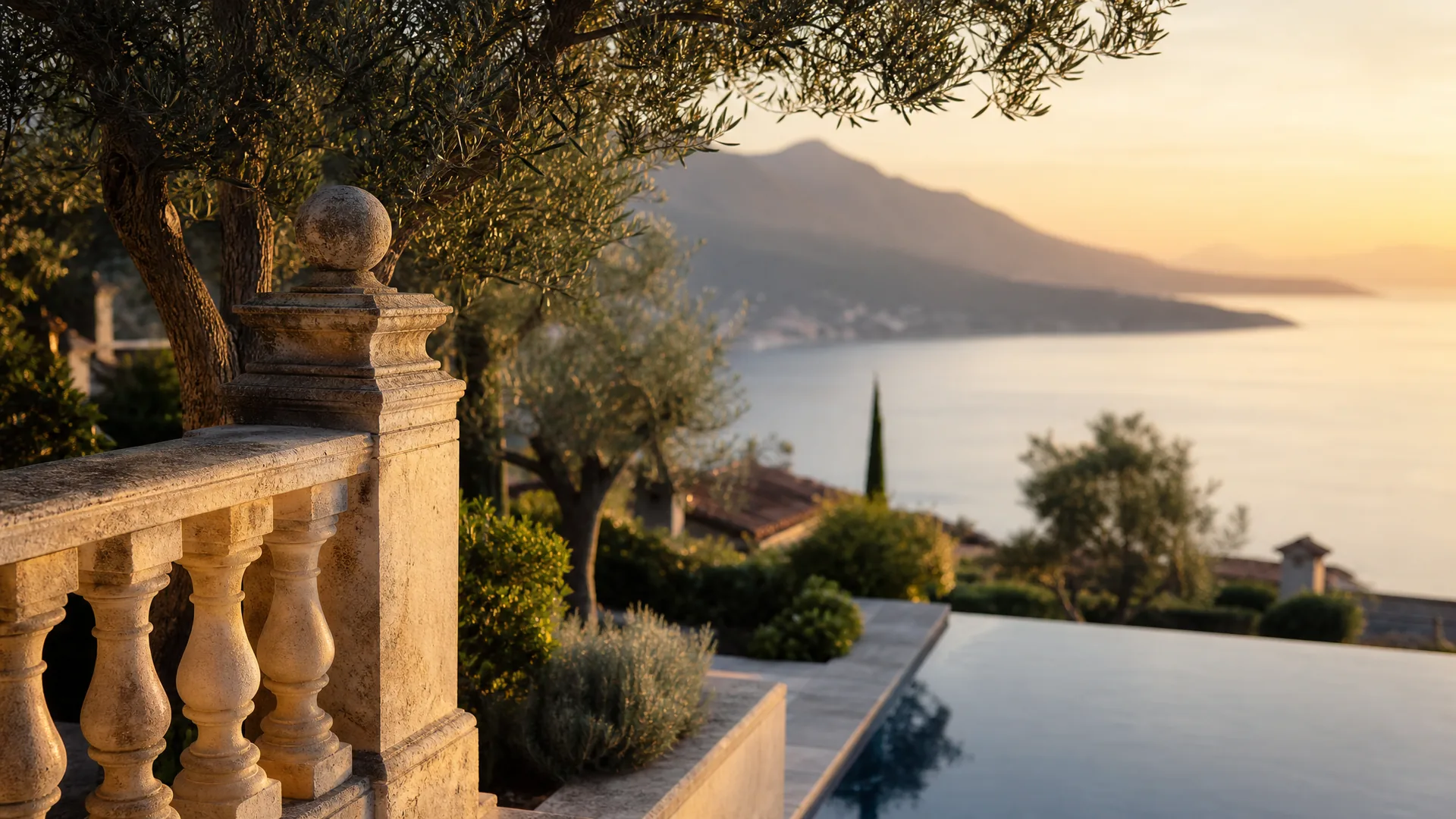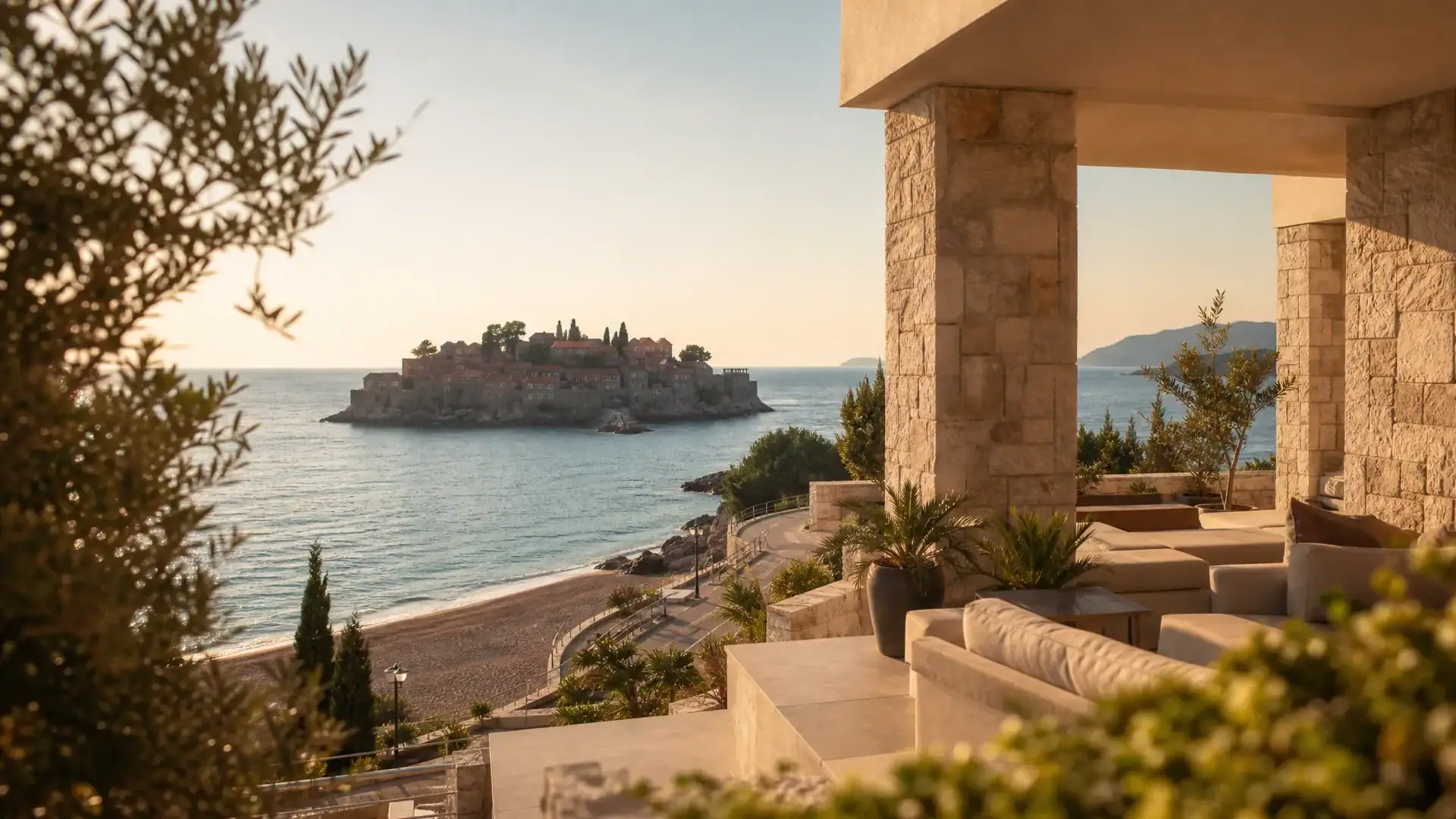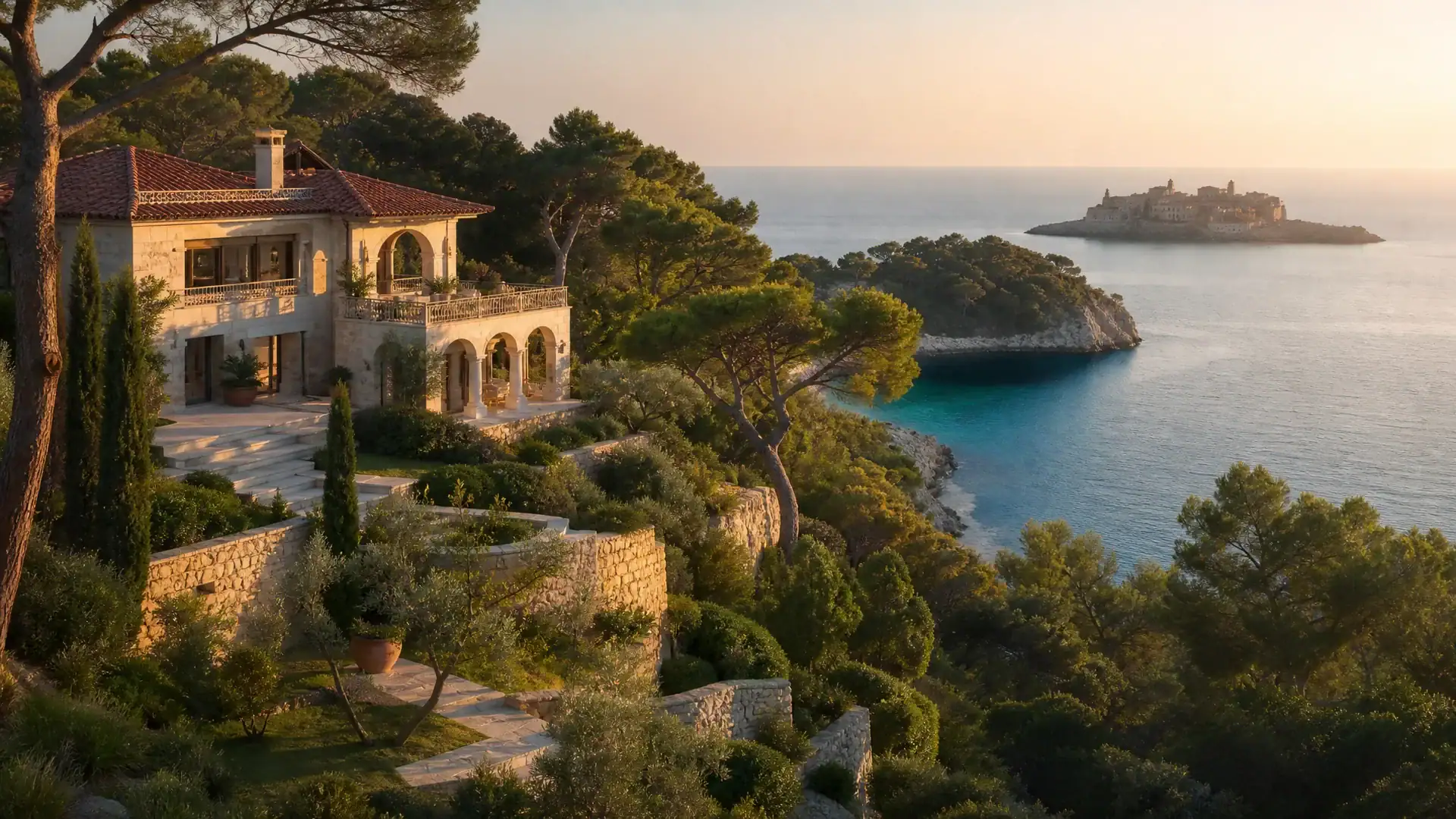



Montenegro hat sich stillschweigend von einem Geheimtipp am Adriador zu einem Ziel entwickelt, das ernsthafte Investoren im Gastgewerbe genau beobachten. Die Kombination aus einer Küste, die mit der kroatischen Riviera konkurrieren kann, einem beschleunigten Beitrittspfad zur EU und einem immer noch geringen Angebot an Premium-Hotelimmobilien hat eine strukturelle Chance geschaffen, die besonders im Boutique-Segment akut ist. Für Käufer, die bewerten Gewerbeimmobilien Montenegro Boutique-Hotels, das Fenster ist offen, und der Fall ist überzeugend.
Warum Montenegro 2026 ernsthafte Investoren aus dem Gastgewerbe anzieht
Ein Tourismusmarkt, der in Schwung kommt
Montenegros Tourismussektor zählt durchweg zu den am schnellsten wachsenden im Westbalkan. Im letzten Jahrzehnt sind die Besucherzahlen stark gestiegen, da die "Open Skies"-Abkommen den direkten Flugverkehr aus West- und Nordeuropa sowie dem Nahen Osten erweiterten. Der EU-Beitrittsprozess bietet Investoren eine zusätzliche regulatorische Sicherheit, die Investoren in früheren Phasen der Balkanmärkte nicht genießen: Währungsstabilität durch den Euro, Angleichung an das EU-Immobilien- und Handelsrecht und eine Hinwendung zum Zugang zum Binnenmarkt, die historisch gesehen die Kapitalzuflüsse in den Immobilienmarkt beschleunigt.
Visafreundliche Politik hat die Reisendenzahl erhöht. Montenegros Anziehungskraft erstreckt sich nun auf hochwertige Segmente in voller Bandbreite: Adria-Urlauber, wellnessorientierte Langzeitreisende, Kulturtouristen und Superyacht-Besucher. Jede Gruppe hat unterschiedliche Erwartungen an Unterkünfte, die das bestehende Angebot größtenteils nicht erfüllt.
Der Boutique-Vorteil in der überfüllten Adria
Erfahrene Hospitality-Investoren bevorzugen zunehmend Boutique-Formate in aufstrebenden Adriamärkten gegenüber groß angelegten Resortentwicklungen. Die Begründung ist einfach: geringere Kapitalbindung, schnellere operative Inbetriebnahme und die Fähigkeit, Erlebnisprämien zu erzielen, mit denen Massenmarkthotels nicht mithalten können.
Eine Designvilla mit 12 Zimmern in der Altstadt der Bucht von Kotor konkurriert preislich nicht mit einem 300-Zimmer-Resort, sondern erzielt einen Premiumpreis aufgrund ihrer Knappheit und Intimität. Belegungsmuster folgen der gleichen Logik: Boutique-Hotels mit starker Identität und direkten Buchungskanälen übertreffen konstant sowohl die durchschnittliche Tagesrate als auch die Belegungsquote im Vergleich zu vergleichbaren, austauschbaren Produkten an der Küste. In Montenegro, wo kuratierte Angebote rar sind, wird diese Dynamik verstärkt.
Was macht Boutique-Hotelimmobilien in Montenegro zu einer kommerziellen Chance?
Unterversorgung mit kuratiertem, designorientiertem Gastgewerbe
Die strukturelle Lücke ist in jedem Mikromarkt sichtbar. Wohlhabende Freizeitreisende, die in den Altstädten von Kotor, Perast oder Budva ankommen, finden einen Markt vor, auf dem die Abdeckung internationaler Fünf-Sterne-Marken begrenzt ist und authentische Boutique-Angebote, Immobilien mit Designidentität, echtem lokalem Charakter und maßgeschneidertem Service im Verhältnis zur Nachfrage rar bleiben.
Diese Unterversorgung erstreckt sich über verschiedene geografische Ebenen. Bucht von Kotor ist Montenegros bekannteste Adresse, ein UNESCO-Weltkulturerbe, dessen mittelalterliche ummauerte Städte und seine buchtähnliche Bucht Premiumpreise rechtfertigen. Immobilienpreise in der Bucht von Kotor im Jahr 2026 spiegelt die Positionierung im Detail wider. Die Budva-Riviera ist der etablierte Küstenhandelsmarkt, höchstes Kundenaufkommen, stärkste Charterfluganbindung und eine geteilte Chance zwischen der Umwandlung von Boutique-Hotels in der Altstadt und neuen Strandhotels. Gewerbeimmobilie am Strand von Budva deckt die standortbezogenen Dynamiken ab. Der Binnenregionen, der Skutarisee und das Durmitor-Massiv, sind die aufstrebende Grenze: niedrigere Einstiegskosten, wachsende Nachfrage nach Slow-Travel und Ökotourismus und fast kein angebotenes Boutique-Angebot.
Preismacht in der Hauptsaison und ganzjähriger Bedarf
Die Hauptsaison in Montenegro dauert von Juni bis September. Boutique-Hotels mit starker Positionierung können in diesem Zeitraum Übernachtungspreise erzielen, die mit denen vergleichbarer Objekte an der kroatischen Küste mithalten oder diese übertreffen, während sie von deutlich niedrigeren Anschaffungskosten profitieren.
Die bedeutendste Veränderung im Jahr 2026 ist die Verlängerung der kommerziellen Saison. Wellness-Reisende, Fernarbeiter und das Slow-Travel-Publikum generieren eine Nachfrage in der Nebensaison von April bis November, die vor fünf Jahren noch vernachlässigbar war. Hotels, die dieses Publikum mit Spa-Angeboten, kuratierten Reiserouten oder Langzeitpaketen bedienen, wandeln einen historisch ruhigen Kalender in einen wesentlichen Umsatzbeitrag um. Für Boutique-Hotels in Montenegro mit Gewerbeimmobilien verbessert dieses breitere Nachfragefenster direkt die Ertragsberechnungen.
Schlüsselformate für Gewerbeimmobilien: Von schlüsselfertigen Hotels bis zu Konversionsimmobilien
Erwerb eines operierenden Boutique-Hotels
Der sauberste Weg für einen Käufer, der sofortigen Cashflow wünscht, ist die Übernahme eines operierenden Hotels mit bestehender Lizenz, etablierten Buchungskanälen und einem geschulten Personalstamm. Die Küstenmärkte Montenegros bieten eine Reihe solcher Vermögenswerte – Immobilien, die gut performt haben, bei denen aber die ursprünglichen Eigentümer nach einem Jahrzehnt des Betriebs bereit sind auszusteigen.
Diese Route bietet Handelshistorie für die Unterzeichnung, bestehende Positionierung auf TripAdvisor oder Booking.com und ein Betriebsteam, das übernommen werden kann. Die Due Diligence eines Betriebsvermögens muss die Gaststättenkonzession (ausgestellt von den Behörden für Tourismus und Umweltschutz Montenegros), bestehende Marken- oder Franchisevereinbarungen, Arbeitsverträge des Personals, Lieferantenbeziehungen und den physischen Zustand von FF&E abdecken. Betriebslizenzen sind an die Kategorisierung der Immobilie gebunden, daher erfordert jede geplante Modernisierung oder Neupositionierung eine frühzeitige Einbindung in den Lizenzierungsprozess.
Steinvillen und denkmalgeschützte Gebäude, die für eine Umwandlung reif sind
Erbe-Konversion ist, wo Montenegros fesselndste Boutique-Hotelgeschichten geschrieben werden. Die Bucht von Kotor birgt einen bedeutenden Bestandteil von Steingebäuden aus der venezianischen Zeit, ehemaligen Adelsresidenzen, Kaufmannshäusern und Palazzi am Wasser, von denen viele ungenutzt oder teilweise verfallen sind.
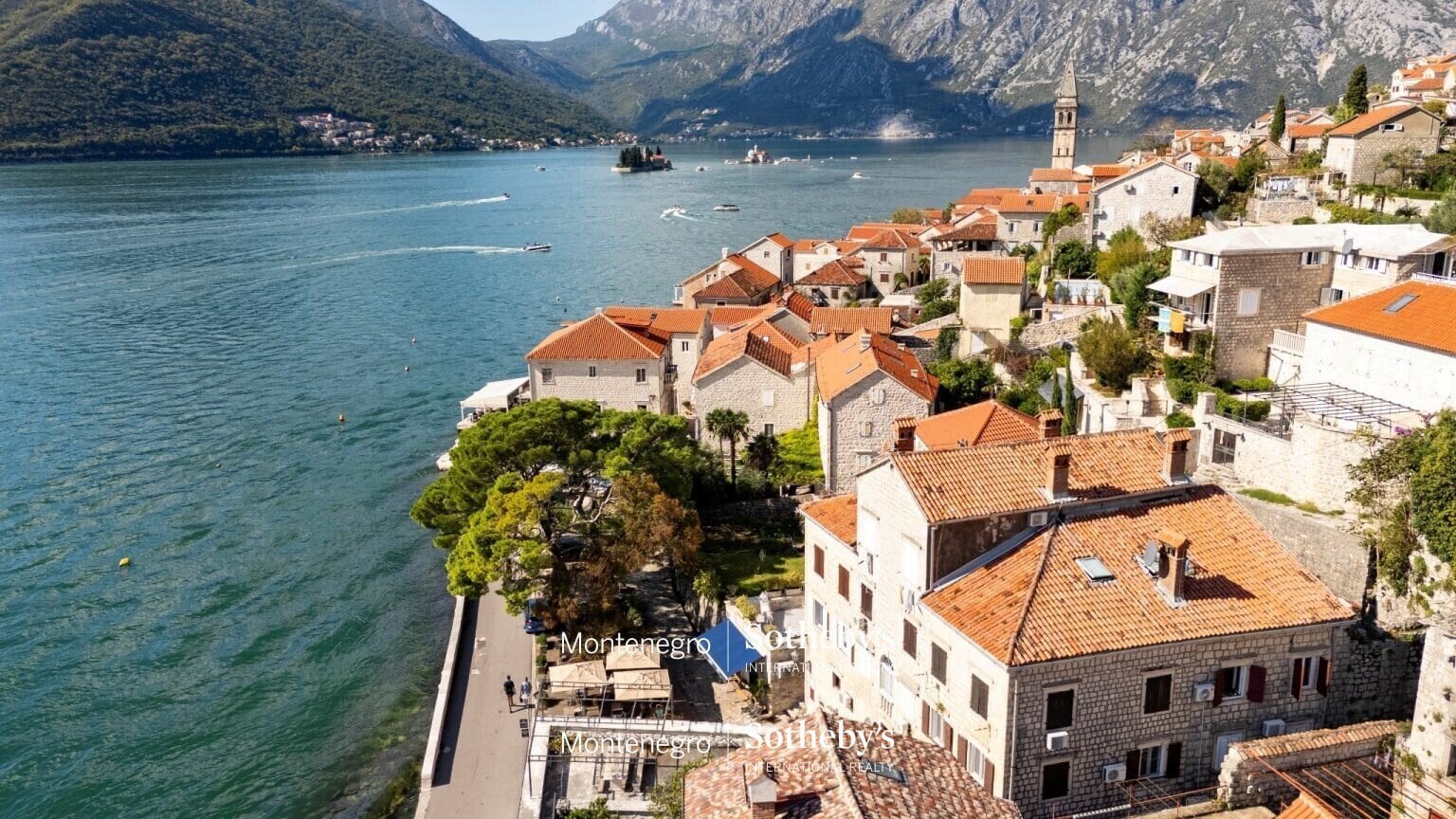
Die Denkmalgeschützte Steinhäuser in Perast Veranschaulichen Sie die Typologie gut: Gebäude mit außergewöhnlichem Fundament, unersetzlichen Lagen und der Art von architektonischer Authentizität, die kein Neubau wiederholen kann. Die Umwandlung dieser Vermögenswerte erfordert Sensibilität für UNESCO-nahe Planungsanforderungen. Die Pufferzone der Bucht von Kotor schreibt Design- und Materialstandards vor, die den Charakter des Ortes schützen, und diese Einschränkungen sind auch die Chance. Sie begrenzen den Wettbewerb und stellen sicher, dass eine gut ausgeführte Umwandlung eine dauerhaft führende Position einnimmt, in die massenmarktübliche Produkte nicht vordringen können.
Die Neuentwicklung auf Küstenland mit Baugenehmigung ist der dritte Weg. Sie birgt ein höheres Ausführungsrisiko und eine längere Zeitspanne bis zum Umsatz, bietet aber maximale Gestaltungsfreiheit und in unterversorgten Mikromärkten einen starken Restwert der Immobilie.
ROI verstehen: Rendite, Wertsteigerung und die Sotheby's Perspektive
Für einen kommerziellen Käufer beruht der Investitionsfall für ein Boutique-Hotel auf drei ineinandergreifenden Renditetreibern.
Ertrag wird aus dem durchschnittlichen Tagespreis (ADR), der Auslastung und zusätzlichen Einnahmen gebildet. Ein gut positioniertes Boutique-Hotel an der Bucht von Kotor oder der Riviera von Budva arbeitet mit ADR-Niveaus, die eine echte Knappheit widerspiegeln, da es schlichtweg nicht viele Alternativen im Luxus-Boutique-Segment gibt. Hinzu kommen Speisen und Getränke, kuratierte Erlebnisse und private Transfers, und das Umsatzbild pro verfügbarem Zimmer verbessert sich erheblich gegenüber dem reinen Zimmerpreis. Maximierung der Mieteinnahmen aus Immobilien in Montenegro bietet einen Rahmen, der sowohl für Wohn- als auch für gewerbliche Gastgewerbeimmobilien gilt.
Kapitalgewinn in unterversorgten Küsten-Mikromärkten folgt einer Logik, die der globale Luxusimmobilienmarkt wiederholt bestätigt hat: Wenn das Angebot strukturell begrenzt ist und die Nachfrage wächst, legen die Vermögenswerte zu. Aussichten für Montenegros Luxusimmobilienmarkt verfolgt diese Dynamik entlang des Küstengürtels, und das Gewerbeimmobiliensegment spiegelt dieses Muster wider.
Optionalität für anspruchsvolle Käufer wichtig ist. Ein Boutique-Hotel, das der Eigentümer auch persönlich nutzen kann und während der Nebensaison eine Suite blockiert, ohne die kommerziellen Erträge zu beeinträchtigen, hat ein Nutzprofil, das ein reines Anlageobjekt nicht hat. Diese Flexibilität zur Eigennutzung, die im Boutique-Format üblich ist, ist ein wesentlicher Bestandteil des Akquisitionsangebots für Family Offices und private Käufer.
Montenegro Sotheby’s bringt eine differenzierende Ebene bei jeder kommerziellen Akquisition ein: Marktintelligenz, die auf einem aktiven Deal-Flow basiert, ein globales Käufernetzwerk für den späteren Verkauf und die Fähigkeit, gewerbliche Immobilien Montenegro Boutique-Hotels für das spezifische internationale Publikum zu positionieren, das am ehesten bereit ist, einen Aufpreis zu zahlen.
Regulatorische und akquisitorische Grundlagen für ausländische Käufer
Montenegro erlaubt ausländischen Käufern ohne Wohnsitz den vollständigen freihändigen Erwerb von Gewerbeimmobilien, ohne Gegenseitigkeitserfordernis und ohne Obergrenzen für den Besitz. Speziell für Hotelimmobilien müssen Käufer die Übertragung oder Neubeantragung einer Betriebsgenehmigung, die Umsatzsteuerregistrierung für die juristische Person und die Bestätigung etwaiger Bebauungsbedingungen, die an die spezifische Landeskategorie gebunden sind, berücksichtigen. Arbeitsverträge und bestehende Lieferantenvereinbarungen gehen bei den meisten Asset-Verkäufen kraft Gesetzes auf den neuen Eigentümer über, weshalb deren Prüfung im Rahmen der Due Diligence unerlässlich und nicht optional ist. Der Prozess des Immobilienerwerbs in Montenegro für ausländische Käufer deckt die Transaktionsschritte vollständig ab und ist der richtige Ausgangspunkt für Käufer, die neu auf dem Markt sind.
Wie Montenegro Sotheby's Ihre Boutique-Hotelinvestition positioniert
Die Beschaffung der richtigen gewerblichen Hotelimmobilie in Montenegro erfordert lokale Kenntnisse, die der offene Markt nicht bietet. Montenegro Sotheby’s International Realty unterhält eine aktive Pipeline von Off-Market-Gewerbeimmobilien, darunter Boutique-Hotels, lizenzierte Pensionen und Denkmalschutz-Konversionsprojekte in der Bucht von Kotor, an der Riviera von Budva und in den aufstrebenden Binnenregionen. Viele der attraktivsten gewerblichen Immobilienmöglichkeiten werden nie öffentlich gelistet.
Über die Beschaffung hinaus deckt die Rolle von Sotheby's den gesamten Akquisitionsprozess ab: Positionierung des Vermögenswerts für die spezifische Strategie des Käufers, Verbindung von Investoren mit erfahrenen lokalen Betreibern für Boutique-Hotel-Partnerschaften und Bereitstellung von Anleitungen zur Exits-Strategie über das globale Sotheby's-Netzwerk, wenn die Zeit für neue Transaktionen reif ist.
Die Grundlagen, die Montenegro attraktiv machen – Unterversorgung, wachsende Nachfrage, starke Preissetzungsmacht – werden im Zuge des EU-Beitrittsprozesses mehr Kapital anziehen und den Markt besser verständlich machen. Käufer, die 2026 einziehen, kaufen vor dieser Kompression.
Kontaktieren Sie Montenegro Sotheby’s International Realty um die aktuelle Pipeline von Boutique-Hotels und gewerblichen Gastgewerbeimmobilien zu besprechen. Unser Team steht Ihnen gerne zur Verfügung, um vertrauliche Kontakte zu Off-Market-Gelegenheiten herzustellen, die Ihren Akquisitionskriterien und Ihrem Anlagehorizont entsprechen.