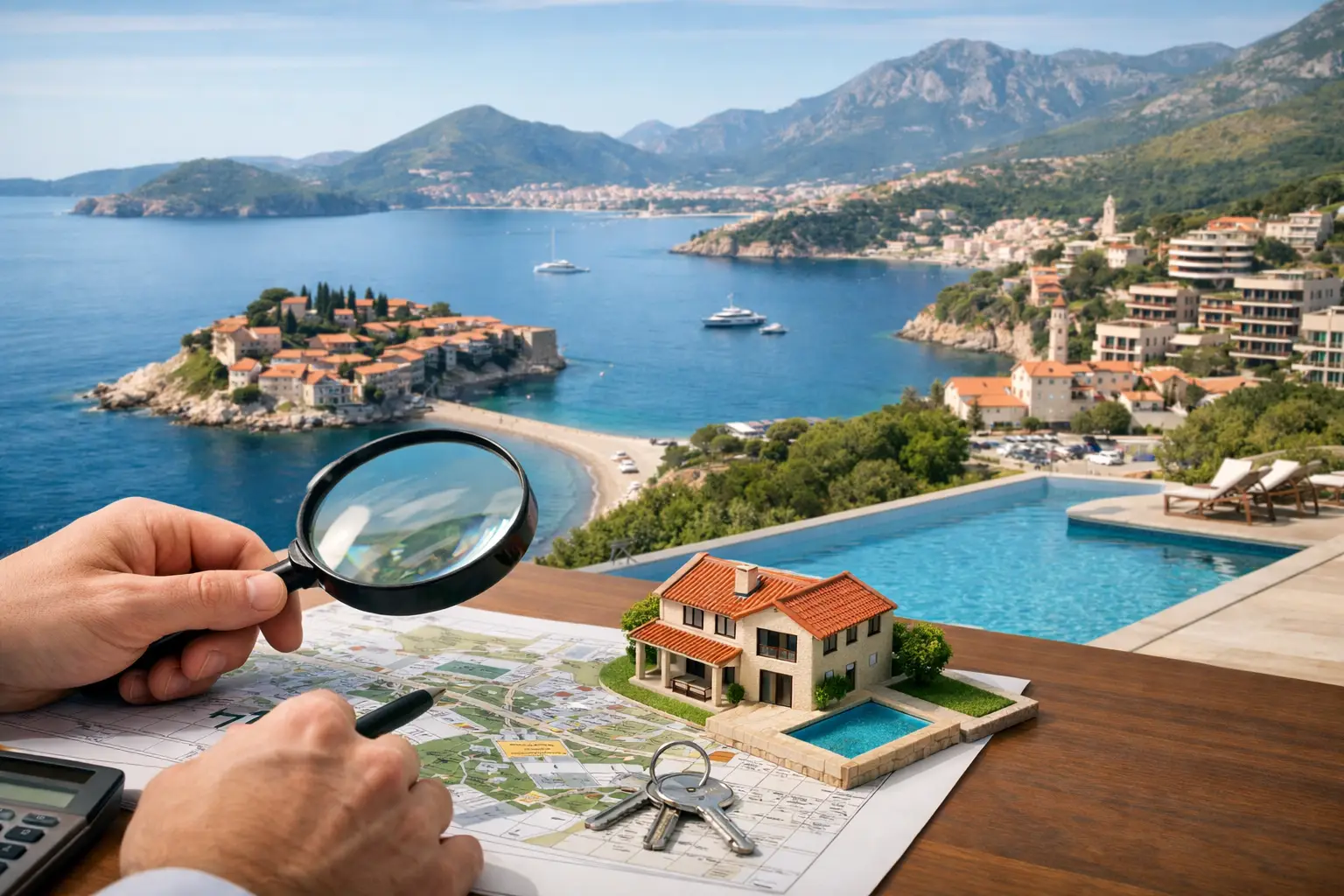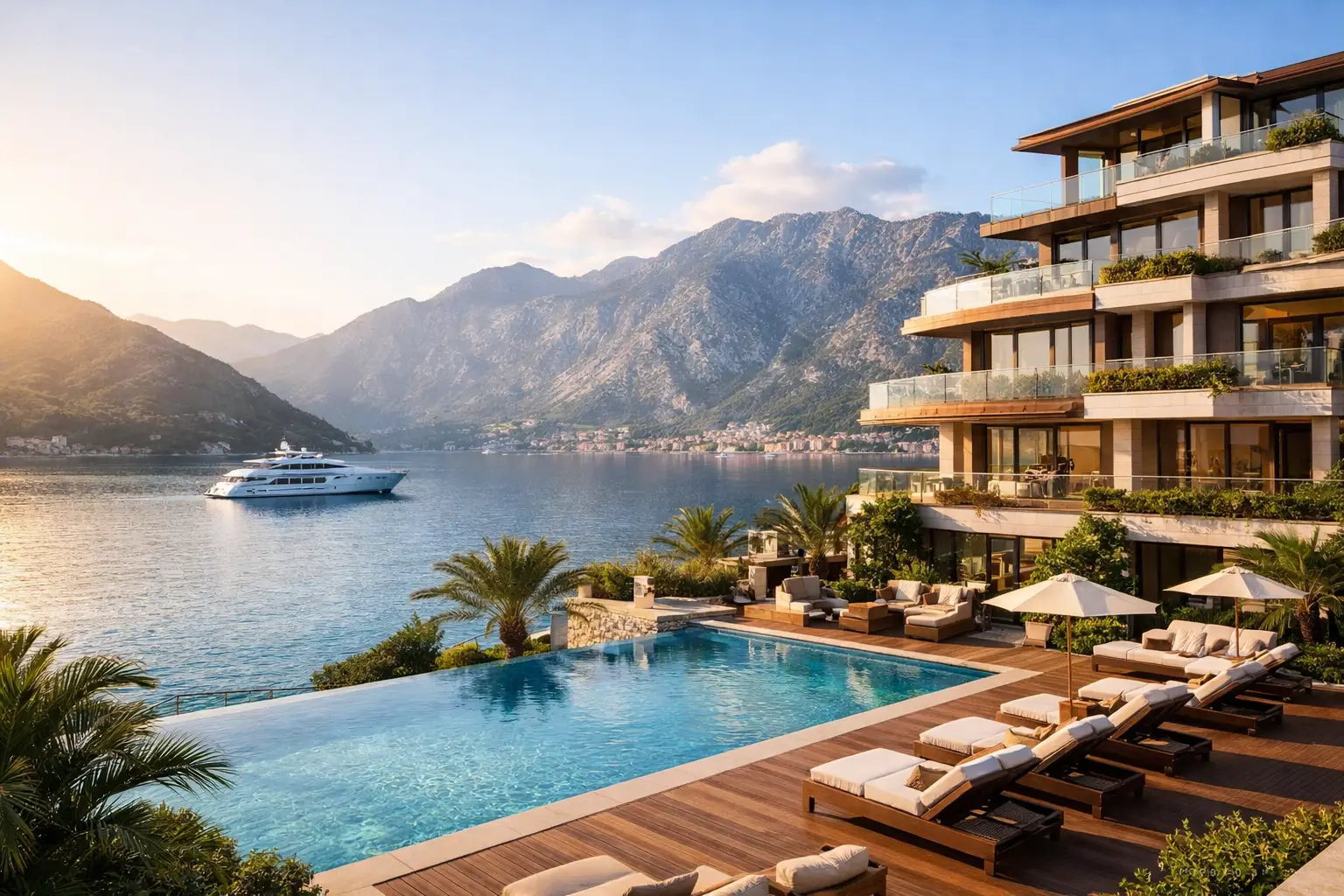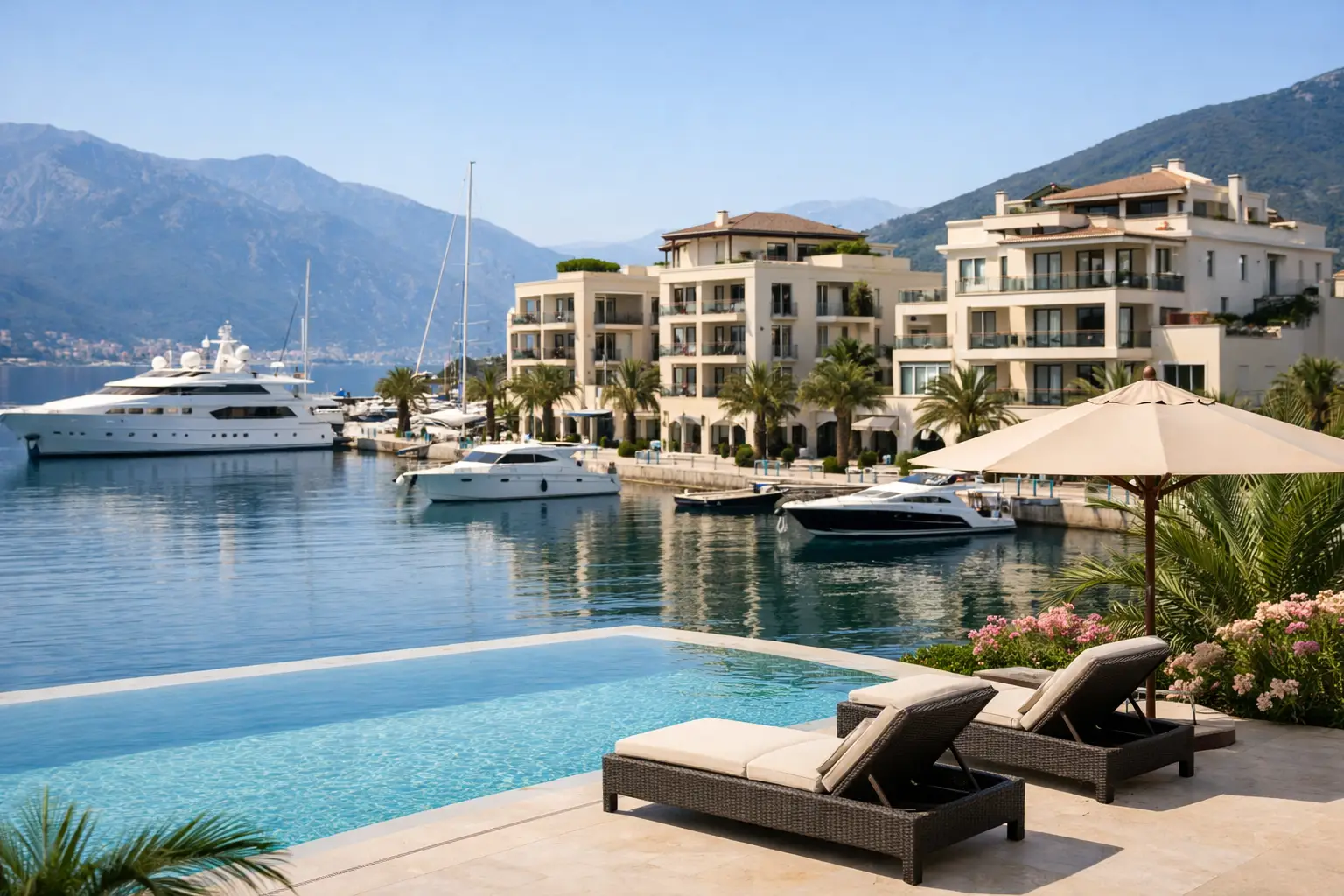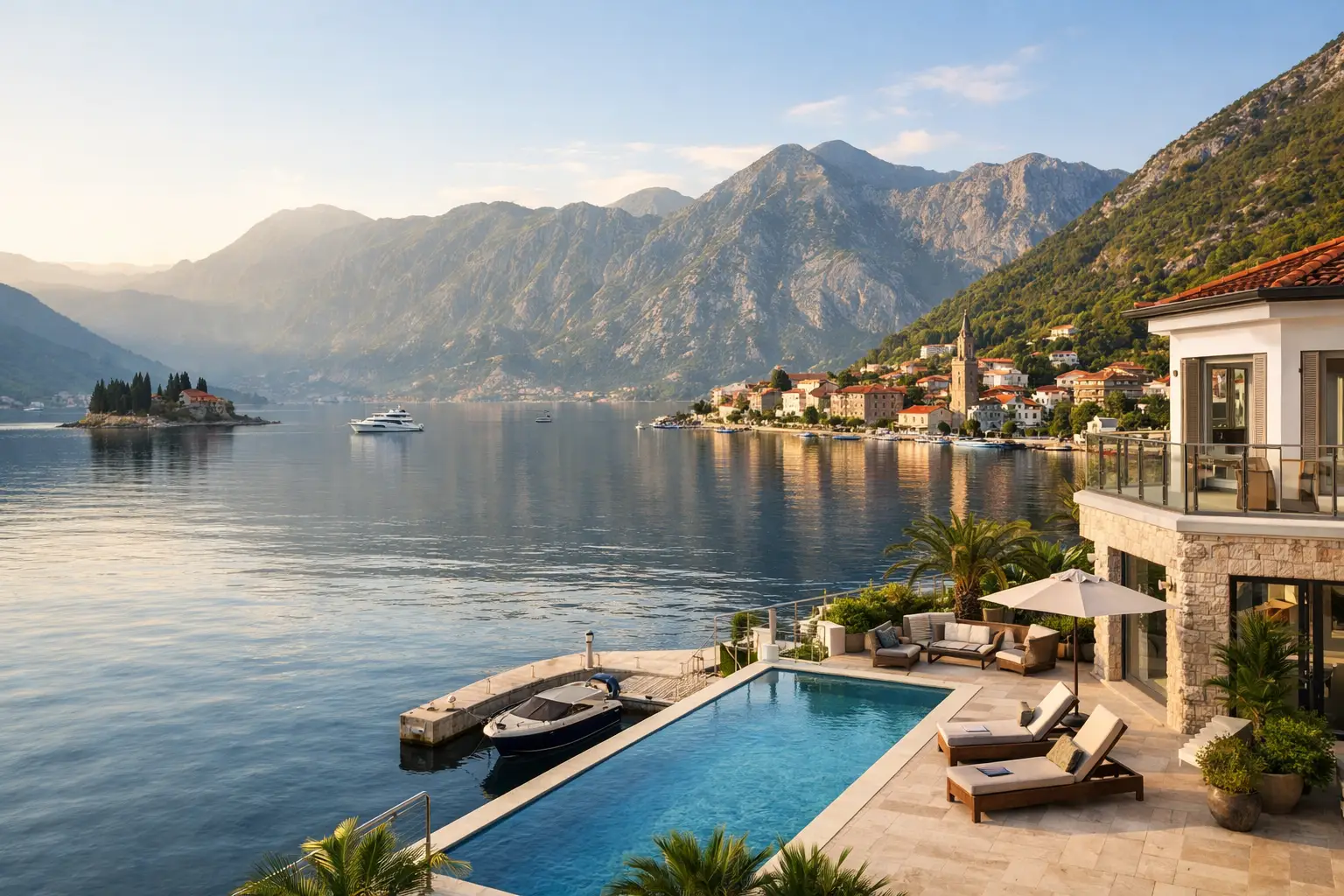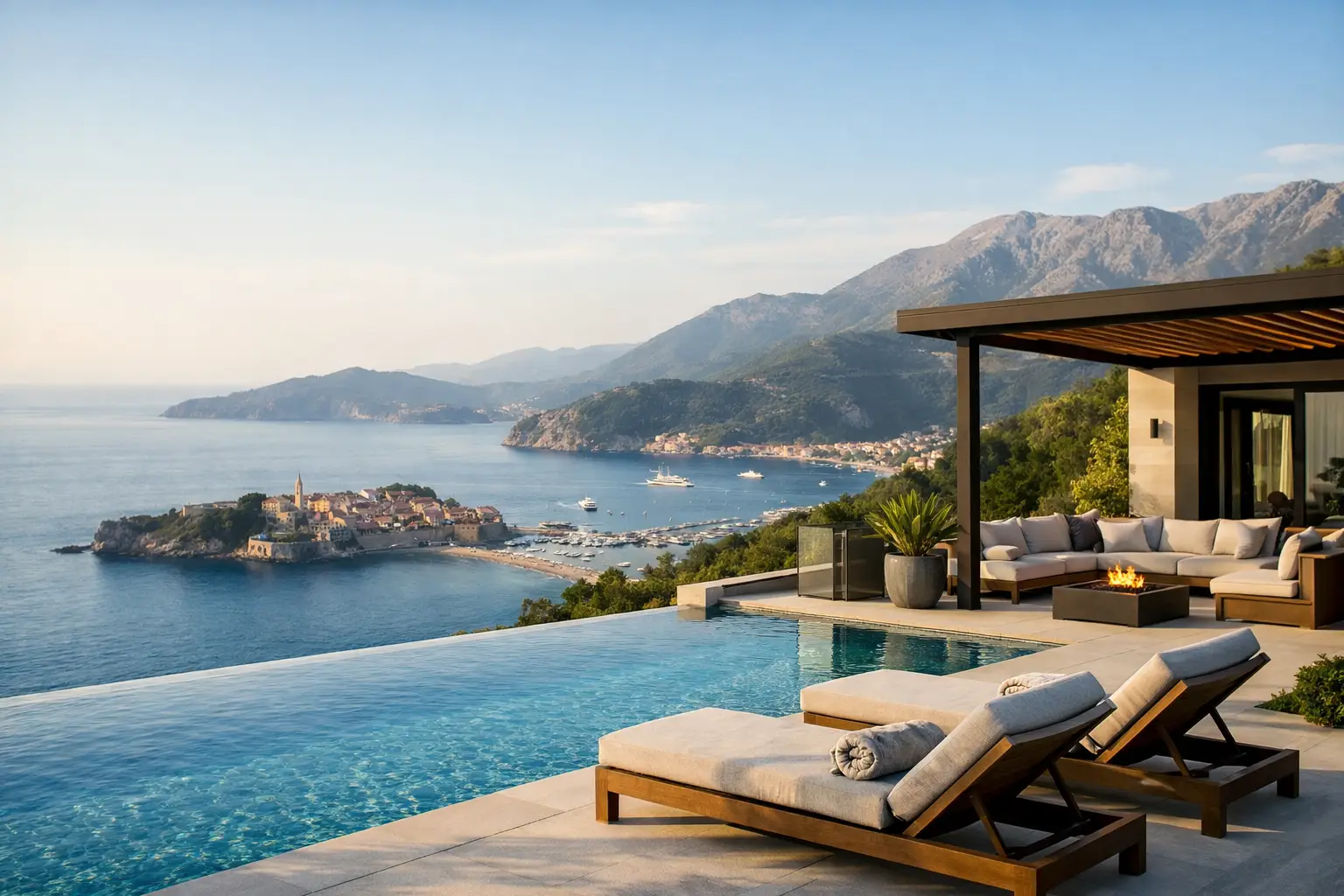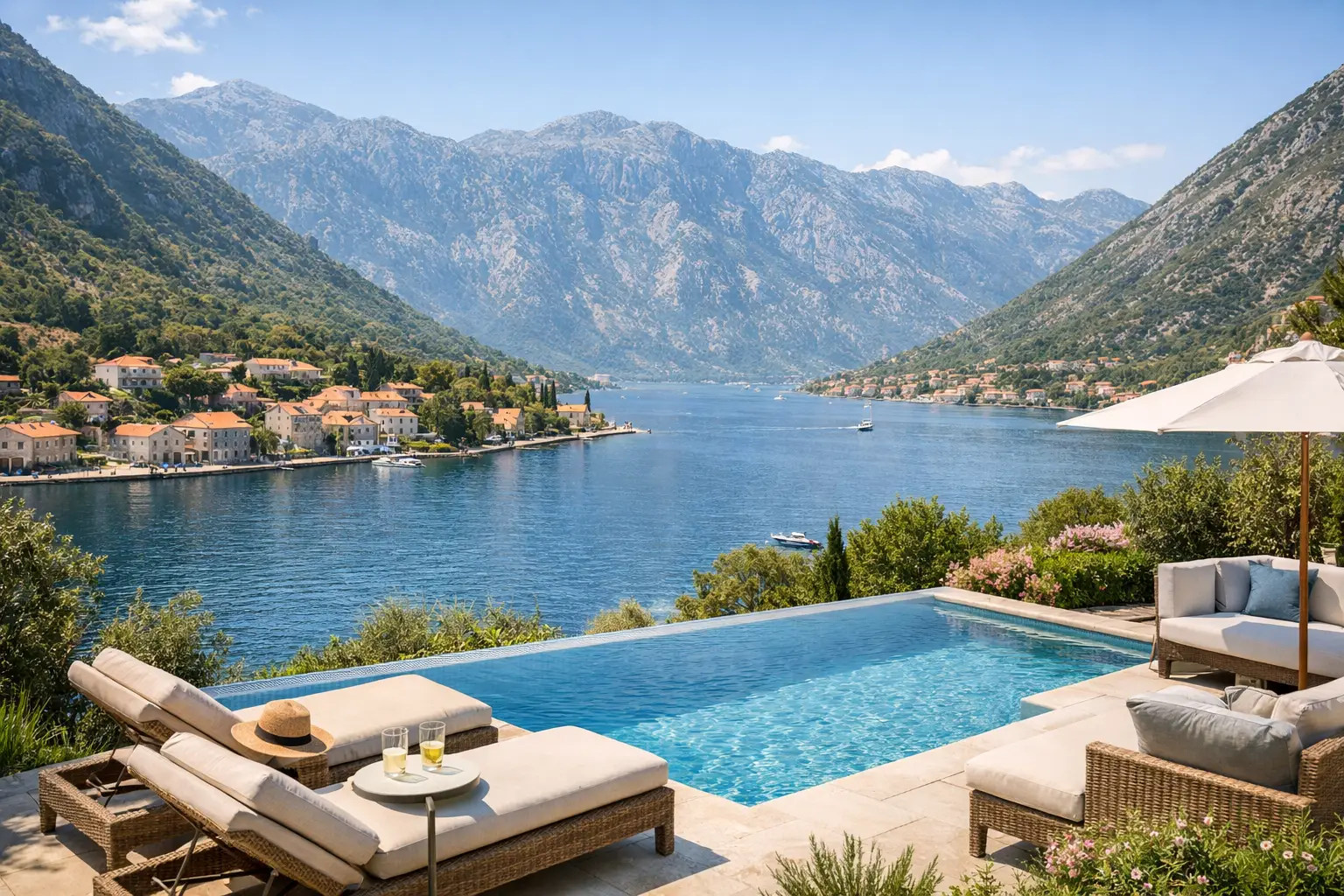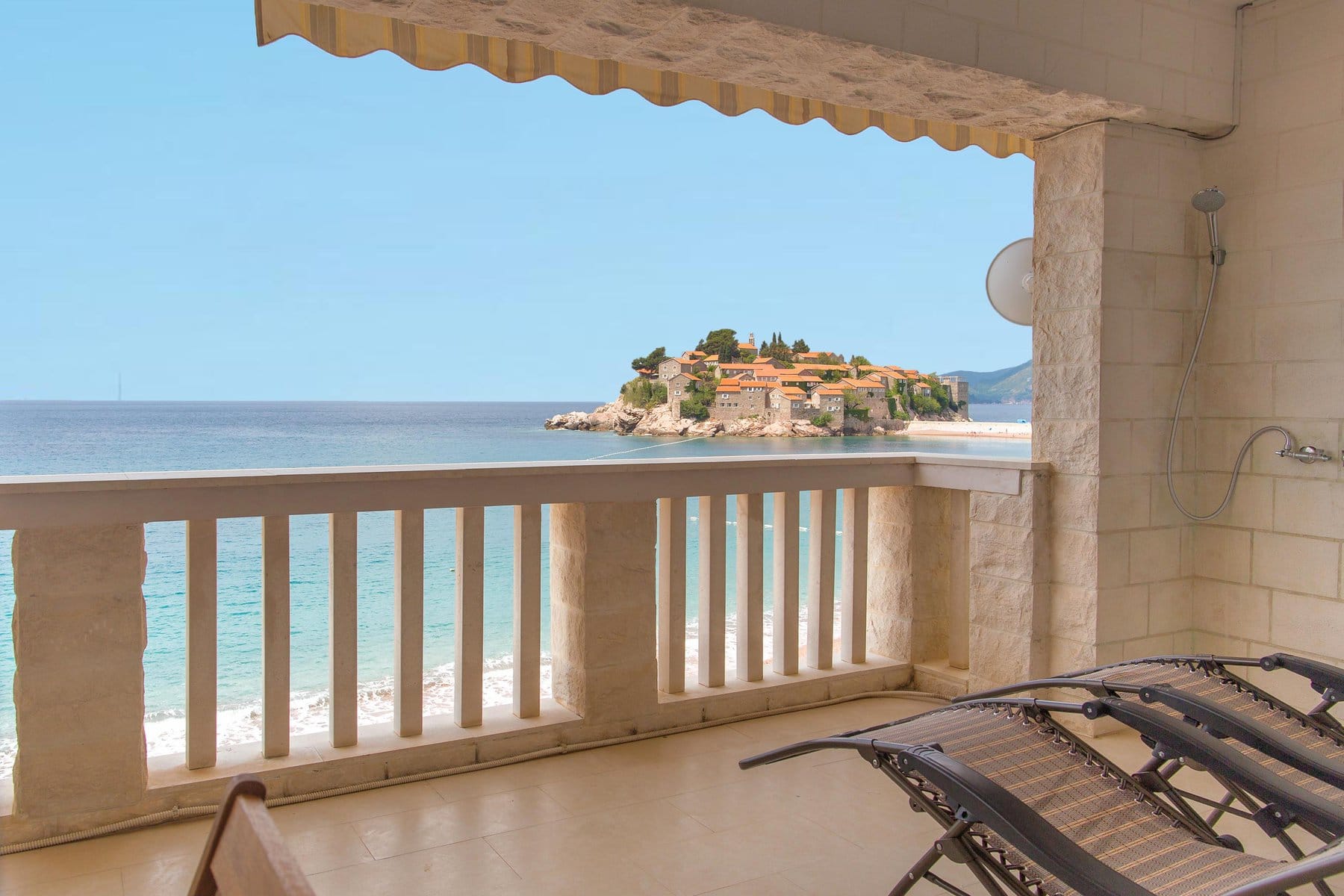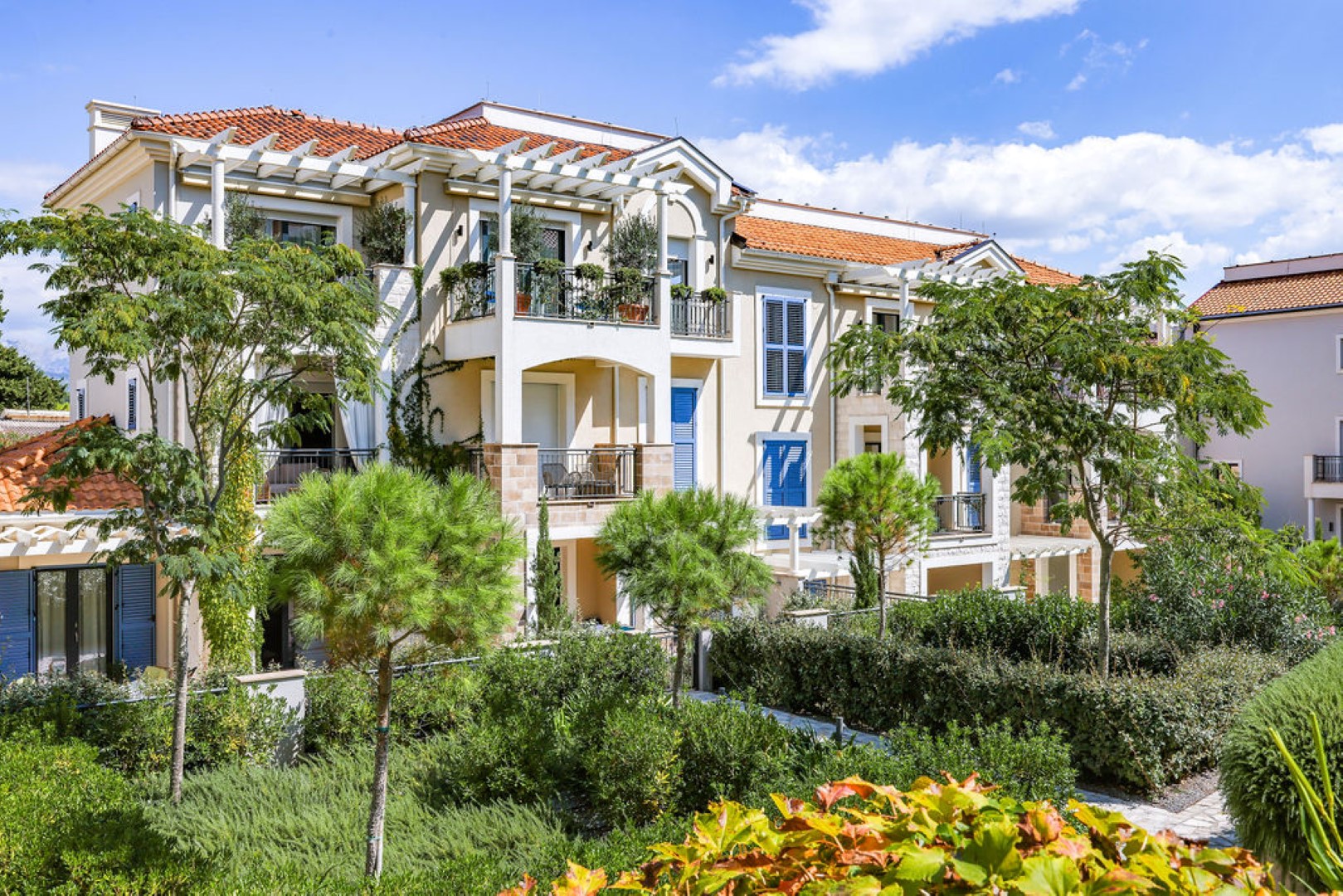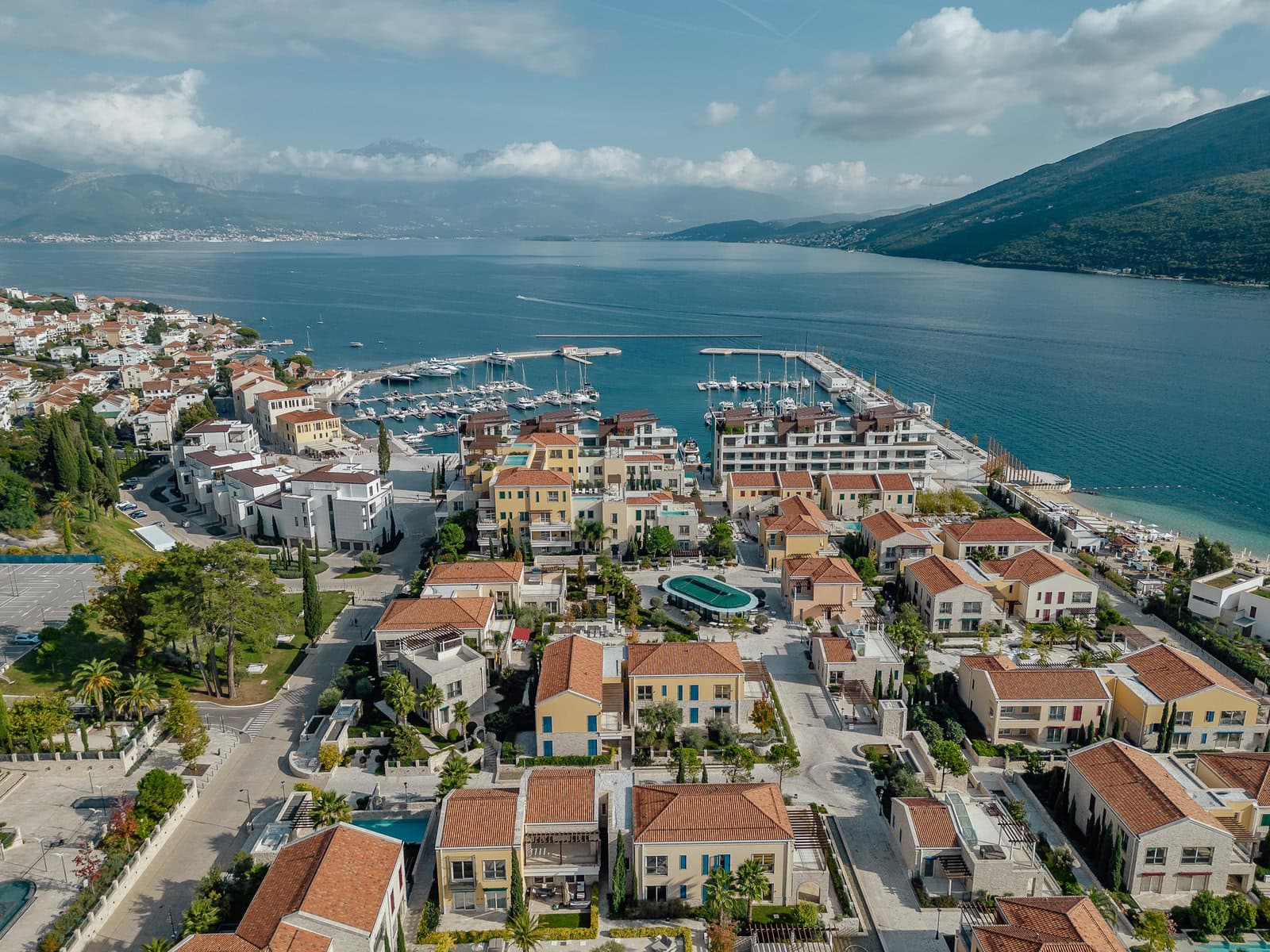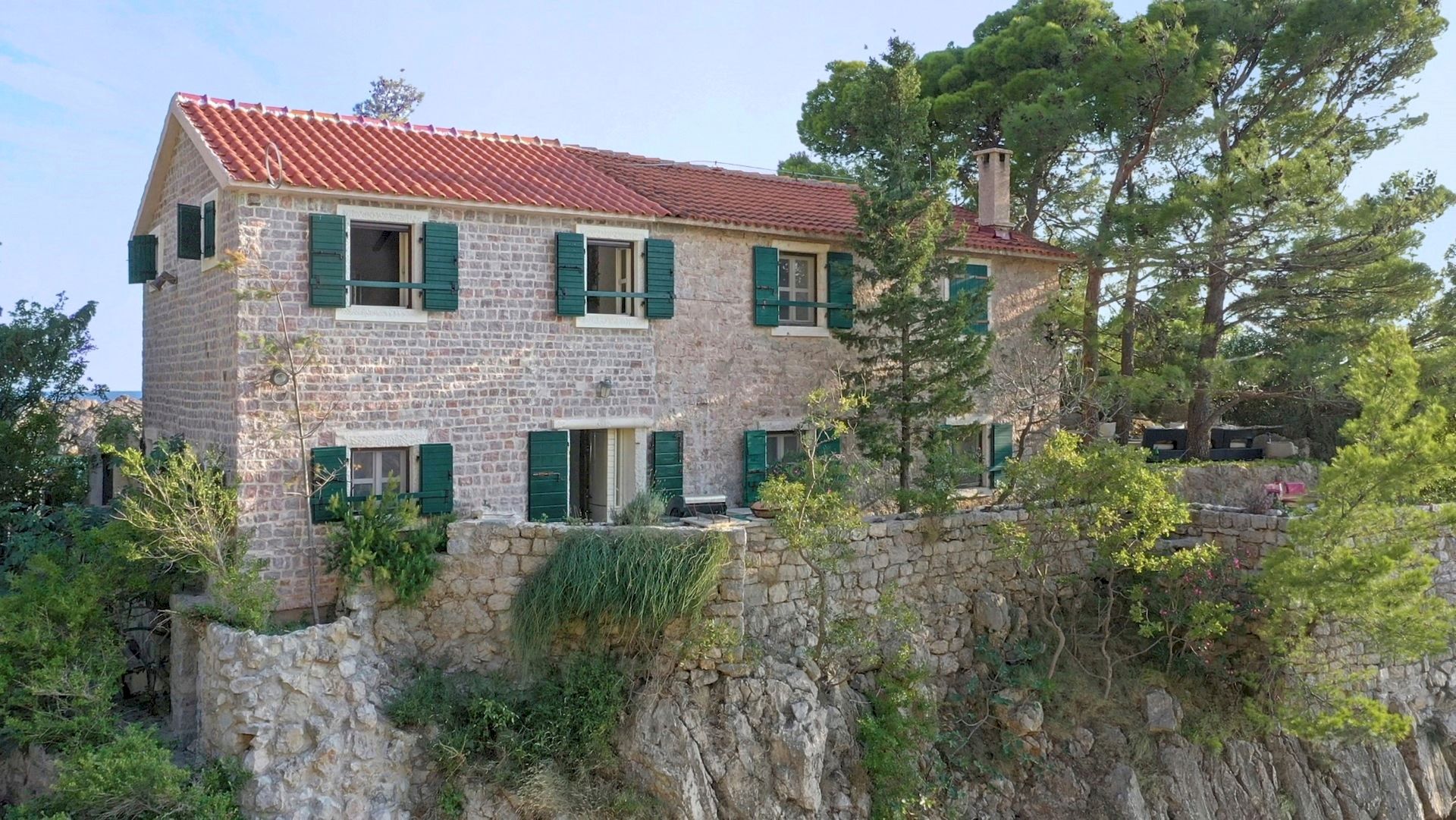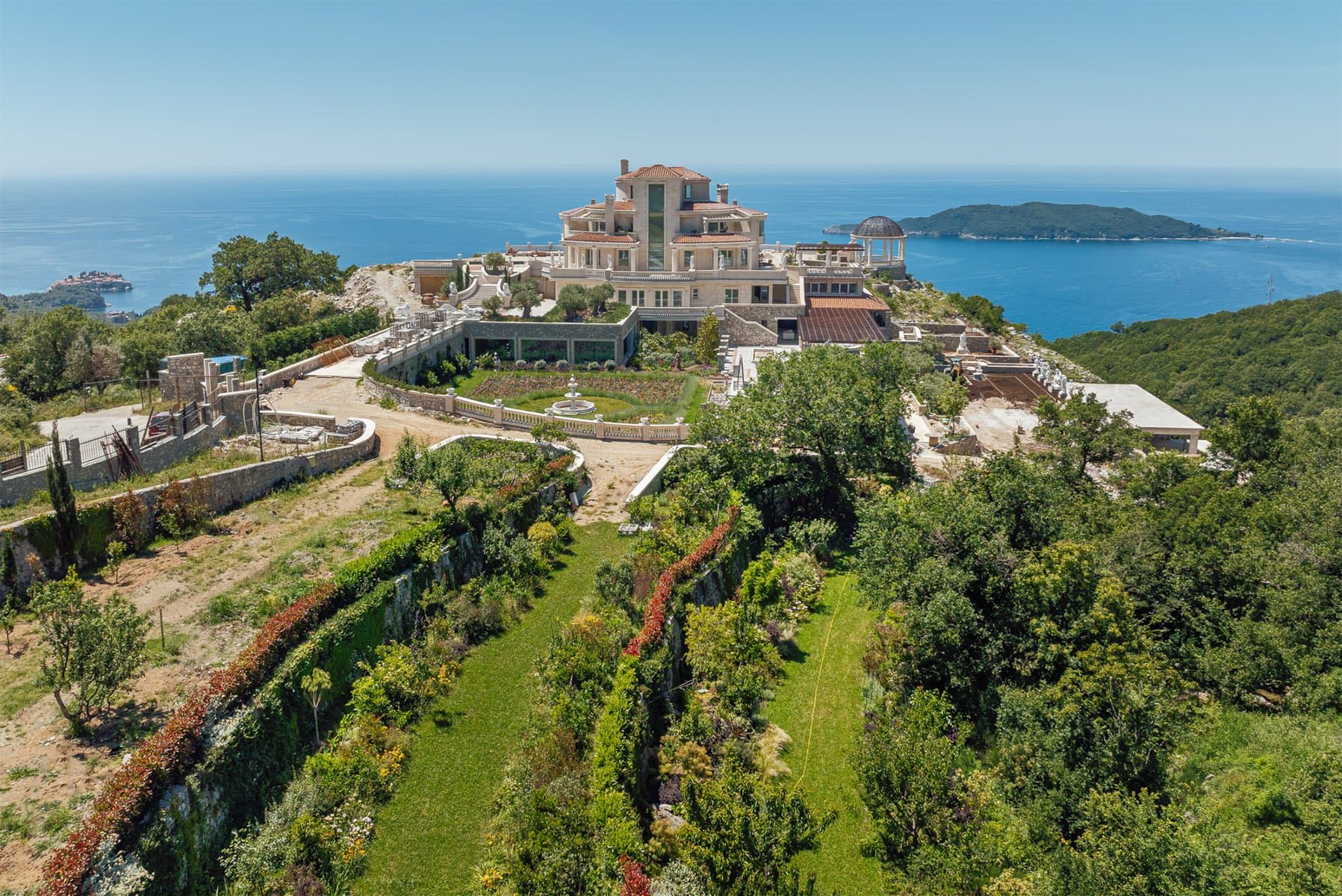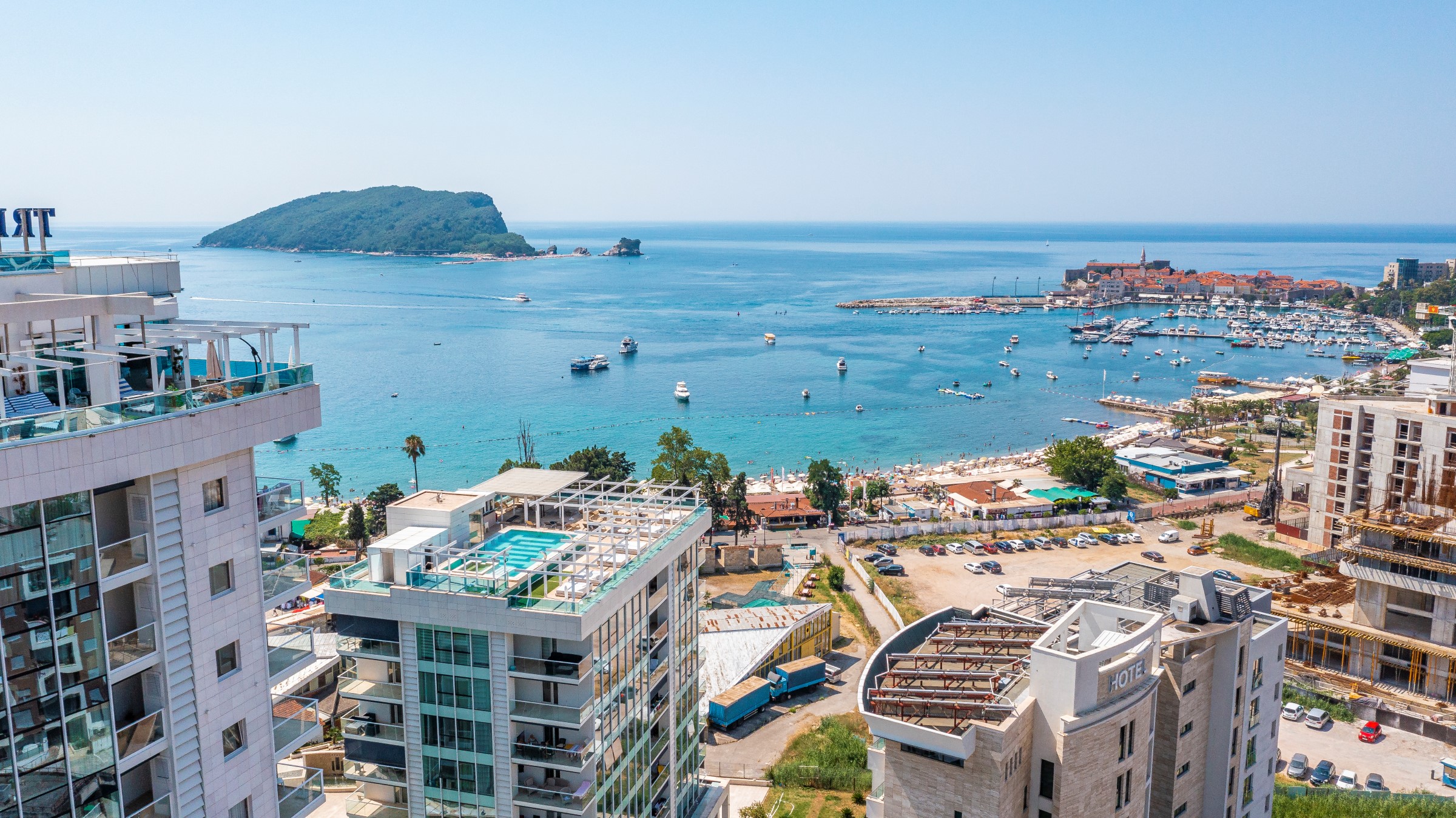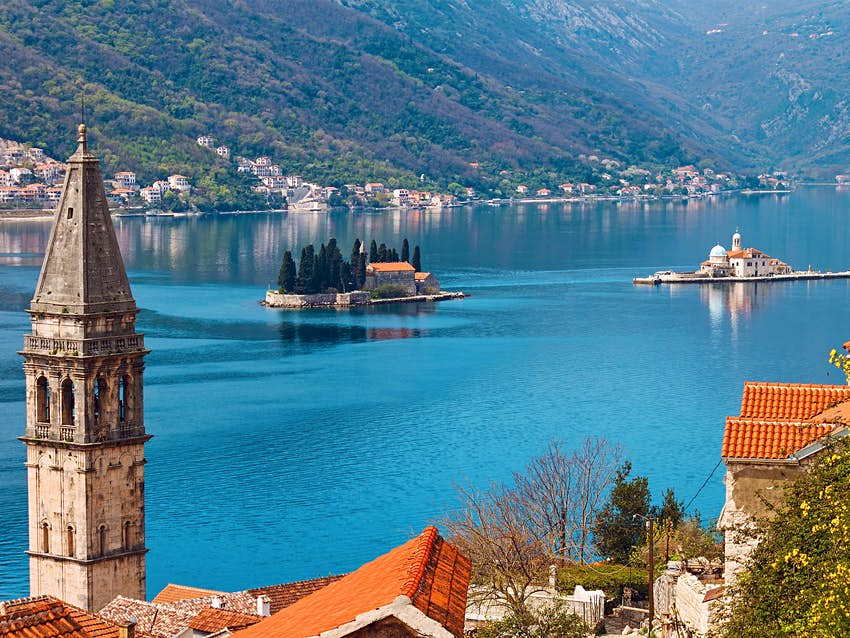





A sea-view apartment in Porto Montenegro, a villa above the Bay of Kotor, or a branded residence in Luštica Bay can look like a lifestyle decision at first glance. For many international buyers, it is also a strategic one. If you want to buy property in Montenegro as a foreigner, the appeal is clear – a rising Adriatic market, attractive coastal inventory, marina-led luxury development, and a buying process that is more accessible than many buyers expect.
What matters, however, is not just whether foreigners can buy. It is where you buy, how the title is structured, what permissions or restrictions may apply, and whether the asset fits your long-term goals. In Montenegro, the best purchases tend to come from careful alignment between lifestyle, legal clarity, and exit potential.
Can You Buy Property in Montenegro as a Foreigner?
In many cases, yes. Foreign individuals and companies can generally purchase real estate in Montenegro, including apartments, houses, villas, and commercial premises, subject to certain legal restrictions. For most luxury residential buyers, the process is straightforward enough when the property has clean title and the transaction is properly managed.
The main complications usually arise around land classification rather than the nationality of the buyer. Certain categories of land, especially agricultural land, forests, or properties in specifically restricted areas, may not be available for direct ownership by foreign individuals. This is one reason experienced legal guidance matters from the outset, particularly when a purchase includes substantial grounds, redevelopment potential, or a more complex ownership history.
For apartment and villa buyers in established luxury destinations, the path is usually much cleaner. Newer developments, resort residences, and marina communities often offer a more predictable transaction structure, clearer documentation, and a level of operational convenience that appeals to overseas owners.
Where Foreign Buyers Tend to Focus
Not all Montenegrin real estate performs the same way. Buyers entering the market at the premium end tend to concentrate on a handful of locations where lifestyle demand, international visibility, and resale appeal are strongest.
Porto Montenegro
Porto Montenegro attracts buyers who want a polished marina environment, walkable amenities, international-standard services, and strong rental appeal. It suits owners who value convenience and branded lifestyle positioning as much as the residence itself.
Bay of Kotor
The Bay of Kotor offers a different proposition – heritage settings, dramatic waterfront views, and a more atmospheric sense of place. Here, the key distinction is between properties with genuine waterfront rarity and those that simply borrow value from a prestigious postal code.
Luštica Bay and Portonovi
These resort-led destinations appeal to buyers seeking contemporary construction, managed communities, and high-quality infrastructure. They are often especially attractive to international families and second-home owners who want security, service, and ease of ownership.
Budva Riviera
Budva and its surrounding coastline can make sense for buyers who place more emphasis on rental activity, beach access, and a livelier seasonal market. The trade-off is that micro-location becomes even more important, because quality can vary sharply from one area to the next.
What to Check Before You Commit
To buy property in Montenegro as a foreigner with confidence, due diligence has to go beyond the brochure. Premium imagery and a desirable address are only the beginning.
The first point is title. You want confirmation that the seller is the legal owner, that the property is properly registered, and that there are no undisclosed encumbrances, claims, or limitations affecting transfer. This is especially important in older properties, family-held assets, and homes that have been altered over time.
The second is planning and permitting. If a villa has been extended, renovated, or rebuilt, the legal status of those works needs to be checked carefully. A beautiful house with unresolved permitting issues is rarely a bargain.
The third is community and operational structure. In newer luxury developments, buyers should review building management, service charges, usage rules, rental policies, and what is actually included in the ownership model. Amenities add value, but only when the framework around them is clear and sustainable.
The Typical Buying Process
The purchase process is not unusually complicated, but it should be handled with discipline. Most international buyers begin by defining priorities: primary lifestyle use, investment return, occasional rental income, residency planning, or a blend of all four.
Once a shortlist is established, viewings are followed by legal review before any binding commitments are made. In practice, serious buyers often reserve a property or move to a preliminary agreement while their lawyer verifies ownership, registration, and transaction documents.
After due diligence is complete, the parties proceed to the purchase agreement, which is typically notarized. Payment terms, completion timing, and any conditions are formalized at this stage. Registration of ownership then follows through the appropriate public records process.
For overseas buyers, the smoothest transactions are usually those supported by a coordinated team – agent, lawyer, and where relevant, tax adviser or corporate adviser. This matters less because the process is opaque and more because expensive mistakes are usually avoidable when the right professionals are involved early.
Costs, Taxes, and Financial Planning
Buyers should look beyond the headline purchase price. Transfer-related costs, legal fees, notary expenses, and ongoing ownership costs all affect the real acquisition picture.
Resale properties may be subject to property transfer tax, while newly built properties sold under certain structures may instead involve VAT. Which applies depends on the asset and transaction type. This is not a detail to leave until the final week.
Annual property tax is generally modest compared with many mature luxury markets, but it still varies by municipality, property type, and assessed value. Buyers planning to rent their property should also review local tax treatment, licensing rules, and practical management costs.
Financing is another point where expectations should be realistic. Cash purchases remain common in the upper segment of the market. Mortgage availability for foreign buyers can be more limited than in their home jurisdictions, so many acquisitions are structured around existing liquidity rather than local leverage.
Should You Buy Personally or Through a Company?
It depends on the property and your wider goals. Some buyers purchase in their personal name for simplicity, especially when acquiring an apartment or completed residence for private use. Others consider a corporate structure where the asset includes land, has development potential, or forms part of a broader investment strategy.
This is not just a tax question. Ownership structure can affect succession planning, future resale, compliance obligations, and how easily the property fits into an international portfolio. The right answer is rarely universal, which is why early legal and tax advice is worth having before an offer is finalized.
What Sophisticated Buyers Get Right
Experienced international buyers rarely start with square footage. They start with positioning. They ask whether the location will remain desirable in five to ten years, whether the property is genuinely scarce, and whether the ownership experience will be easy from abroad.
In Montenegro, that often means favoring prime waterfront or marina-adjacent stock, established luxury communities, and properties with strong architectural standards and professional management. It can also mean passing on assets that look attractively priced but carry ambiguity around title, access, infrastructure, or future liquidity.
A lower entry price is not always better value. In a market that is still maturing, quality and clarity tend to protect capital far more effectively than apparent discounts.
Working With the Right Local Guidance
Cross-border purchases are easier when advice is both local and strategic. Buyers do not simply need someone to open doors. They need a trusted adviser who can distinguish between a property that is appealing and one that is well-positioned.
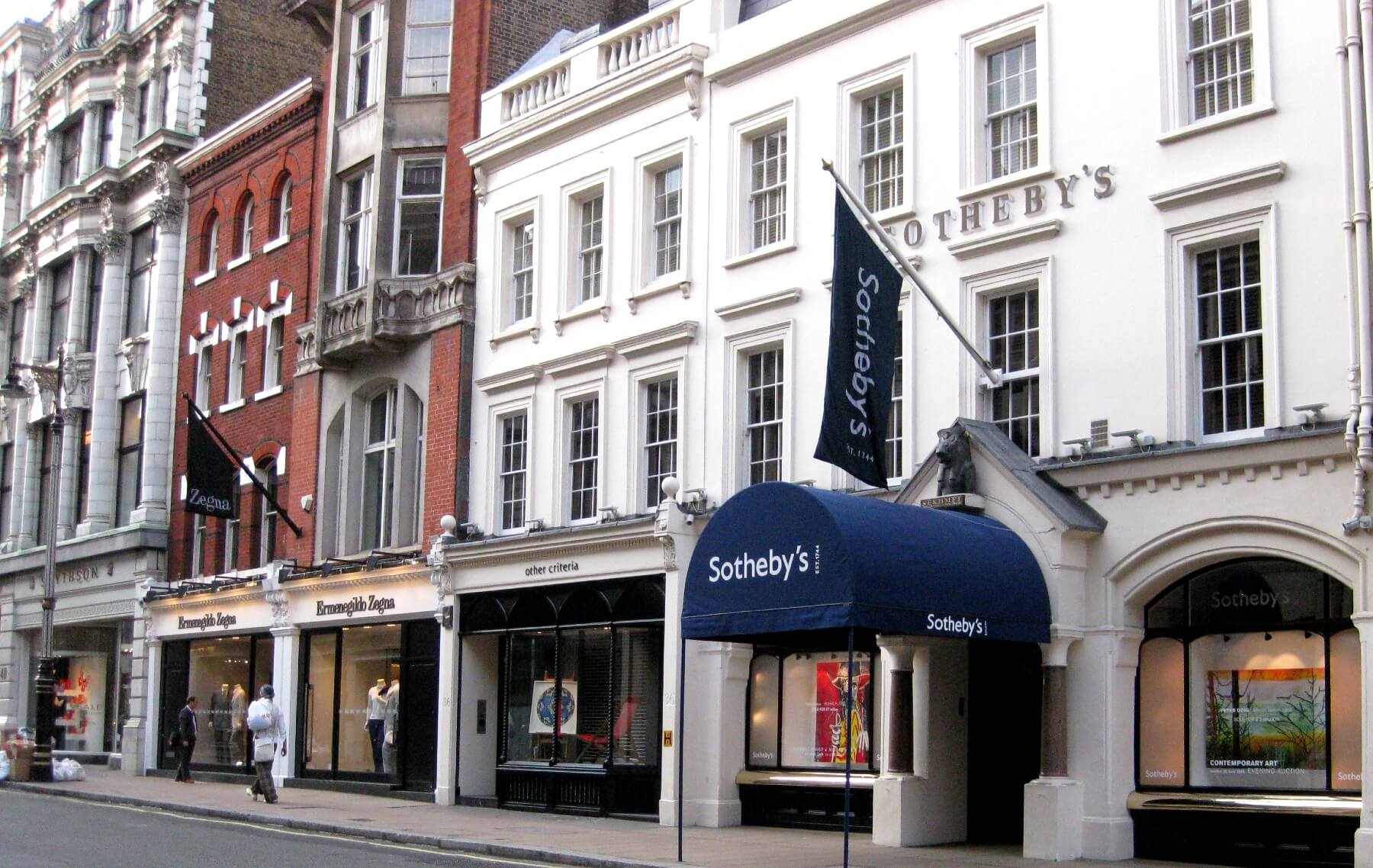
That is particularly true in a market where two homes with similar views can have very different legal quality, rental outlook, and resale potential. A curated approach saves time, but more importantly, it reduces noise. For buyers evaluating the luxury market through Sotheby’s International Realty Montenegro, that process is built around targeted shortlists, informed market perspective, and practical guidance through each stage of acquisition.
The most rewarding purchases here are rarely impulsive. They are informed, selective, and aligned with how you want to live, hold, and eventually exit. If Montenegro is on your radar, the right property is not just a place on the Adriatic – it is a decision that should feel as sound as it looks.