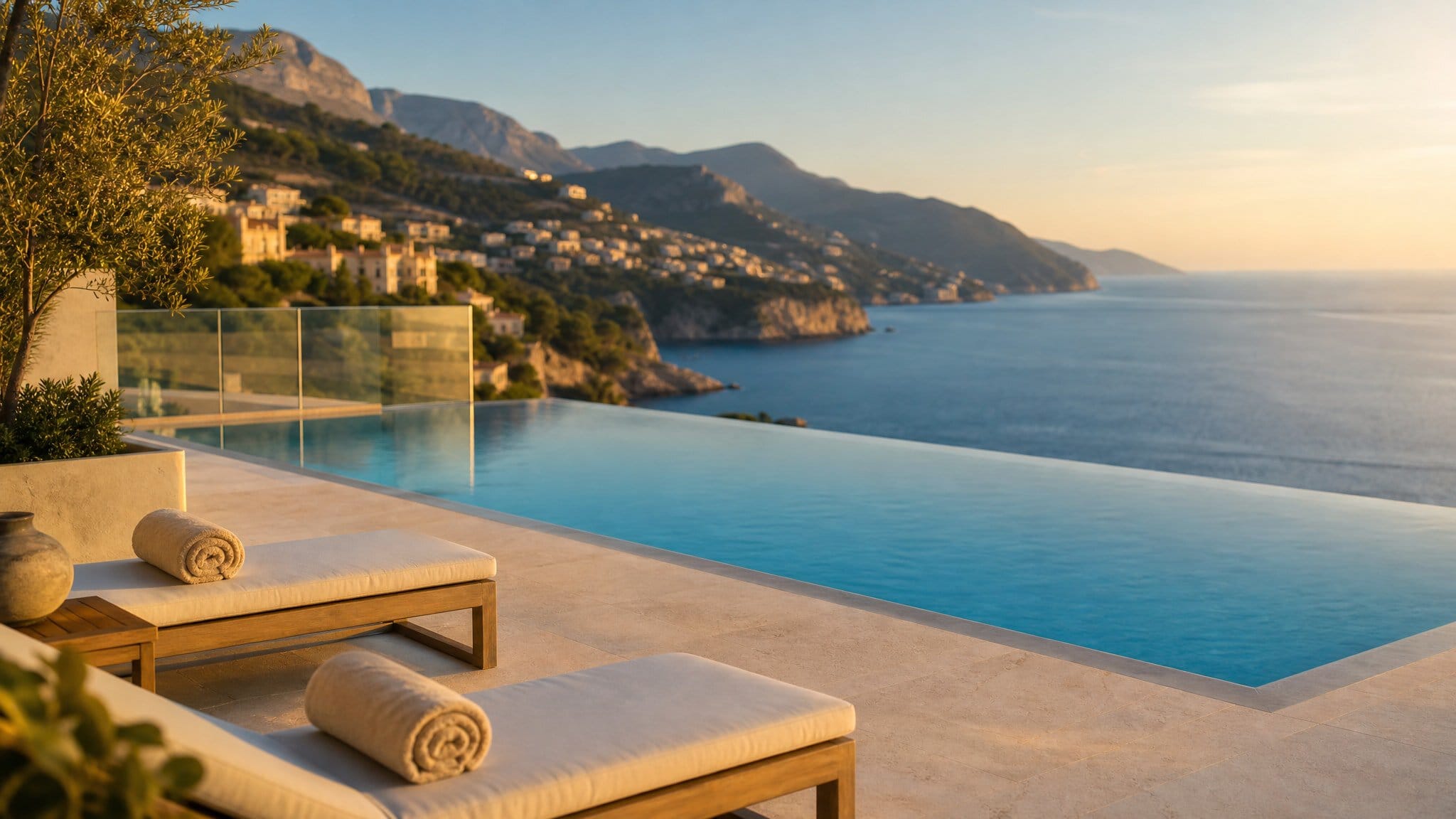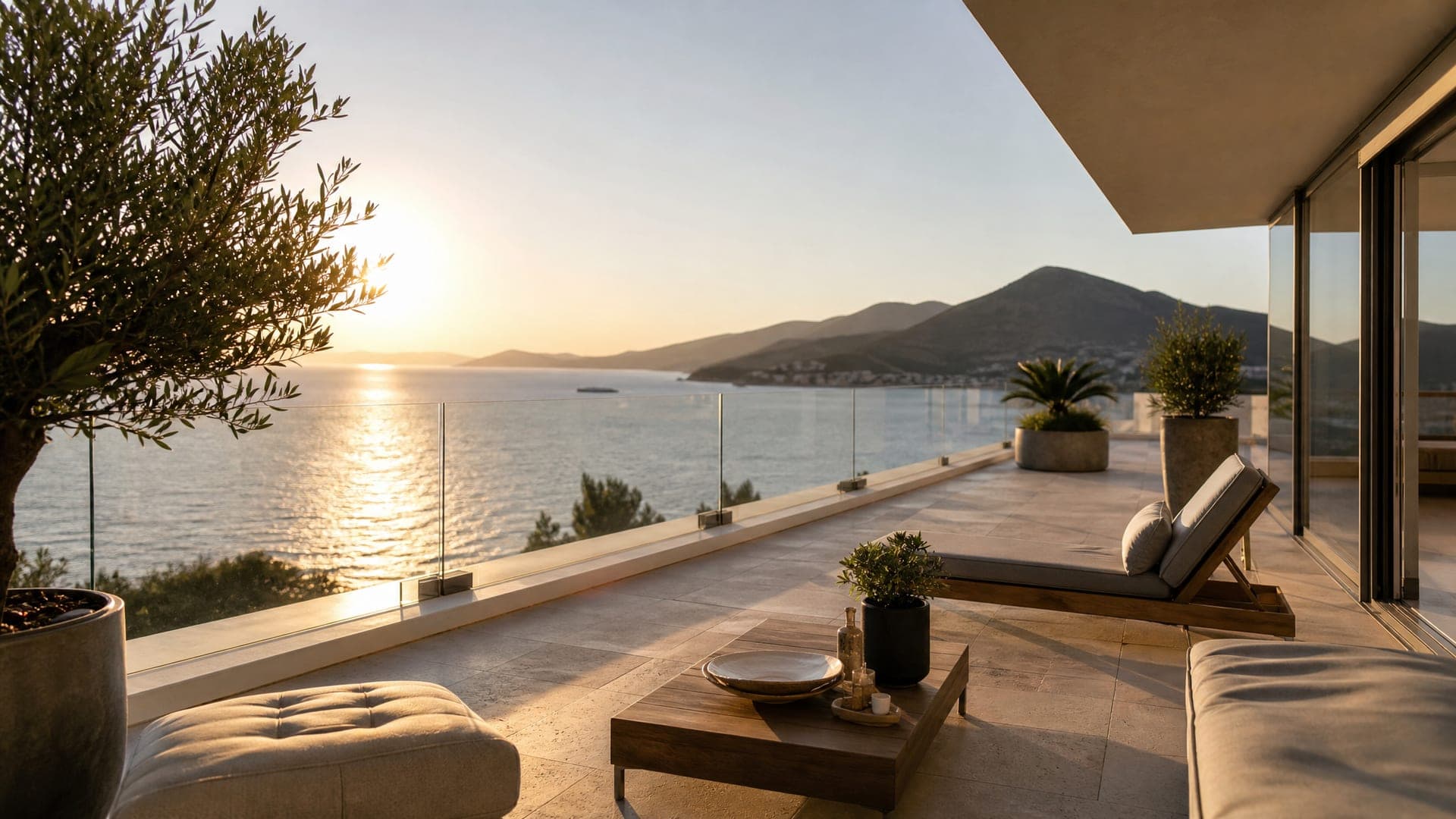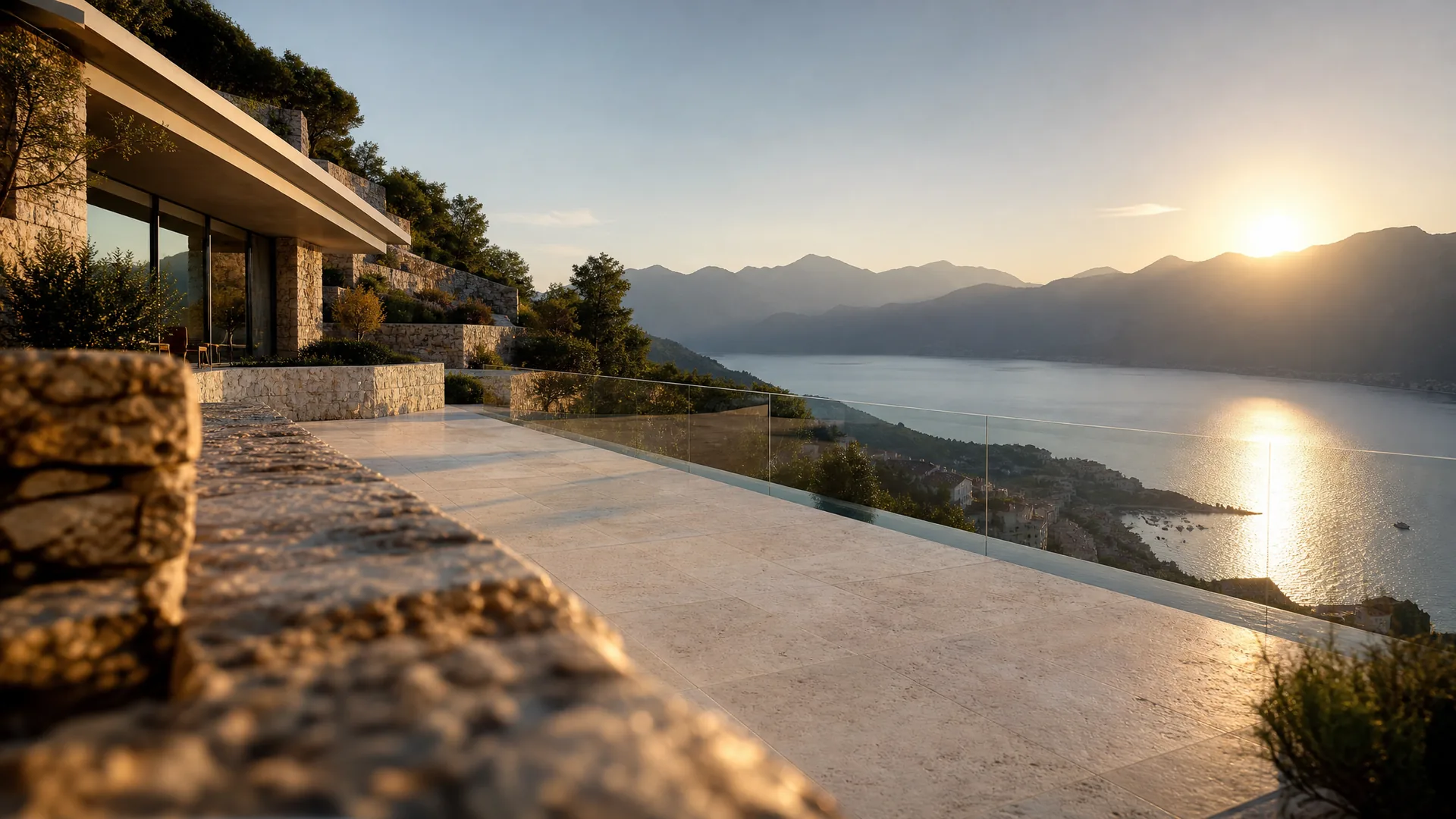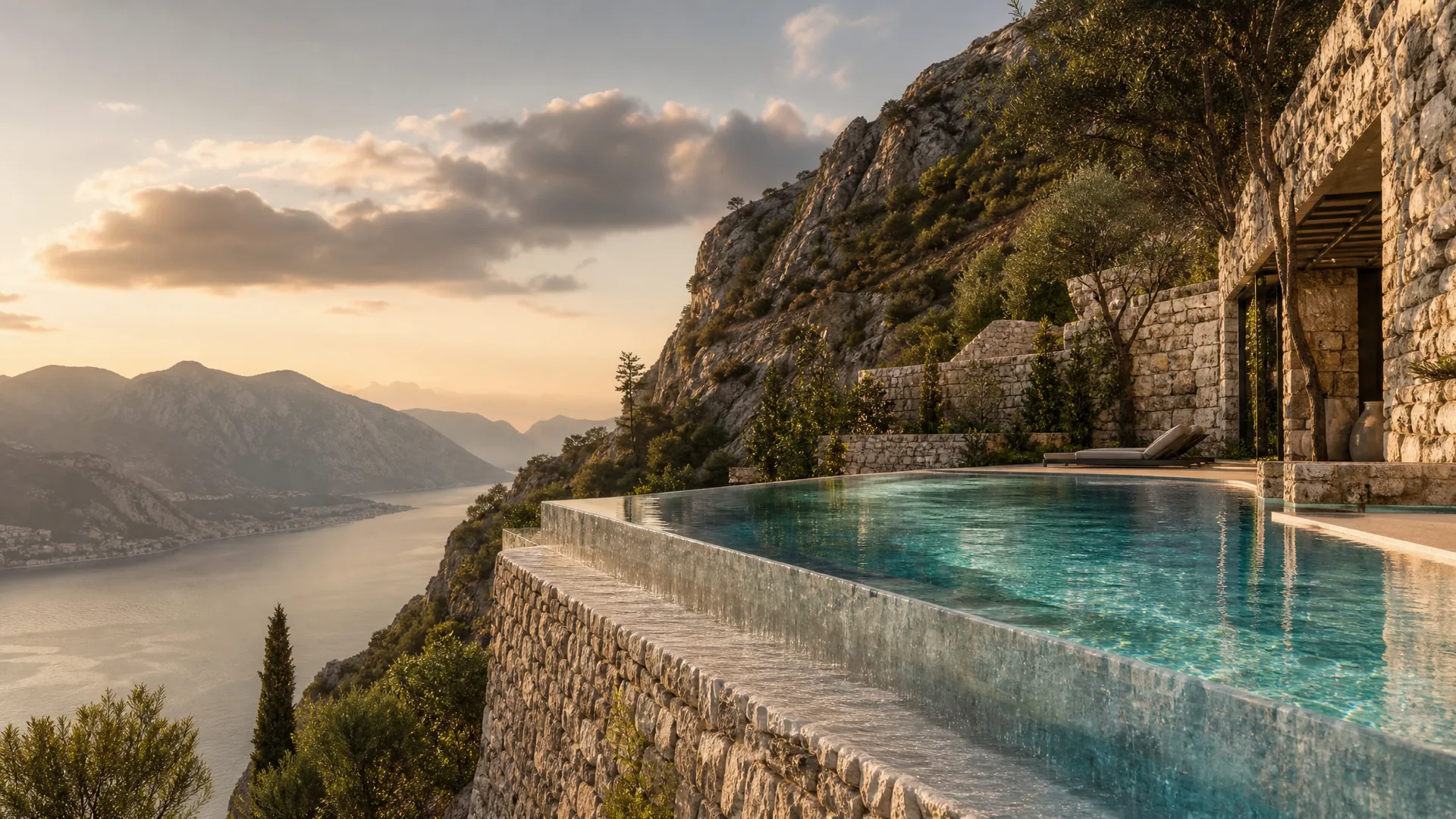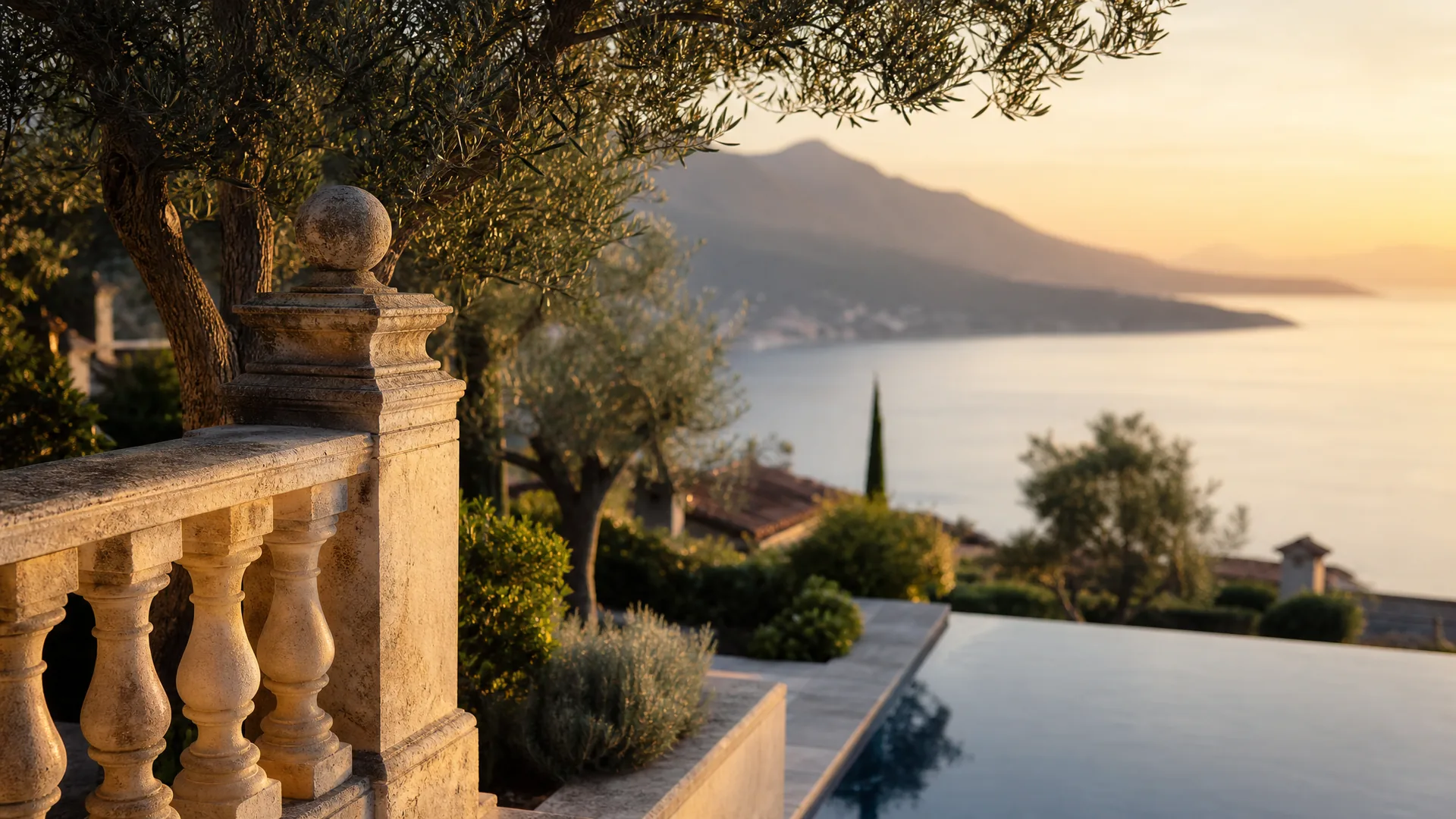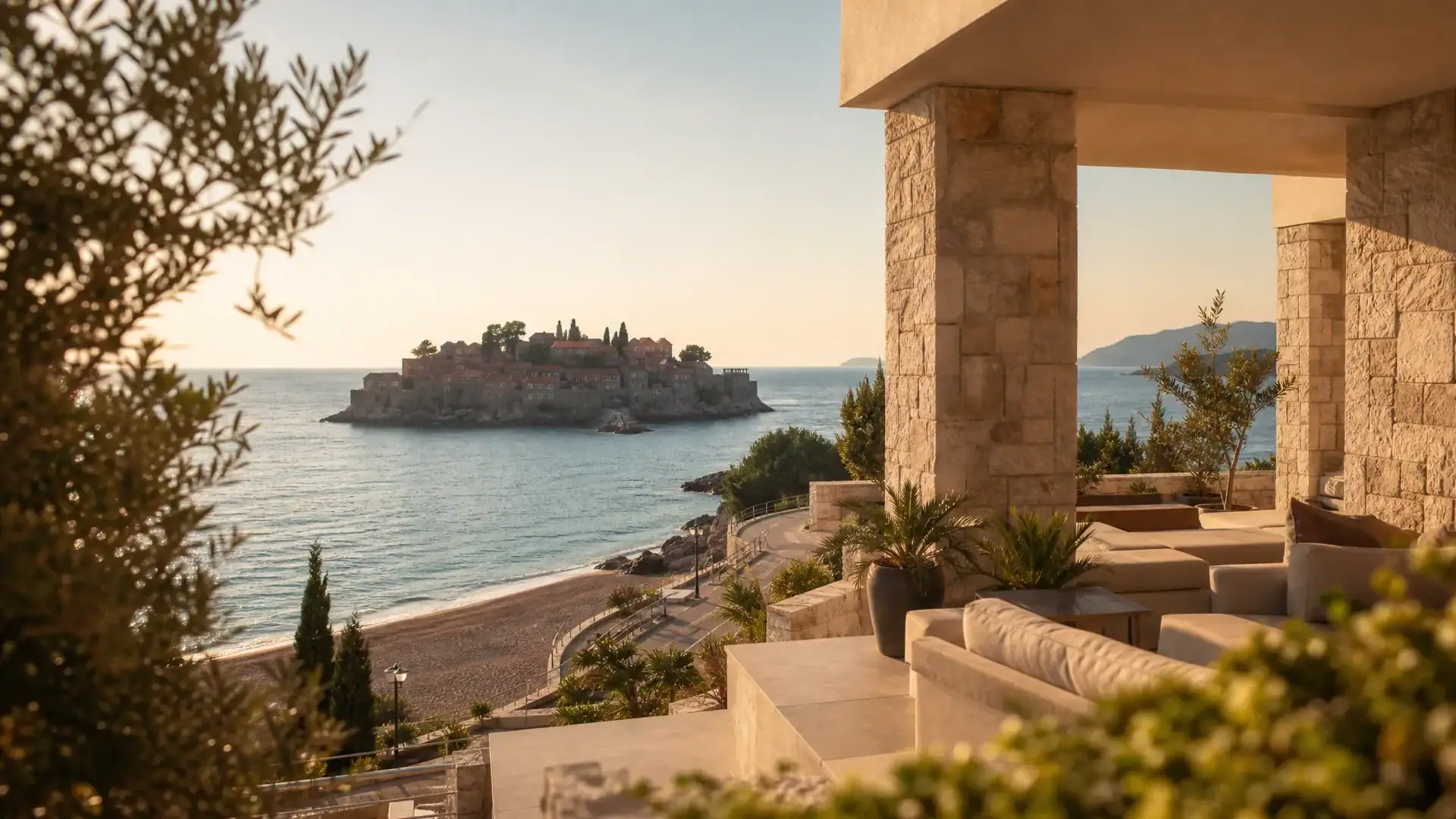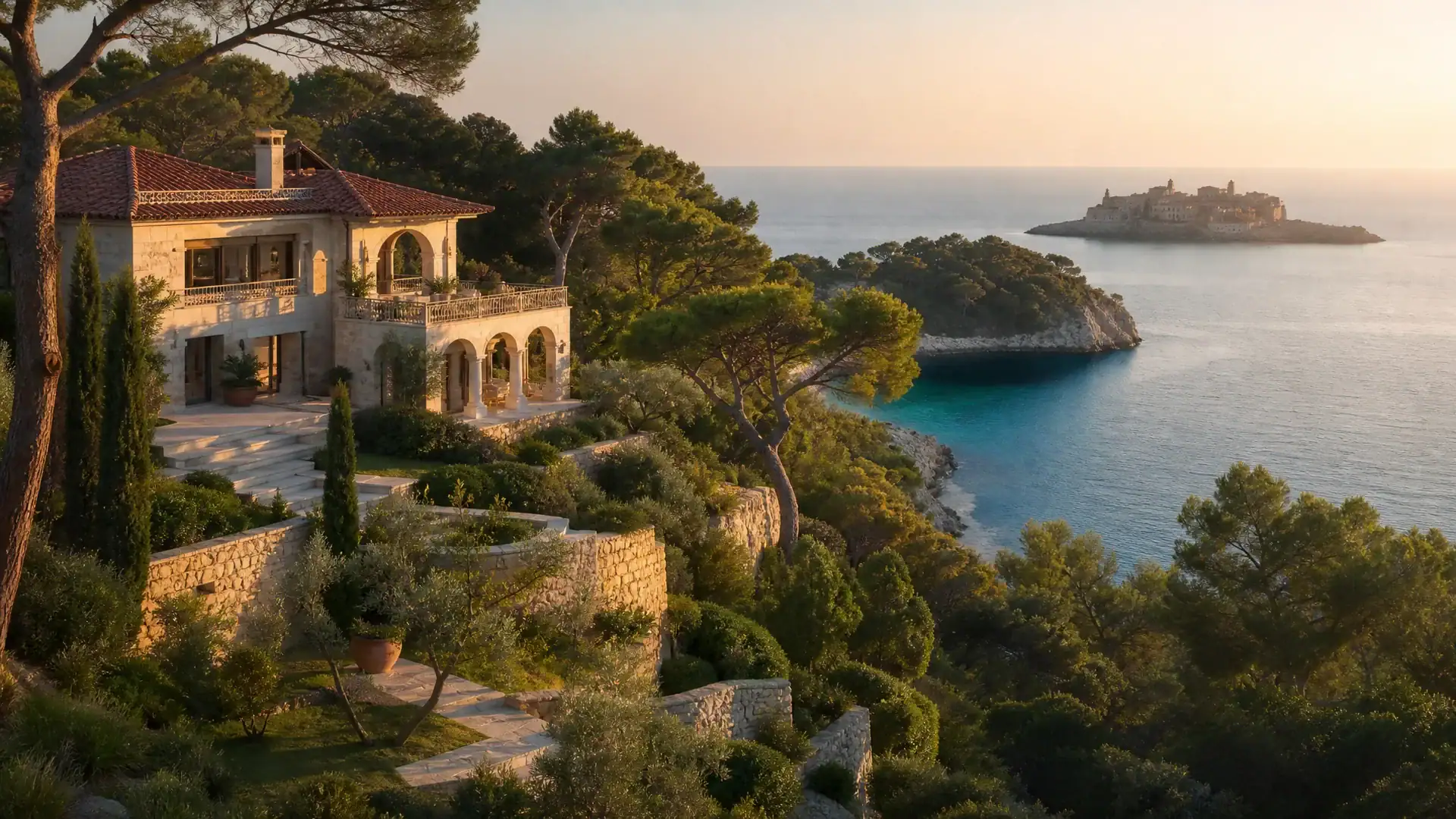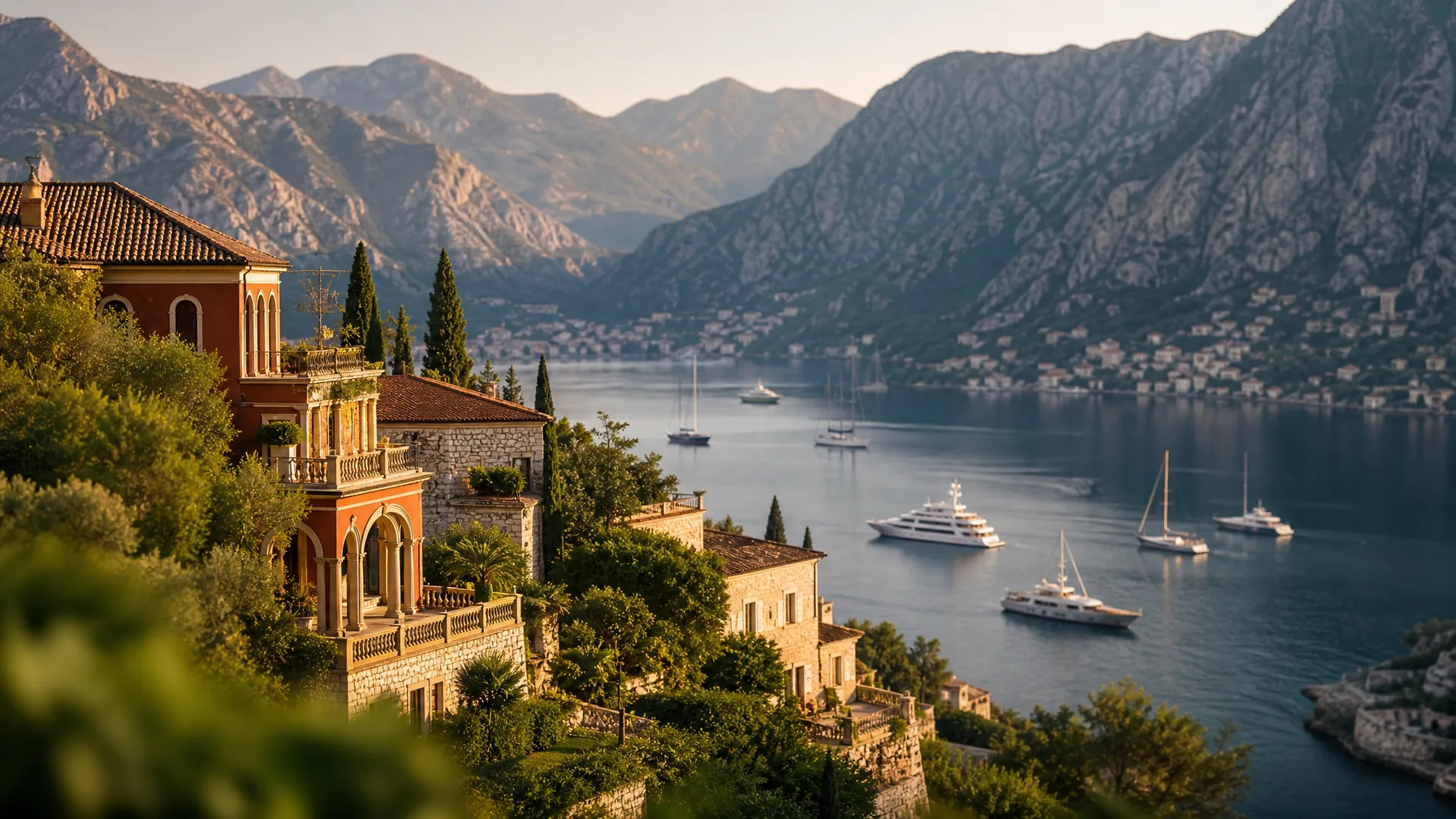





A second home on the Adriatic can mean very different things depending on where you buy. In Montenegro, one address may offer marina access and branded residences, another may deliver quiet waterfront privacy, and a third may be better suited to rental performance than personal retreat. That is why a Montenegro second home guide should start with one question: what, exactly, do you want this property to do for you?
For many international buyers, the appeal is immediate. Montenegro offers a compact coastline, a growing luxury profile, and a market where lifestyle and long-term value can still meet at a more favorable entry point than many established Mediterranean destinations. But the right purchase depends on more than scenery. It depends on location, usage, ownership structure, timing, and the kind of service you expect after completion.
Why Montenegro works as a second-home market
Montenegro sits in a rare position. It feels established enough to support serious luxury buying, yet early enough in its growth cycle to remain compelling for buyers who prefer to enter a market before it becomes fully priced in. The country has attracted attention from yacht owners, internationally mobile families, and investors looking for a residence that serves both personal use and capital preservation.
The practical appeal matters as much as the emotional one. Buyers are drawn to its Adriatic setting, improving infrastructure, and the concentration of premium residential destinations within a relatively short driving radius. You can base yourself in a full-service marina community, a historic bay setting, or a more secluded waterfront enclave without sacrificing access to restaurants, beach clubs, or seasonal international traffic.
That said, Montenegro is not one single market. A buyer seeking a lock-and-leave apartment with concierge services is solving for something different than a family looking for a stand-alone villa with privacy, mooring access, and summer entertaining space. The strongest purchases begin with that distinction.
Montenegro second home guide: choose the right location first
In luxury property, location is never just geography. It determines your daily experience, your liquidity on resale, and often your rental audience.
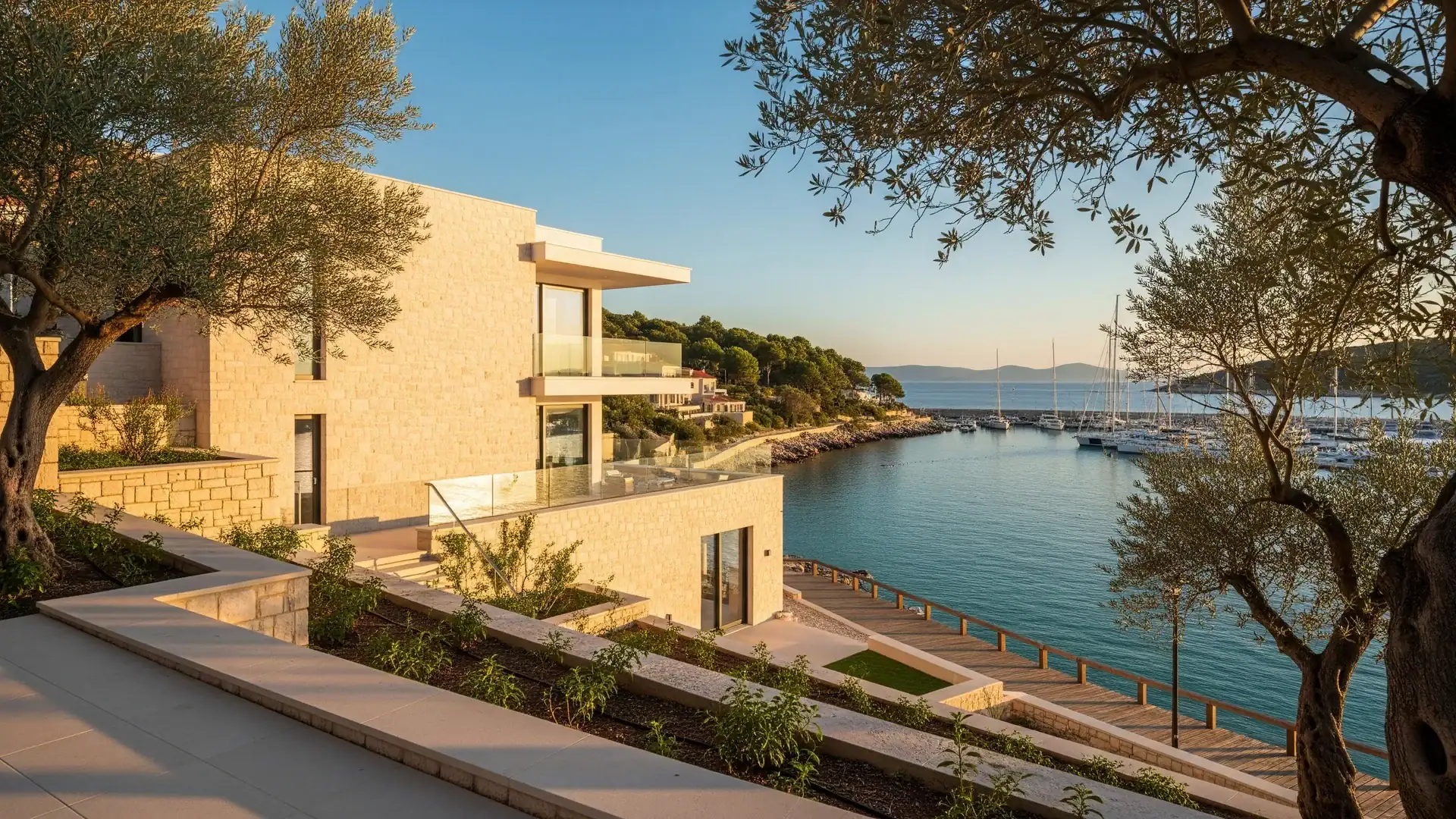
Porto Montenegro is often the natural starting point for buyers who want an internationally recognizable marina environment, polished amenities, and a property that feels effortless to own. It suits buyers who value walkability, service, and the convenience of arriving for a long weekend without planning around maintenance. For some, that ease is worth the premium attached to prime marina residences.
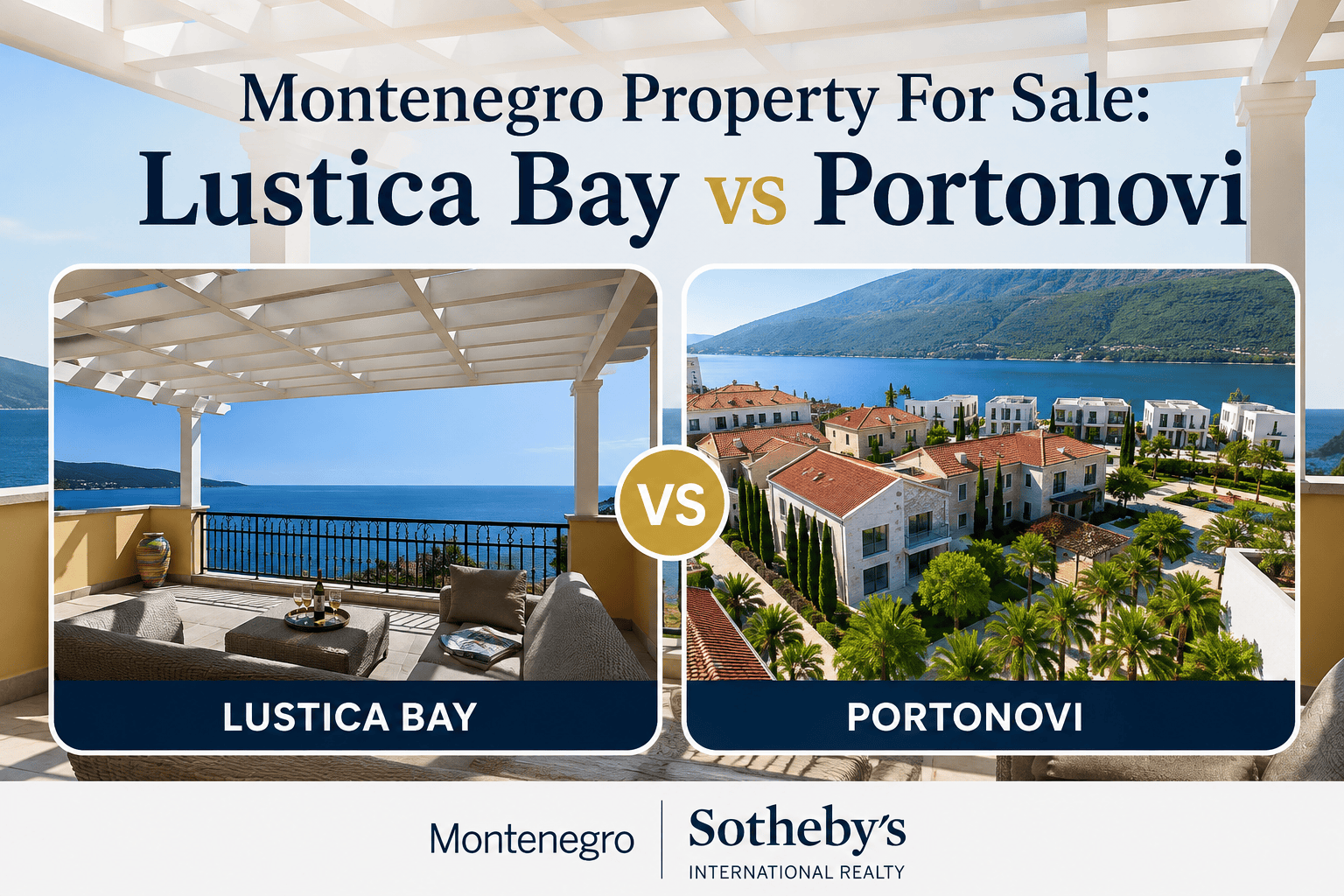
Luštica Bay appeals to buyers who want a more master-planned coastal experience with a resort character. It can be especially attractive for families and those who want a second home that blends leisure, modern infrastructure, and a more contained community atmosphere. Depending on the exact phase and product type, it may also offer a different price-value equation than older, fully mature enclaves.
بورتونوفي tends to attract buyers who prioritize a refined resort setting and a high level of service with waterfront access. The product is polished, internationally minded, and well suited to purchasers who want a residence aligned with a premium hospitality environment.
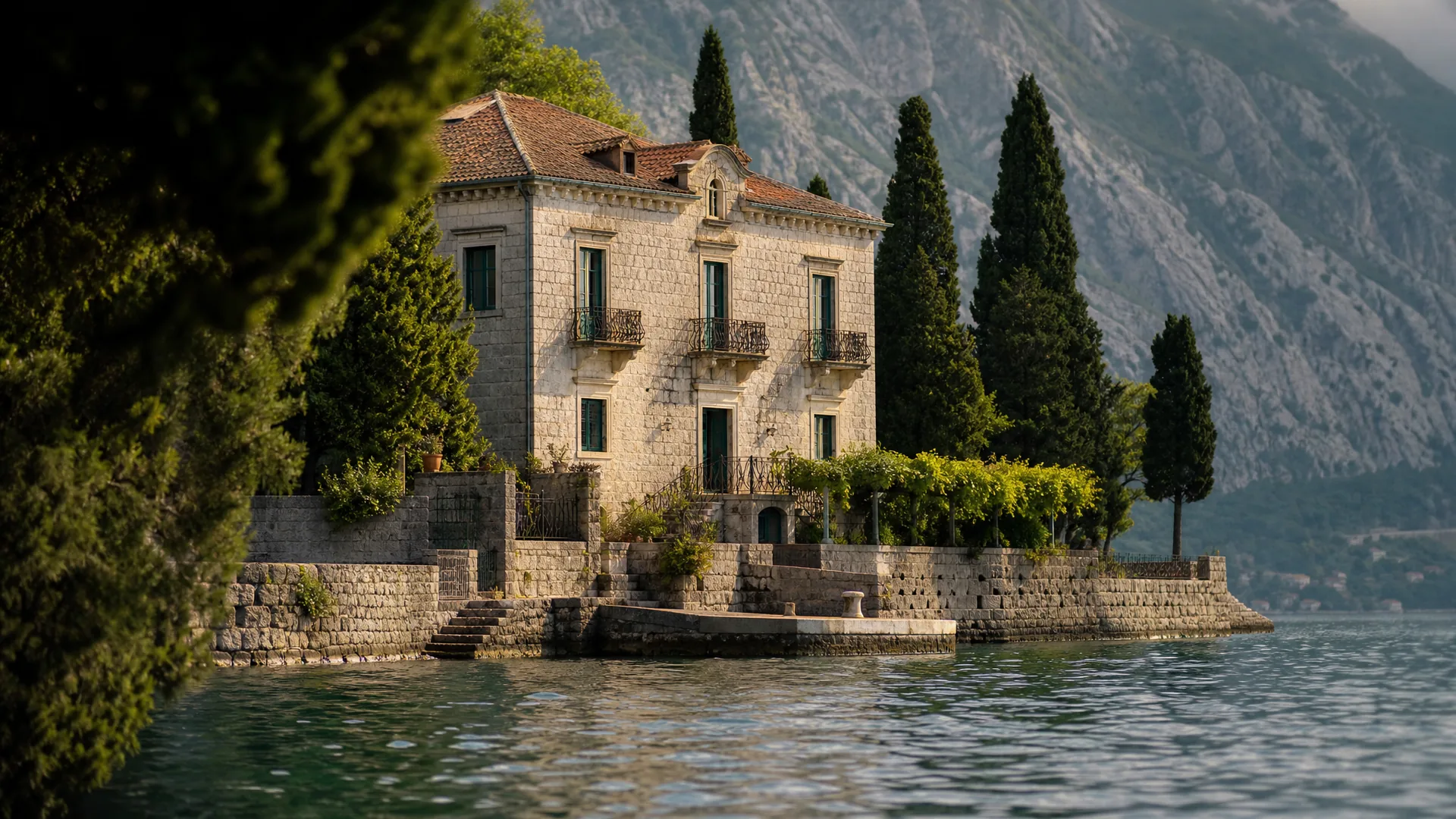
The Bay of Kotor offers a different kind of prestige. Here, the draw is atmosphere – historic stone architecture, dramatic mountain-meets-sea views, and a sense of place that is harder to replicate in newer developments. The trade-off is that inventory can vary widely in condition, access, and modernization. A beautiful waterfront house may carry more complexity than a newer branded residence, but for the right buyer, the character is the point.
Budva Riviera is often part of the conversation for buyers who want energy, beach access, and a broader lifestyle mix. It can make sense for those who intend to use the home actively during the summer and who are comfortable with a more dynamic seasonal setting.
What to buy: apartment, villa, or branded residence?
Property type should follow usage. If your second home will be used for shorter stays, an apartment in a managed development often makes the most sense. It is easier to maintain, easier to secure when vacant, and generally easier to place into a rental program if that matters to you.
A villa offers a different reward profile. You gain space, privacy, and a stronger sense of personal retreat. You may also gain complexity. Staffing, landscaping, pool maintenance, security, and access logistics all become more relevant. For buyers who visit frequently and want a home that feels distinctly theirs, this can be the right trade. For others, it becomes an operational burden.
Branded residences occupy a valuable middle ground. They appeal to buyers who want service standards, design consistency, and stronger confidence around management. In a second-home context, that convenience can be a meaningful part of the asset’s value, not just a lifestyle detail.
The buying process: where luxury buyers need clarity
A cross-border purchase should feel organized from the start. The most efficient transactions begin with a tailored shortlist, followed by focused viewings and early legal orientation before a buyer becomes emotionally committed to the wrong property.
At this stage, buyers should evaluate more than finishes and views. Title position, development status, homeowners’ association rules, parking, marina access, property management terms, and rental restrictions can all influence whether a property actually fits your goals. This is particularly important in mixed-use and resort environments where ownership benefits and obligations vary by project.
Foreign buyers also need clarity on ownership structure and transaction steps. The legal framework, due diligence process, and closing mechanics should be reviewed early with qualified local professionals. In premium transactions, speed is helpful, but certainty is better. A well-advised buyer is rarely the one who rushes.
For this reason, many international purchasers prefer to work with an advisor who can coordinate the search, explain regional distinctions, and keep the process coherent from first inquiry through closing. That is especially valuable when comparing very different micro-markets in a short period of time.
Costs, taxes, and the real budget behind a second home
The purchase price is only one part of the decision. A realistic Montenegro second home guide should account for acquisition costs, annual ownership expenses, and the cost of convenience.
New-build and resale properties can carry different tax treatment. Ongoing expenses may include community fees, property management, insurance, maintenance, utilities, and, for villas, additional service support. In luxury developments, higher annual fees may initially seem like a negative, but they often fund the very features that preserve ease of ownership and support value – security, concierge services, upkeep of shared spaces, and amenity standards.
This is where buyers should resist false economy. A cheaper property that is harder to maintain, harder to rent, or harder to resell is not necessarily the better buy. The right benchmark is total ownership experience over time.
Lifestyle value versus investment value
Many buyers want both, but one usually leads. If lifestyle is your priority, focus on the property you will genuinely use. The best second homes are the ones owners return to often, not the ones that look best in a spreadsheet.
If investment discipline is equally important, ask harder questions. Which locations have the deepest buyer demand at the luxury end? Which assets are most likely to remain desirable in resale? Is rental potential seasonal or more resilient? Are you buying into a globally legible destination, or a niche product with a narrower future audience?
Marina-front apartments, branded residences, and well-positioned waterfront homes often hold attention because they are easy to understand and difficult to replicate. Very idiosyncratic homes can be exceptional lifestyle purchases, but they may have a smaller resale pool. Neither route is wrong. It depends on whether personal enjoyment or market fluidity matters more to you.
Timing your purchase
Some buyers prefer to shop during peak season when the destination is fully alive and they can experience each area at its most active. Others prefer the quieter months, when comparison is easier and decision-making tends to be more disciplined. Both approaches work.
What matters more is understanding what you are seeing. A summer viewing may flatter a location’s energy while masking traffic, noise, or service strain. An off-season visit may understate the social appeal of a marina or beach community. Ideally, buyers assess both the property itself and the rhythm of the location across the periods they expect to use it.
A final perspective for second-home buyers
The best second-home decisions are rarely about buying the most property for the money. They are about buying the right property for the life you actually intend to live. In Montenegro, that might be a marina residence you can lock and leave without a second thought, a waterfront villa for long family summers, or a refined apartment in a destination with enduring international appeal. The opportunity is real, but the smartest purchases come from precision, not urgency.