


The Bay of Kotor has spent the last decade building its reputation as a lifestyle destination. In 2026, it is increasingly being read as an investment thesis. Waterfront apartments along this UNESCO-protected coastline offer something rare in the Adriatic: limited supply, rising international demand, and entry prices that still undercut Western Mediterranean equivalents. For investors evaluating a bay of Kotor waterfront apartments investment, the opportunity now sits at the intersection of heritage scarcity and modern rental infrastructure.
This guide moves past general lifestyle appeal to the numbers that matter: realistic yields, entry price tiers, seasonal income patterns, and how Kotor, Perast, and Tivat compare as micro-markets. It also outlines what buying, holding, and renting a waterfront apartment here actually involves.
Why Bay of Kotor Waterfront Apartments Investment Is Gaining Ground in 2026
Three forces are converging on this coastline right now. First, the bay’s UNESCO World Heritage status limits new waterfront construction near Kotor and Perast, which puts a natural ceiling on supply. Second, Montenegro’s proximity to the EU, its familiar Euro currency, and its established path toward accession keep it on the radar of buyers who might otherwise look at Croatia. Third, a steady flow of European and, increasingly, Middle Eastern buyers has kept demand for coastal property resilient through the 2020s, even as broader European markets have cooled in places.
Montenegro’s coastal property market has seen sustained year-on-year price growth through this period, driven largely by limited waterfront inventory and steady demand from these buyer groups. Scarce stock, durable demand, and a currency and legal framework that feels familiar to EU buyers: that combination is what distinguishes the bay of Kotor waterfront apartments investment case from a purely speculative play.
How the Bay of Kotor Compares to Other Adriatic Investment Hubs
Set against Croatia’s Dalmatian coast or Italy’s Amalfi region, the Bay of Kotor still trades at a meaningful discount on entry price per square meter, while offering a comparable setting of fortified old towns, sheltered waters, and mountain backdrops. Croatian hotspots like Dubrovnik and Split have already absorbed years of institutional and private capital, pushing prices well beyond what Kotor and Tivat currently command. That price gap, paired with the bay’s own UNESCO designation, is why more investors are treating Montenegro as the next logical step rather than a fallback option.
Bay of Kotor Apartment Rental Yield by Micro-Market
Gross rental yields on waterfront apartments in the bay vary meaningfully by town, driven by tourism infrastructure, seasonal draw, and the age and quality of the building stock. Better-managed, marina-adjacent units tend to outperform older stock that lacks professional rental support. Understanding the bay of Kotor apartment rental yield picture town by town is essential before committing capital.
Kotor Old Town and Bay Views Yield Profile
Kotor’s Old Town commands the strongest brand recognition in the bay, drawing cruise passengers, cultural tourists, and long-stay visitors throughout the warmer months. Apartments with direct bay views or a position within the old walls typically see the highest occupancy during peak season, though the historic building stock can mean higher maintenance costs and stricter renovation rules. Investors focused on Kotor should weigh the strength of seasonal demand against these ownership constraints. For a closer look at the fundamentals behind these listings, Kotor Bay view apartments with strong investment fundamentals is a useful companion resource, and a broader breakdown of the local market appears in the Kotor Old Town apartment investment guide.
Perast Apartment Buy Investment Opportunity
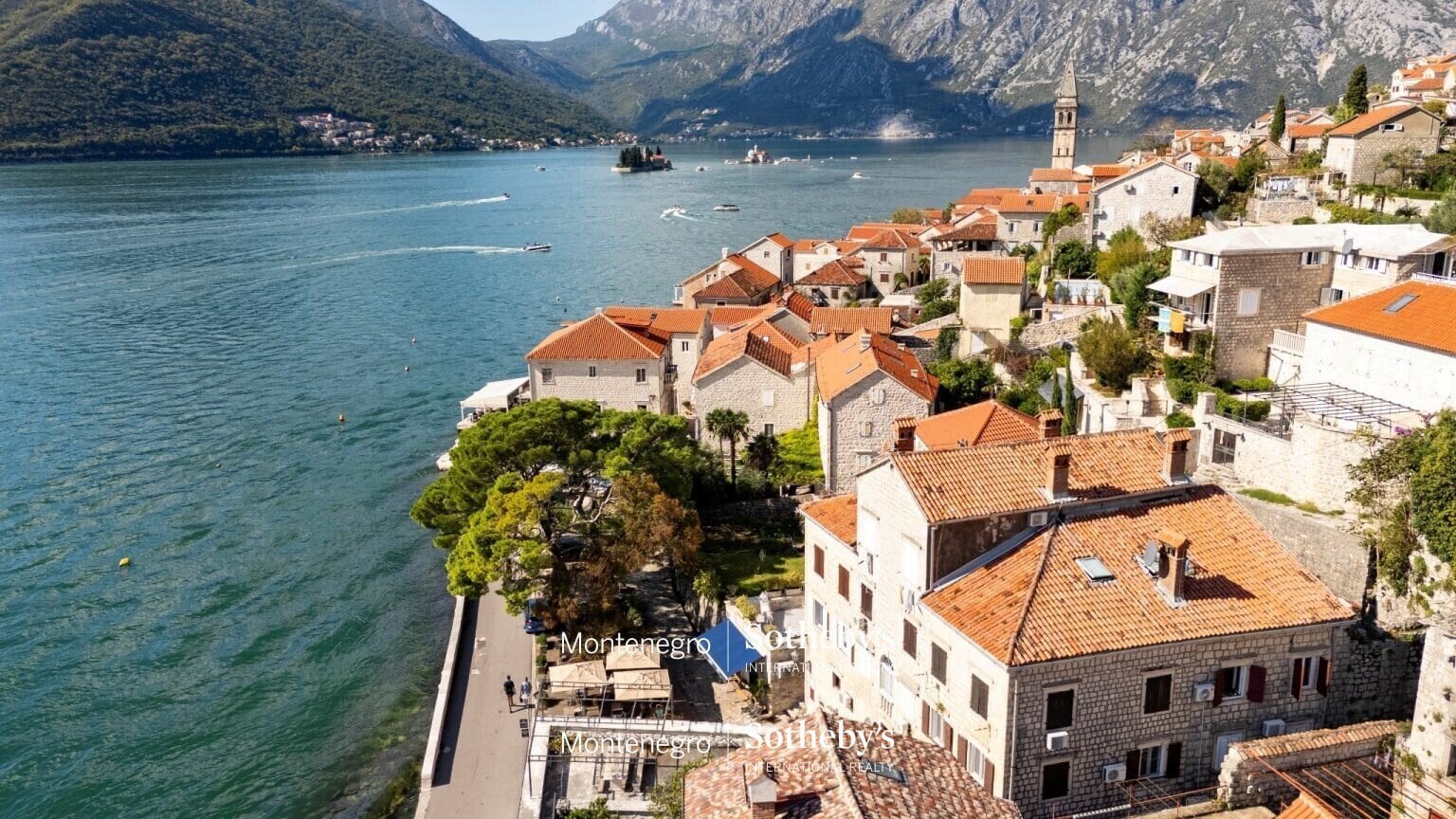
Perast is the bay’s scarcity play. Its UNESCO-protected townscape strictly limits new construction, which keeps waterfront apartment supply extremely tight and supports long-term price resilience. A Perast apartment buy investment opportunity typically means fewer available units, slower turnover, and a premium price point, but also a rental profile built on genuine exclusivity rather than volume. Investors drawn to Perast tend to prioritize capital preservation and prestige over maximizing gross yield.
Tivat Waterfront Apartment Investor Guide
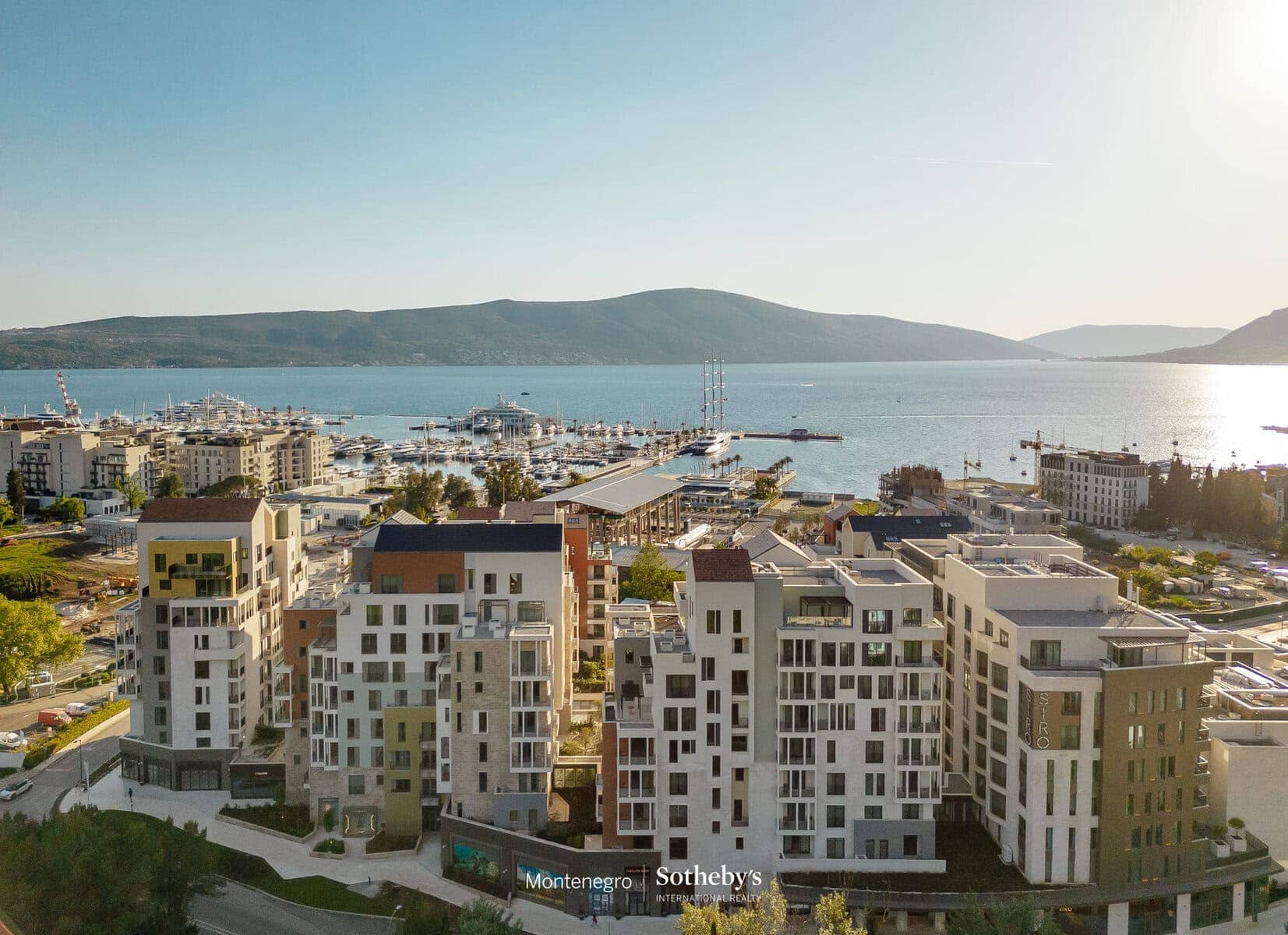
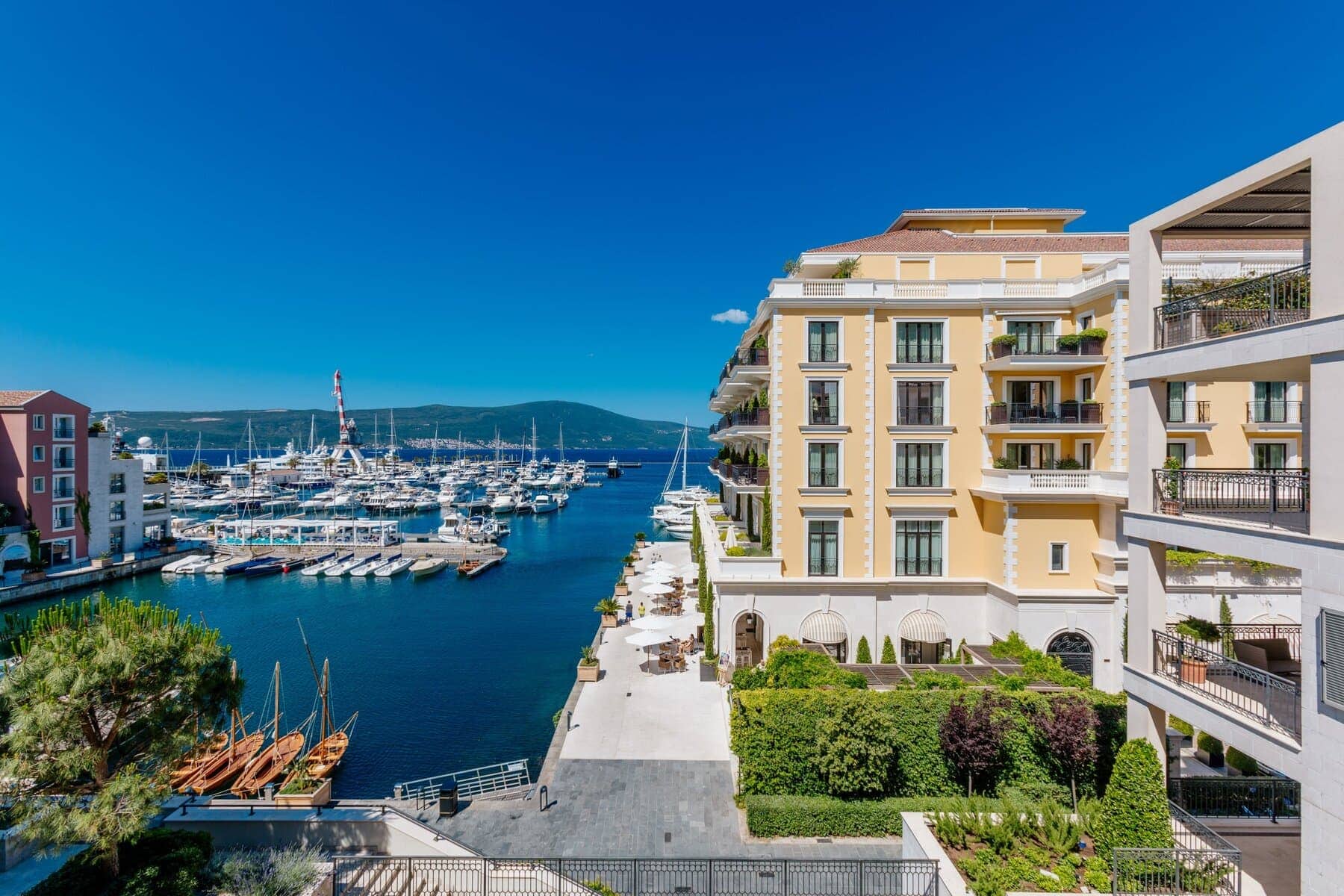
Tivat presents a different, more modern investment case. Porto Montenegro’s marina development has anchored a wave of contemporary waterfront apartment construction, giving investors a benchmark for professionally managed, rental-ready inventory. These newer buildings often come with on-site management, amenities, and a built-in tenant pool connected to the marina’s yachting community, all of which tend to support more consistent occupancy across the season. For a Tivat waterfront apartment investor guide with deeper yield detail, see Tivat marina waterfront apartment investment returns.
Entry Prices and Price Tiers Across the Bay
Entry prices across the bay generally fall into three tiers. At the accessible end sit smaller apartments in Kotor’s wider bay area, away from the old town core, or in Tivat’s less central developments. In the middle tier are well-positioned apartments with bay views in Kotor and Tivat’s marina-adjacent buildings. At the top sit premium waterfront units in Perast and the most sought-after old-town addresses in Kotor, where scarcity and heritage status push prices well above the bay’s average.
Buyers evaluating waterfront apartment kotor investment returns should treat entry price as only half the equation. The other half is how quickly that price is likely to appreciate given the supply constraints in each town.
Kotor Bay Apartment Price Appreciation Forecast
Looking toward 2027, the kotor bay apartment price appreciation forecast rests on a fairly simple supply-and-demand logic. Kotor’s Old Town has almost no room for new construction, and Perast has even less. Tivat, by contrast, still has active development around and beyond Porto Montenegro, meaning its price growth is likely to be steadier but less sharply constrained by scarcity than Kotor or Perast. That makes Kotor and Perast the more likely candidates for outsized appreciation, while Tivat offers a more predictable, infrastructure-driven growth path. For investors weighing timing, the case for buying now rather than waiting rests on this same scarcity dynamic: waterfront stock in the historic towns is not being replaced, and each cycle of demand growth pushes against a fixed ceiling of supply.
Seasonal Rental Income and Occupancy Rates for Waterfront Apartments
Rental demand across the bay is still meaningfully seasonal, peaking in July and August when both cruise tourism and independent travel converge. Shoulder months in spring and early autumn bring a second, quieter wave of demand. Winter occupancy drops sharply outside of a small niche of long-stay and remote-work tenants.
This seasonality matters for annual income projections. An apartment that performs exceptionally well in August can still post modest annual returns if it sits empty from November through March. That is where location and management quality start to diverge in outcome. Local advisors consistently note that nautical tourism growth around Tivat’s marina has extended the rental season beyond the traditional July-August peak, smoothing income for owners who once relied solely on midsummer demand. Professional property management, dynamic pricing, marketing across booking platforms, and off-season maintenance, can meaningfully narrow the gap between a property’s peak-season ceiling and its realistic annual yield.
Micro-Location Advantages: Kotor vs. Perast vs. Tivat
Each town in the bay appeals to a distinct investor profile. Kotor offers heritage and instant recognizability. Its old town is the bay’s most photographed asset, and that name recognition supports strong seasonal rental demand. Perast offers exclusivity: a smaller, quieter, more residential character, with a supply so limited that owning here functions almost like owning a piece of protected heritage. Tivat offers modernity and infrastructure, anchored by Porto Montenegro’s marina, superyacht traffic, and a growing calendar of events that extends interest beyond summer.
Matching buyer intent to micro-market is the real strategic decision. An investor chasing maximum rental volume will likely lean toward Tivat’s professionally managed inventory. One prioritizing long-term capital preservation and prestige may prefer Perast’s scarcity. Kotor sits between the two, offering strong seasonal income with more upside tied to the town’s enduring cultural draw. For a side-by-side look at how these dynamics play out in the villa segment as well, the comparison of Tivat and Perast waterfront properties offers useful context, and a wider view of returns across the bay’s property types is available in Bay of Kotor property investment returns for 2026.
How to Buy a Waterfront Apartment in the Bay of Kotor as an Investor
Buying as a foreign investor in Montenegro follows a fairly transparent process, though it rewards careful due diligence. Title verification is essential, particularly on older buildings in Kotor and Perast where ownership history can be complex. Buyers should also confirm any restrictions tied to heritage-protected structures before assuming renovation flexibility.
Legal and tax considerations are straightforward but should not be skipped. Foreign buyers can generally purchase apartments in Montenegro without special permits, though transfer tax, ongoing property tax, and rental income tax all apply and vary depending on the specifics of the purchase and the owner’s residency status. A closer look at these obligations is available in the dedicated overview of property tax rules for foreign buyers in Montenegro.
Working with a Trusted Local Partner
Montenegro Sotheby’s International Realty tracks listing and closing data across Kotor, Perast, and Tivat, giving buyers a grounded read on how asking prices move against actual sale prices in each micro-market. That local perspective matters when negotiating entry price, assessing a building’s rental history, or judging whether a listed yield estimate reflects realistic occupancy. For investors weighing a broader lifestyle purchase alongside the numbers, the second home buying guide for Montenegro offers useful additional context, as does the buyer’s guide to waterfront apartments in Kotor Bay for those focused specifically on the apartment segment.
The strongest way to evaluate any of these micro-markets is to see them in person, alongside someone who tracks their pricing and rental performance day to day. Investors ready to explore current waterfront apartment listings across Kotor, Perast, and Tivat can book a private consultation or curated viewing tour with Montenegro Sotheby’s International Realty to compare opportunities firsthand before the 2026 season closes.