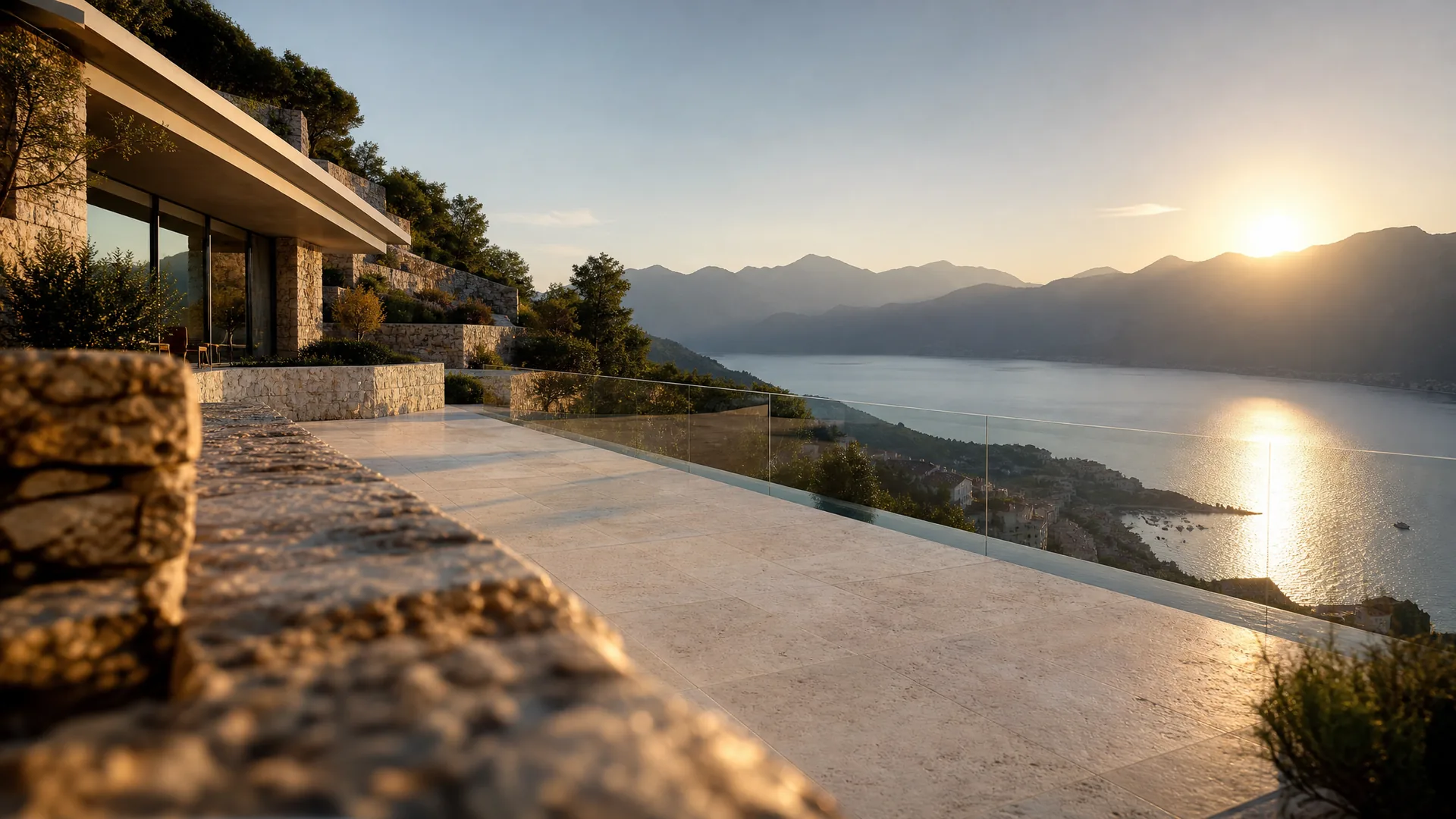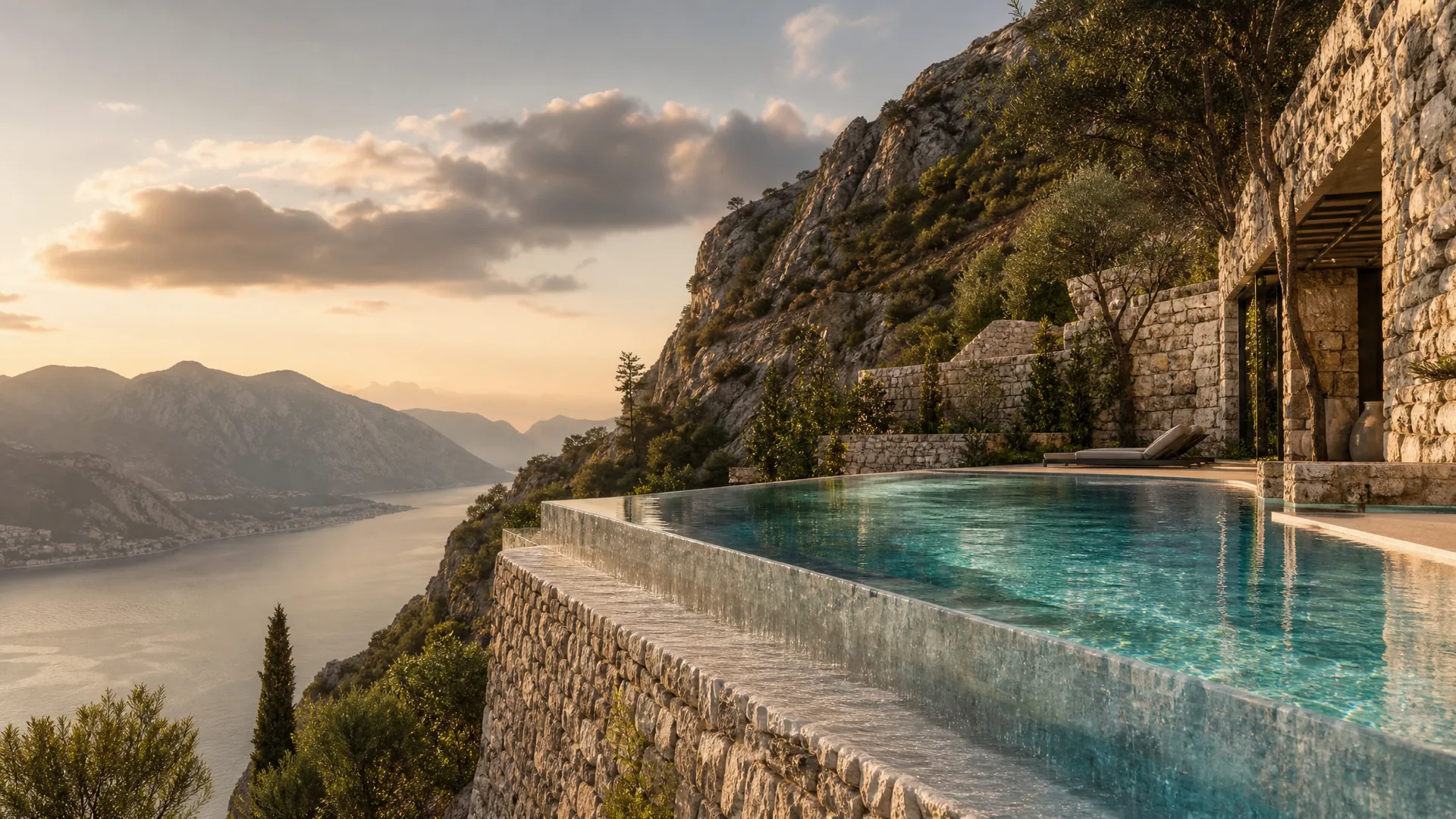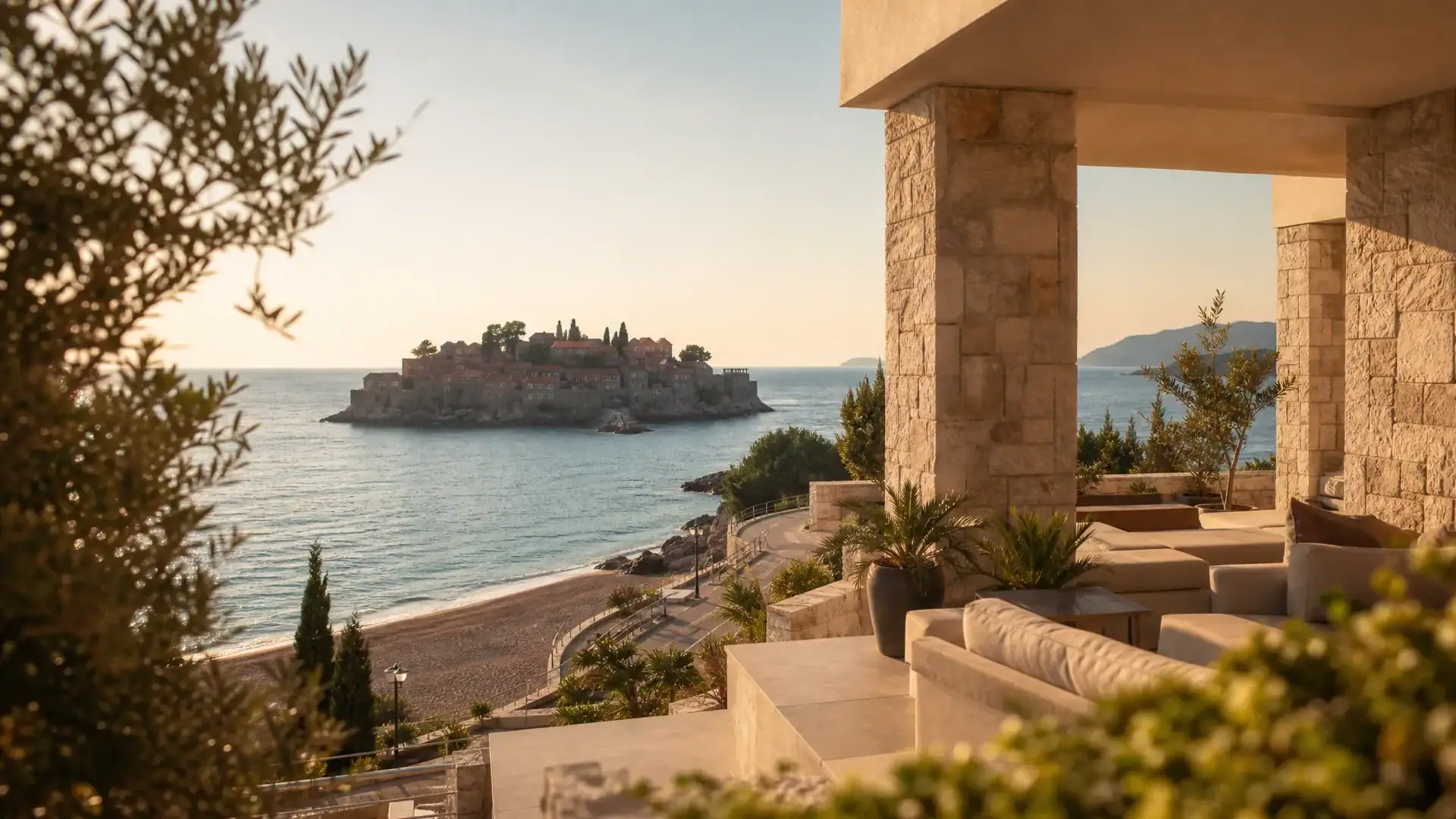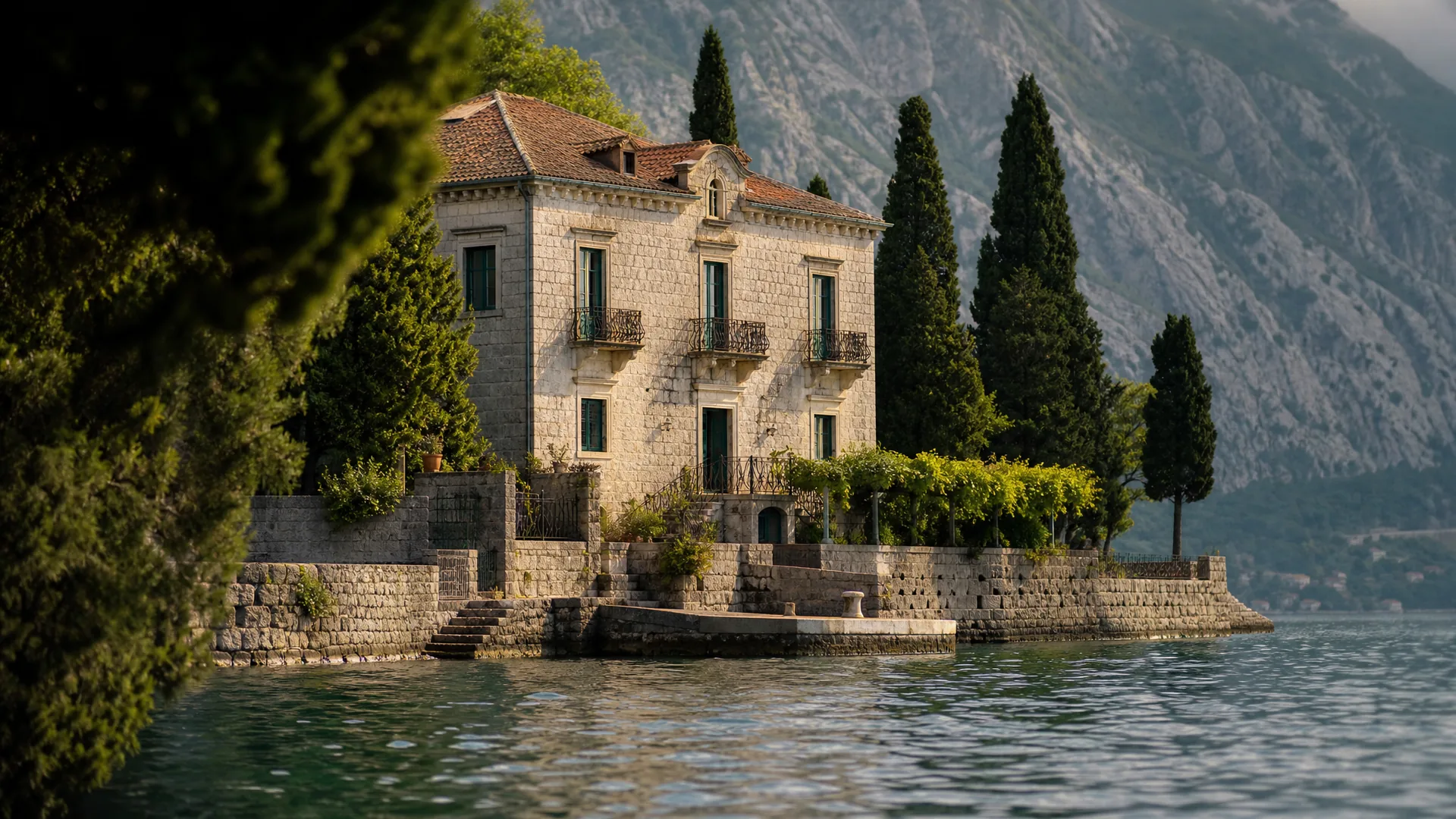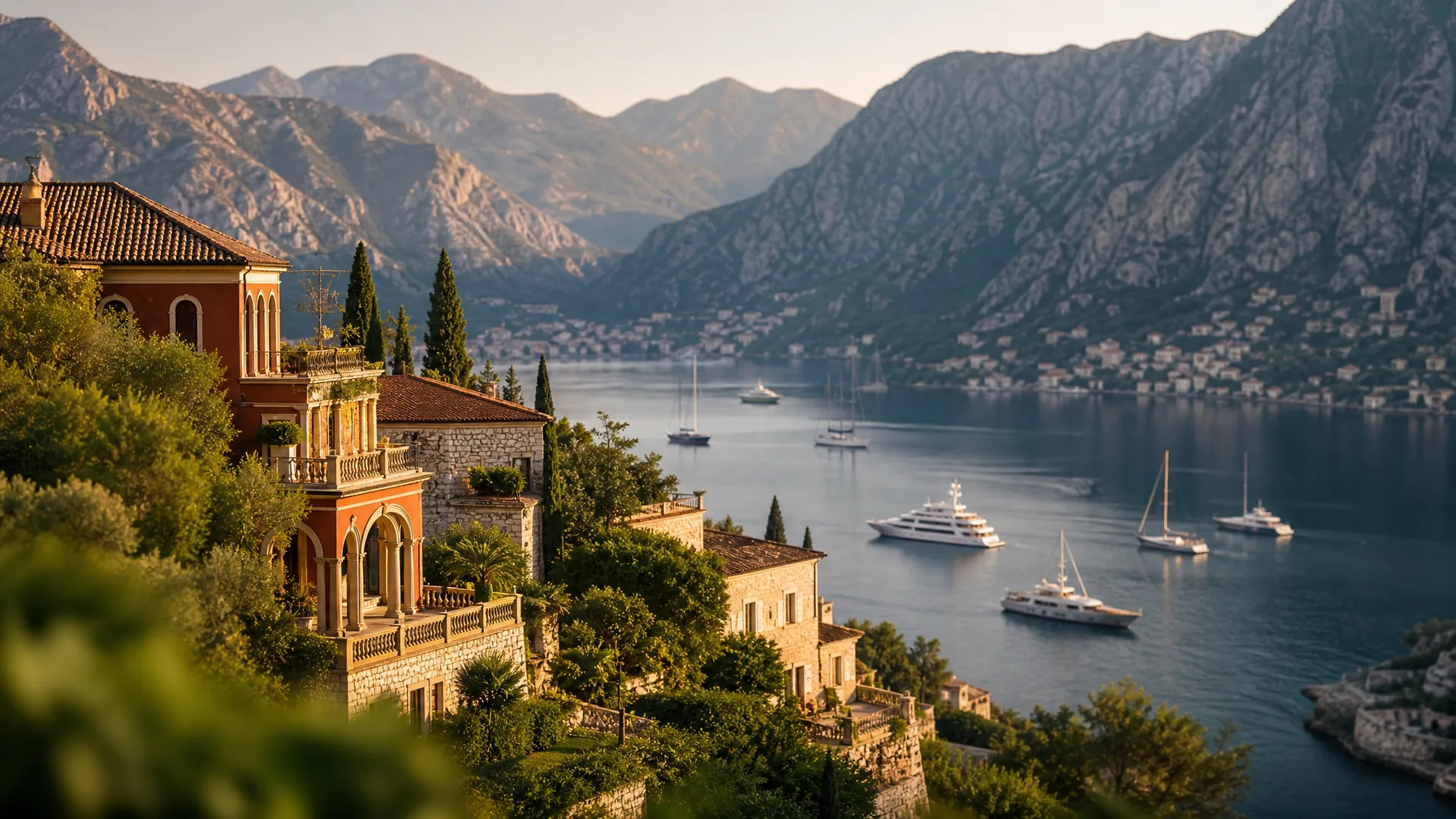




Few addresses in Europe carry the weight of Kotor Old Town. Enclosed by 4.5 kilometres of medieval walls and recognised by UNESCO as a World Heritage Site, this compact Adriatic enclave offers something the wider Bay of Kotor market simply cannot manufacture: authentic medieval architecture, irreplaceable stone fabric, and a residential inventory that will never grow. For international buyers seeking a luxury apartment Kotor Old Town, that scarcity is precisely the point, and in 2026, demand is outpacing supply more decisively than at any point in the past decade.
Why Kotor Old Town Commands a Premium in 2026
A Market Defined by Scarcity
Kotor Old Town’s entire residential stock sits within roughly 4.5 hectares enclosed by medieval walls, making it one of the smallest and most supply-constrained luxury micromarkets on the Adriatic coast. No new units can be built inside the walls. Every apartment that comes to market is drawn from a fixed, finite pool, the same buildings that have stood since the Venetian era.
That supply ceiling drives the premium. As European and Middle Eastern buyers increasingly identify Montenegro as a serious luxury destination, one that combines Adriatic scenery with accessible ownership rules and EU candidate status, the Old Town functions as the market’s trophy tier. Demand has internationalised; inventory has not changed. The result is sustained upward pressure on prices, with no structural mechanism to relieve it.
Kotor Old Town Apartment Prices 2026: What Buyers Are Paying
Price per square metre inside the historic district consistently outpaces the wider Bay of Kotor market. In practical terms, buyers should expect to pay a meaningful premium over comparable square footage in Dobrota, Tivat, or Porto Montenegro, because they are not buying comparable square footage. They are buying position within a UNESCO World Heritage Site, embedded in medieval stone walls, with a view that no marina development can replicate.
Within the Old Town itself, price is stratified by floor level, aspect, and condition. Elevated units with terrace access and open Bay views command the highest asking prices and the strongest rental premiums. Street-level apartments, still characterful, still historic, trade at a relative discount, though still well above the Bay average. A fully restored unit with a rooftop terrace and sea view represents the market ceiling; an unrestored stone shell on a ground-floor lane represents the entry point for buyers prepared to undertake heritage restoration.
Restoration-Grade vs. Turnkey: Choosing the Right Luxury Apartment in Kotor’s Historic District
Restored Apartment Kotor: The Heritage Premium Explained
Restoration-grade properties, raw stone shells, structurally intact but requiring full licensed renovation, carry a lower entry price. That lower sticker price, however, comes with a different cost structure. Buyers must engage specialist conservation architects, work with contractors licensed by Montenegro’s heritage authority, and navigate an approval process that governs materials, structural interventions, window profiles, and facade treatment.
Venetian-era stone palazzos along the Pjaca square have been converted into high-specification apartments retaining original vaulted ceilings, lime-render walls, and carved stone doorways, a combination of architectural authenticity that modern builds in the Bay cannot replicate. Achieving that result takes expertise, time, and capital discipline. Timelines for full restoration typically run twelve to thirty months depending on scope. For buyers who execute well, the reward is an asset that sits at the very top of the Old Town hierarchy, both in resale value and in short-term rental appeal.
Heritage compliance is not a constraint to be worked around, it is the quality-control mechanism that protects the asset’s long-term value. Buyers who invest in proper restoration consistently see stronger resale premiums than those who opt for superficial renovation.
Turnkey Units: Move-In Ready With Lower Upfront Risk
Finished apartments already compliant with heritage standards remove the restoration variable entirely. Asking prices are higher, reflecting the capital already invested, but costs are predictable, rental activation is immediate, and the approval risk is behind the previous owner. For buyers with a shorter investment horizon, or those who want to begin generating short-term rental income within the same season, turnkey units offer a cleaner path.
The trade-off is optionality. With a turnkey unit, the aesthetic decisions have already been made. For buyers who want to shape the space to a particular vision, a restoration-grade acquisition, managed with the right professional team, offers something a turnkey unit cannot.
UNESCO Heritage Designation: What It Means for Ownership and Usage
Planning Restrictions Inside the Walls
Montenegro’s cultural heritage law governs all structural changes inside the Old Town. Exteriors, materials, window styles, roof treatments, and signage are regulated, not as bureaucratic inconvenience, but as the legal framework that keeps a 2,500-year-old urban fabric intact. Buyers cannot add a contemporary glass extension, repaint a facade in an unapproved colour, or install air-conditioning units visible from the street without heritage authority clearance.
Internal layouts offer more flexibility, but any work touching original structural fabric, stone walls, vaulted ceilings, flagstone floors, requires documented methodology and licensed supervision. Understanding this before purchase, not after, is what separates a smooth acquisition from an expensive lesson.
Navigating the Approval Process as a Foreign Buyer
Foreign nationals can own freehold property in Montenegro on the same terms as citizens. There is no restriction on nationality, no requirement for a Montenegrin co-owner, and no special foreign-buyer levy. That openness is a genuine competitive advantage relative to several other European heritage markets.
What foreign buyers do need is the right local team. A heritage-specialist lawyer, a conservation architect accredited for work inside the Old Town, and an experienced notary are not optional extras, they are the infrastructure of a successful acquisition. Montenegro Sotheby’s International Realty advisors work directly with heritage architects and licensed conservation contractors when guiding buyers through restoration-grade acquisitions inside the Old Town walls, ensuring compliance from the first survey to final handover.
Kotor Old Town Rental Yield: The Investment Case for Apartment Owners
Kotor Old Town’s position as one of the Adriatic’s most-visited UNESCO sites translates directly into rental economics. The summer season is concentrated, running broadly from June through September, but within that window, demand for well-presented short-stay apartments is intense. The Old Town’s walkability, its car-free lanes, and its access to waterfront dining and cultural events make it the preferred address for high-spending visitors who could afford any accommodation in the Bay.
A fully restored Old Town apartment with a rooftop terrace and Bay views can achieve nightly short-stay rates that position it among the top-tier accommodation offerings in the wider Kotor area during peak summer months, translating into concentrated, high-margin rental income across a compressed season. Elevated units with sea views command measurably higher nightly rates than street-level equivalents; the view is, in rental-market terms, a distinct product.
The limited supply of compliant rental stock strengthens occupancy across the season. When only a handful of genuinely heritage-compliant luxury apartments exist in a market receiving hundreds of thousands of visitors annually, scarcity does the marketing. Buyers should factor heritage restrictions on exterior signage and facade modification when planning their rental proposition, discrete, platform-driven marketing is the norm here, and it works.
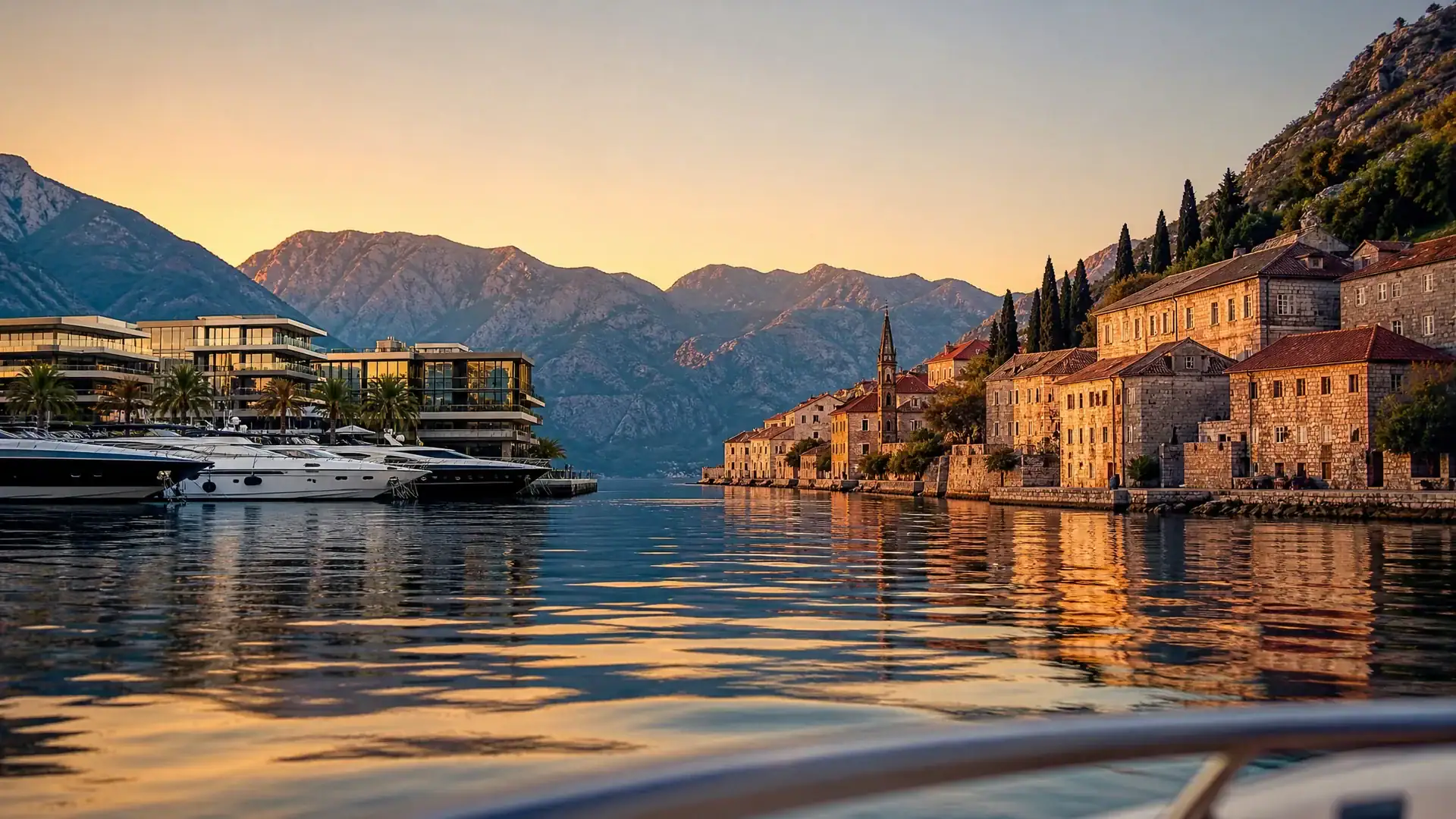
The Bay of Kotor rental picture more broadly supports the Old Town’s case. As superyacht arrivals at Porto Montenegro and luxury villa occupancy across the Bay continue to grow, the Old Town benefits from the same rising tide while retaining a character premium that marina-adjacent properties cannot claim.
Lifestyle Appeal: Living Inside Kotor’s Medieval Walls
The investment case is compelling. The lifestyle case may be more so. Living inside Kotor’s medieval walls means cobblestone lanes twenty metres from your door, Venetian palazzos as your neighbours, and a waterfront promenade reachable on foot in minutes. The Old Town hosts the Kotor Carnival, the International Summer Carnival, and a calendar of cultural events that animate the squares through summer and into autumn.
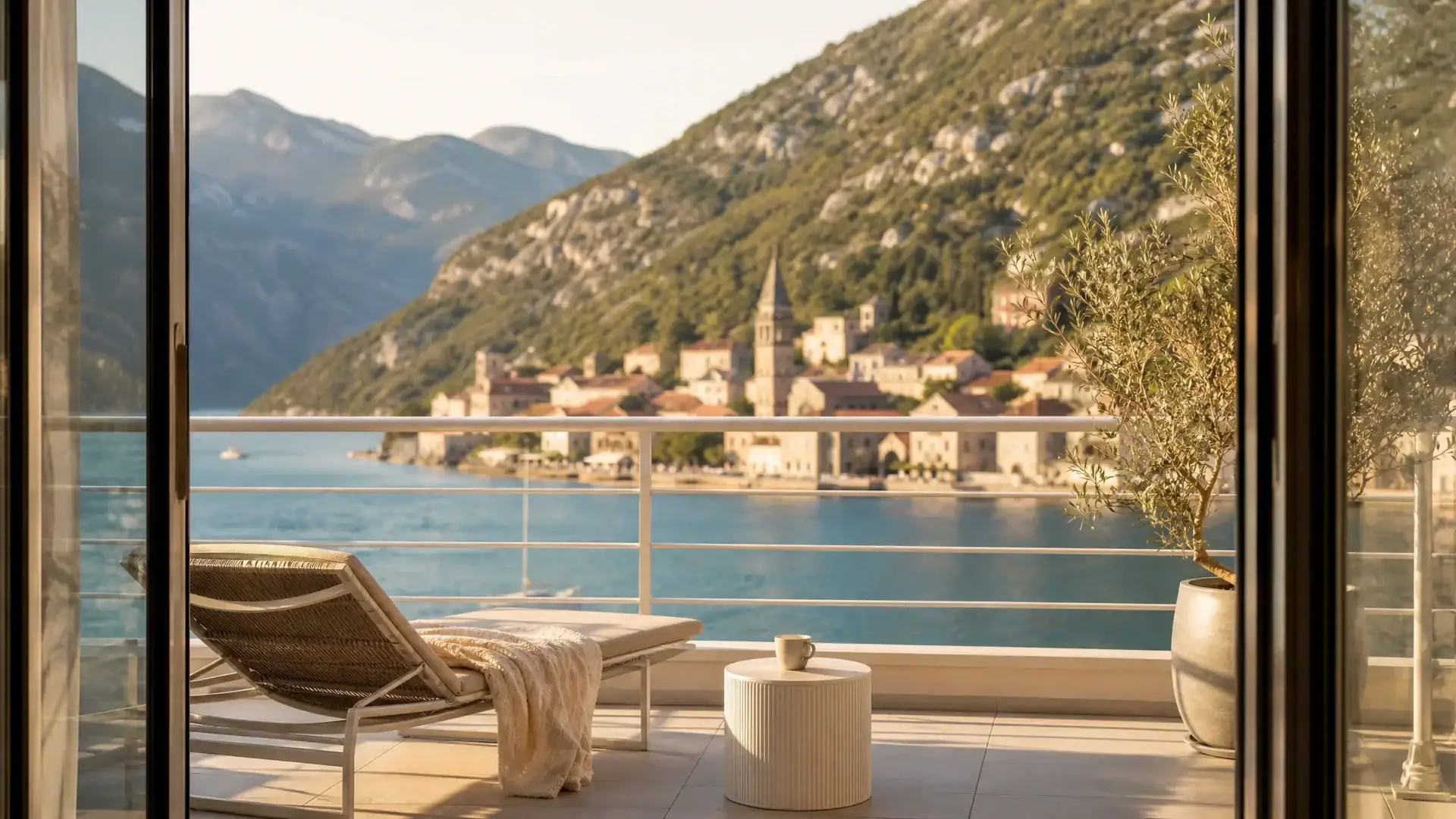
Elevated apartments, particularly those on the upper floors of converted palazzos, offer terrace views across the terracotta roofline to the Bay below. On still mornings, the water reflects the surrounding mountains with a clarity that photographs don’t fully capture. That view, from a private terrace inside a UNESCO-listed medieval town, is what separates this from any modern marina development in the region.
Many buyers structure their ownership as a dual-use model: personal use in shoulder season, short-term rental activation at peak summer rates. The Old Town suits this approach particularly well, it rewards the owner who is also a connoisseur, who values what the property is as much as what it returns. For those seeking a luxury apartment in Montenegro that functions as both a lifestyle asset and an investment, the Old Town is the most coherent answer in the Bay.
How to Buy an Apartment in Kotor Old Town: Key Steps for International Buyers
Montenegro’s property purchase process is straightforward by European standards, and that accessibility is one of the market’s genuine competitive advantages. For international buyers, the process follows a clear sequence.
Engage a local specialist first. The Old Town is a micromarket with its own rules. An advisor who understands heritage compliance, the specific buildings, and the distinction between registered and unregistered structural work will save significant time and money.
Heritage due diligence is non-negotiable. Review the property’s planning history, confirm that any previous works were properly permitted, and establish the heritage category designation, this determines what future modifications are possible.
Title review and notarisation. A Montenegrin notary registers the transaction and conducts the title search. Confirming clean title and no encumbrances is standard practice; confirm that the cadastral record matches the physical property.
Understand the tax obligations. Transfer tax applies at 3% of the purchase price. Annual property tax is modest by Western European standards and is assessed on the registered value. There is no additional tax burden specific to foreign buyers.
Plan your post-purchase compliance. If you intend to rent the property short-term, register with the relevant tourism authority. If you intend to renovate, engage a conservation architect before exchanging contracts, not after.
For buyers ready to explore buy apartment Kotor Old Town opportunities with full heritage guidance, Montenegro Sotheby’s International Realty provides dedicated advisory support through every stage of acquisition, from first viewing to final registration.