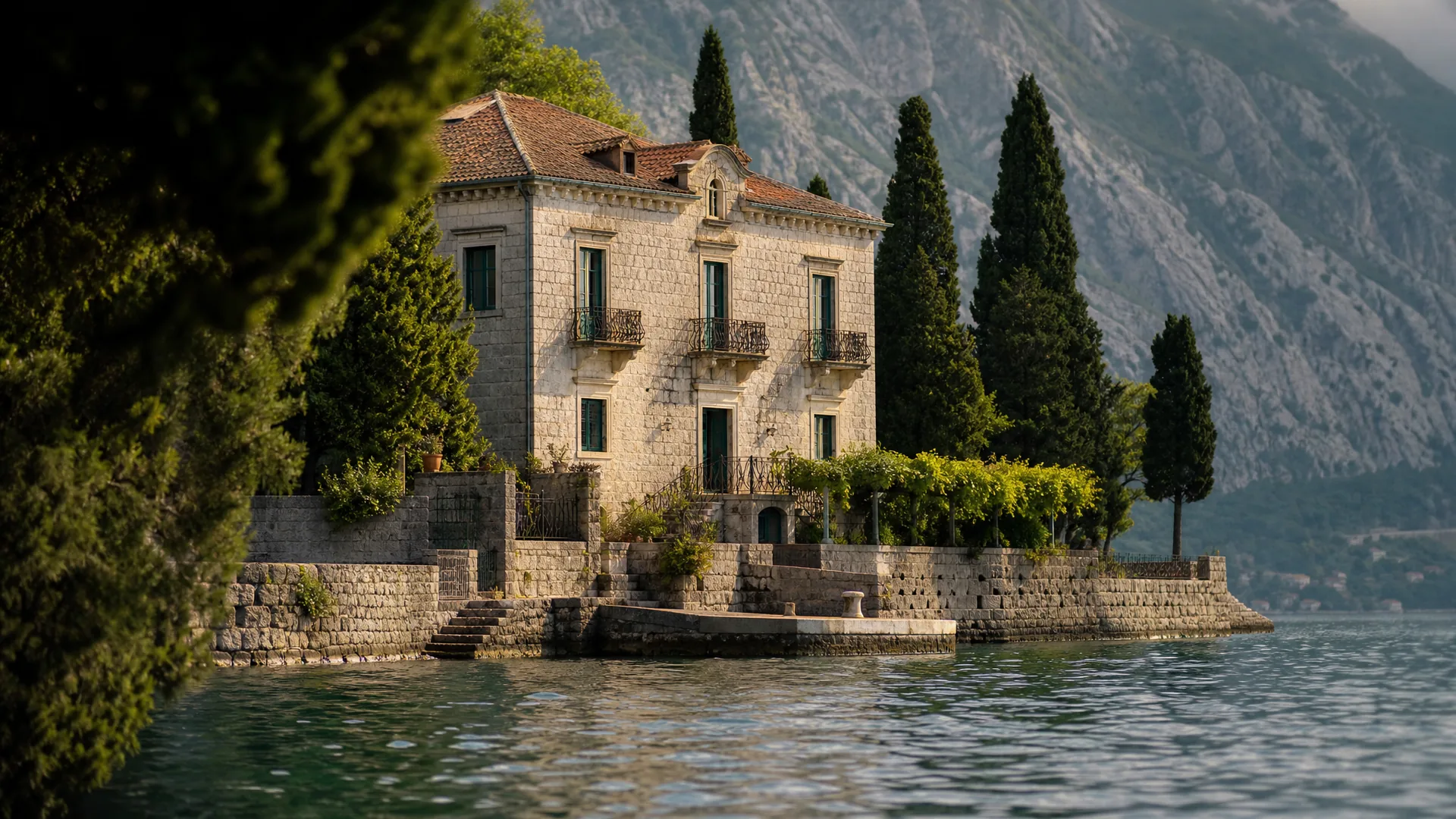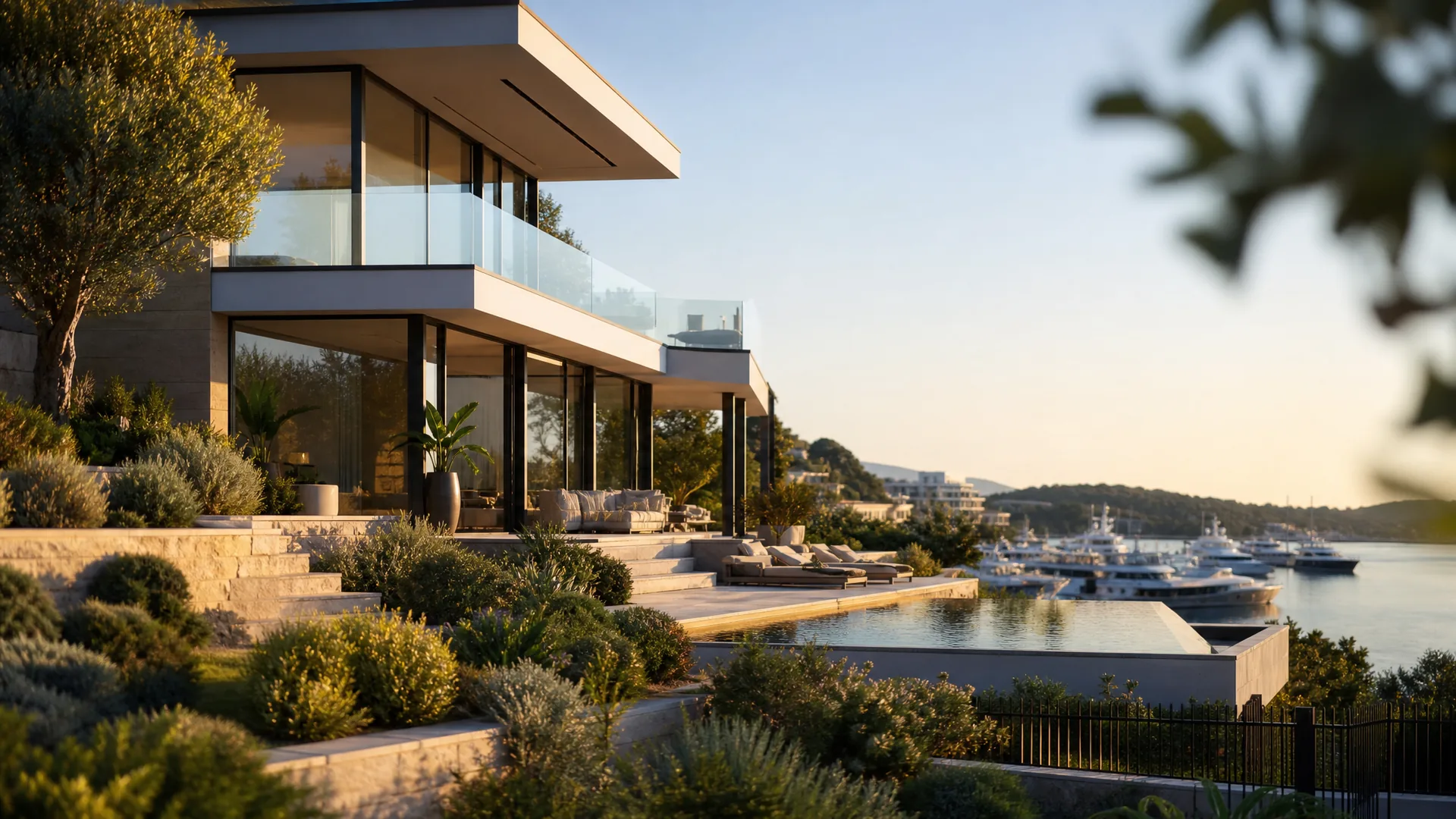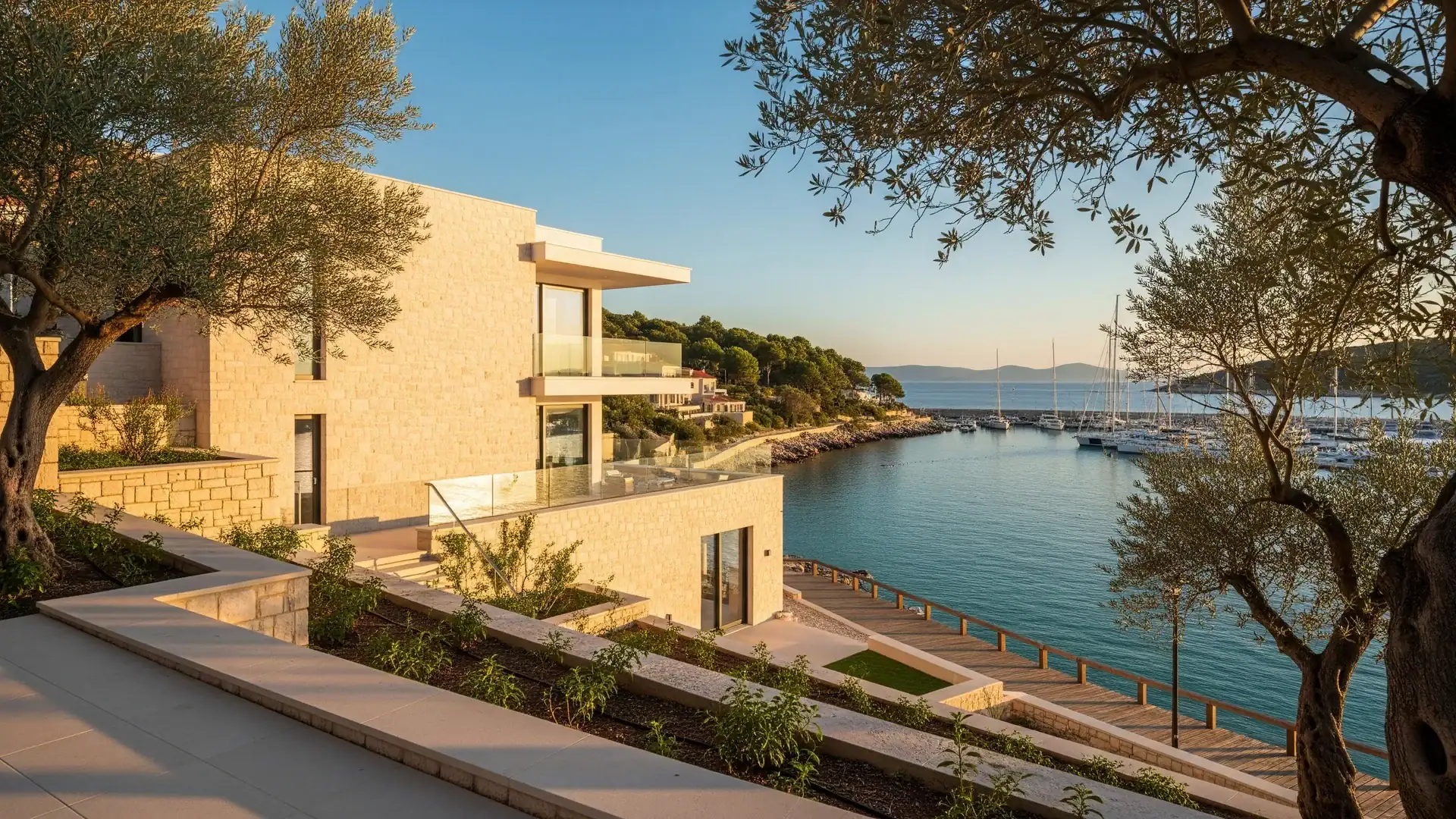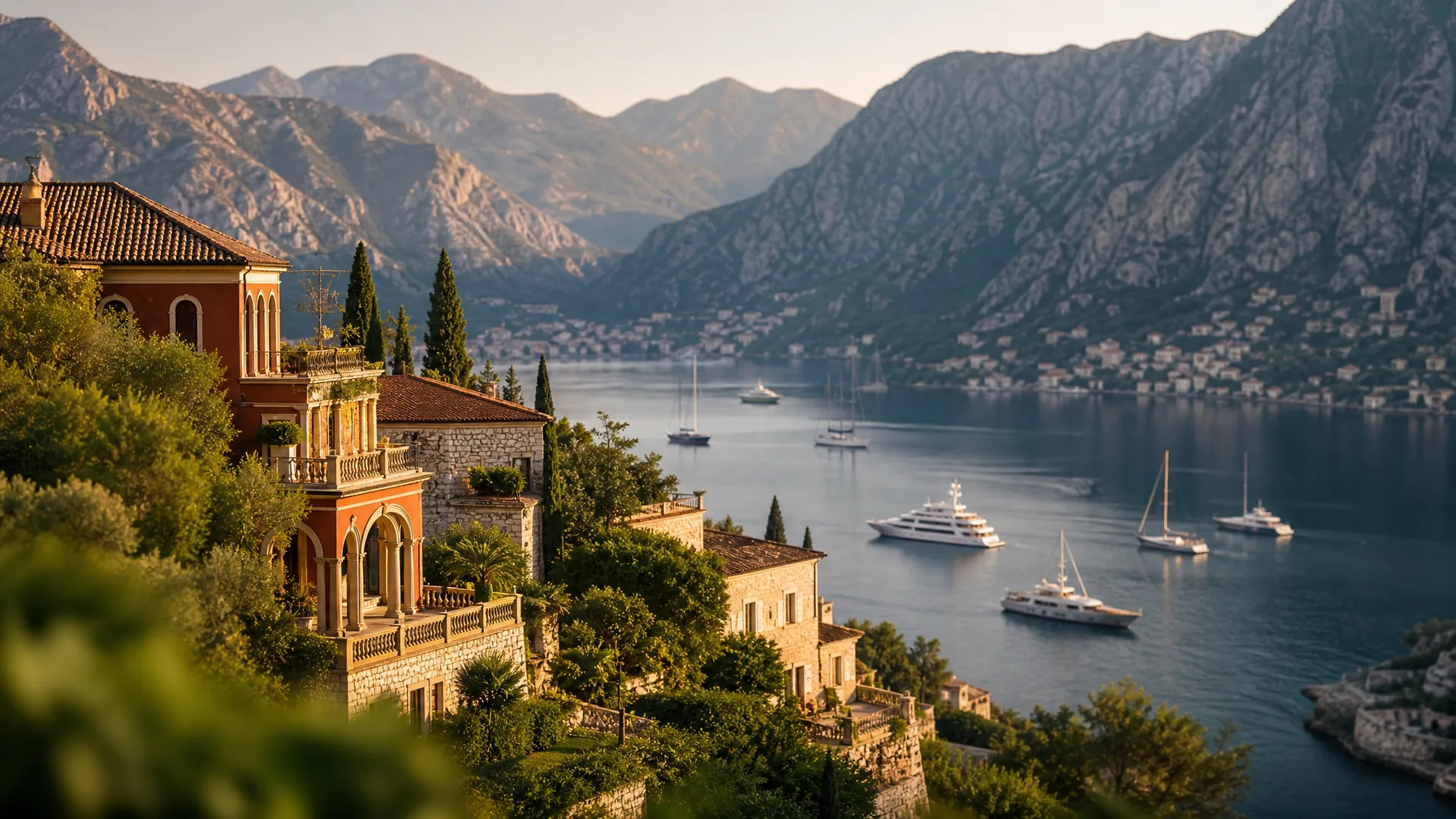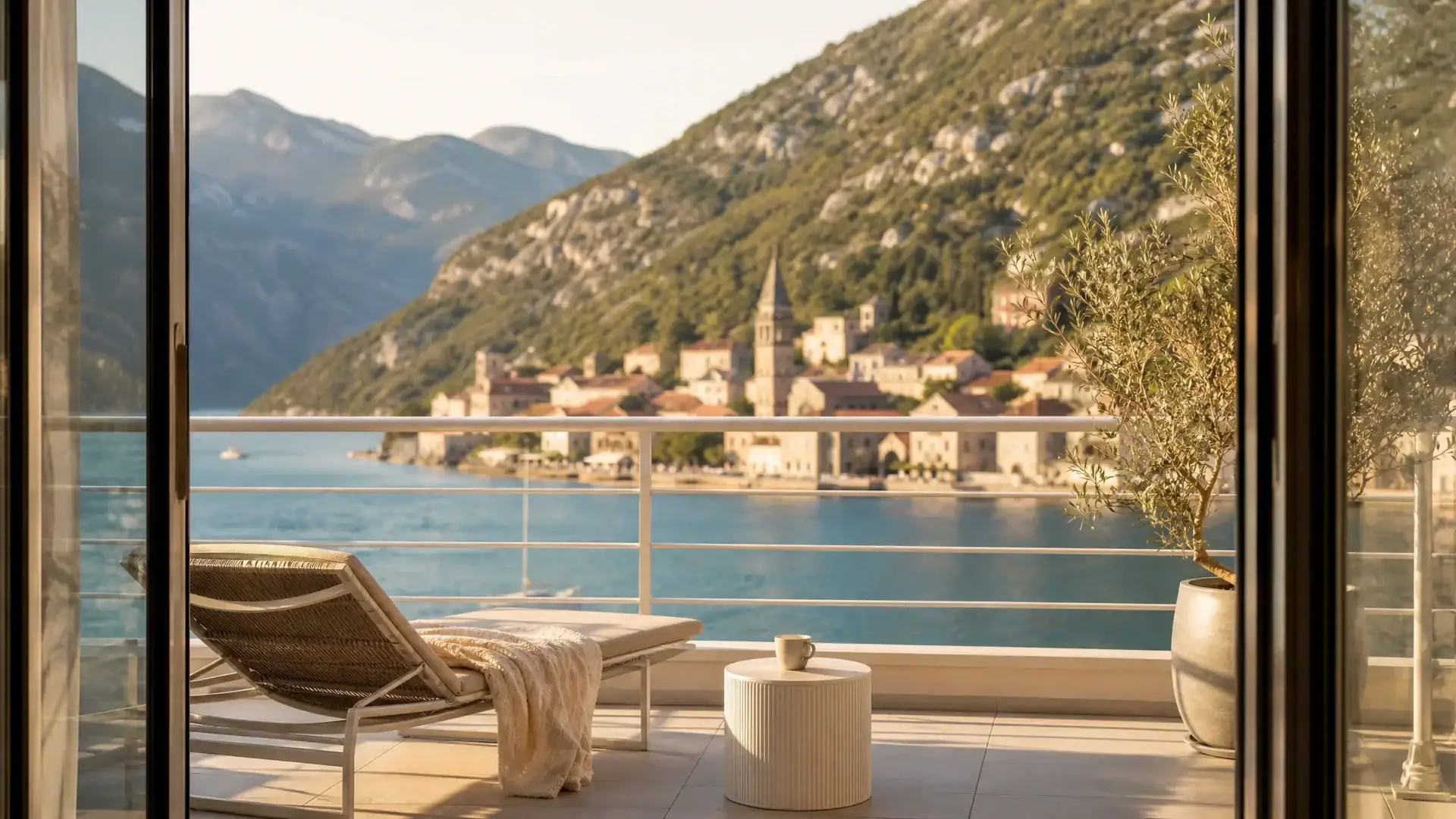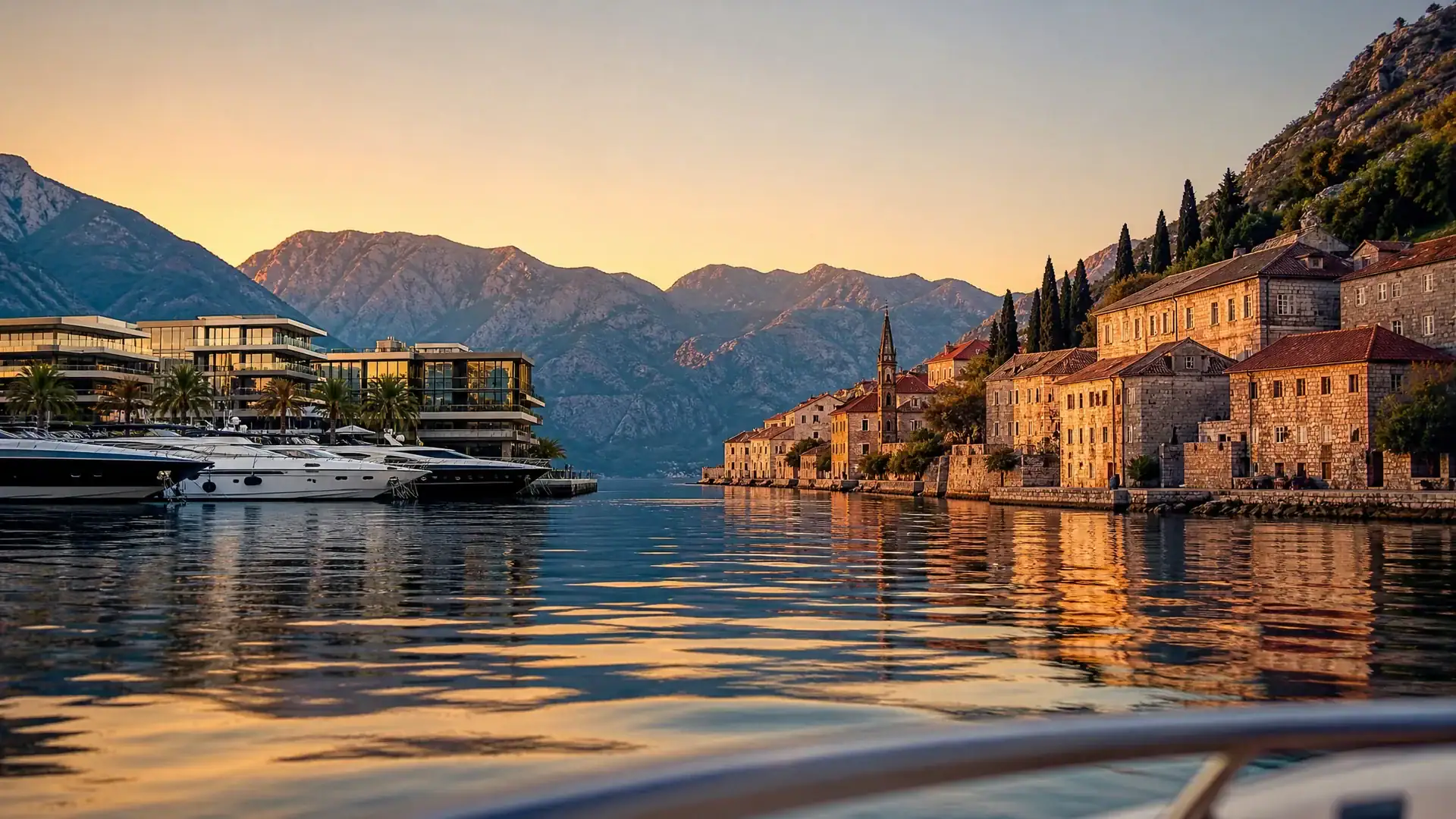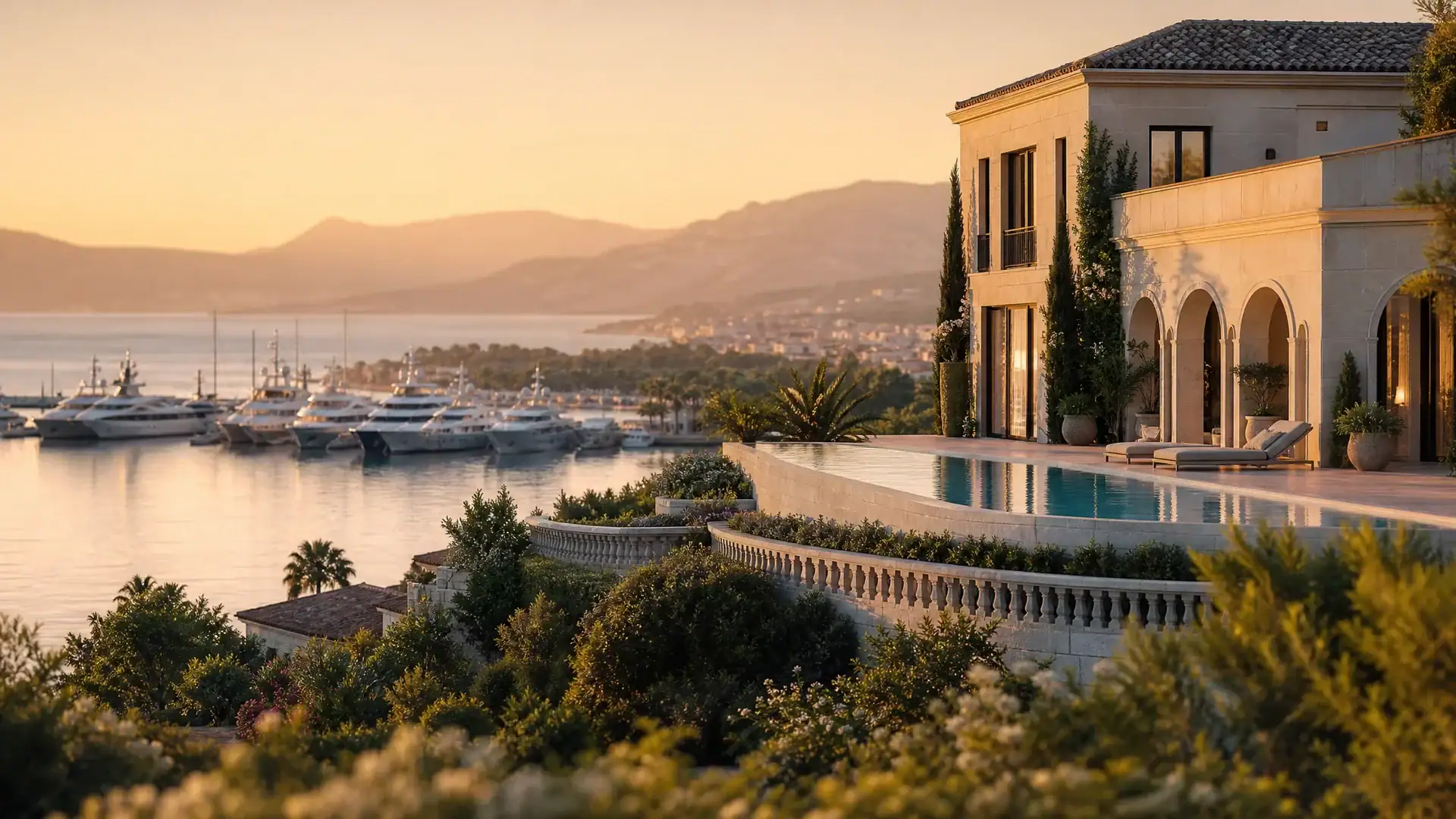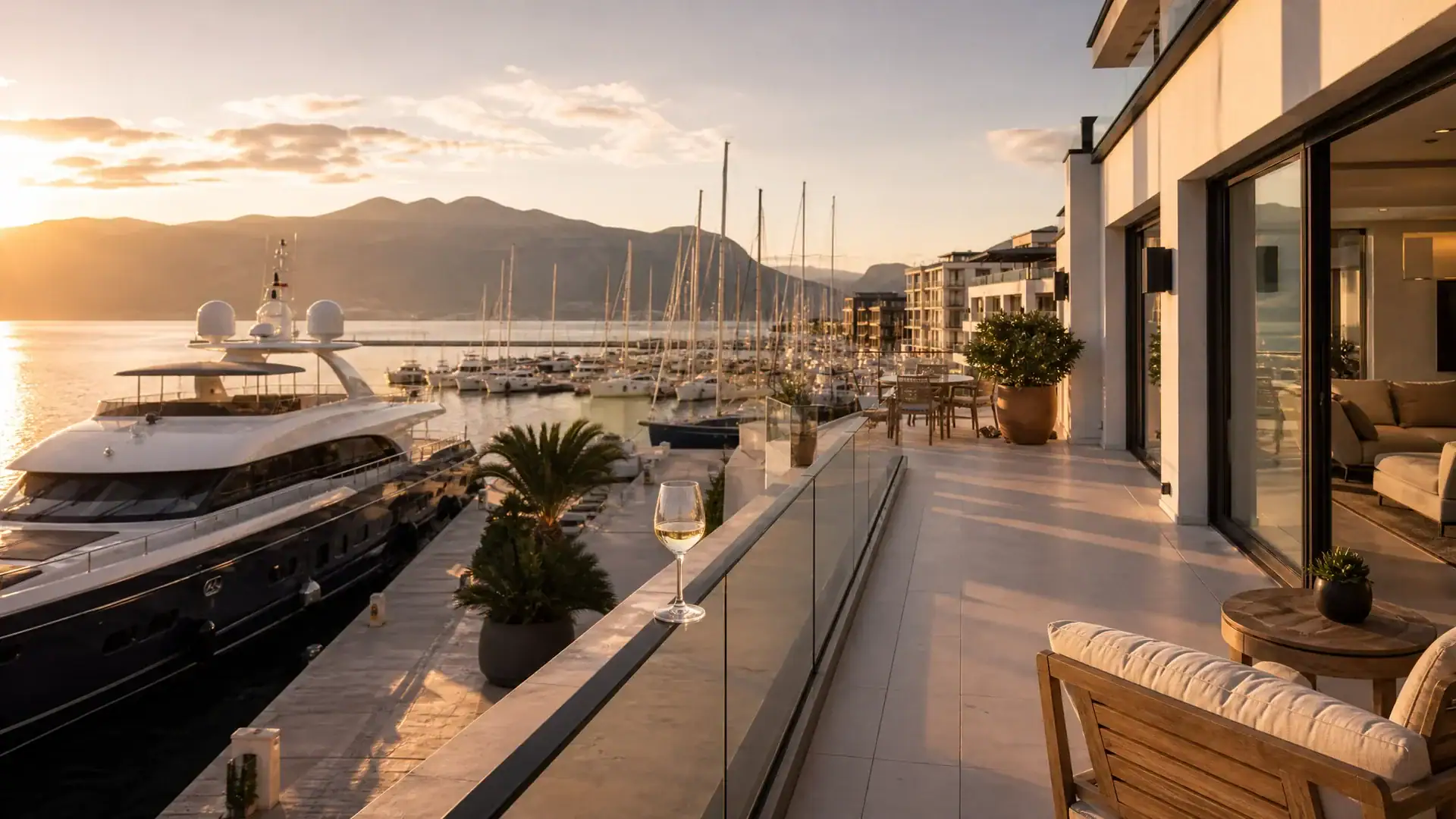





A waterfront purchase in Montenegro can look deceptively simple from the terrace. The view is clear, the marina is minutes away, and the lifestyle sells itself. What deserves closer attention is how to buy waterfront home Montenegro in a way that protects both enjoyment and long-term value.
For international buyers, the appeal is easy to understand. Montenegro offers a rare mix of Adriatic coastline, full-service marina communities, historic bay settings, and a luxury market that still feels earlier in its growth cycle than many established Mediterranean destinations. The opportunity is strong, but waterfront real estate is not one uniform category. A stone villa on the Bay of Kotor, a branded residence in a resort setting, and a contemporary apartment near a yacht marina may all be called waterfront, yet they perform very differently as assets and as homes.
How to buy waterfront home Montenegro with the right brief
The first decision is not legal or financial. It is strategic. Buyers often begin by asking what is available, when the better question is what role the property should play in their life and portfolio.
If the home is primarily for private seasonal use, privacy, orientation, access to the water, and ease of maintenance usually matter more than maximum rental yield. If the property is intended as a hybrid lifestyle and investment purchase, the conversation changes. Managed residences, newer developments, and marina-adjacent apartments may offer stronger rental appeal and simpler operational oversight than a traditional standalone waterfront house.
This is also where location choice becomes more refined. Porto Montenegro tends to attract buyers who value yachting infrastructure, polished services, and international familiarity. Luštica Bay appeals to those seeking a master-planned coastal environment with a more resort-led rhythm. Portonovi brings branded luxury and a high-service waterfront experience. The Bay of Kotor offers heritage, drama, and rarity, particularly for buyers drawn to older stone properties and protected settings. Budva Riviera often enters the conversation for clients prioritizing beach access, stronger summer energy, and broader rental demand.
A well-defined brief saves time, but it also prevents expensive mismatches. A buyer seeking peaceful year-round living may be underwhelmed by a high-traffic summer destination. Another looking for rental performance may overpay for charm in a micro-location with limited access and operational complexity.
Choosing the right kind of waterfront property
Not all waterfront homes deliver the same ownership experience. In Montenegro, the distinction between first-line, sea-view, marina-front, and waterfront with direct access is especially important.
First-line property generally carries the greatest prestige, but prestige alone is not enough. Some homes sit on the water with extraordinary views yet have difficult vehicle access, limited parking, or restrictive renovation parameters. Others are in newer luxury developments where ownership is easier, amenities are stronger, and future liquidity may be broader, even if the experience feels more curated than private.
Older waterfront villas can be exceptional acquisitions, particularly in architecturally significant areas. They may also require more due diligence around title history, boundaries, permissions, structural condition, and modernization costs. New-build and branded residences usually offer greater clarity on specifications, services, and management, though at a different pricing structure and often with homeowners’ fees that should be evaluated carefully.
The best purchase is not always the most dramatic one. It is the one where setting, legal clarity, quality, and intended use are aligned.
The buying process for waterfront property
For foreign buyers, the process should feel orderly when handled correctly. That begins with a curated search rather than broad browsing. A serious acquisition process typically starts with shortlist development, location comparison, and targeted viewings built around your criteria, not around inventory volume.
Once a property is selected, the next phase is reservation and negotiation. At this stage, price is only one part of the discussion. Closing timeline, included furnishings, payment structure, and any conditions tied to due diligence can materially affect value. On premium waterfront assets, negotiation often turns on nuance rather than headline discounts.
Legal review follows. This is where experienced local counsel becomes essential. Buyers should expect a full examination of title, ownership rights, encumbrances, planning status, building permits where relevant, and any property-specific issues that could affect future use or resale. If the home is within a managed development, the legal review should also extend to community rules, service obligations, and ongoing charges.
After the legal phase, the transaction proceeds through formal contract documentation, payment execution, and registration. The exact structure can vary depending on whether the property is a resale, off-plan unit, completed new development, or company-held asset. What matters most is that the process is clearly sequenced and professionally coordinated.
Costs to plan for beyond the asking price
A luxury buyer should view acquisition cost as broader than purchase price alone. Transaction planning should include taxes, legal fees, notary or administrative costs where applicable, and any advisory or technical checks needed before closing.
Waterfront ownership also carries recurring expenses that differ by property type. A villa may involve private maintenance, landscaping, security, façade upkeep, and dock-related considerations if applicable. A resort or branded residence may substitute those variables with structured service charges and management fees. Neither model is inherently better. It depends on whether you prefer private control or operational simplicity.
Insurance deserves particular attention for waterfront homes. Exposure, building age, and construction profile can influence both availability and cost. Buyers should also assess practical ownership matters such as winterization, humidity management, and year-round property oversight if the home will not be occupied full time.
Due diligence that matters more on the coast
Waterfront assets reward discipline. A beautiful setting can distract from issues that become obvious only after purchase.
Access is one of the first. Some of the most charming homes in historic coastal areas offer limited car access or rely on shared approaches. That may be acceptable for a buyer prioritizing authenticity, but it should be a conscious choice. Privacy is another. A house near the sea may appear secluded in shoulder season and feel very different in peak summer.
Condition is equally important. Salt air, moisture, and exposure can accelerate wear, especially on older properties. Technical inspections should look beyond aesthetics to roofing, stonework, waterproofing, windows, terraces, and infrastructure. If the property has been renovated, buyers should verify the standard and legality of the work rather than assuming the finish tells the full story.
Planning constraints also deserve close review. In protected or heritage-sensitive areas, renovation, expansion, and exterior alterations may be more limited than international buyers expect. For some purchasers, that restriction protects value and preserves setting. For others, it conflicts with future plans for customization.
Market judgment: lifestyle purchase or investment asset?
The strongest waterfront purchases usually satisfy both emotional and financial logic, but not every property will excel equally at both.
If your priority is legacy ownership, scarcity tends to matter most. Distinctive first-line homes in exceptional positions, particularly in tightly held coastal pockets, can command enduring interest because there is little true replacement stock. If your focus is income or easier resale, a newer apartment or serviced residence in an internationally recognized marina or resort destination may offer a more predictable buyer pool.
This is where local market reading becomes valuable. Pricing on the coast is shaped not only by square footage and frontage, but by orientation, walkability, berth access, development reputation, services, and the quality of surrounding stock. Two waterfront properties can appear similar in photographs and behave very differently in the market over time.
For buyers entering Montenegro for the first time, this is often the moment when advisory support creates the most value. A credible brokerage should not simply present options. It should help you eliminate the attractive but unsuitable ones.
How to buy waterfront home Montenegro without rushing the decision
Prime coastal property can create urgency, especially when inventory is limited in the best locations. That urgency is real, but it should not replace judgment. A disciplined buyer moves efficiently, not impulsively.
The most successful acquisitions are usually made by clients who compare locations carefully, understand the trade-offs between charm and convenience, and assess the property as both a residence and an asset. They ask simple but decisive questions: How will this home live in January, not just in August? How easy will it be to maintain from abroad? Does the premium reflect true rarity, or only marketing language?
In the luxury segment, confidence comes from preparation. When the brief is clear, the legal process is properly guided, and the property genuinely fits the buyer’s objectives, the purchase tends to feel less like a leap and more like a well-timed move.
The Adriatic has no shortage of beautiful views. The more valuable skill is knowing which one is worth owning.