



Оглавление
Winter vs. Summer Real Estate Market Activity — With a Focus on Montenegro. Discover Seasonal Real Estate Trends
Across the Mediterranean, real estate markets move in harmony with the seasons. Tourism flows, climate, and lifestyle rhythms play a defining role in when buyers arrive, when sellers list, and how values evolve throughout the year. Nowhere is this seasonal dynamic more visible than in coastal luxury markets—where homes are not only places to live, but gateways to a way of life.
From the French Riviera and the Amalfi Coast to emerging Adriatic destinations such as Montenegro, understanding the contrast between winter and summer market activity is essential for buyers, sellers, and investors seeking to make informed, strategic decisions.
The Mediterranean Market: Defined by Seasonality and Lifestyle
Mediterranean real estate is fundamentally experiential. Demand is shaped less by necessity and more by aspiration—sunlight, proximity to the sea, architectural heritage, and the promise of slow living punctuated by vibrant summer energy.
Summer is the region’s showcase season, when destinations are experienced at their most dynamic. Winter, by contrast, offers a quieter, more introspective view—revealing how places function beyond tourism and allowing buyers to assess long-term livability and investment fundamentals.
Both seasons play a vital role in shaping market behavior.
Summer Market Activity: Visibility, Emotion, and Momentum
Summer is the Mediterranean’s peak real estate season. Tourism reaches its height, international buyers arrive in volume, and lifestyle appeal is immediately tangible.
Tourism as a Catalyst for Demand
During summer months, coastal towns and resort areas across Southern Europe and the Adriatic experience a surge in visitors—many of whom are high-net-worth individuals exploring the region through extended stays, yacht charters, or seasonal rentals. For a significant portion of buyers, ownership begins as an emotional response to time spent in a destination.
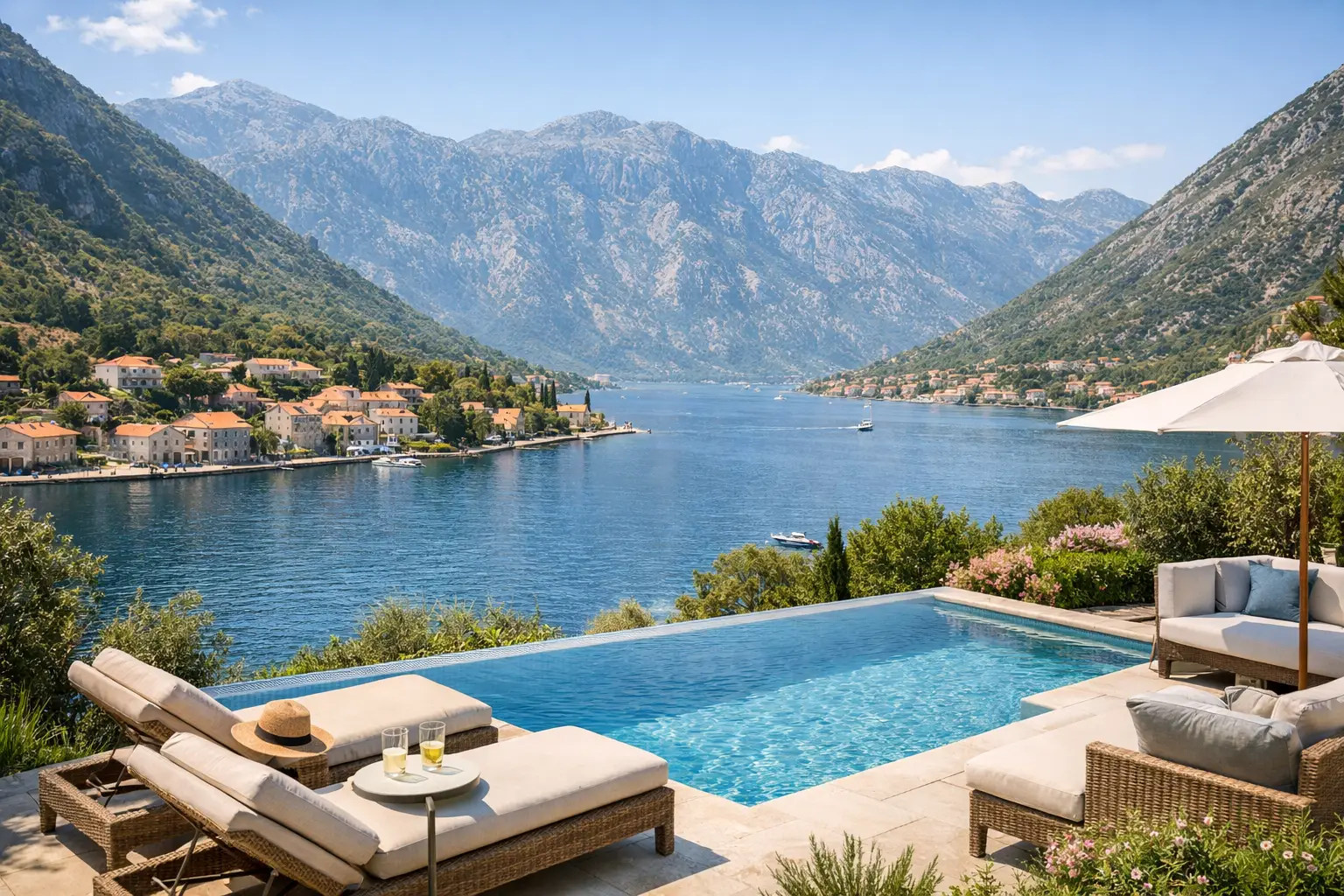
Properties are viewed in their most flattering light: terraces in full use, marinas alive with activity, beach clubs, festivals, and cultural events reinforcing the appeal of location. This experiential immersion often shortens decision timelines and elevates perceived value.
Increased Inventory and Faster Sales Cycles
Sellers tend to list in late spring and early summer to capitalize on maximum exposure. Gardens, pools, and architectural details photograph beautifully, while international marketing campaigns gain traction during peak travel months.
The result is higher transaction volume and, in prime locations, competitive buyer behavior. Well-positioned properties—particularly turnkey villas and waterfront residences—can achieve premium pricing when demand outpaces supply.
Summer Rentals and Investment Appeal
Summer is also the dominant rental season. Short-term rental performance during these months plays a decisive role in investor interest, especially in destinations where weekly rates during peak season can significantly offset ownership costs.
For many buyers, seeing rental demand firsthand during summer validates the investment case and accelerates acquisition decisions.
Check also:
How to Navigate the Montenegro Property Market in 2026: Trends and Predictions
The Winter Market: A Strategic Season with Hidden Advantages
While summer captures attention, winter reveals the Mediterranean market’s deeper character. Often underestimated, the winter season offers distinct advantages—particularly for discerning buyers and serious sellers.
A Quieter Market, Not an Inactive One
Winter is traditionally the slowest period for coastal real estate transactions. Cooler weather, holiday travel, and reduced tourism all contribute to lower foot traffic and fewer listings. However, this slowdown does not equate to stagnation.
Instead, the winter market tends to attract a smaller but more focused group of participants. Buyers active during this season are typically motivated by clear objectives—relocation, long-term investment, or strategic acquisition ahead of the next tourism cycle.
Benefits for Sellers: Reduced Competition and Clearer Positioning
With fewer properties on the market, winter listings face less direct competition. This allows well-presented homes to stand out more clearly, particularly those that demonstrate year-round functionality rather than purely seasonal appeal.
Winter viewings highlight aspects that summer often obscures: insulation quality, natural light during shorter days, heating systems, and overall build integrity. For luxury properties designed for all-season living, this can reinforce value rather than diminish it.
Opportunities for Buyers: Negotiation and Due Diligence
For buyers, winter offers time and leverage. Sellers listing during this period are often pragmatic and open to discussion, particularly if properties have carried over from autumn. Negotiations tend to be more measured, with fewer emotionally driven bidding scenarios.
Slower market conditions also allow for deeper due diligence. Buyers can evaluate legal structures, zoning regulations, and renovation potential without the pressure that often accompanies peak summer demand. For investors, purchasing in winter creates a strategic runway—allowing time for refurbishment, furnishing, and marketing ahead of the lucrative summer rental season.
Winter rewards patience and clarity. It is a season for deliberate decisions rather than impulse purchases.
Montenegro: A Mediterranean Market Defined by Dual Seasons
Montenegro stands apart within the Mediterranean landscape. With its dramatic coastline, UNESCO-listed old towns, and rising profile among international buyers, it offers a rare blend of established lifestyle appeal and emerging-market opportunity.
Seasonality plays a particularly influential role here—shaping not only transaction volume but also buyer demographics and investment strategies.
Summer in Montenegro: Global Attention and Lifestyle Buyers
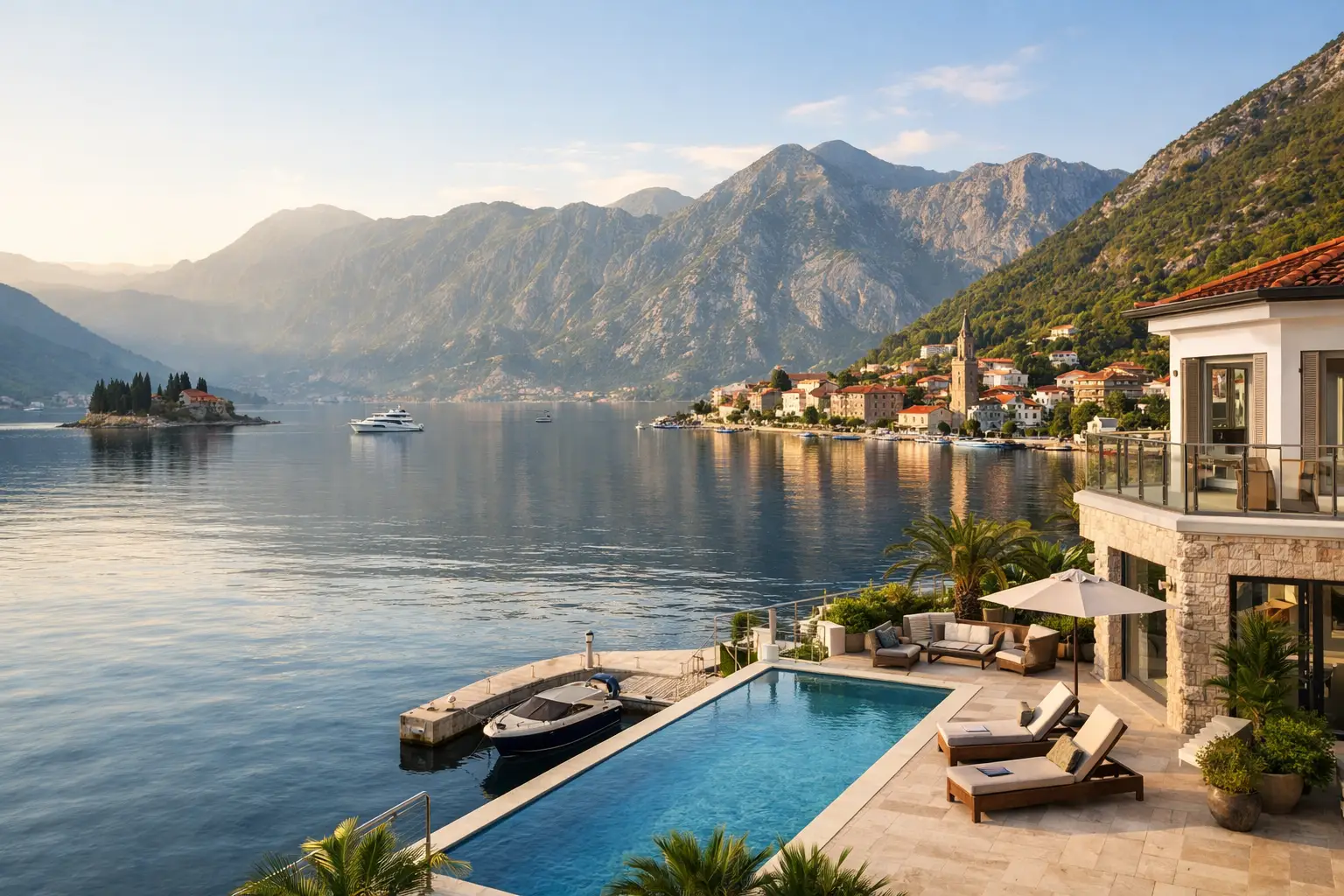
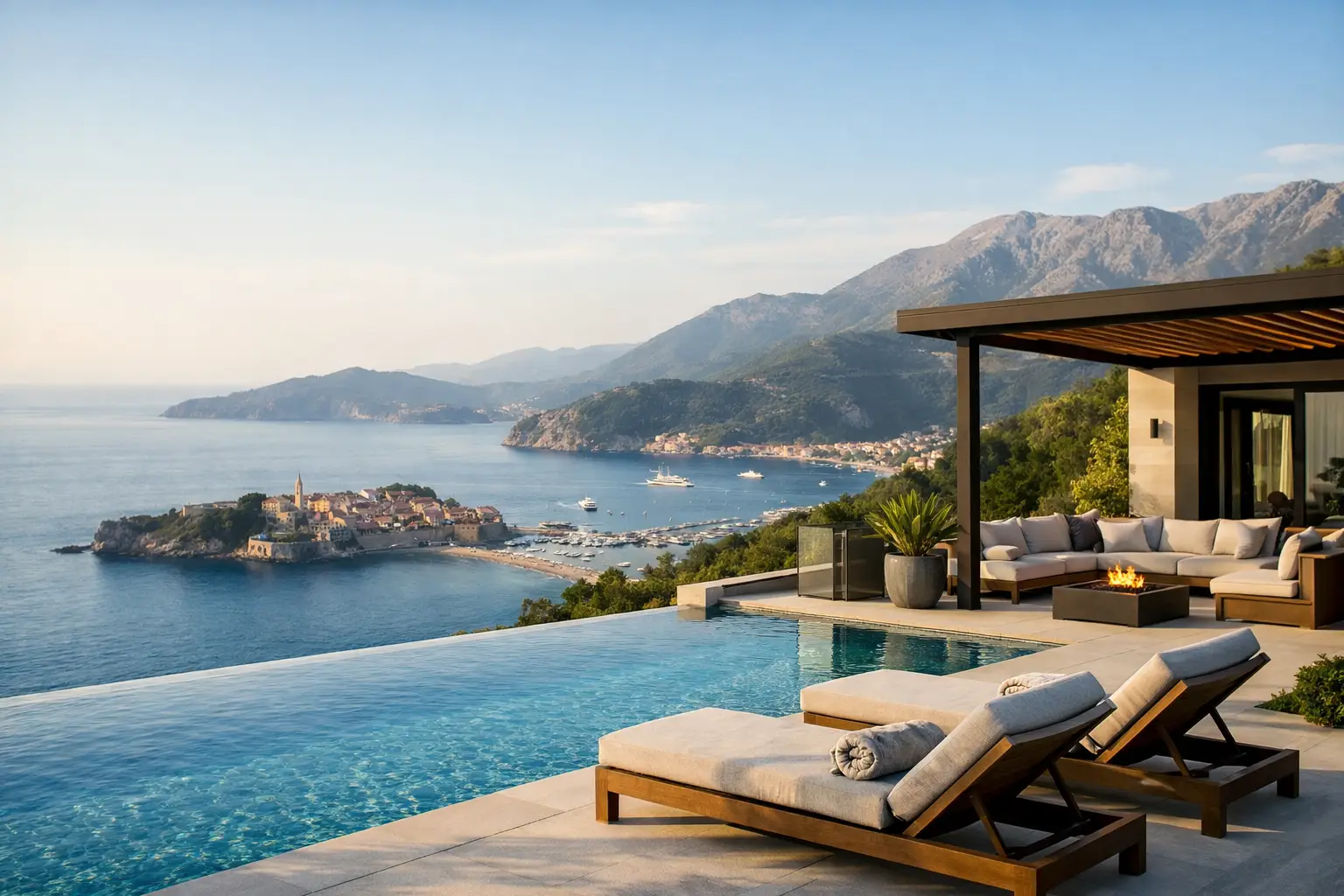
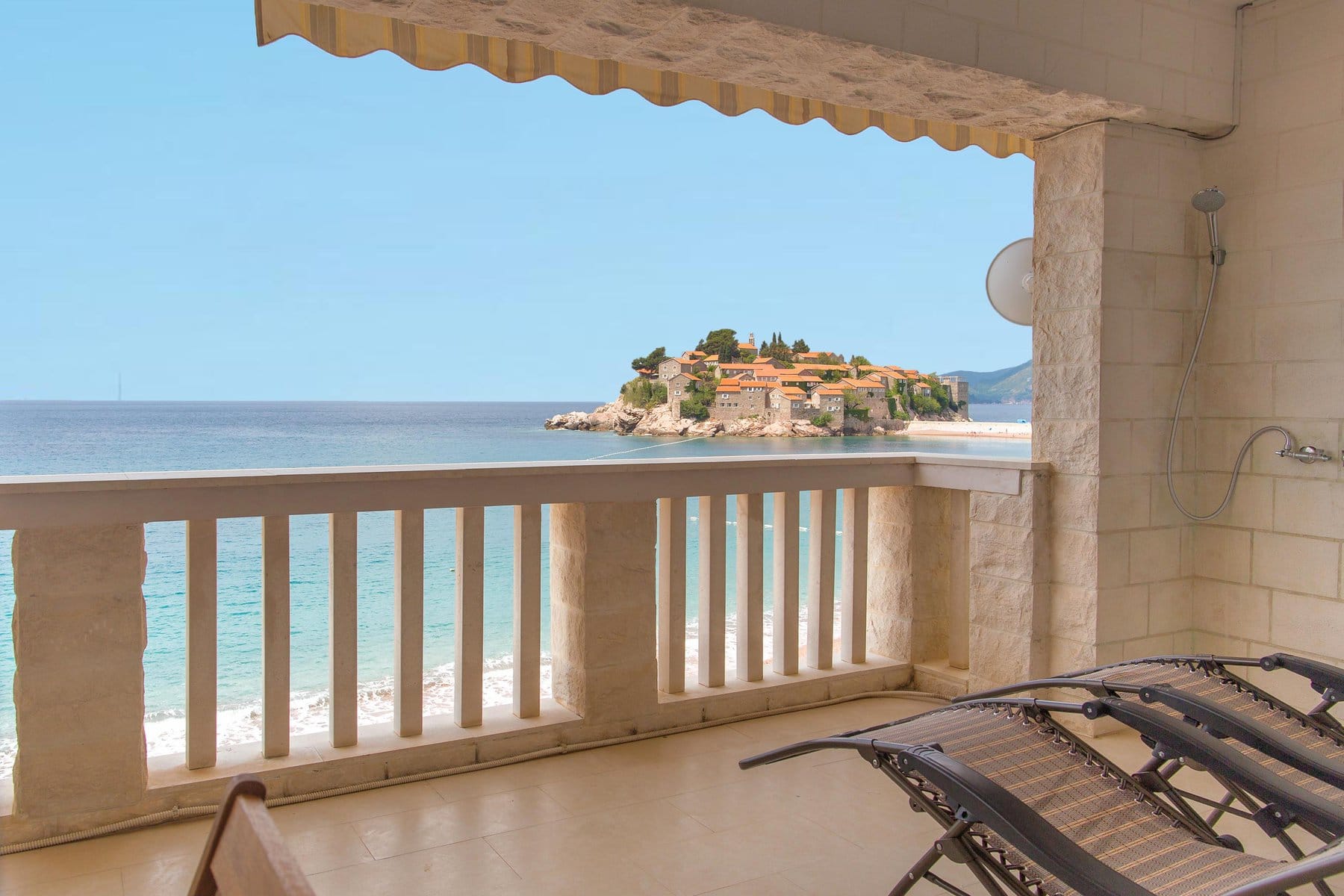
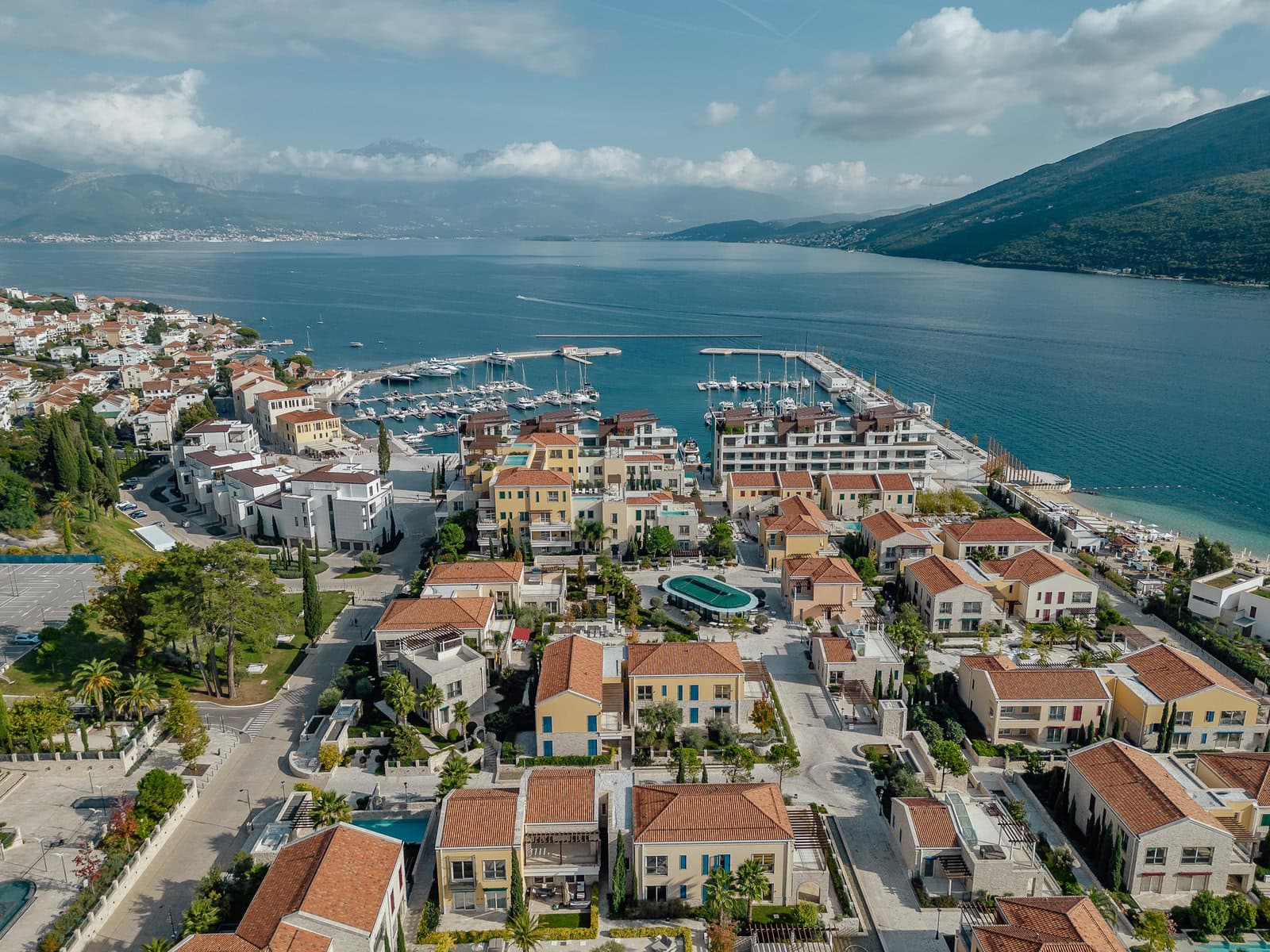
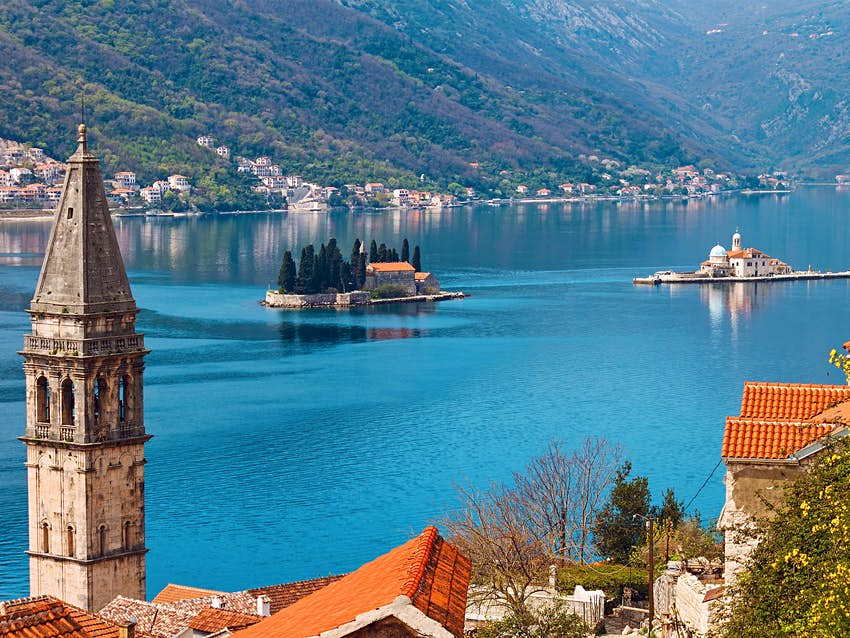
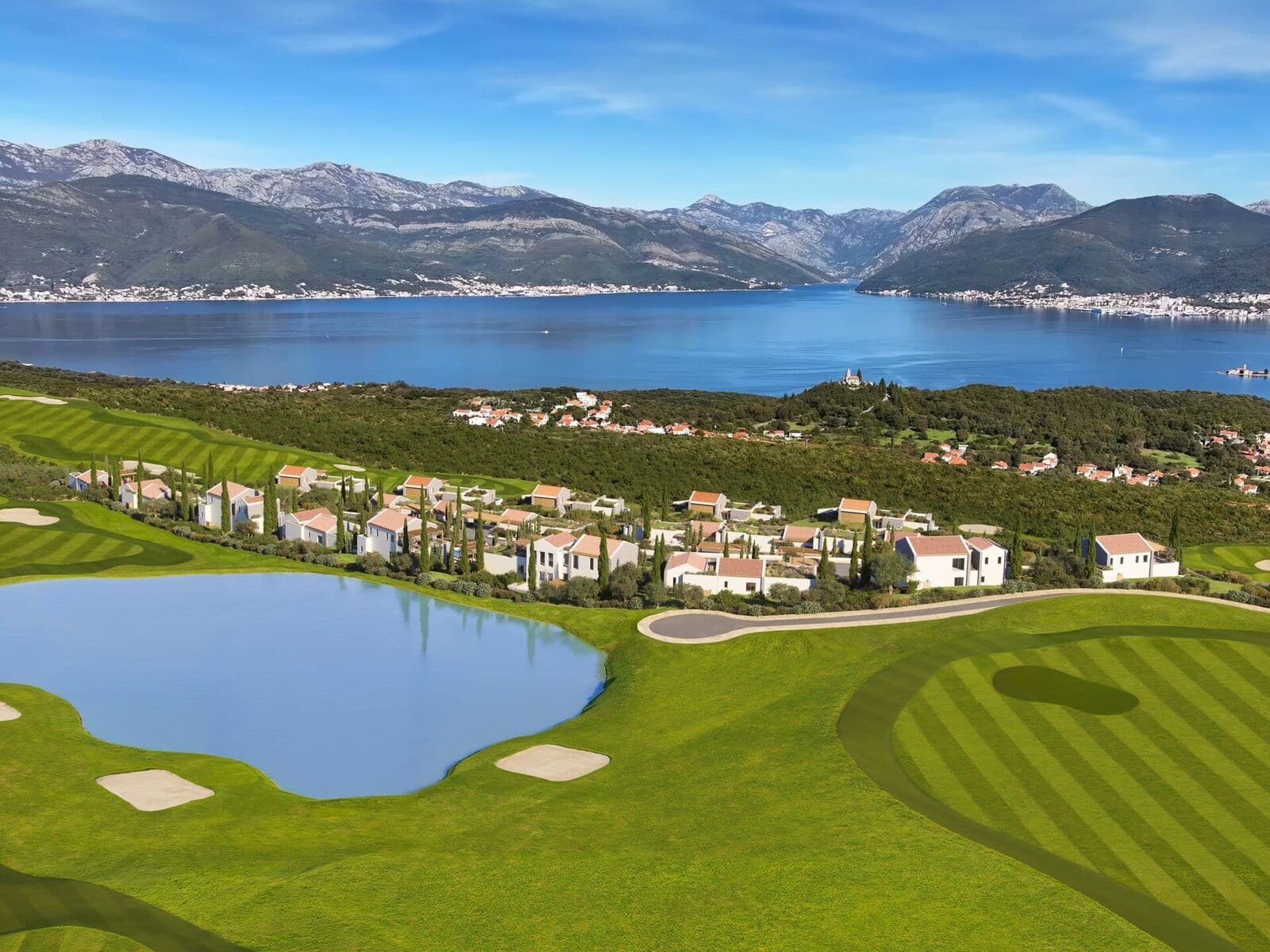
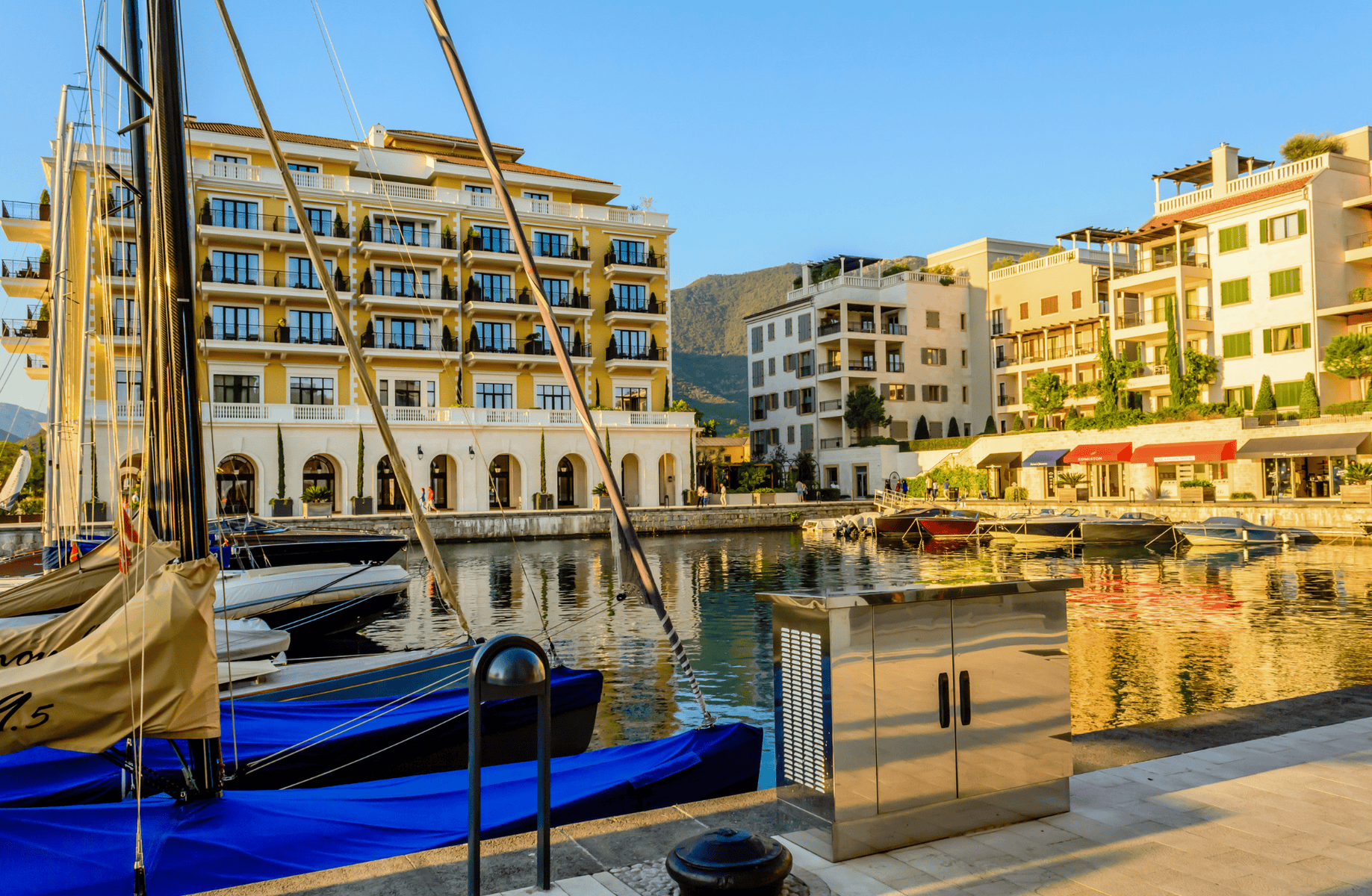
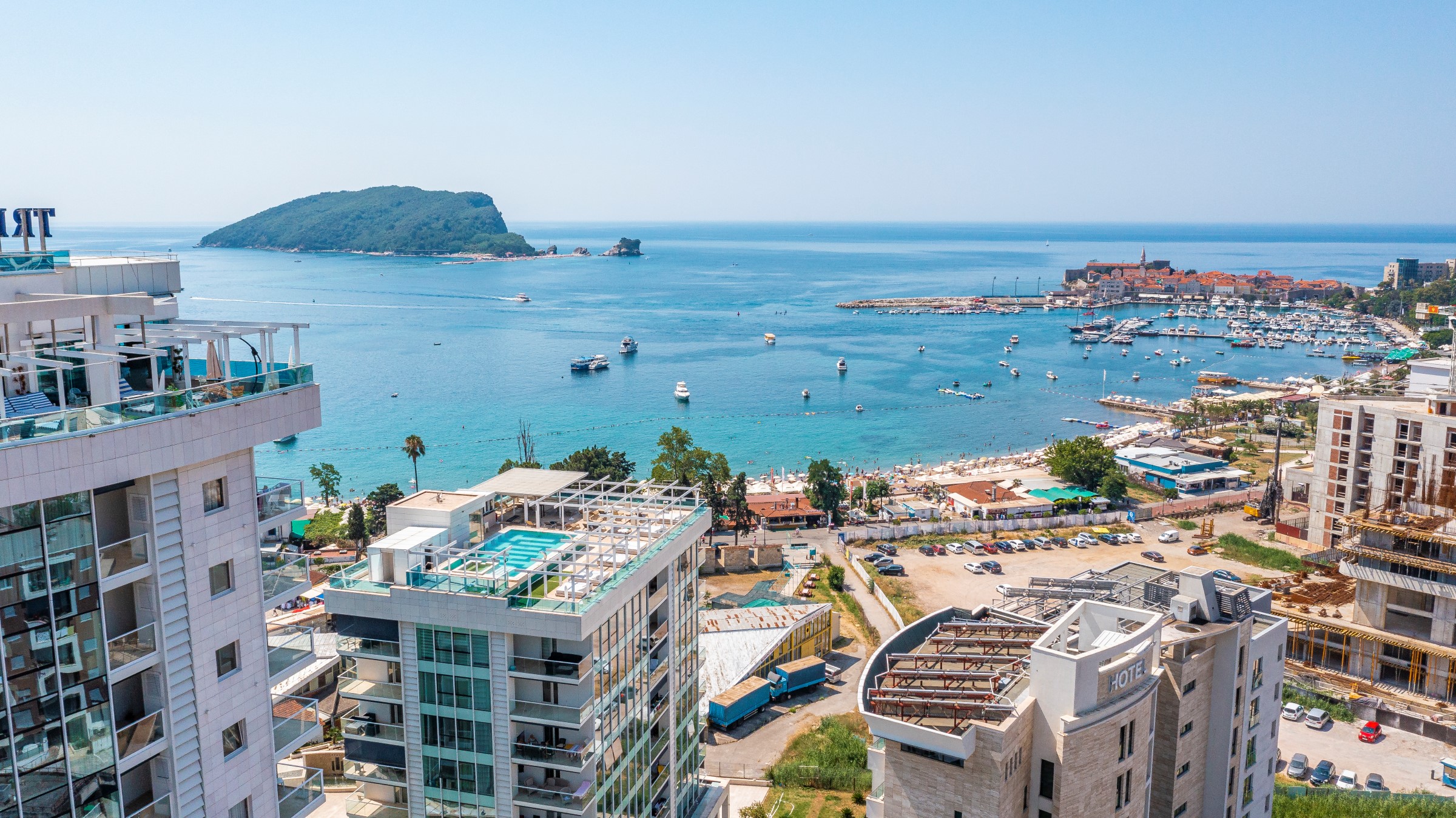
Summer transforms Montenegro’s coast. Destinations such as Kotor, Perast, Budva, Porto Montenegro, and Luštica Bay attract yacht owners, second-home buyers, and international visitors drawn by the Adriatic’s clarity and the country’s understated luxury.
During this period, demand is driven largely by lifestyle buyers seeking vacation homes or rental-performing assets. Waterfront apartments, marina-front residences, and villas with sea views are in highest demand, often achieving strong pricing during peak season.
Summer also amplifies Montenegro’s visibility on the global stage. Buyers who may not have previously considered the country often encounter it through travel—leading to spontaneous viewings and, in some cases, rapid purchases.
Winter in Montenegro: Where Strategy Meets Opportunity
Winter reveals Montenegro’s long-term investment appeal. As tourism slows, the market becomes more navigable and transparent—particularly for buyers focused on fundamentals rather than seasonal emotion.
A Clearer View of Livability
Winter allows buyers to experience Montenegro beyond its postcard image. Infrastructure, accessibility, healthcare proximity, and community life become more apparent. For those considering permanent relocation or extended residence, this perspective is invaluable.
Coastal towns function at a calmer pace, while Podgorica and emerging inland areas demonstrate year-round stability, attracting buyers with residency, business, or remote-work objectives.
Investment Timing and Value
From an investment standpoint, winter is often the most strategic time to enter the Montenegrin market. Pricing tends to stabilize, negotiations are more flexible, and developers may offer incentives on new-build or off-plan projects to maintain momentum.
Purchasing during winter allows investors to prepare assets for summer—whether through renovation, furnishing, or short-term rental licensing—maximizing returns when tourism rebounds.
A Mediterranean Real Estate Market Still in Evolution
Unlike more mature Mediterranean markets, Montenegro still offers growth potential. Seasonal timing here is not merely about short-term price variation but about positioning within a market that continues to evolve in terms of infrastructure, international perception, and regulatory clarity.
Winter buyers are often those with a long-term view—securing prime assets before broader demand fully matures.
Choosing the Right Season for the Right Objective
In Mediterranean real estate markets—and particularly in Montenegro—there is no universally ideal time to buy or sell. The optimal season depends on intent.
Lifestyle real estate buyers often connect most strongly during summer, when destinations are alive and emotionally compelling.
Strategic real estate investors may find winter more advantageous, benefiting from negotiation flexibility and preparation time.
Real estate sellers seeking visibility and premium positioning often favor summer, while those prioritizing discretion may prefer winter listings.
Many of the most successful transactions are initiated in one season and concluded in another, reflecting the international nature of luxury real estate and the importance of thoughtful timing..
Seasonality as a Strategic Advantage
In Mediterranean real estate, seasonality is not a constraint—it is a tool. Understanding how winter and summer markets differ allows buyers and sellers to move with intention rather than urgency.
For those navigating Montenegro’s rising luxury market, this awareness is particularly powerful. Whether acquiring a coastal retreat, selling a waterfront residence, or investing ahead of peak demand, aligning strategy with seasonal dynamics enhances both lifestyle value and long-term performance.
In a region shaped by light, movement, and rhythm, the most informed decisions are those made in harmony with the seasons.
Frequently Asked Questions: Seasonal Real Estate Trends
What is the busiest season in real estate?
The busiest season in real estate is typically spring and summer, especially between April and September. During this period, warmer weather, longer daylight hours, and increased tourism lead to higher buyer activity and more property listings.
In Mediterranean markets such as coastal Italy, France, Greece, and Montenegro, summer is the peak season due to international travel, lifestyle-driven demand, and strong short-term rental performance. Transaction volumes, property viewings, and marketing exposure are generally at their highest during these months.
How do different seasons affect the real estate market?
Different seasons influence real estate markets by shaping buyer behavior, inventory levels, pricing, and negotiation dynamics.
Spring and summer bring increased listings, higher demand, faster sales, and, in prime locations, stronger pricing.
Autumn often sees steady activity as motivated buyers seek to close before year-end.
Winter typically has fewer listings and lower transaction volume, but attracts serious, strategic buyers and can offer better negotiation opportunities.
In seasonal destinations, including Mediterranean coastal markets, these effects are amplified by tourism cycles and second-home demand.
How do seasonal trends affect local property markets?
Seasonal trends impact local property markets by determining when demand peaks, how properties are valued, and which buyer profiles dominate.
In tourism-driven markets such as Montenegro’s coast, summer increases exposure, rental income potential, and international interest, often supporting premium pricing. Winter, by contrast, reveals year-round livability and attracts buyers focused on relocation or long-term investment.
Local infrastructure, accessibility, and community life become more relevant outside peak tourist seasons, influencing purchasing decisions differently throughout the year.
How does seasonality affect home sales?
Seasonality affects home sales by influencing speed, competition, and pricing. Homes listed in spring and summer tend to sell faster due to higher buyer traffic and improved presentation conditions. Outdoor spaces, natural light, and lifestyle amenities are more visible, which enhances appeal.
In winter, sales volume typically slows, but transactions that do occur are often more deliberate. Buyers have more time for due diligence, and sellers may be more flexible on price. As a result, winter home sales can offer strategic advantages despite lower overall activity.
Will seasonal changes have an impact on the property market?
Yes, seasonal changes have a measurable impact on the property market, particularly in regions influenced by climate and tourism. Seasonal shifts affect buyer sentiment, marketing effectiveness, and rental income potential.
In Mediterranean markets, summer boosts short-term rental yields and lifestyle-driven purchases, while winter stabilizes prices and encourages long-term planning. Over time, these seasonal patterns influence annual pricing trends, inventory cycles, and investment strategies.
Why are spring and summer peak seasons for real estate?
Spring and summer are peak seasons for real estate because they combine favorable weather, increased mobility, and heightened buyer confidence. Properties are easier to view, photograph, and market, while families and international buyers are more available to travel and make decisions.
In luxury and second-home markets—such as those across the Mediterranean and in Montenegro—spring and summer also align with tourism peaks. Buyers often discover destinations during holidays or seasonal stays, turning travel experiences into property purchases. This convergence of lifestyle appeal and market accessibility makes spring and summer the most active periods in real estate.
Explore how seasonal insight shapes smarter property decisions—connect with our Montenegro team, discover a day at our office, or visit us in person to discuss your next Mediterranean move.