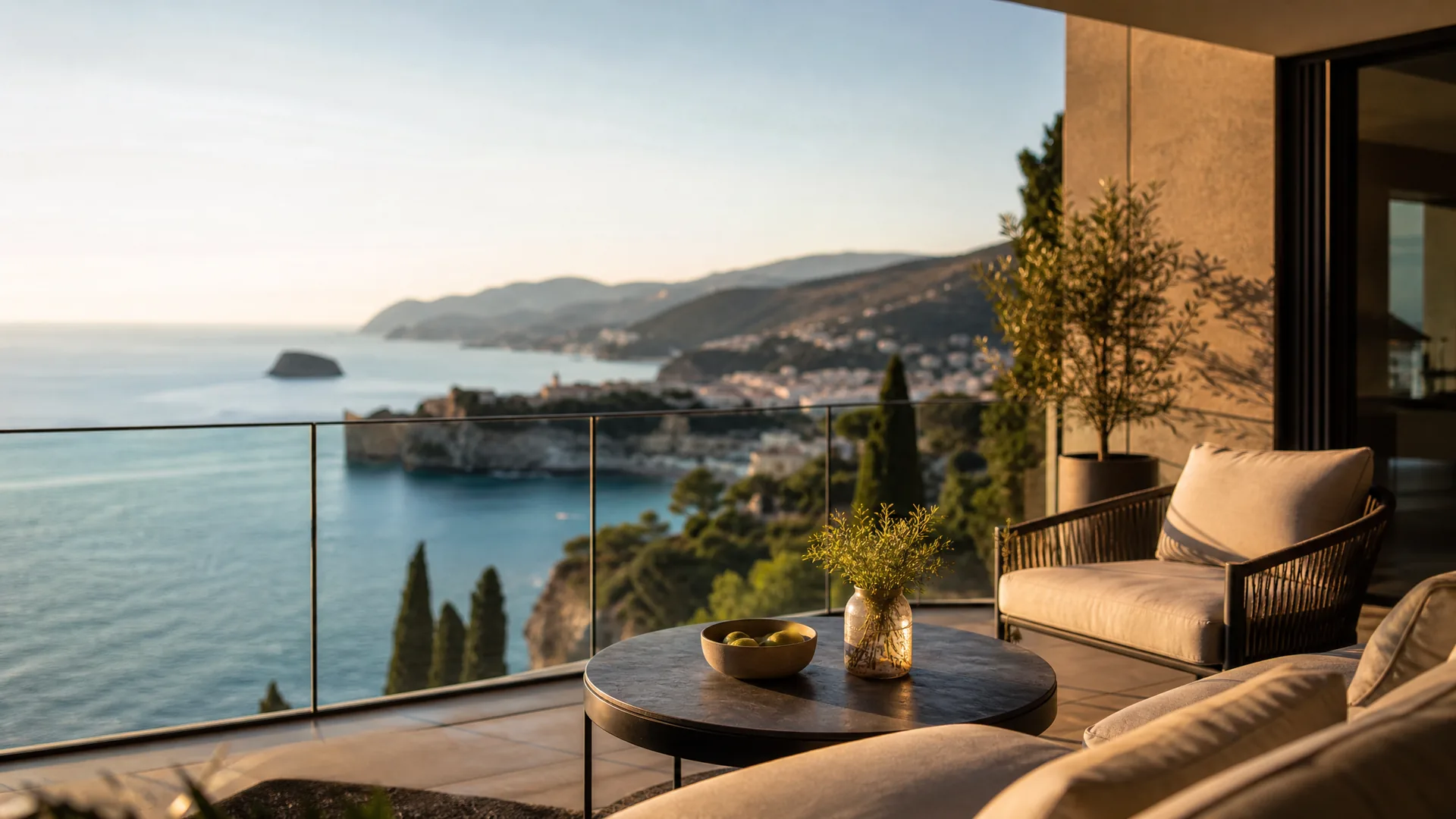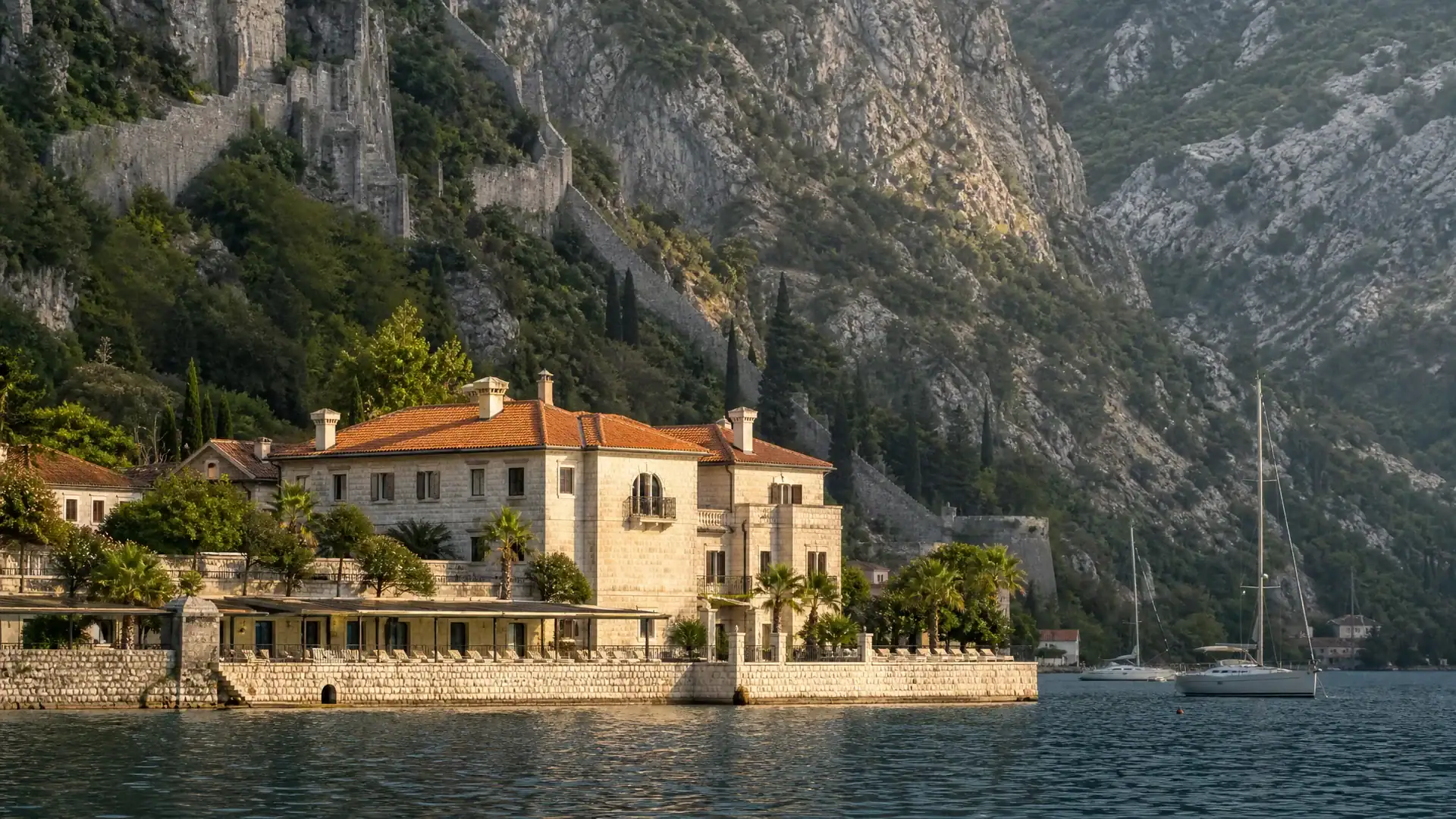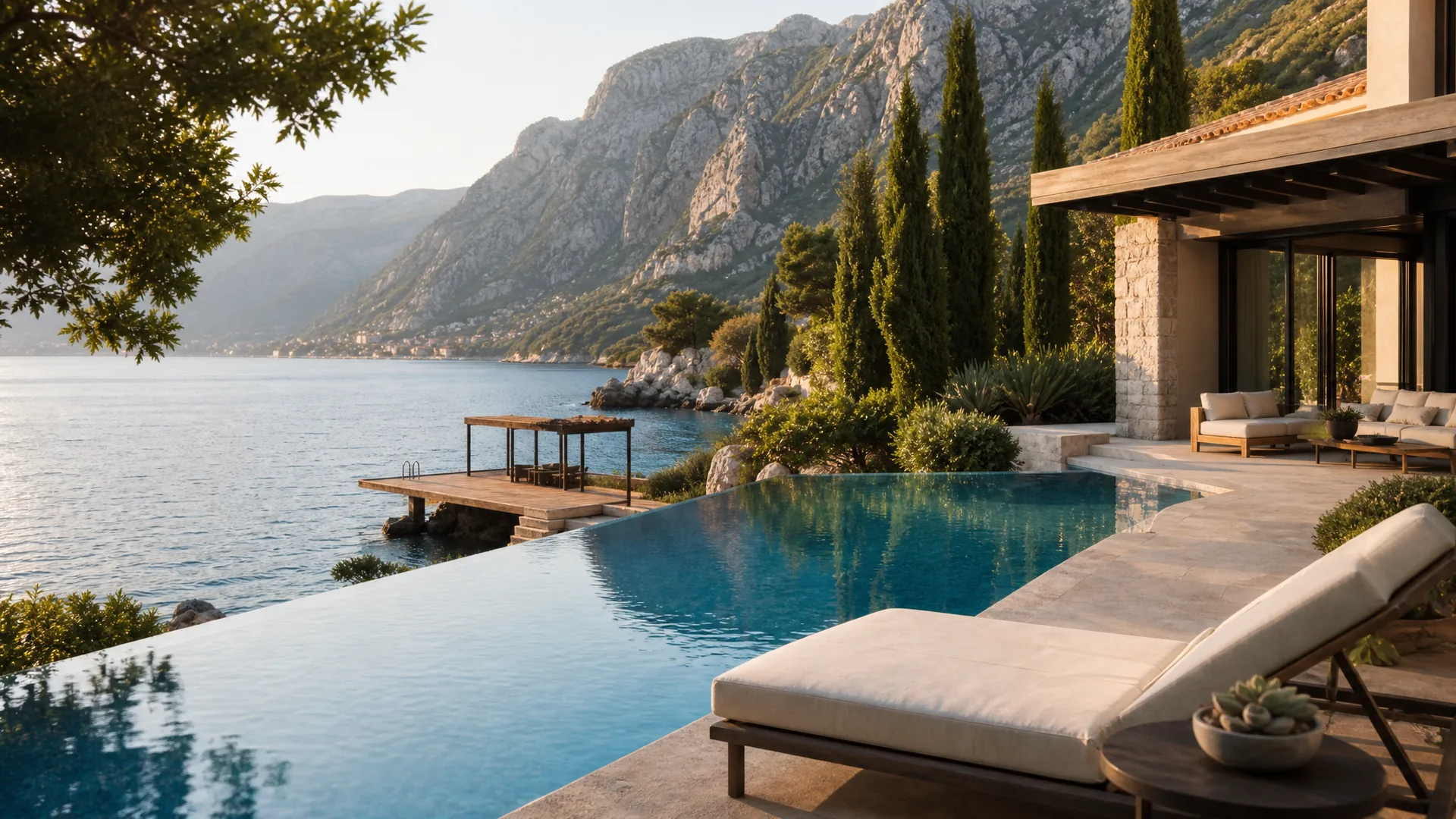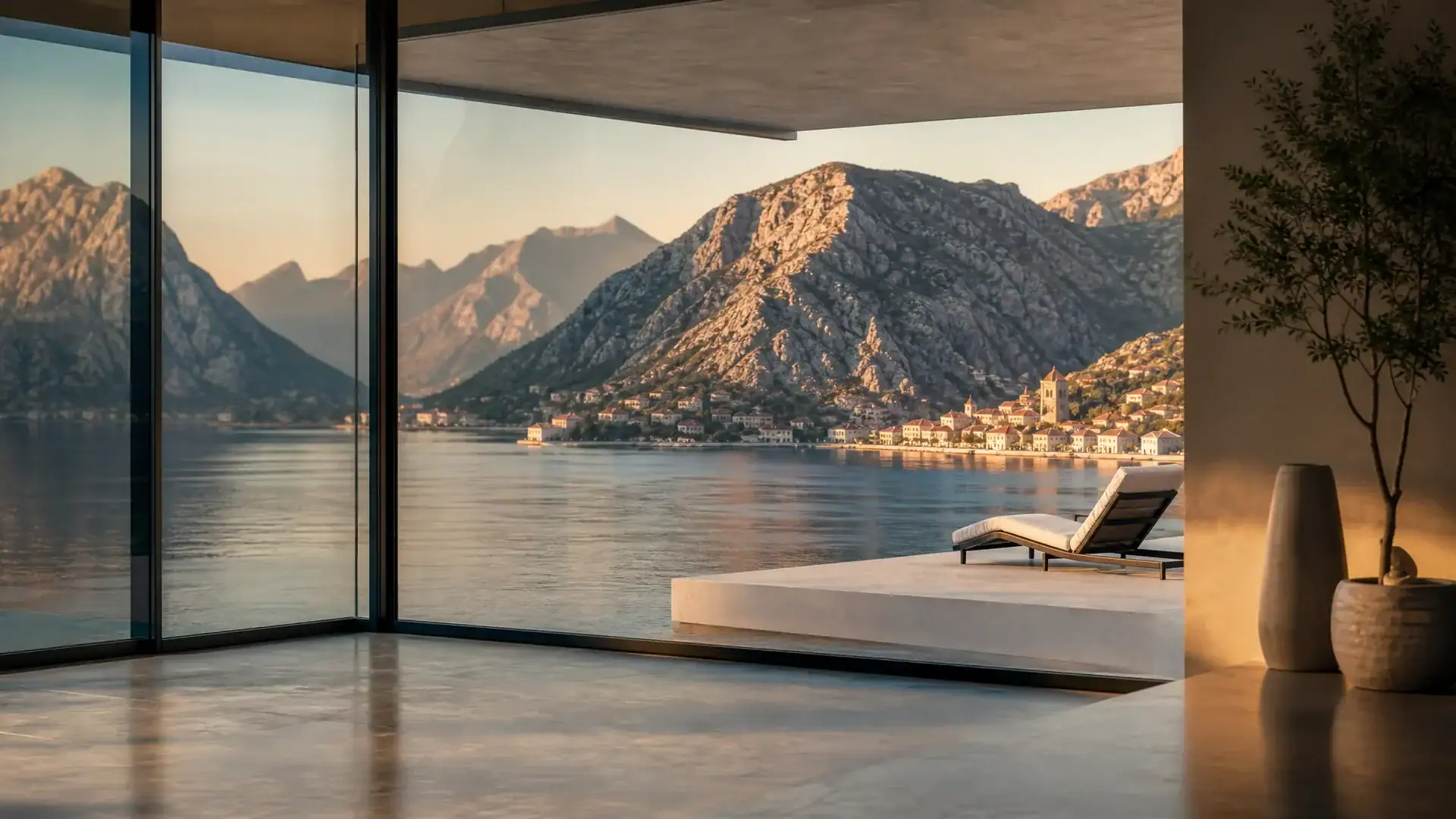




Да, владение недвижимостью в Черногории может способствовать подаче заявления на временное проживание, но не следует рассматривать это как автоматический путь к долгосрочному статусу. Официальные рекомендации описывают это как отдельный юридический процесс с собственными требованиями, документами и этапами утверждения. Лучше рассматривать недвижимость как часть обсуждения получения вида на жительство, а не как замену, которая его заменяет.
Для многих иностранных покупателей главный вопрос заключается не просто в том, “Могу ли я купить и получить вид на жительство?”, а в том, “Как мне спланировать покупку, если я захочу остаться дольше, переехать позже или оставить варианты открытыми?” Именно здесь хороший совет имеет наибольшее значение.
Почему многие иностранные покупатели спрашивают о проживании перед покупкой
Место жительства рассматривается в первую очередь, поскольку покупатели часто принимают несколько решений одновременно. Они не только выбирают недвижимость. Они также примеряют будущий образ жизни.
Некоторые планируют второй дом с периодическими более длительными пребываниями. Некоторые подумывают о том, чтобы провести больше времени в Черногории в ближайшие несколько лет. Другие рассматривают постепенное переезд, а не немедленное. Во всех этих случаях вид на жительство становится частью логики покупки еще до того, как поиск недвижимости будет полностью определен.
Вот почему этот вопрос так важен в самом начале. Если резидентура имеет значение для ваших будущих планов, она должна влиять на то, как вы составляете список мест, как подходите к выбору времени и как строите процесс покупки.
Помогает ли владение недвижимостью в Черногории с получением вида на жительство?
Да, владение недвижимостью может помочь, но только в определенном смысле.
Официальное руководство правительства гласит, что временное проживание может быть предоставлено с целью осуществления права распоряжаться недвижимым имуществом, принадлежащим в Черногории. В том же руководстве указано, что разрешения может быть выдано на один год при условии, что заявитель соответствует более широким юридическим условиям и представляет доказательство права собственности или иные основанные на кадастровых данных доказательства. К общим требованиям для временного проживания также относятся наличие средств к существованию, жилья, медицинской страховки, действительных проездных документов и отсутствие препятствий, связанных с безопасностью, общественным порядком или общественным здравоохранением.
Это означает, что владение недвижимостью может быть основанием для временного проживания. Оно является нет владение недвижимостью само по себе не заменяет процесс подачи заявления и не гарантирует одобрения.
Покупателям также следует учесть, что Правительство Черногории объявило об изменениях в ноябре 2025 года, согласно которым минимальная стоимость недвижимости для получения временного вида на жительство составит 200 000 евро. Поскольку правила получения вида на жительство могут меняться, а детали реализации имеют значение, покупателям следует проверить действующий порог и процедуру с квалифицированным местным юристом, прежде чем принимать решение о покупке, основанное на планировании получения вида на жительство.
Что покупатели недвижимости не должны предполагать относительно прав на проживание
Здесь обычно начинается путаница.
Владение недвижимостью не означает автоматическое получение резиденства
Владение недвижимостью может способствовать подаче заявления на временное проживание, но это не то же самое, что автоматическое получение вида на жительство. Официальный процесс по-прежнему требует личного заявления и подтверждающих документов.
Временное проживание — это не то же самое, что постоянное проживание
Официальное руководство по постоянному проживанию гласит, что иностранец, как правило, может претендовать на него после пяти лет законного временного проживания. Однако в нем также указано, что время, проведенное на временной основе проживания на основании владения недвижимостью, не нет засчитываются в пятилетний срок.
Вид на жительство — это не то же самое, что гражданство
Гражданство Черногории регулируется правилами национальности, а не простым приобретением недвижимости. Официальное руководство по гражданству перечисляет пути его получения, такие как происхождение, рождение, натурализация и международные договоры или соглашения. Владение недвижимостью само по себе не представлено там как автоматический путь к гражданству.
Покупка с учетом образа жизни или с учетом переезда
Это одно из самых полезных различий, которое может провести покупатель.
Если вы приобретаете недвижимость в первую очередь ради определенного образа жизни, при поиске вы, вероятно, будете уделять особое внимание местоположению, уединению, удобству доступа, возможности использовать объект в качестве второго дома, а также долгосрочной привлекательности. В таком случае наличие права на проживание может иметь значение, но, скорее всего, не станет определяющим фактором при принятии решения.
Если вы покупаете недвижимость с расчетом на переезд, логика меняется. Вам нужно думать не только о самой недвижимости, но и о том, как структура собственности, сроки, документация и маршрут проживания практически сочетаются друг с другом.
Это разные решения, и они часто подталкивают покупателей к выбору разных типов недвижимости и к разным дальнейшим шагам.
Какие документы и правовые шаги обычно имеют значение
На практическом уровне покупатели должны понимать, что планирование резидентства включает в себя нечто большее, чем просто правоустанавливающий документ.
Согласно официальным разъяснениям по временному проживанию, заявители, как правило, должны предоставить подтверждение цели проживания, действительный проездной документ или удостоверение личности, средства к существованию, жилье, медицинскую страховку и доказательства, обосновывающие заявление. Заявление подается лично в Министерство по месту жительства заявителя, а полное заявление, поданное до истечения 90-дневного срока пребывания, позволяет иностранцу оставаться в Черногории до принятия окончательного решения. Теми же разъяснениями установлено, что заявления о временном проживании должны быть рассмотрены в течение 40 дней с момента подачи полного заявления.
На практике именно поэтому серьезные покупатели обычно координируют вопросы, связанные с недвижимостью, и юридические вопросы вместе, а не рассматривают их как отдельные направления.
Распространенные заблуждения о собственности, проживании и долговременном пребывании
“Если я куплю недвижимость, я автоматически получу вид на жительство”
Не автоматически. Владение недвижимостью может служить основанием для временного проживания, но не отменяет необходимости подачи официального заявления и предоставления подтверждающих документов.
“Если у меня есть вид на жительство на основании владения недвижимостью, я уже на пути к получению постоянного вида на жительство”
Не обязательно. Официальные указания по постоянному проживанию конкретно гласят, что время, проведенное по временному виду на жительство в связи с владением недвижимостью, не засчитывается в срок, необходимый для одобрения постоянного вида на жительство.
“Вид на жительство и гражданство — это, по сути, одно и то же решение”
Нет. Резидентство касается права на проживание в соответствии с иммиграционными правилами. Гражданство — это вопрос национальной принадлежности, имеющий другие правовые основания и гораздо более высокий порог.
“Любая покупка недвижимости должна происходить одинаково”
Покупателям не следует на это рассчитывать. Правительство объявило об изменениях в конце 2025 года, вводящих минимальную стоимость недвижимости в размере 200 000 евро для временного проживания на основании владения собственностью, именно поэтому покупатели должны подтвердить действующую нормативно-правовую базу, прежде чем полагаться на покупку недвижимости для планирования проживания.
Когда имеет смысл обсудить вид на жительство перед выбором недвижимости
Это имеет смысл рано, когда место проживания может повлиять на решение о покупке.
Это обычно включает ситуации, когда:
- Вы можете захотеть остаться в Черногории дольше стандартных сроков краткосрочного пребывания
- Вы рассматриваете частичное или полное переезд
- Вы хотите, чтобы недвижимость поддерживала как личное использование, так и юридическую гибкость
- вы выбираете между чистым вторым домом и более долгосрочным местом жительства
В таких случаях ожидание до момента выбора недвижимости часто создает ненужные трения. Обычно лучше начинать поиск с юридическим сопровождением.
Как покупатели сочетают планирование владения недвижимостью с юридической поддержкой
Наиболее эффективный подход обычно скоординированный.
Сначала определите истинную цель покупки: второй дом, база для образа жизни, постепенное переезд или смешанное использование. Затем сравните местоположения и типы недвижимости через эту призму. После этого изучите соответствующий маршрут получения вида на жительство с местным юристом, прежде чем вкладывать средства в конкретный актив.
В Montenegro Sotheby’s International Realty это обычно означает помощь покупателям в первоначальном выборе подходящего типа недвижимости и формы владения, в то время как юристы подтверждают, как правила проживания применяются к их национальности, срокам и предполагаемому использованию. Это приводит к более четким решениям и уменьшению предположений.
ЧЗВ
Могут ли иностранцы получить вид на жительство в Черногории, купив недвижимость?
Иностранные граждане могут подать заявление на получение временного вида на жительство в Черногории на основании владения недвижимостью, при условии соблюдения ими законных требований и завершения формальной процедуры. Это следует понимать как путь получения вида на жительство, связанный с правом собственности, а не как автоматическое предоставление вида на жительство.
Покупка недвижимости в Черногории автоматически не дает права на проживание.
Нет. Официальные указания описывают владение собственностью как основание, на котором может быть выдано временное разрешение на проживание, но заявители по-прежнему должны подавать заявление лично и предоставлять необходимые подтверждающие документы.
Достаточно ли владения собственностью для долгосрочного пребывания?
Одно лишь владение недвижимостью не должно рассматриваться как достаточное основание для долгосрочного планирования. Временное проживание — это один вопрос, а постоянное проживание имеет свои правила, и официальные указания гласят, что время, проведенное во временном проживании на основе недвижимости, не засчитывается в стандартный пятилетний срок до получения постоянного вида на жительство.
В чем разница между проживанием и гражданством в Черногории?
Вид на проживание касается законного права пребывать в Черногории в соответствии с иммиграционными правилами. Гражданство — это отдельный статус национальности, регулируемый различными правовыми путями и требованиями. Это не одно и то же, и покупка недвижимости не следует путать с автоматическим путем к гражданству.
Стоит ли задумываться о проживании перед выбором недвижимости?
Да, если вам могут понадобиться более длительные пребывания, гибкость при переезде или покупка, которая поддерживает более широкий план проживания. В этих случаях проживание должно формировать поиск недвижимости с самого начала, а не рассматриваться как нечто второстепенное.
Может ли покупка второго дома также поддержать планы по переезду?
Да, иногда это возможно. Покупка второго дома может быть частью более широкой стратегии переезда, но покупателям следует отделять цели, связанные с образом жизни, от юридических предположений и подтверждать соответствующий маршрут проживания, прежде чем полагаться на недвижимость в этом качестве.
Прежде чем принять решение о покупке недвижимости, запросите информацию о покупателе и виде на жительство.
Если место проживания может повлиять на ваше решение о покупке, стоит уточнить это, прежде чем выбирать конкретный дом.
Монтенегро Сотбис Интернешнл Риэлти могу помочь вам четко сформулировать имущественную сторону решения, в то время как вы будете координировать юридическую сторону с квалифицированным местным юристом, чтобы ваш короткий список отражал как цели образа жизни, так и практическое планирование проживания.