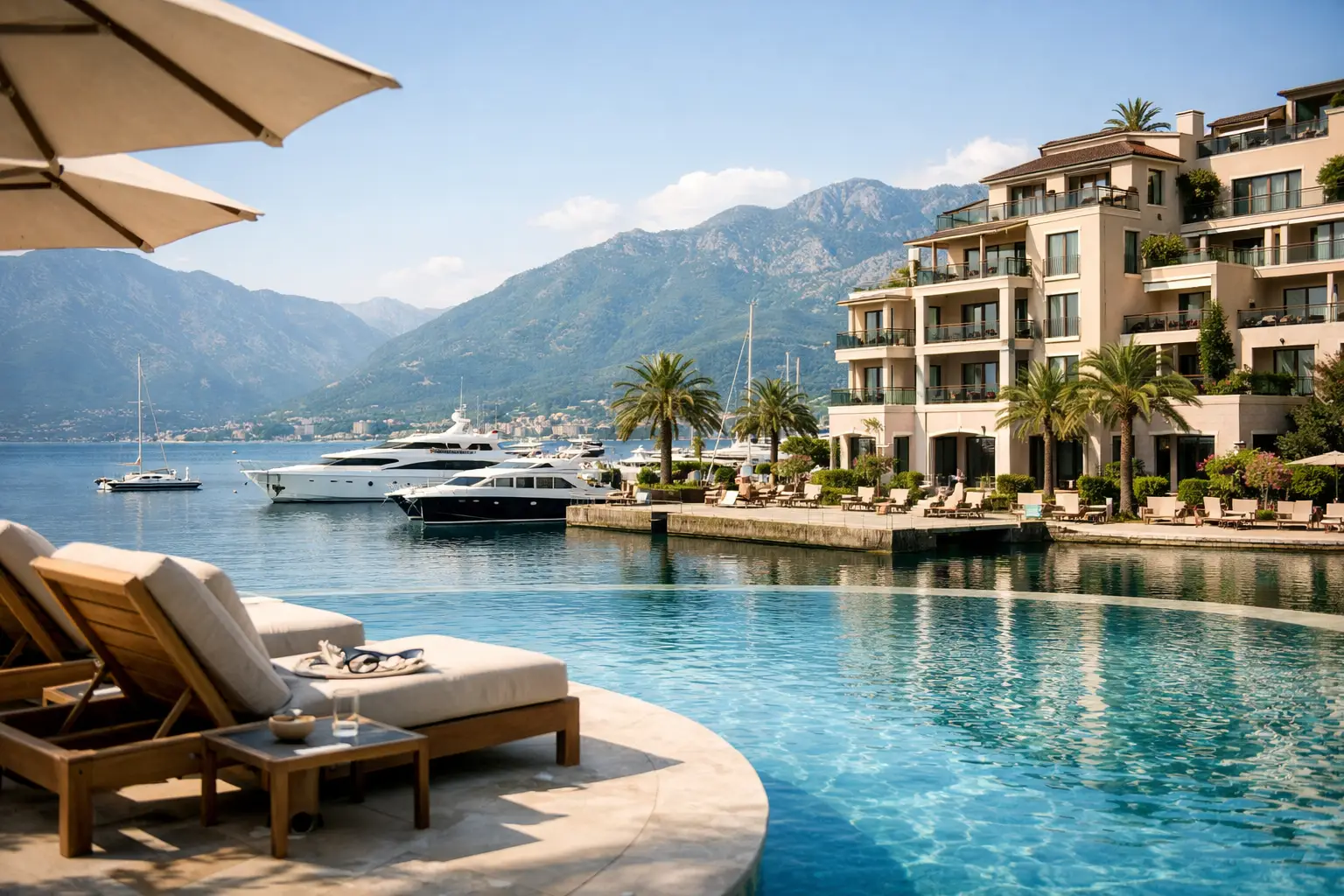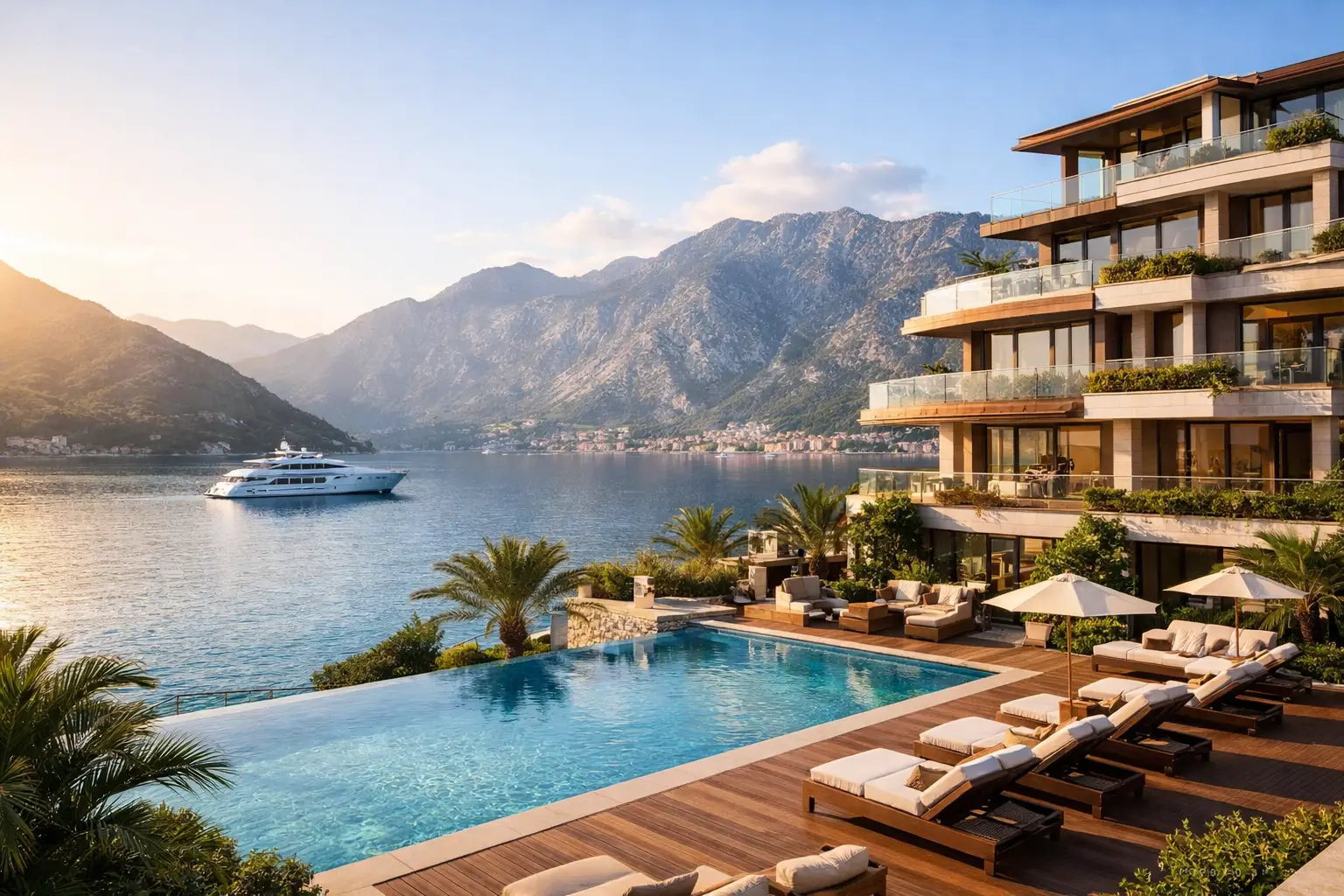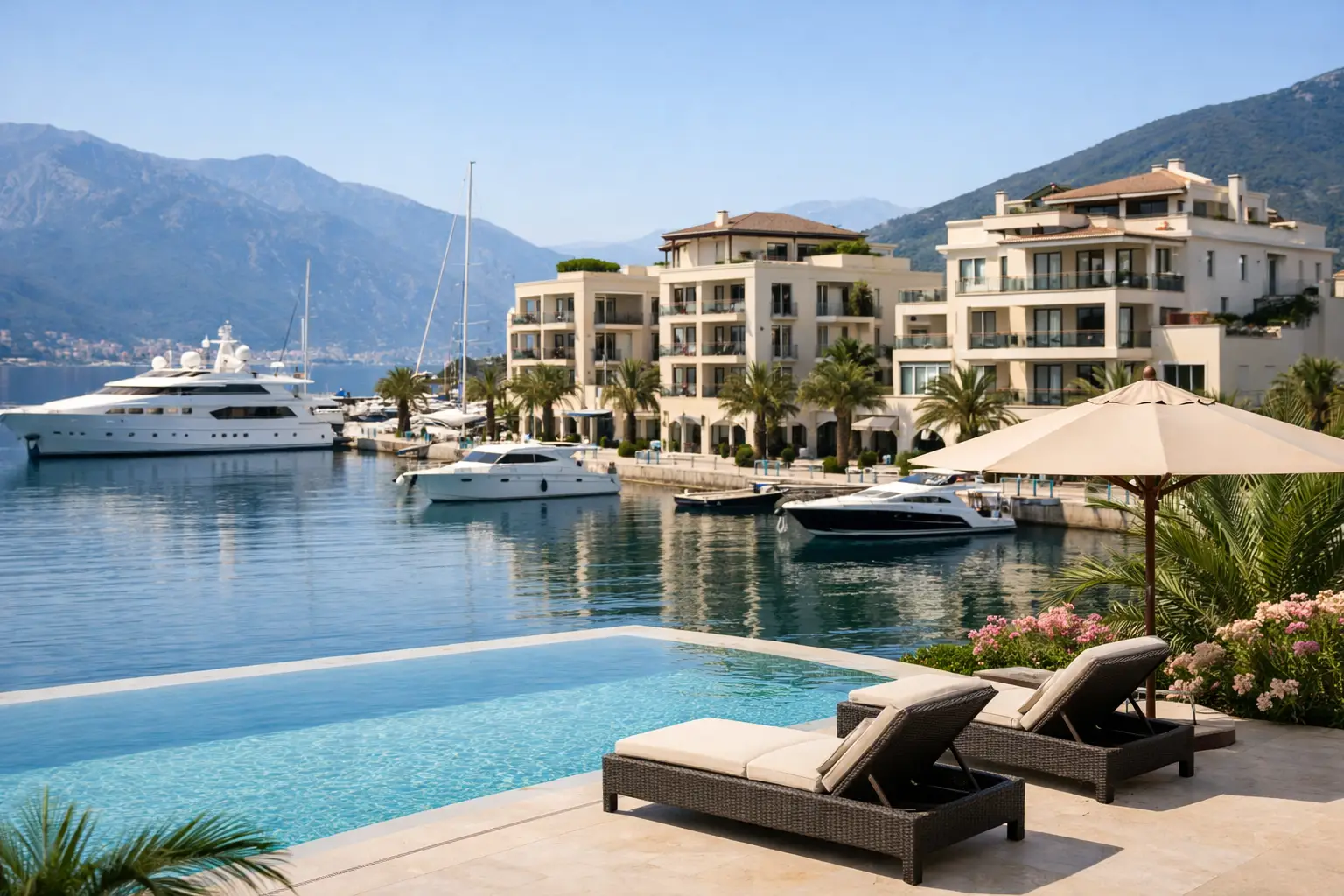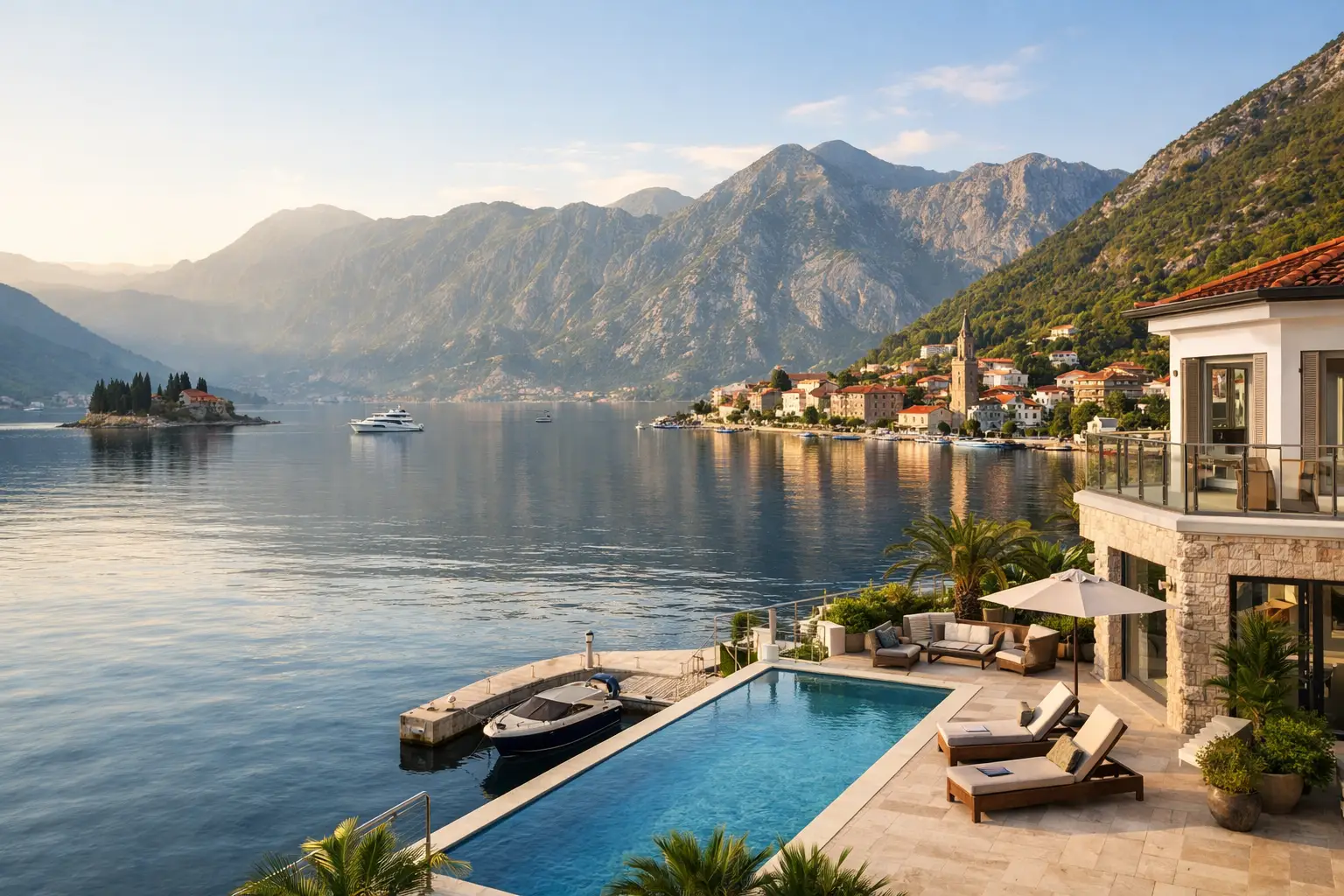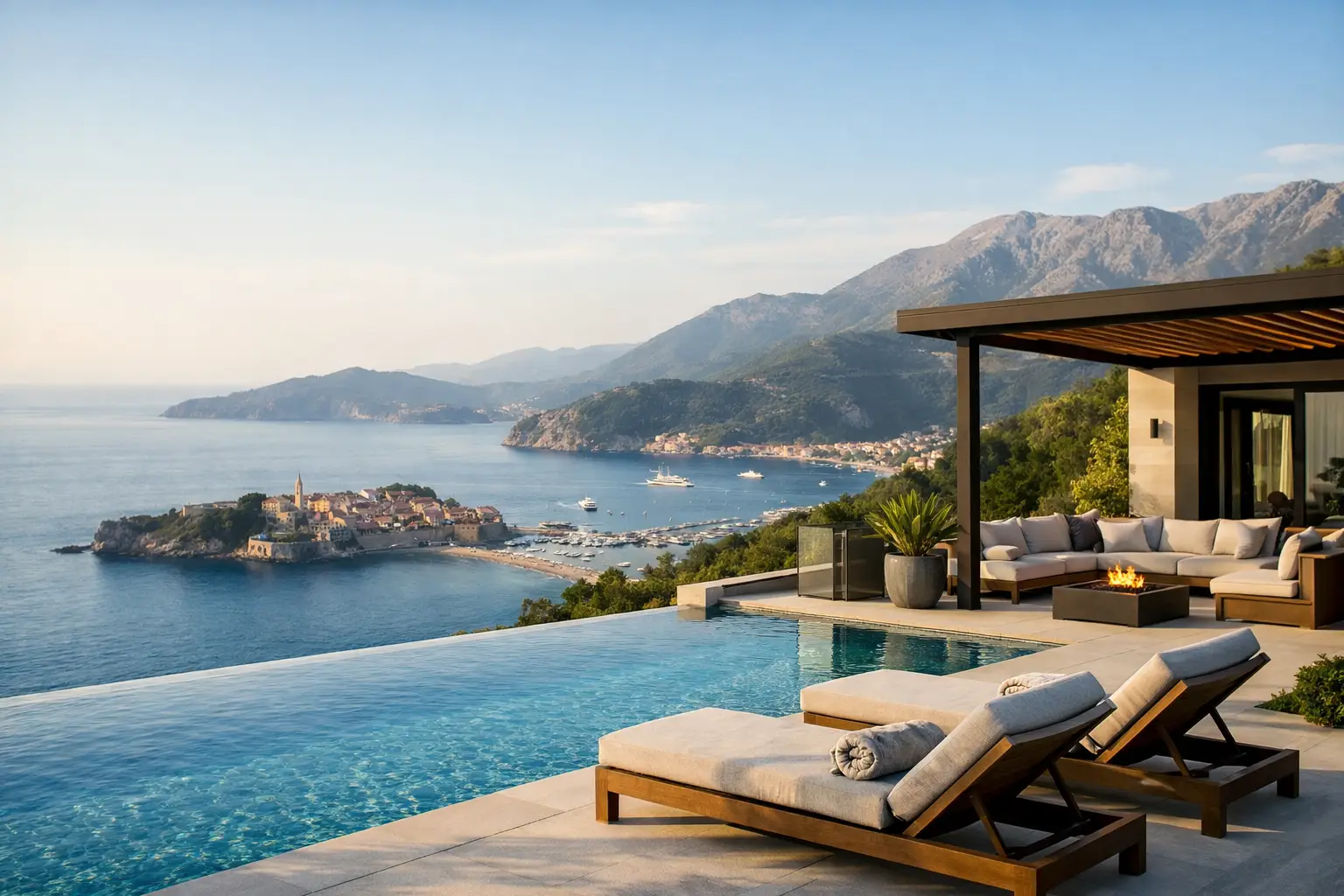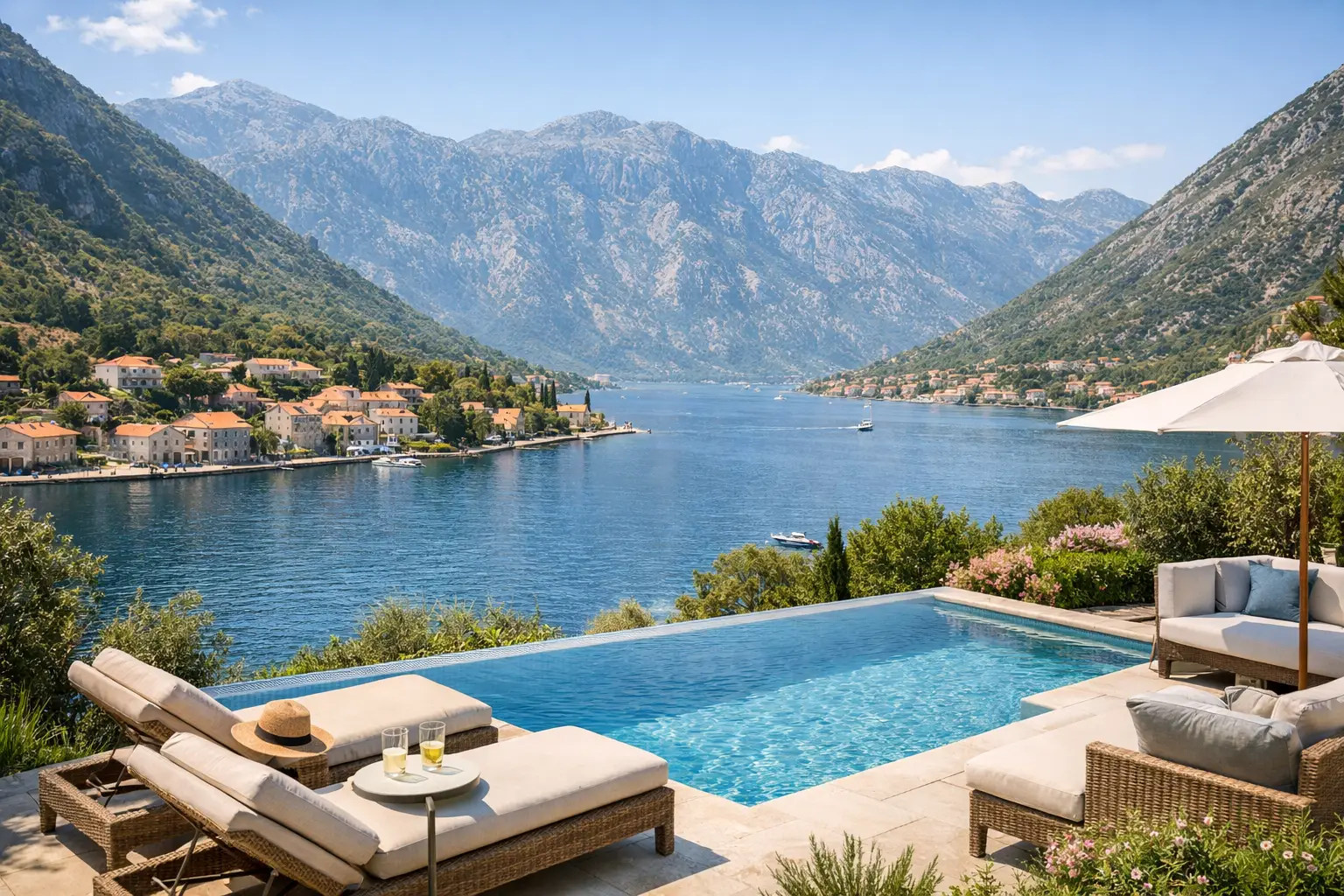





A marina-front apartment in Porto Montenegro, a stone villa above the Bay of Kotor, a branded residence in Luštica Bay – Montenegro attracts buyers who want more than a holiday home. They want a foothold in a market that still feels early relative to more saturated Mediterranean destinations. This Montenegro property investment guide is designed for that buyer: someone balancing lifestyle value, asset quality, and long-term positioning.
The appeal is not simply scenic. Montenegro offers a compact coastline, internationally recognized lifestyle developments, improving infrastructure, and a buyer pool that is increasingly global. Yet smart investing here is highly location-sensitive. A beautiful property is not always a strong investment, and a strong investment is not always the property that best suits private use. The distinction matters.
Why Montenegro remains on investors’ radar
For affluent buyers, Montenegro sits in a compelling middle ground. It offers waterfront scarcity, yachting culture, and luxury hospitality, but pricing in many segments remains more accessible than in established markets such as the French Riviera or certain parts of coastal Italy. That relative value is one reason investors continue to watch it closely.
There is also a practical advantage. Montenegro is small enough that prime micro-locations are easier to understand once you know the market. Demand tends to cluster around a select group of destinations rather than spreading evenly across the coast. That concentration can support liquidity in the right areas, especially where marina access, managed services, branded development, and year-round appeal come together.
That said, Montenegro is not a market for broad assumptions. Capital appreciation, rental potential, and resale performance can vary sharply between neighboring areas, and even between buildings within the same development.
Montenegro property investment guide by location
If investment quality is the priority, location should be evaluated at the submarket level rather than by municipality alone.
Porto Montenegro
Porto Montenegro is often the first reference point for internationally minded buyers. Its strength lies in brand recognition, marina infrastructure, rental appeal, and a polished ownership experience. Apartments here can attract buyers who value security, services, and immediate usability. For investors, the case is often built around liquidity and consistent demand from a global audience rather than outsized bargain pricing.
The trade-off is straightforward: entry pricing is typically higher, and buyers are paying for ecosystem as much as square footage. That can still make sense if your goal is defensible value in a prime marina setting.
Luštica-Bucht
Luštica-Bucht appeals to buyers who want a master-planned coastal environment with room for longer-term growth. Depending on the exact product, investors may find a broader range of price points than in more mature luxury enclaves. The investment thesis here often rests on phased development, lifestyle coherence, and the increasing value of well-managed communities with beach, golf, marina, and hospitality elements.
The key question is timing. Early entry can be attractive, but appreciation depends on continued execution and market absorption.
Portonovi
Portonovi has positioned itself at the top end of the market, with a strong hospitality component and high-spec residential stock. This is generally a market for buyers prioritizing prestige, waterfront access, and turnkey quality. It can be especially appealing to those who want a residence that performs equally well as a personal retreat and a globally recognizable asset.
Investors should look carefully at service charges, rental management structure, and the exact distinction between branded and non-branded inventory. In premium markets, those details influence net return more than headline rental rates.
Bay of Kotor and Budva Riviera
The Bay of Kotor offers heritage, drama, and enduring international appeal. Certain waterfront and old-town-adjacent properties carry strong scarcity value, especially where views, boat access, and authenticity align. Budva Riviera, by contrast, can offer stronger seasonal rental intensity in some pockets, with a broader mix of product and pricing.
Here, selectivity is everything. The best opportunities are rarely defined by municipality alone. Road access, parking, elevation, beach proximity, noise exposure, and planning context all have an outsized effect on value.
What makes a property a sound investment
In luxury real estate, not every attractive asset is investment-grade. The strongest properties in Montenegro usually share a few characteristics: excellent access, lasting view protection, proximity to marina or waterfront lifestyle infrastructure, professional management, and architecture that stands apart from generic stock.
Rental potential matters, but so does resale psychology. Ask who your future buyer will be. Is the property easy to understand from abroad? Does it have a recognized address or development name? Can it be maintained without friction when the owner is absent for part of the year? These factors often shape liquidity more than investors expect.
New-build properties may offer strong appeal because they reduce near-term renovation risk and tend to align with international buyer expectations. Older stone houses and character properties can be exceptional assets as well, but only if restoration quality, legal documentation, and access are fully vetted.
Ownership, process, and due diligence
Foreign buyers are active in Montenegro, but prudent due diligence is essential. The legal structure of a purchase, permitted use of the property, title position, and planning compliance should all be reviewed carefully before commitment. This is particularly important with land, redevelopment opportunities, and older homes that may have a more complex paper trail.
For many buyers, the process feels straightforward once the right advisory team is in place. The greater risk is not bureaucracy for its own sake, but assuming that all assets within prime destinations carry the same legal and commercial profile. They do not.
A disciplined purchase typically begins with clear investment criteria: private use versus income, holding period, preferred location, target budget, and tolerance for operational involvement. From there, property shortlisting should narrow quickly. This market rewards curation.
Returns, costs, and the question of yield
Many buyers ask first about rental yield. It is a fair question, but in prime Montenegro, yield should not be viewed in isolation. A lower-yielding trophy asset in a tightly held waterfront position may outperform a higher-yielding secondary property over the full holding period because of resale strength and lower obsolescence risk.
Seasonality is also part of the equation. Some assets perform very well during peak periods but require realistic assumptions outside the summer season. Net yield depends on occupancy, management structure, owner use, service charges, maintenance, and furnishing standards. Gross numbers can look attractive until those variables are modeled properly.
This is why sophisticated buyers often think in layers: lifestyle dividend, income potential, and medium-term appreciation. The right balance depends on the property. A branded marina residence and a hillside villa may both be excellent purchases, but for different reasons.
Risks worth taking seriously
Every emerging or fast-rising market carries risk, and confidence should never replace scrutiny. Overpaying for secondary product is one of the most common mistakes, especially when buyers respond more to staging than to fundamentals. Thin resale depth in weaker locations is another.
Construction quality varies, so technical review matters. Future supply should also be assessed carefully. If a sea view, neighborhood character, or access route can materially change over time, the investment case may weaken. In a compact coastal market, micro-level changes have macro impact on value.
There is also the question of fit. Some buyers should prioritize preservation of capital in the most established luxury addresses. Others may be better suited to earlier-stage opportunities with more upside but less certainty. Neither approach is inherently better. It depends on your objectives, timeline, and appetite for complexity.
Working with the right market guidance
For international buyers, local expertise is not a convenience. It is part of the investment itself. A trusted advisor should be able to explain not just what is available, but why one asset is materially stronger than another in the same price band.
That includes reading developments correctly, identifying inventory with genuine scarcity, clarifying ownership considerations, and aligning property choice with your intended use. At the luxury level, buying well is rarely about seeing more listings. It is about seeing the right ones first.
For buyers seeking a curated entry into this market, Sotheby’s International Realty Montenegro at https://www.sothebysrealty.me offers access to prime coastal inventory alongside local insight into the purchase journey.
The best Montenegro purchases tend to feel obvious in hindsight: the address was right, the quality held up, and the property remained desirable beyond the initial excitement of acquisition. That is the standard worth pursuing.