


Get our ultimate guide to buying real estate in Montenegro
Inhaltsübersicht
Montenegro’s dramatic coastline, historic towns, and investment-friendly real estate market have attracted global buyers seeking luxury property in Europe. Whether you’re pursuing a second home, a holiday residence, or a long-term investment, Montenegro offers scenic beauty, Mediterranean climate, and transparent property laws.
This step-by-step guide walks you through the legal process, taxes, residency options, inspections, and practical considerations when buying luxury real estate in Montenegro.
Why Buy Luxury Real Estate in Montenegro?
Montenegro is emerging as one of Europe’s most desirable luxury property markets. Key advantages include:
Strategic geographic location — between Western Europe and the Balkans, with excellent access to Adriatic Sea ports and airports.
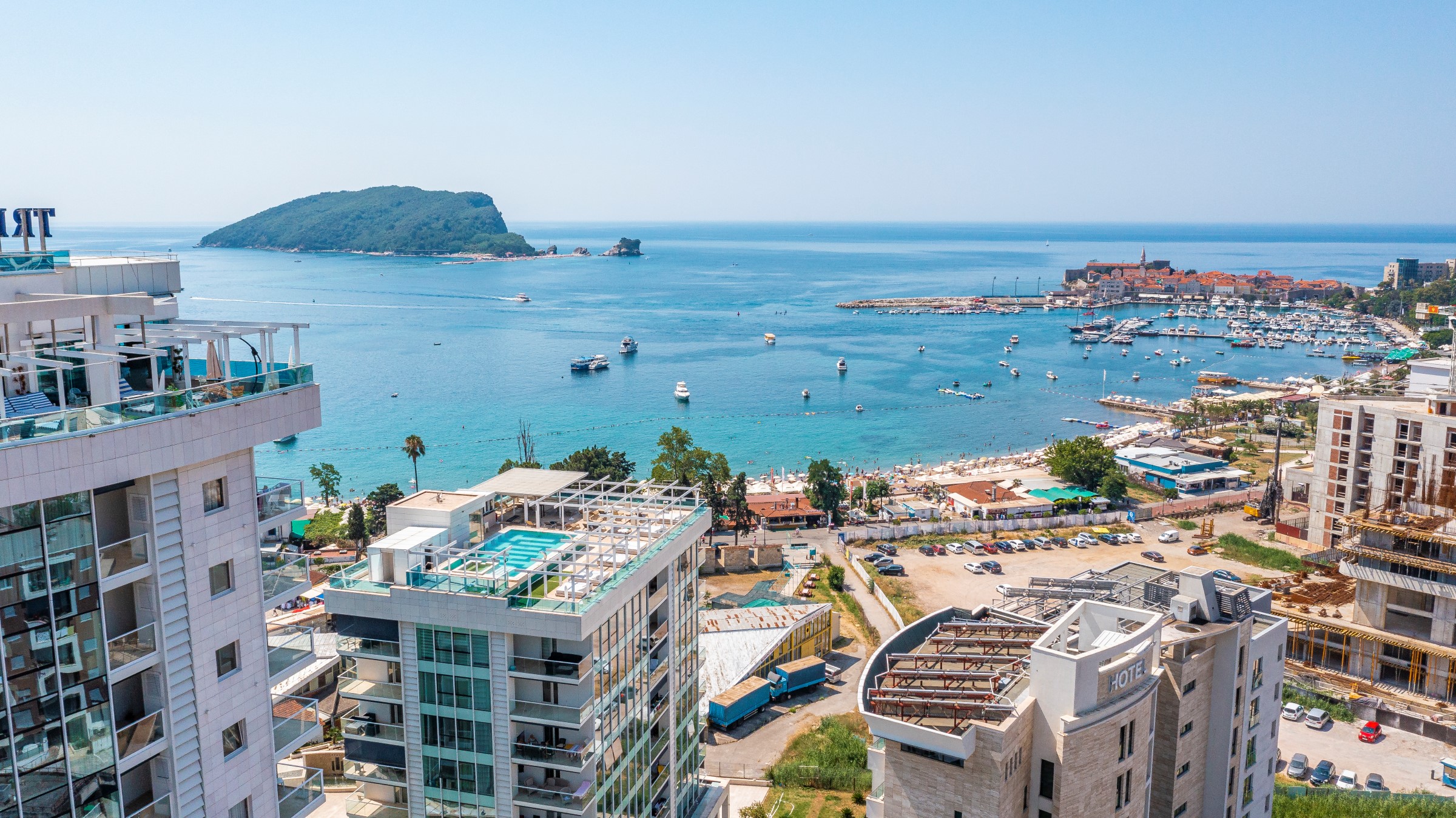
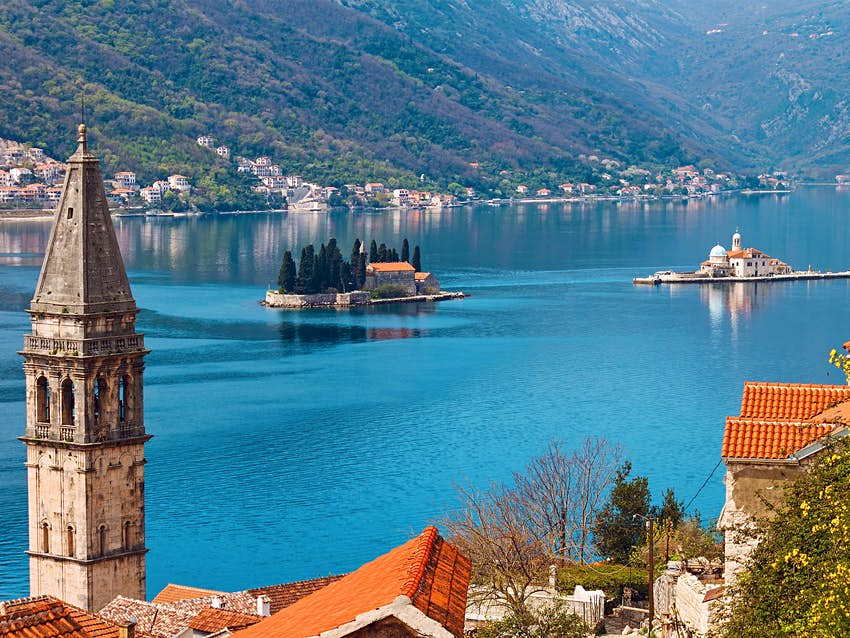
High-end lifestyle appeal — dramatic seascapes, marinas, historic towns like Kotor & Budva, and world-class hospitality.
Growing international investment — especially in luxury villas, waterfront apartments, and private estates.
Favorable tax and legal frameworks — enabling foreign ownership and residency options.
Check now: Warum Montenegro?
Step 1 — Define Your Goals and Budget
Before you begin property searches, clarify:
Purpose of purchase — primary residence, second home, rental investment, or retirement.
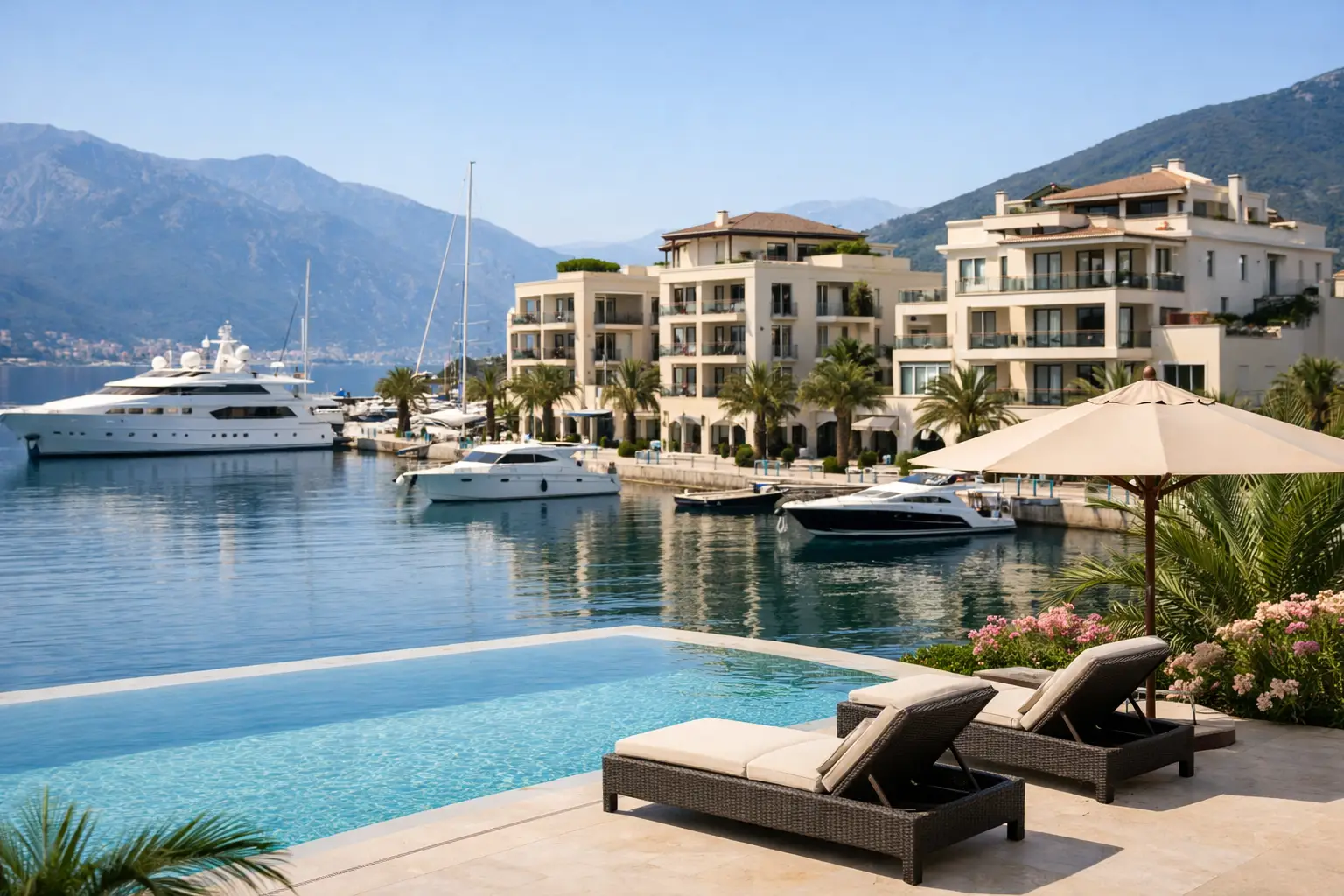
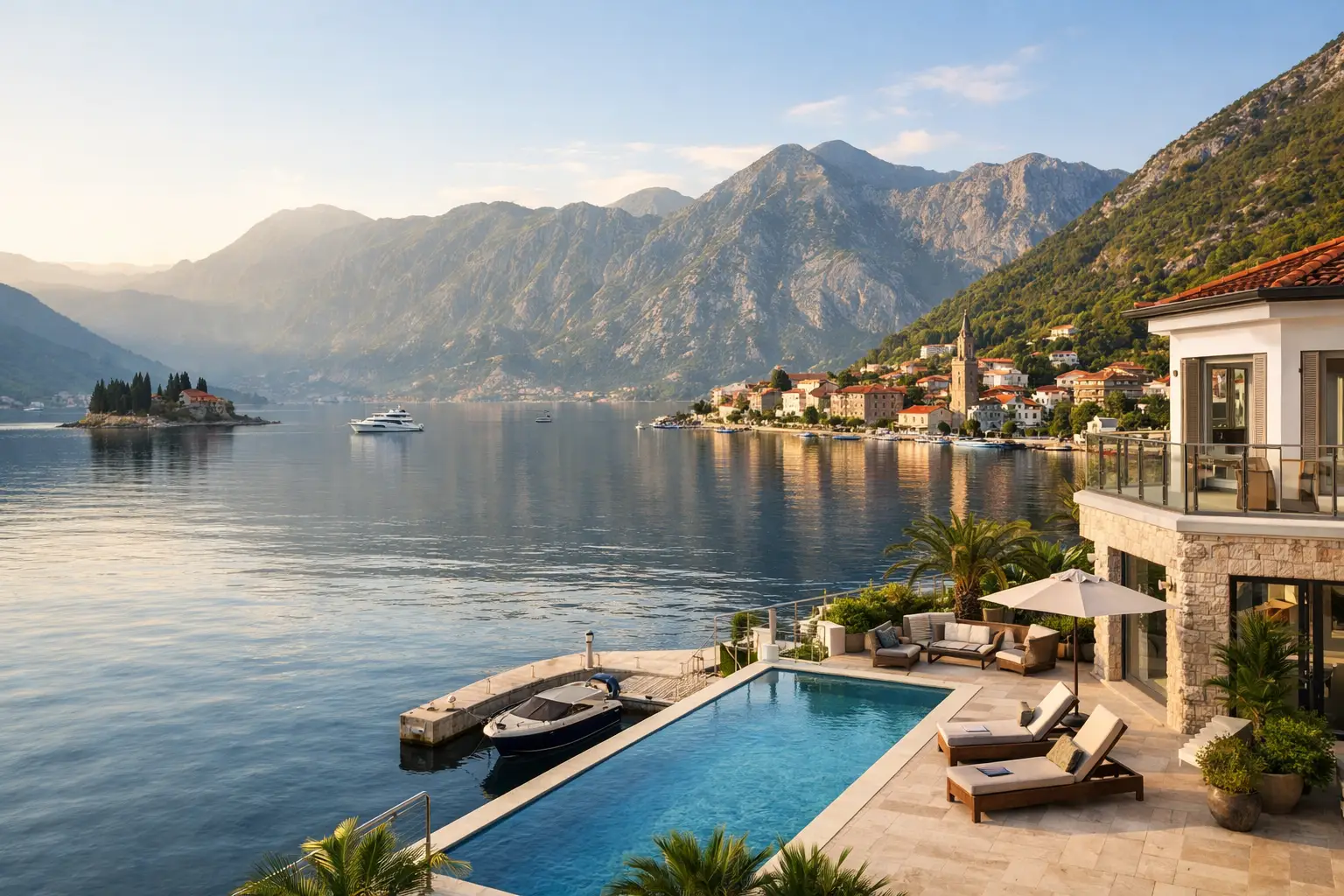
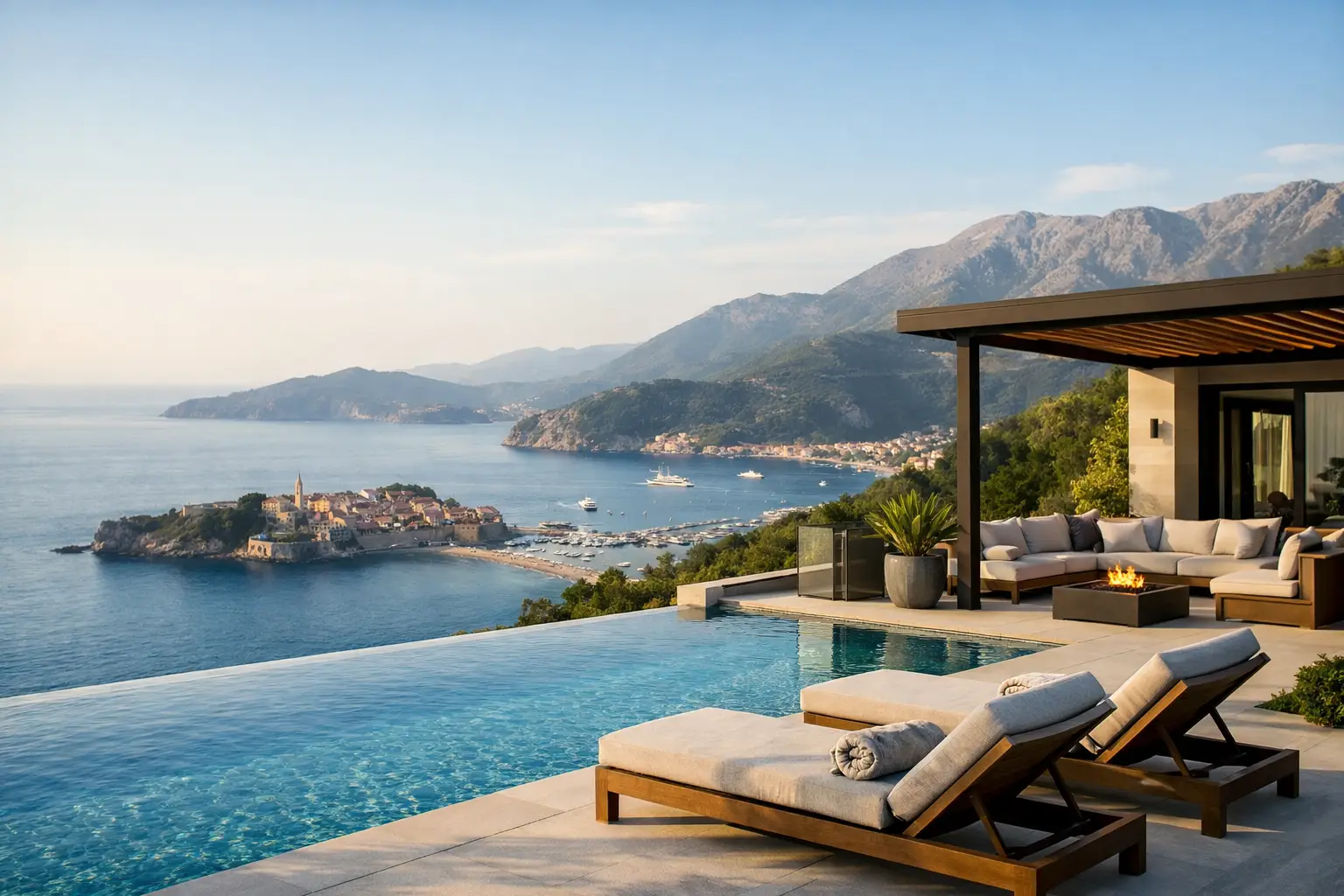
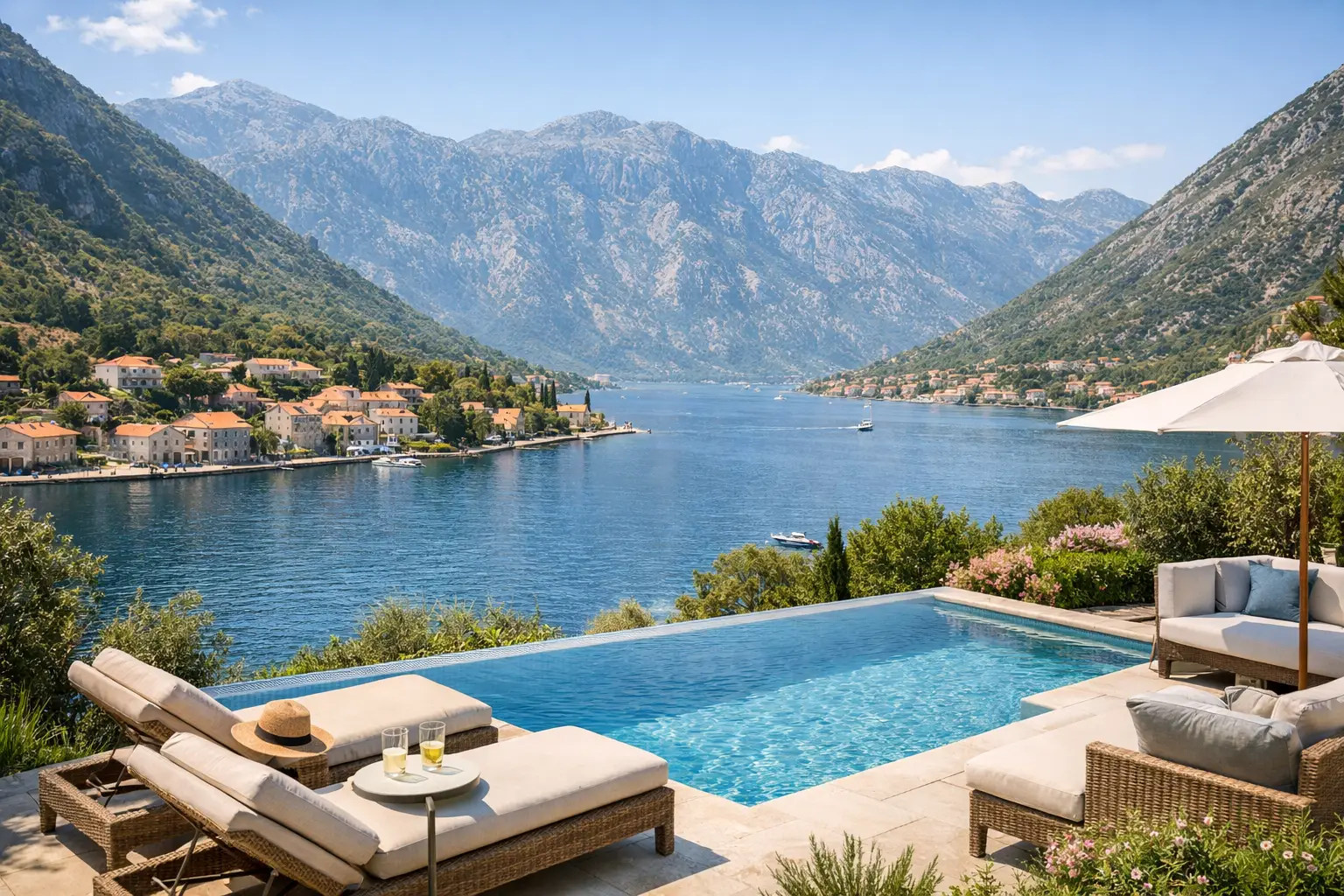
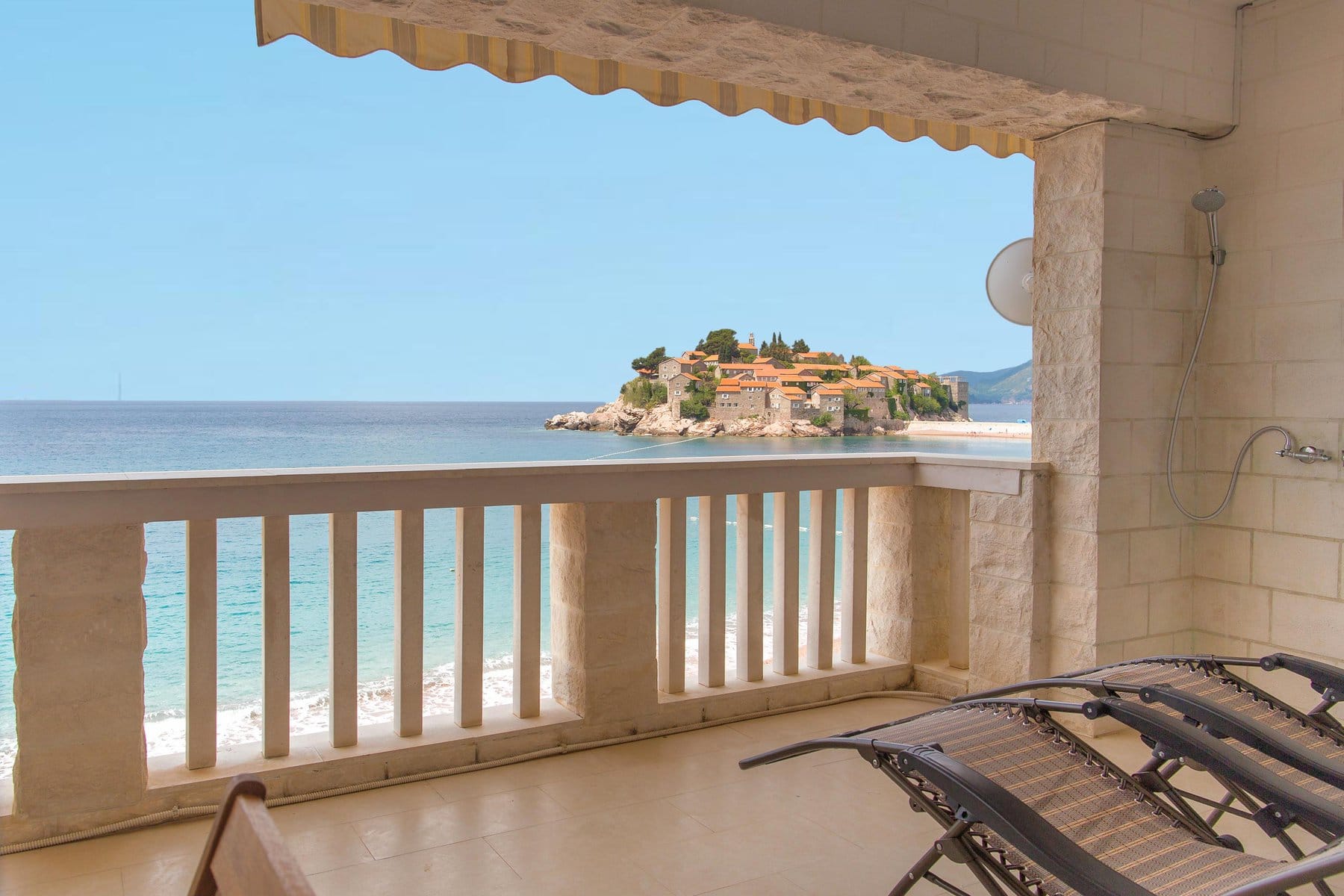
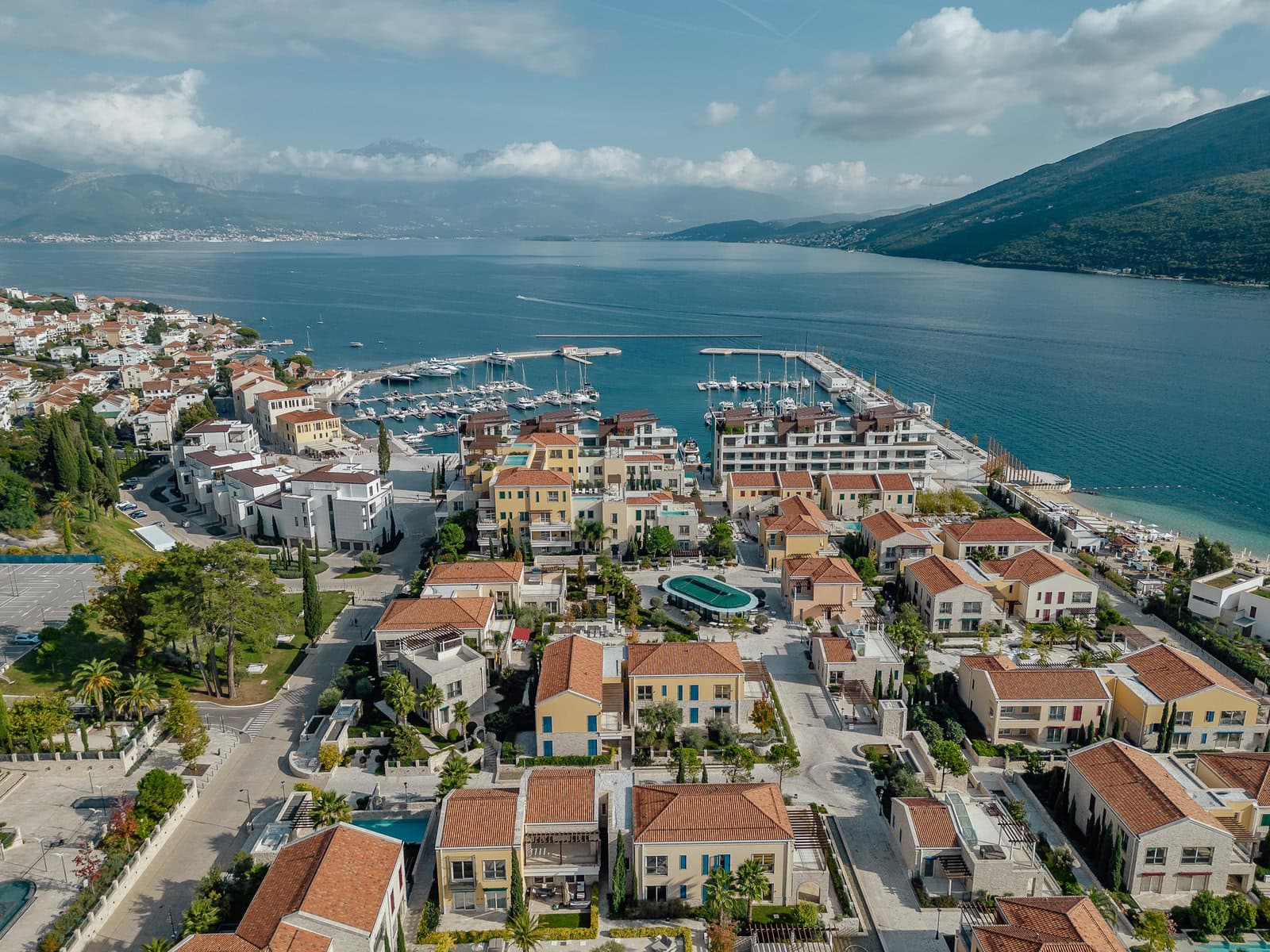
Preferred location — Bay of Kotor, Budva Riviera, Sveti Stefan, Tivat (Porto Montenegro), or quieter inland areas.
Budget and financing — luxury properties in Montenegro span a range of prices; consider construction quality, sea views, proximity to marina/amenities.
Setting clear goals ensures tailored search results and realistic expectations.
Step 2 — Engage a Local Real Estate Expert
A qualified local agent — especially one with luxury market expertise — is essential for:
-Presenting off-market and premium listings
-Negotiating on your behalf
-Explaining local market dynamics
-Assisting with legal and tax details throughout the process
Choose a licensed agency familiar with international buyers and Montenegro’s luxury segments.
Find out now: Sotheby’s International Realty Montenegro: Why Choose Us Over Other Luxury Real Estate Agencies?
Step 3 — Conduct Property Viewings and Due Diligence
Once you shortlist properties:
Property Viewings
Attend in-person or virtual tours focusing on:
-Structural quality
-Sea views, sunlight exposure, sound insulation
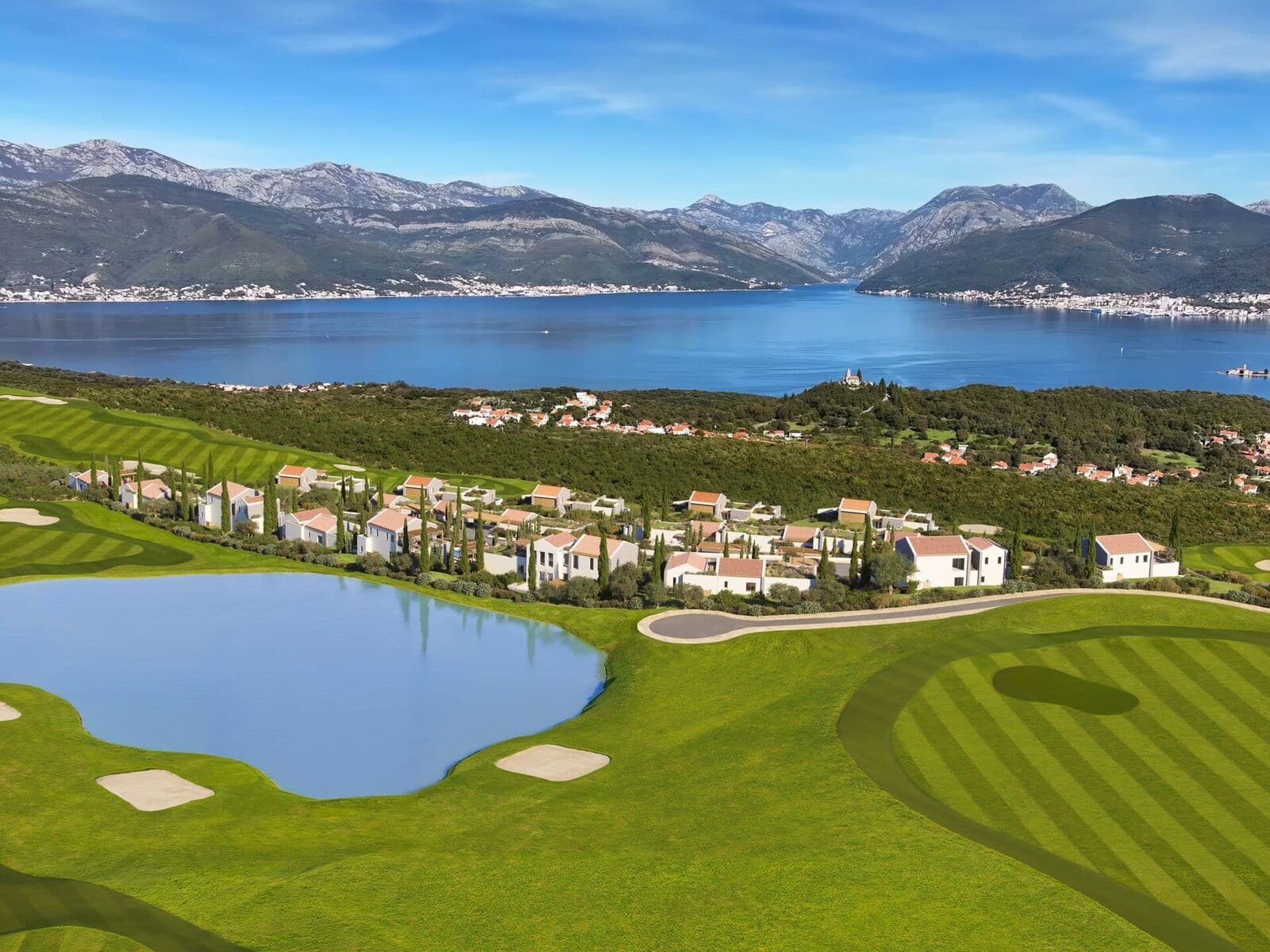
-Access to amenities (marina, beach, golf, restaurants)
-Privacy and security features
Due Diligence
Due diligence in Montenegro includes checks on:
-Ownership title and land registry
-Building permits
-Zoning and planning permissions
-Outstanding liens or obligations
-Utilities and service access
A reputable attorney or licensed real estate consultant should assist with these checks to ensure you are buying a clear and marketable title.
Step 4 — The Legal Process of Buying Property in Montenegro
Foreign buyers in Montenegro can purchase real estate under largely the same terms as locals, in most cases.
Typical Legal Steps
1. Letter of Intent (LOI) and Reservation Agreement
-Signals your intent to purchase
-May involve a reservation fee to take the property off the market
2. Preliminary Contract
-Sets out essential conditions: price, deposit, payment schedule, timeline
-Often accompanied by a deposit of 10–20%
3. Due Diligence Period
-Legal advisor verifies property documentation
-Confirms absence of encumbrances
4. Final Purchase Contract
-Notarized contract signed before a Notary Public
-Transfer of ownership registered with the Public Registry
5. Payment and Ownership Transfer
Balance paid, conditions met, keys handed over
Who Can Buy a Luxury Property in Montenegro?
Foreigners can buy real estate with generally the same rights as locals, except certain agricultural land or forested areas which have specific restrictions unless a company is involved or special permissions are granted.
Tip: Make sure your legal representative is fluent in English and experienced with foreign buyer transactions.
Step 5 — Taxes and Fees in Montenegro Real Estate Transactions
Montenegro’s fees and taxes are competitive in Europe, but you should prepare for the following:
Property Transfer Tax
Typically 3% of market value (can vary depending on property type and use).
Paid by the buyer upon registration of the property.
Notary and Registration Fees
Notary costs usually between 0.5–1% of the transaction value.
Public registry costs are comparatively modest.
Annual Property and Local Taxes
Annual property tax depends on location and property category.
Municipal fees for waste and utilities vary by region.
VAT Considerations
New properties may be subject to VAT; often included in purchase price for developers’ projects.
Always consult with a tax advisor to estimate your total tax commitment before purchase.
Find out all the details here: Immobiliensteuern in Montenegro - ein kompakter Leitfaden für unsere Immobilienkunden
Step 6 — Financing Your Montenegro Property
Cash Purchase
-Preferred for simplicity and negotiation leverage.
-Most foreign buyers purchase luxury properties outright.
Mortgage Financing
-Montenegro banks offer financing, but terms for non-residents can vary.
-Expect comprehensive documentation and possibly larger down payments compared to some Western markets.
Work with your agent and legal advisor to understand current mortgage. availability and terms.
Find out more here: Immobilienfinanzierungen und Hypotheken in Montenegro (mit Optionen für ausländische Käufer)
Wie man eine Luxusimmobilie in Montenegro finanziert: Vollständiger Leitfaden
Step 7 — Inspections Before Closing
A professional property inspection is crucial — especially for luxury homes — to uncover:
-Structural issues
-Electrical or plumbing problems
-Roof condition
-Insulation and energy efficiency
-Quality of construction materials
Inspection professionals can provide detailed reports which may influence price negotiations.
Step 8 — Closing the Deal
At closing:
-Ensure all conditions in the purchase contract are fulfilled
-Sign at the notary’s office
-Confirm transfer of funds
-Registration of new ownership
Once complete, you receive the title deed and officially become the owner.
Step 9 — Residency Options After Buying Property in Montenegro
Montenegro offers several pathways to residency tied to real estate ownership:
Temporary Residency
Foreign buyers may apply for a temporary residence permit if they own real estate in Montenegro. Requirements include:
-Proof of property ownership
-Valid health insurance
-Sufficient means of support
Temporary residency can be extended and may lead to long-term residency pathways.
Residency by Investment
While Montenegro does not have a formal “Golden Visa” identical to some EU programs, property ownership of substantial value, especially in developments linked to strategic investments, may support residency applications with local authorities.
Tip: Always verify the latest regulations as immigration rules can evolve.
Step 10 — Managing Your Property
If you do not reside year-round:
-Engage a property management service
-Arrange security, maintenance, cleaning, and seasonal rentals
-Consider hospitality services if renting as a luxury vacation property
Professional management ensures your asset retains value and generates income when unused.
Ultimate Guide to Buying Luxury Real Estate in Montenegro - Frequently Asked Questions
How do foreigners buy property in Montenegro?
Foreigners can buy Montenegro property similarly to locals, following a notarized sale contract and title registration, except for some agricultural land restrictions requiring permissions. Legal representation streamlines this process.
What taxes do I pay when buying real estate in Montenegro?
Buyers typically pay a 3% property transfer tax, notary fees (~0.5–1%), and registration costs. Annual property tax and local utility fees apply thereafter.
Can buying property in Montenegro lead to residency?
Yes. Owning real estate may help secure temporary residency if you meet requirements, including proof of ownership, insurance, and financial means.
Is a property inspection required in Montenegro?
A professional inspection isn’t legally required, but it is highly recommended for luxury properties to avoid hidden issues and costly repairs.
Do I need a lawyer to buy property in Montenegro?
Strongly recommended. A lawyer verifies title documents, confirms legal compliance, and protects your interests throughout the transaction.
Are there restrictions on foreign investment in Montenegro real estate?
Mostly no, but specific limitations apply to certain land types (like agricultural areas). Legal counsel can clarify property eligibility.
How long does it take to complete a property purchase in Montenegro?
Once due diligence and documentation are complete, transfers typically take several weeks to a few months, depending on negotiation and registration timelines.
What are the best regions in Montenegro to buy luxury real estate?
Popular luxury zones include Porto Montenegro (Tivat), Bay of Kotor, Budva Riviera, Sveti Stefan, and some inland hillside estates with panoramic views.
Can I rent my Montenegro property short-term?
Yes, with appropriate registration and compliance with local regulations, you can generate rental income — a common choice for luxury homes near the coast.
Does Montenegro have capital gains tax on property sales?
Montenegro applies tax rules to capital gains depending on ownership duration and personal circumstances — consult a tax specialist for specifics.
Buying luxury real estate in Montenegro offers more than property — it provides a gateway to Mediterranean living, potential residency, and strong investment prospects. With careful planning, expert guidance, and a clear understanding of legal and tax requirements, your Montenegro property purchase can be a smooth and rewarding experience.