


The decision between Montenegro and Croatia for property investment comes down to one question: do you prioritize immediate regulatory certainty, or long-term capital appreciation? Both nations offer Adriatic coastlines and Mediterranean lifestyles, yet they sit at different stages of market maturity. Croatia offers the stability of full EU membership and a saturated luxury tier. Montenegro offers an emerging value proposition with room to grow before its own anticipated EU accession. For high-net-worth buyers weighing their options in 2026, understanding this divergence matters for aligning real estate with broader financial and lifestyle goals.
Adriatic Coast Property Comparison: Market Maturity vs. Growth Potential
Any adriatic coast property comparison has to distinguish between established stability and emerging opportunity, because each suits a different investor. The real question is whether your priority is preserving wealth in a regulated environment, or capturing growth in a developing luxury sector.
Croatia’s Established Luxury Tier
Croatia’s real estate market has had over a decade of EU integration behind it, which has built a transparent, liquid environment for international capital. Prices along the Dalmatian Coast have settled at premium levels, reflecting the region’s status as a proven destination. That maturity brings lower volatility, but also less room for rapid value growth in prime zones. Buyers here pay for predictability, legal harmonization, and infrastructure that already meets Western European standards.
Montenegro’s Emerging Value Proposition
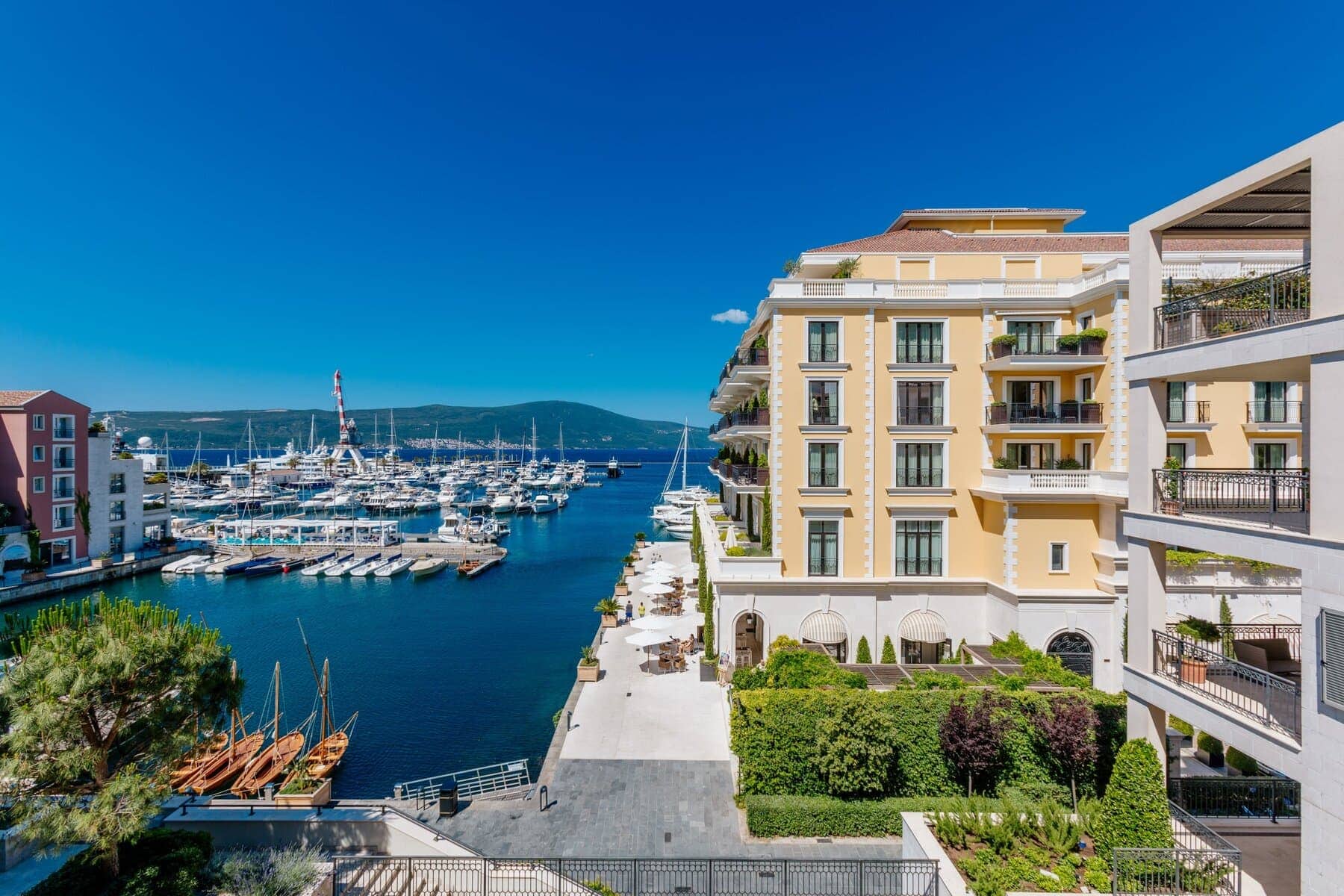
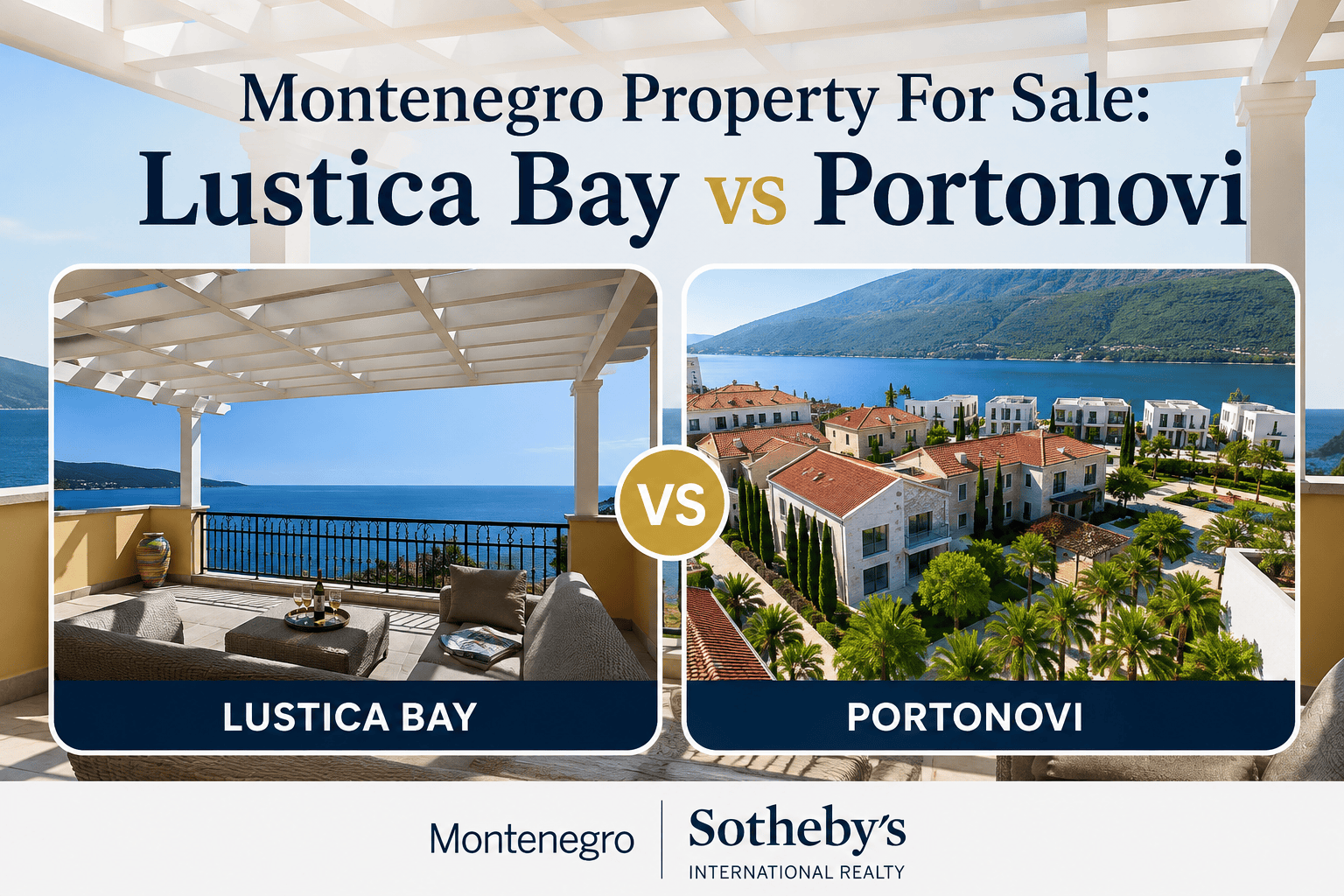
Montenegro tells a different story. Discerning buyers increasingly see the pre-EU phase as a finite window to acquire trophy assets at valuations below where they’re expected to land after accession. The market stays dynamic, with new master-planned communities setting benchmarks that pull surrounding areas upward. Porto Montenegro and Luštica Bay are the clearest examples: integrated luxury marina communities that drive premium valuations through controlled supply and world-class amenities. That combination creates a real arbitrage opportunity for investors entering now, rather than waiting for institutional pricing to fully mature.
Price Per Square Meter: Entry Points for Luxury Real Estate
The price gap between these two markets is wide enough to shape portfolio allocation on its own. When comparing montenegro or croatia real estate, the cost basis for comparable sea-view luxury assets often runs thirty percent or more lower in Montenegro.
Prime Waterfront Pricing in Dubrovnik and Split
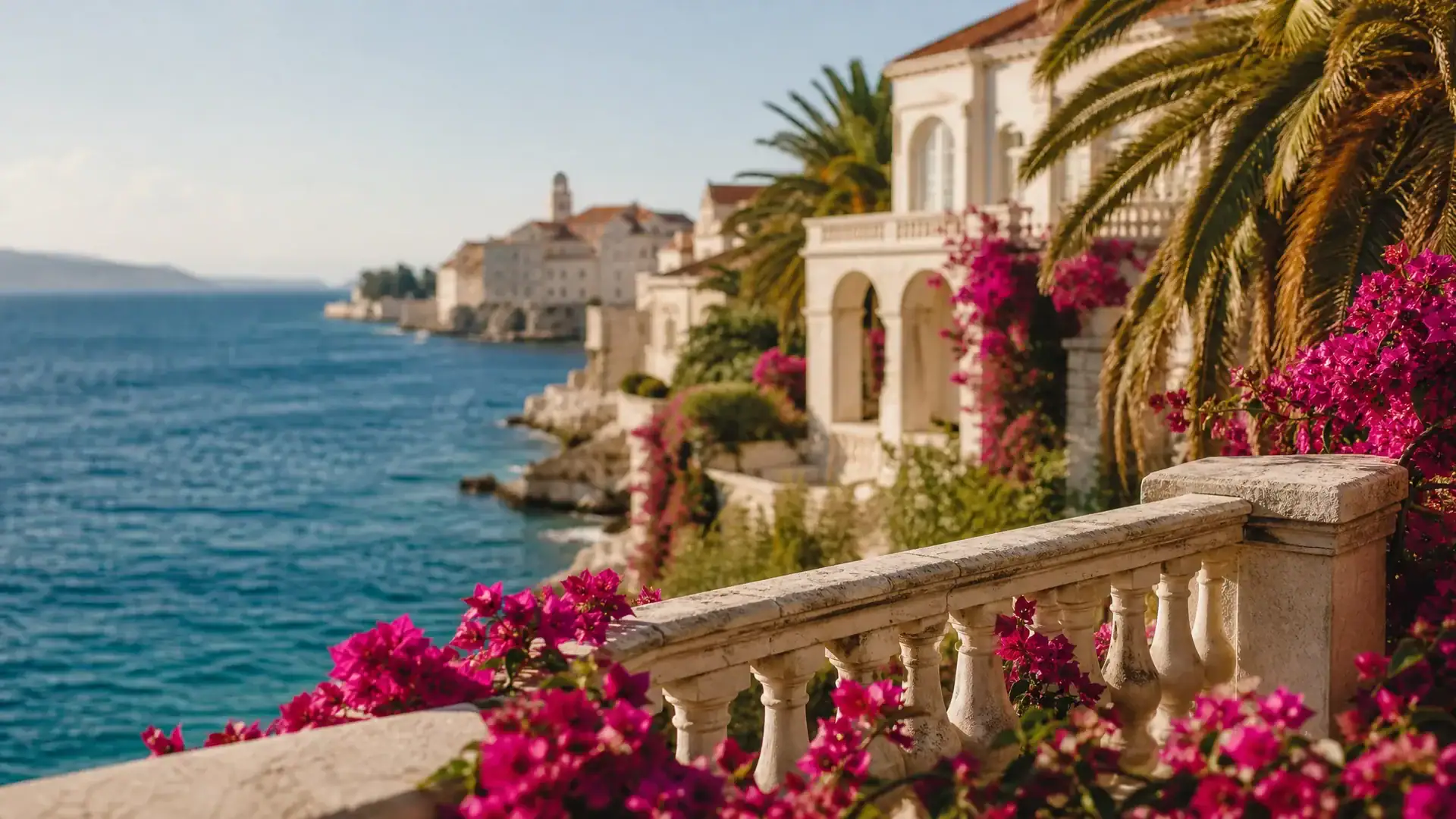
Dubrovnik and Split command the highest prices on the Adriatic. Renovated stone villas and penthouses in top locations frequently exceed €6,000 per square meter, a figure built on years of foreign demand against limited buildable land within historic boundaries. Entry-level luxury properties under €500,000 are virtually nonexistent in these prime Croatian enclaves today. Buyers chasing waterfront prestige here need to commit substantial capital upfront, accepting that high acquisition costs will likely compress future yields.
Budva Riviera and Bay of Kotor Value Benchmarks
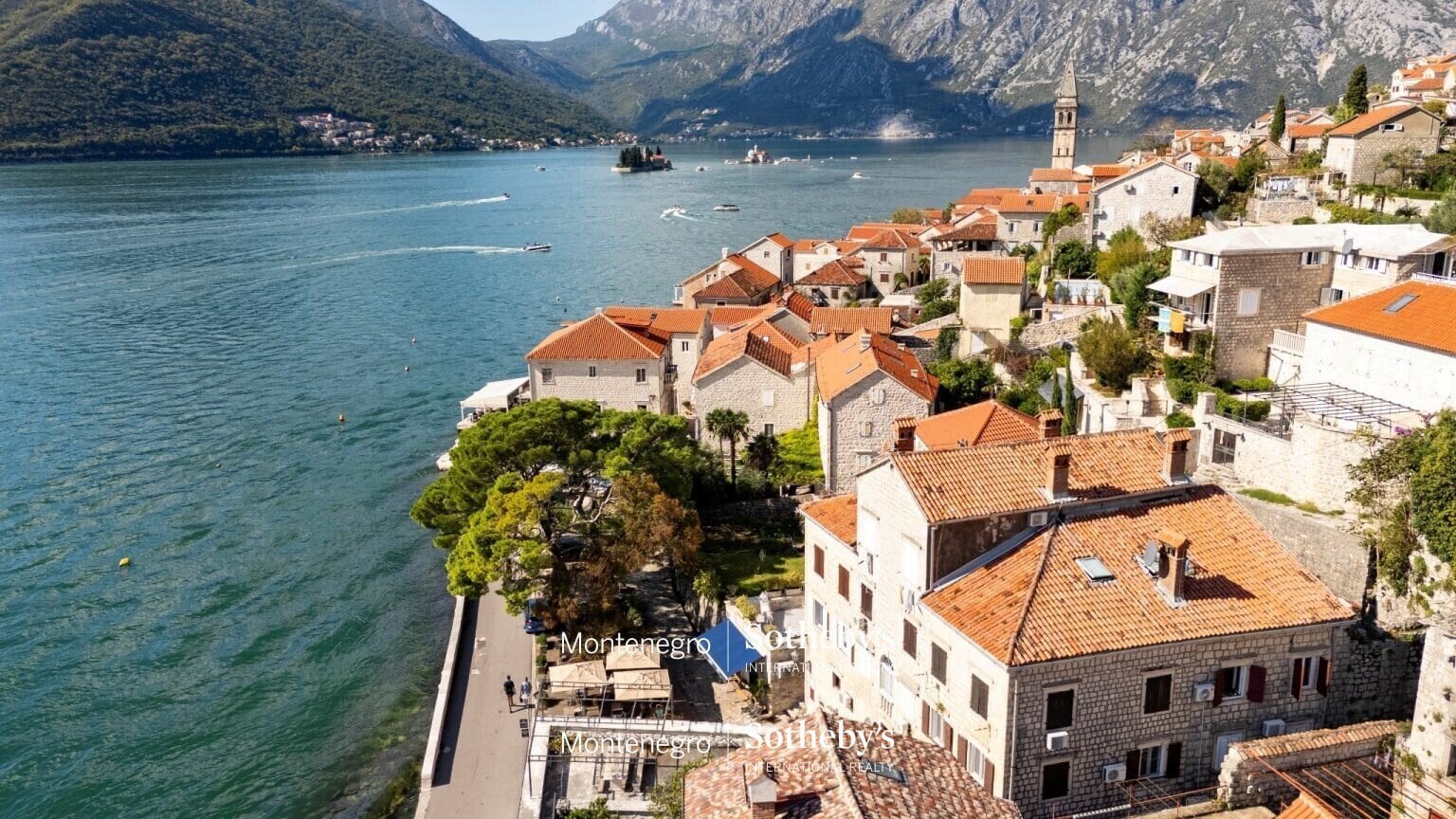
Montenegro currently offers lower price-per-square-meter entry points for comparable quality, particularly in its developing luxury corridors. Sotheby’s International Realty Montenegro tracks transaction data across the Bay of Kotor and Budva Riviera, which gives buyers verified benchmarks for luxury villa pricing and off-market availability. Tivat’s marina district is approaching Croatian pricing, but the areas around it still hold value gaps that savvy buyers can exploit. Luxury villas on the Budva Riviera show how contemporary design and sea views remain accessible at price tiers that would only buy secondary locations further north.
EU vs Non-EU Property Investment: Regulatory and Tax Implications
The choice between eu vs non-eu property investment adriatic means weighing bureaucratic comfort against fiscal efficiency. Neither framework wins outright; each favors different holding structures and exit timelines.
Croatia’s Eurozone Stability and Ownership Rules
EU membership aligns Croatia automatically with European property law, which simplifies transactions for fellow member-state nationals. Non-EU buyers face extra reciprocity checks and longer approval timelines, though the process is well-defined. The euro removes exchange risk for Eurozone investors, and VAT compliance follows familiar Brussels directives. This environment cuts due diligence friction, but it comes with higher ongoing tax burdens and less flexibility in corporate structuring.
Montenegro’s Favorable Tax Regime and Purchase Process
Montenegro holds one of Europe’s lowest corporate tax rates, which cuts holding costs for foreign-owned property vehicles well below EU counterparts. Foreign buyers get equal ownership rights with no reciprocity requirements, which streamlines acquisition for Americans, Britons, and Middle Eastern investors alike. The purchase process itself is straightforward when handled properly, though local expertise still matters for verifying title and zoning.
Get the purchase process right as a foreign buyer, and these fiscal advantages come without the procedural delays that can throw off your timing.
Residency Pathways and Citizenship by Investment
Residency eligibility often decides which country makes practical sense for lifestyle-focused investors who need mobility alongside their asset. The croatia property residency comparison shows two fundamentally different philosophies toward foreign capital.
Croatia offers standard EU temporary residency through property ownership, with minimum stay thresholds that lead to permanent status after five continuous years. There’s no fast-track citizenship tied to real estate here; naturalization demands ten years of residence and language proficiency. Montenegro previously ran a citizenship-by-investment scheme that drew significant attention, but that program has closed to new applicants as of 2026. Current residency pathways focus on business establishment or qualified employment rather than passive property purchase alone, a shift that reflects Montenegro’s alignment with EU expectations ahead of accession talks. Investors should plan around standard temporary residency, renewable annually based on property ownership or company formation.
Rental Demand and Investment Returns in 2026
Yield potential diverges sharply between these markets, driven by seasonality and guest spending profiles. Finding the best adriatic country to buy property for rental income means analyzing net returns after management fees, taxes, and maintenance, not gross occupancy figures alone.
Seasonality and Occupancy Trends
Croatia benefits from a longer tourist season, stretching from May through October and backed by extensive airline connectivity and established tour operator partnerships. But saturation in mid-tier segments compresses margins for all but the most exceptional properties. Montenegro’s season runs shorter, yet it attracts disproportionately high-spending visitors drawn to superyacht tourism and exclusive marina events.
Premium waterfront villas in Porto Montenegro and Luštica Bay are commanding rising nightly rates on the back of limited inventory and growing superyacht tourism. That concentration of affluent demand supports higher average daily rates despite fewer operational weeks.
Luxury Villa Yields: Budva vs. Dalmatian Coast
Net yields for luxury villas in Montenegro’s prime zones currently outpace comparable Croatian assets when calculated on acquisition cost. Our Bay of Kotor investment returns analysis shows how managed properties in integrated resorts achieve stronger revenue per available night than standalone homes. Model realistic private villa rental income conservatively, and factor in professional management fees that typically run twenty to thirty percent of gross revenue. Croatian yields remain respectable, but they face downward pressure from higher purchase prices and competitive supply in popular towns.
Lifestyle Infrastructure and Future Development Pipeline
Hard infrastructure separates aspirational destinations from livable ones, especially for buyers planning extended stays or retirement. Montenegro’s current edge lies in purpose-built communities designed for modern luxury living, rather than adapted historic fabric.
Marina Communities and Integrated Resorts
Porto Montenegro and Luštica Bay represent a development model largely absent in Croatia: master-planned environments that combine residential, retail, dining, and nautical services within secure perimeters. These communities run year-round programming, international schools, and healthcare facilities that operate independently of seasonal tourism cycles. Croatia’s luxury infrastructure exists mainly as renovations within medieval towns, charming but constrained by heritage protections and fragmented ownership. Buyers who want turnkey convenience with consistent service standards will find Montenegro’s integrated approach better suited to contemporary expectations.
Transport Connectivity and Airport Access
Tivat Airport handles seasonal private aviation well, but it lacks the year-round commercial capacity of Split or Dubrovnik. Major infrastructure projects scheduled for 2027 include highway extensions linking the coast to Podgorica and improved border crossings with Croatia, which should cut transfer times significantly. These projects will directly improve accessibility for residents and guests alike, removing a friction point that has historically suppressed valuations in eastern coastal zones. Better road networks will also open up previously remote parcels for future luxury development, stretching the value appreciation corridor beyond today’s hotspots.
Strategic Verdict: Aligning Investment Goals with Market Dynamics
This comparison doesn’t produce a universal winner, because montenegro vs croatia property investment serves distinct capital deployment strategies. Croatia suits risk-averse buyers who prioritize EU liquidity, regulatory familiarity, and immediate rental operations in a proven market. Montenegro targets investors after capital appreciation, favorable tax treatment, and exclusive lifestyle assets bought before institutional pricing fully matures. Neither path guarantees returns. Both demand disciplined due diligence and realistic expectations about management overhead.
Sotheby’s International Realty Montenegro specializes in guiding international buyers through Montenegro’s specific opportunities, with verified local expertise and global brand accountability. Schedule a confidential consultation with our team to review curated listings matching your investment criteria, and receive proprietary market data unavailable through public channels.