


Holen Sie sich unseren ultimativen Leitfaden zum Immobilienkauf in Montenegro
Inhaltsübersicht
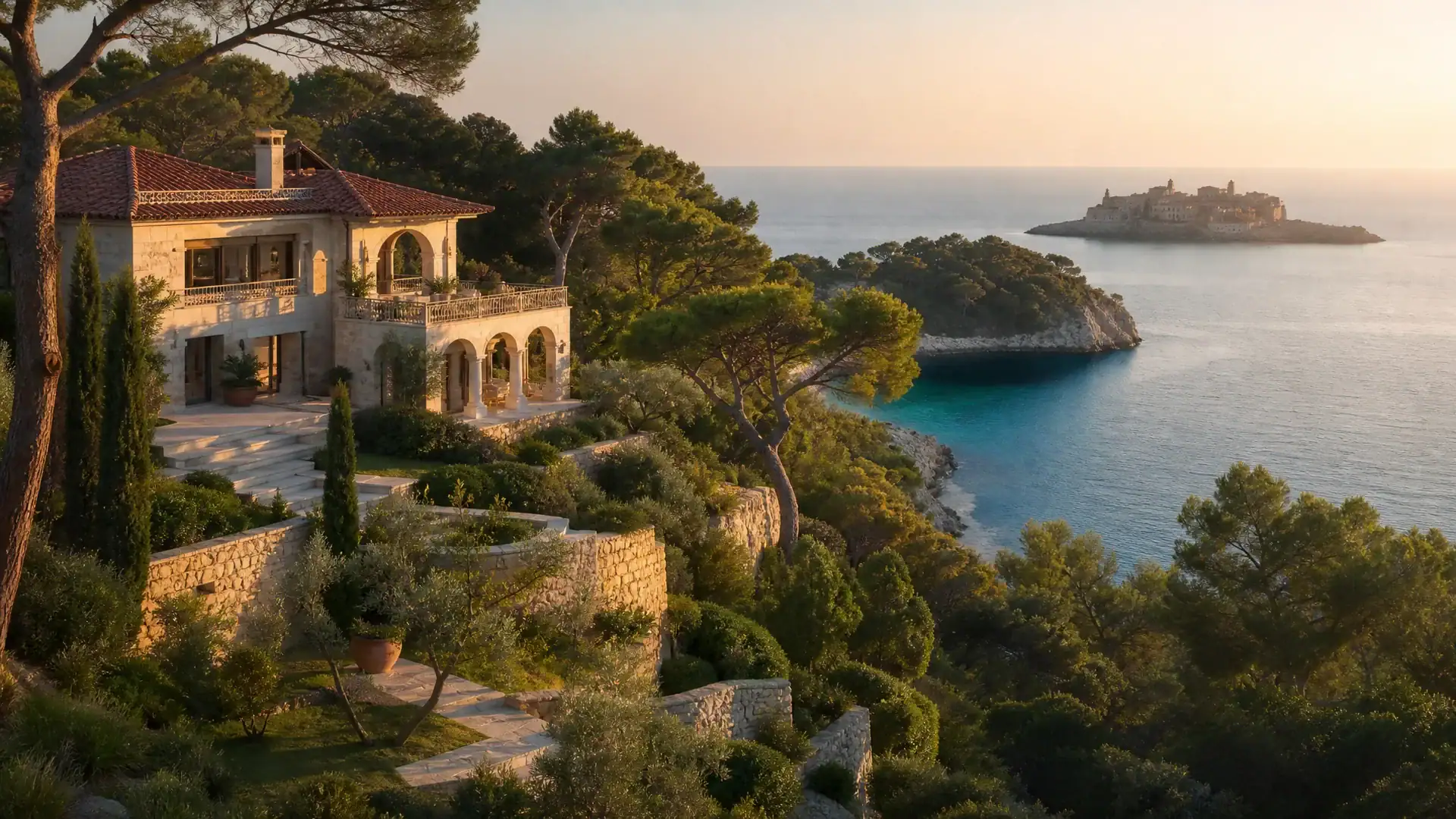
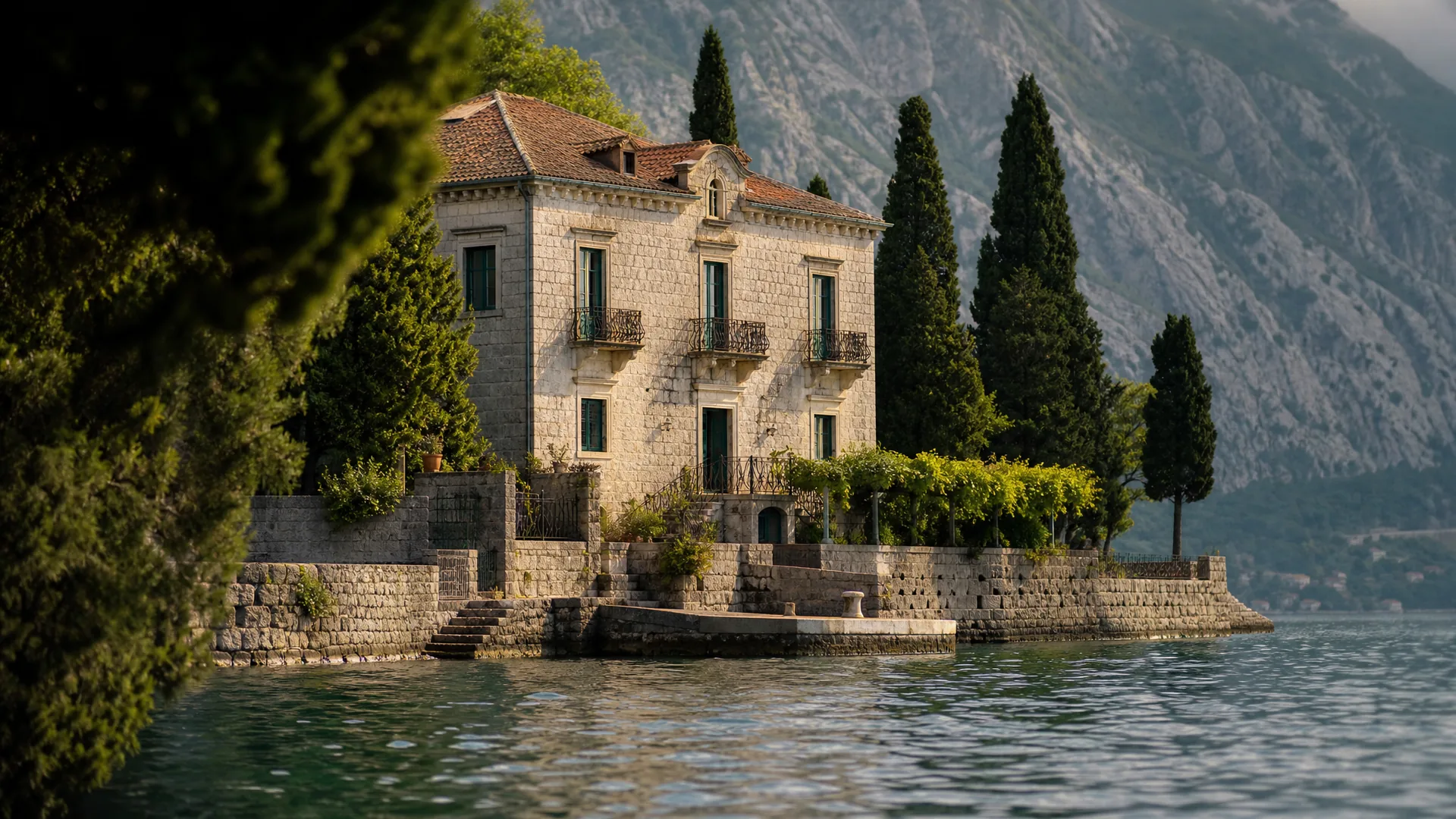
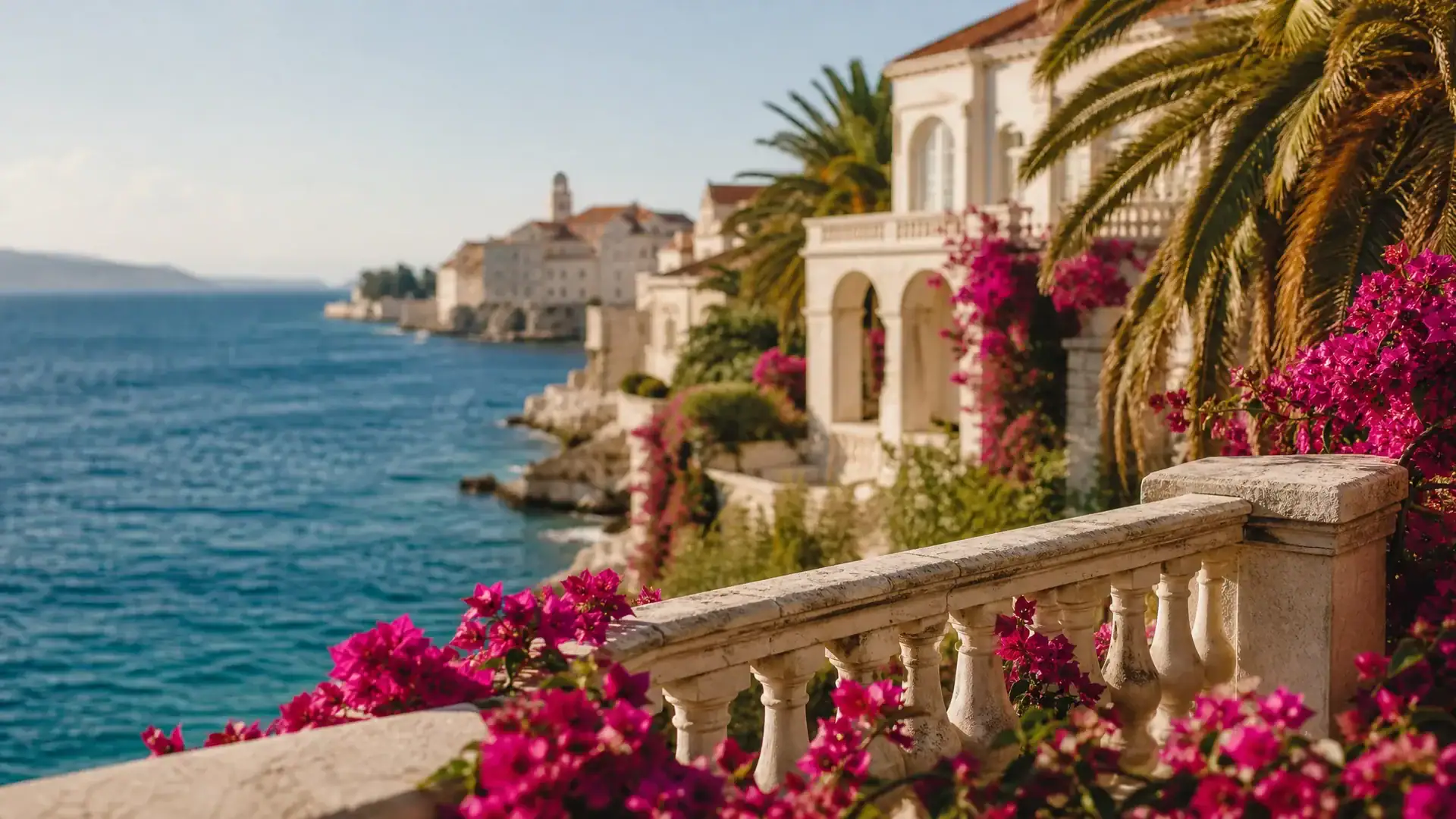
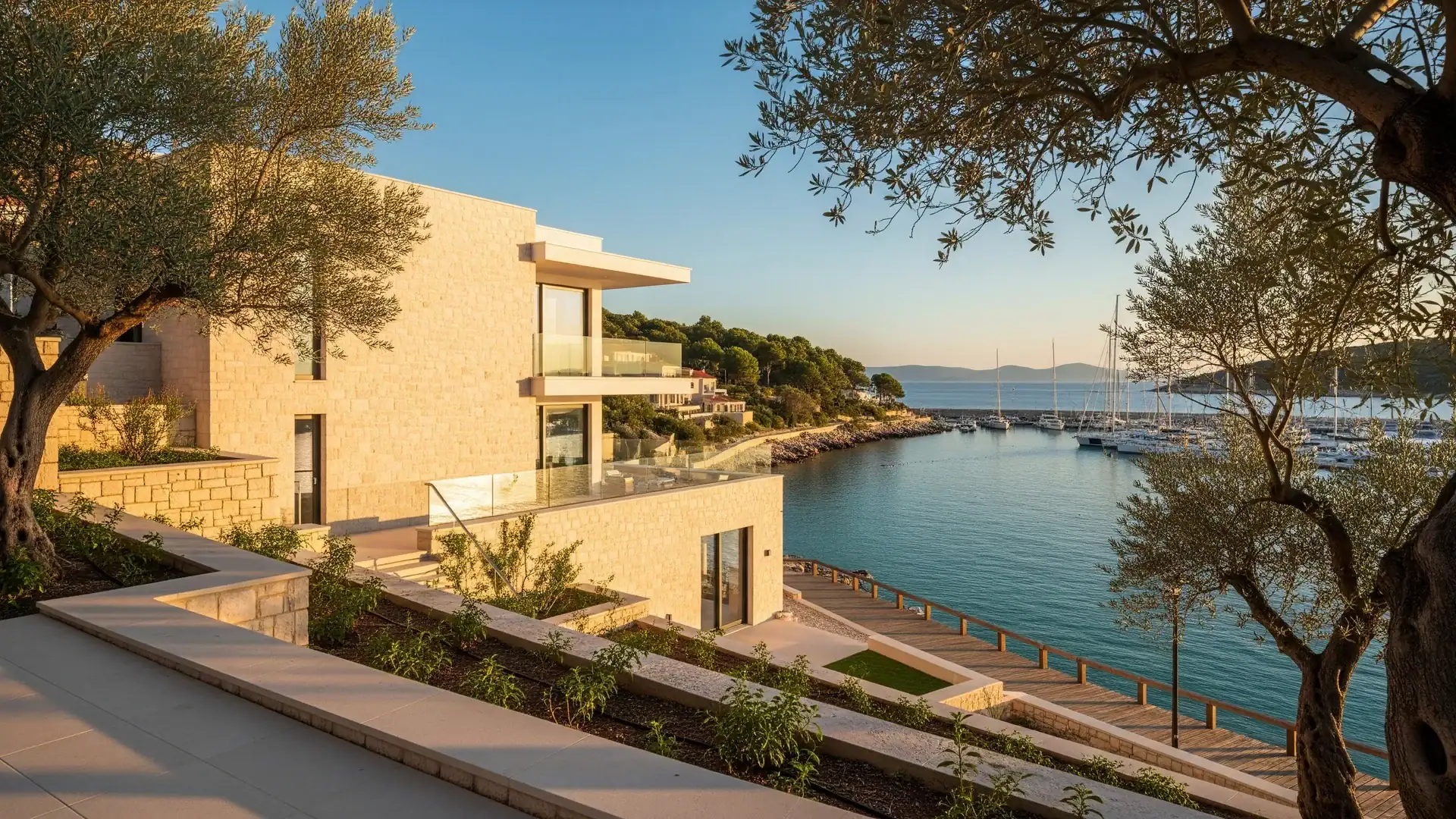
Montenegros dramatische Küste, historische Städte und investitionsfreundlicher Immobilienmarkt haben globale Käufer angezogen, die luxuriöse Immobilien in Europa suchen. Ob Sie ein zweites Zuhause, eine Ferienwohnung oder eine langfristige Investition anstreben, Montenegro bietet landschaftliche Schönheit, mediterranes Klima und transparente Immobiliengesetze.
Diese Schritt-für-Schritt-Anleitung führt Sie durch den rechtlichen Prozess, Steuern, Wohnmöglichkeiten, Inspektionen und praktische Überlegungen beim Kauf von Luxusimmobilien in Montenegro.
Warum Luxusimmobilien in Montenegro kaufen?
Montenegro entwickelt sich zu einem der begehrtesten Luxusimmobilienmärkte Europas. Die wichtigsten Vorteile sind:
Strategische geografische Lage – zwischen Westeuropa und dem Balkan, mit ausgezeichnetem Zugang zu Adria-Häfen und Flughäfen.
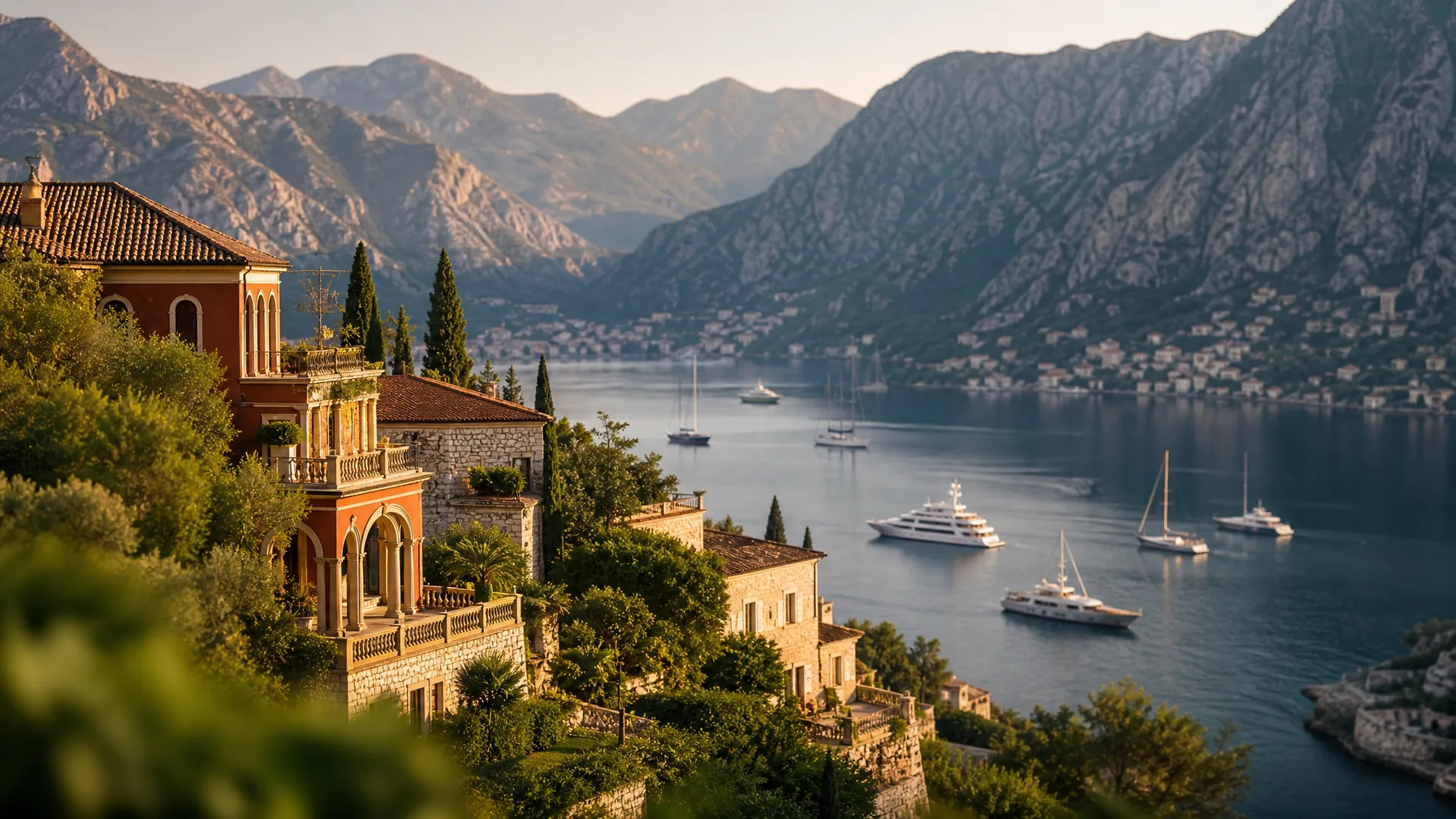
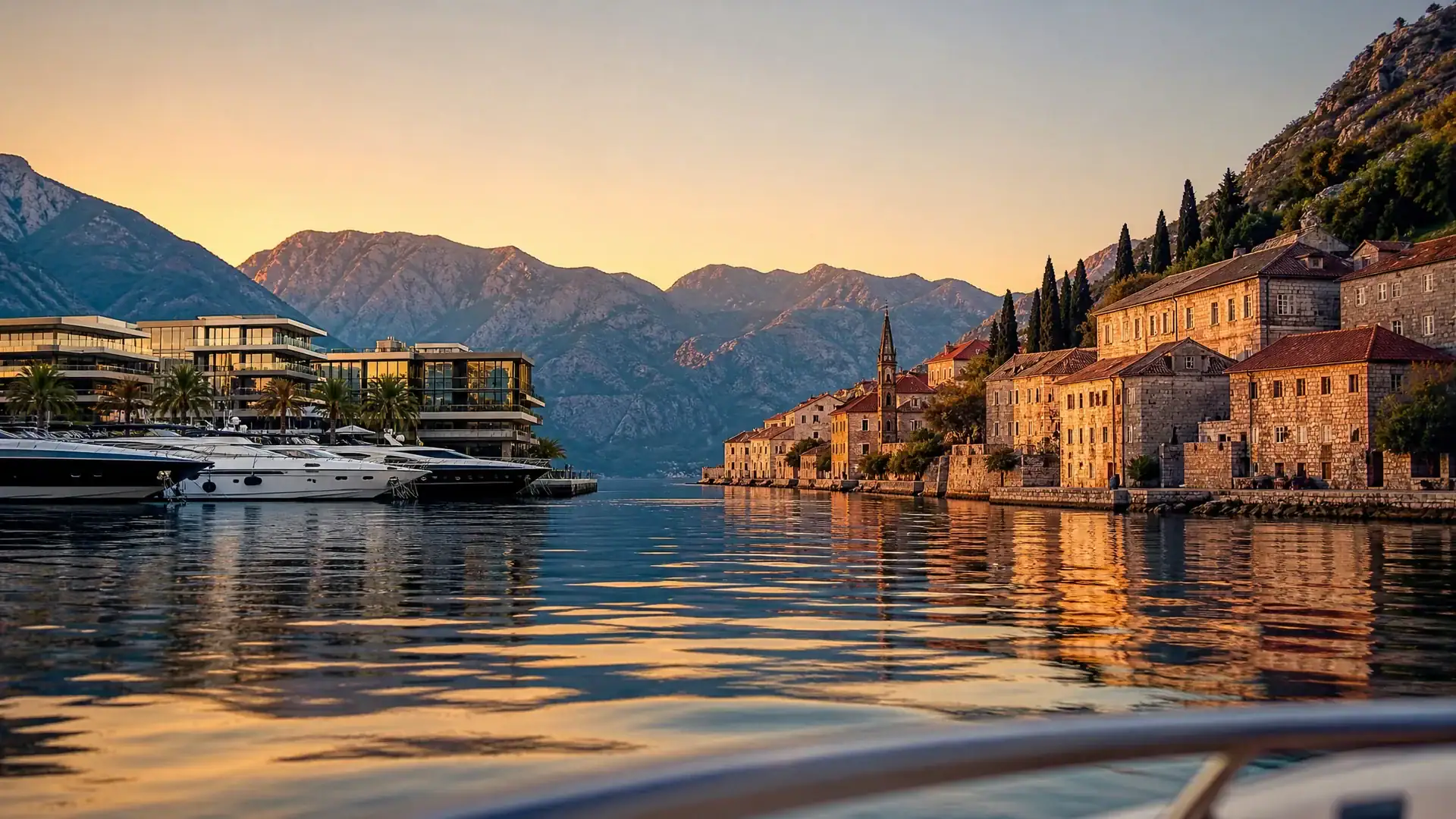
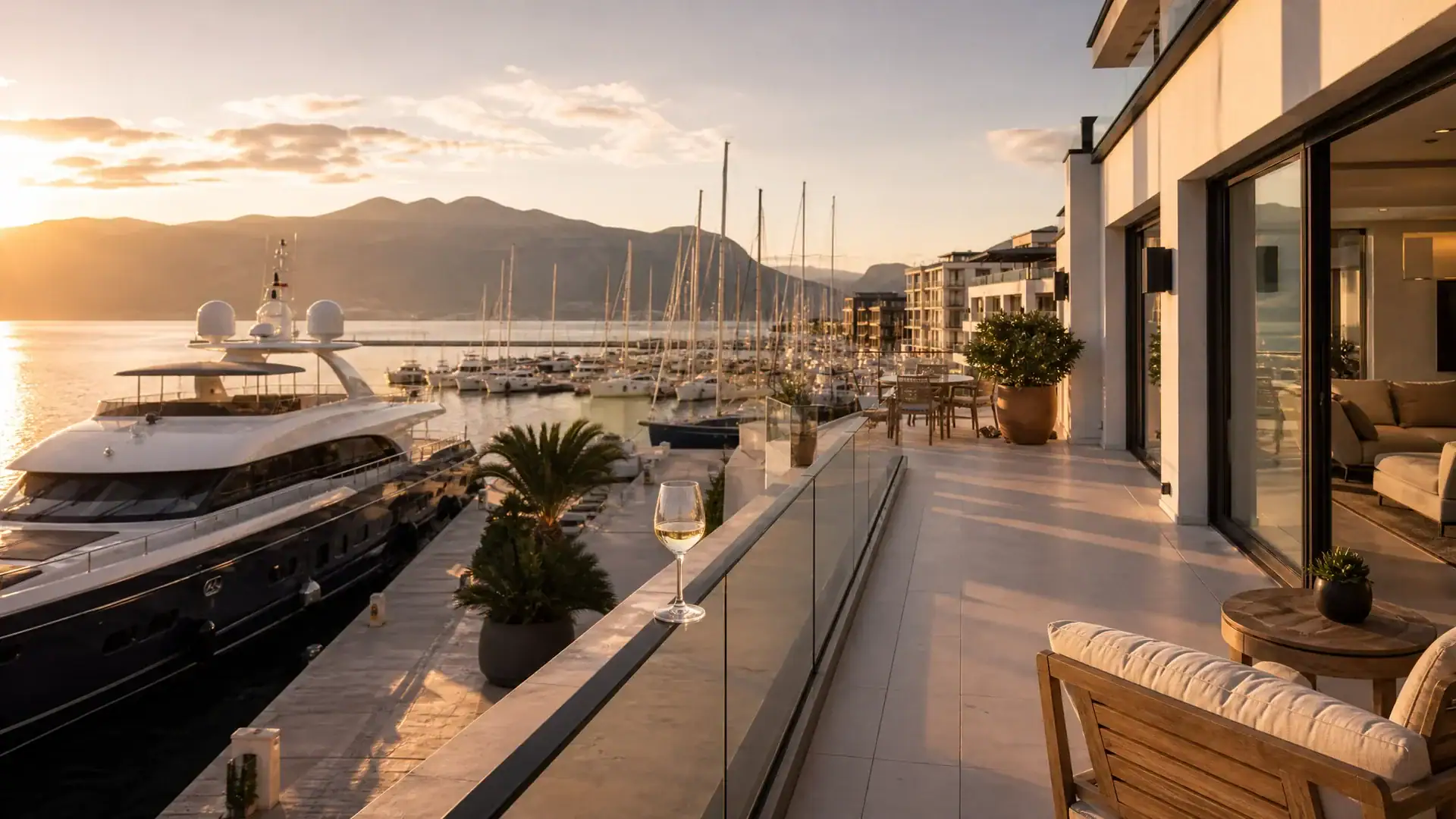
Hochkarätiger Lifestyle-Reiz – dramatische Meereslandschaften, Marinas, historische Städte wie Kotor und Budva sowie erstklassige Gastfreundschaft.
Wachsende internationale Investitionen – vor allem in Luxusvillen, Appartements am Wasser, und Privatgrundstücke.
Günstige steuerliche und rechtliche Rahmenbedingungen – die ausländische Eigentümerschaft und Aufenthaltsoptionen ermöglichen.
Jetzt prüfen: Warum Montenegro?
Schritt 1 – Definieren Sie Ihre Ziele und Ihr Budget
Bevor Sie mit Immobiliensuchen beginnen, klären Sie:
Verwendungszweck des Kaufs – Hauptwohnsitz, Zweitwohnsitz, Mietinvestition oder Altersruhesitz.
Bevorzugter Standort — Bucht von Kotor, Budva Riviera, Sveti Stefan, Tivat (Porto Montenegro) oder ruhigere Gebiete im Landesinneren.
Budget und Finanzierung – Luxusimmobilien in Montenegro decken eine Preisspanne ab; berücksichtigen Sie die Bauqualität, den Meerblick und die Nähe zu Yachthafen/Annehmlichkeiten.
Das Setzen klarer Ziele sorgt für maßgeschneiderte Suchergebnisse und realistische Erwartungen.
Schritt 2 – Beauftragen Sie einen lokalen Immobilienexperten
A qualifizierter lokaler Makler — insbesondere mit Expertise im Luxusmarkt — ist unerlässlich für:
-Präsentation von Off-Market- und Premium-Objekten
-Verhandlung in Ihrem Namen
Erklärung der lokalen Marktdynamik
-Unterstützung bei rechtlichen und steuerlichen Details während des gesamten Prozesses
Jetzt herausfinden: Sotheby’s International Realty Montenegro: Warum uns anderen Luxusimmobilienagenturen vorziehen?
Schritt 3 – Objektbesichtigungen und Due Diligence durchführen
Sobald Sie Immobilien in die engere Wahl gezogen haben:
Besichtigung von Immobilien
Nehmen Sie an persönlichen oder virtuellen Besichtigungen teil, die sich auf Folgendes konzentrieren:
Strukturqualität
-Meerblick, Sonneneinstrahlung, Schallisolierung
-Zugang zu Annehmlichkeiten (Marina, Strand, Golf, Restaurants)
Datenschutz- und Sicherheitsfunktionen
Sorgfaltsprüfung
Due Diligence in Montenegro beinhaltet Überprüfungen von:
-Eigentumstitel und Grundbuch
Baugenehmigungen
Flächennutzungs- und Baugenehmigungen
-Ausstehende Pfandrechte oder Verpflichtungen
-Versorgungsleistungen und Zugang zu Dienstleistungen
Ein seriöser Anwalt oder lizenzierter Immobilienberater sollte Sie bei diesen Prüfungen unterstützen, um sicherzustellen, dass Sie einen klaren und marktfähigen Titel erwerben.
Schritt 4 — Der rechtliche Prozess beim Kauf einer Immobilie in Montenegro
Ausländische Käufer in Montenegro können in den meisten Fällen zu weitgehend denselben Bedingungen Immobilien erwerben wie Einheimische.
Typische rechtliche Schritte
1. Absichtserklärung (LOI) und Reservierungsvereinbarung
-Signalisiert Ihre Kaufabsicht
-Kann eine Reservierungsgebühr beinhalten, um die Immobilie vom Markt zu nehmen
2. Vorvertrag
- Legt wesentliche Bedingungen fest: Preis, Anzahlung, Zahlungsplan, Zeitplan
-Wird oft von einer Kaution von 10–20% begleitet
3. Due-Diligence-Periode
-Rechtsberater prüft Immobiliendokumente
-Bestätigt die Abwesenheit von Belastungen
4. Endgültiger Kaufvertrag
Beglaubigter Vertrag, der vor einem Notar unterzeichnet wurde
-Eigentumsübertragung im öffentlichen Register eingetragen
5. Zahlung und Eigentumsübergang
Gezahlt, Bedingungen erfüllt, Schlüssel übergeben
Wer kann sich eine Luxusimmobilie in Montenegro leisten?
Ausländer können Immobilien mit grundsätzlich denselben Rechten wie Einheimische erwerben, mit Ausnahme bestimmter landwirtschaftlicher oder forstwirtschaftlicher Flächen, für die spezielle Beschränkungen gelten, es sei denn, es ist ein Unternehmen beteiligt oder besondere Genehmigungen erteilt werden.
Tipp: Stellen Sie sicher, dass Ihr Rechtsvertreter fließend Englisch spricht und Erfahrung mit Transaktionen mit ausländischen Käufern hat.
Schritt 5 – Steuern und Gebühren bei Immobilientransaktionen in Montenegro
Montenegros Gebühren und Steuern sind wettbewerbsfähig in Europa, aber Sie sollten sich auf Folgendes vorbereiten:
Grunderwerbsteuer
Typischerweise 3% Marktwert (kann je nach Immobilientyp und Nutzung variieren).
Vom Käufer bei Eintragung der Immobilie zu zahlen.
Notar- und Eintragungsgebühren
Notarkosten liegen meist zwischen 0,5–1% des Transaktionswerts.
Die Kosten für das öffentliche Register sind vergleichsweise gering.
Jährliche Grund- und Gemeindesteuern
Die jährliche Grundsteuer hängt von der Lage und der Grundstückskategorie ab.
Kommunale Gebühren für Abfall und Ver- und Entsorgung variieren je nach Region.
MwSt.-Erwägungen
Neue Immobilien können der Mehrwertsteuer unterliegen; oft im Kaufpreis für Bauträgerprojekte enthalten.
Ziehen Sie immer einen Steuerberater zu Rate, um Ihre gesamte Steuerschuld vor dem Kauf abzuschätzen.
Alle Details finden Sie hier: Immobiliensteuern in Montenegro - ein kompakter Leitfaden für unsere Immobilienkunden
Schritt 6 – Finanzierung Ihrer Immobilie in Montenegro
Sofortkauf
Bevorzugt für Einfachheit und Verhandlungsspielraum.
Die meisten ausländischen Käufer erwerben Luxusimmobilien direkt.
Hypothekenfinanzierung
-Montenegrinische Banken bieten Finanzierungen an, aber die Konditionen für Nicht-Residenten können variieren.
- Rechnen Sie mit umfassender Dokumentation und möglicherweise höheren Anzahlungen im Vergleich zu einigen westlichen Märkten.
Arbeiten mit Ihr Agent und Rechtsberater, um die aktuelle Hypothekenverfügbarkeit und -bedingungen zu verstehen.
Erfahren Sie hier mehr: Immobilienfinanzierungen und Hypotheken in Montenegro (mit Optionen für ausländische Käufer)
Wie man eine Luxusimmobilie in Montenegro finanziert: Vollständiger Leitfaden
Schritt 7 – Inspektionen vor dem Abschluss
Eine professionelle Immobilieninspektion ist entscheidend – besonders bei Luxusimmobilien –, um aufzudecken:
Strukturelle Probleme
-Elektrische oder Sanitärprobleme
-Zustand des Daches
-Isolierung und Energieeffizienz
-Qualität der Baumaterialien
Inspektionsprofis können detaillierte Berichte erstellen, die Preisverhandlungen beeinflussen können.
Schritt 8 — Den Deal abschließen
Bei Abschluss:
Alle Bedingungen im Kaufvertrag sind erfüllt
-Schild im Notarbüro
-Bestätigung der Überweisung
Registrierung neuer Eigentumsverhältnisse
Sobald alles abgeschlossen ist, erhalten Sie die Urkunde und werden offiziell zum Eigentümer.
Schritt 9 — Aufenthaltsoptionen nach dem Kauf von Immobilien in Montenegro
Montenegro bietet mehrere Wege zur Erlangung einer Aufenthaltsgenehmigung, die an den Immobilienerwerb gebunden sind:
Aufenthaltsgenehmigung
Ausländische Käufer können eine Aufenthaltsgenehmigung auf Zeit beantragen, wenn sie Immobilien in Montenegro besitzen. Die Anforderungen umfassen:
-Nachweis des Eigentums
-Gültige Krankenversicherung
- Ausreichende Mittel zur Bestreitung des Lebensunterhalts
Ein vorübergehender Aufenthalt kann verlängert werden und kann zu langfristigen Aufenthaltsmöglichkeiten führen.
Aufenthaltsgenehmigung durch Investition
Während Montenegro kein formelles “Goldenes Visum” im Einklang mit einigen EU-Programmen hat, kann der Besitz von Eigentum von erheblichem Wert, insbesondere in Projekten, die mit strategischen Investitionen verbunden sind, die Anträge auf eine Aufenthaltserlaubnis bei den lokalen Behörden unterstützen.
Tipp: Überprüfen Sie immer die neuesten Vorschriften, da sich Einwanderungsbestimmungen ändern können.
Schritt 10 – Verwaltung Ihrer Immobilie
Wenn Sie nicht das ganze Jahr über wohnen:
-Engagieren Sie einen Hausverwaltungsservice
-Sicherheits-, Wartungs-, Reinigungs- und saisonale Vermietungsdienste organisieren
- Erwägen Sie Gastgewerbedienstleistungen, wenn Sie als Luxusferienimmobilie vermieten
Professionelles Management sorgt dafür, dass Ihr Vermögenswert seinen Wert behält und Einkommen generiert, wenn er ungenutzt ist.
Der ultimative Leitfaden zum Kauf von Luxusimmobilien in Montenegro – Häufig gestellte Fragen
Wie kaufen Ausländer Immobilien in Montenegro?
Ausländer können montenegrinische Immobilien ähnlich wie Einheimische kaufen, indem sie einen notariellen Kaufvertrag und eine Grundbucheintragung befolgen, mit Ausnahme einiger Einschränkungen für landwirtschaftliche Flächen, die Genehmigungen erfordern. Rechtliche Vertretung vereinfacht diesen Prozess.
Welche Steuern zahle ich beim Kauf von Immobilien in Montenegro?
Käufer zahlen in der Regel eine Grunderwerbsteuer von 3%, Notargebühren (ca. 0,5–1%) und Anmeldegebühren. Danach fallen jährliche Grundsteuer und lokale Gebühren für Versorgungsleistungen an.
Führt der Kauf von Immobilien in Montenegro zur Aufenthaltsgenehmigung?
Ja. Der Besitz von Immobilien kann zur Erlangung einer vorübergehenden Aufenthaltsgenehmigung beitragen, wenn Sie die Voraussetzungen erfüllen, einschließlich des Nachweises des Eigentums, der Versicherung und der finanziellen Mittel.
Ist eine Immobilieninspektion in Montenegro erforderlich?
Eine professionelle Inspektion ist gesetzlich nicht vorgeschrieben, wird aber für Luxusimmobilien dringend empfohlen, um versteckte Mängel und kostspielige Reparaturen zu vermeiden.
Benötige ich einen Anwalt, um eine Immobilie in Montenegro zu kaufen?
Sehr empfehlenswert. Ein Anwalt prüft die Eigentumsdokumente, bestätigt die rechtliche Konformität und schützt Ihre Interessen während der gesamten Transaktion.
Gibt es Einschränkungen für ausländische Investitionen in montenegrinische Immobilien?
Meistens nein, es gelten jedoch spezifische Einschränkungen für bestimmte Landarten (z. B. landwirtschaftliche Flächen). Ein Rechtsberater kann die Eignung von Grundstücken klären.
Wie lange dauert der Abschluss eines Immobilienkaufs in Montenegro?
Sobald Due Diligence und Dokumentation abgeschlossen sind, dauert die Übertragung in der Regel mehrere Wochen bis einige Monate, abhängig von den Verhandlungs- und Registrierungsfristen.
Die besten Regionen in Montenegro für den Kauf von Luxusimmobilien sind: * **Küste von Kotor:** Besonders Porto Montenegro in Tivat und der umliegende Golf von Kotor bestechen durch erstklassige Yachthäfen, exklusive Apartments und Villen mit Meerblick sowie eine reiche Geschichte und atemberaubende Landschaft. * **Budva Riviera:** Sveti Stefan und Budva selbst sind bekannt für ihre luxuriösen Resorts, exklusiven Strandvillen und Penthouses. Die Gegend bietet ein pulsierendes Nachtleben und exquisite Restaurants. * **Luštica Halbinsel:** Diese unberührte Halbinsel entwickelt sich zu einem Hotspot für Luxusimmobilien mit Fokus auf Privatsphäre, entspannten Lebensstil und exklusive Resorts wie Luštica Bay. * **Bar und Ulcinj (insbesondere die südliche Küste):** Obwohl weniger etabliert als Kotor oder Budva für Luxus, gibt es hier zunehmend exklusive Villen und ruhigere Küstenabschnitte, die Privatsphäre und natürliche Schönheit bieten. * **Nationalparks (z.B. Skutarisee, Durmitor):** Fürjenigen, die Luxus in der Natur suchen, gibt es in der Nähe von Nationalparks elegante Villen und Lodges, die Ruhe, Privatsphäre und spektakuläre Ausblicke bieten.
Beliebte Luxuszonen sind Porto Montenegro (Tivat), die Bucht von Kotor, die Riviera von Budva, Sveti Stefan und einige Anwesen im Landesinneren mit Panoramablick.
Kann ich meine Immobilie in Montenegro kurzfristig vermieten?
Ja, mit entsprechender Registrierung und Einhaltung der örtlichen Vorschriften können Sie Mieteinnahmen erzielen – eine gängige Wahl für Luxuswohnungen in Küstennähe.
Hat Montenegro eine Kapitalertragssteuer auf Immobilienverkäufe?
Montenegro wendet Steuerregeln auf Kapitalgewinne an, die von der Besitzdauer und persönlichen Umständen abhängen – konsultieren Sie für Einzelheiten einen Steuerspezialisten.
Der Kauf von Luxusimmobilien in Montenegro bietet mehr als nur eine Immobilie – er bietet ein Tor zum mediterranen Leben, eine potenzielle Aufenthaltsgenehmigung und starke Investitionsperspektiven. Mit sorgfältiger Planung, fachkundiger Beratung und einem klaren Verständnis der rechtlichen und steuerlichen Anforderungen kann Ihr Immobilienkauf in Montenegro eine reibungslose und lohnende Erfahrung sein.