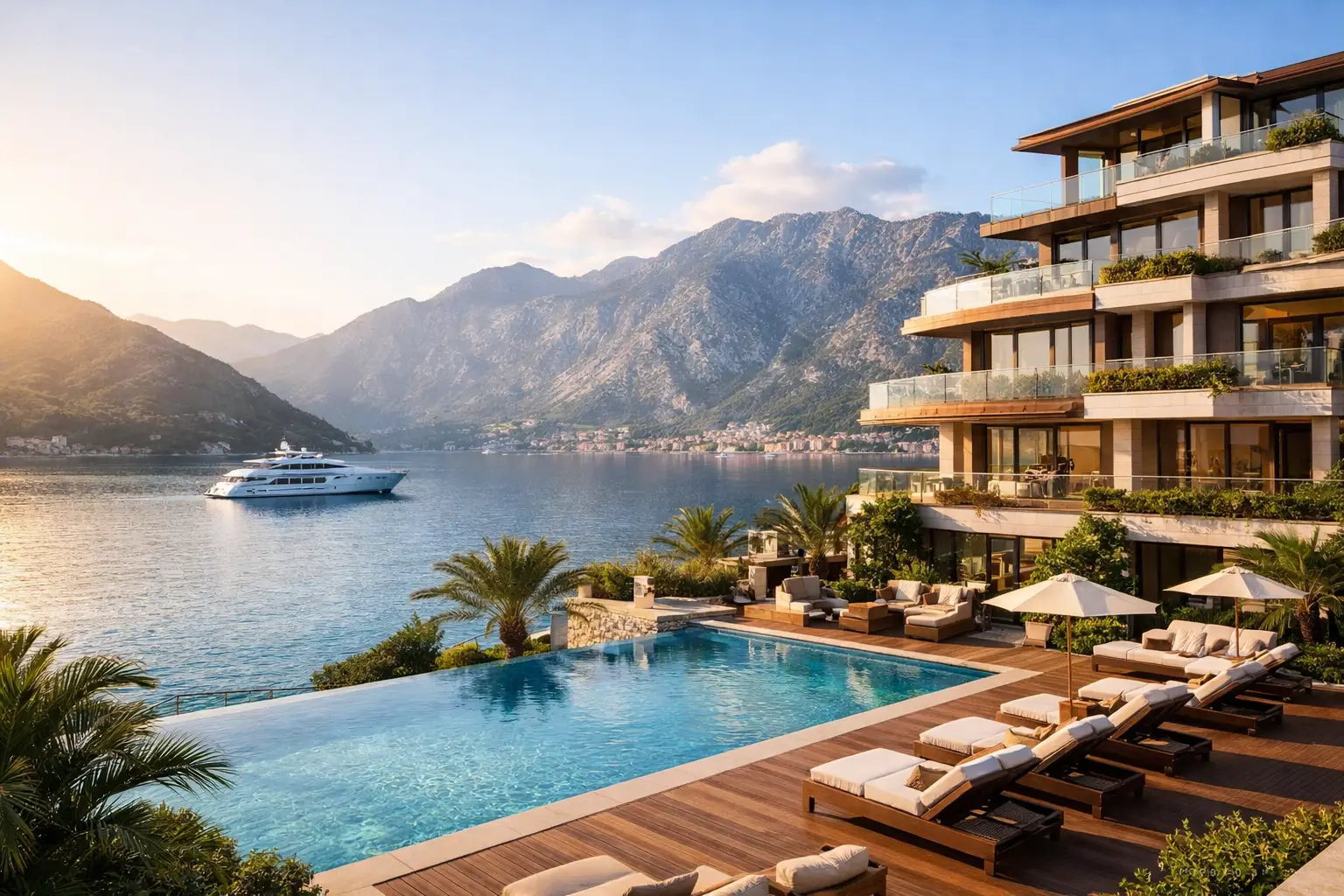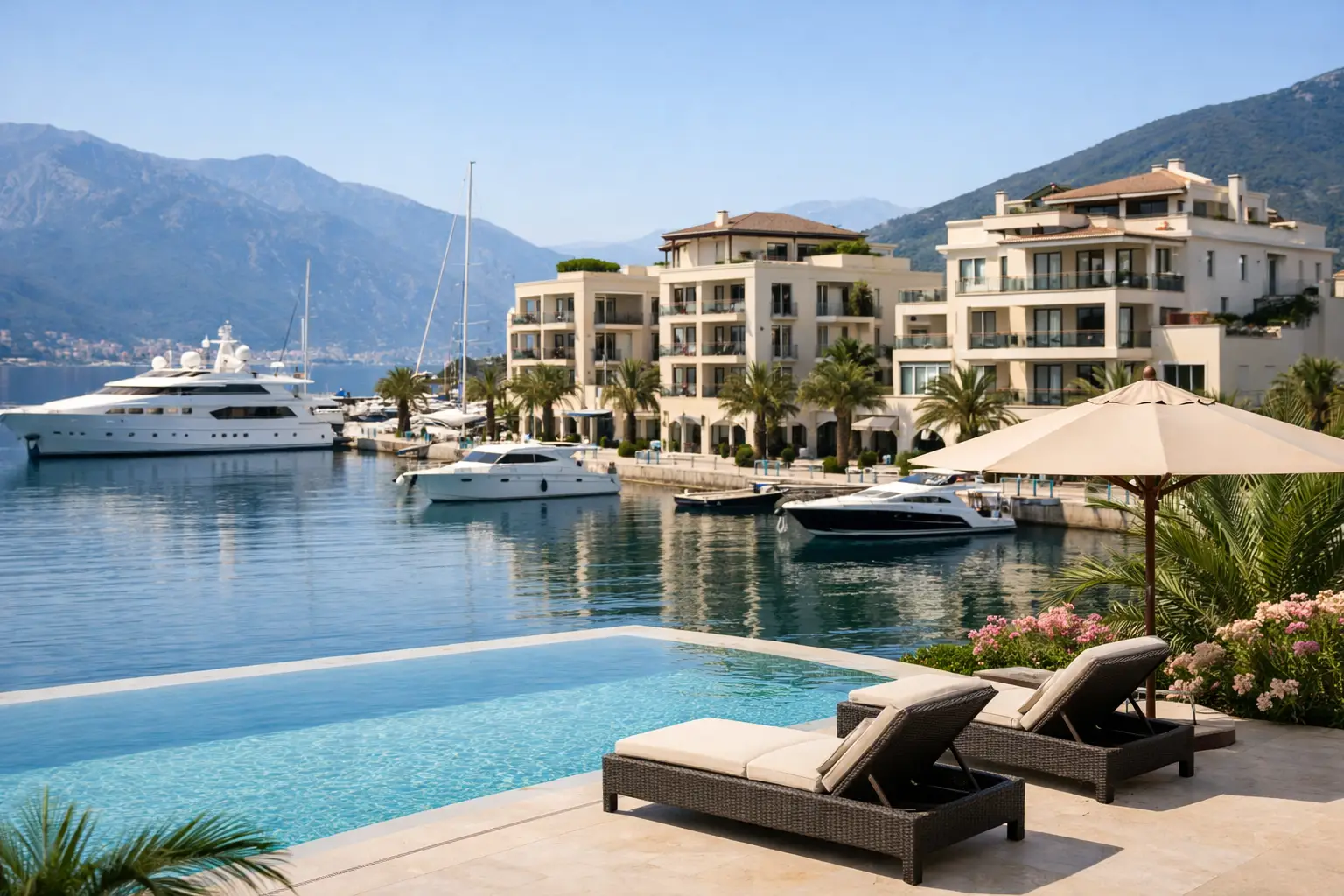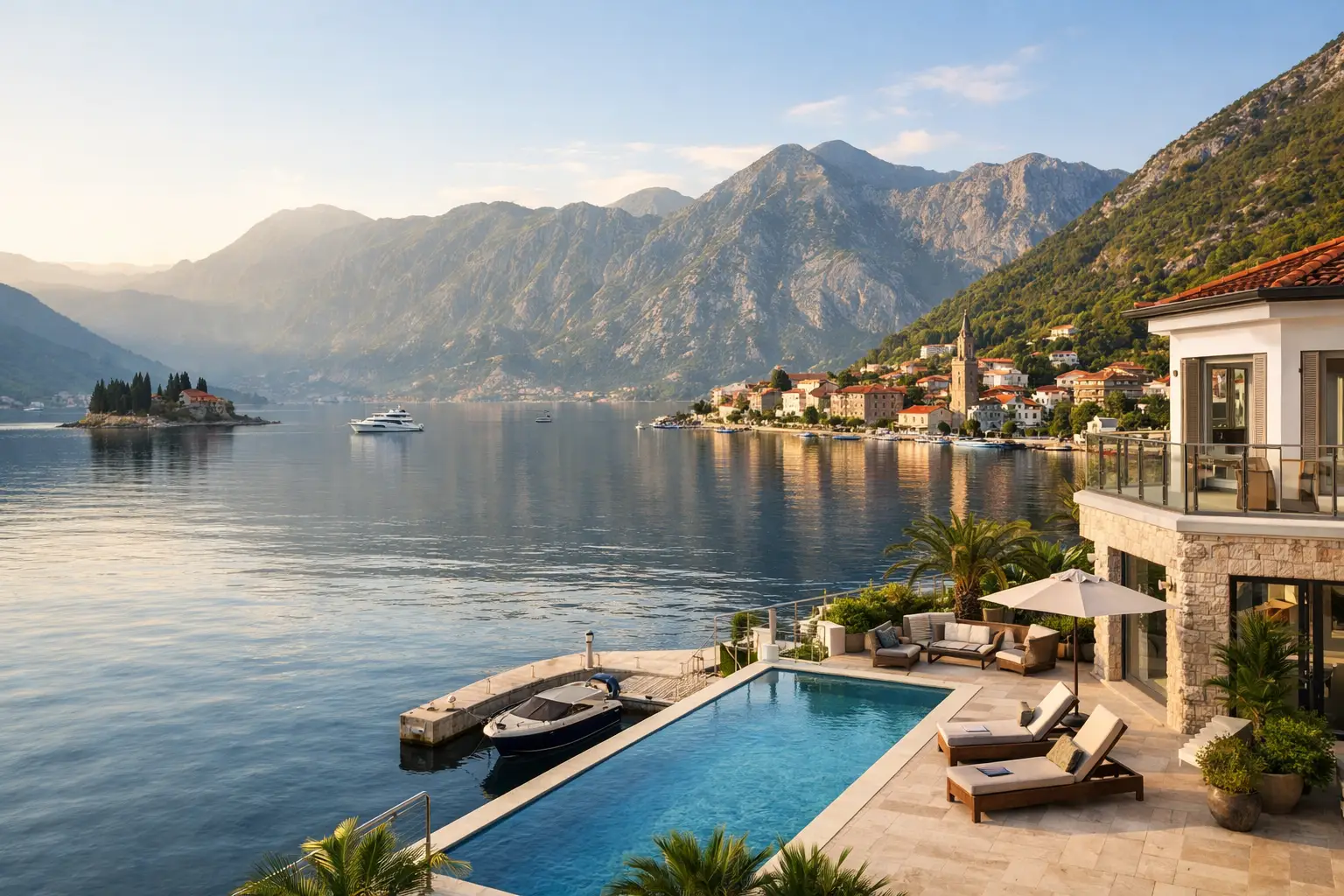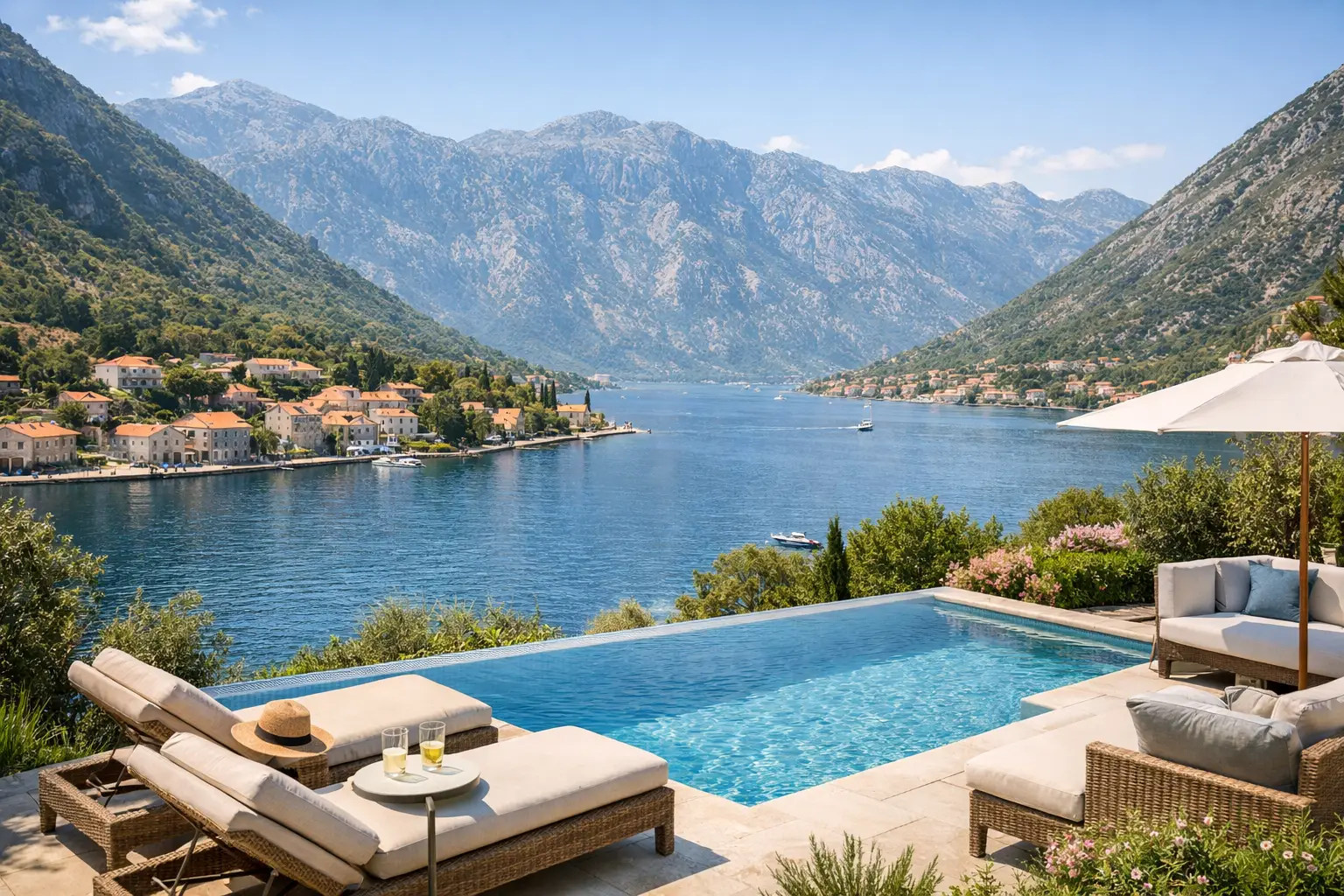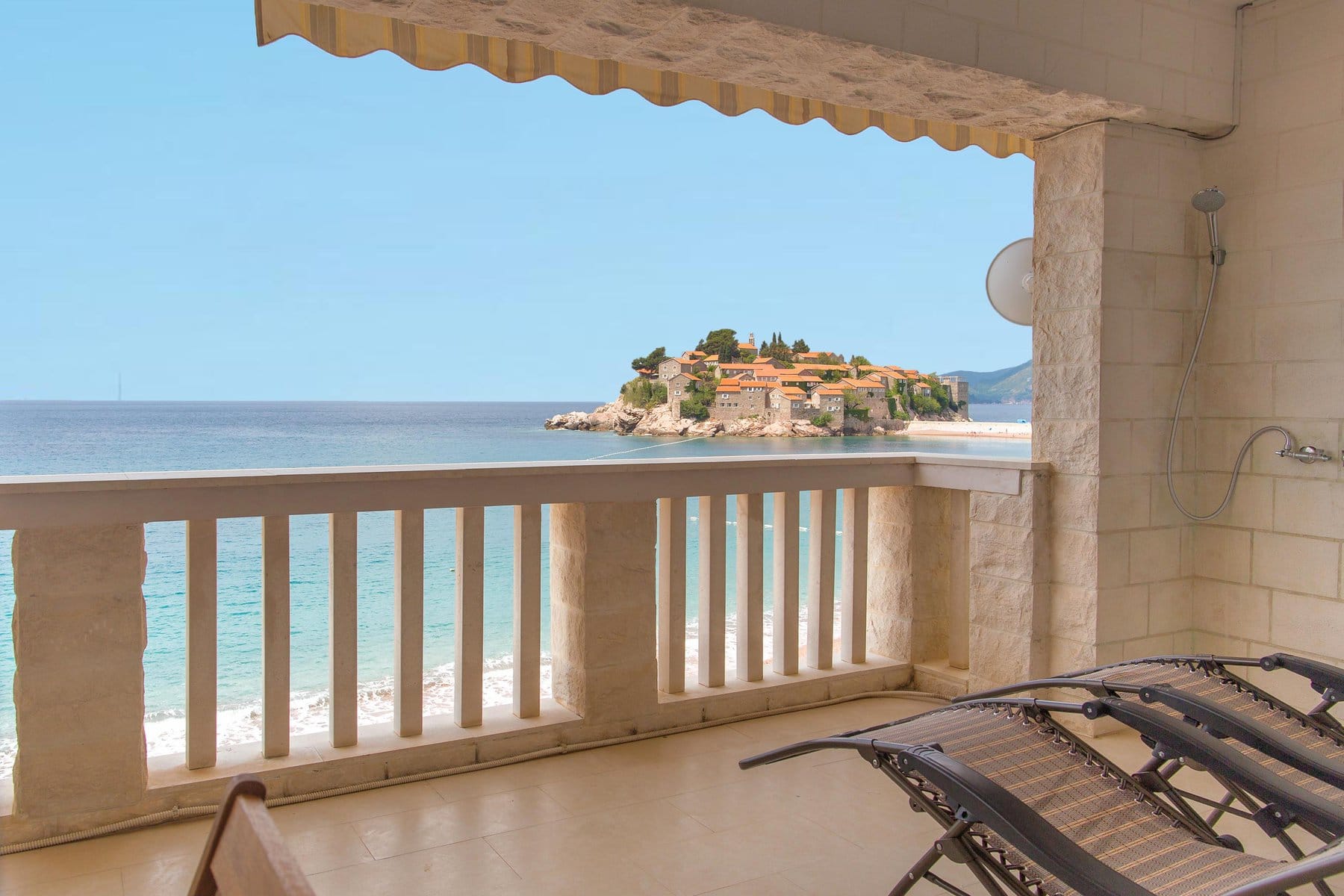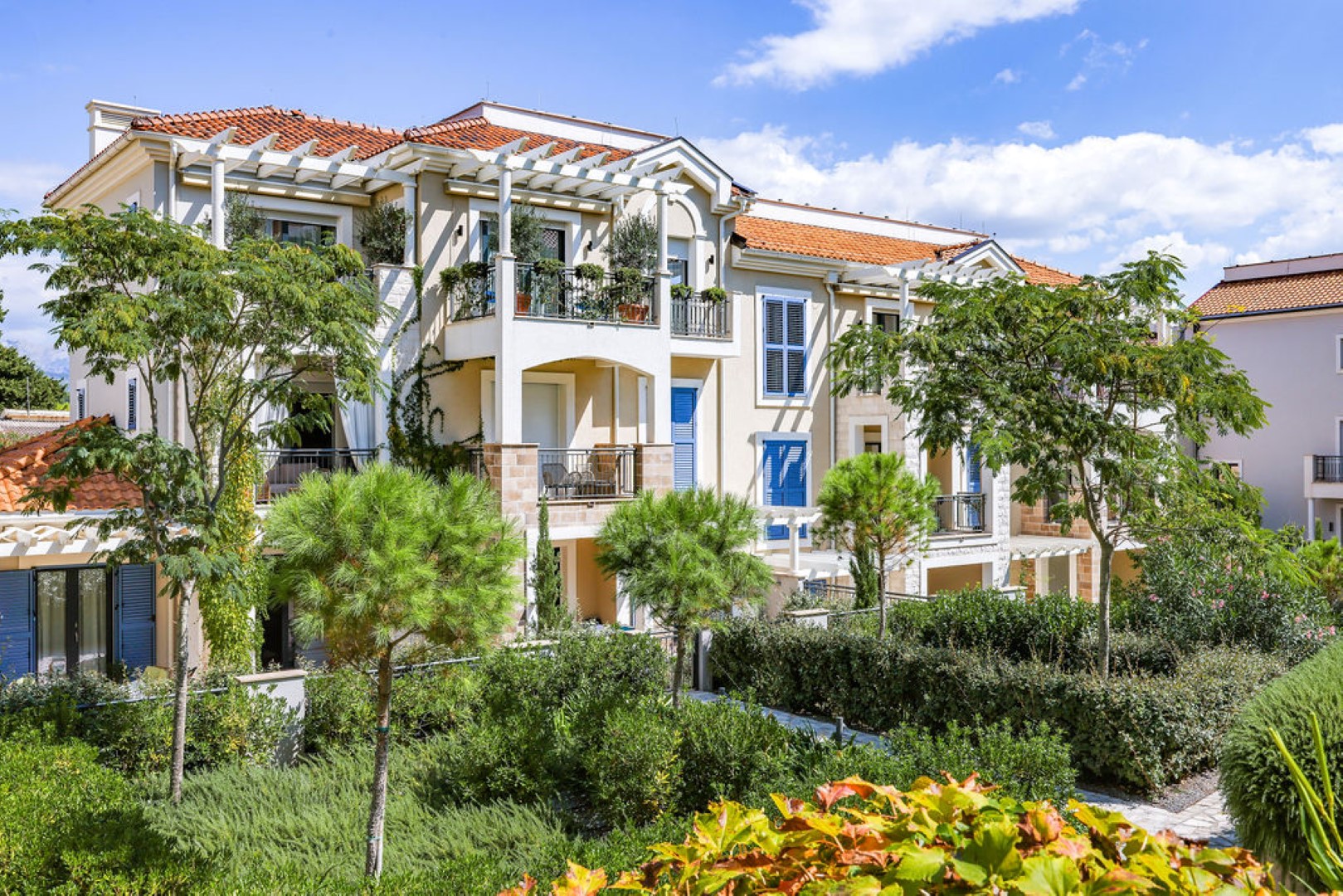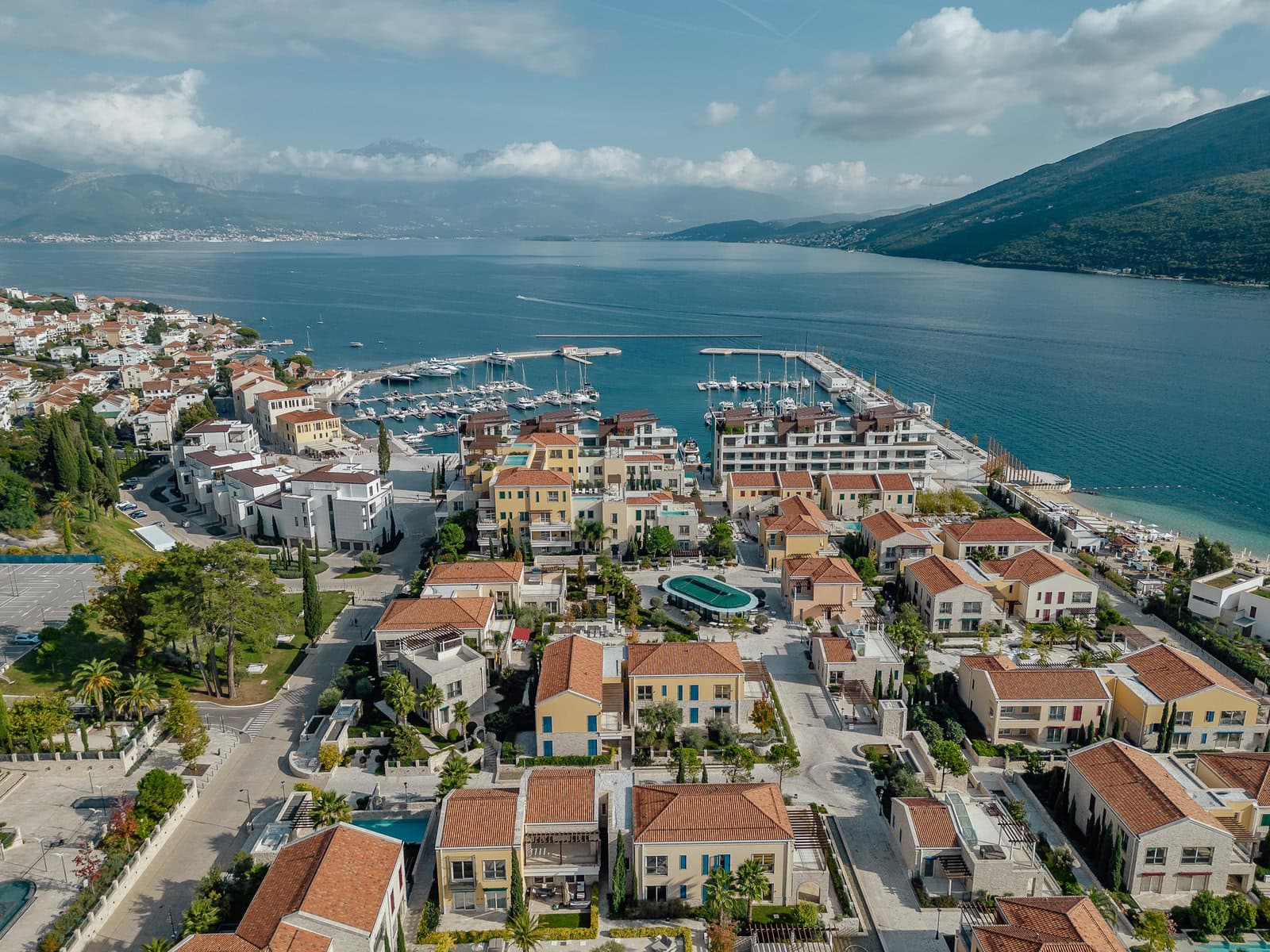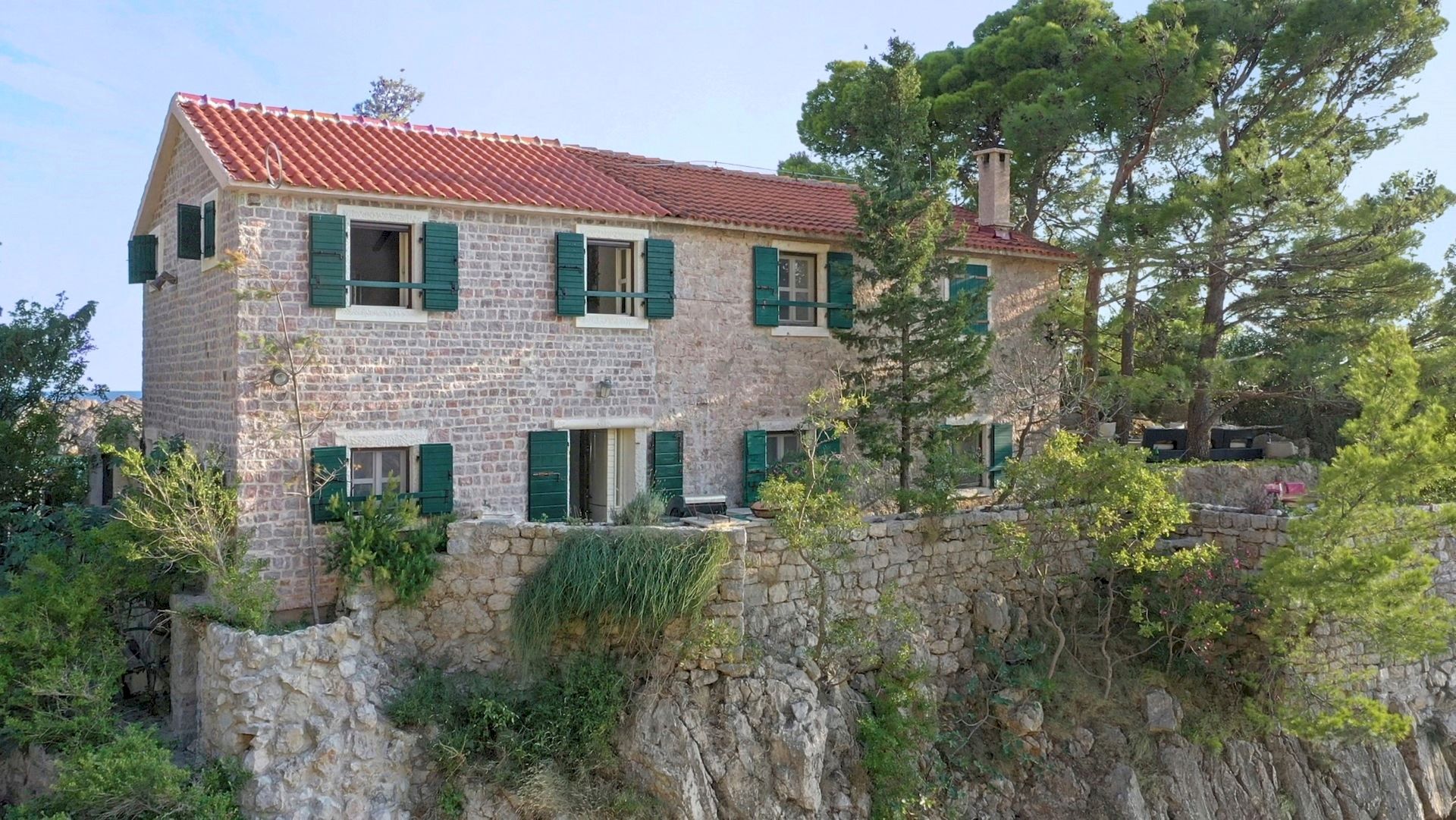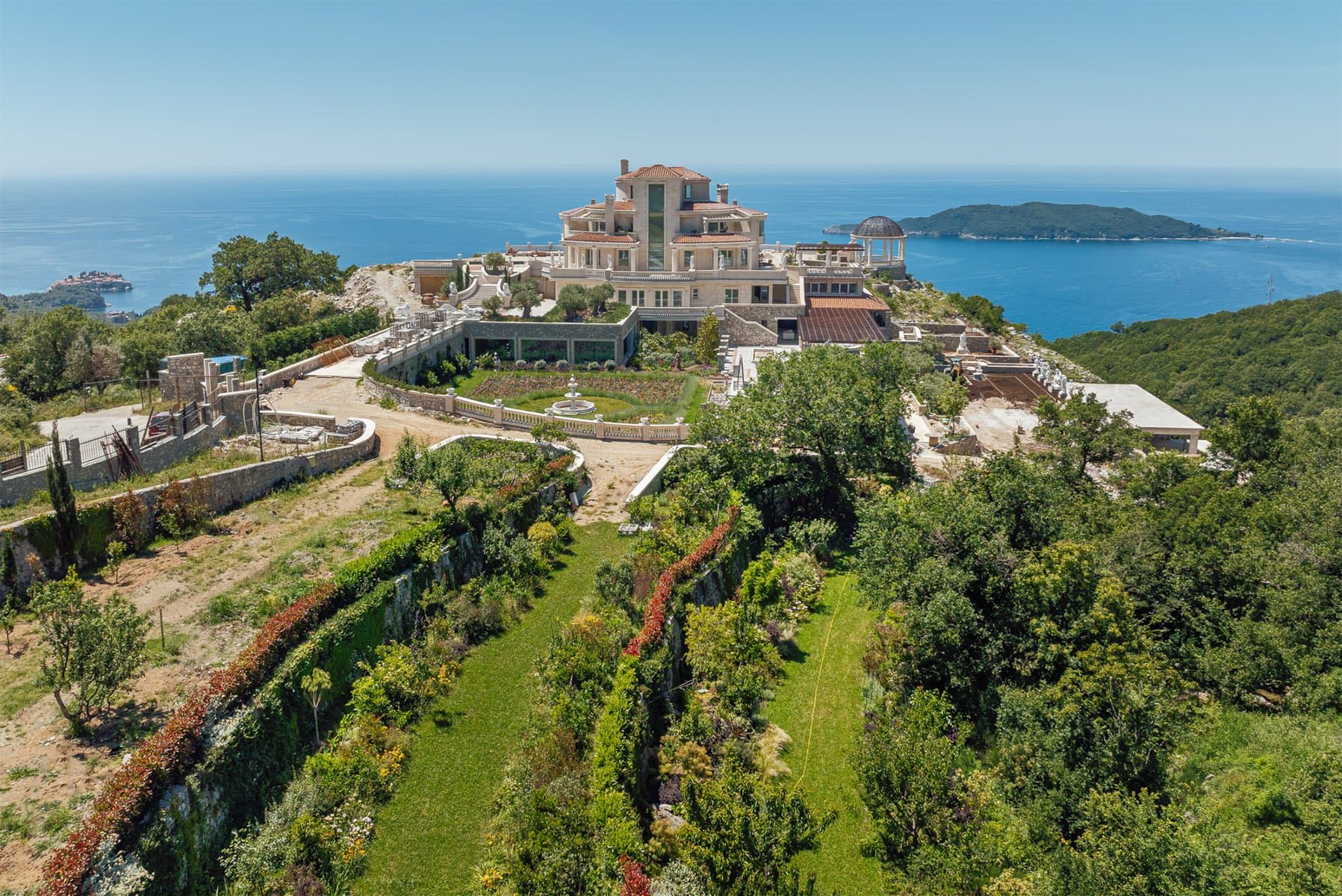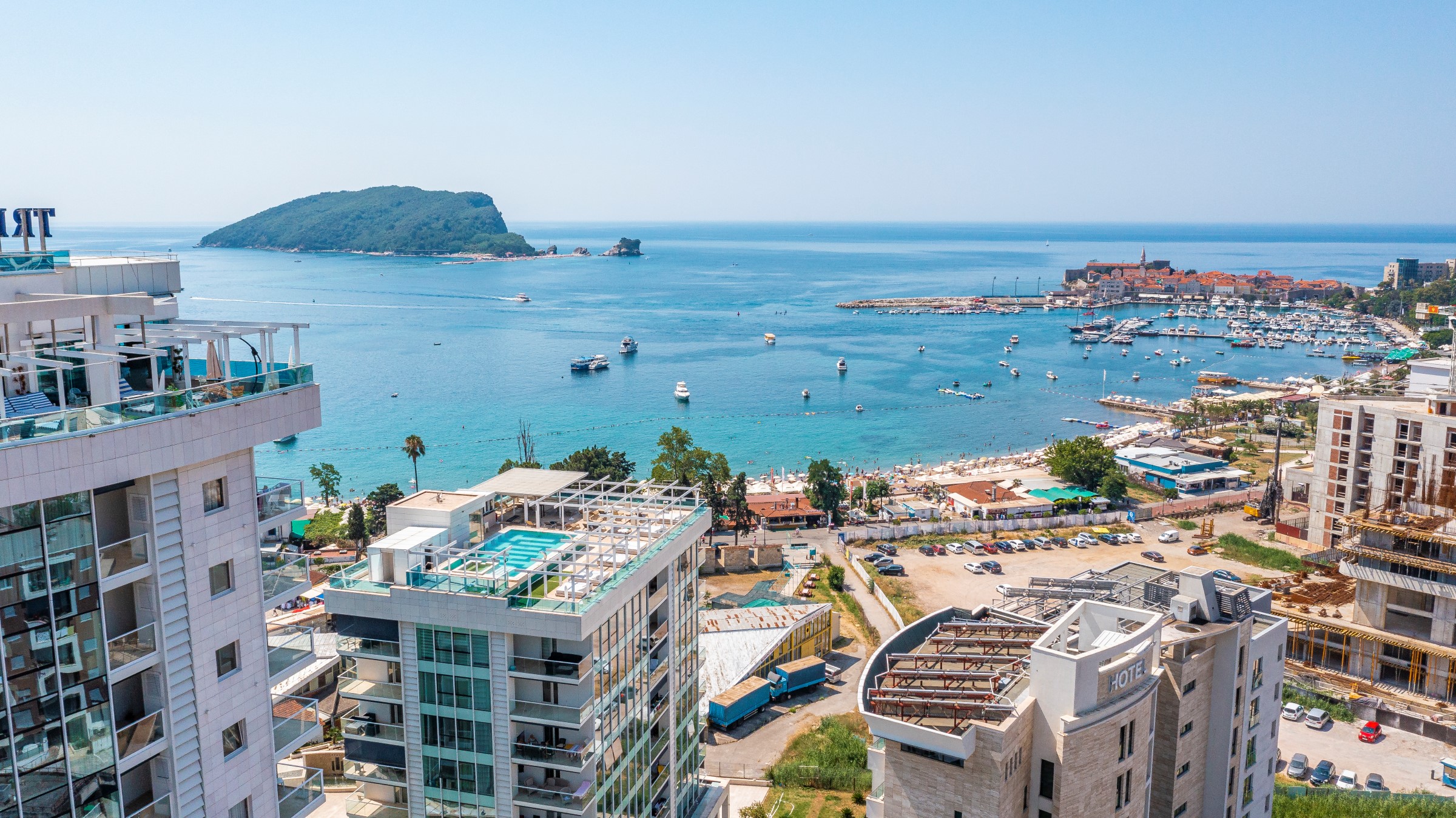





A waterfront apartment in Porto Montenegro, a contemporary villa above the Bay of Kotor, or a branded residence in Luštica Bay can feel like an immediate yes. The montenegro property buying process, however, is where a strong purchase is either protected or exposed. For international buyers, the difference usually comes down to structure: understanding what happens first, what is negotiated, what is verified, and where local guidance matters most.
Montenegro remains attractive because it offers something rare in the Mediterranean – lifestyle appeal, relative value at the top end, and a market that still feels early enough for selective buyers to enter well. That does not mean every property should be approached in the same way. A new-build marina residence, a resale villa, and a development parcel each require a different level of scrutiny.
How the Montenegro property buying process usually works
In practice, the process is straightforward, but not casual. Once a buyer identifies a property, the first step is usually agreeing on commercial terms with the seller. That may include the purchase price, payment schedule, furnishings or inclusions, target closing date, and whether a reservation deposit will take the property off the market.
For luxury homes, timing matters. The most desirable inventory often moves quietly, and serious buyers benefit from having funds positioned and advisors identified before making an offer. A strong broker helps shape the offer in a way that reflects market reality rather than emotion. That is especially useful in prime coastal locations, where asking prices may reflect not just square footage but frontage, marina access, views, brand association, and future scarcity.
Once terms are accepted, the transaction typically moves into due diligence and contract preparation. At this point, the legal review is not a formality. It is the stage that confirms ownership, title status, planning compliance, encumbrances, and any restrictions tied to the asset.
Step 1: Define the buying structure before you commit
One of the first decisions is whether you will buy in your personal name or through a company structure. The right answer depends on the asset, your nationality, your tax position, and your long-term plans for use, resale, or rental income.
Some foreign buyers purchase directly as individuals, particularly when acquiring an apartment or villa for personal use. Others prefer a corporate vehicle for investment purposes or portfolio planning. Neither route is automatically better. A direct purchase may be simpler, while a company structure can be more suitable in certain commercial or strategic scenarios. This is where early legal and tax advice is worth far more than last-minute problem solving.
Financing also needs to be clarified early. Many luxury transactions are cash purchases, but if financing is involved, timelines can shift. A seller may accept a finance-backed offer, though stronger terms are often expected in return for the added uncertainty.
Step 2: Reserve the property and set the framework
After the offer is agreed, the parties may sign a reservation agreement or preliminary agreement, depending on the transaction. This document typically records the essential terms and may be supported by a deposit. The amount and conditions vary, so the details matter. Buyers should be clear on whether the deposit is refundable, under what circumstances, and what happens if due diligence reveals a material issue.
At this stage, sophistication matters more than speed. A buyer who rushes to secure a headline property without clearly documented conditions can lose leverage later. On the other hand, excessive delay can mean losing an exceptional asset in a competitive micro-market. The balance is practical rather than theoretical.
Step 3: Conduct due diligence properly
This is the part of the montenegro property buying process that deserves the most attention. Due diligence should confirm that the seller has the legal right to sell, that the property is properly registered, and that there are no undisclosed burdens affecting ownership or use.
For resale homes, the review often includes title records, cadastral data, planning and building documentation, utility status, and any mortgages, liens, or rights of third parties. A property can be visually flawless and still present legal complications. In older coastal areas, documentation may require particular care, especially where historical construction patterns do not align perfectly with modern expectations.
For new developments and branded residences, the focus shifts slightly. Buyers will still want ownership and registration clarity, but they should also understand the developer’s documentation, construction status, completion obligations, common area arrangements, service charges, and management structure. In prestige projects, the lifestyle proposition can be a major part of the value, so buyers should know exactly what is contractually included and what is aspirational marketing.
Land purchases require even more caution. Zoning, urban-technical conditions, access, infrastructure, topography, and development limits all affect value. A sea view on a brochure is not the same as a buildable opportunity with clear permissions.
Step 4: Review the sale and purchase agreement
Once due diligence is sufficiently advanced, the formal sale and purchase agreement is prepared. This contract should reflect the negotiated price, payment schedule, transfer mechanics, completion timing, representations by the seller, and consequences if either side fails to perform.
The notary plays an important role in formalizing the transaction, but the notarial process is not a substitute for independent legal advice. Buyers should understand every obligation before signing, particularly when the agreement is bilingual or translated for convenience.
For off-plan or under-construction purchases, payment schedules are often linked to construction milestones. That can be entirely reasonable, but buyers should assess the developer’s reputation, delivery history, bank guarantee framework if applicable, and remedies in the event of delay.
Step 5: Complete payment, notarization, and registration
Closing usually involves signing the notarized purchase agreement, paying the balance of the purchase price, and then filing for registration of ownership. The precise sequence can vary depending on the property type and terms negotiated between the parties.
Funds should move through documented channels and according to advice from your legal team. International buyers often need to prepare for practical banking requirements, identity verification, source-of-funds documentation, and transfer timing. None of this is unusual, but it can slow completion if handled too late.
Registration is the point where ownership is formally recorded. Buyers should not treat the signed contract alone as the finish line. The final objective is clean registration of title in the agreed name or entity.
Costs, taxes, and the details buyers should not overlook
Purchase costs depend on the nature of the asset. Resale property may trigger property transfer tax, while certain new-build transactions may involve VAT instead, depending on the seller and structure of the sale. Legal fees, notary fees, translation costs, registration charges, and agency fees may also apply depending on the deal.
This is where assumptions become expensive. A buyer comparing two similarly priced homes may find that the total acquisition cost differs materially because one is a resale and the other is a developer sale with a different tax treatment. Service charges, maintenance obligations, and rental management fees should also be reviewed carefully in resort and marina communities.
Where international buyers usually benefit from guidance
Cross-border buyers are rarely held back by demand. They are held back by uncertainty. Which area best fits the intended lifestyle? Is a branded residence the right move, or does an independent waterfront villa offer better long-term value? Is the property optimized for personal enjoyment, seasonal rental income, or future resale?
Those questions are not legal, but they are central to a successful acquisition. A refined search process usually begins with a shortlist shaped by how the property will actually be used. Buyers considering prestigious communities often weigh very different priorities: walkable marina living, privacy, turnkey management, berthing access, international school proximity, or strong lock-up-and-leave convenience.
This is also where local market knowledge matters more than broad Mediterranean comparisons. Price per square foot tells only part of the story in Montenegro’s prime market. Exposure, project quality, ownership profile, service standards, and future supply all influence whether a property feels merely expensive or genuinely well bought.
For clients seeking curated guidance, Sotheby’s International Realty Montenegro positions the process around that distinction – not just finding a property, but helping buyers assess whether it is the right asset, in the right setting, on the right terms.
A final word on pace
The best purchases are rarely the fastest or the most dramatic. They are the ones where enthusiasm is matched by discipline, and where every signature follows a clear understanding of what is being acquired, how it will be held, and what it is likely to mean five years from now. In a market as appealing as Montenegro, that kind of clarity is not a brake on momentum. It is what lets you move with confidence.