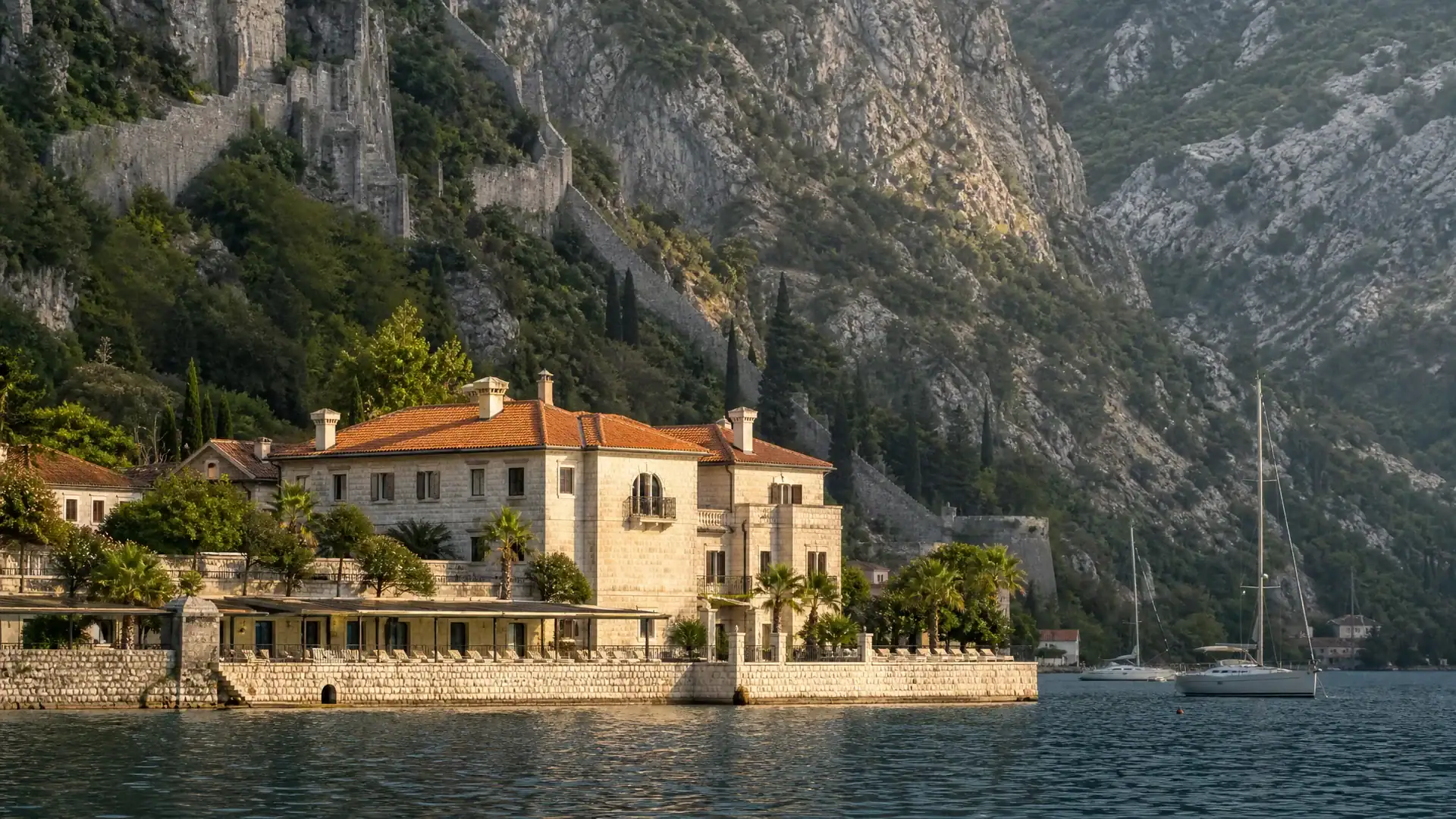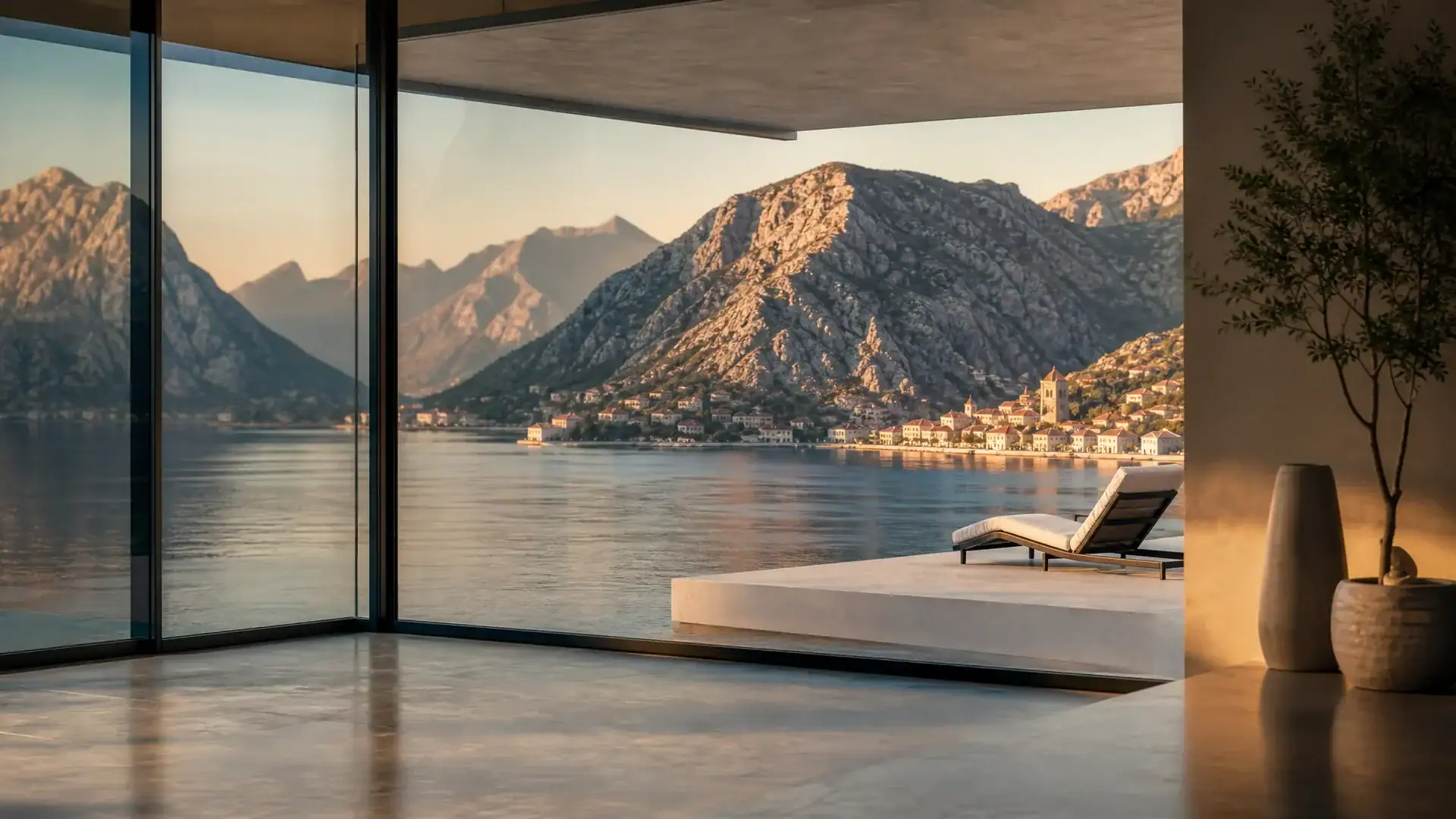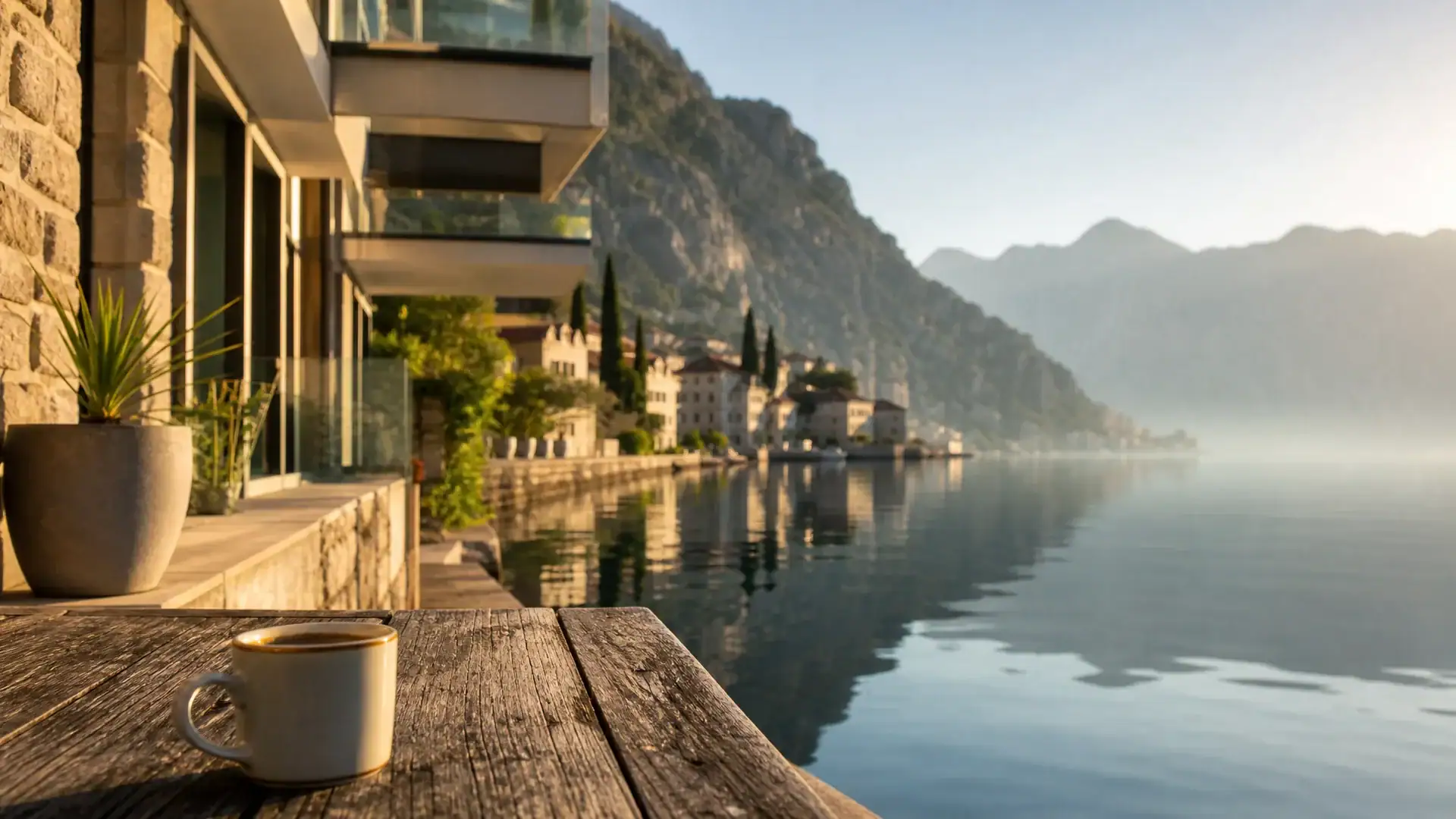





شقة على الواجهة البحرية في بورتو مونتينيغرو أو فيلا حجرية فوق خليج كوتور يمكن أن تلبي أكثر من مجرد طموح في نمط الحياة. بالنسبة للعديد من المشترين الدوليين، فإن الإقامة في الجبل الأسود من خلال العقارات هي جزء من خطة أوسع - مزيد من التنقل، قاعدة متوسطية، تنويع المحفظة، وموطئ قدم في سوق لا يزال يبدو مبكرًا مقارنة بالوجهات الساحلية الأكثر تشبعًا.
ومع ذلك، فإن هذا أحد تلك المواضيع التي تكمن فيها الدقة في الأهمية. غالبًا ما يفترض المشترون أن شراء عقار يمنحهم تلقائيًا حقوق الإقامة. عمليًا، العلاقة بين ملكية العقارات والحصول على الإقامة في الجبل الأسود أكثر تعقيدًا. يمكن للعقارات أن تلعب دورًا مهمًا في استراتيجية الإقامة، ولكن يجب التعامل معها بتوجيه قانوني واضح، وتوقعات واقعية، وفهم قوي لما توفره الملكية وما لا توفره.
كيف يعمل الحصول على إقامة في الجبل الأسود عن طريق العقارات
يمكن للأجانب شراء عقارات في الجبل الأسود في العديد من الحالات، بما في ذلك الشقق والمنازل وفئات معينة من الأراضي، مع مراعاة القواعد المعمول بها و العناية الواجبة. قد يدعم امتلاك العقارات بعد ذلك طلب الإقامة المؤقتة، ولكنه لا يمثل طريقًا مباشرًا للحصول على الجنسية عن طريق الاستثمار، كما أنه ليس ضمانًا للإقامة الدائمة لمجرد إتمام عملية الشراء.
هذا التمييز هو المكان الذي يحتاج فيه العديد من المشترين إلى أكبر قدر من الوضوح. العقار هو عادةً أساس طلب الإقامة، وليس نهاية العملية. لا تزال السلطات تراجع الطلب نفسه، ويجب على مقدم الطلب تلبية المتطلبات الوثائقية والإجرائية. يمكن أن تتطور هذه المتطلبات، ولهذا السبب فإن المشورة القانونية الحالية ضرورية قبل هيكلة عملية الشراء حول أهداف الإقامة.
بالنسبة للمشترين الأثرياء، فإن السؤال العملي نادراً ما يكون "هل يمكنني الشراء؟" بل هو "هل سيدعم هذا الشراء الحياة التي أرغب في بنائها هنا على مدى السنوات الخمس إلى العشر القادمة؟" وهذا يشمل التخطيط الضريبي، واستخدام الأسرة، وأنماط السفر، وتكاليف التشغيل، واستراتيجية الخروج، وما إذا كان الأصل نفسه له مزاياه الخاصة حتى لو تغيرت قواعد الإقامة.
ما قد يوفره امتلاك العقارات
عندما يبحث المشترون عن الإقامة في الجبل الأسود عبر العقارات، فإنهم عادة ما يبحثون عن مزيج من المرونة والأمان. يمكن للعقار المؤهل أن يساعد في إظهار علاقة سكنية مشروعة بالبلد. بالنسبة للعملاء الذين يرغبون في قاعدة موسمية مع خيار قضاء وقت طويل في المنطقة، يمكن أن يكون ذلك جذابًا.
كما يتوافق مع نوع مختلف من فرضية الاستثمار عما يراه المشترون في أماكن أخرى من أوروبا. تظل الجبل الأسود مدمجة نسبيًا، ومعروضات العقارات الرئيسية في أكثر الجيوب الساحلية المرغوبة محدودة بطبيعتها. في مواقع مثل لوستيكا باي،, بورتونوفي, ، واختيار أجزاء من ساحل بودفا وخليج كوتور، لا يشتري المشترون مجرد أمتار مربعة. بل يكتسبون إمكانية الوصول إلى مواقع نادرة على الواجهة البحرية، وبنية تحتية للمراسي، ومساكن تحمل علامة تجارية أو مدفوعة بالخدمات، وسوق لا يزال في طور النضج في اتجاه تصاعدي.
هذا الأمر مهم لأن الشراء المدفوع بالإقامة يجب أن يظل قرارًا قويًا للعقار. إذا كان المشتري يختار بين شقة غير مميزة مختارة لأغراض المستندات فقط، وأصل ذي موقع جيد وله جاذبية دائمة من حيث نمط الحياة وإعادة البيع، فإن الخيار الثاني هو عادةً الخيار الأكثر حكمة. يمكن أن تتغير أهداف الإقامة. العقارات ذات الجودة تميل إلى البقاء ذات صلة لفترة أطول.
ما لا ينبغي للمشترين افتراضه
الخطأ الأكثر شيوعاً هو افتراض أن أي شراء للعقار يخلق حقاً تلقائياً ودائماً للعيش في الجبل الأسود دون التزامات إضافية. وآخر هو اعتبار الإقامة السبب الوحيد للشراء.
أطر الإقامة المؤقتة هي عمليات إدارية. تتضمن التوثيق والجداول الزمنية والتجديدات. يجب على المشترين أيضًا توقع أن أنواع العقارات المختلفة وهياكل الملكية والظروف الشخصية قد تؤثر على المسار. قد يكون شراء شقة بسيط من قبل مشترٍ فردي أبسط من عملية استحواذ أكثر تعقيدًا تتضمن ملكية الشركات أو المالكين المشاركين أو قضايا سندات موروثة أو أراضي غير مطورة.
هناك أيضًا نقطة عملية تتعلق بنمط الحياة. امتلاك العقارات والحصول على تصريح إقامة هما جزء فقط مما يجعل الانتقال عبر الحدود ناجحًا. قد تحتاج العائلات إلى التفكير في التعليم، وتوفر الرعاية الصحية، والقرب من المارينا، وسهولة الوصول إلى المطار، والخصوصية، والموظفين، وما إذا كانوا يفضلون بيئة منتجع نابضة بالحياة أو موقعًا هادئًا على الواجهة البحرية. في الأسواق الفاخرة، تشكل هذه التفاصيل الرضا أكثر بكثير من الكتيبات.
عملية الشراء لا تقل أهمية عن العنوان
لا يزال من الممكن أن تصبح عقارًا جميلًا صفقة سيئة إذا كانت الأساسات القانونية والمعاملات ضعيفة. وهذا صحيح بشكل خاص عندما يرتبط تخطيط الإقامة بعملية الشراء.
قبل المضي قدما، يجب على المشترين التأكد من سند الملكية، وحالة التخطيط، وتراخيص البناء حيثما ينطبق ذلك، والقيود، وترتيبات المرافق، وأي قيود تؤثر على الاستخدام. إذا كان العقار في تطوير جديد، فمن المنطقي فهم هياكل الإدارة، ورسوم الخدمة، وسياسات الإيجار، ومعايير الصيانة طويلة الأجل. إذا كان فيلا أو منزل قديم، فإن أذونات التجديد والوصول إلى البنية التحتية تستحق اهتمامًا دقيقًا.
هنا يضيف المستشارون المحليون ذوو الخبرة قيمة حقيقية. قد يكون المشتري الدولي مرتاحًا تمامًا لتقييم الهندسة المعمارية والموقع والتسعير، ومع ذلك يغفل التفاصيل الإدارية أو البلدية التي تؤثر على الاستمتاع والتأهيل على حد سواء. يقلل فريق الاستشارة المناسب الاحتكاك ويساعد على مواءمة الشراء مع أهداف المشتري الفعلية بدلاً من فكرة غامضة عن “الإقامة المتوسطية”.”
أي المواقع تميل إلى جذب المشترين الذين ينوون الإقامة؟
لا يب.
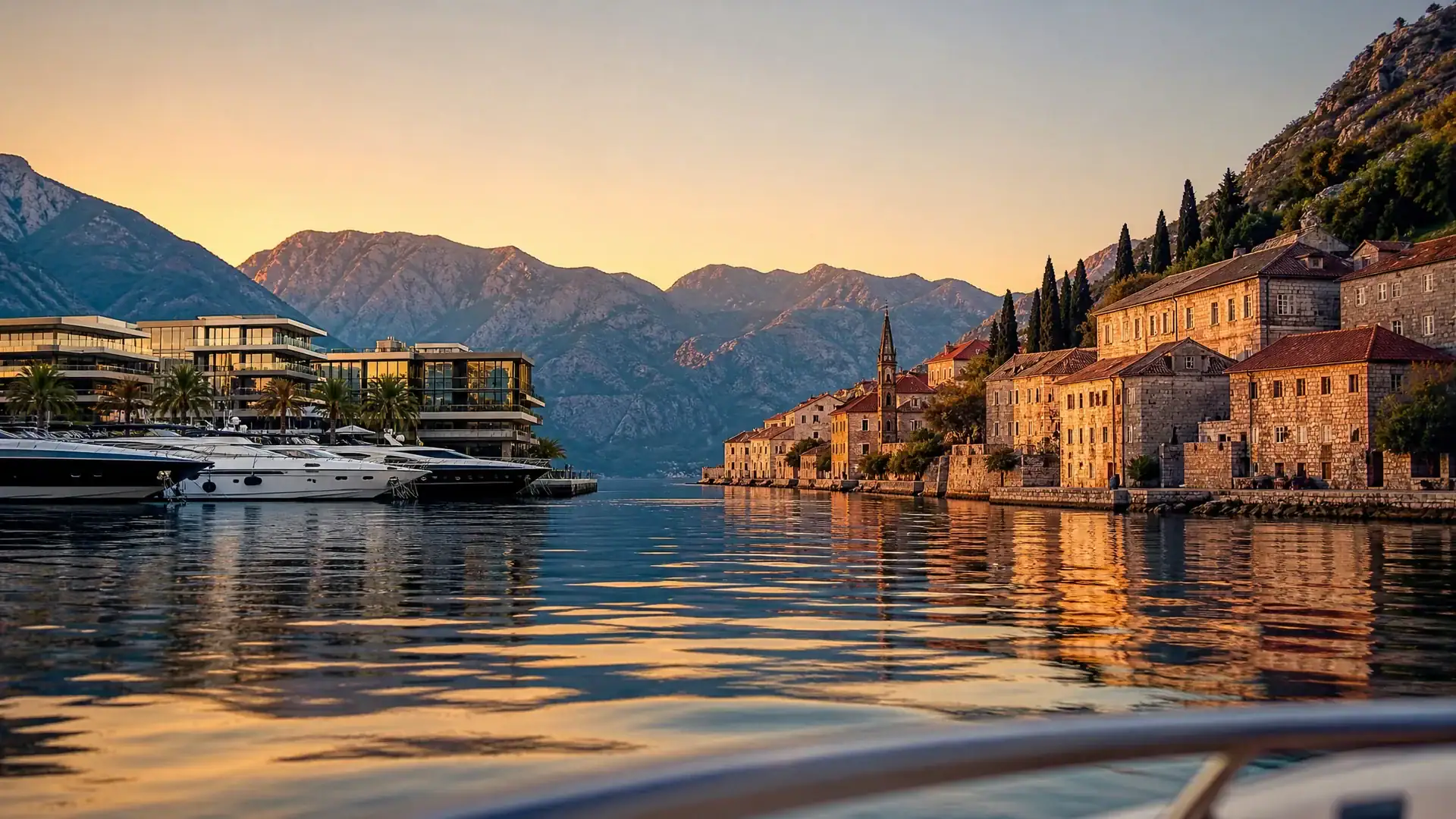
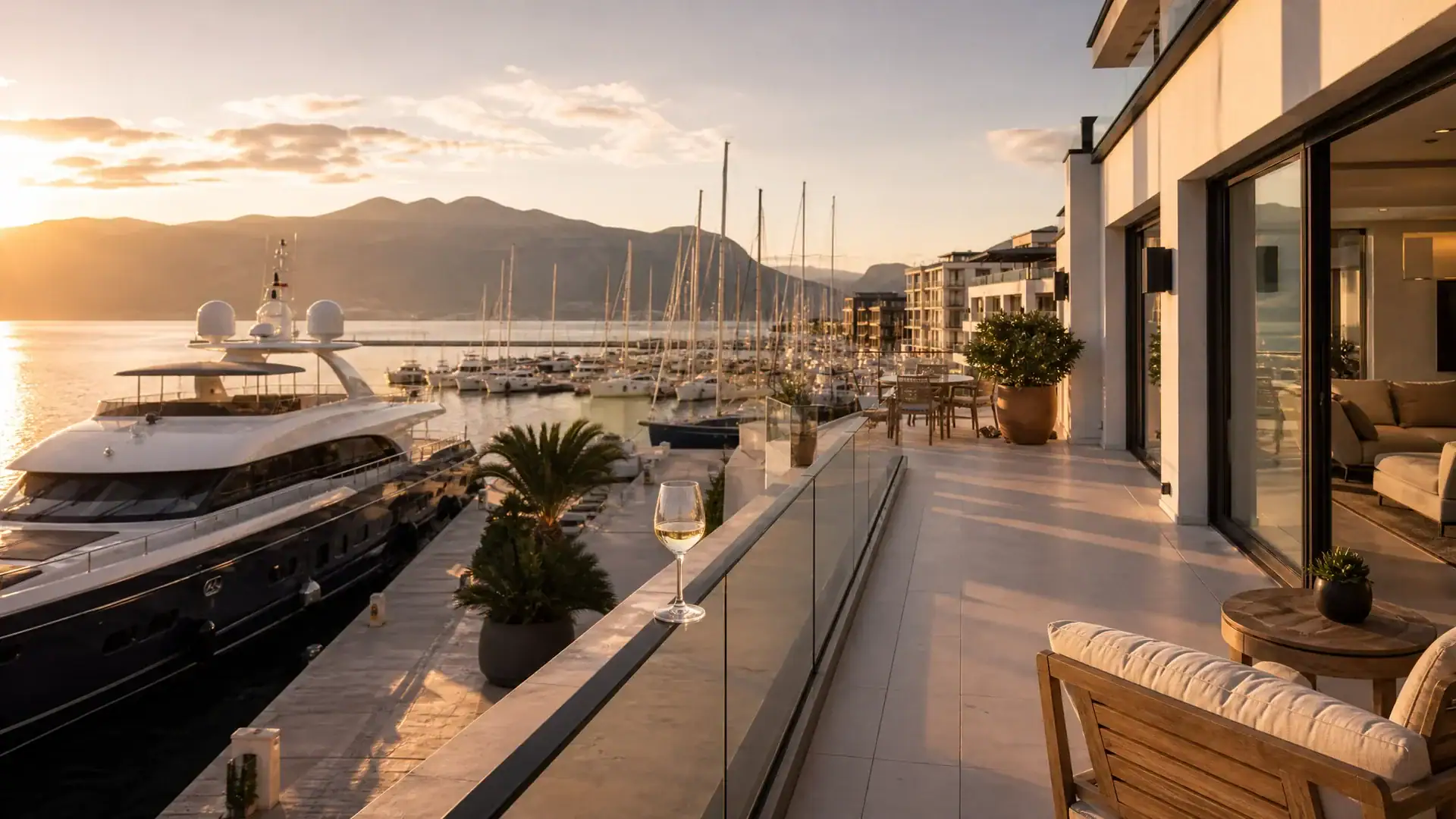
بورتو مونتينيغرو غالبًا ما تجذب أصحاب اليخوت المتنقلين عالميًا الذين يقدرون البنية التحتية لليخوت، والمستويات العالية للخدمة، وشقق "أغلق وانطلق" أو المساكن ذات العلامات التجارية. تجذب لوستيكا باي المشترين الذين يبحثون عن بيئة ساحلية أكثر تكاملاً مع ملاعب الجولف، والوصول إلى المارينا، وبيئة رئيسية مصممة للاستخدام طويل الأجل بدلاً من مجرد الإشغال في ذروة الموسم. غالبًا ما يتم النظر في بورتونوفي من قبل أولئك الذين يعطون الأولوية للعافية، والخدمات على مستوى المنتجع، والأجواء الراقية المطلة على الواجهة البحرية.
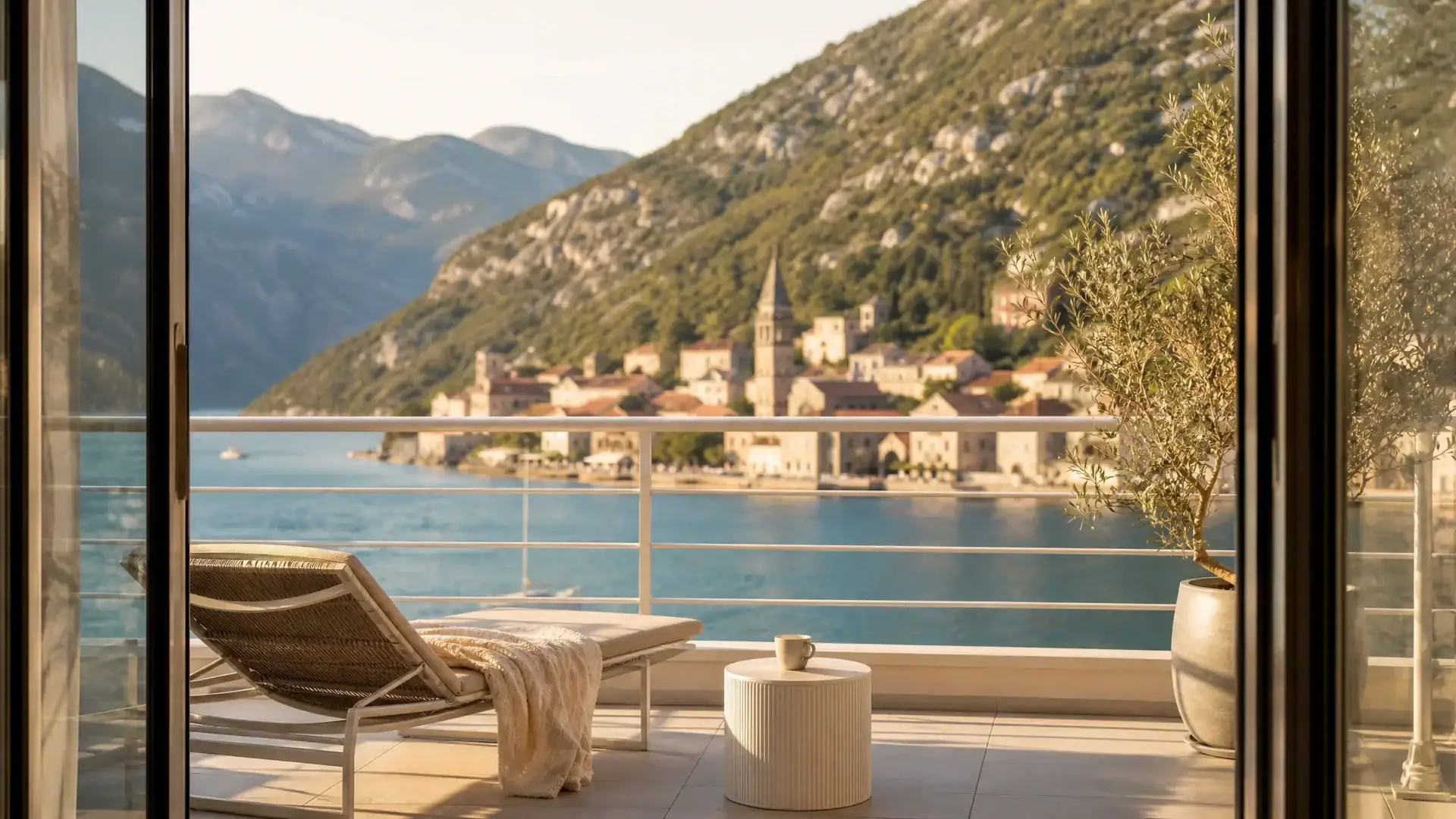
في مكان آخر، يوفر خليج كوتور عرضًا مختلفًا - طابع تاريخي، ومناظر خلابة، وإحساس أقوى بالمكان. يميل ساحل بودفا إلى جذب المشترين الذين يريدون الطاقة، وسهولة الوصول إلى الشاطئ، ونظام بيئي أوسع للضيافة. يعتمد الاختيار الصحيح على كيفية اعتزام المالك استخدام العقار، وليس فقط على السعر أو افتراضات التصريح.
منطق الاستثمار وراء مسألة السكن
يميل المشترون الأقوى إلى التعامل مع الإقامة كفائدة واحدة ضمن عدة فوائد، وليس كسبب كامل. هذا النهج يخلق المزيد من المرونة.
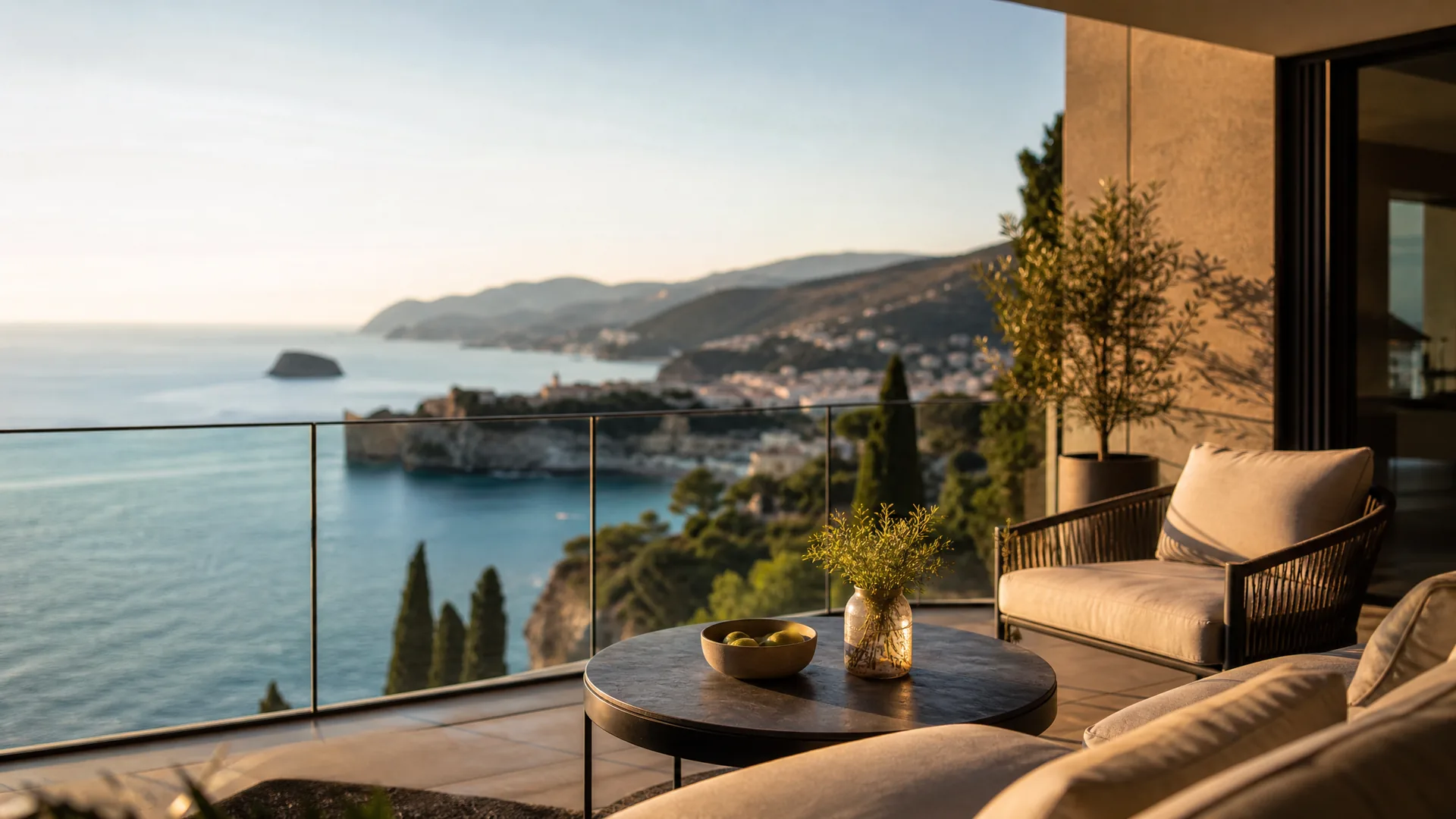
تستقطب الجبل الأسود الانتباه لتقديمها مزيجًا نادرًا: ساحل البحر الأدرياتيكي، ومخزون محدود في المواقع المتميزة المطلة على الواجهة البحرية، وزيادة في الظهور الدولي، وأسعار لا تزال تبدو جذابة مقارنة بأسواق الرفاهية المتوسطية الراسخة. بالنسبة لبعض المستثمرين، يشير ذلك إلى إمكانات صعودية. وبالنسبة لمشتري أسلوب الحياة، فإنه يوفر فرصة لتأمين سكن في وجهة لا تزال تبدو انتقائية بدلاً من أنها مفرطة في البناء.
ولكن لا تزال هناك مفاضلات. تختلف السيولة حسب الموقع المصغر ونوع المنتج. المنازل الفاخرة المطلة على الواجهة المائية والمساكن المنفذة جيدًا في التطورات الرئيسية ذات العلامات التجارية أو الموجهة نحو المارينا تجذب بشكل عام اهتمامًا دوليًا أقوى من المخزون العام في المواقع الثانوية. يمكن أن يكون الطلب على الإيجار جذابًا في مواسم الذروة، ولكن يجب نمذجة العوائد بحذر ولا ينبغي أن تعتمد قرارات الملكية على افتراضات متفائلة للإيجار قصير الأجل وحدها.
طريقة منطقية للتعامل مع تخطيط الإقامة
التسلسل الحكيم بسيط. أولاً، حدد هدفك الفعلي. هل هو الإقامة الموسمية، أو انتقال العائلة، أو دعم التخطيط الضريبي، أو قاعدة تقاعد مستقبلية، أو منزل ثانٍ استراتيجي مع حقوق إقامة اختيارية؟ ثانياً، تحقق من المسار القانوني الحالي مع مستشار مؤهل قبل حجز عقار. ثالثاً، اختر أصلاً ستظل سعيداً بامتلاكه حتى لو تغيرت خطتك الزمنية للإقامة.
يميل هذا إلى إنتاج نتائج أفضل من التسلسل العكسي، حيث يشتري المشتري بسرعة لأنه سمع أن العقارات تساوي الإقامة ثم يفحص التفاصيل لاحقًا. في الأسواق المتميزة، يجب أن يأتي الإلحاح من الجودة والندرة، وليس من افتراضات غير مكتملة.
بالنسبة للمشترين الذين يريدون أصلًا يعكس أسلوب حياتهم وعملية استحواذ منظمة بشكل جيد، غالبًا ما تكون شركة ساوثبيز إنترناشونال ريالتي مونتينيغرو جزءًا من تلك المناقشات، وذلك بالتحديد لأن القرار لا يتعلق فقط بإيجاد عقار. بل يتعلق بمطابقة الموقع، وجودة الأصل، وعملية الملكية العملية، والنية طويلة الأجل.
هل الإقامة في الجبل الأسود عن طريق العقارات مناسبة لك؟
إذا كنت تبحث عن حل إقامة إداري بحت دون اهتمام بالأصل الأساسي، فقد تكون هناك مسارات أبسط في ولايات قضائية أخرى أو فئات أخرى. أما إذا كنت تريد استراتيجية إقامة مرتبطة باستثمار ساحلي ملموس ومنزل ثانٍ قابل للاستخدام حقًا، فإن الجبل الأسود يستحق اهتمامًا جادًا.
الجاذبية واضحة بشكل خاص للمشترين الذين يثمنون الخيارات. يمكنك قضاء وقت ممتع في البحر الأدرياتيكي، وامتلاك عقار في سوق فاخر ناشئ، وإمكانية دعم طلب إقامة مؤقتة من خلال الملكية، كل ذلك أثناء الاستمتاع بوجهة تجمع بين ثقافة المرسى، والمناظر الطبيعية للجبال، ونبرة أكثر تحفظًا من العديد من العناوين المتوسطية المعروفة.
الحركة الصحيحة نادراً ما تكون الأسرع. إنها عملية الشراء التي لا تزال منطقية بعد تقديم الأوراق، وبعد انتهاء الموسم الأول، وبعد نضوج السوق. هذا هو المكان الذي تبدأ فيه عادةً أفضل قرارات العقارات.