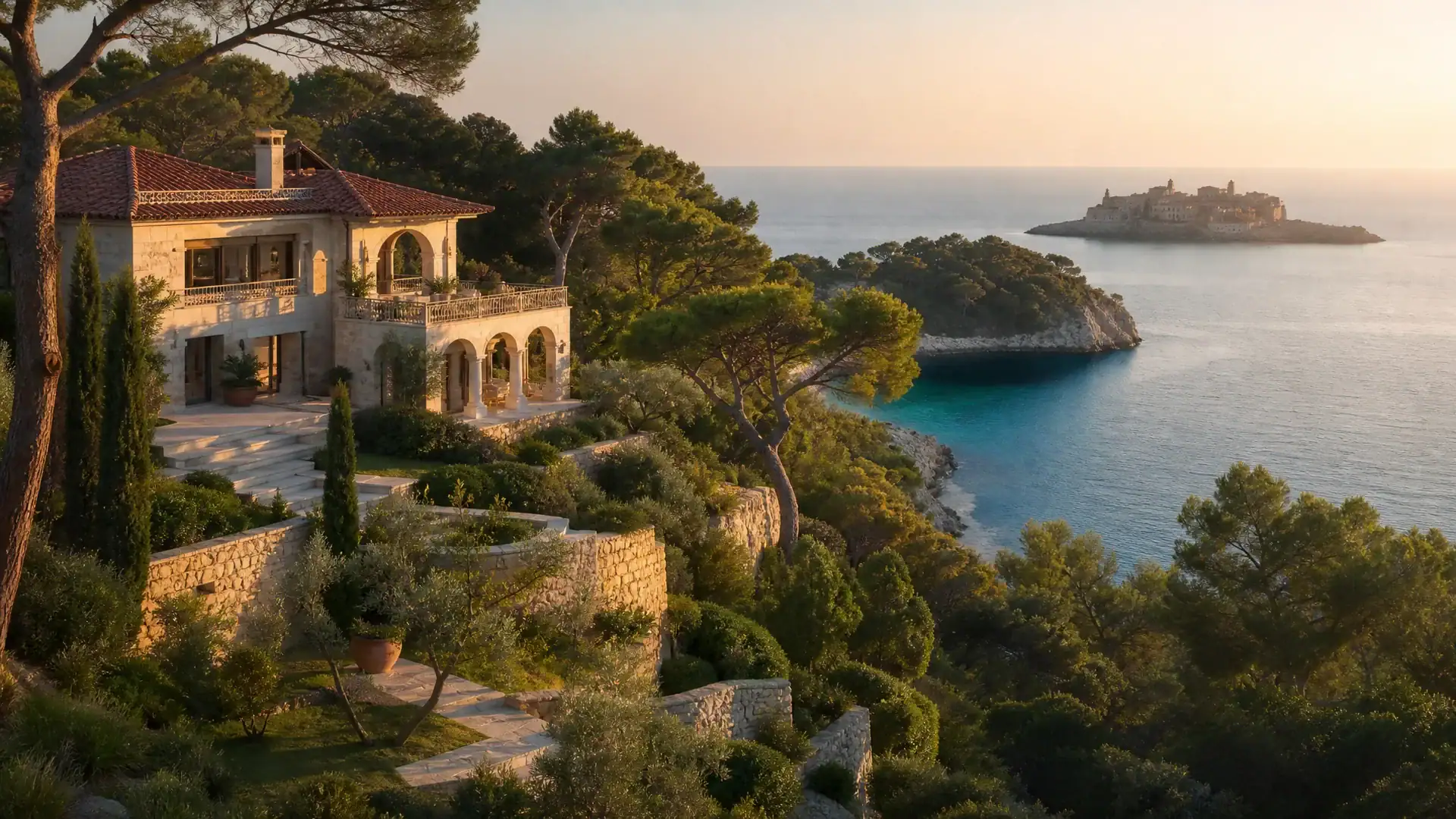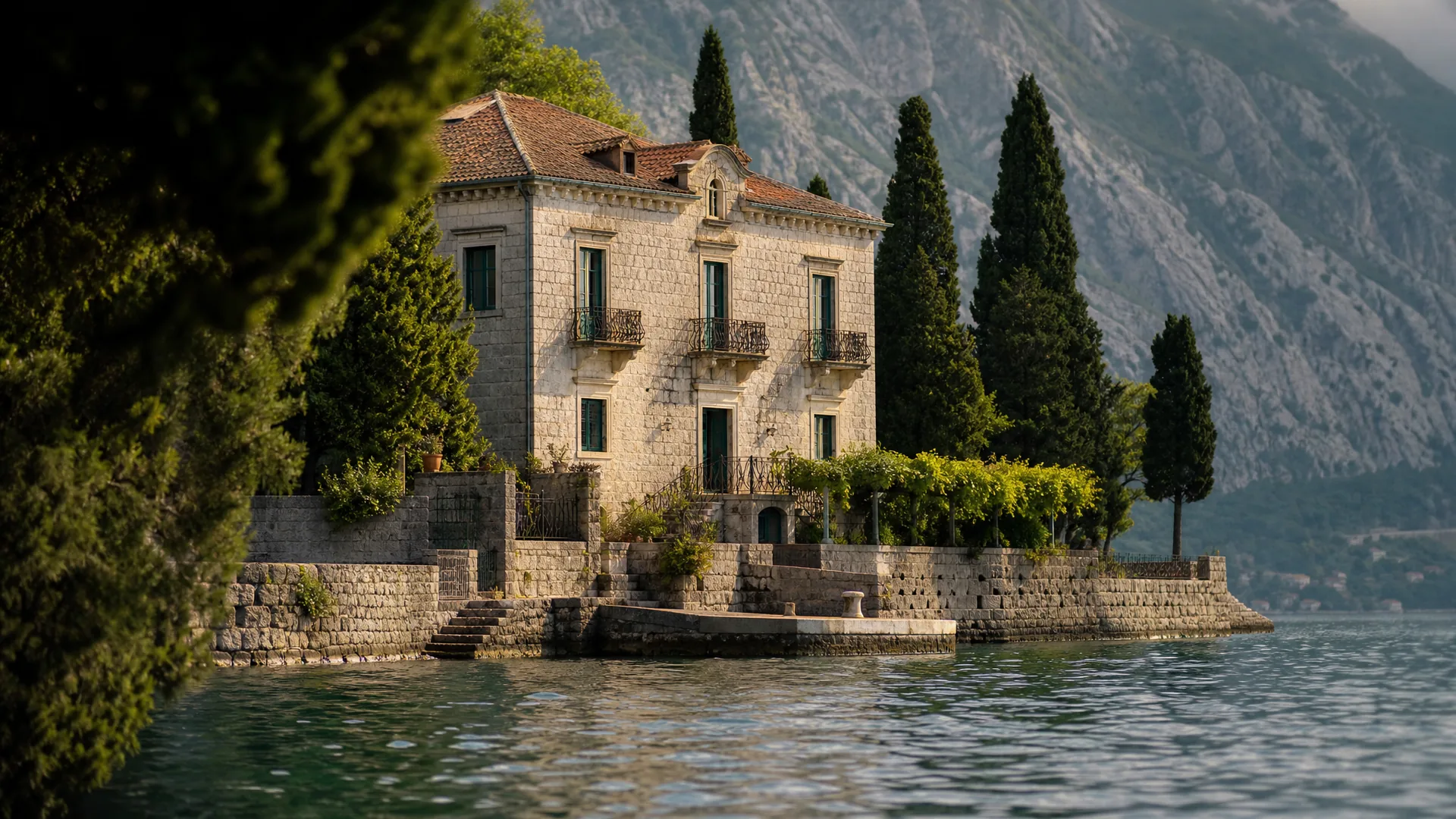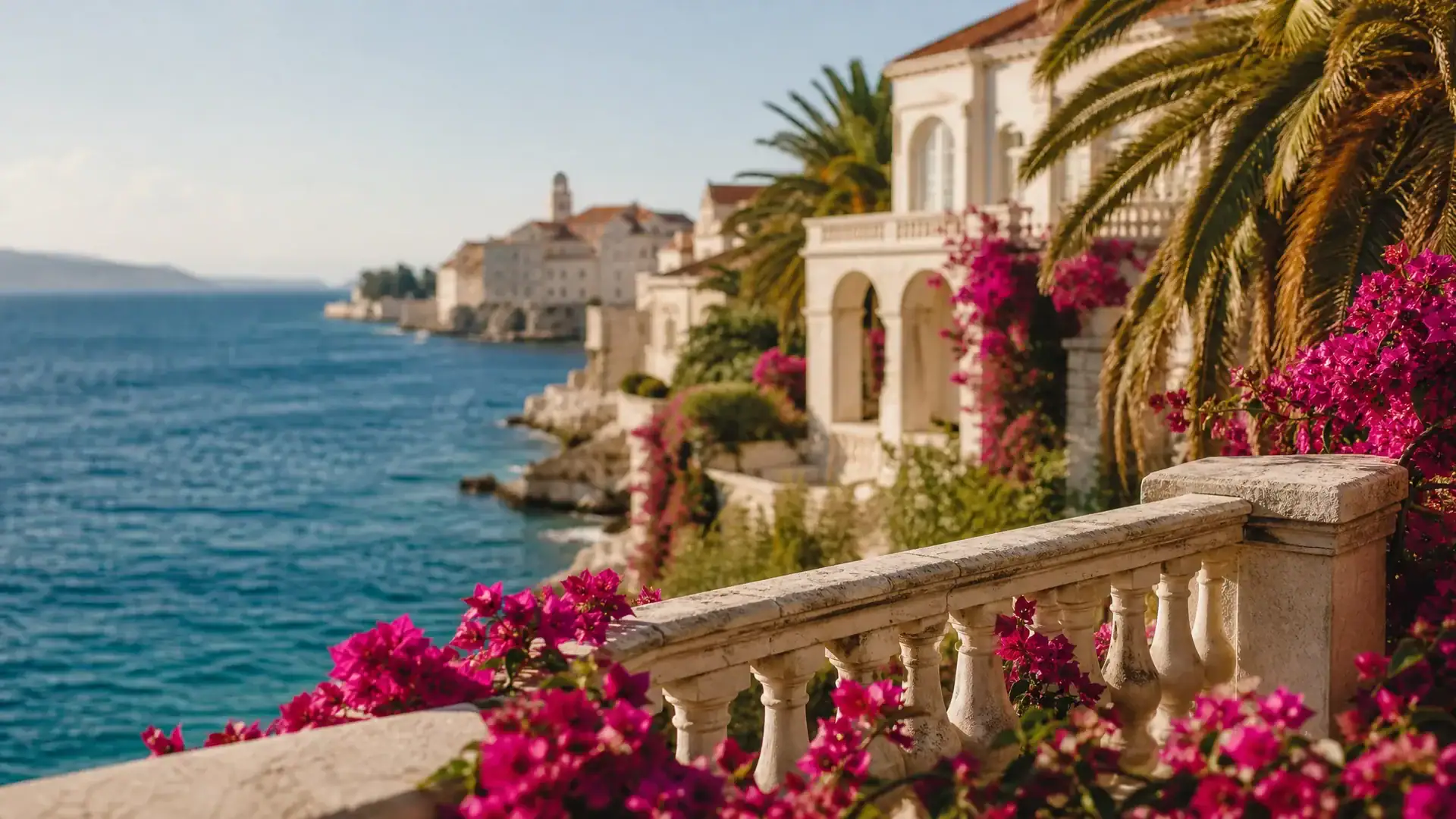



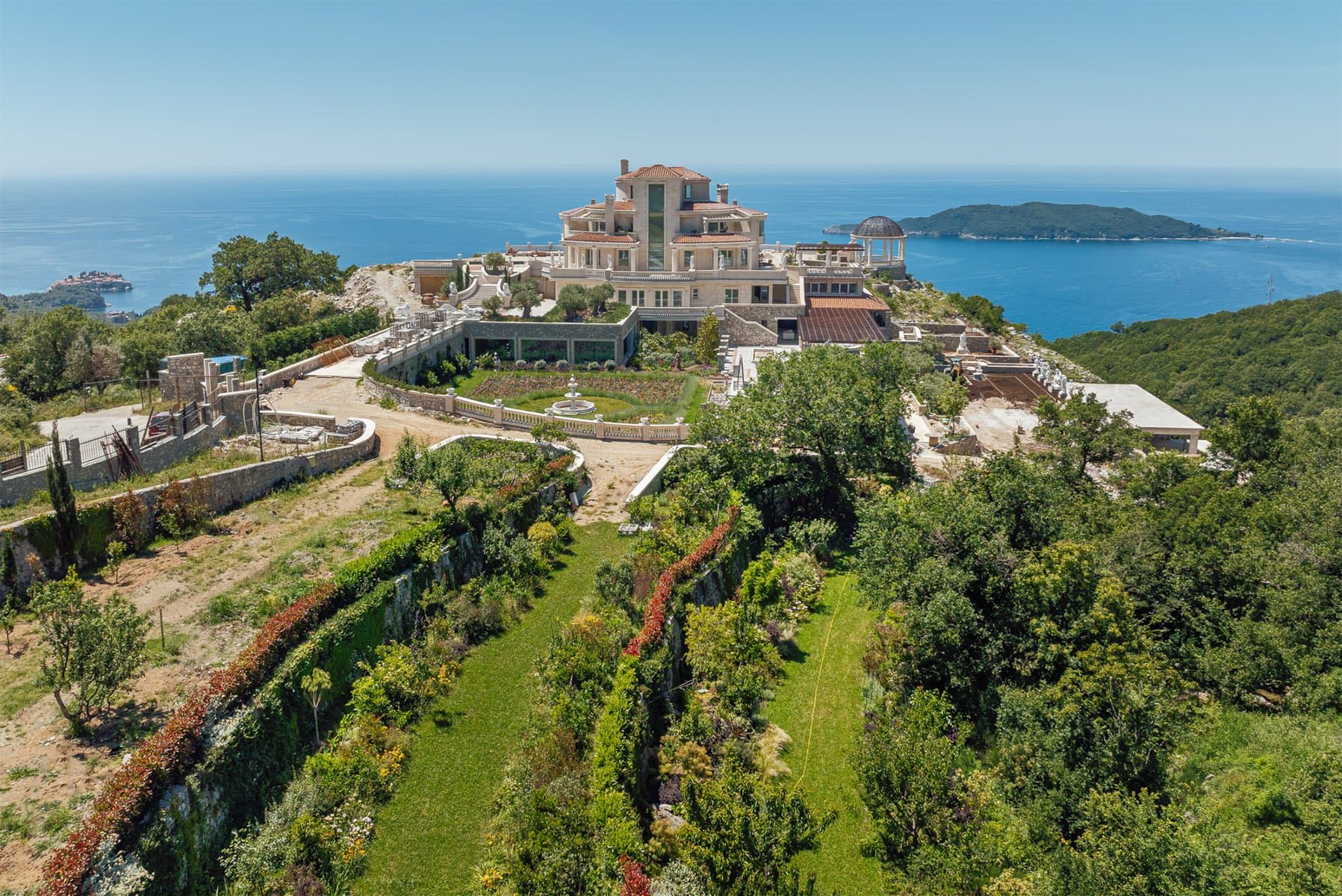
انتقلت الجبل الأسود - وهي جوهرة ساحلية ضيقة على البحر الأدرياتيكي، تحيط بها خلجان رائعة تشبه المضيق البحري وجبال الألب الدينارية - من “خارج نطاق الرادار” إلى “ما يجب أن يكون محط أنظار” المستثمرين العقاريين الساحليين الأوروبيين. على مدى السنوات الخمس الماضية اجتذبت البلاد مشاريع تطوير المراسي الفاخرة ورؤوس الأموال الأجنبية ونمو السياحة للإقامة القصيرة واهتمام المؤسسات. بالنسبة للمستثمرين الذين يفكرون في التنويع، يوفر الاستثمار العقاري في الجبل الأسود مزيجاً مقنعاً: مواقع ساحلية جذابة مع طلب سياحي قوي، وقواعد مفتوحة نسبياً للمشترين الأجانب، ومعدلات ضريبية أقل من العديد من المنافسين الأوروبيين، وفرصاً قابلة للتطوير من شقق الشراء للتأجير إلى قطع أراضي المنتجعات الكبيرة.
يرشدك هذا الدليل المطول إلى سياق السوق، والمناطق الساخنة، والحقائق القانونية والضريبية، وعملية الشراء والتكاليف، وتوقعات التمويل والعائد، وحقائق الإقامة/الجنسية، والمخاطر واستراتيجيات الخروج، بالإضافة إلى قائمة مراجعة عملية للعناية الواجبة حتى تتمكن من التصرف بوضوح.
لقطة: لماذا ينظر المستثمرون إلى الجبل الأسود الآن؟
هناك بعض العوامل التي تدفع اهتمام المستثمرين اليوم:
نمو سريع في الأسعار وانتعاش السياحة. سجلت المناطق الساحلية ومناطق المنتجعات زيادات قوية في الأسعار في السنوات الأخيرة مع ارتفاع السياحة والمشاريع التطويرية الراقية (بورتو مونتينيغرو, لوستيكا باي, بورتونوفي) جذب رؤوس الأموال إلى السوق. وتشير العديد من تقارير السوق إلى نمو مزدوج الرقم في بعض القطاعات والاستثمارات الأجنبية المباشرة القوية في العقارات - مما أدى إلى زيادة رأس المال والطلب على الإيجارات.
الملكية المفتوحة للأجانب. يمكن لغير المقيمين شراء الشقق والمنازل بحرية؛ وتقتصر القيود بشكل رئيسي على بعض الأراضي الزراعية والمناطق الاستراتيجية، لذلك تظل تدفقات المعاملات سهلة للمشترين الأجانب.
الطلب السياحي والعائدات الموسمية. تُظهر الشقق الساحلية ذات الموقع الجيد عوائد إيجارية جذابة على المدى القصير (تشير التقارير إلى أنها تتراوح بين متوسط رقم واحد إلى رقمين منخفضين إجمالاً، اعتماداً على الموسمية والإدارة). وقد ركزت المؤسسات ومطورو المشاريع على المشاريع المتاخمة للبحر والغنية بالمرافق التي تجذب المشترين من أصحاب الثروات الكبيرة وأسواق العطلات المتميزة.
الملف الضريبي المقارن. الضرائب الرئيسية في مونتينيغرو (المعدلات الثابتة للشركات/الأفراد، ومعدل الأرباح الرأسمالية المحددة) أقل من العديد من نظرائها في أوروبا الغربية - مما يجعل صافي العوائد أكثر جاذبية على الورق. التفاصيل أدناه.
هذه الظروف تجعل الجبل الأسود جذابة للمستثمرين الانتهازيين (الباحثين عن زيادة رأس المال بالقرب من المنتجعات)، ومستثمري الدخل (المحافظ الاحترافية قصيرة الأجل)، والمطورين الذين يستهدفون مشاريع متكاملة كبيرة.
أين تستثمر في مونتينيغرو: المناطق الساحلية الساخنة + الفرص الداخلية
لا تتصرف جميع المواقع بنفس الطريقة. اختر استراتيجيتك وطابقها مع الموقع الجغرافي.
المراكز الساحلية والمارينا (الأفضل لتأجير العطلات وتقدير رأس المال الراقي):
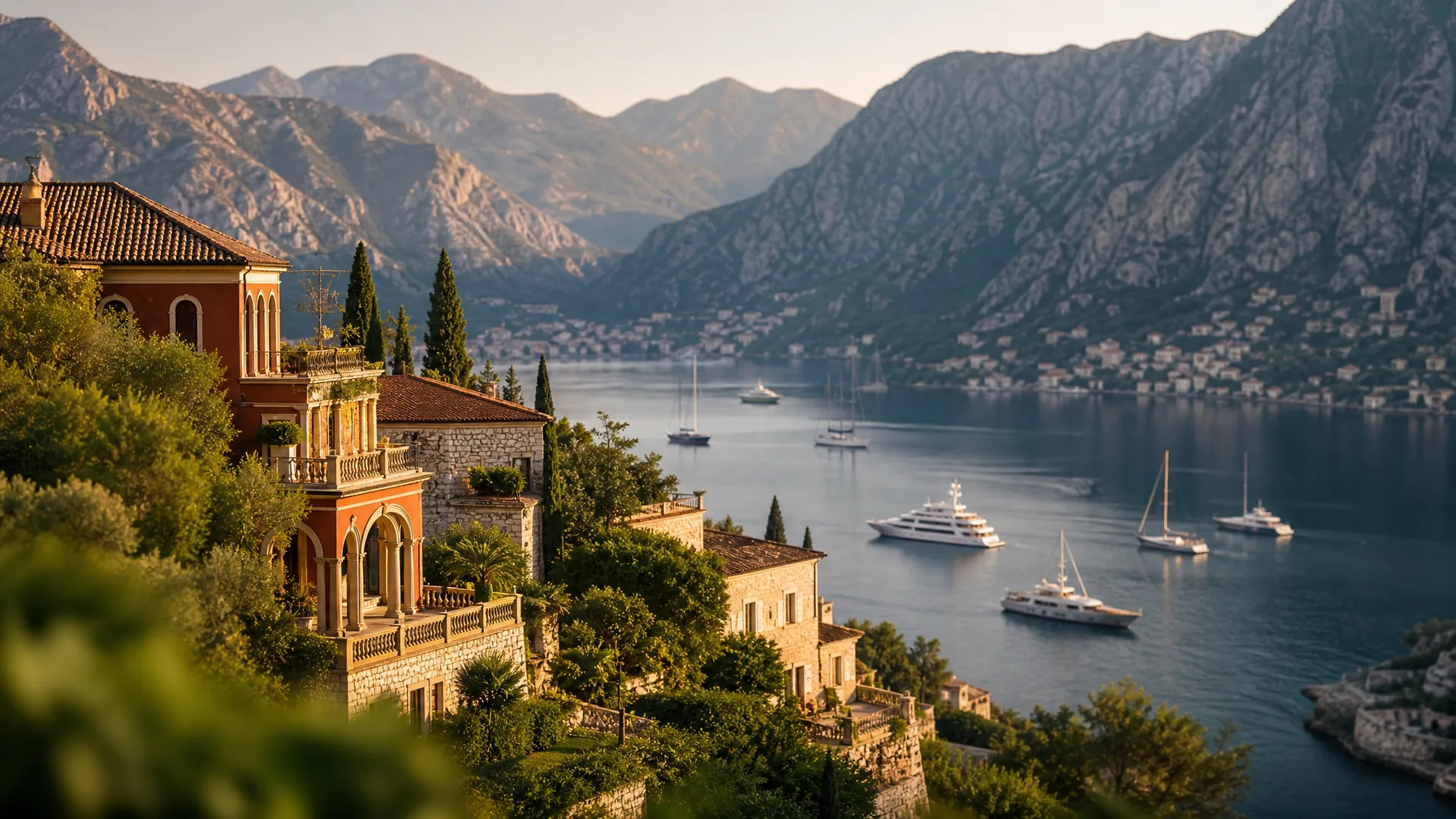
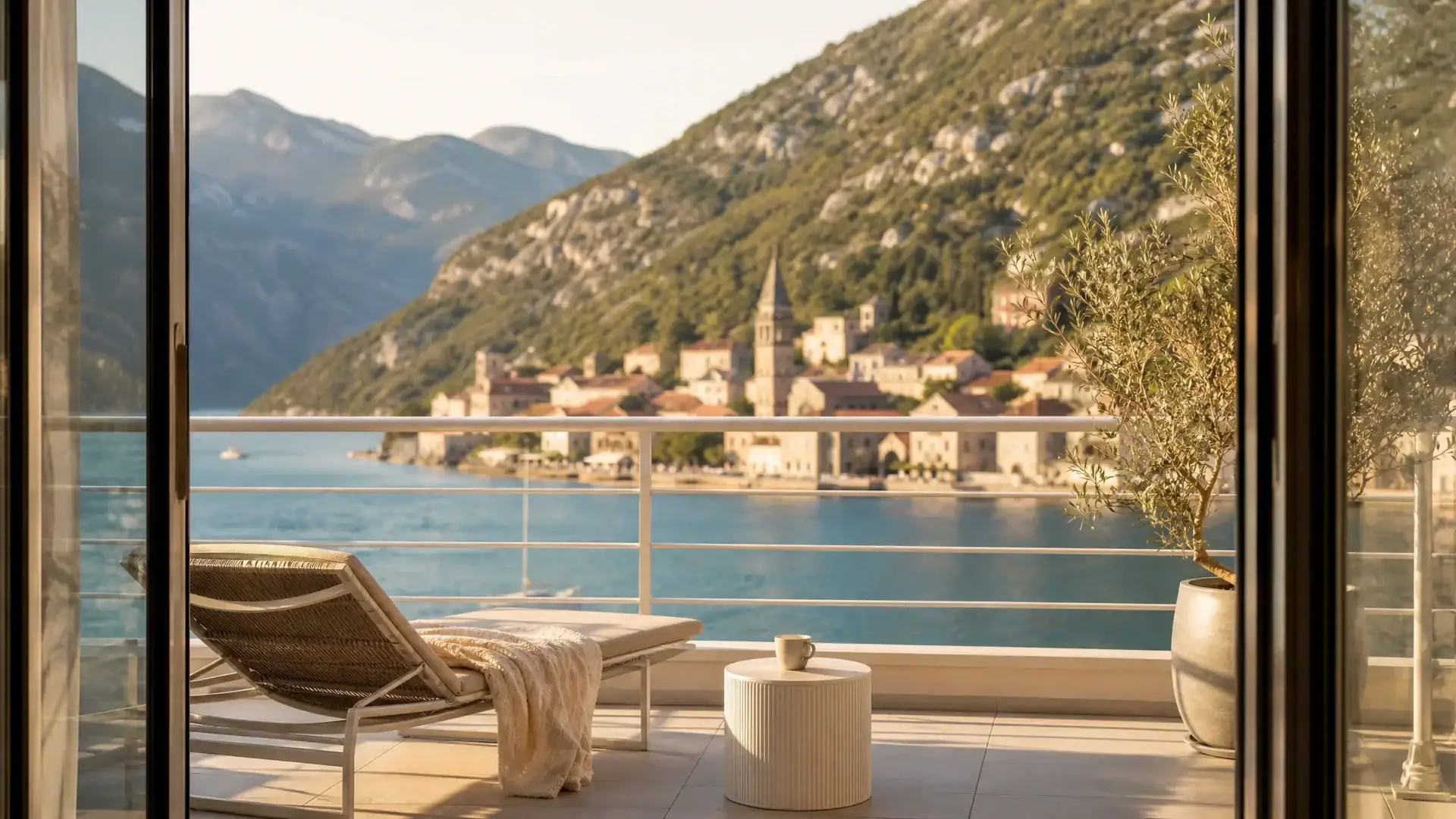
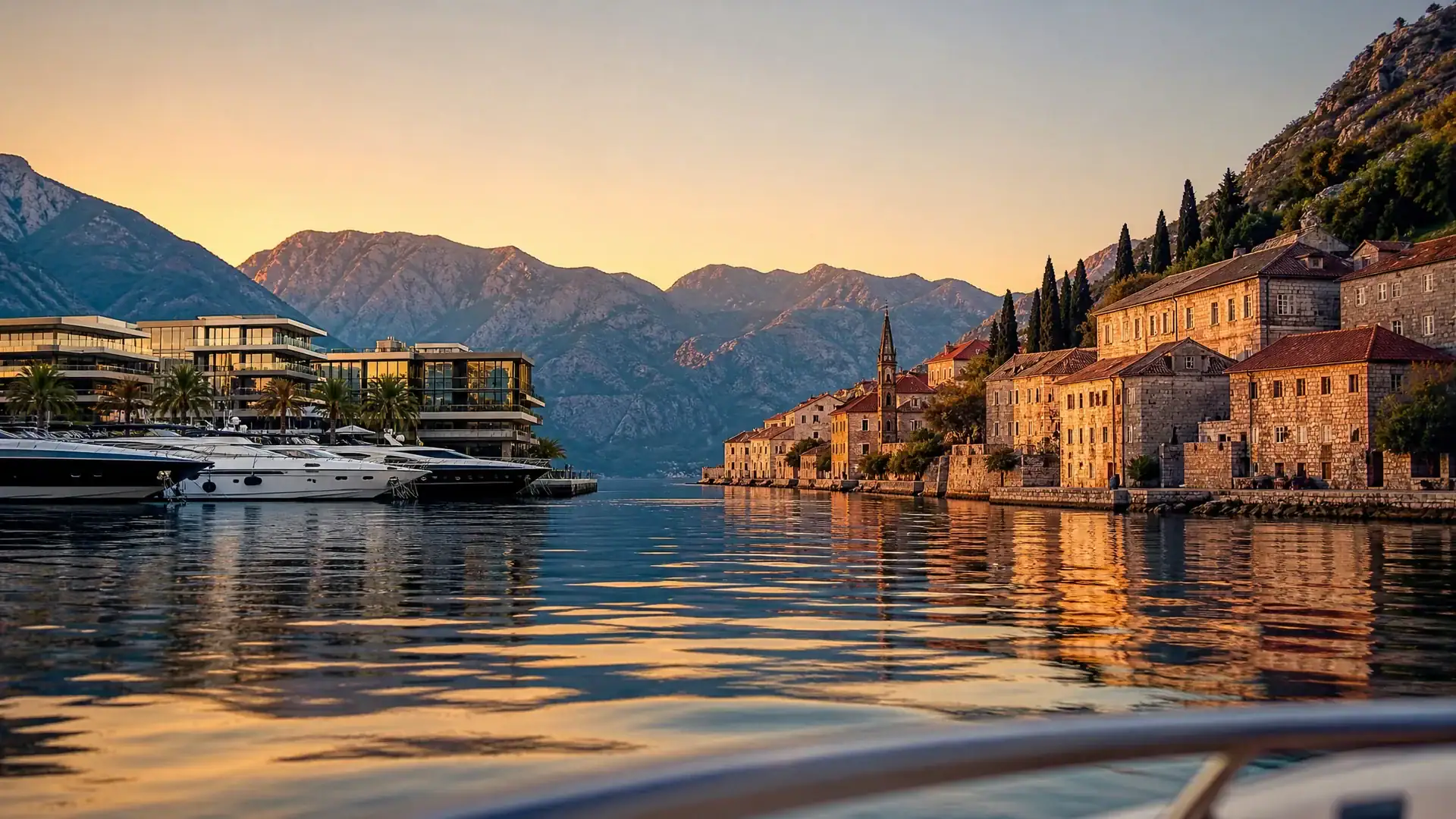
خليج كوتور (كوتور، بيراست، تيفات) - مدينة كوتور القديمة المدرجة على قائمة اليونسكو لليونسكو والمراسي في المياه العميقة والمطار في تيفات تجعل من هذه السوق الفرعية الساحلية الأكثر بروزاً على المستوى الدولي. ارتفاع الطلب على الشقق الفاخرة والمراسي البحرية.
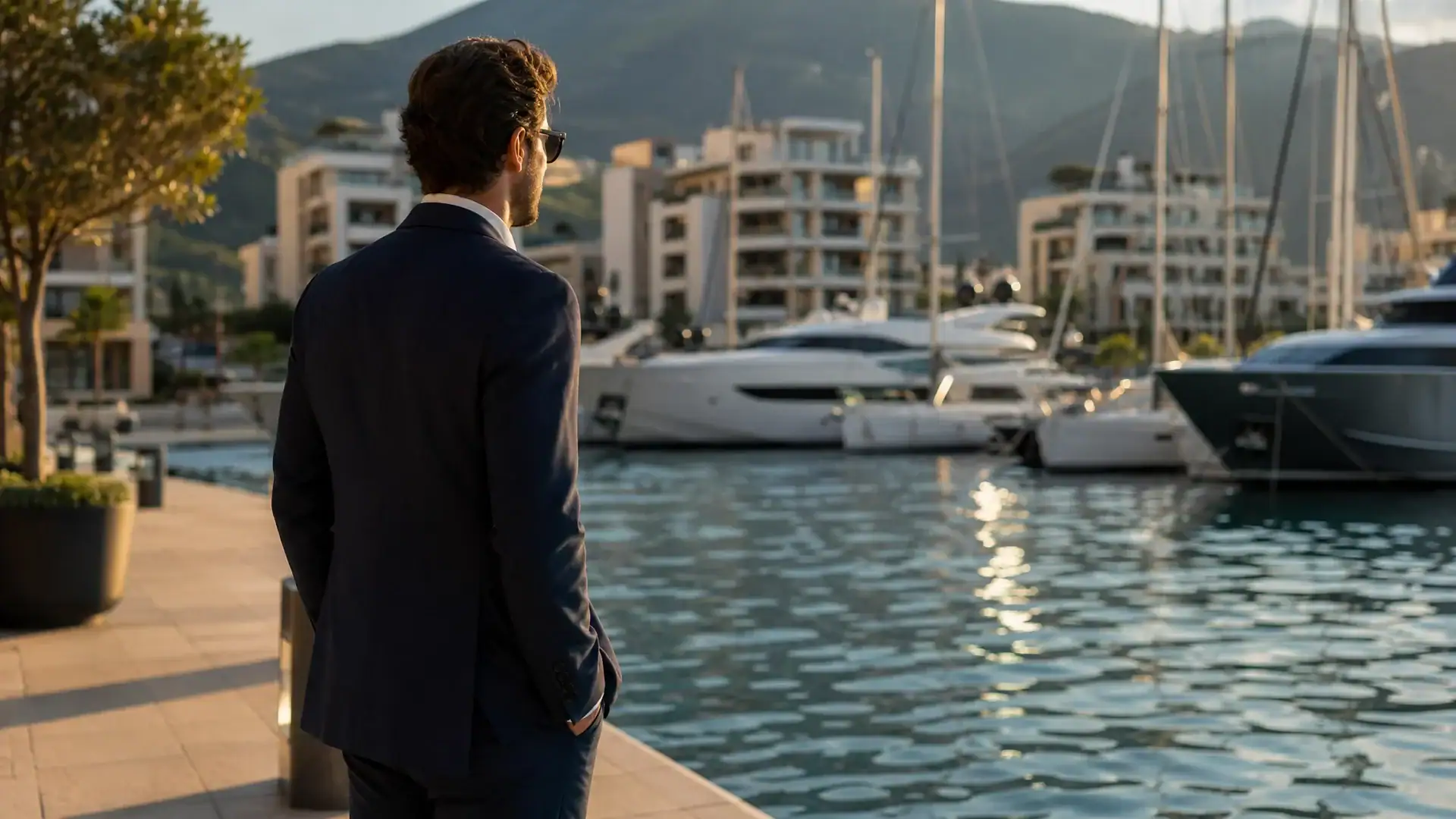
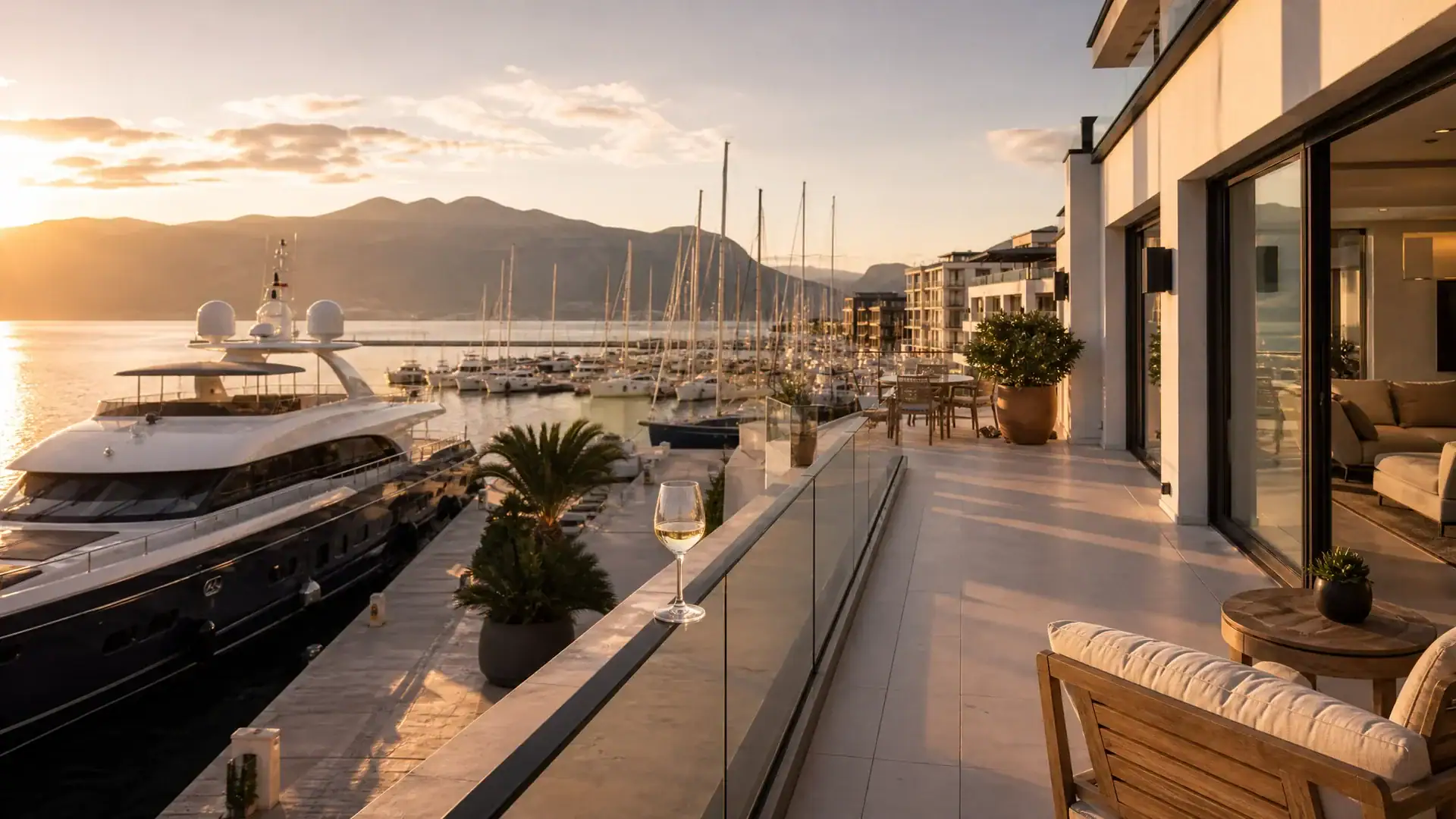
بورتو مونتينيغرو (تيفات) - مشروع تطوير المرسى الأول الذي يضم متاجر التجزئة والخدمات ذات العلامات التجارية؛ طلب قوي من مالكي اليخوت والمصطافين الأثرياء.
خليج لوستيكا (شبه جزيرة تيفات) - مخطط رئيسي واسع النطاق للمنتجع يستهدف المشترين الذين يعيشون على المدى الطويل والمشترين في المنتجع؛ مسار طويل لخلق القيمة مع بدء تنفيذ البنية التحتية والمرافق.
بودفا وبودفا ريفييرا - معقل السياحة الجماعية مع ارتفاع نسبة الإشغال في الصيف؛ جاذبية لاستراتيجيات التأجير قصير الأجل على الرغم من اختلاف العائدات باختلاف الموسم.
الأسواق الناشئة أو الأسواق ذات القيمة السوقية
بار وأولسيني - أسعار دخول أقل من كوتور/بودفا، مع احتمالية حدوث ارتفاع في حالة وجود مشاريع البنية التحتية أو المرسى.
شمال الجبل الأسود (كولاشين، زابلياك) - المنتجعات الجبلية والسياحة الشتوية تقدم موسمية مختلفة وتنويعاً مختلفاً خارج السوق الساحلي الأدرياتيكي.
طابق الاستراتيجية مع المكان: الشقق والفلل الراقية = بورتو مونتينيغرو/بورتونوفي/خليج لوستيكا؛ شقق الإيجار قصير الأجل = بودفا/تيفات؛ مكاسب رأسمالية طويلة الأجل أو ألعاب القيمة = أراضي المنتجعات الساحلية أو الجبلية الشمالية الصاعدة.
الأساسيات القانونية: هل يمكن للأجانب الشراء وكيف تتم هيكلة الملكية؟
نعم - يمكن للأجانب شراء معظم العقارات السكنية. يمكن لغير المقيمين شراء الشقق والمنازل بحرية؛ وتوجد قيود على الأراضي الزراعية، والممتلكات في المناطق الاستراتيجية/العسكرية وقطع الأراضي الكبيرة جدًا (حيث قد يكون تسجيل الشركة مطلوبًا). تأكد دائمًا من حالة الطرد لدى السجل العقاري (مكتب المحاماة في الجبل الأسود)
الهياكل المشتركة: الشراء المباشر (فردي)، أو الشراء عن طريق شركة من الجبل الأسود للمشاريع التجارية أو الاستحواذ على الأراضي الكبيرة. ويستخدم العديد من المستثمرين شركة محلية ذات غرض خاص عند شراء أراضي التطوير. (شركة محاماة في الجبل الأسود)
التوكيل الرسمي:: يمكن إتمام عملية الشراء عن بُعد عن طريق توكيل موثق؛ ويلزم وجود مترجم من المحكمة إذا كان الأطراف أجانب. يعد توقيع كاتب العدل والتسجيل العقاري من الخطوات النهائية الحاسمة. (sothebysrealty.me)
نصيحة: استعن بمحامٍ محلي متخصص في مجال العقارات واستعن بموثقين ووكلاء ذوي سمعة طيبة. يعتبر نظام السجل العقاري في الجبل الأسود فعالاً ولكن به بعض المراوغات في التسجيل من حين لآخر؛ وتقلل عمليات البحث المعتمدة والتأمين على الملكية (حيثما كان ذلك متاحاً) من المخاطر.
تكاليف المعاملات والجدول الزمني - ما ستدفعه بالفعل
تعتمد التكاليف الدقيقة على سعر العقار، سواء كان عقاراً معاد بيعه أو جديداً، وعلى البلدية. العناصر النموذجية:
ضريبة نقل الملكية العقارية/ضريبة الشراء: تاريخيًا 3% ثابتة على العقارات المعاد بيعها ؛ في عام 2023 اقترحت بعض التقارير جداول متدرجة للقيم الأعلى (3-6% للصفقات الكبيرة جدًا) - تأكد من القواعد البلدية الحالية وما إذا كان البائع مطورًا (المباني الجديدة معفاة في بعض الأحيان). ضع ميزانية متحفظة ل 3%+ في العديد من صفقات إعادة البيع.
رسوم كاتب العدل والتسجيل: مقياس منظم؛ توجد حدود قصوى لرسوم كاتب العدل (تُظهر الأمثلة بضع مئات من اليورو للعقارات المتواضعة؛ ومبلغ محدد للصفقات عالية القيمة). توقع مبلغ يتراوح بين 300 يورو و5,000 يورو حسب السعر.
أتعاب الوكيل: عادةً ما يدفعها البائع في العديد من الأسواق، ولكن دائمًا ما تكون قابلة للتأكيد والتفاوض.
أتعاب المحاماة والعناية الواجبة والمسوحات: متغير؛ ميزانية لفحص قانوني كبير وفحص هيكلي/تقني للمباني القديمة.
تكاليف الملكية المستمرة: الضريبة العقارية البلدية السنوية (تختلف المعدلات - تُظهر العديد من المصادر أنها تتراوح بين حوالي 0.11 تيرابايت إلى 11 تيرابايت من القيمة المقدرة، ولكن يمكن للبلديات تحديد شرائح مختلفة)، والمرافق، والصيانة، وإدارة الممتلكات (إذا كانت مستأجرة).
الجدول الزمني:: يمكن إتمام صفقة تعاونية في غضون أسابيع إلى بضعة أشهر (إيداع/عقد، وتوقيع كاتب العدل، ثم التسجيل العقاري في غضون 30 يوم عمل أمر شائع). يستخدم المشترون عن بُعد التوكيلات لتبسيط متطلبات التواجد.
الحقائق الضريبية - ما الذي يؤثر على صافي عائداتك في الجبل الأسود
تُعد المعاملة الضريبية محركاً حاسماً للعائد وصافي العائد في الجبل الأسود كما هو الحال في أي مكان آخر. فيما يلي البنود الضريبية الرئيسية التي يجب على المستثمرين وضع ميزانية لها:
أ) ضرائب الشراء/التحويل
ضريبة نقل الملكية/ضريبة الشراء على إعادة البيع: عادةً ما تكون حوالي 31 تيرابايت و3 تيرابايت من قيمة العقار بالنسبة للعقارات المعاد بيعها، على الرغم من الإبلاغ عن جداول تصاعدية للصفقات عالية القيمة. قد تكون المباني الجديدة للمطورين معفاة. تحقق دائماً من أحدث القواعد البلدية الخاصة بقطعتك.
ب) ضريبة الملكية/ضريبة الملكية السنوية
يتم تحديد الضريبة العقارية من قبل البلديات ضمن إطار وطني؛ وتضع النطاقات النموذجية المنشورة العديد من العقارات السكنية في حدود 0.251 تيرابايت إلى 11 تيرابايت من القيمة المساحية/التقديرية، على الرغم من أن بعض المصادر تُظهر 0.11 تيرابايت إلى 5.51 تيرابايت حسب القواعد والفئات المحلية. استخدم بطاقة التعريفة البلدية المحلية.
ج) ضريبة الدخل على دخل الإيجار
يخضع دخل الإيجار (للأفراد والشركات) لمعدل ضريبة 15% (بعد الخصومات المسموح بها عند الاقتضاء). كما يجب على مشغلي الإيجارات قصيرة الأجل مراعاة عتبات التسجيل في ضريبة القيمة المضافة وضرائب/رسوم الإقامة المحلية.
د) ضريبة الأرباح الرأسمالية
تُفرض الضريبة عادةً على الأرباح الرأسمالية من مبيعات العقارات بنسبة 151 تيرابايت 3 تيرابايت - تُطبق على الربح (سعر البيع مخصوماً منه تكاليف الاستحواذ والتحسينات الموثقة). يمكن أن يخضع غير المقيمين للاستقطاع على عائدات البيع حتى حساب الضريبة النهائية.
ه) ضريبة الشركات/ضريبة الدخل الشخصي
تُعتبر معدلات ضريبة الشركات وضريبة الدخل الشخصي في مونتينيغرو تنافسية مقارنةً بأوروبا الغربية؛ حيث تشير العديد من الأدلة إلى الهياكل الثابتة أو المحدودة (غالباً ما يشار إلى معدلات الشركات والمعدلات الشخصية في 9-151 تيرابايت 3 تيراغرام حسب الدخل والهيكل)، ولكن يجب أن يكون التخطيط الضريبي مصمماً خصيصاً لممتلكاتك وإقامتك.
خلاصة القول فيما يتعلق بالضرائب: تُعد معدلات الضرائب الرئيسية في الجبل الأسود (15% ضريبة الأرباح الرأسمالية / ضريبة الإيجار وضريبة العقارات المتواضعة) مواتية مقارنة بالعديد من نظرائها في الاتحاد الأوروبي، ولكن الاختلافات البلدية والقواعد الخاصة بالمعاملات (على سبيل المثال، الإعفاءات للمباني الجديدة) تعني أنه يجب عليك تأكيد الالتزامات على كل صفقة مع محامي الضرائب المحلي.
تعرّف على المزيد من التفاصيل هنا: ضرائب العقارات في الجبل الأسود - دليل موجز لعملائنا العقاريين
الإقامة والجنسية - حقيقة “اشترِ عقارًا واحصل على جواز سفر”
هناك الكثير من التسويق والالتباس حول “جنسية الجبل الأسود عن طريق الاستثمار”. الحقائق مهمة:
تم إغلاق برنامج الجنسية عن طريق الاستثمار (CBI) في نهاية عام 2022. علّقت الحكومة/أنهت البرنامج في 31 ديسمبر 2022، وتؤكد التعليقات الرسمية ومصادر متعددة موثوقة أن البرنامج ليس مفتوحًا للمتقدمين الجدد. لا تزال بعض الشركات الخاصة تشير إلى البرنامج القديم أو مسارات الإقامة في السوق؛ تعامل مع هذه الادعاءات بتشكك وتحقق من المصادر الحكومية.
الإقامة عن طريق ملكية العقار: يسمح شراء العقارات بشكل عام للمشترين الأجانب بالتقدم بطلب للحصول على تصريح إقامة مؤقتة (قابلة للتجديد) - وهي ميزة عملية للمستثمرين الراغبين في اتخاذ الجبل الأسود مقراً لهم. بعد سنوات من الإقامة المستمرة، قد يكون هناك مسارات للإقامة الدائمة والتجنيس في نهاية المطاف بموجب القواعد العامة (وهي منفصلة عن برنامج CBI المنتهي الآن).
إذا كان دافعك الأساسي للاستثمار هو الحصول على الجنسية من أجل السفر بدون تأشيرة، فإن برنامج الجنسية عن طريق الاستثمار في الجبل الأسود القديم ليس طريقاً موثوقاً به الآن. فكّر في خيارات الإقامة الشرعية (المؤقتة/الدائمة) وبرامج المواطنة البديلة في البلدان الأخرى التي لا يزال فيها قانون الجنسية عن طريق الاستثمار الأجنبي المباشر ساري المفعول. تحقق دائماً من حالة البرنامج من مصادر حكومية رسمية أو مستشار هجرة حسن السمعة.
توقعات العوائد والعائدات - النمذجة الواقعية
يجب أن تكون توقعات الاستثمار العقاري في مونتينيغرو متحفظة ومحددة الموقع.
عوائد الإيجار القصير (إيجار العطلات): يمكن للشقق الساحلية الرئيسية أن تحقق عوائد إجمالية في نطاق واسع - تشير بعض المصادر إلى عوائد صافية تتراوح بين 4-7% على المشاريع المؤسسية بينما يمكن لمديري البوتيك المؤجرة لفترة قصيرة في أشهر الذروة أن يحققوا عوائد موسمية إجمالية أعلى. التركز الموسمي مرتفع: أشهر الصيف (يونيو-سبتمبر) تحقق معظم العائدات.
الإيجار طويل الأجل: العائدات أقل من التأجير القصير في المناطق السياحية الساخنة ولكنها أكثر استقراراً. توقع عوائد اسمية أقل ولكن مع انخفاض معدل الدوران والاحتكاك الإداري.
زيادة رأس المال: أظهرت الأسواق الصغيرة الساحلية الفاخرة الساحلية (مناطق المارينا) بشكل ملحوظ نمو الأسعار في السنوات الأخيرة; ؛ توقع المزيد من الارتفاع إذا تقدمت مشاريع البنية التحتية واستمر الانضمام إلى الاتحاد الأوروبي في دعم الطلب. لكن الأسواق السابقة الأسرع ارتفاعًا قد تهدأ؛ لا تعتمد أبدًا على افتراضات الارتفاع فقط. (omniacapitalgroup.com)
نموذج توضيحي (توضيحي): شراء شقة على شاطئ البحر بقيمة 400,000 يورو; ؛ بافتراض عائد إيجار إجمالي 41 تيرابايت 3 تيرابايت (16,000 يورو سنويًا)، وضريبة 151 تيرابايت 3 تيرابايت على صافي الدخل، و201 تيرابايت 3 تيرابايت تكاليف التشغيل/الإدارة، وضريبة/صيانة العقار السنوية - قد يبلغ صافي العائد النقدي حوالي 2-31 تيرابايت 3 تيرابايت بعد جميع التكاليف، مع إمكانية تحقيق مكاسب رأسمالية على مدى عدة سنوات. اضبط الأرقام حسب الموقع وجودة الإدارة والإشغال.
استراتيجيات التمويل والعملة والتمويل
الرهون العقارية: تقدم البنوك المحلية قروضاً عقارية للمقيمين وأحياناً للأجانب، ولكن مستويات الرفع المالي وشروط القروض أكثر تحفظاً من بعض البنوك الغربية. أما الإقراض بدون حق الرجوع أو الإقراض عبر الحدود فهو أقل شيوعاً - حيث يستخدم العديد من المستثمرين الأجانب التمويل النقدي أو التمويل الخارجي. تأكد من بنوك الجبل الأسود لمعرفة الشروط الحالية.
العملة: يستخدم الجبل الأسود اليورو (EUR) بحكم الأمر الواقع، مما يبسط التسعير والتمويل والتحويل إلى الوطن للمستثمرين المقومين باليورو - لا تقلبات في أسعار الصرف الأجنبي إذا كانت التزاماتك وعوائدك باليورو. وهذه ميزة عملية.
الهيكلة: من أجل التنمية والاستثمار التجاري، غالبًا ما يستخدم المستثمرون شركة محلية (مع علاقات مصرفية في الجبل الأسود) وحوكمة واضحة لتحسين الضرائب والعمليات.
المخاطر والأشياء التي يمكن أن تسوء
الاستثمار في أي مكان ينطوي على مخاطر؛ في الجبل الأسود، انتبه لما يلي:
مخاطر التركيز والموسمية: تتجمع الإيرادات في أسواق العطلات الساحلية في غضون أشهر قليلة؛ فزيادة العرض أو ضعف موسم السياحة يمكن أن يضغط على العائدات.
التباين التنظيمي والبلدي:: تختلف الضرائب العقارية والجبايات السياحية وتصاريح البناء حسب البلدية؛ ويمكن أن تؤثر التغييرات غير المتوقعة في القواعد المحلية على العوائد.
ارتفاع حرارة السوق في الأسواق الصغيرة ذات النقاط الساخنة: يمكن أن يتباطأ ارتفاع الأسعار السريع أو يصحح - لا تشتري عند ذروة الأسعار دون هامش أمان.
المسائل القانونية/الملكية: قد يكون للعقارات القديمة قيود غير مكتملة في السجل العقاري أو أعباء غير محسومة - لا يمكن التفاوض بشأنها.
عدم اليقين السياسي وعدم اليقين بشأن الانضمام إلى الاتحاد الأوروبي: الجبل الأسود مرشحة للانضمام إلى الاتحاد الأوروبي؛ ويمكن أن يكون الانضمام إلى الاتحاد الأوروبي أمرًا إيجابيًا هيكليًا قويًا - ولكن التوقيت غير مؤكد، ويمكن أن تؤدي التحولات في السياسات (مثل إغلاق برنامج البنك المركزي العراقي) إلى تغيير السرد الاستثماري.
قائمة مراجعة عملية للعناية الواجبة (قبل التوقيع)
البحث عن العنوان والسجل العقاري: تأكيد ملكية البائع والرهون والرهونات والأعباء والحدود. احصل على شهادة مساحية جديدة.
تصاريح التخطيط والبناء:: للتجديدات أو التحويلات الإيجارية: تحقق من الاستخدام المسموح به وتصاريح الإشغال وأي قيود بلدية معلقة.
السجل الضريبي والالتزامات الضريبية طلب إثبات الضرائب العقارية المدفوعة وأي التزامات معلقة.
مسح تقني: فحص الهياكل والأسقف والرطوبة والخدمات للمباني القديمة.
تحليل سوق الإيجارات: معدلات الإشغال المحلية، ومتوسط الأسعار اليومية (ADRs)، والطلب الموسمي والعرض المقارن.
التمثيل القانوني والضمان: الاستعانة بمحامٍ موثوق به من الجبل الأسود وكاتب عدل؛ وتجنب دفع مبالغ كبيرة قبل التعاقد والتسجيل.
خطة الخروج: ضع في اعتبارك سيولة إعادة البيع (هل الأصل في نطاق ضيق؟) والضريبة على التصرف (الأرباح الرأسمالية).
نصائح تشغيلية لتحقيق عوائد صافية أعلى
إدارة الممتلكات المهنية: استخدم مديراً متمرساً في إدارة شقق العطلات الساحلية ذات التأجير القصير لزيادة الإشغال وتقليل التآكل.
قسط العلامة التجارية والراحة: عادةً ما تحصل العقارات في مشاريع التطوير العقاري ذات العلامات التجارية (المراسي، والفنادق متعددة الاستخدامات) على أسعار أعلى وأقساط إعادة البيع.
مشتريات متداخلة: النظر في الشراء عبر الأسواق الفرعية (على سبيل المثال، شقة ساحلية واحدة + شاليه جبلي) لتخفيف الموسمية.
جدّد بذكاء: كفاءة استخدام الطاقة، والمطابخ والحمامات الحديثة، وخدمة الواي فاي الجيدة، تزيد من أداء التأجير القصير بشكل كبير مقابل نفقات رأسمالية متواضعة نسبياً.
استراتيجيات الخروج والجدول الزمني
أفق قصير (1-3 سنوات): محفوف بالمخاطر-يعتمد على زخم السوق والطلب السريع على التقليب في الأسواق الصغيرة الرئيسية.
متوسطة (3-7 سنوات): أكثر واقعية لتحقيق زيادة رأس المال مع نضوج البنية التحتية وأنماط السياحة.
طويلة الأجل (7 سنوات فأكثر): جاذبية إذا تقدم الجبل الأسود في الاندماج في الاتحاد الأوروبي واستمرت السياحة في الاحتراف.
ضع خطة: راقب تكاليف المعاملات، وضريبة الأرباح الرأسمالية عند البيع، والسيولة في غير أشهر الذروة.
التوصيات النهائية - كيفية التعامل مع أول صفقة لك في الجبل الأسود
حدِّد استراتيجيتك (العائد مقابل الارتفاع مقابل التطوير). وهذا يحدد الموقع والهيكل.
الاستعانة بالخبراء المحليين: محامي، مستشار ضرائب, وكيل عقارات راسخ في مجال العقارات ومدير عقارات لا تتخطى أبداً عمليات البحث عن الملكية أو المسوحات الفنية.
الميزانية بشكل صحيح: تشمل ضريبة نقل الملكية (حوالي 31 تيرابايت 3 تيرابايت نموذجية لإعادة البيع)، ورسوم كاتب العدل/التسجيل، والرسوم القانونية، والنفقات الرأسمالية الأولية، واحتياطيات تشغيلية لمدة 6-12 شهرًا.
لا تشتري من أجل وعود الجنسية. أغلق برنامج مونتينيغرو للجنسية عن طريق الاستثمار في 31 ديسمبر 2022؛ قد تفتح ملكية العقارات قنوات الإقامة ولكن ليس جواز السفر الفوري. إذا كانت الجنسية هي المفتاح، فابحث عن برامج شرعية بديلة.
اختبر الضغط على أرقامك لسيناريوهات الهبوط. افترض إشغال 30-50% في سنة ضعيفة للتأجير قصير الأجل والتقدير المتحفظ.
مصادر مفيدة ومزيد من القراءة (مختارة):
حالة برنامج الجنسية عن طريق الاستثمار - تشير شركة Henley & Partners وغيرها من مستشاري الهجرة ذوي السمعة الطيبة إلى أن برنامج الجنسية عن طريق الاستثمار قد انتهى في 31 ديسمبر 2022. تحقق من التحديثات الحكومية الرسمية قبل التصرف.
كيفية تمويل عقار فاخر في الجبل الأسود: الدليل الكامل
لماذا يختار الأثرياء جداً الجبل الأسود كموطنهم القادم؟
يقدم الجبل الأسود مزيجاً نادراً: جاذبية نمط الحياة على البحر الأدرياتيكي، والتسعير على أساس اليورو، والملكية الأجنبية المفتوحة، والأقساط على مستوى المشروع في مشاريع تطوير المراسي. ومع ذلك، فهي سوق صغيرة حيث الموقع الجزئي والتوقيت مهمان للغاية.
الأسئلة الشائعة حول الاستثمار العقاري في الجبل الأسود:
هل العقارات في الجبل الأسود استثمار جيد؟
نعم - يعتبر العديد من المستثمرين عقارات مونتينيغرو وجهة استثمارية قوية بسبب سوقها السياحي المتنامي ومواقعها الساحلية الجذابة وأسعار العقارات المعقولة نسبياً مقارنةً بأوروبا الغربية. ويدعم الجمال الطبيعي للبحر الأدرياتيكي والطلب الدولي المتزايد كلاً من ارتفاع رأس المال وإمكانات الدخل من الإيجار، خاصة في المناطق الساخنة مثل بودفا وكوتور وتيفات.
هل يمكن للأجانب شراء العقارات في الجبل الأسود؟
نعم - يمكن للأجانب شراء معظم أنواع العقارات السكنية في الجبل الأسود دون قيود كبيرة. وعادة ما يتمتع غير المقيمين بنفس حقوق الشراء التي يتمتع بها السكان المحليون فيما يتعلق بما يلي الشقق, فيلات, والمنازل. توجد بعض القيود على الأراضي الزراعية والغابات والمناطق الحدودية الاستراتيجية، لكن العقارات السكنية والتجارية العادية يمكن شراؤها بحرية.
لماذا ينتقل أصحاب الملايين إلى الجبل الأسود؟
ينجذب المليونيرات والأفراد ذوي الملاءة المالية العالية إلى الجبل الأسود لمزيج من أسلوب الحياة والوصول إلى نمط الحياة والمزايا المالية:
-مناخ البحر الأبيض المتوسط والجمال الطبيعي
-مشاريع تطوير المراسي الفاخرة مثل بورتو مونتينيغرو وخليج لوشتيكا
-معيشة على الطراز الأوروبي بتكاليف أقل نسبياً
-أنظمة ضريبية وملكية مستقرة
-خيارات الإقامة المرتبطة بملكية العقار
هذه العوامل لا تجعل من الجبل الأسود مركزاً استثمارياً محتملاً فحسب، بل تجعل منه أيضاً وجهة لنمط حياة الأثرياء الباحثين عن الدخل والأمن وجودة الحياة.
تحقق الآن: لماذا الجبل الأسود؟
اقرأ أيضًا: لماذا يختار الأثرياء جداً الجبل الأسود كموطنهم القادم؟
أين تستثمر في مونتينيغرو؟
تشمل أهم مواقع الاستثمار في الجبل الأسود ما يلي:
بورتو مونتينيغرو (تيفات) - حياة المارينا الفاخرة وسوق الإيجار القوي
خليج لوشتيكا - وجهة منتجعات واسعة النطاق ذات إمكانات طويلة الأجل
بودفا وبودفا ريفييرا - ارتفاع الطلب السياحي الموسمي
خليج كوتور (كوتور، بيراست، دوبروتا) - اليونسكو للتراث والجاذبية الساحلية
بودغوريتسا - تزايد الطلب على الإيجارات طويلة الأجل في العاصمة بودغوريتسا
المنتجعات الشمالية (كولاشين، زابلياك) - التنويع خارج الساحل
يعتمد اختيار المنطقة المناسبة على استراتيجيتك - سواء كانت عائد الإيجار، أو زيادة رأس المال، أو الإقامة في نمط الحياة.
ما هي المتطلبات القانونية لمشتري العقارات الأجانب؟
يجب على المشترين الأجانب اتباع عملية نقل ملكية العقارات وتسجيلها في الجبل الأسود، وهي عملية واضحة وشفافة نسبياً. في حين أن معظم العقارات السكنية متاحة للشراء من قبل غير المقيمين، إلا أن هناك قيوداً على الأراضي الزراعية وقطع الأراضي الاستراتيجية. ويُعد العقد الموثق والتسجيل في السجل العقاري من الإجراءات القياسية، ويستعين العديد من المشترين بمستشار قانوني محلي لضمان بذل العناية الواجبة. تتوفر خيارات الرهن العقاري من خلال البنوك المحلية، على الرغم من اختلاف الدفعات المقدمة والشروط.
اقرأ أيضًا: دليل المستثمر العقاري في الجبل الأسود
اقرأ أيضًا: التمويل العقاري والرهون العقارية في الجبل الأسود (مع خيارات للمشترين الأجانب)
اقرأ أيضًا: شراء عقار في الجبل الأسود,
إليك ما تحتاج إلى معرفته
كيف تؤثر السياحة على عوائد العقارات في الجبل الأسود؟
يدفع انتعاش السياحة القوي في الجبل الأسود الطلب على عقارات الإيجار قصير الأجل، خاصة على طول ساحل البحر الأدرياتيكي. وتشهد بعض الأماكن مثل بودفا وتيفات إشغالاً موسمياً مرتفعاً، وهو ما يمكن أن يحقق عوائد إيجارية جذابة. وغالباً ما تستفيد العقارات الساحلية من عائدات الإيجار خلال العطلات وزيادة رأس المال على المدى الطويل، لا سيما في المناطق ذات البنية التحتية والمرافق المتطورة.
راجع أيضًا: